San Diego Water Quality at a Glance
Is San Diego Water Safe to Drink?
Meets Federal Standards with Concerns — San Diego water complies with all EPA and California state drinking water standards, but independent analysis by EWG finds 14 contaminants exceeding health guidelines. Key issues include disinfection byproducts (trihalomethanes and haloacetic acids well above recommended thresholds), hexavalent chromium, uranium, radium, and PFAS chemicals in parts of the system. The $1.5 billion Pure Water San Diego Phase 1 is in the final stages of construction with commissioning expected to begin in 2026, which will add 30 million gallons per day of highly purified recycled water to the supply. A certified reverse osmosis filter is strongly recommended for optimal protection.
⚠️ Key Concerns for San Diego Residents
- Disinfection Byproducts: Total trihalomethanes and haloacetic acids formed during chlorine treatment exceed EWG health guidelines by large multiples — though the city has never violated the federal legal limits (80 ppb for TTHMs, 60 ppb for HAA5) since the programme began in 2002. See our filter guide for effective solutions.
- PFAS “Forever Chemicals”: Multiple PFAS detected in parts of the system including the South County Sweetwater Reservoir. The Carlsbad Desalination Plant’s reverse osmosis technology effectively removes PFAS. EPA PFOA/PFOS MCLs of 4 ppt are now enforceable with a 2031 compliance deadline.
- Heavy Metals and Radioactives: Hexavalent chromium (the Erin Brockovich chemical), uranium, and radium all detected above EWG health guidelines — though below federal MCLs. All are naturally occurring in imported source water from the Colorado River and State Water Project.
- Border Contamination: Ongoing sewage spills from the Tijuana River continue to affect San Diego’s coastal waters. While this primarily affects recreational beach water rather than drinking water, it remains an ongoing environmental concern. Check our live boil water notice tracker for any active alerts.
Read the full report below for detailed analysis, 2026 infrastructure updates, and actionable recommendations for San Diego residents. Compare with our California water quality overview for statewide context.
advertisment – report continues below
Your water passed the test.
Legal isn’t the same as safe.
Regulated contaminants like PFAS, chromium-6, and disinfection byproducts can sit inside the legal limit and still carry long-term health risks. Passing isn’t the same as clean.
✅ Removes PFAS, lead & chromium-6 — the contaminants most flagged even in passing city reports
✅ NSF/ANSI 42, 58 & 372 certified — independently tested, not just manufacturer claims
✅ Installs in 30 minutes, no plumber — fills a glass in 8 seconds, smart LED filter monitor
Renting or can’t drill? The Waterdrop K19 Countertop RO — plug in, fill the tank, done. No installation, no drilling, no plumber.
Advertisement — this page contains affiliate links. If you buy through these links, we may earn a commission at no extra cost to you.

San Diego – California – Water Quality Report 2026: PFAS Testing, Infrastructure Concerns & Safety across your city
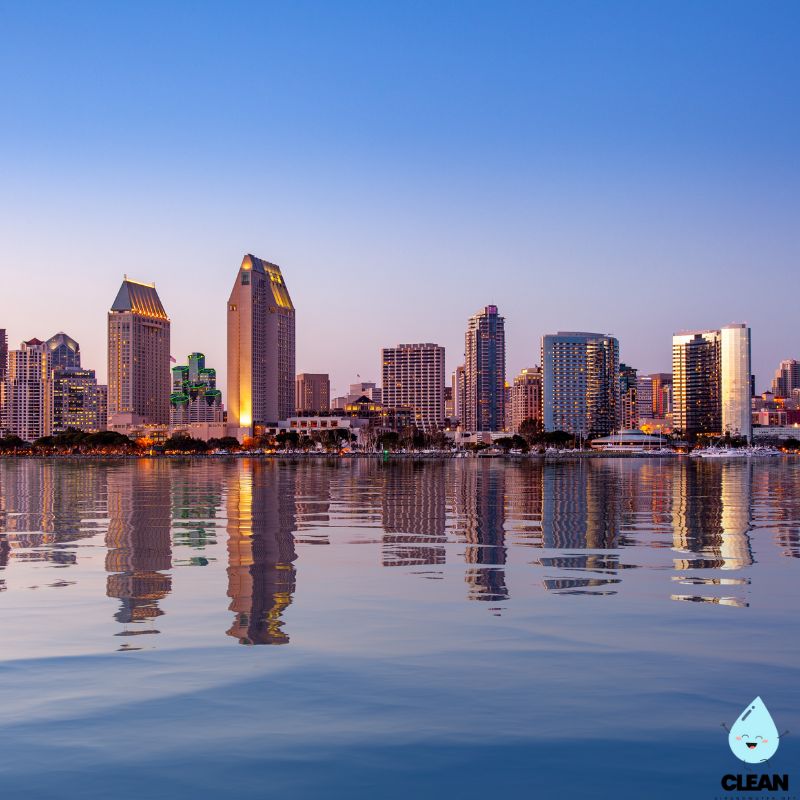
San Diego’s Public Utilities Department provides comprehensive water and wastewater services to more than 1.4 million residents, operating nine reservoirs, three water treatment plants (Alvarado, Miramar, and Otay), three wastewater treatment plants, 131 pump stations, and over 6,300 miles of pipelines. As a semi-arid region that has historically imported up to 85–90% of its water from the Colorado River and Northern California’s State Water Project, San Diego has invested heavily in supply diversification.
The defining story of 2026 is the approaching completion of Pure Water San Diego Phase 1 — a $1.5 billion programme that will add 30 million gallons per day of advanced-purified recycled water, with commissioning expected to begin in 2026. However, independent analysis continues to show 14 contaminants exceeding health guidelines in the current supply, including disinfection byproducts at levels substantially above EWG thresholds, PFAS, hexavalent chromium, uranium, and radium. All water meets federal and California state regulatory standards. For broader context see our California water quality overview.
San Diego Water Quality: Current Status (2025-2026)
Latest Testing Results
- Contaminant Detection: EWG analysis of utility data (2021–2023 monitoring period) shows 14 contaminants exceeding health guidelines in San Diego’s water. Key among these are total trihalomethanes and haloacetic acids formed during disinfection, hexavalent chromium, uranium, radium, and PFAS. The city has never violated federal legal limits for any of these substances.
- Disinfection Byproducts (Official CCR Data): The highest Location-based Running Annual Average (LRAA) for total trihalomethanes was 46 ppb — below the 80 ppb MCL. Individual readings ranged from 2.2 to 75.6 ppb. HAA5 maximum LRAA was 14 ppb against a 60 ppb limit. No Stage 1 or Stage 2 DBP violations have occurred since the programme began in 2002. An NSF-certified reverse osmosis system is the most effective way to reduce these byproducts at the tap.
- Regulatory Compliance: San Diego’s water meets all federal and California state drinking water standards. The city’s three treatment plants — Alvarado, Miramar, and Otay — have each received American Water Works Association Director’s Awards for treatment performance, with Miramar also earning the President’s Award nine consecutive years. Track any active alerts in California on our live boil water notice tracker.
Diversified Water Sources
- Imported Water: San Diego currently imports approximately 85–90% of its supply — primarily a blend of Colorado River water and California State Water Project water purchased via the San Diego County Water Authority (SDCWA). Less than 10% is purchased treated water from Metropolitan Water District’s Skinner plant, SDCWA’s Twin Oaks Valley plant, and the Carlsbad Desalination Plant.
- Carlsbad Desalination Plant: The nation’s largest seawater desalination plant produces over 50 million gallons daily via reverse osmosis, providing a drought-proof local source and effectively removing PFAS and other contaminants. The SDCWA confirms no detectable lead levels in any water from any treatment plant in its system.
- Pure Water San Diego (Phase 1 — Commissioning 2026): The $1.5 billion Phase 1 programme is in final construction, with commissioning expected to begin in 2026. It will produce 30 million gallons per day using advanced microfiltration, reverse osmosis, and UV disinfection with advanced oxidation — water quality that exceeds all regulatory standards and effectively removes PFAS. Phase 2, which would add a further 53 million gallons per day, is under review as the city currently has a water surplus following expanded desalination and agricultural water purchases.
Treatment Technology
- Alvarado and Miramar Plants: Use ozone as the primary disinfectant — an advanced method that produces fewer disinfection byproducts than chlorine alone. Secondary disinfection uses chloramines to maintain protection through the distribution system. Bromate is monitored as an ozonation byproduct; all 2021 results were below the 10 ppb MCL.
- Otay Water Treatment Plant: Uses chlorine dioxide as its primary disinfectant, with chloramines for secondary disinfection. Chlorite is monitored as a byproduct; distribution system average was 0.30 ppm against a 1.0 ppm MCL.
- Lead and Copper: San Diego outlawed lead pipes in 1927 — 59 years before the federal ban in 1986. The most recent lead and copper sampling (2020) found no sites above action levels in 54 customer taps sampled. The city uses pH adjustment for corrosion control. For concerns, contact the Water Quality Lab at 619-668-3232.
Water Rate Context
San Diego Public Utilities is entirely funded by ratepayer revenue. Recent rate adjustments reflect rising imported water costs, Pure Water infrastructure investment, and ongoing system modernisation. Financial assistance is available through the Low Income Household Water Assistance Program for qualifying customers. Conservation rebates are available through the SoCal Water$mart programme (socalwatersmart.com) covering turf replacement, high-efficiency washers, and smart irrigation systems.
Recommendations for San Diego Residents
Test Your Water
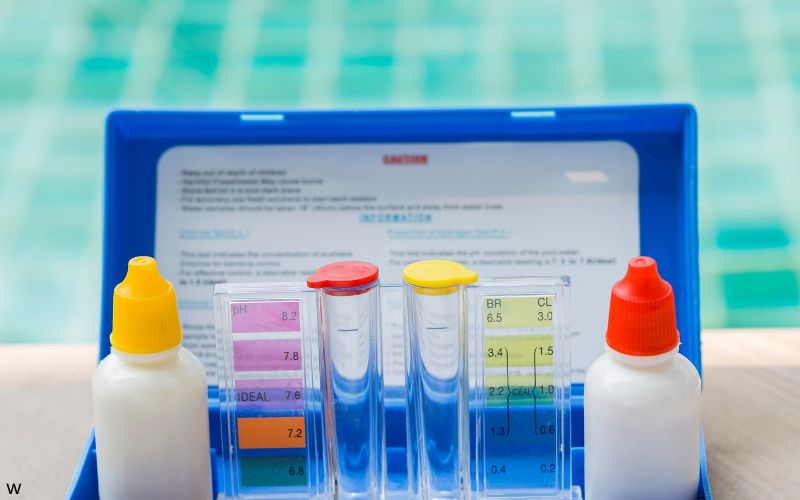
Contact San Diego’s Water Quality Lab at 619-668-3232 or email DrinkingWaterQuality@sandiego.gov for assistance with private lab testing. Given the detection of 14 contaminants exceeding health guidelines, independent testing provides valuable insight for your specific address and plumbing. Check our water alert news feed for the latest California water quality developments.

Maximise Rebates
Take advantage of SoCal Water$mart rebates including turf replacement, high-efficiency washers, and smart irrigation systems. Visit socalwatersmart.com or call 888-376-3314. Additional rebates are available through wastenowater.org including rain barrels, grey water systems, and irrigation upgrades.
Consider Home Filtration
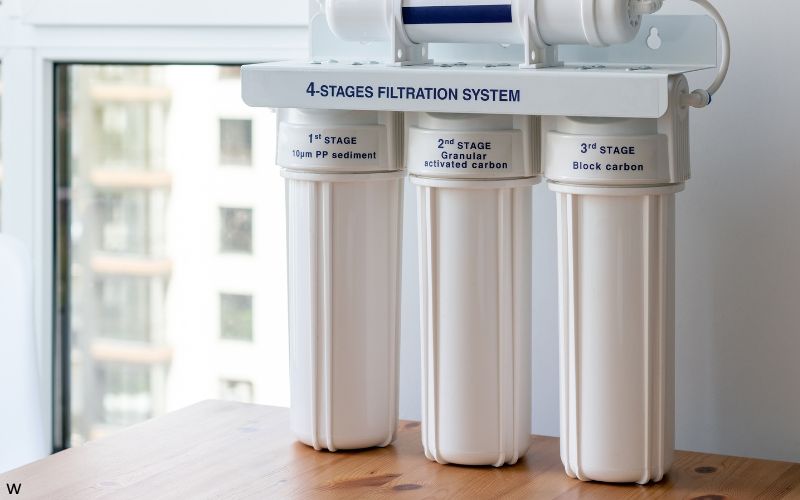
With 14 contaminants exceeding health guidelines — including disinfection byproducts, PFAS, and hexavalent chromium — an NSF-certified reverse osmosis filter provides the most effective protection for drinking and cooking water. Activated carbon filters can also reduce chloramines and some organic contaminants for better taste.
Get a Free Water Audit
Schedule a free residential water use survey through Metropolitan Water District to identify indoor and outdoor savings opportunities. Professional technicians evaluate irrigation systems and provide personalised recommendations. San Diego has permanent mandatory water use restrictions year-round regardless of drought status — visit wastenowater.org for current guidance.

Report Issues
Contact San Diego Public Utilities at 619-515-3525 (24/7) for water leaks, sewer spills, or pressure problems. For water quality concerns — taste, odour, or discoloration — call the Water Quality Lab at 619-668-3232 or email DrinkingWaterQuality@sandiego.gov. Monitor active boil water orders on our live US boil water tracker.
Frequently Asked Questions
Is San Diego’s tap water safe to drink?
San Diego’s tap water meets all federal and California state drinking water standards. The city’s three treatment plants have never violated federal disinfection byproduct limits since monitoring began in 2002, and no lead or copper action level exceedances have been recorded. San Diego’s Otay WTP has held the AWWA Director’s Award for 14 consecutive years.
However, EWG analysis based on 2021–2023 utility data identifies 14 contaminants exceeding independent health guidelines — including disinfection byproducts, hexavalent chromium, PFAS, uranium, and radium. These substances are legally compliant but may pose long-term health concerns at chronic exposure levels. Households with pregnant women, infants, or immunocompromised individuals should consider an NSF-certified reverse osmosis filter for drinking and cooking water. See our US water quality checker for context on national standards.
Why are San Diego water rates increasing?
Rate increases reflect several factors essential for maintaining reliable service:
1. Rising imported water costs: San Diego purchases up to 85–90% of its water from wholesale providers whose rates have increased due to infrastructure needs, drought management, and Colorado River shortages
2. Pure Water investment: The $1.5 billion Phase 1 programme requires substantial upfront capital funded through WIFIA loans ($733.5 million), State Revolving Fund loans ($665.1 million), and federal/state grants ($80+ million)
3. Infrastructure modernisation: Ongoing replacement of aging pipelines and treatment facilities across the 6,300-mile distribution network
4. Emerging contaminant compliance: Future PFAS treatment costs, particularly for South County Sweetwater Reservoir contamination, may add significant costs. Financial assistance programmes are available for qualifying low-income customers.
Does San Diego have lead in its water system?
San Diego has an excellent lead management record. The city banned lead pipes in 1927 — 59 years before the 1986 federal prohibition. Comprehensive service line surveys confirm no lead service lines in the city-owned portion of the water system.
• The most recent lead and copper sampling (2020, 54 taps) found no sites above the 15 ppb action level — lead was not detectable at 90th percentile
• The city uses pH adjustment for corrosion control throughout the distribution system
• Homes built before 1986 may have internal lead plumbing components. Flush your tap for 30 seconds to 2 minutes if water has sat for several hours. Contact the Water Quality Lab at 619-668-3232 for a lead test. See also our national water quality checker.
What is Pure Water San Diego and when will it be ready?
Pure Water San Diego is the city’s potable water recycling programme that transforms wastewater into ultra-pure drinking water using advanced microfiltration, reverse osmosis, and UV disinfection with advanced oxidation.
Phase 1 (Commissioning from 2026):
• Produces 30 million gallons per day of purified recycled water
• Construction active in Morena, Bay Park, Bay Ho, Clairemont, University City, Miramar, and Scripps Ranch communities
• Water quality will exceed all regulatory requirements with superior removal of PFAS and other contaminants compared to conventional treatment
Phase 2 (Under review): City officials are reassessing Phase 2 given San Diego’s current water surplus following expanded desalination and agricultural water purchases. No timeline confirmed. The city aims for Pure Water to eventually supply up to half of San Diego’s water locally, dramatically reducing dependence on imported Colorado River and State Water Project supplies.
Quality News About Your Water
Get the comprehensive water quality news coverage you need with our dedicated US Water News Service. From coast to coast, we deliver in-depth reporting and expert analysis on PFAS contamination, EPA regulatory changes, infrastructure developments, and emerging water safety issues affecting communities nationwide. While mainstream media only covers the biggest stories, we provide the detailed, ongoing coverage that helps you understand the full scope of America’s water challenges.
What’s actually in your tap water? Enter your ZIP code for a full breakdown of contaminants detected in your local supply
Drinking water from a well? Check our directory here for more information
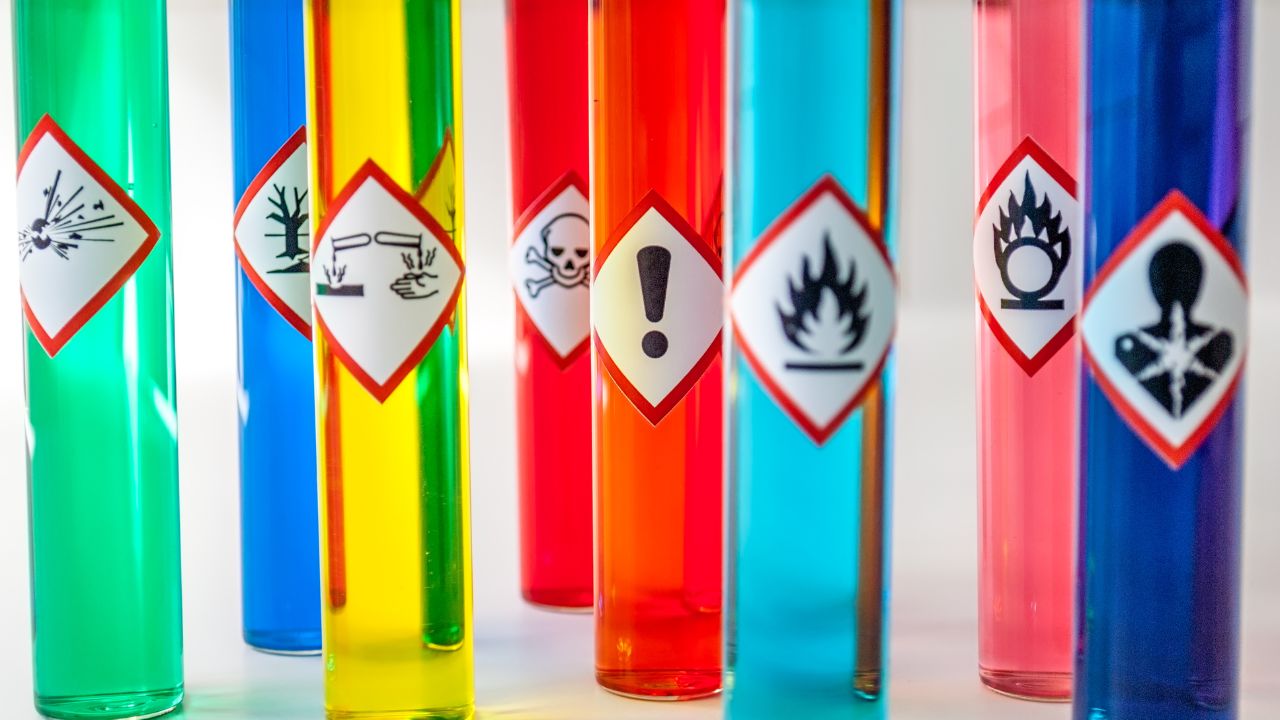
Contaminants of Concern
PFAS Compounds
Source: Per- and polyfluoroalkyl substances from industrial processes, firefighting foams, and consumer products. Detected in imported water sources and in South County’s Sweetwater Reservoir. The SDCWA monitors all supply sources and uses granular activated carbon or reverse osmosis treatment where PFAS are found above notification levels.
Health Effects: Potential impacts on immune system, thyroid function, cholesterol levels, liver function, and possible links to certain cancers. PFAS persist indefinitely in the environment and accumulate in the human body.
2026 Status: PFOA and PFOS EPA MCLs of 4 ppt are now enforceable (finalised April 2024) with a compliance deadline of 2031. The Carlsbad Desalination Plant’s reverse osmosis technology effectively removes PFAS. See our national PFAS overview for context, and our California water quality page for statewide data.
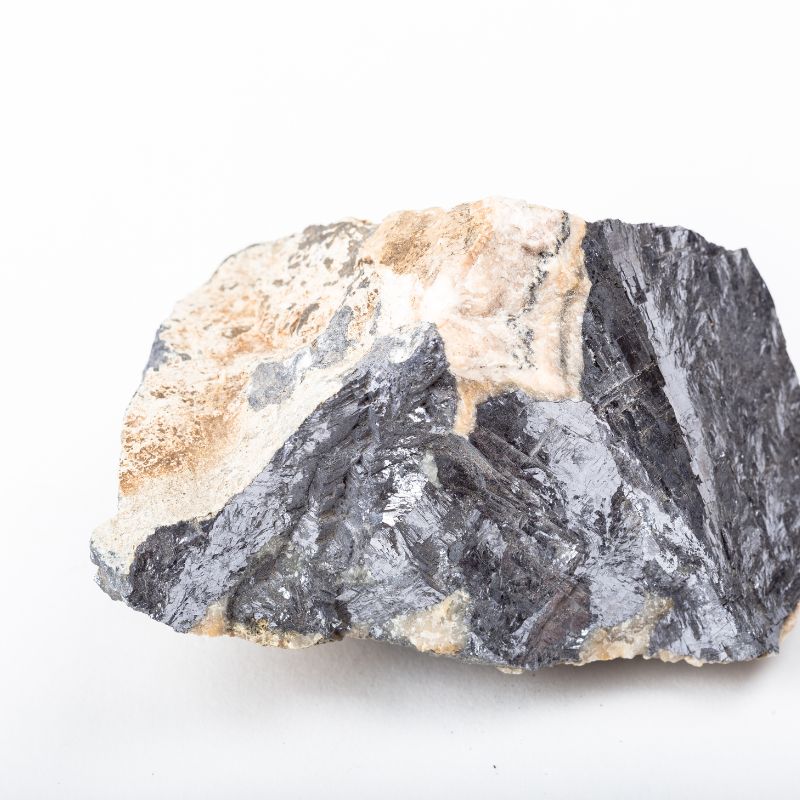
Disinfection Byproducts & Heavy Metals
Source: Disinfection byproducts (TTHMs and HAA5) form when ozone, chlorine dioxide, or chloramines react with naturally occurring organic matter in imported source water. Heavy metals including hexavalent chromium, uranium, and radium are naturally occurring in Colorado River and State Water Project sources.
Health Effects: TTHMs and haloacetic acids are linked to increased cancer risk and reproductive problems at chronic exposure levels. Hexavalent chromium (the Erin Brockovich chemical) is carcinogenic. Uranium and radium increase cancer risk and affect kidney function.
Official Data (CCR): Highest TTHM LRAA was 46 ppb (MCL: 80 ppb); HAA5 maximum LRAA was 14 ppb (MCL: 60 ppb) — both well within legal limits. EWG health guideline comparisons use much lower thresholds based on California public health goals. An under-sink reverse osmosis system effectively removes all of these contaminant groups. Note: The Pure Water programme’s advanced treatment will reduce byproducts further as recycled water enters the supply from 2026 onwards.
Please read – our information
The information presented on cleanairandwater.net is compiled from official water quality reports, trusted news sources, government websites, and public health resources. While we strive for accuracy and thoroughness in our presentations, we are not scientists, engineers, or qualified water quality professionals.
Our mission is to present water quality information in an accessible, real-world format that helps people understand what’s in their water and make informed decisions about their health and safety. We believe that complex environmental information should be available to everyone in a format that’s easy to understand.
We make every effort to ensure our content is current and accurate, but we cannot guarantee that all information is complete or error-free. This website should not replace official communications from your local water utility or health department. We always recommend consulting official sources for the most up-to-date information regarding your specific water system.
Clean Air and Water is not liable for any unintentional errors, omissions, or outdated information. The content on this site is provided for informational purposes only and should not be considered professional advice.