New Haven Water Quality at a Glance
Is New Haven Water Safe to Drink?
Generally Safe, With Some Concerns — New Haven water meets all federal EPA and Connecticut Department of Public Health standards. The Regional Water Authority (RWA) serves approximately 432,000 customers across 15 municipalities with water from 10 lakes and 3 aquifers, delivering around 42.3 million gallons per day. TapWaterData identifies 2 contaminants above EPA MCLGs. Key issues include PFAS detected at 3.5–11 ppt (well below state health advisory limits per RWA), trihalomethanes averaging 48 ppb (ranging 2–123 ppb), and hexavalent chromium. Connecticut’s unique prohibition on mixing drinking water and wastewater sources provides a structural advantage over most states. Check our live boil water notices tracker for any active advisories.
⚠️ Key Concerns for New Haven Residents
- PFAS “Forever Chemicals”: Detected at 3.5–11 ppt across the system; some Cheshire wells show levels at or just above EPA’s 4 ppt MCL — though RWA states these are well below Connecticut’s health advisory action levels
- Trihalomethanes (Disinfection Byproducts): Chloroform, bromodichloromethane averaging 48 ppb with peaks up to 123 ppb; form when chlorine reacts with naturally occurring organic matter in source water
- Hexavalent Chromium: A recognised carcinogen detected in the system; can originate from natural rock deposits or industrial activity
- Lead Service Lines: RWA is actively refining its lead service line inventory and developing a replacement plan; homes with older plumbing may have elevated tap lead levels
Read the full report below for detailed analysis, city-specific data, and actionable recommendations for New Haven residents.
advertisment – report continues below
Your water passed the test.
Legal isn’t the same as safe.
Regulated contaminants like PFAS, chromium-6, and disinfection byproducts can sit inside the legal limit and still carry long-term health risks. Passing isn’t the same as clean.
✅ Removes PFAS, lead & chromium-6 — the contaminants most flagged even in passing city reports
✅ NSF/ANSI 42, 58 & 372 certified — independently tested, not just manufacturer claims
✅ Installs in 30 minutes, no plumber — fills a glass in 8 seconds, smart LED filter monitor
Renting or can’t drill? The Waterdrop K19 Countertop RO — plug in, fill the tank, done. No installation, no drilling, no plumber.
Advertisement — this page contains affiliate links. If you buy through these links, we may earn a commission at no extra cost to you.

New Haven — Connecticut — Water Quality Report 2026: PFAS Testing, Infrastructure Concerns & Safety across your city
The South Central Connecticut Regional Water Authority (RWA) provides water services to approximately 432,000 residents across 15 municipalities in the greater New Haven area, including Ansonia, Bethany, Branford, Cheshire, Derby, East Haven, Hamden, Milford, New Haven, North Branford, North Haven, Orange, Seymour, West Haven, and Woodbridge. Established as a nonprofit corporation in 1977, the system encompasses over 1,700 miles of water distribution lines, 10 reservoirs, three aquifers, and four state-of-the-art surface water treatment plants that deliver an average of 42.3 million gallons of drinking water daily to Connecticut’s second-largest metropolitan area.
RWA sources its drinking water from multiple reservoir systems including Lake Whitney, Saltonstall, West River, and North Branford reservoirs, along with wellfields drawing from the Quinnipiac, Mill River, and Housatonic River aquifers. The authority manages nearly 28,000 acres of protected watershed land and conducts 110,000 drinking water tests per year. RWA’s water meets all federal and state quality standards, though the utility continues to navigate emerging challenges including PFAS monitoring and compliance, lead service line replacement, and infrastructure modernisation. Connecticut — along with Rhode Island — is one of only two states that prohibit utilities and wastewater treatment plants from sharing the same water bodies, providing a structural quality advantage over most of the country. See our Connecticut state water report for broader regional context.

New Haven Water Quality: Current Status (2025–2026)
Latest Testing Results
- Comprehensive Monitoring: RWA conducts 110,000 drinking water tests annually across its system — among the most rigorous testing regimes in New England. The authority’s state-licensed laboratory handles all stages of testing, from sample collection through final reporting, with rush services available for customers with urgent concerns. Visit our water quality checker to look up results for your area.
- Testing Scope: RWA tests for more than 70 regulated compounds and over 40 unregulated contaminants including bacteria, heavy metals, PFAS compounds, and disinfection byproducts throughout the distribution network. Independent analysis by TapWaterData identifies 2 contaminants above EPA Maximum Contaminant Level Goals (MCLGs) — a distinction from legal MCLs that residents should understand when making filtration decisions.
- Compliance Status: RWA’s water meets or exceeds all federal EPA and Connecticut Department of Public Health drinking water standards. The authority maintains one of the highest customer satisfaction ratings in the country at over 90%, well above the national utility average of 77%.
Water Sources
- Primary Reservoirs: Over 80% of drinking water originates from ten lake reservoir systems in Hamden, Woodbridge, East Haven, Bethany, Guilford, Madison, Killingworth, Branford, and North Branford. The system traces its history to the 1800s when Eli Whitney II first brought water from Lake Whitney to New Haven residents.
- Aquifer Systems: Supplemental water comes from three wellfields — Quinnipiac and Mill River Aquifers in Cheshire and Hamden, and the Housatonic River aquifer in Derby and Seymour. Some Cheshire wellfield sources have shown low-level PFAS detections subject to ongoing monitoring under EPA’s UCMR 5 programme.
- Watershed Protection: RWA manages nearly 28,000 acres of protected watershed land across multiple communities, maintaining natural filtration buffers and actively inspecting for potential PFAS-generating land uses. This proactive approach to source water protection is a key quality differentiator for the system.
Advanced Treatment Technology
- Four Surface Water Treatment Plants: RWA operates four state-of-the-art surface water treatment plants, including the Lake Whitney Water Treatment Plant in Hamden, each using multi-barrier treatment — coagulation, flocculation, sedimentation, filtration, and disinfection — to meet or exceed regulatory standards.
- Distribution Network: RWA’s interconnected system allows water from multiple sources to be blended and delivered across communities, providing reliability during peak demand and flexibility for quality management. Infrastructure rates were updated in January 2025 to fund ongoing capital improvements.
- PFAS Laboratory Capability: RWA operates one of only a few Connecticut laboratories licensed and equipped to test drinking water for PFAS compounds using EPA Method 537, providing cutting-edge analytical capability for emerging contaminants. This capacity is also available commercially to other utilities and organisations.
Infrastructure Modernisation
- SCADA Upgrade: RWA is undertaking a system-wide Remote Telemetry Unit (RTU) upgrade, replacing aging SCADA technology including obsolete programmable logic controllers, updating control cabinets, modernising communication networks, and improving human-machine interface hardware — funded in part through a Drinking Water State Revolving Fund subsidised loan.
- Main Replacement Programme: Ongoing capital improvement projects are replacing aging water mains and service lines across the service area. Some of RWA’s infrastructure dates to the post-World War II era and even the late 1800s — the capital programme targets the most critical sections systematically.
- Lead Service Line Inventory: In compliance with EPA’s Lead and Copper Rule Revisions, RWA is actively refining its inventory of customer-side lead service lines and developing a communications strategy and replacement work plan. Customers can check their service line status at rwater.com using the interactive inventory map.
Customer Protection Initiatives
RWA provides extensive customer support including the Residential Water Assistance Program, which offers one-time annual $80 grants for qualifying low-income households (income at or below 125% of Federal Poverty Guidelines). PipeSafe protection plans cover water line, sewer/septic, and in-home plumbing repairs at low monthly cost. The authority publishes annual water quality reports in English and Spanish and operates HazWaste Central, Connecticut’s only permanent household hazardous waste collection facility. RWA’s commitment to transparency extends to proactive PFAS testing since 2019, collaborative engagement with Connecticut’s inter-agency PFAS task force, and ongoing customer education — including through our water quality news service. Compare the region’s water data with neighbouring Bridgeport and statewide Connecticut reports for broader perspective.
Recommendations for New Haven Residents
Check Your Service Line
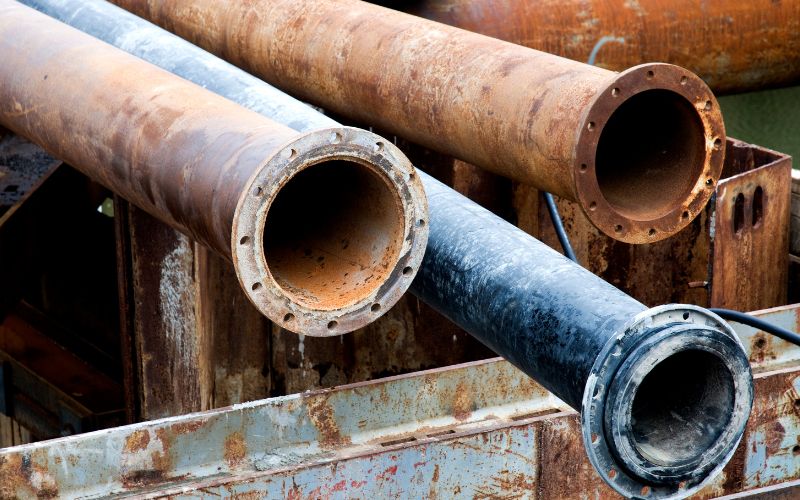
Use RWA’s online service line inventory map to check whether your property may have a lead-containing water service line — visit rwater.com and search by address. Call RWA at 203-562-4020 for additional support. Most lead exposure in drinking water comes from customer-owned plumbing rather than the main distribution system, making home verification especially important for properties built before 1986. Use our water quality checker for further testing data.
Practice Water Conservation
Follow RWA’s year-round conservation guidance at rwater.com/water-wise-ways. During drought conditions, reduce automatic irrigation and non-essential outdoor water use. RWA’s nearly 28,000 acres of protected watershed land depend on residents and businesses minimising contamination runoff — proper disposal of household chemicals is critical. Use HazWaste Central, Connecticut’s only permanent household hazardous waste collection facility, operated by RWA.
Consider PipeSafe & Filtration
Protect against unexpected repair costs with RWA’s PipeSafe plans covering water lines, sewer/septic systems, and in-home plumbing. For drinking water quality, consider a certified reverse osmosis filter — the most effective option for removing trihalomethanes, PFAS, and hexavalent chromium. See our water filter guide for NSF-certified options suited to New Haven’s specific contaminant profile.
Frequently Asked Questions
Is New Haven’s tap water safe to drink?
New Haven’s tap water meets all federal EPA and Connecticut Department of Public Health drinking water standards. RWA’s water comes from protected reservoirs and aquifers treated through comprehensive multi-barrier processes at four surface water treatment plants, with 110,000 tests conducted annually.
Independent analysis identifies 2 contaminants above EPA MCLGs — non-enforceable health goals that are more conservative than legal MCLs. The most notable ongoing concerns are disinfection byproducts (trihalomethanes up to 123 ppb) and low-level PFAS. For vulnerable groups — infants, pregnant women, and those with weakened immune systems — a certified reverse osmosis filter provides additional protection. Check our live boil water tracker for any active notices.
What is RWA doing about PFAS in 2026?
RWA has proactively monitored for PFAS since 2019 and operates one of a small number of Connecticut laboratories equipped for PFAS analysis using EPA Method 537. Current testing shows PFAS levels well below Connecticut’s health advisory action levels across most of the system, with some Cheshire wellfield sources showing low-level detections at or near EPA’s 4 ppt MCL for PFOA and PFOS.
RWA is collaborating with Connecticut’s inter-agency PFAS task force, monitoring all ten PFAS compounds covered by Connecticut’s action levels, and prioritising inspection of watershed land uses that could generate PFAS. EPA’s April 2024 rule set a 4 ppt MCL for PFOA and PFOS individually — the compliance deadline is 2031 (extended from the originally proposed 2029). MCLs for several additional PFAS compounds (PFHxS, PFNA, HFPO-DA/GenX, PFBS) are currently under EPA reconsideration. RWA will be required to complete monitoring by April 2027.
How can I check if my service line contains lead?
RWA provides an online service line inventory map where customers can search their address to check whether their property may have a lead-containing water service line. In compliance with EPA’s updated Lead and Copper Rule Revisions, RWA is actively refining its inventory and developing a replacement plan for customer-side lead pipes.
• Online Map: Visit rwater.com to access the interactive service line inventory map
• Customer Service: Call RWA at 203-562-4020 for information about your specific service line materials
• Water Testing: RWA’s laboratory provides water quality testing services for customers with specific concerns
Most lead exposure from drinking water comes from customer-owned plumbing and interior fixtures rather than the main distribution system. RWA uses corrosion control treatment to minimise leaching. If you live in a pre-1986 home, independent testing is worthwhile — see our water quality checker for additional resources.
What financial assistance is available for water bills?
RWA offers the Residential Water Assistance Program providing one-time annual $80 grants for qualifying low-income customers, along with PipeSafe protection plans for plumbing emergencies:
Eligibility Requirements:
• Household income at or below 125% of Federal Poverty Guidelines (approximately $38,625 per year for a family of four in 2026)
• Account must be in the name of an adult currently living at the service address
• Residential single home or apartment served by its own water line
How to Apply:
Contact RWA at 203-562-4020 or visit rwater.com for application information. Applications are processed through community-based organisations on a first-come, first-served basis. Grants are applied directly to qualifying customer accounts and cannot be used for security deposits or reconnection fees. Stay updated on water quality issues in the region through our water alert news service.
Quality News About Your Water
Get the comprehensive water quality news coverage you need with our dedicated US Water News Service. From coast to coast, we deliver in-depth reporting and expert analysis on PFAS contamination, EPA regulatory changes, infrastructure developments, and emerging water safety issues affecting communities nationwide. While mainstream media only covers the biggest stories, we provide the detailed, ongoing coverage that helps you understand the full scope of America’s water challenges.
What’s actually in your tap water? Enter your ZIP code for a full breakdown of contaminants detected in your local supply
Drinking water from a well? Check our directory here for more information
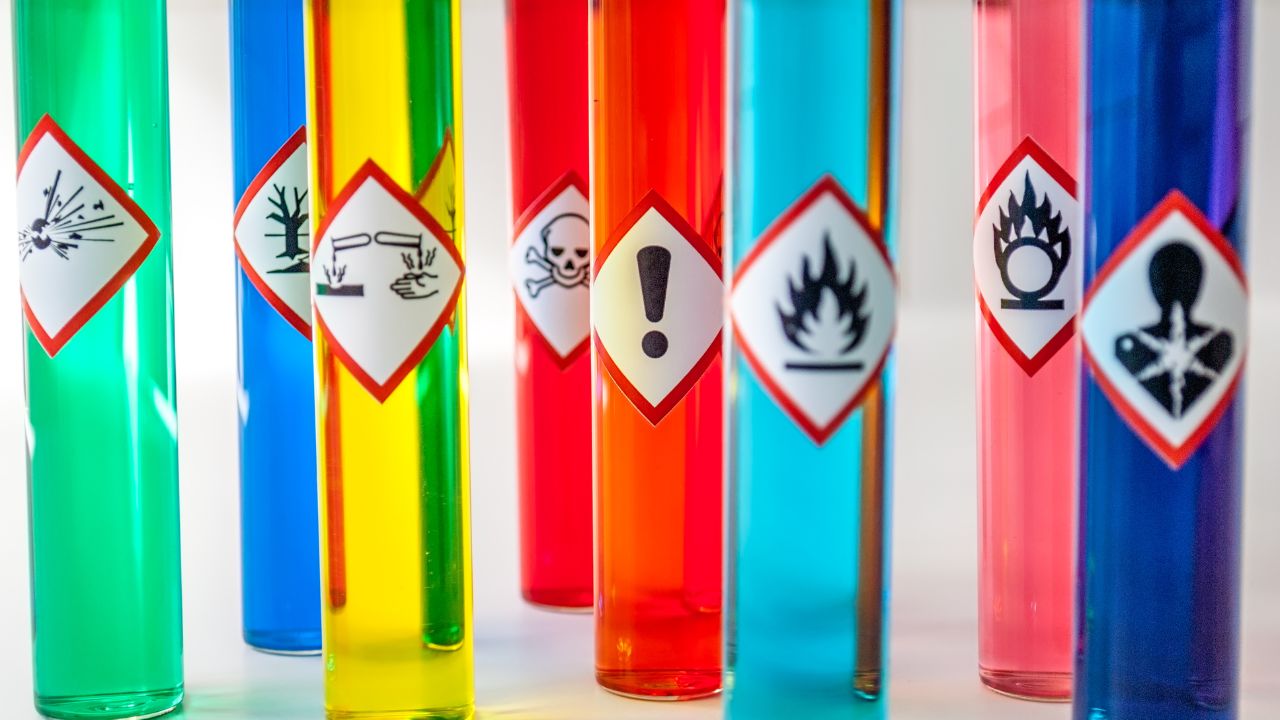
Contaminants of Concern
PFAS Compounds
Source: Per- and polyfluoroalkyl substances (“forever chemicals”) from industrial processes, firefighting foams, and consumer products that enter the environment and can migrate into groundwater and surface water sources. RWA has been proactively identifying potential PFAS-generating land uses within its watershed and aquifer areas since 2019.
Health Effects: Long-term PFAS exposure is associated with immune system disruption, thyroid function changes, elevated cholesterol, reproductive health impacts, and increased risk of certain cancers. Effects are linked to chronic low-level exposure over time, not single acute doses.
Current Status: RWA testing shows PFAS at 3.5–11 ppt across the system; RWA states levels are well below Connecticut’s health advisory action levels. Some Cheshire wellfield sources show detections at or near EPA’s individual PFOA/PFOS MCL of 4 ppt — though these supply only 3–5% of the total system. EPA Regulatory Update: EPA’s April 2024 rule set 4 ppt MCLs for PFOA and PFOS individually; compliance deadline extended to 2031. MCLs for PFHxS, PFNA, HFPO-DA/GenX, and PFBS are under EPA reconsideration. Mandatory monitoring deadline is April 2027. See our filter guide for PFAS-removal options.
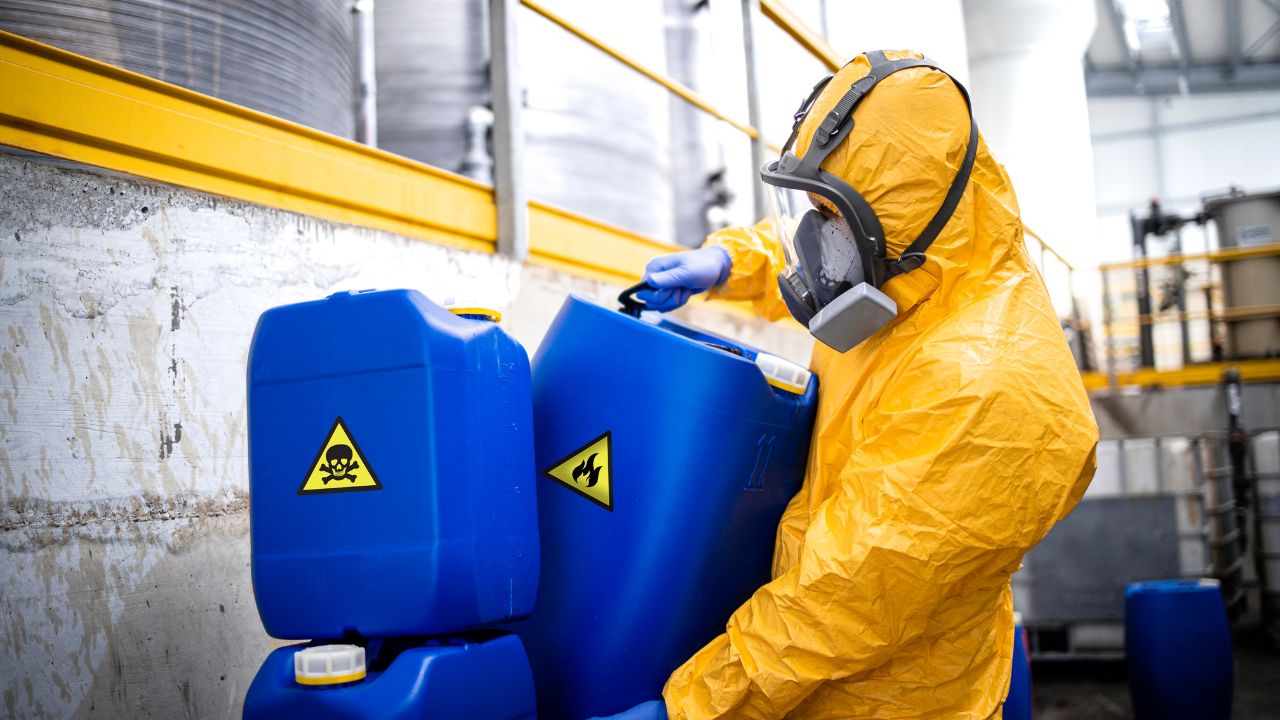
Disinfection Byproducts
Source: Formed when chlorine disinfectants react with naturally occurring organic matter in source water. Levels vary seasonally with water temperature and organic content — typically higher in summer when organic matter is more abundant in reservoirs.
Health Effects: Long-term exposure to elevated levels of trihalomethanes (THMs) — particularly bromodichloromethane (BDCM), which the EPA classifies as a probable human carcinogen — is associated with increased bladder cancer risk, and potential liver, kidney, and central nervous system effects. Animal studies also indicate kidney, immune system, and developmental toxicity from BDCM.
Current Status: Trihalomethane levels average 48 ppb across the distribution system, with a range of 2–123 ppb. The system-wide average remains below EPA’s MCL of 80 ppb for total THMs, though peak samples at 123 ppb approach this limit. EPA Limits: 80 ppb for total trihalomethanes; 60 ppb for haloacetic acids. A certified activated carbon or reverse osmosis filter is the most effective at-home solution — see our filter recommendations for tested options suited to Connecticut water.
Please read – our information
The information presented on cleanairandwater.net is compiled from official water quality reports, trusted news sources, government websites, and public health resources. While we strive for accuracy and thoroughness in our presentations, we are not scientists, engineers, or qualified water quality professionals.
Our mission is to present water quality information in an accessible, real-world format that helps people understand what’s in their water and make informed decisions about their health and safety. We believe that complex environmental information should be available to everyone in a format that’s easy to understand.
We make every effort to ensure our content is current and accurate, but we cannot guarantee that all information is complete or error-free. This website should not replace official communications from your local water utility or health department. We always recommend consulting official sources for the most up-to-date information regarding your specific water system.
Clean Air and Water is not liable for any unintentional errors, omissions, or outdated information. The content on this site is provided for informational purposes only and should not be considered professional advice.