Kentucky Water Quality at a Glance
some concerns
Is Kentucky Water Safe to Drink in 2026?
Generally Yes, With Regional Caution — Kentucky’s 435 public water systems show strong overall compliance, but new EPA UCMR 5 data released in March 2026 confirm 10 Kentucky water systems exceed federal PFAS limits. Fort Campbell Water System has the highest contamination, with PFOS averaging 6.2 times over the federal MCL of 4 ppt. Paducah Water Works and several other systems also exceed limits. Meanwhile, Louisville Water Company is managing a new GenX contamination event traced to a Chemours facility 400 miles upstream on the Ohio River, and Lexington continues to show chromium-6 at 4x safe levels.
⚠️ Key Concerns for Kentucky Residents in 2026
- Fort Campbell PFAS: PFOS at 6.2x the federal MCL — the highest reading among Kentucky systems in the latest UCMR 5 data; active litigation ongoing
- 10 Systems Above Federal Limits: Ashland, Augusta, Cynthiana, Georgetown, Lewisport, Paducah, and others confirmed above 4 ppt for PFOA or PFOS in EPA UCMR 5 results
- GenX in Louisville: Louisville Water Company detected a 15-fold spike in GenX (HFPO-DA) from Chemours’ Washington Works facility upstream; highest April 2025 single-month reading at Crescent Hill was 4.2 ppt
- Chromium-6: Lexington averages 76 ppt — 4x above California’s health guideline; no federal MCL currently established
- Coal Mining Legacy: Eastern Kentucky communities including Martin County face ongoing infrastructure and legacy contamination challenges
Read the full 2026 report below for detailed analysis, city-specific data, and actionable recommendations for Kentucky residents.
advertisment – report continues below
Your water passed the test.
Legal isn’t the same as safe.
Regulated contaminants like PFAS, chromium-6, and disinfection byproducts can sit inside the legal limit and still carry long-term health risks. Passing isn’t the same as clean.
✅ Removes PFAS, lead & chromium-6 — the contaminants most flagged even in passing city reports
✅ NSF/ANSI 42, 58 & 372 certified — independently tested, not just manufacturer claims
✅ Installs in 30 minutes, no plumber — fills a glass in 8 seconds, smart LED filter monitor
Renting or can’t drill? The Waterdrop K19 Countertop RO — plug in, fill the tank, done. No installation, no drilling, no plumber.
Advertisement — this page contains affiliate links. If you buy through these links, we may earn a commission at no extra cost to you.

Kentucky — The Bluegrass State — Water Quality Report 2026: PFAS Testing, Infrastructure Concerns & Safety Across the State
Kentucky’s water infrastructure serves approximately 4.59 million residents across diverse geographical regions, from the Appalachian Mountains in the east to the Mississippi River in the west. The state operates through a network of 435 public water systems, including major utilities like Louisville Water Company, which serves nearly one million customers, and Kentucky American Water, serving over 500,000 customers across multiple counties. Kentucky’s water sources include the Ohio River, Tennessee River, Kentucky River, and numerous groundwater aquifers that supply both urban centres and rural communities across the Commonwealth. Check our live boil water notice tracker for any active alerts affecting Kentucky communities.
Kentucky faces a sharper PFAS picture in 2026 than previously reported. New EPA UCMR 5 data released in March 2026 — covering mandatory testing of all public water utilities between 2023 and 2025 for 29 types of PFAS — confirm that 10 Kentucky water systems have average PFOA or PFOS levels above the enforceable federal MCL of 4 ppt. Fort Campbell Water System recorded the highest reading, with average PFOS at 6.2 times the federal limit. These findings represent a significant update from earlier state-level data and underscore that the number of systems needing treatment upgrades is higher than the original estimate of under 10%. Alongside this, Louisville Water Company is actively managing a new contamination challenge: a 15-fold spike in GenX (HFPO-DA) traced to the Chemours Washington Works plant on the Ohio River upstream, detected at Crescent Hill in late 2024. For broader national context, see our US water quality overview and the latest water quality alerts.
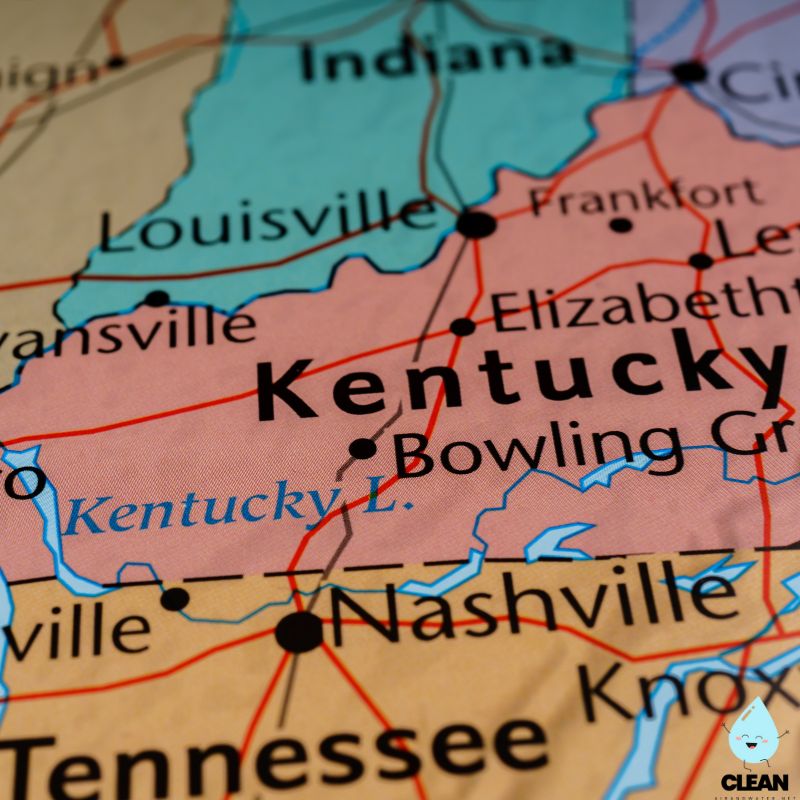
Kentucky Water Quality: Current Status (2025–2026)
Statewide Compliance and Testing
- Overall Compliance: Kentucky’s 435 public water systems maintain strong overall compliance with federal Safe Drinking Water Act standards. However, EPA UCMR 5 data released March 2026 — covering mandatory testing of all utilities between 2023 and 2025 — confirm 10 Kentucky systems have average PFOA or PFOS levels exceeding the 4 ppt federal MCL, a more precise and concerning picture than earlier state estimates.
- Named Systems Above Federal MCL: Kentucky Department for Environmental Protection data listed systems including Ashland (4.74 ppt PFOA), Augusta (4.43 ppt PFOA), Cynthiana (8.35 ppt PFOS), Georgetown (5.46 ppt PFOS), and Lewisport (Hancock County, 12.7 ppt) among those exceeding the 4 ppt limits. Fort Campbell Water System, operating across the Kentucky-Tennessee line, recorded the highest average — PFOS at 6.2 times the federal limit.
- Proactive State Testing: Kentucky’s Department for Environmental Protection has tested 91% of state water treatment plants for PFAS since its programme began in 2019, establishing one of the more comprehensive state-level PFAS datasets in the country. The Kentucky PFAS Explorer database allows residents to view results for finished drinking water, fish tissue, surface water, and groundwater.
Major Water Sources and Challenges
- Ohio River — Louisville and Downstream Communities: Louisville Water Company’s Crescent Hill facility detected a 15-fold spike in GenX (HFPO-DA) in late 2024, traced to Chemours’ Washington Works plant approximately 400 miles upstream in West Virginia. The highest single-month reading at Crescent Hill was 4.2 ppt in April 2025. Louisville is ramping up PFAS testing and treatment capabilities ahead of the 2031 compliance deadline. Paducah Water Works, also drawing from the Ohio River, reports PFOS at 1.5 times the federal MCL with variable monthly readings, and is planning granular activated carbon (GAC) treatment.
- Kentucky River Basin: Serves central Kentucky including the Lexington area through Kentucky American Water. Lexington continues to show chromium-6 levels averaging 76 parts per trillion — nearly four times higher than California’s health guideline of 0.02 ppb. No federal MCL for chromium-6 currently exists.
- Rural Groundwater and Eastern Kentucky: Around 5% of Kentuckians rely on private wells with limited monitoring. Eastern Kentucky faces particular challenges from historical coal mining contamination, as seen in Martin County’s ongoing water infrastructure difficulties. The Kentucky DEP provides guidance for private well owners through its PFAS and Private Wells programme.
PFAS Regulatory Landscape in 2026
- MCLs Confirmed and Enforceable: EPA’s PFOA and PFOS MCLs of 4 ppt, finalised in April 2024, remain in force. The Trump EPA confirmed in May 2025 it will retain these standards while extending the compliance deadline from 2029 to 2031. A federal court has denied the EPA’s request to eliminate four other PFAS drinking water limits (PFHxS, PFNA, HFPO-DA/GenX, PFBS). Water systems must complete initial monitoring by 2027 and report publicly. See our water filter guide for certified PFAS-removal options available now.
- Treatment Planning Underway: Affected utilities including Paducah Water Works are actively evaluating GAC as their primary PFAS treatment method. Lewisport conducted a $175,000 reverse osmosis pilot study and is assessing building a new $15 million treatment plant. Georgetown and Cynthiana are among the systems planning compliance upgrades ahead of 2031.
- Legal Action: Kentucky has joined lawsuits against chemical companies including DuPont de Nemours and 3M to recover PFAS contamination monitoring and treatment costs. Fort Campbell has faced separate PFAS litigation, with active cases pending. Manufacturer 3M agreed to pay more than $10 billion to drinking water providers nationally to settle PFAS litigation.
Rural and Disadvantaged Communities
- Targeted Federal Support: Kentucky has received over $22 million through the federal Emerging Contaminants in Small or Disadvantaged Communities Grant Programme, specifically addressing PFAS removal. These are grants rather than loans, ensuring communities are not burdened with additional debt for contamination they did not cause.
- South Shore Progress: South Shore — which recorded the highest PFAS levels in earlier statewide testing — has switched to an alternative water source as an interim measure while finalising a long-term solution, according to Kentucky DEP.
- System Coverage: Kentucky maintains approximately 95% statewide public water service coverage, with ongoing investments through the Kentucky Infrastructure Authority supporting system improvements and consolidation.
Looking Forward: 2026–2031
Kentucky’s water quality picture in 2026 is more complicated than the state’s historically strong compliance record suggests. The UCMR 5 data released in March 2026 confirm 10 systems above federal PFAS MCLs, with Fort Campbell — the most contaminated — facing active litigation and serving active military personnel and their families. Louisville Water is navigating a new GenX challenge tied to upstream industrial discharge, adding complexity to what was previously seen as one of the state’s cleaner large systems. All affected utilities now have until 2031 to achieve full compliance with enforceable PFOA/PFOS limits, with mandatory reporting required from 2027. The state’s proactive testing programme since 2019, combined with targeted federal funding and legal recovery efforts, gives Kentucky a stronger foundation than most states — but the work ahead is significant. For city-specific reports, see our pages on Louisville and Kentucky state overview.
Recommendations for Kentucky Residents
Know Your Water Source
Contact your water utility to request your 2026 Consumer Confidence Report and ask specifically about PFAS test results. Use the Kentucky DEP’s PFAS Explorer database to view your system’s latest results. If you live near Fort Campbell, Lewisport, Paducah, Ashland, Augusta, Georgetown, or Cynthiana — or rely on a private well — checking PFAS levels is particularly important. Our water quality checker can also help you find local data.
Support Infrastructure Investment
Stay informed about your utility’s PFAS compliance plans. Systems including Paducah, Georgetown, and Cynthiana are planning significant capital investments (GAC or reverse osmosis) to meet the 2031 compliance deadline. Attend public meetings, support appropriate rate structures, and track Kentucky water alerts as treatment projects progress.
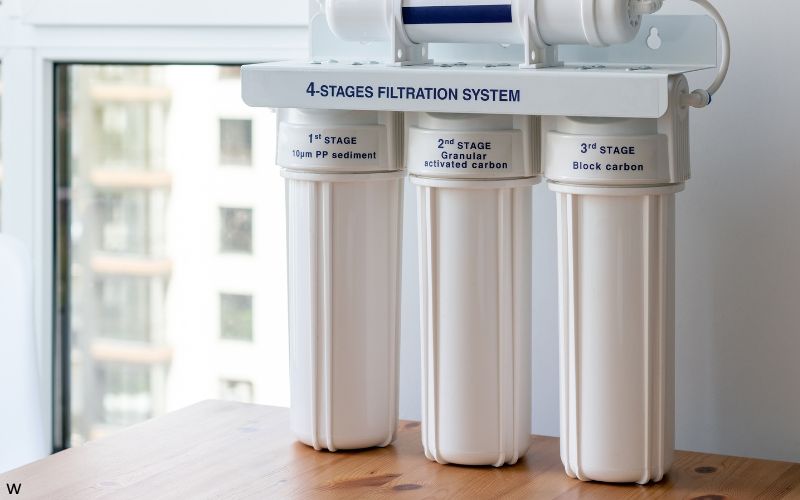
Consider PFAS-Certified Filtration
For residents in the 10 systems confirmed above federal PFAS limits, or in Lexington where chromium-6 is elevated, consider NSF-certified reverse osmosis or activated carbon filtration now — you don’t need to wait until 2031. These provide protection while utilities implement treatment upgrades. See our recommended water filters for Kentucky residents for certified options.

Report Water Quality Concerns
Contact your local water utility immediately for taste, odour, or colour concerns. Report suspected contamination to the Kentucky Energy and Environment Cabinet’s Division of Water at (502) 564-3410. Check our live boil water notice tracker for any active advisories in Kentucky.
Practise Water Conservation
Support Kentucky’s water sustainability by implementing conservation measures such as efficient irrigation, rainwater harvesting, and low-flow fixtures. Reducing demand helps utilities maintain system reliability and affordability as they undertake the capital investments needed for PFAS compliance by 2031.
Kentucky Cities We Cover
Louisville Water Quality
Comprehensive analysis of Louisville Water Company, serving nearly one million customers in the Louisville metro area. Covers Ohio River source water, treatment processes, the 2024–2025 GenX contamination spike traced to Chemours upstream, successful historical chromium-6 reduction (80% decrease through improved lime treatment), and PFAS monitoring results and compliance planning ahead of 2031. Louisville is one of the largest water systems in Kentucky.
Frequently Asked Questions
Is Kentucky’s tap water safe to drink in 2026?
Most of Kentucky’s 435 public water systems meet federal drinking water standards and are generally safe. However, new EPA data published in March 2026 confirm a more serious PFAS picture than previously understood.
Ten Kentucky water systems have average PFOA or PFOS levels above the enforceable federal MCL of 4 ppt, based on mandatory UCMR 5 testing carried out between 2023 and 2025. Fort Campbell Water System is the worst-affected, with PFOS averaging 6.2 times the federal limit. Paducah Water Works shows PFOS at 1.5 times the limit. Louisville Water Company is managing a new GenX contamination event from upstream industrial discharge. All systems have until 2031 to achieve full compliance. The state’s Kentucky PFAS Explorer database and our water quality tool can help you check your specific system.
Which Kentucky water systems are above federal PFAS limits?
EPA UCMR 5 data, published March 2026, identify the following Kentucky systems with average PFOA or PFOS levels exceeding the 4 ppt federal MCL:
Fort Campbell Water System — PFOS at 6.2x the federal limit (highest in state; serves Kentucky-Tennessee border Army base)
Lewisport (Hancock County) — 12.7 ppt; PFOS approximately 3x above standards in earlier testing
Cynthiana — 8.35 ppt PFOS
Georgetown — 5.46 ppt PFOS
Ashland — 4.74 ppt PFOA
Augusta — 4.43 ppt PFOA
Paducah Water Works — PFOS at approximately 1.5x the MCL (highly variable month to month)
Additional systems were identified in state or federal data. All have until 2031 to comply. For filtration options that remove PFAS now, see our water filter recommendations.
How can I find out about my local water quality in Kentucky?
Kentucky residents can access comprehensive water quality information through several routes:
• Consumer Confidence Reports: Contact your water utility directly for their annual CCR, which details all test results, violations, and contaminants detected
• Kentucky PFAS Explorer: The Kentucky Energy and Environment Cabinet’s online tool lets you search PFAS results for finished drinking water, fish tissue, surface water, and groundwater by location
• EPA UCMR 5 Data: All PFAS testing results from 2023–2025 are publicly available through the EPA’s UCMR 5 database, covering 29 PFAS compounds
• Our Tools: Use our water quality checker and boil water notice tracker for real-time Kentucky information
Why does Kentucky have localized water quality challenges?
While Kentucky performs well nationally on overall compliance, specific regional factors create concentrated contamination hotspots:
Military Base PFAS: Fort Campbell is the most contaminated system in the state, with PFOS at 6.2x the federal MCL — the result of decades of aqueous film-forming foam (AFFF) use in firefighting training. Active litigation is ongoing. Christian County, which includes part of Fort Campbell, was identified in a 2024 Kentucky DEP study as having the highest PFAS levels in the state.
Ohio River Industrial Discharge: Louisville Water Company and Paducah Water Works both draw from the Ohio River, which receives PFAS discharges from industrial facilities hundreds of miles upstream, including Chemours’ Washington Works plant in West Virginia. GenX levels can spike dramatically when upstream discharge increases.
Natural Chromium-6 and Industrial Sources: Lexington’s chromium-6 at 76 ppt reflects both natural mineral occurrences and industrial history in the Kentucky River watershed.
Coal Mining Legacy: Eastern Kentucky continues to contend with infrastructure degradation and contamination legacies from historical coal mining, particularly visible in Martin County’s long-standing water challenges. Track ongoing developments on our water alerts page.
Quality News About Your Water
Get the comprehensive water quality news coverage you need with our dedicated US Water News Service. From coast to coast, we deliver in-depth reporting and expert analysis on PFAS contamination, EPA regulatory changes, infrastructure developments, and emerging water safety issues affecting communities nationwide. While mainstream media only covers the biggest stories, we provide the detailed, ongoing coverage that helps you understand the full scope of America’s water challenges.
What’s actually in your tap water? Enter your ZIP code for a full breakdown of contaminants detected in your local supply
Drinking water from a well? Check our directory here for more information
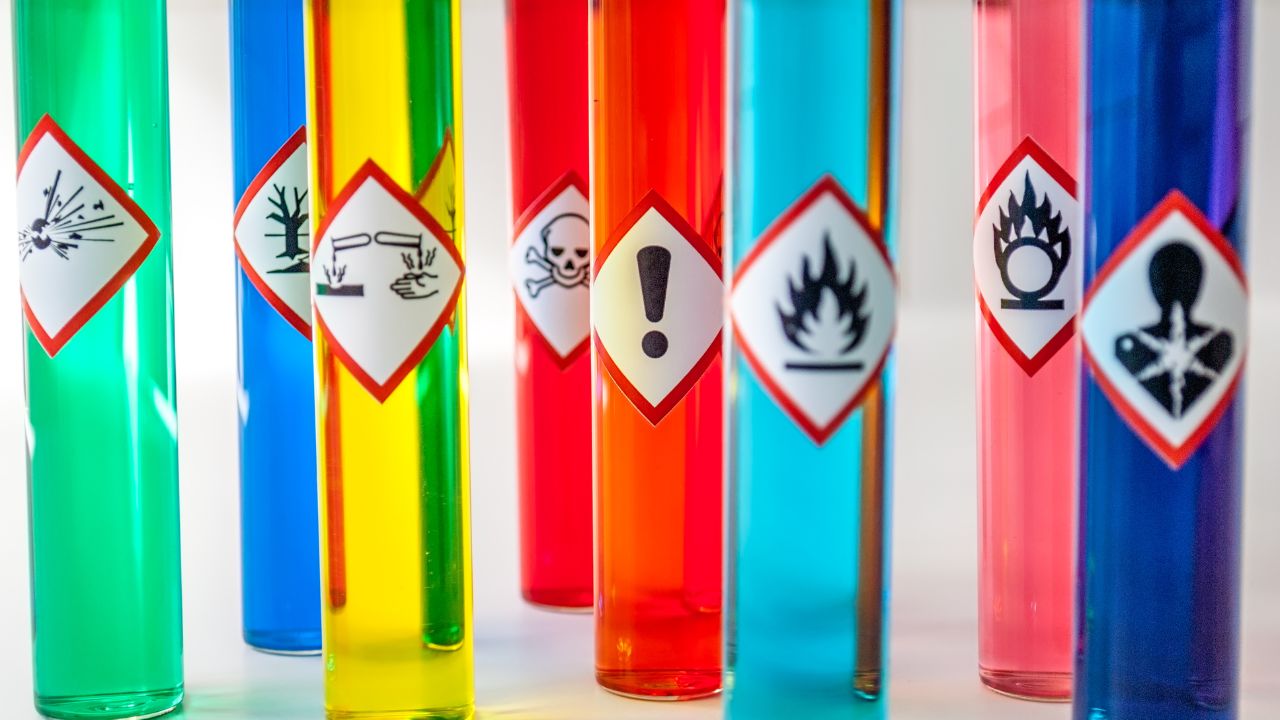
Contaminants of Concern
PFAS “Forever Chemicals”
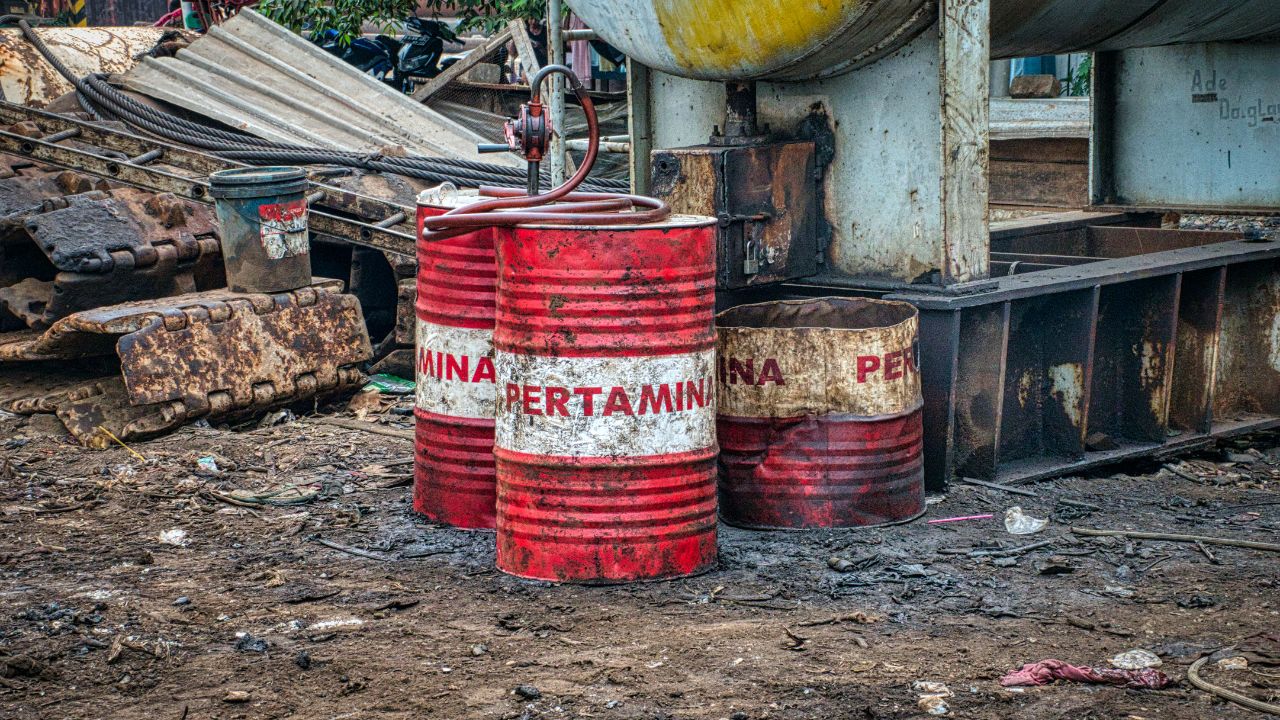
Source: Firefighting foam (AFFF) at Fort Campbell and other military and industrial sites; industrial discharge into the Ohio River from upstream manufacturers including Chemours’ Washington Works plant; consumer products including non-stick cookware and stain-resistant textiles
Health Effects: Linked to kidney and testicular cancer, liver damage, immune system suppression, developmental delays in children, low birth weight, and elevated cholesterol
Current Status (2026): EPA UCMR 5 data released March 2026 confirm 10 Kentucky water systems exceed the 4 ppt MCL for PFOA or PFOS. Fort Campbell leads at 6.2x the limit. Louisville Water Company recorded a GenX spike in late 2024, with a peak April 2025 single-month reading of 4.2 ppt at Crescent Hill. South Shore has switched water sources as an interim measure while finalising its long-term solution. EPA MCLs: 4 ppt for PFOA and PFOS (enforceable, compliance deadline 2031). A federal court has denied EPA attempts to remove four other PFAS limits. See our filter guide for certified PFAS-removal options.
Chromium-6 and Industrial Contaminants
Source: Industrial processes, electroplating, natural mineral deposits, and water treatment processes throughout Kentucky’s watersheds — particularly around Lexington and the Kentucky River corridor
Health Effects: Chromium-6 is a classified carcinogen linked to stomach cancer, with potential liver damage and immune system impacts from prolonged exposure to elevated levels
Current Status (2026): Lexington averages 76 parts per trillion — approximately 4 times above California’s health guideline of 0.02 ppb. Louisville Water Company successfully reduced chromium-6 by 80% through improved lime treatment, demonstrating that effective mitigation is achievable. Regulatory Note: No federal MCL for chromium-6 currently exists. NSF-certified reverse osmosis filters remove chromium-6 effectively — see our water filter solutions page for Kentucky-appropriate options.
Please read – our information
The information presented on cleanairandwater.net is compiled from official water quality reports, trusted news sources, government websites, and public health resources. While we strive for accuracy and thoroughness in our presentations, we are not scientists, engineers, or qualified water quality professionals.
Our mission is to present water quality information in an accessible, real-world format that helps people understand what’s in their water and make informed decisions about their health and safety. We believe that complex environmental information should be available to everyone in a format that’s easy to understand.
We make every effort to ensure our content is current and accurate, but we cannot guarantee that all information is complete or error-free. This website should not replace official communications from your local water utility or health department. We always recommend consulting official sources for the most up-to-date information regarding your specific water system.
Clean Air and Water is not liable for any unintentional errors, omissions, or outdated information. The content on this site is provided for informational purposes only and should not be considered professional advice.