Montana Water Quality at a Glance
Is Montana Water Safe to Drink?
Generally Safe But Location Dependent — Montana’s water quality varies significantly by location. 86% of residents rely on public water systems that generally meet federal standards. However, serious localised concerns exist: Kalispell detected PFOS at 330 times EPA health advisory levels, with ion exchange treatment now operating since September 2025 and a nearly $18 million project approved in early 2026 to drill six replacement wells. Natural arsenic contamination remains a concern near geothermal sources, and 94% of rural domestic water comes from unregulated private wells that may contain arsenic, nitrates, and bacteria. Check our live boil water notice tracker for active Montana advisories.
⚠️ Key Concerns for Montana Residents in 2026
- PFAS “Forever Chemicals”: Kalispell Grandview Wells detected PFOS at 6.6 ppt (330x health advisory); ion exchange treatment operating since September 2025 with no detectable PFAS in finished water; six replacement wells approved January 2026 as a long-term solution — see our filter recommendations
- Malmstrom Cleanup Delayed: The remedial investigation at Malmstrom Air Force Base has been extended five more years; the investigation report is expected to be submitted to DEQ in Spring 2026, to be followed by a feasibility study for remediation
- Natural Arsenic Contamination: Geothermal sources near Yellowstone; Madison River levels 10x the drinking water standard; mining legacy contamination in parts of the state
- Private Well Risks: 94% of rural water from unregulated wells; 1 in 20 wells exceed nitrate standards; arsenic and bacteria common — annual testing strongly recommended
Read the full report below for detailed analysis, region-specific data, and actionable recommendations for Montana residents. Also explore our national water quality tool and water alert news.
advertisment – report continues below
Your water passed the test.
Legal isn’t the same as safe.
Regulated contaminants like PFAS, chromium-6, and disinfection byproducts can sit inside the legal limit and still carry long-term health risks. Passing isn’t the same as clean.
✅ Removes PFAS, lead & chromium-6 — the contaminants most flagged even in passing city reports
✅ NSF/ANSI 42, 58 & 372 certified — independently tested, not just manufacturer claims
✅ Installs in 30 minutes, no plumber — fills a glass in 8 seconds, smart LED filter monitor
Renting or can’t drill? The Waterdrop K19 Countertop RO — plug in, fill the tank, done. No installation, no drilling, no plumber.
Advertisement — this page contains affiliate links. If you buy through these links, we may earn a commission at no extra cost to you.

Montana — Big Sky Country — Water Quality Report 2026: PFAS Updates, Infrastructure Progress & Safety Across Your State
Montana’s vast water infrastructure serves approximately 1.1 million residents across diverse geographical regions, from the Rocky Mountains in the west to the Great Plains in the east. The state operates through a network of hundreds of public water systems, ranging from larger municipal utilities in cities like Billings and Missoula to smaller rural systems providing essential services to remote communities across 147,000 square miles. Montana’s water sources include the Yellowstone, Missouri, and Clark Fork river systems, along with mountain streams, reservoirs, and groundwater aquifers supplying both urban centres and agricultural areas.
The water quality picture entering 2026 is shaped by two major developments. In Kalispell, ion exchange treatment at the PFAS-contaminated Grandview Wells came into service in September 2025, and DEQ approved in January 2026 a nearly $18 million project to drill six replacement wells as a permanent long-term solution — funded through the Emerging Contaminants grant programme and Drinking Water State Revolving Fund loan forgiveness. At Malmstrom Air Force Base, the PFAS remedial investigation has been extended five additional years, with the full report expected to reach DEQ in Spring 2026 ahead of a remediation feasibility study. Federal EPA PFAS compliance deadlines have also shifted: only PFOA and PFOS MCLs of 4 ppt remain in force, with compliance now required by 2031 rather than 2029. Visit our national water quality tool or check Montana water alerts for the latest developments.

Montana Water Quality: Current Status (2025–2026)
Statewide Compliance and Testing
- Overall Compliance: The majority of Montana’s public water systems meet federal Safe Drinking Water Act standards, with comprehensive monitoring programmes managed by Montana DEQ ensuring consistent water quality across the state’s diverse communities. Use our national water quality database to compare Montana data with other states.
- PFAS Monitoring Complete: Montana’s PFAS monitoring under EPA’s Fifth Unregulated Contaminant Monitoring Rule (UCMR5) concluded in December 2025. Kalispell remains the principal affected public water system. Hamilton also detected PFAS but well below health advisory levels. Results are publicly available through Montana DEQ’s website.
- Infrastructure Investment: Montana has received approximately $175 million in federal Bipartisan Infrastructure Law funding since 2022, including $18.9 million specifically for PFAS treatment in small and disadvantaged communities. Kalispell’s nearly $18 million well replacement project — approved by DEQ in January 2026 — is funded through this programme.
Major Water Sources and Challenges
- Yellowstone River System: Primary source for Billings and surrounding communities, with ongoing monitoring for emerging contaminants and seasonal water supply variations from snowpack conditions. See our Billings water quality report for detailed city-level analysis.
- Missouri River Basin: Serves northern Montana communities with support from federal rural water projects, including the Rocky Boy’s/North Central Montana Regional Water System which has received substantial federal investment.
- Rural Water Infrastructure: Montana has received $101.5 million for rural water systems including the Rocky Boy’s/North Central system, Musselshell-Judith Rural Water System, and Fort Peck Reservation/Dry Prairie Rural Water System — critical infrastructure for communities across the state’s vast geography.
PFAS and Emerging Contaminant Update for 2026
- Kalispell Treatment Operating: Ion exchange treatment at the Grandview Wells came into service on 25 September 2025. Post-treatment sampling confirms no detectable PFAS in finished water supplied to consumers, though PFAS remains present in the untreated well source water. Spent media ports are monitored to plan timely filter replacement. Track active advisories on our boil water notice tracker.
- Kalispell Long-Term Solution Approved: In January 2026, Montana DEQ approved an environmental assessment for a nearly $18 million project to drill six new replacement wells, permanently eliminating the PFAS-contaminated Grandview Wells from the system. Public comment closed in February 2026. Funding comes from the federal Emerging Contaminants in Small and Disadvantaged Communities grant programme and Drinking Water SRF loan forgiveness.
- Malmstrom Remediation Extended: The PFAS remedial investigation at Malmstrom Air Force Base — where contamination has been measured at 184 times screening limits — has been extended five years. The full investigation report is expected to be submitted to DEQ in Spring 2026, after which a feasibility study will determine the best remediation approach. Best management practices are in place in the interim, and the base is switching from AFFF foam to fluorine-free alternatives.
- Revised EPA Standards: EPA announced in May 2025 that MCLs for four of the original six regulated PFAS (PFHxS, PFNA, GenX chemicals, and PFBS) would be rescinded. PFOA and PFOS MCLs of 4 ppt each remain, with the compliance deadline extended from 2029 to 2031. Montana DEQ continues its own monitoring programme regardless. If you are concerned, see our recommended PFAS water filters.
Rural and Disadvantaged Communities
- Infrastructure Disparities: Rural water systems face unique challenges with aging infrastructure, limited technical capacity, and higher per-capita costs across Montana’s vast geography. Critically, 94% of rural domestic water comes from unregulated private wells, which can contain arsenic, nitrates, bacteria, and other contaminants not subject to federal monitoring requirements.
- Targeted Federal Support: Dedicated funding through the Emerging Contaminants Small or Disadvantaged Communities programme provides grants to ensure equitable access to safe drinking water in rural Montana. This is the same funding stream supporting Kalispell’s well replacement project.
- Tribal Water Rights: Montana has received $1.37 billion through the Bipartisan Infrastructure Law for Indian Water Rights Settlements, ensuring long-overdue water resources for Montana tribes including the Blackfeet, CSKT, and Crow Nations.
Looking Forward: 2026–2031
Montana’s water quality outlook for 2026 and beyond is cautiously positive. Kalispell’s ion exchange treatment is working as designed, and the approved long-term well replacement project will provide a permanent PFAS solution for Montana’s first affected public water system. The Malmstrom investigation extension is a setback for remediation timelines, but best practices are in place and a feasibility study is forthcoming. The extended federal PFAS compliance deadline to 2031 gives Montana’s smaller water systems more time to plan and fund treatment — though the rescission of four PFAS MCLs reduces the regulatory push to act on those compounds. Rural well owners remain the most vulnerable group, largely outside the regulatory net. Montanans in affected areas — particularly near Kalispell, Great Falls, and communities relying on private wells — are encouraged to review our water quality data, check our live boil water tracker, and consider certified filtration.
Recommendations for Montana Residents
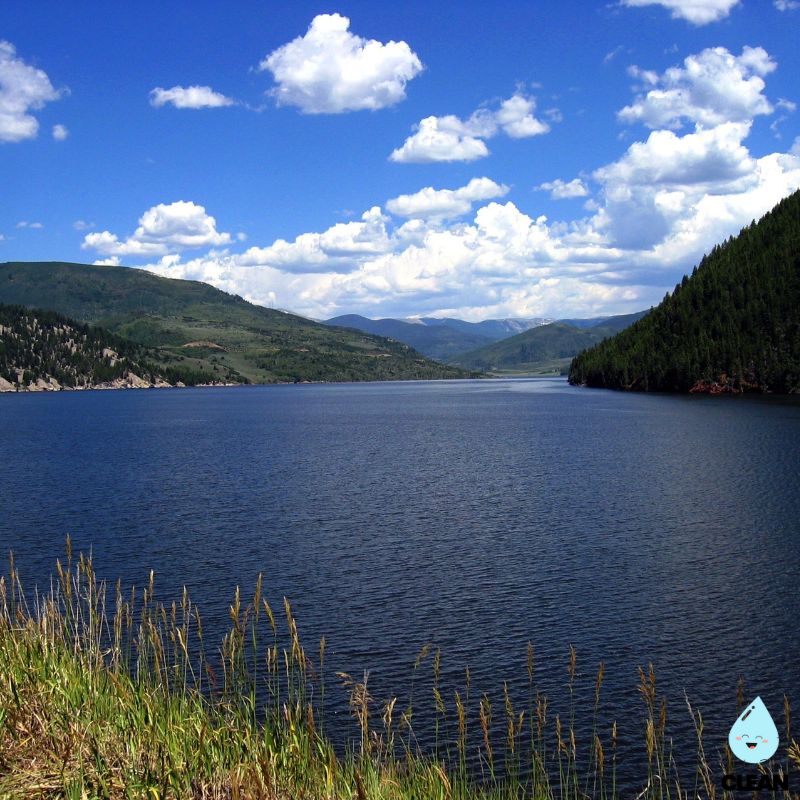
Know Your Water Source
Contact your water utility to request annual Consumer Confidence Reports and ask about PFAS testing results. Visit Montana DEQ’s website to access your local system’s testing data. Private well owners should test annually for bacteria, nitrates, and arsenic — 94% of rural domestic water in Montana comes from unregulated wells. Use our national water quality tool to compare Montana city results, and check water alert news for ongoing updates.
Support Infrastructure Investment
Stay informed about local water infrastructure needs and support utility rate structures that enable necessary improvements. Kalispell’s $18 million well replacement project — approved in early 2026 — is a model for how federal grants can fund long-term PFAS solutions. Attend public meetings when utilities discuss infrastructure upgrades and PFAS treatment investments, and check if your area has an active boil water notice.
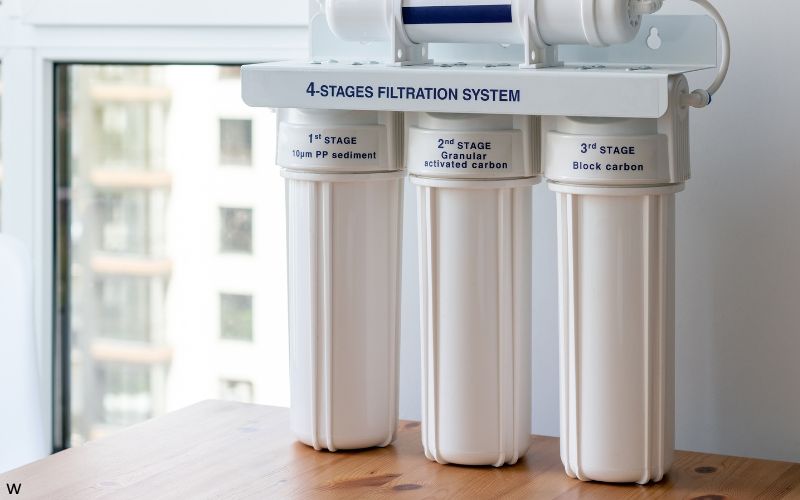
Consider PFAS-Certified Filtration
For areas with known PFAS contamination — particularly Kalispell and communities near Malmstrom Air Force Base — consider NSF-certified ion exchange or reverse osmosis filters for PFAS removal. With the federal PFAS compliance deadline now extended to 2031, certified home filtration provides important interim protection. See our full filter recommendations for options suited to Montana’s contaminant profile.

Report Water Quality Concerns
Contact your local water utility immediately for taste, odour, or colour concerns. Report suspected contamination to Montana DEQ’s Public Water Supply Bureau at (406) 444-2544 for investigation and follow-up. You can also monitor our Montana water alerts and live boil water notice tracker for active advisories statewide.
Practice Water Conservation
Support Montana’s water sustainability by implementing conservation measures such as efficient irrigation, rainwater harvesting, and low-flow fixtures. Reducing demand helps utilities maintain system reliability and affordability across the state’s vast geography — particularly important as communities like Kalispell temporarily depend on treatment systems while permanent well replacement is underway.
Montana Cities We Cover
Billings Water Quality
Comprehensive analysis of Billings Public Works water systems, Montana’s largest city water utility. Includes information on Yellowstone River water sources, treatment processes, infrastructure modernisation, PFAS monitoring results, and water quality data for Big Sky Country’s economic centre.
Frequently Asked Questions
Is Montana’s tap water safe to drink?
Most of Montana’s public water systems meet federal drinking water standards and are safe for consumption. The state’s predominantly pristine mountain watersheds and rigorous DEQ monitoring provide high-quality water to most communities.
However, safety is highly location-dependent. Kalispell has ion exchange treatment operating since September 2025 delivering PFAS-free finished water, and a $18 million permanent well replacement project was approved in January 2026. Near Malmstrom Air Force Base in Great Falls, PFAS groundwater contamination is under a long-term remedial investigation. Rural well owners face the greatest uncertainty — 94% of rural domestic water comes from private wells unregulated under federal standards. Natural arsenic from geothermal and mining sources is also a concern in parts of the state. Residents should review their utility’s annual Consumer Confidence Report, check our national water quality tool, and consider certified filtration if in a high-concern area.
What is the latest on PFAS in Kalispell’s water?
PFAS contamination was first detected in two Kalispell Grandview Wells in 2023, with PFOS recorded at 6.6 ppt — 330 times the EPA health advisory level. The city and state moved quickly to respond.
Ion exchange treatment at the Grandview Wells came into service on 25 September 2025 and has been confirmed effective — post-treatment sampling shows no detectable PFAS in the finished water supplied to consumers. As a permanent solution, Montana DEQ approved an environmental assessment in January 2026 for a nearly $18 million project to drill six replacement wells, eliminating the contaminated Grandview Wells from the system entirely. Funding comes from the federal Emerging Contaminants in Small and Disadvantaged Communities grant programme and Drinking Water SRF loan forgiveness. Public comment on the assessment closed in February 2026. In the meantime, Kalispell tap water is being treated for PFAS. If you want additional protection, see our PFAS filter recommendations or monitor our boil water notice tracker.
How can I find out about my local water quality?
Montana residents can access comprehensive water quality information through several resources:
• Annual Water Quality Reports: Contact your water utility directly for their Consumer Confidence Report, which details all testing results and any violations or concerns
• Montana DEQ Drinking Water Programme: Visit the Montana Department of Environmental Quality’s website to access testing results, compliance data, and PFAS monitoring results for your local water system
• Our National Water Quality Tool: Use our water quality database to view Montana city data and compare with national benchmarks
• Private Well Testing: Contact Montana State University Extension or Montana DEQ for guidance on testing private wells for arsenic, nitrates, bacteria, and PFAS — strongly recommended annually for rural residents
• Live Alerts: Check our boil water notice tracker and water alert news for active advisories across Montana
Why does Montana have water infrastructure challenges?
Montana’s water infrastructure faces several unique challenges:
Geographic Scale: Montana’s 147,000 square miles require extensive infrastructure to serve sparse populations, increasing per-capita costs significantly for rural water systems that may serve only a few hundred people
Rural Well Dependency: 94% of rural domestic water comes from private wells that are not subject to federal Safe Drinking Water Act monitoring, leaving many residents without the protection of regulated water quality testing
Seasonal Variations: Water supplies depend heavily on snowpack and seasonal runoff, requiring careful management and storage infrastructure — a challenge that is growing as climate patterns shift
Military Base Contamination: PFAS from firefighting foam use at Malmstrom Air Force Base and Great Falls Air National Guard Base has contaminated groundwater, with remediation timelines now extended five additional years
Montana is addressing these challenges through federal Bipartisan Infrastructure Law funding, targeted tribal water rights settlements totalling $1.37 billion, and DEQ’s active monitoring and grant-funded treatment programmes. See city-level detail in our Billings water quality report.
Quality News About Your Water
Get the comprehensive water quality news coverage you need with our dedicated US Water News Service. From coast to coast, we deliver in-depth reporting and expert analysis on PFAS contamination, EPA regulatory changes, infrastructure developments, and emerging water safety issues affecting communities nationwide. While mainstream media only covers the biggest stories, we provide the detailed, ongoing coverage that helps you understand the full scope of America’s water challenges.
What’s actually in your tap water? Enter your ZIP code for a full breakdown of contaminants detected in your local supply
Drinking water from a well? Check our directory here for more information
Contaminants of Concern
PFAS “Forever Chemicals”
Source: Military installations using aqueous film forming foam (AFFF), including Malmstrom Air Force Base and Great Falls Air National Guard Base, along with industrial activities and consumer products. The source of Kalispell’s contamination is linked to a former armory near the Grandview Wells site.
Health Effects: Linked to kidney and testicular cancer, liver damage, immune system suppression, high cholesterol, thyroid disease, and developmental effects in children
Current Status (2026): Kalispell Grandview Wells previously detected PFOS at 330 times health advisory levels (6.6 ppt). Ion exchange treatment has been operating since September 2025 with no PFAS detectable in finished water. A permanent solution — six new replacement wells — was approved by DEQ in January 2026 as a nearly $18 million federally funded project. Hamilton also detected PFAS but well below health advisory levels. If you are in an affected area, see our PFAS filter recommendations.
Regulatory Update: EPA PFOA and PFOS MCLs of 4 ppt remain in force with a revised compliance deadline of 2031 (extended from 2029). MCLs for PFHxS, PFNA, GenX chemicals, and PFBS were rescinded in May 2025. Montana DEQ continues its own monitoring programme. Track regulatory changes via our Water Alert News page.
Please read – our information
The information presented on cleanairandwater.net is compiled from official water quality reports, trusted news sources, government websites, and public health resources. While we strive for accuracy and thoroughness in our presentations, we are not scientists, engineers, or qualified water quality professionals.
Our mission is to present water quality information in an accessible, real-world format that helps people understand what’s in their water and make informed decisions about their health and safety. We believe that complex environmental information should be available to everyone in a format that’s easy to understand.
We make every effort to ensure our content is current and accurate, but we cannot guarantee that all information is complete or error-free. This website should not replace official communications from your local water utility or health department. We always recommend consulting official sources for the most up-to-date information regarding your specific water system.
Clean Air and Water is not liable for any unintentional errors, omissions, or outdated information. The content on this site is provided for informational purposes only and should not be considered professional advice.