New Hampshire Water Quality at a Glance
significant concerns
Is New Hampshire Water Safe to Drink?
Generally Safe from Public Systems, But Widespread Private Well Risk — NH’s public water systems meet federal standards, but over 3,000 wells exceed state PFAS limits, and 40% of residents rely on unregulated private wells. Major concerns include Saint-Gobain PFAS contamination across southern NH communities, arsenic in 30% of private wells, and naturally occurring uranium and radon in granite bedrock areas. New Hampshire has secured over $65 million in PFAS settlements from 3M and DuPont, with $45 million beginning distribution in late 2025.
⚠️ Key Concerns for New Hampshire Residents
- PFAS “Forever Chemicals”: 3,000+ wells exceed NH state standards; Saint-Gobain contamination affecting Bedford, Hudson, Litchfield, Londonderry, and Merrimack; 42 community water systems exceed EPA limits; $45M settlement distribution underway
- Natural Bedrock Contamination: 30% of wells have arsenic above the 5 ppb NH limit; uranium and radon common in granite bedrock areas; 50% of bedrock wells have elevated radon levels
- Private Well Risks: Approximately 40% of NH residents on unregulated private wells with no mandatory testing requirements; PFAS Removal Rebate Program available for eligible well owners
- Geographic Hotspots: Southern NH most affected by PFAS; southeastern regions highest arsenic risk; Merrimack kidney cancer rates 38% above state average in preliminary Dartmouth study
Read the full 2026 report below for detailed analysis, region-specific data, and actionable recommendations for New Hampshire residents.
advertisment – report continues below
Your water passed the test.
Legal isn’t the same as safe.
Regulated contaminants like PFAS, chromium-6, and disinfection byproducts can sit inside the legal limit and still carry long-term health risks. Passing isn’t the same as clean.
✅ Removes PFAS, lead & chromium-6 — the contaminants most flagged even in passing city reports
✅ NSF/ANSI 42, 58 & 372 certified — independently tested, not just manufacturer claims
✅ Installs in 30 minutes, no plumber — fills a glass in 8 seconds, smart LED filter monitor
Renting or can’t drill? The Waterdrop K19 Countertop RO — plug in, fill the tank, done. No installation, no drilling, no plumber.
Advertisement — this page contains affiliate links. If you buy through these links, we may earn a commission at no extra cost to you.

New Hampshire – Live Free or Die – Water Quality Report 2026: PFAS Settlements, Infrastructure Progress & Safety across the Granite State
New Hampshire’s water infrastructure serves approximately 1.4 million residents across diverse geographical regions, from the White Mountains in the north to the Atlantic coastline in the southeast. The state operates through a network of over 2,000 public water systems, ranging from large municipal utilities like Manchester Water Works — which serves over 180,000 customers — to smaller rural systems providing essential services to mountain communities. New Hampshire’s water sources include major rivers like the Merrimack and Connecticut, numerous lakes including Lake Winnisquam and Lake Massabesic, along with extensive groundwater aquifers that supply both urban centres and the estimated 40% of residents who rely on private wells. Check our live boil water notices tracker for any active alerts in New Hampshire.
New Hampshire has emerged as a national leader in PFAS testing and remediation, with comprehensive monitoring programs revealing some of the highest “forever chemical” concentrations in the country, particularly in watersheds near industrial sites. More than 3,000 drinking water wells in the state have tested above levels allowed under New Hampshire law — that is 27% of all wells tested. A landmark development in 2025 saw the state secure over $65 million in PFAS settlements from 3M and DuPont, with an initial $45 million distribution plan announced in November 2025 by NHDES to support public water systems. The state’s first payment of nearly $8 million from 3M arrived in September 2025. Alongside these financial victories, the EPA confirmed in May 2025 that it would retain the 4 ppt MCLs for PFOA and PFOS while extending the federal compliance deadline from 2029 to 2031 — and rescind MCLs for PFHxS, PFNA, GenX, and PFBS pending reconsideration. New Hampshire’s own stricter 2019 standards for four PFAS compounds remain in full effect regardless of federal changes. For guidance on water filter solutions suited to PFAS-affected households, see our recommendations page. New Hampshire’s leadership in PFAS accountability, combined with substantial settlement funds now flowing to affected communities, positions the Granite State as a national model — even as the work of full remediation continues.
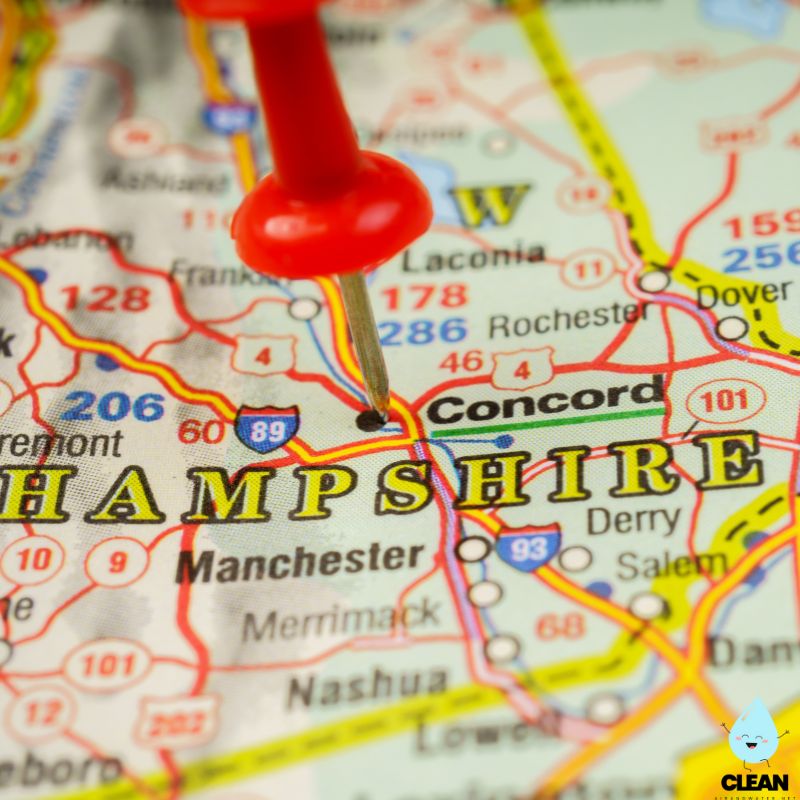
New Hampshire Water Quality: Current Status (2025–2026)
Statewide Compliance and Testing
- Overall Compliance: The majority of New Hampshire’s 2,000+ public water systems meet federal Safe Drinking Water Act standards, though 42 community water systems currently exceed EPA limits for PFAS, with a further 38 approaching those limits, according to NHDES data released in late 2025.
- PFAS Leadership: New Hampshire was the first state to require local water systems, landfills, and wastewater plants to test for PFAS. In 2019 the state adopted some of the strictest standards in the US, and those state-level MCLs remain fully in force regardless of evolving federal rules. You can explore current contamination data via the national water quality database.
- PFAS Settlement Funding: New Hampshire secured over $65 million from 3M and DuPont settlements. The state received a first payment of nearly $8 million from 3M in September 2025, with NHDES announcing a $45 million initial distribution plan in November 2025 targeting 42 systems exceeding EPA limits ($14.7M), 38 systems approaching limits ($11.2M), and broader statewide initiatives.
Major Water Sources and Challenges
- Private Wells: Approximately 40% of New Hampshire residents receive water from private, on-site wells, making individual testing and treatment critical. Since 2025, home sellers must notify buyers of potential PFAS contamination risks, joining radon, lead, and arsenic as mandatory real estate disclosure requirements.
- Merrimack River Basin: Primary source for Manchester Water Works and surrounding communities, facing challenges from legacy industrial contamination. A preliminary Dartmouth study published in October 2025 found that a type of kidney cancer linked to PFAS exposure is approximately 38% more common in Merrimack than elsewhere in New Hampshire.
- Pease International Tradeport: High PFAS levels were first discovered at Pease in 2014, linked to firefighting foam at the former Air Force base. Portsmouth is budgeting $7 million to design and install treatment on the Greenland Well, with construction anticipated in 2026. Track any emergency notices via our boil water tracker.
Federal Regulatory Developments 2025–2026
- EPA PFOA/PFOS MCLs Retained: On 14 May 2025, the EPA confirmed it will keep the 4 ppt MCLs for PFOA and PFOS. The federal compliance deadline has been extended from 2029 to 2031, giving water systems additional time to implement treatment. A proposed rule was expected in autumn 2025, with finalisation in spring 2026.
- Other PFAS MCLs Under Reconsideration: The EPA announced intent to rescind MCLs for PFHxS, PFNA, HFPO-DA (GenX), and the Hazard Index mixture including PFBS. New Hampshire’s own state MCLs for these compounds — adopted in 2019 — remain enforceable, providing continued protection regardless of federal rollbacks. See our water alert news section for the latest regulatory updates.
- Mandatory Monitoring Deadline: Public water systems nationwide must complete initial PFAS monitoring and report results to consumers by April 2027 under the retained federal rule.
Rural and Private Well Communities
- Infrastructure Disparities: Counties like Coos and Carroll, largely rural and relying heavily on private wells, have experienced PFAS contamination from solid waste facilities and wastewater treatment sites.
- PFAS Removal Rebate Programme: New Hampshire homeowners with private wells exceeding state limits may qualify for financial assistance through NHDES. As of 2025, this programme is expanding to cover more towns outside the initial Saint-Gobain consent decree zone.
- Technical Assistance: NHDES provides enhanced technical support to help smaller systems and private well owners navigate complex regulatory requirements and secure funding. The EPA’s new PFAS OUT programme adds federal-level assistance connecting utilities with tools, funding, and treatment expertise.
Looking Forward: 2026–2031
New Hampshire’s water quality landscape is evolving rapidly as $65 million in settlement funds begins flowing to affected communities and utilities prepare for the extended 2031 federal PFAS compliance deadline. The state’s own stricter standards remain the primary regulatory backstop. Addressing PFAS contamination in New Hampshire has already cost state and local governments more than $300 million, with the Merrimack Village District alone spending approximately $14.5 million on activated carbon filtration for four contaminated wells. The ongoing Dartmouth research into health outcomes in PFAS-affected communities adds urgency to remediation efforts. For guidance on protecting your household water quality, visit our water filter solutions page — reverse osmosis and NSF-certified activated carbon systems remain the gold standard for PFAS removal.
Recommendations for New Hampshire Residents
Test Your Water Source
If you have a private well, test regularly for PFAS, arsenic, uranium, and radon. For public water customers, request your utility’s annual Consumer Confidence Report and use the NHDES PFAS dashboard to view contamination levels in your area. Private well owners above state PFAS limits may qualify for the NHDES PFAS Removal Rebate Programme — contact NHDES at (603) 271-8539. You can also check our water quality database for local contaminant data.

Support Infrastructure Investment
Stay informed about how the $45 million in PFAS settlement funds is being distributed to your community. Attend public meetings when utilities discuss infrastructure improvements and settlement fund allocations. Support rate structures that enable PFAS treatment upgrades, and contact your local utility to understand whether your system is among the 42 currently exceeding EPA limits. Read the latest developments on our water alert news page.
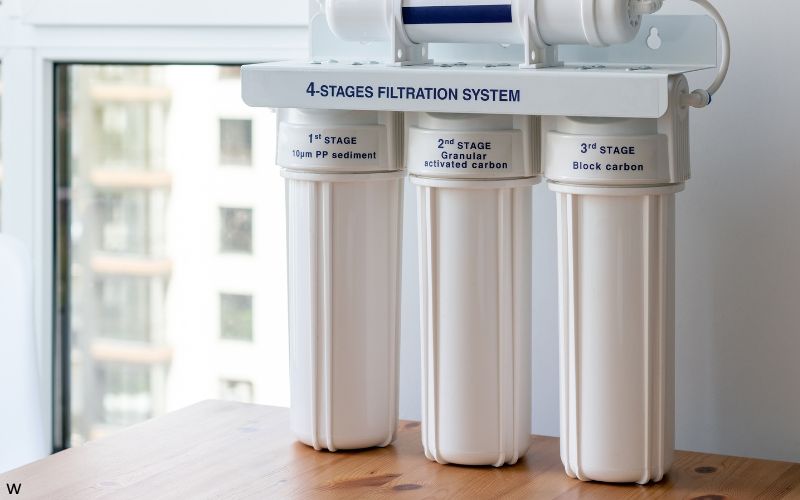
Consider PFAS-Certified Filtration
For households with known PFAS contamination, NSF-certified reverse osmosis systems provide the most comprehensive protection, removing PFOA, PFOS, and a broad range of other PFAS compounds. Granular activated carbon is effective for many PFAS types and suits whole-home treatment. Visit our water filter solutions page for PFAS-tested recommendations suited to New Hampshire’s specific contaminant profile, including options for arsenic and radon co-contamination common in granite bedrock regions.

Report Water Quality Concerns
Contact your local water utility immediately for taste, odour, or colour concerns. Report suspected contamination to NHDES’s Environmental Health Programme at (603) 271-4608 for investigation and follow-up. For PFAS-specific enquiries, email NH-APPLETREE@des.nh.gov or call (603) 271-6802. For PFAS Rebate Programme questions, email pfasrebateprogram@des.nh.gov or call (603) 271-8539. Monitor active alerts on our live boil water notices tracker.
Practice Water Conservation
Support New Hampshire’s water sustainability by implementing conservation measures like efficient irrigation, rainwater harvesting, and low-flow fixtures. Reducing demand helps utilities maintain system reliability and manage the costs of PFAS treatment upgrades — costs that have already exceeded $300 million statewide. Read more about water conservation approaches on our water news page.
New Hampshire Cities We Cover
Manchester Water Quality
Comprehensive analysis of Manchester Water Works, New Hampshire’s largest water utility serving over 180,000 customers in the greater Manchester area. Includes information on Lake Massabesic water sources, treatment processes, infrastructure modernisation, emerging contaminant monitoring, and Manchester’s position relative to the Saint-Gobain PFAS contamination zone.
Frequently Asked Questions
Is New Hampshire’s tap water safe to drink?
Most of New Hampshire’s public water systems meet federal drinking water standards and are safe for consumption. However, PFAS contamination is a significant concern throughout the state, with 42 community water systems currently exceeding EPA limits.
NHDES requires comprehensive testing across all public water systems, and 27% of wells tested have shown PFAS contamination above state standards. Settlement funds from 3M and DuPont — totalling over $65 million — are now being distributed to support remediation. Private well owners should test regularly for PFAS, arsenic, uranium, and radon, as approximately 40% of Granite Staters rely on private wells with no mandatory testing requirements. Check the water quality database for your area’s specific contaminant data.
What happened with New Hampshire’s PFAS settlements in 2025?
New Hampshire secured a major financial victory against PFAS manufacturers in 2024–2025, with the state estimated to receive over $65 million from 3M and DuPont settlements.
The first payment — nearly $8 million from 3M — arrived in September 2025 and was deposited into the state’s Drinking Water and Groundwater Trust Fund. In November 2025, NHDES announced its plan to distribute an initial $45 million, prioritising the 42 community water systems currently exceeding EPA PFAS limits. Additional funds are expected from settlements with Tyco, Chemguard, and BASF. NHDES Commissioner Robert Scott acknowledged that settlements cover roughly 20–25 cents on the dollar of actual remediation costs — the money helps, but does not make communities whole. Follow our water alert news for ongoing settlement developments.
How did the EPA’s May 2025 PFAS rule changes affect New Hampshire?
On 14 May 2025, the EPA announced it would retain the 4 ppt MCLs for PFOA and PFOS — the two most studied PFAS — while extending the federal compliance deadline from 2029 to 2031. It also announced intent to rescind MCLs for PFHxS, PFNA, GenX (HFPO-DA), and a Hazard Index mixture including PFBS.
For New Hampshire residents, the most important point is that the state’s own stricter 2019 MCLs for four PFAS compounds remain in full force regardless of federal changes. Community water suppliers across New Hampshire — including Portsmouth — must continue to comply with NH state standards. The federal mandatory monitoring deadline of April 2027 also remains in effect. New Hampshire’s state-level protections provide a critical safety net above the federal baseline. For filter recommendations suited to PFAS removal, see our water filter solutions page.
What makes New Hampshire a leader in PFAS response?
New Hampshire has taken unprecedented steps to address PFAS contamination, establishing a national model that other states are now following.
First in Testing: The first state to require comprehensive PFAS testing for public water systems, landfills, and wastewater treatment plants.
Strictest Standards: In 2019, adopted some of the most protective PFAS drinking water standards in the US — standards that remain enforceable even as federal MCLs for some compounds face reconsideration.
Accountability: Filed suit against PFAS manufacturers in 2019 and secured over $65 million in settlements from 3M and DuPont. Consent agreements require companies like Saint-Gobain to fund cleanup and provide treatment systems to over 1,100 affected properties.
Public Transparency: Comprehensive monitoring dashboards, mandatory real estate PFAS disclosures (from 2025), and an expanding PFAS Removal Rebate Programme for private well owners. The state’s proactive approach has cost over $300 million but sets the benchmark for PFAS accountability nationwide.
Quality News About Your Water
Get the comprehensive water quality news coverage you need with our dedicated US Water News Service. From coast to coast, we deliver in-depth reporting and expert analysis on PFAS contamination, EPA regulatory changes, infrastructure developments, and emerging water safety issues affecting communities nationwide. While mainstream media only covers the biggest stories, we provide the detailed, ongoing coverage that helps you understand the full scope of America’s water challenges.
What’s actually in your tap water? Enter your ZIP code for a full breakdown of contaminants detected in your local supply
Drinking water from a well? Check our directory here for more information
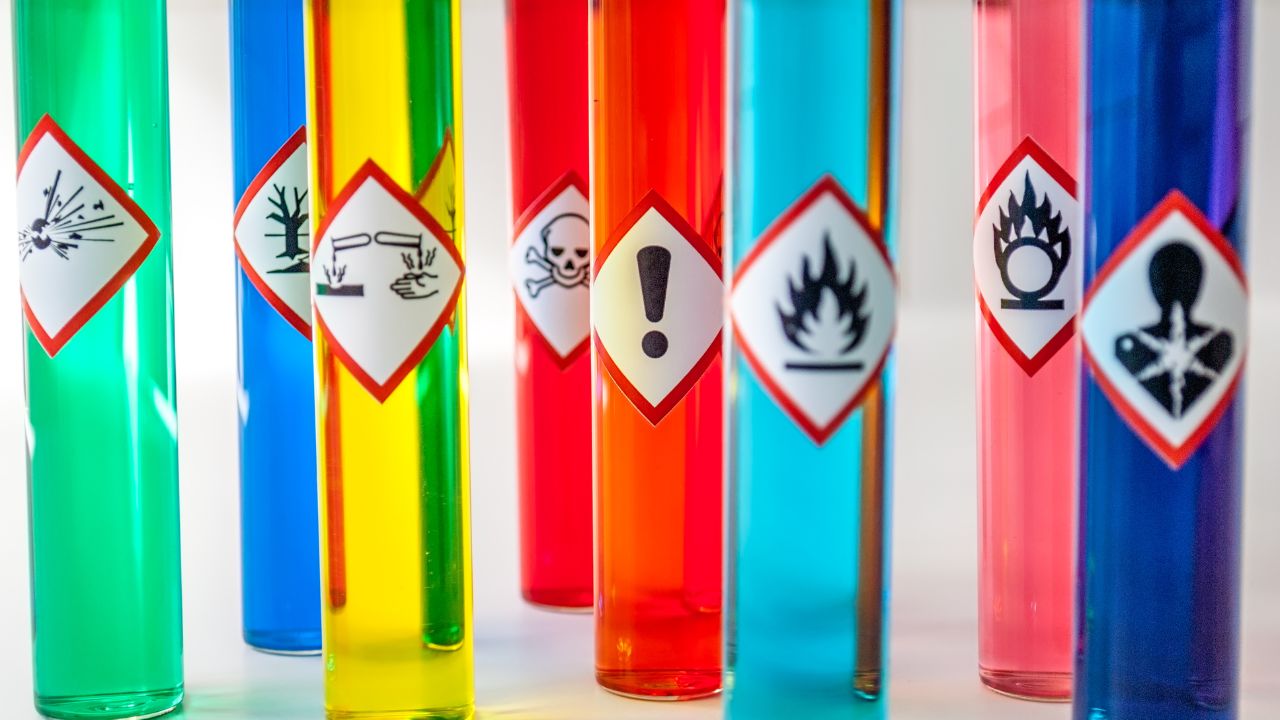
Contaminants of Concern
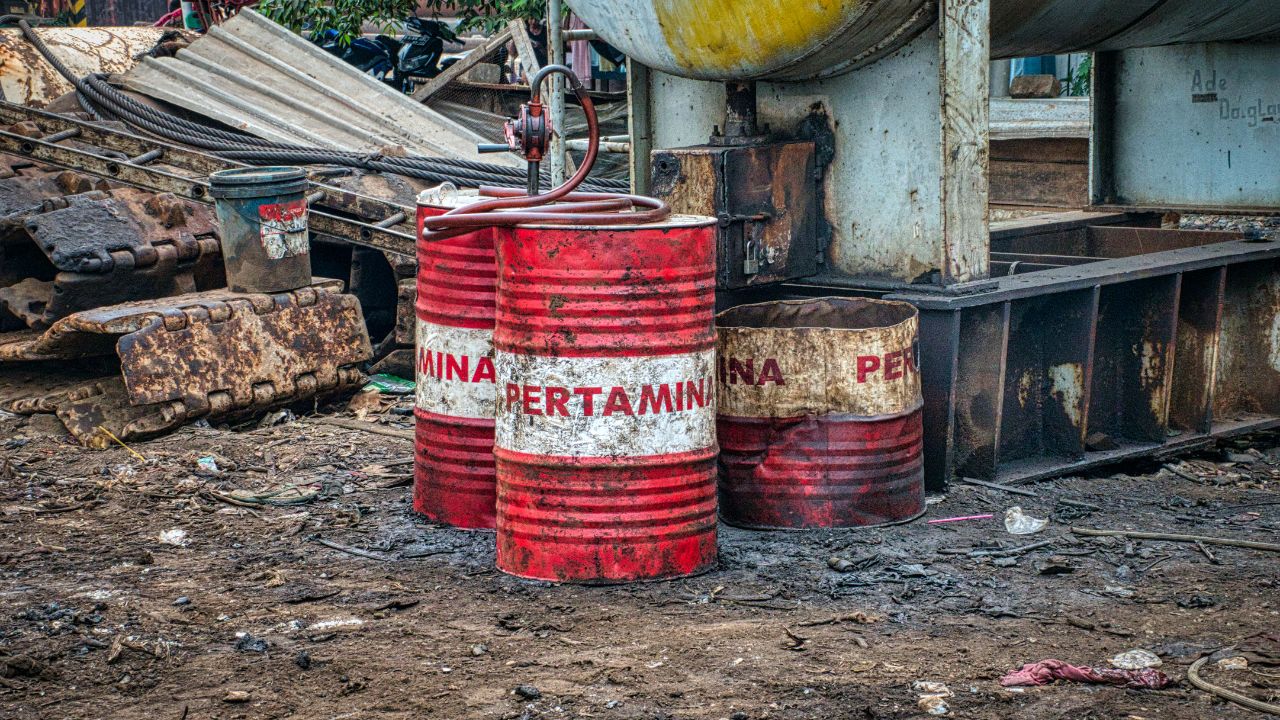
PFAS “Forever Chemicals”
Source: Saint-Gobain Performance Plastics in Merrimack, former Pease Air Force Base firefighting foam, industrial manufacturing, and consumer products including non-stick cookware and stain-resistant textiles. 42 community water systems currently exceed EPA limits; 38 more are approaching limits.
Health Effects: Linked to kidney and testicular cancer, liver damage, immune system suppression, high cholesterol, decreased fertility, and developmental effects in children. A 2025 Dartmouth study found kidney cancer rates approximately 38% higher in Merrimack than elsewhere in NH. The EPA states there is no safe level of exposure for PFOA and PFOS.
Current Status: 3,000+ wells exceed state standards — 27% of all wells tested. EPA retained 4 ppt MCLs for PFOA/PFOS (compliance deadline extended to 2031); NH state MCLs for four PFAS compounds remain in full effect. Over $65 million in settlements from 3M and DuPont now being distributed. For PFAS-rated water filter recommendations, see our solutions page.
Natural Bedrock Contaminants
Source: Naturally occurring arsenic and uranium in New Hampshire’s granite bedrock formations, along with radon from radioactive decay. Approximately 50% of bedrock wells have elevated radon levels, and 30% exceed New Hampshire’s arsenic safety limit of 5 ppb — stricter than the federal 10 ppb standard.
Health Effects: Arsenic linked to bladder, lung, skin, kidney, and liver cancers; uranium causes kidney damage; radon exposure increases lung cancer risk, particularly dangerous when combined with smoking. These are naturally occurring risks unrelated to industrial contamination.
Current Status: New Hampshire lowered its arsenic standard from 10 ppb to 5 ppb in 2019. An estimated 30% of private wells exceed this limit. Residents in granite bedrock areas — particularly southeast and mountain regions — should test specifically for arsenic, uranium, and radon. NHDES provides testing guidance; see our water quality database for regional data and our filter solutions page for treatment options.
Please read – our information
The information presented on cleanairandwater.net is compiled from official water quality reports, trusted news sources, government websites, and public health resources. While we strive for accuracy and thoroughness in our presentations, we are not scientists, engineers, or qualified water quality professionals.
Our mission is to present water quality information in an accessible, real-world format that helps people understand what’s in their water and make informed decisions about their health and safety. We believe that complex environmental information should be available to everyone in a format that’s easy to understand.
We make every effort to ensure our content is current and accurate, but we cannot guarantee that all information is complete or error-free. This website should not replace official communications from your local water utility or health department. We always recommend consulting official sources for the most up-to-date information regarding your specific water system.
Clean Air and Water is not liable for any unintentional errors, omissions, or outdated information. The content on this site is provided for informational purposes only and should not be considered professional advice.