Wisconsin Water Quality at a Glance
Is Wisconsin Water Safe to Drink?
Generally Safe — With Significant Ongoing Action Required — Wisconsin has some of the best tap water quality in the nation, with the vast majority of public systems meeting federal Safe Drinking Water Act standards. However, nearly 100 public water systems will not meet the new 4 ppt PFAS standard signed by Gov. Evers in March 2026 and will require treatment upgrades. Nitrates from agricultural runoff continue to affect 10–30% of private wells in farming areas, and private wells have no PFAS groundwater standard yet. The long-delayed $125M PFAS Trust Fund was finally unlocked by the Wisconsin Legislature in March 2026, bringing real relief to affected communities including French Island, Peshtigo, Marinette, and Stella. Check our boil water notices tracker for active local advisories.
⚠️ Key Concerns for Wisconsin Residents in 2026
- PFAS Tighter Standards: New state limit of 4 ppt for PFOA/PFOS (down from 70 ppt) signed March 2026; nearly 100 systems — including Eau Claire, Wausau, Madison, and La Crosse — must now comply with treatment upgrades; compliance deadline April 2031
- Agricultural Nitrates: 10% of private wells statewide exceed safety limits; up to 30% in heavily agricultural areas; linked to blue baby syndrome, thyroid issues, and cancer risks; no mandatory testing for private well owners
- Lead Service Lines: Wisconsin has over 167,000 known lead service lines; new lead action level lowered to 10 µg/L (December 2025); state target is full replacement by 2037; Milwaukee received $30M+ for replacements
- Private Well Vulnerability: No PFAS groundwater standard yet; private well owners in PFAS-affected areas must fund their own testing and treatment; $125M package includes grants to assist private well owners
Read the full report below for detailed analysis, regional data, and actionable recommendations for Wisconsin residents.
Advertisement — Report continues below
Great water report.
Here’s how to make it perfect.
Your water quality report shows strong results — and that’s genuinely good news. But even treated municipal water picks up residual chlorine, microplastics, and sediment between the treatment plant and your tap. A filter takes great water and makes it flawless.
✅ Improves taste, smell & clarity — removes residual chlorine and sediment that reach your glass after treatment
✅ NSF/ANSI 42, 58 & 372 certified — independently tested, not just manufacturer claims
✅ Installs in 30 minutes, no plumber — fills a glass in 8 seconds, smart LED filter monitor
Renting or can’t drill? The Waterdrop K19 Countertop RO — plug in, fill the tank, done. No installation, no drilling, no plumber.
Advertisement — this page contains affiliate links. If you buy through these links, we may earn a commission at no extra cost to you.

Wisconsin — America’s Dairyland — Water Quality Report 2026: PFAS Testing, Infrastructure Concerns & Safety Across Your State
Wisconsin’s water infrastructure serves approximately 5.9 million residents through the nation’s most extensive public water system network, with over 11,200 public drinking water systems — more than any other state. Five percent of these are municipal systems that serve 95% of the entire state population, while thousands of smaller community systems provide essential services to rural areas. Wisconsin’s water sources include the Great Lakes, numerous inland lakes, and extensive groundwater aquifers that supply both urban centres and agricultural communities throughout the state.
Despite abundant freshwater resources, Wisconsin entered 2026 at a pivotal moment for water quality regulation. In March 2026, Governor Tony Evers signed new rules reducing Wisconsin’s state PFAS drinking water standard from 70 ppt to 4 ppt for PFOA and PFOS — aligning state law with federal EPA MCLs — and establishing new standards for PFNA, PFHxS, and GenX at 10 ppt. Nearly 100 public water systems will need treatment upgrades to meet these stricter limits. Days later, the Wisconsin Legislature unanimously passed a long-awaited bipartisan $125M PFAS package, unlocking funding that had been frozen since 2023. These are the most significant water quality regulatory developments in Wisconsin in years. Wisconsin has received over $535 million in federal Bipartisan Infrastructure Law funding for water infrastructure, with $900 million expected by 2026. You can monitor local developments via our water alerts news section and use our water quality checker for local data.
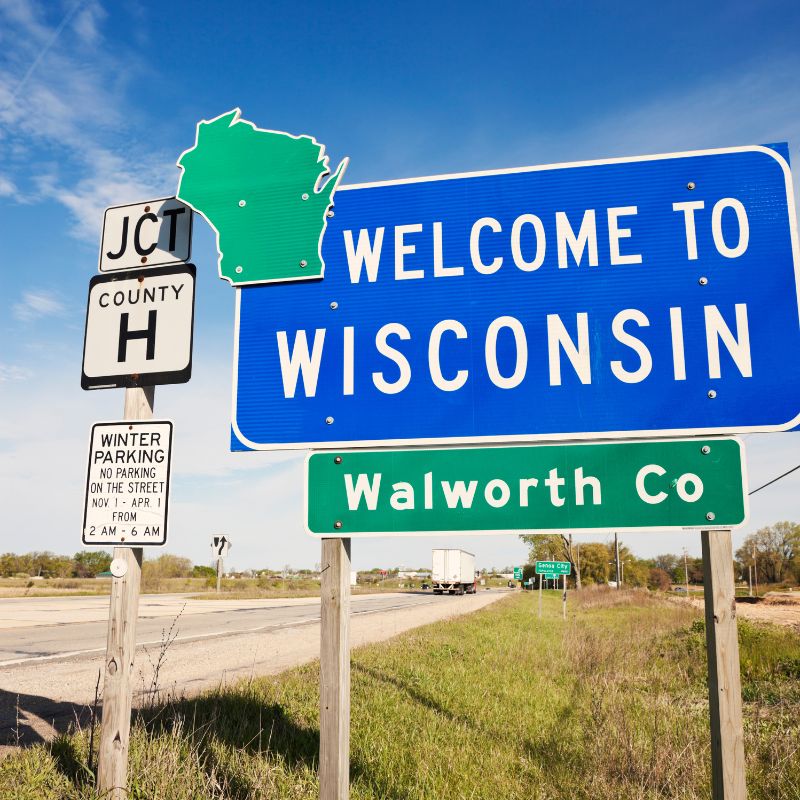
Wisconsin Water Quality: Current Status (2025–2026)
Statewide Compliance and Testing
- Overall Compliance: Wisconsin maintains some of the highest water quality standards in the country, with the large majority of public water systems meeting federal Safe Drinking Water Act requirements. The state’s proactive approach to PFAS regulation — adopting state standards in 2022, ahead of federal action — gave Wisconsin a head start in identifying affected systems and accessing federal remediation funding.
- New PFAS Standards — March 2026: Governor Evers signed rules on March 2, 2026 reducing Wisconsin’s enforceable PFAS drinking water standard from 70 ppt to 4 ppt for PFOA and PFOS, and establishing 10 ppt standards for PFNA, PFHxS, and GenX. The Wisconsin Natural Resources Board approved these standards in January 2026. Nearly 100 public water systems will not meet the new requirements and must plan and implement treatment upgrades before the April 2031 federal compliance deadline. Systems must complete initial monitoring by April 2027. Follow our water alerts news for the latest regulatory updates.
- $125M PFAS Package Passed: In March 2026, the Wisconsin Senate unanimously passed two bills creating the framework for spending $125M from the long-frozen PFAS Trust Fund. The bills provide $80M in community grants for PFAS sampling, treatment installation, and connecting private well owners to public systems; support for private well owners; $5.25M for public airports; and expanded testing capabilities. The package now heads to Governor Evers for signature. The $125M was first set aside in Wisconsin’s 2023–25 budget but had been held up by legislative gridlock for nearly three years.
Major Water Sources and Challenges
- Great Lakes Basin: Provides water to major population centres including Milwaukee and Green Bay, with documented PFAS contamination near airports and former industrial sites. A September 2025 DNR/DHS advisory warned of PFAS-based consumption concerns for ducks harvested on Green Bay, while PFAS levels in Great Lakes fish have been slowly declining per February 2026 monitoring data.
- Groundwater Aquifers: Primary source for most rural communities and many municipalities. Facing challenges from nitrate contamination in agricultural areas affecting 10–30% of private wells and PFAS contamination near industrial sites. The towns of Peshtigo, Campbell (French Island near La Crosse), and Stella near Rhinelander have been among the most severely affected private well communities for years — with Campbell residents having relied on bottled water for over three years.
- Infrastructure Scale: EPA estimates $11.8 billion is required over the next two decades to address aging water infrastructure in Wisconsin, with municipal wastewater systems needing an additional $5.5 billion. Wisconsin has received over $535 million in BIL funding to date, with $900M total expected through 2026. In November 2025, $282M was awarded to 74 communities, including $13M for PFAS treatment and $42.6M for lead service line replacement.
PFAS — Affected Communities and Response
- Affected Public Systems: PFAS has been confirmed above federal standards in public water systems in Eau Claire, Wausau, Madison, and La Crosse, along with communities across the state near airports and former firefighting training sites. About 14 systems received federal funding under the 2022–2025 period to install treatment or drill new wells ahead of the new stricter standards.
- Treatment Technology Deployment: Cities such as Wausau have deployed granular activated carbon systems for PFAS removal. Madison Water Utility constructed Wisconsin’s first PFAS treatment system for Well 15. The Town of Campbell is drilling a new well to tap the Mt. Simon aquifer as a long-term clean source for roughly 4,200 French Island residents, using $1M in state Safe Drinking Water Loan Program funding.
- Private Wells — No Groundwater Standard Yet: Wisconsin has PFAS standards for municipal drinking water and surface water but not for groundwater — the source of drinking water for residents with private wells. PFAS has been detected in private wells in Campbell, Peshtigo, and Stella. Advocacy groups are pushing for groundwater PFAS standards as the next critical step. The new $125M package includes grants to help private well owners in PFAS-affected areas. See our water filter solutions guide for home protection options.
Lead Service Lines and Infrastructure
- New Lead Action Level: In December 2025, the Wisconsin Natural Resources Board and Governor approved amendments to the state lead and copper rule, lowering the lead action level from 15 µg/L to 10 µg/L — in line with updated federal standards. Water systems must now take corrective action if they exceed this stricter threshold.
- Lead Line Replacement by 2037: Wisconsin has over 167,000 known lead service lines. The state is targeting full replacement by 2037. Milwaukee received over $30M for lead line replacements in the November 2025 funding round. Governor Evers proposed $300M+ for lead removal statewide in the 2025–27 budget, though Republican lawmakers largely cut this from the final budget.
- Rural and Private Well Challenges: One-third of Wisconsin residents rely on private wells that have no mandatory PFAS testing requirements and no PFAS groundwater standard. Nitrate contamination from agricultural fertiliser and manure remains the most widespread groundwater pollutant statewide, with up to 30% of private wells in intensive farming areas exceeding safety limits.
Looking Forward: 2026 and Beyond
Wisconsin enters the second half of 2026 with a strengthened regulatory framework and significant new funding on the horizon. The March 2026 tightening of PFAS drinking water standards to 4 ppt makes Wisconsin one of the most proactive states in the country, and the bipartisan $125M PFAS package — once signed by Governor Evers — will finally deliver long-awaited relief to communities including Marinette, Peshtigo, French Island, and Stella. The April 2031 compliance deadline gives the nearly 100 affected public water systems time to plan treatment upgrades, with monitoring required by April 2027. The biggest remaining gap is PFAS groundwater standards for private wells — a challenge advocates will continue pressing the Legislature to address. For Wisconsin residents on private wells or in affected communities, NSF-certified reverse osmosis filtration remains the most reliable home protection in the interim.
Recommendations for Wisconsin Residents
Know Your Water Source
Contact your water utility to request your annual Consumer Confidence Report and check Wisconsin DNR’s PFAS Interactive Data Viewer to see if PFAS has been detected near you. For private wells, consider testing through Wisconsin-certified laboratories — especially if you live near farmland, an airport, or an industrial site. Use our water quality checker for a quick local overview.
Support Infrastructure Investment
Stay informed about local water infrastructure needs and attend public meetings when utilities discuss PFAS treatment upgrades and lead line replacements. With nearly 100 Wisconsin systems needing PFAS treatment investment and over 167,000 lead service lines still in the ground, community engagement matters. Track news in our water alerts section for the latest funding and compliance developments.
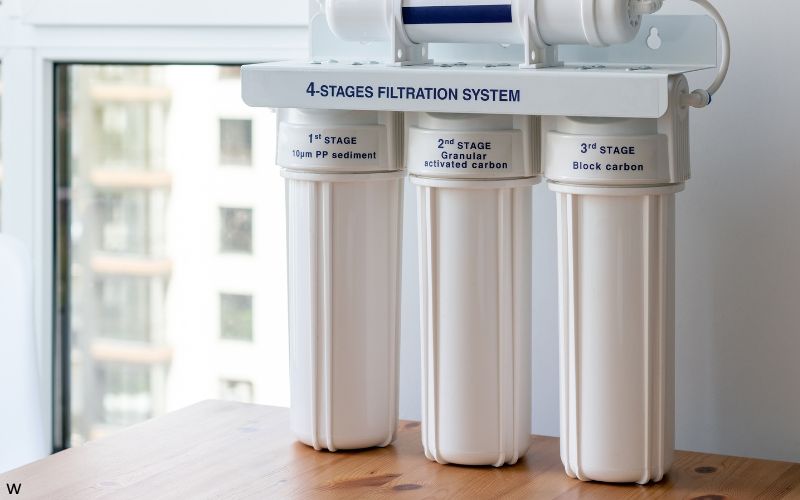
Consider PFAS-Certified Filtration
For areas with known PFAS contamination — particularly Eau Claire, Wausau, La Crosse, Madison and private well communities in Campbell, Peshtigo, and Stella — consider NSF-certified reverse osmosis or activated carbon filters rated for PFAS removal. These provide real protection while utilities work toward the April 2031 compliance deadline. See our water filter solutions guide for certified options.

Report Water Quality Concerns
Contact your local water utility immediately for taste, odour, or colour concerns. Report suspected contamination to Wisconsin DNR’s Environmental Compliance Division for investigation and follow-up. Private well owners with PFAS concerns should contact the DNR and request a certified lab test. Monitor active advisories in your area on our live boil water notices tracker.
Practice Water Conservation
Support Wisconsin’s water sustainability by implementing conservation measures like efficient irrigation, rainwater harvesting, and low-flow fixtures. Reducing demand helps utilities manage the cost of major infrastructure investments including PFAS treatment and lead line replacement programmes. Our water filter solutions page covers low-waste options suitable for conservation-conscious households.
Wisconsin Cities We Cover
Madison Water Quality
Comprehensive analysis of Madison Water Utility serving Wisconsin’s capital city. Includes information on water sources, treatment processes, infrastructure modernisation, and PFAS monitoring — including the state’s first PFAS treatment system, constructed for Well 15. Madison’s system is among those affected by the new 4 ppt state standard.
Milwaukee Water Quality
Detailed assessment of Milwaukee Water Works, Wisconsin’s largest utility serving over 800,000 customers. Covers water quality testing, Great Lakes treatment, and lead service line replacement — Milwaukee received over $30M in state funding for lead line removal in 2025, with a citywide replacement programme underway targeting completion well before the 2037 state deadline.
Frequently Asked Questions
Is Wisconsin’s tap water safe to drink in 2026?
For most Wisconsin residents served by public water systems, tap water is safe and meets federal Safe Drinking Water Act standards. Wisconsin has proactively led on water quality regulation, adopting state PFAS standards in 2022 ahead of federal action and tightening them further in March 2026.
However, nearly 100 public water systems will not meet the new 4 ppt PFAS standards and will need to install treatment by April 2031. For private well owners — about one-third of the state — there are no mandatory PFAS testing requirements and no groundwater PFAS standard, meaning these residents are responsible for their own testing. Use our water quality checker to review local data, and see our filter guide if you’re in a PFAS-affected area.
What changed with Wisconsin’s PFAS standards in 2026?
In a landmark regulatory development, Governor Evers signed new rules on March 2, 2026, reducing Wisconsin’s state PFAS drinking water limit from 70 parts per trillion to 4 ppt for PFOA and PFOS — a 17-fold tightening — and establishing 10 ppt standards for three additional PFAS compounds (PFNA, PFHxS, and GenX). The Wisconsin Natural Resources Board approved these standards in January 2026.
Nearly 100 public water systems — including those in Eau Claire, Wausau, Madison, and La Crosse — will need treatment upgrades to comply. Systems must complete initial monitoring and public notification by April 2027, with full compliance required by April 2031. Separately, the Legislature passed a bipartisan $125M PFAS package in March 2026 that will fund municipal treatment, private well assistance, and expanded testing. Follow our water alerts news for updates as this unfolds.
How can I find out about my local water quality?
Wisconsin residents have several resources for local water quality information:
• Annual Water Quality Reports: Contact your water utility directly for their Consumer Confidence Report, detailing all testing results and any violations
• Wisconsin DNR PFAS Interactive Data Viewer: Search by location for PFAS contamination data, fish advisories, and cleanup status
• Private Well Testing: Wisconsin-certified labs can test your well for nitrates, PFAS, bacteria, and other contaminants; testing is strongly recommended for anyone near farmland, airports, or industrial sites
• Clean Air and Water Tools: Use our water quality checker and monitor the live boil water notices tracker for real-time local alerts
Why does Wisconsin have water infrastructure challenges?
Despite high overall water quality, Wisconsin faces infrastructure challenges on several fronts:
System Scale and Complexity: With over 11,200 public drinking water systems — more than any other state — coordinating upgrades and compliance across thousands of utilities is a major challenge
PFAS Treatment Costs: Nearly 100 systems must now plan and fund treatment upgrades to meet the new 4 ppt standard. The $125M PFAS package and federal BIL funding will help, but these are significant capital investments for smaller communities
Lead Service Lines: Wisconsin has over 167,000 known lead service lines. The new 10 µg/L lead action level (December 2025) and the 2037 statewide replacement target require sustained, multi-year investment, with Milwaukee receiving $30M+ in 2025 for line replacement
Private Well Gap: No groundwater PFAS standard exists, leaving private well owners without regulatory protection. Nitrate contamination affects up to 30% of wells in agricultural areas with no mandatory monitoring
For home protection while systemic upgrades are underway, see our water filter solutions for Wisconsin residents.
Quality News About Your Water
Get the comprehensive water quality news coverage you need with our dedicated US Water News Service. From coast to coast, we deliver in-depth reporting and expert analysis on PFAS contamination, EPA regulatory changes, infrastructure developments, and emerging water safety issues affecting communities nationwide. While mainstream media only covers the biggest stories, we provide the detailed, ongoing coverage that helps you understand the full scope of America’s water challenges.
What’s actually in your tap water? Enter your ZIP code for a full breakdown of contaminants detected in your local supply
Drinking water from a well? Check our directory here for more information
Contaminants of Concern
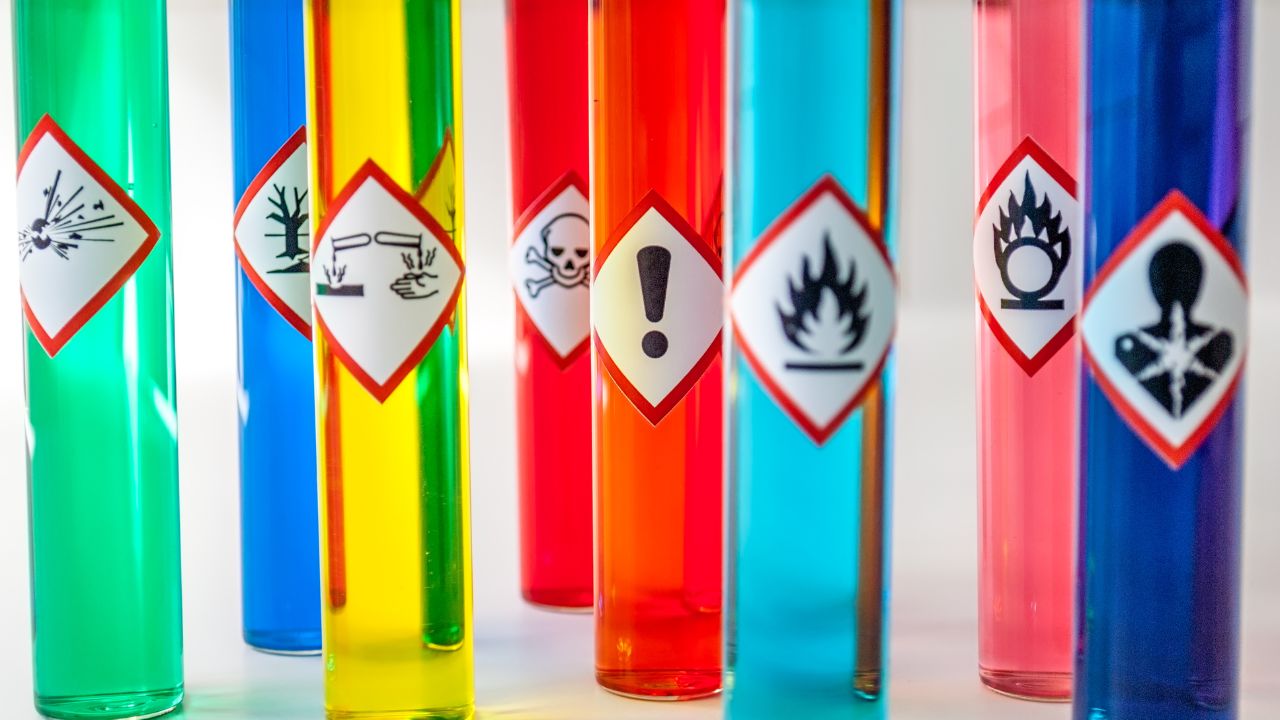
PFAS “Forever Chemicals”
Source: Military bases, airports (including sites associated with former Tyco/Johnson Controls operations near Green Bay), firefighting training areas, and industrial manufacturing sites in Marinette, Peshtigo, and other communities
Health Effects: Linked to kidney and testicular cancer, liver damage, immune system suppression, high cholesterol, thyroid disease, and developmental effects in children
Current Status (2026): Nearly 100 Wisconsin public water systems do not meet the new state standard of 4 ppt for PFOA/PFOS, signed March 2, 2026. Systems must complete initial monitoring by April 2027 and achieve compliance by April 2031. A bipartisan $125M PFAS package passed the Legislature in March 2026 to fund treatment and private well assistance. Private wells have no groundwater PFAS standard yet. Wisconsin Standard (2026): 4 ppt for PFOA and PFOS; 10 ppt for PFNA, PFHxS, and GenX. See our filter guide for certified PFAS removal options.
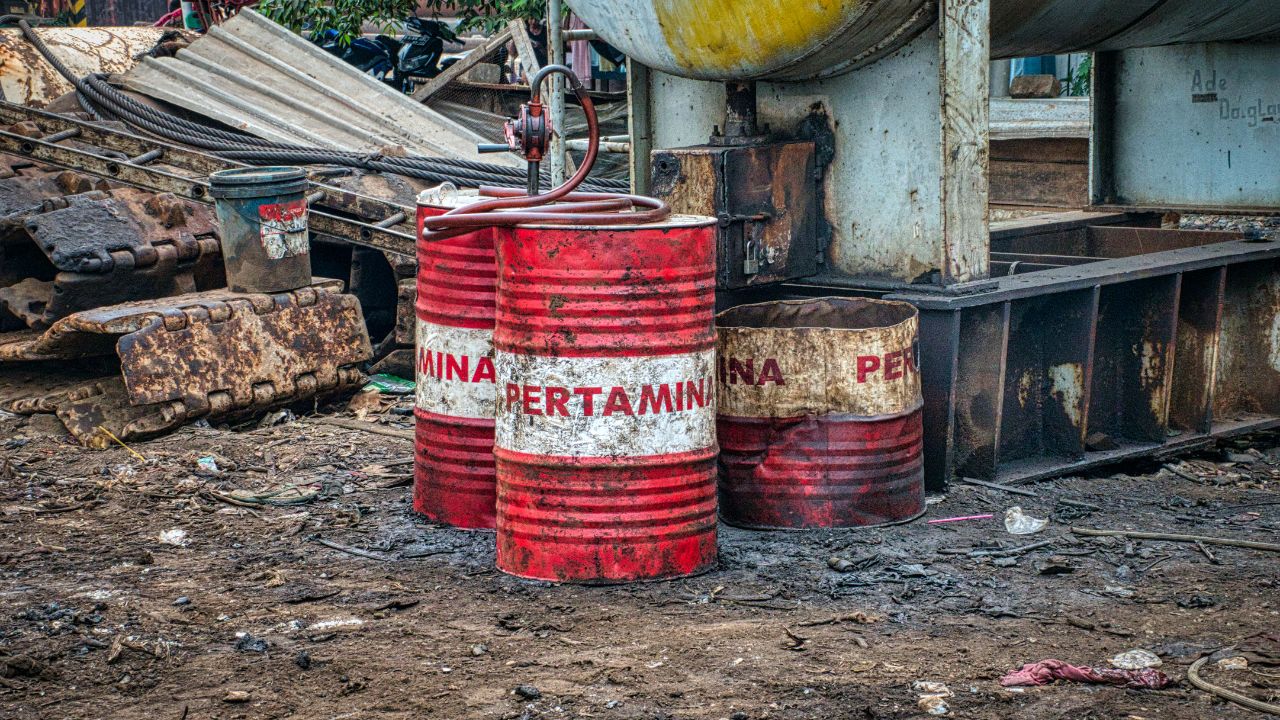
Agricultural Runoff Contaminants
Source: Nitrates from agricultural fertilisers, pesticides, and livestock operations (particularly dairy farming) affecting groundwater aquifers across the state. Biosolids applied to farm fields may also introduce PFAS into groundwater. The DNR is reviewing EPA-approved pesticides for PFAS content as of December 2025.
Health Effects: Nitrate contamination causes methemoglobinemia (blue baby syndrome) in infants and is linked to thyroid disruption and cancer risks with chronic exposure. Pesticide residues may cause endocrine disruption and other long-term health impacts.
Current Status (2026): Nitrate contamination remains the most widespread groundwater pollutant in Wisconsin, affecting 10–30% of private wells in farming areas. There is no mandatory private well testing programme. The DNR is developing groundwater standards for PFAS (Cycle 12 rulemaking initiated 2025), which would indirectly protect private well owners by regulating land activities. Monitor updates via our water alerts section. Regulatory Response: Wisconsin DNR oversight and agricultural best management practices; Cycle 12 PFAS groundwater rulemaking underway in 2026.
Please read – our information
The information presented on cleanairandwater.net is compiled from official water quality reports, trusted news sources, government websites, and public health resources. While we strive for accuracy and thoroughness in our presentations, we are not scientists, engineers, or qualified water quality professionals.
Our mission is to present water quality information in an accessible, real-world format that helps people understand what’s in their water and make informed decisions about their health and safety. We believe that complex environmental information should be available to everyone in a format that’s easy to understand.
We make every effort to ensure our content is current and accurate, but we cannot guarantee that all information is complete or error-free. This website should not replace official communications from your local water utility or health department. We always recommend consulting official sources for the most up-to-date information regarding your specific water system.
Clean Air and Water is not liable for any unintentional errors, omissions, or outdated information. The content on this site is provided for informational purposes only and should not be considered professional advice.