Wyoming Water Quality at a Glance
Is Wyoming Water Safe to Drink in 2026?
Generally Safe with Natural Challenges — Wyoming’s tap water typically meets federal Safe Drinking Water Act standards, though some areas face natural arsenic contamination from mineral-rich geology. Key concerns include hard water throughout the state, potential PFAS contamination near F.E. Warren Air Force Base and other military installations, and agricultural runoff in farming regions. Notably, Wyoming is the only state where EPA Region 8 in Denver directly administers the Safe Drinking Water Act — the state has not sought its own primacy. Wyoming water systems face a key compliance milestone with PFAS monitoring results due to EPA by April 2027.
⚠️ Key Areas for Wyoming Water Monitoring in 2026
- Natural Arsenic: Groundwater in western Wyoming contains arsenic from mineral deposits; some areas require specialist treatment to meet EPA standards
- Hard Water: High calcium and magnesium levels throughout the state cause scale buildup and affect taste — water softening is often recommended
- PFAS Monitoring: Systems must submit PFAS monitoring results to EPA by April 26, 2027, with Wyoming DEQ’s monitoring assistance programme actively supporting utilities
- Lead Service Lines: Active lead service line replacement projects underway across the state, with towns including Kaycee, LaGrange, and Riverton receiving recent State Revolving Fund support in 2025–2026
- 83% of Systems Small: 83% of Wyoming’s 767 public water systems serve fewer than 500 people — small system capacity is a persistent challenge for compliance
Read the full report below for detailed analysis, regional data, and water quality recommendations for Wyoming residents. You can also check Wyoming boil water notices or explore water filter options for your home.
advertisment – report continues below
Your water passed the test.
Legal isn’t the same as safe.
Regulated contaminants like PFAS, chromium-6, and disinfection byproducts can sit inside the legal limit and still carry long-term health risks. Passing isn’t the same as clean.
✅ Removes PFAS, lead & chromium-6 — the contaminants most flagged even in passing city reports
✅ NSF/ANSI 42, 58 & 372 certified — independently tested, not just manufacturer claims
✅ Installs in 30 minutes, no plumber — fills a glass in 8 seconds, smart LED filter monitor
Renting or can’t drill? The Waterdrop K19 Countertop RO — plug in, fill the tank, done. No installation, no drilling, no plumber.
Advertisement — this page contains affiliate links. If you buy through these links, we may earn a commission at no extra cost to you.

Wyoming – The Equality State – Water Quality Report 2026: PFAS Monitoring, Infrastructure Investment & Safety Across Your State
Wyoming’s water infrastructure serves approximately 636,000 residents across 97,814 square miles of diverse terrain, from the high plains in the east to the Rocky Mountains in the west. As of April 2025, the state has 767 active public water systems — 628 very small, 108 small, 20 medium, and 11 large systems — with 83% serving populations of fewer than 500 people. Wyoming’s water sources include the North Platte, Green, Snake, and Yellowstone river systems, along with extensive groundwater aquifers supplying both urban centres and rural communities. Uniquely, Wyoming is the only state in the US that has not sought primacy to administer its own Safe Drinking Water Act programme; EPA Region 8 in Denver directly implements federal drinking water regulations across the state.
Wyoming faces distinct water infrastructure challenges stemming from its harsh climate, remote geography, sparse population, and the small scale of most of its water systems. The Wyoming Department of Environmental Quality’s Water Quality Division works alongside EPA Region 8 to monitor and protect surface and groundwater statewide. In 2025–2026, the state is actively managing the rollout of EPA’s PFAS National Primary Drinking Water Regulation, with all covered systems required to submit monitoring results to EPA by April 26, 2027. Ongoing State Revolving Fund projects are supporting lead service line investigation and replacement in communities including Kaycee, LaGrange, Riverton, and Dubois. For the latest alerts affecting Wyoming, visit our live US boil water notices tracker.
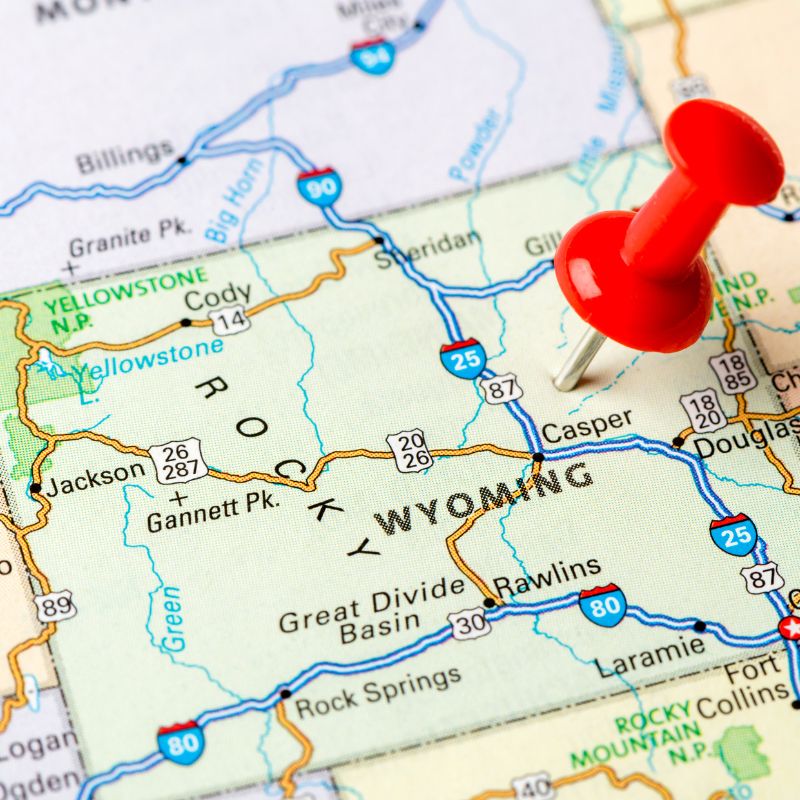
Wyoming Water Quality: Current Status (2025–2026)
Statewide Compliance and Oversight
- Unique Federal Administration: Wyoming is the only US state where EPA Region 8 (Denver) directly administers the Safe Drinking Water Act, rather than the state itself holding primacy. This means federal oversight is more direct in Wyoming than anywhere else in the country. Residents can check our national water quality tool to explore data for their area.
- System Scale Challenge: 83% of Wyoming’s 767 public water systems serve fewer than 500 people, and 41.9% of the state’s population lives on fixed, low, or no income. This creates persistent challenges in funding compliance with new federal regulations — including the forthcoming PFAS standards.
- Water Quality Standards Updated: Wyoming DEQ completed its triennial review with the adoption of revised Surface Water Quality Standards (Chapter 1, Wyoming Water Quality Rules) in August 2025, now codified in Wyoming Administrative Code.
Major Water Sources and Natural Challenges
- North Platte River System: Primary source for Casper and central Wyoming communities, providing both surface water and groundwater through alluvial aquifers. See our Casper water quality report for detailed local data.
- Natural Arsenic Contamination: Wyoming faces natural arsenic contamination from mineral-rich geology, particularly in western regions, requiring specialised treatment at some systems to meet the EPA’s MCL of 10 µg/L.
- Hard Water Conditions: High concentrations of calcium and magnesium from natural mineral deposits create hard water conditions throughout Wyoming, requiring water softening systems and causing scale buildup in pipes and appliances. This is among the most commonly reported quality concerns for Wyoming homeowners.
PFAS Regulation: 2025–2027 Timeline
- Monitoring Assistance Programme: Wyoming DEQ, through contractor HydroGeoLogic Inc. (HGL), is running a comprehensive PFAS in Drinking Water Monitoring Assistance Programme for public water systems required to comply with EPA’s PFAS National Primary Drinking Water Regulation. Systems must submit results to EPA by April 26, 2027. For background on why PFAS matters, see our water quality news section.
- Emerging Contaminants Grant: Wyoming DEQ administers the Emerging Contaminants in Drinking Water Grant Programme (funded through the federal EC-SDC Grant under the IIJA), available to public water systems and private well owners facing PFAS or other emerging contaminant issues — with no cost-share requirement.
- PFAS Sources of Concern: Primary risk areas include F.E. Warren Air Force Base near Cheyenne (AFFF firefighting foam), airports, and industrial facilities. Private well owners near these sites can also access the monitoring assistance programme. For filter recommendations, visit our water filter solutions page.
Lead Service Line Replacement: 2025–2026 Activity
- Active SRF Projects: Multiple Wyoming communities are currently receiving State Revolving Fund support for lead service line investigation and replacement (2025–2026), including the Town of Kaycee, Town of LaGrange, City of Riverton, Town of Dubois, and Deike Estates Improvement & Service District.
- Federal Funding Context: Wyoming received $28.6 million in dedicated lead service line replacement funding from the Bipartisan Infrastructure Law. The fourth round of the national $15 billion LSLR programme was released by EPA in November 2025, with applications for FY2025 funds due September 30, 2026.
- Groundwater Dominance: 84% of Wyoming’s active water systems draw from groundwater (wells). This means lead contamination risk is primarily in distribution infrastructure rather than source water, and targeted pipe replacement programmes are the most effective mitigation tool.
Rural and Small Community Challenges
- Scale and Geography: Wyoming’s sparse population density across 97,814 square miles creates unique challenges in maintaining and upgrading water infrastructure. 83% of systems serve fewer than 500 people, and deferred maintenance due to historical revenue challenges has left many systems with ageing infrastructure.
- Climate Extremes: Harsh winters and extreme temperature variations require robust infrastructure design. Freeze damage and seasonal flow variations are persistent operational challenges for smaller systems.
- Financial Assistance Available: The Wyoming State Revolving Loan Fund provides low-interest loans for drinking water and wastewater infrastructure improvements. The Emerging Contaminants Grant and federal technical assistance programmes (including EPA Region 8’s Technical and Environmental Compliance programme) provide additional no-cost support to small and disadvantaged communities.
Looking Forward: 2026–2031
Wyoming’s water quality landscape in 2026 is defined by two major compliance timelines: the April 2027 PFAS monitoring submission deadline, and the ongoing lead service line replacement programme running through 2026 and beyond. The state’s unique position — with federal rather than state primacy for drinking water regulation — means EPA Region 8 plays a particularly direct role in supporting Wyoming communities. Success will require continued investment via the State Revolving Fund, strong uptake of available grant programmes for small systems, and community-level action on natural contaminants such as arsenic. Wyoming residents concerned about their tap water are encouraged to request their utility’s Consumer Confidence Report and, where appropriate, to consider certified home water filtration.
Recommendations for Wyoming Residents
Know Your Water Source
Contact your local water utility to request your annual Consumer Confidence Report and ask specifically about PFAS testing progress. Because EPA Region 8 (not the state) directly administers Wyoming’s drinking water programme, you can also contact EPA Region 8 in Denver for information about your local system’s compliance status and monitoring results.
Support Infrastructure Investment
Support local infrastructure improvements and water system upgrades needed to address ageing pipes and emerging contaminants. Wyoming’s State Revolving Loan Fund and federal IIJA grants offer significant financial tools — advocate for your community to take advantage of these programmes, particularly for lead service line replacement and PFAS treatment. Keep an eye on water quality news for funding announcements affecting Wyoming.
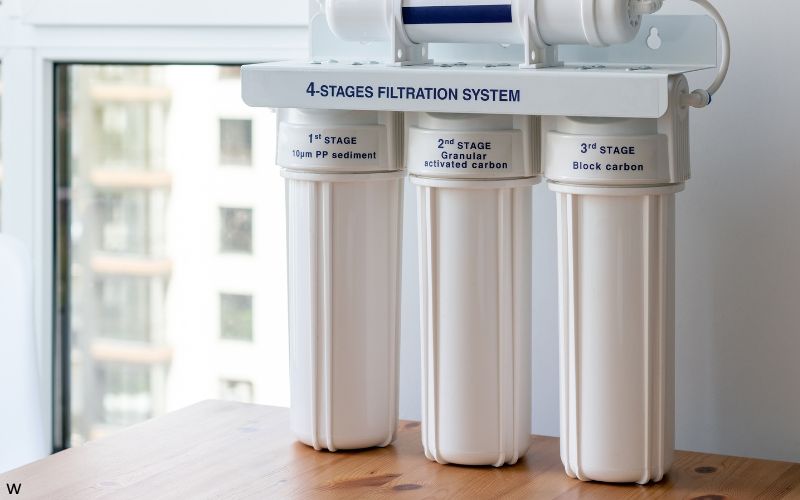
Consider Appropriate Filtration
For areas with known arsenic or PFAS concerns, NSF-certified reverse osmosis systems are the most effective solution — they remove both contaminants to below detectable levels. For hard water, a dedicated water softener improves taste and protects appliances from scale damage. Always choose filters certified to NSF/ANSI Standard 58 (RO) or Standard 44 (softeners).

Report Water Quality Concerns
Contact your local water utility immediately for taste, odour, or colour concerns. Report suspected contamination to the Wyoming Department of Environmental Quality at (307) 777-7937, or to EPA Region 8’s drinking water programme in Denver. You can also check our live boil water notices tracker for any active alerts in Wyoming.
Practice Water Conservation
Support Wyoming’s water sustainability by implementing conservation measures such as efficient irrigation, xeriscaping with native plants, and low-flow fixtures. Reducing demand helps small utilities — which make up the vast majority of Wyoming’s systems — manage seasonal variations and maintain system reliability across the state’s diverse and challenging climate conditions.
Wyoming Cities We Cover
Casper Water Quality
Comprehensive analysis of Casper’s water system, including groundwater and surface water sources from the North Platte River system, treatment processes, and compliance with current and emerging federal regulations including EPA’s PFAS drinking water rules.
Frequently Asked Questions
Is Wyoming’s tap water safe to drink in 2026?
Most of Wyoming’s public water systems meet federal Safe Drinking Water Act standards and are safe for consumption. As the only state where EPA Region 8 directly administers the drinking water programme (rather than the state itself), Wyoming benefits from direct federal oversight.
The primary natural challenges are arsenic contamination from geological sources in western Wyoming and hard water statewide. The most significant regulatory development in 2026 is the PFAS compliance timeline: water systems subject to EPA’s PFAS National Primary Drinking Water Regulation must submit monitoring results by April 26, 2027. Wyoming DEQ is running a free monitoring assistance programme to help systems meet this deadline. Residents wanting to understand their local water can use our water quality lookup tool.
What are Wyoming’s main water infrastructure challenges?
Wyoming faces unique infrastructure challenges due to its vast geography, harsh climate, and sparse population distribution across 97,814 square miles. 83% of the state’s 767 water systems serve fewer than 500 people, making compliance with new federal regulations disproportionately costly per household.
Key challenges include: natural arsenic from mineral-rich geology requiring specialist treatment; hard water conditions from high calcium and magnesium; extreme cold weather causing freeze damage to distribution infrastructure; and historical deferred maintenance due to revenue constraints. Wyoming is also managing new regulatory requirements for PFAS monitoring (deadline April 2027) and active lead service line replacement projects in multiple communities. The latest water news covers regulatory developments as they happen.
How can I find out about my local water quality in Wyoming?
Wyoming residents can access water quality information through several channels:
• Consumer Confidence Reports: Contact your water utility for their annual CCR, which details all testing results and compliance status. Our water quality tool can also help you find data for your area.
• Wyoming DEQ Water Quality Division: Call (307) 777-7937 for source water protection information and environmental concerns
• EPA Region 8: Because Wyoming does not hold primacy, EPA Region 8 in Denver directly oversees compliance monitoring — contact them for system-specific compliance records
• PFAS Monitoring Programme: Contact Wyoming DEQ or HydroGeoLogic Inc. (WDEQPFAS@hgl.com) for information about PFAS sampling assistance for your water system or private well
• Boil Water Notices: Check our live boil water notices tracker for any active alerts in Wyoming
What is Wyoming doing about PFAS contamination in 2026?
Wyoming is addressing PFAS contamination through a structured monitoring and treatment programme coordinated by Wyoming DEQ and EPA Region 8:
Monitoring Assistance: Wyoming DEQ, through contractor HydroGeoLogic Inc., is visiting water systems to collect PFAS samples, inspect for PFAS-containing materials, and submit results to EPA — all at no cost to participating systems. The sign-up deadline for the programme was December 2025.
Compliance Deadline: All covered public water systems must submit PFAS monitoring results to EPA by April 26, 2027, as required by the PFAS National Primary Drinking Water Regulation.
Financial Support: Wyoming DEQ administers an Emerging Contaminants in Drinking Water Grant Programme with no cost-share requirement, available to systems and private well owners with confirmed or suspected PFAS issues.
Treatment Planning: Where PFAS is detected, utilities are being guided toward advanced treatment options including activated carbon and reverse osmosis systems — the most effective home and utility-scale PFAS removal technologies.
Quality News About Your Water
Get the comprehensive water quality news coverage you need with our dedicated US Water News Service. From coast to coast, we deliver in-depth reporting and expert analysis on PFAS contamination, EPA regulatory changes, infrastructure developments, and emerging water safety issues affecting communities nationwide. While mainstream media only covers the biggest stories, we provide the detailed, ongoing coverage that helps you understand the full scope of America’s water challenges.
What’s actually in your tap water? Enter your ZIP code for a full breakdown of contaminants detected in your local supply
Drinking water from a well? Check our directory here for more information
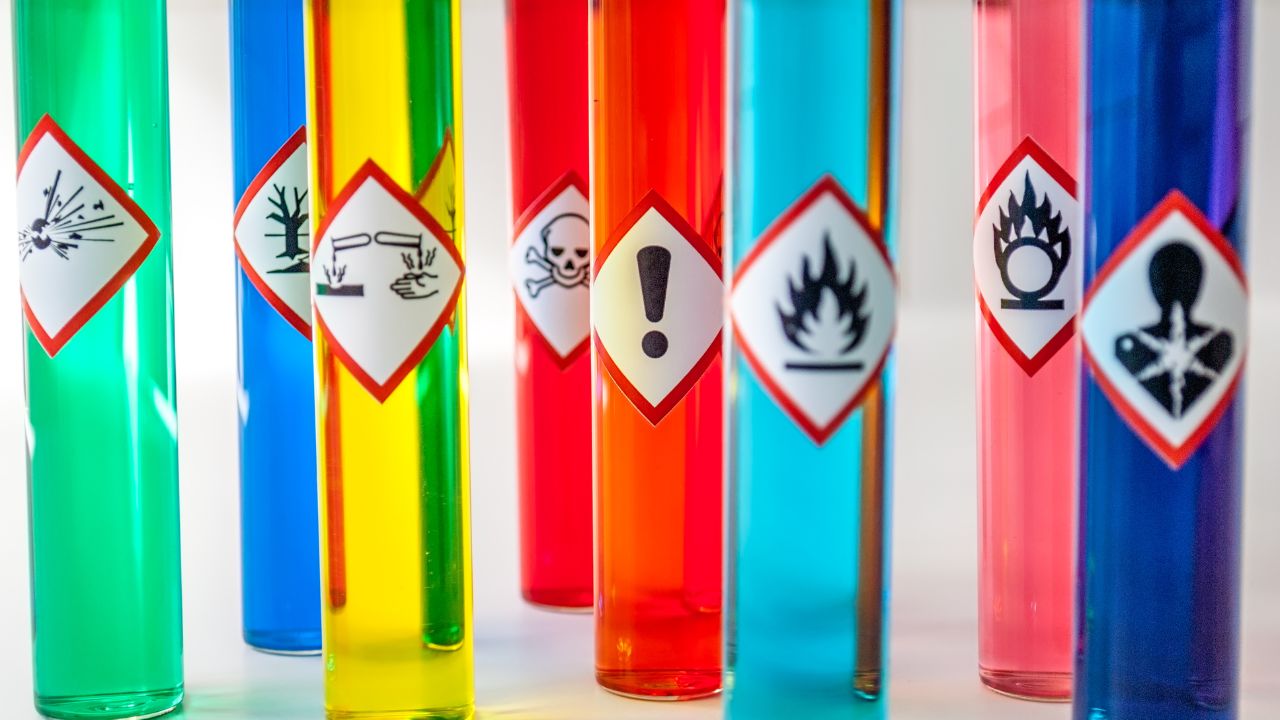
Contaminants of Concern
PFAS “Forever Chemicals”
Source: Aviation firefighting foam (AFFF) at airports and military installations — particularly F.E. Warren Air Force Base near Cheyenne — industrial facilities, and consumer products including stain-resistant textiles and non-stick cookware.
Health Effects: Linked to kidney and testicular cancer, liver damage, immune system suppression, high cholesterol, and developmental effects in children.
Current Status (2026): Wyoming water systems are actively engaged in PFAS monitoring with results due to EPA by April 26, 2027. Wyoming DEQ’s monitoring assistance programme is supporting utilities statewide. EPA Limits: 4 parts per trillion for PFOA and PFOS individually — the most stringent ever set. For home protection, see our recommended PFAS filters. For the latest regulatory news, visit our water alerts section.
Natural and Infrastructure Contaminants
Source: Natural arsenic from mineral-rich geology in western Wyoming, hard water from calcium and magnesium deposits, ageing water distribution systems, and disinfection byproducts from water treatment processes. Wyoming DEQ’s Emerging Contaminants Grant also covers cyanotoxins, lithium, manganese, strontium, and disinfection byproducts as eligible contaminants.
Health Effects: Arsenic can cause skin disorders, cardiovascular disease, and increased cancer risk with long-term exposure. Hard water affects taste and causes scale buildup. Lead from ageing distribution pipes can cause neurological effects — particularly dangerous for children and pregnant women.
Current Status (2026): Wyoming addresses natural arsenic through specialised treatment at affected systems. Active lead service line replacement is underway in multiple communities via the State Revolving Fund, with federal IIJA funding available through FY2026. Residents in affected areas should consider an NSF-certified reverse osmosis system, which is effective against both arsenic and lead. You can also look up contaminant data for your specific water system.
Please read – our information
The information presented on cleanairandwater.net is compiled from official water quality reports, trusted news sources, government websites, and public health resources. While we strive for accuracy and thoroughness in our presentations, we are not scientists, engineers, or qualified water quality professionals.
Our mission is to present water quality information in an accessible, real-world format that helps people understand what’s in their water and make informed decisions about their health and safety. We believe that complex environmental information should be available to everyone in a format that’s easy to understand.
We make every effort to ensure our content is current and accurate, but we cannot guarantee that all information is complete or error-free. This website should not replace official communications from your local water utility or health department. We always recommend consulting official sources for the most up-to-date information regarding your specific water system.
Clean Air and Water is not liable for any unintentional errors, omissions, or outdated information. The content on this site is provided for informational purposes only and should not be considered professional advice.