Philadelphia Water Quality at a Glance
Is Philadelphia Water Safe to Drink?
Generally Safe with Room for Improvement — Philadelphia’s water meets all current state and federal drinking water standards and undergoes over 500,000 tests annually. However, PFAS “forever chemicals” remain present above EPA’s 4 ppt limit — PWD is actively piloting advanced treatment and planning major upgrades to meet the extended federal compliance deadline of 2031. Lead remains a concern due to an estimated 20,000+ properties with lead service lines, though PWD’s corrosion control keeps the 90th percentile lead level at 2.0 ppb — well below the EPA action level of 15 ppb. The city’s decades-long Water Revitalization Plan is driving major infrastructure investment. Check our live US boil water notices tracker for any active advisories.
⚠️ Key Concerns for Philadelphia Residents
- PFAS “Forever Chemicals”: PFOA and PFOS detected above EPA’s 4 ppt MCL; PWD is piloting granular activated carbon, ion exchange, and reverse osmosis treatments — full compliance required by 2031 under the revised federal deadline
- Lead Service Lines: An estimated 20,000+ homes have lead pipes; PWD issued ~480,000 annual service line notification letters in December 2025, with free testing and zero-interest HELP loans available for replacement
- Disinfection Byproducts: TTHMs and HAA5s are monitored at all three treatment plants; seasonal variation can affect levels, particularly in summer
- Infrastructure Age: Treatment plant buildings largely date to the 1950s–60s; the Water Revitalization Plan is the city’s multi-decade response to modernisation needs
Read the full report below for detailed analysis, city-specific data, and actionable recommendations for Philadelphia residents.
advertisment – report continues below
Your water passed the test.
Legal isn’t the same as safe.
Regulated contaminants like PFAS, chromium-6, and disinfection byproducts can sit inside the legal limit and still carry long-term health risks. Passing isn’t the same as clean.
✅ Removes PFAS, lead & chromium-6 — the contaminants most flagged even in passing city reports
✅ NSF/ANSI 42, 58 & 372 certified — independently tested, not just manufacturer claims
✅ Installs in 30 minutes, no plumber — fills a glass in 8 seconds, smart LED filter monitor
Renting or can’t drill? The Waterdrop K19 Countertop RO — plug in, fill the tank, done. No installation, no drilling, no plumber.
Advertisement — this page contains affiliate links. If you buy through these links, we may earn a commission at no extra cost to you.
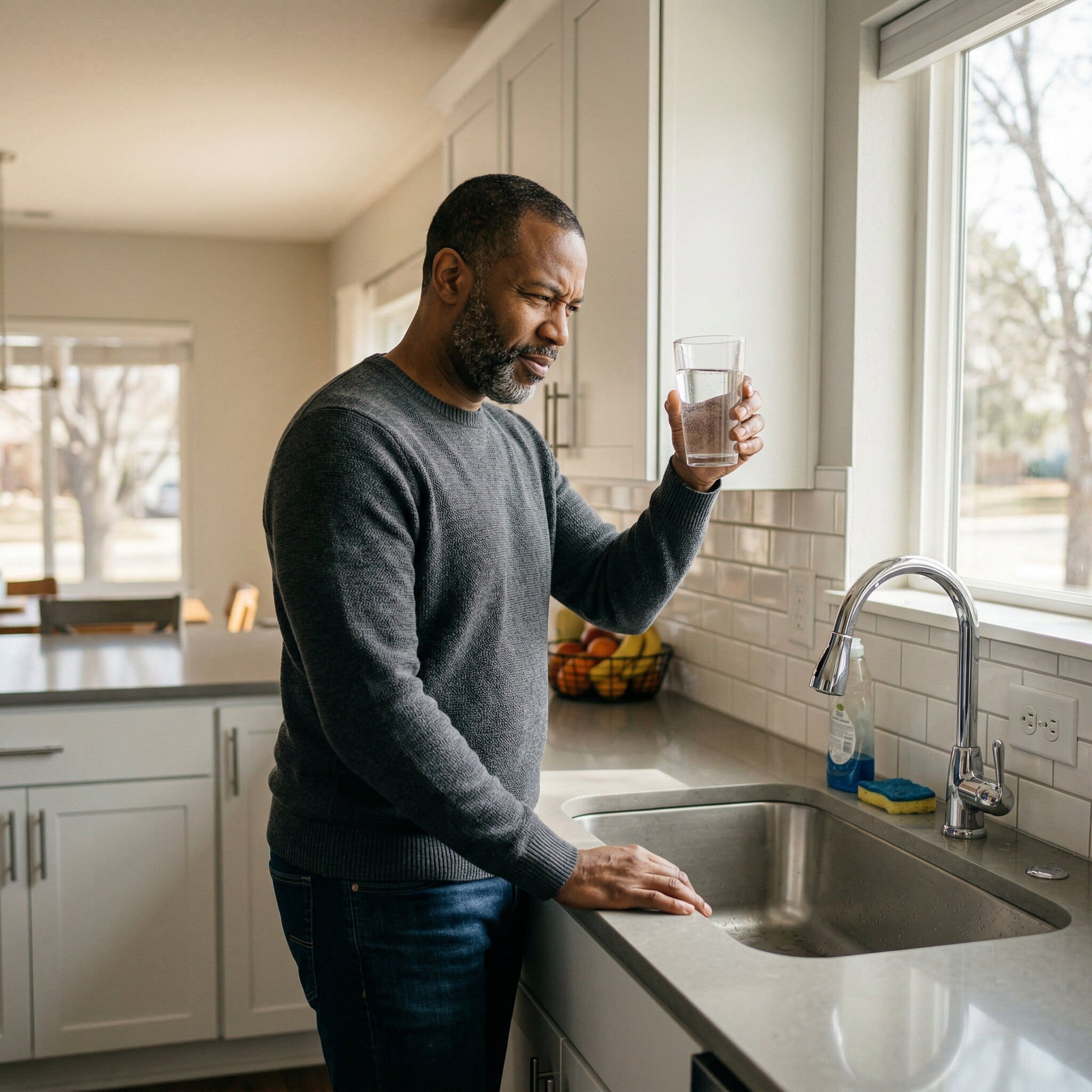
Philadelphia – Pennsylvania – Water Quality Report 2026: PFAS Testing, Infrastructure Concerns & Safety Across Your City
Philadelphia, the nation’s sixth-largest city, serves approximately 1.6 million residents through the Philadelphia Water Department (PWD). With a distribution system dating back to 1801, the city’s infrastructure includes over 3,100 miles of water mains, three water treatment plants, and numerous pumping stations, delivering roughly 300 million gallons daily.
The Delaware and Schuylkill rivers provide Philadelphia’s water supply, both protected by extensive watershed management programmes. PWD operates one of the oldest water systems in the United States but continues to modernise through the Water Revitalization Plan — a multi-decade programme addressing treatment plant upgrades, lead pipe replacement, and PFAS treatment technology. The city’s 2024 annual water quality report confirms that drinking water meets all current standards, while planning is actively under way to meet the updated federal PFAS compliance deadline of 2031. For filter options suited to Philadelphia’s key contaminants, see our water filter solutions guide — reverse osmosis is the most effective option for both PFAS and lead.
Philadelphia Water Quality: Current Status (2025–2026)
Latest Testing Results
- Lead Levels: PWD’s most recent testing shows a 90th percentile lead level of 2.0 parts per billion (ppb) — well below the EPA action level of 15 ppb and among the better results for large US cities. A new round of lead samples was collected from customers in summer 2025, with results being used to optimise corrosion control treatment. Free lead testing is available for all residents by calling (215) 685-6300 or visiting water.phila.gov.
- Testing Scope: Philadelphia conducts approximately 500,000 water quality tests annually, including lead and copper monitoring at high-risk residential sites and quarterly PFAS compliance sampling at all three treatment plants, with results published at water.phila.gov/pfas.
- Compliance Status: Philadelphia’s water meets all current federal and Pennsylvania state drinking water standards for regulated contaminants. PFAS levels at Philadelphia’s treatment plants exceed EPA’s 4 ppt MCL for PFOA and PFOS — however, PWD is not currently in violation, as the compliance deadline has been extended to 2031. Check our water quality checker and our water alert news feed for ongoing updates.
Source Water Protection
- Watershed Management: PWD actively manages the Delaware River Watershed, which extends 330 miles from New York State to Delaware Bay, alongside the Schuylkill River watershed. In 2024, PWD increased its annual contribution to the Schuylkill River Restoration Fund from $100,000 to $250,000 to fund agricultural best management practice projects.
- Source Water Monitoring: PWD has been monitoring rivers for PFAS for years to inform treatment planning. In 2024, the Delaware River Basin Commission formally approved a new Source Water Protection subcommittee, with PWD holding a reserved member position.
- Drinking Water Intakes: Philadelphia’s three treatment plants — Baxter (drawing from the Delaware), and Queen Lane and Belmont (drawing from the Schuylkill) — draw from carefully selected intake points. Water treatment operations began on these sites over 100 years ago; many current plant buildings date to the 1950s and 60s.
PFAS Treatment — 2026 Update
- Compliance Deadline Extended to 2031: In May 2025, EPA confirmed it would retain the 4 ppt MCLs for PFOA and PFOS but extend the compliance deadline from 2029 to 2031. EPA simultaneously rescinded the MCLs for PFHxS, PFNA, HFPO-DA, and PFBS mixtures, with those compounds under re-evaluation. Philadelphia’s PFAS levels for PFOA and PFOS exceed the 4 ppt limit — PWD is planning major upgrades at all three treatment plants ahead of the 2031 deadline.
- Pilot Testing Under Way: PWD is evaluating granular activated carbon, ion exchange, and reverse osmosis technologies through a pilot plant programme to identify the most efficient and cost-effective PFAS removal approach for a system serving 1.6 million people.
- UCMR5 Monitoring Complete: PWD has completed monitoring under EPA’s Fifth Unregulated Contaminant Monitoring Rule (UCMR5), which tested for 29 PFAS compounds. Results are available at water.phila.gov/pfas. Pennsylvania has additionally set its own state drinking water standards for PFOS and PFOA that PWD is required to meet.
Lead Service Line Programme
- Annual Notification Letters: In December 2025, PWD sent approximately 480,000 annual service line material notification letters to Philadelphia property owners and residents, as required under the federal Lead and Copper Rule. Based on available records, the significant majority of Philadelphia properties have service lines made of non-lead materials such as copper or plastic, though some properties have lead or galvanised metal pipes requiring future replacement.
- Service Line Map: PWD’s online service line lookup tool at water.phila.gov/service-line-map allows all residents to check their property’s service line material. The map is updated throughout the year and is a key part of Philadelphia’s federal Lead and Copper Rule compliance programme.
- Financial Assistance: PWD offers zero-interest HELP loans for service line replacement. Free lead testing is available for schools and childcare facilities. Properties with confirmed lead at the meter are eligible for the HELP loan programme at water.phila.gov/help.
Infrastructure Modernisation
Philadelphia’s Water Revitalization Plan is a multi-decade, multi-billion dollar modernisation programme encompassing approximately 400 projects focused on upgrading treatment plants, replacing aging water mains, and building system-wide resilience against natural disasters and emergencies. The Green City, Clean Waters programme — one of the nation’s most comprehensive urban green stormwater infrastructure initiatives — continues to expand, with over 1,000 projects including rain gardens, permeable pavement, and green roofs reducing combined sewer overflow and protecting source water quality. PWD’s Schuylkill Action Network contract was increased to $300,000 per year beginning in fiscal year 2026 to support watershed protection across the Schuylkill River basin. For the latest on any infrastructure-related advisories, see our live boil water notices tracker and water alert news.
Recommendations for Philadelphia Residents
Use Filtered Water
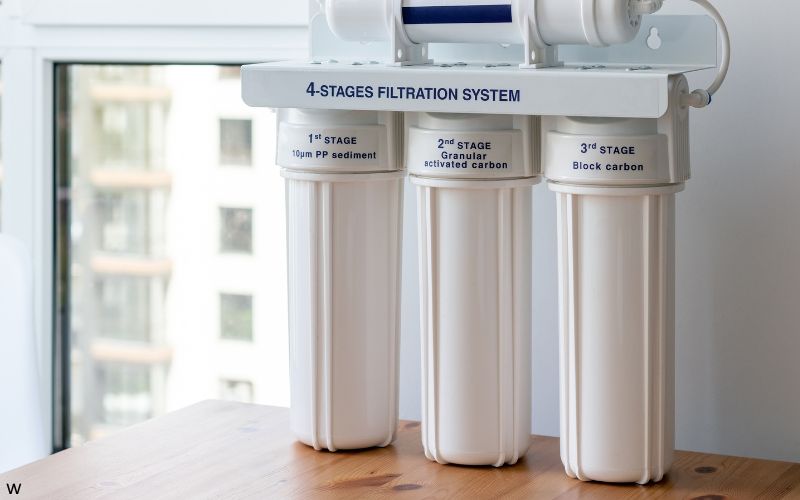
Given that PFAS levels at Philadelphia’s treatment plants currently exceed EPA’s 4 ppt limit, and that lead service lines affect an estimated 20,000+ properties, filtered water is a sensible precaution. NSF-certified reverse osmosis systems remove both PFAS and lead. See our water filter solutions guide for options matched to Philadelphia’s specific contaminants. If your home was built before 1986 or has a lead service line, use NSF Standard 53 or 58 certified filtration for drinking and cooking.
Get Free Water Testing
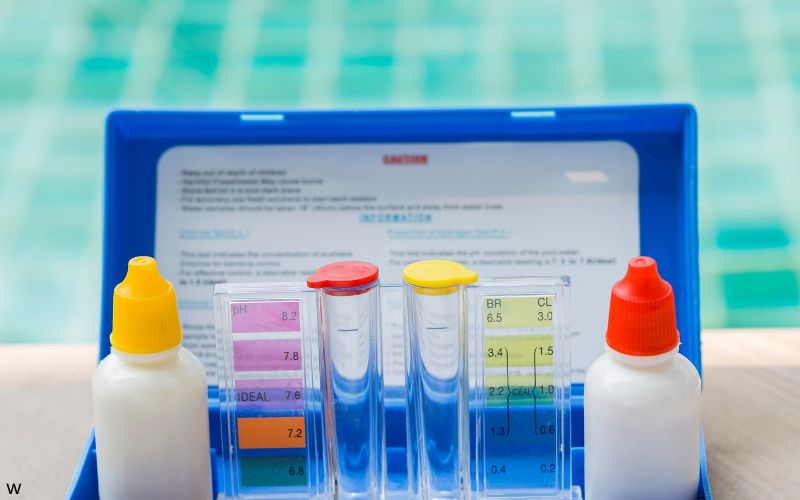
Philadelphia offers free lead testing for all residents. Call PWD at (215) 685-6300 to schedule testing, or visit water.phila.gov for online scheduling. PWD is also conducting free water testing at schools and childcare facilities. For the latest PFAS test results from all three treatment plants, visit water.phila.gov/pfas. Track any local water quality alerts via our water alert news feed.
Check Your Service Line
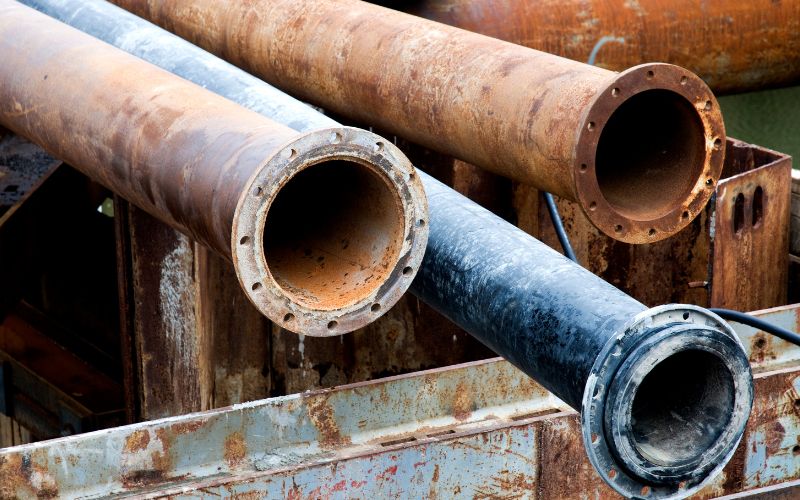
Use Philadelphia’s online service line lookup tool at water.phila.gov/service-line-map to check if your property has a lead or galvanised metal service line. In December 2025, PWD sent ~480,000 annual notification letters — if you haven’t received yours, check the map directly. PWD offers zero-interest HELP loans for replacement, and free replacements during water main construction. Properties can flush pipes for 3–5 minutes if uncertain about pipe material.
Quality News About Your Water
Get the comprehensive water quality news coverage you need with our dedicated US Water News Service. From coast to coast, we deliver in-depth reporting and expert analysis on PFAS contamination, EPA regulatory changes, infrastructure developments, and emerging water safety issues affecting communities nationwide. While mainstream media only covers the biggest stories, we provide the detailed, ongoing coverage that helps you understand the full scope of America’s water challenges.
What’s actually in your tap water? Enter your ZIP code for a full breakdown of contaminants detected in your local supply
Drinking water from a well? Check our directory here for more information
Frequently Asked Questions
Is Philadelphia’s tap water safe to drink?
Yes, Philadelphia’s tap water meets all current federal and Pennsylvania state drinking water standards and undergoes approximately 500,000 tests annually. The city treats water from the Delaware and Schuylkill rivers using advanced filtration and disinfection at three treatment plants.
The main ongoing concerns are PFAS levels — PFOA and PFOS are detected above EPA’s 4 ppt limit, though PWD has until 2031 to achieve compliance, and major treatment upgrades are being planned. Lead remains a concern for older homes with lead service lines, though PWD’s corrosion control keeps the 90th percentile at 2.0 ppb, well below the 15 ppb action level. Free lead testing is available for all residents. Use our water quality checker for a quick overview, and check our live boil water notices tracker for any current advisories.
How do I know if I have a lead service line?
Approximately 1 in 20 Philadelphia households are estimated to have lead service lines, primarily in homes built before 1950. Based on PWD’s December 2025 service line inventory, the significant majority of properties have non-lead materials such as copper or plastic — but some properties have lead or galvanised pipes. To check your property:
1. Use Philadelphia’s online service line lookup tool at water.phila.gov/service-line-map
2. Look for the water service line where it enters your home (usually in the basement). Lead pipes are dull grey, soft enough to scratch with a key, and won’t attract a magnet.
3. Call (215) 685-6300 to request free water testing. If a lead line is confirmed at the meter, you are eligible for a zero-interest HELP loan through water.phila.gov/help.
What is Philadelphia doing about PFAS in drinking water?
Philadelphia proactively monitors for PFAS and publishes quarterly compliance results at water.phila.gov/pfas. PFOA and PFOS levels at PWD’s treatment plants currently exceed EPA’s 4 ppt MCL. Under a May 2025 EPA announcement, the compliance deadline was extended from 2029 to 2031 — giving PWD additional time to plan and implement treatment upgrades. PWD is currently:
• Piloting granular activated carbon, ion exchange, and reverse osmosis technologies to identify the best PFAS removal approach for a system serving 1.6 million people
• Planning major upgrades at all three treatment plants (Baxter, Queen Lane, and Belmont) ahead of the 2031 compliance deadline
• Monitoring PFAS in source water from the Delaware and Schuylkill rivers to understand the upstream contamination picture
• Publishing all PFAS test results and UCMR5 monitoring data at water.phila.gov/pfas
Note that EPA also rescinded MCLs for PFHxS, PFNA, HFPO-DA, and PFBS in May 2025 — these are under re-evaluation. PFOA and PFOS standards at 4 ppt remain in force. For the best at-home protection while treatment upgrades proceed, see our filter recommendations — reverse osmosis systems are NSF-certified for PFAS removal.
Why does Philadelphia water sometimes taste or smell different?
Occasional changes in taste or odour can occur for several reasons:
• Seasonal variation: Warmer temperatures may affect chlorine odours as disinfection levels are adjusted to maintain safety throughout the distribution system
• Source switching: Different areas of Philadelphia receive water from different treatment plants — Baxter draws from the Delaware, while Queen Lane and Belmont draw from the Schuylkill. Slight mineral content differences may be noticeable
• Natural compounds: Seasonal algae growth in source water can create earthy or musty tastes, which are harmless but detectable
These changes don’t affect water safety. For persistent issues, call PWD at (215) 685-6300. Refrigerating water in an open container can help chlorine to dissipate. Stay up to date with any water quality alerts via our water alert news feed.
Contaminants of Concern
PFAS Compounds
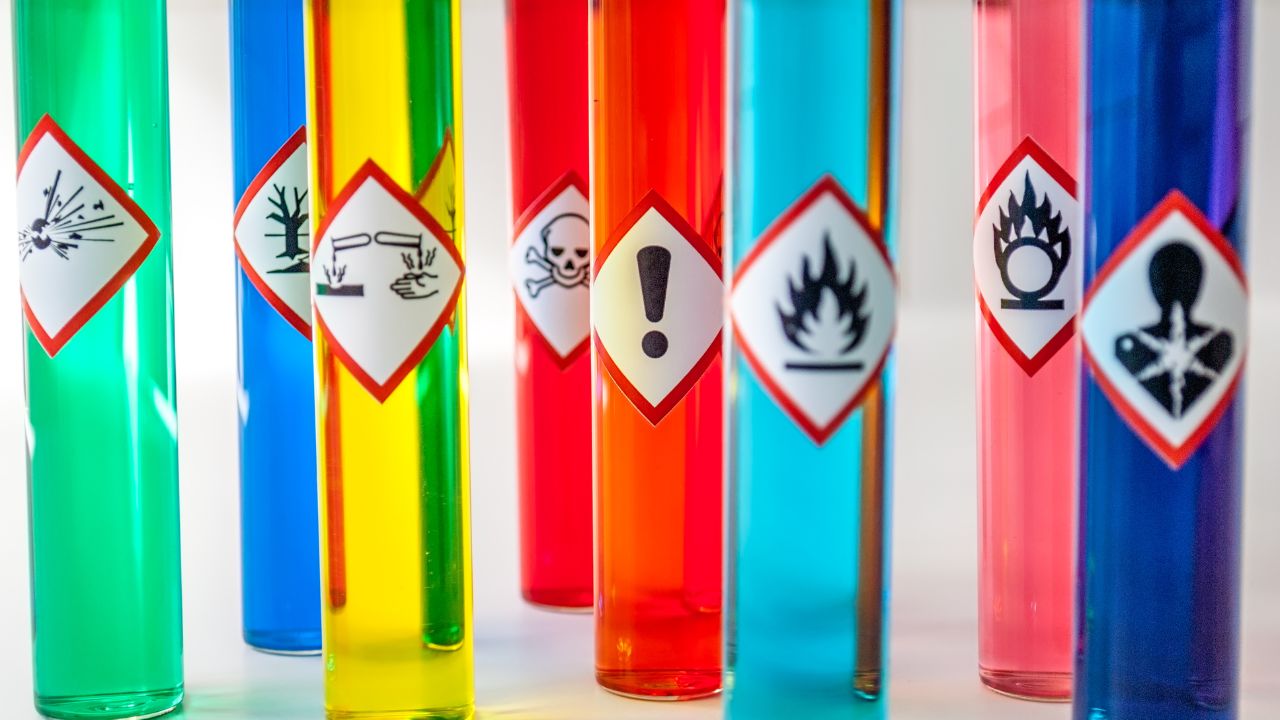
Source: Industrial discharges, firefighting foam, consumer products, and upstream contamination in the Delaware and Schuylkill river watersheds from decades of industrial and commercial PFAS use.
Health Effects: Linked to increased cancer risk (kidney, testicular, thyroid), decreased vaccine response, elevated cholesterol, liver damage, and developmental effects in children and infants.
Current Status (2026): PFOA and PFOS detected above EPA’s 4 ppt MCL at PWD treatment plants; PWD is not currently in violation as the compliance deadline was extended to 2031. EPA also rescinded MCLs for PFHxS, PFNA, HFPO-DA, and PFBS in May 2025 (under re-evaluation). Advanced treatment piloting is under way at all three plants. Pennsylvania’s own state PFAS standards for PFOS and PFOA also apply. See our filter guide — reverse osmosis is the most effective home treatment for PFAS.
Lead
Source: Lead service lines (especially pre-1950 construction), lead solder in older plumbing, and brass fixtures containing lead. In December 2025, PWD notified ~480,000 properties about their service line materials; most properties have non-lead materials, but an estimated 20,000+ have lead or galvanised metal lines.
Health Effects: Developmental delays and reduced IQ in children, kidney damage, and cardiovascular effects in adults. No level of lead exposure is considered safe for children.
Current Levels: 90th percentile value of 2.0 ppb — well below the EPA action level of 15 ppb, reflecting effective corrosion control using zinc orthophosphate. A new lead sampling round was completed in summer 2025. EPA Action Level: 15 ppb; EPA Trigger Level: 10 ppb. Free testing and zero-interest replacement loans available at water.phila.gov/help.
Please read – our information
The information presented on cleanairandwater.net is compiled from official water quality reports, trusted news sources, government websites, and public health resources. While we strive for accuracy and thoroughness in our presentations, we are not scientists, engineers, or qualified water quality professionals.
Our mission is to present water quality information in an accessible, real-world format that helps people understand what’s in their water and make informed decisions about their health and safety. We believe that complex environmental information should be available to everyone in a format that’s easy to understand.
We make every effort to ensure our content is current and accurate, but we cannot guarantee that all information is complete or error-free. This website should not replace official communications from your local water utility or health department. We always recommend consulting official sources for the most up-to-date information regarding your specific water system.
Clean Air and Water is not liable for any unintentional errors, omissions, or outdated information. The content on this site is provided for informational purposes only and should not be considered professional advice.