Advertisement — New Report continues below
Concerned About Your Water Quality? You’re Not Alone.
Recent headlines and viral test results have more families questioning what’s coming out of their taps. Even if your water looks clear and tastes fine, it can still carry PFAS chemicals, chlorine byproducts, heavy metals, and other contaminants — often within legal limits, but still worth a second look.
The good news? There are trusted filtration systems designed to tackle exactly these concerns — improving water safety, taste, and peace of mind.
Smart Solutions for Safer Drinking Water:
✅ Targets harmful contaminants with advanced filtration
✅ Lab-tested and trusted for household use
✅ Options for every need — from under-sink units to full-home systems
Prefer no installation? Check out the A2 Countertop System
Disclaimer:
This advert contains affiliate links. If you buy through these links, we may earn a commission at no extra cost to you.

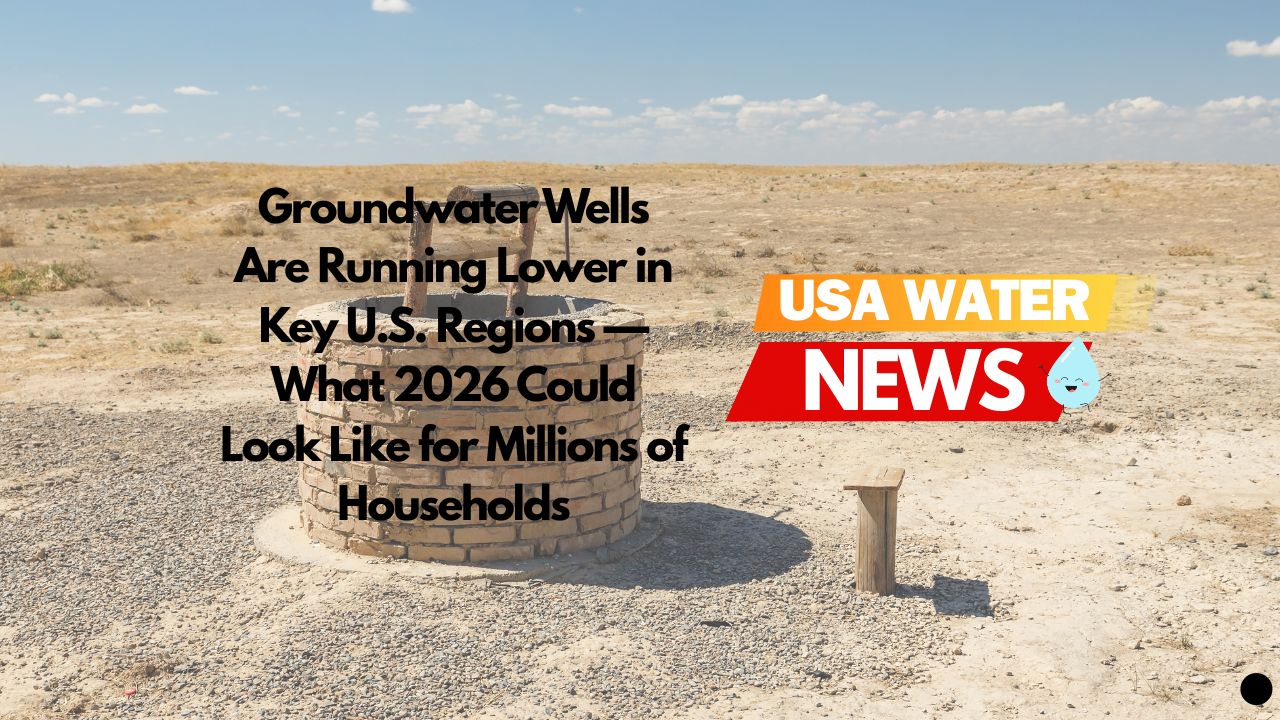
In some parts of the United States, homeowners who rely on private wells are beginning to notice a slow shift: pumps cycling longer, water turning cloudy after heavy use, or a sudden metallic taste that wasn’t there a year ago. These small changes don’t always make headlines, but they’re real — and they’re tied to a set of groundwater trends researchers have been tracking for years.
Wells Are Dropping Faster Than They Used To
Recent data from the U.S. Geological Survey suggests that several major aquifers — including parts of the High Plains, Central Valley, and the Mississippi Alluvial Plain — are showing declines in groundwater levels compared to historical averages. Some of these trends have been decades in the making, but 2024 and 2025 saw unusual pressure: long dry spells in the Southwest, hotter-than-normal summers in the Midwest, and higher agricultural demand in several states.
This doesn’t mean wells are suddenly running dry nationwide. But it does mean that more homeowners are feeling small but noticeable effects, especially those with older or shallower wells.
What Homeowners Are Reporting
While every well behaves differently, three patterns are appearing more often in state and county reports:
1. Cloudy or silty water after heavy household use
Lower water levels can increase the movement of fine sediment into the pump intake — especially in wells drilled before modern casing standards.
2. Fluctuating pressure or short bursts of air
When groundwater dips temporarily, pressure tanks may cycle more frequently, causing sputtering at faucets.
3. Changes in taste
Mineral concentrations naturally vary with depth. As the water table shifts, homeowners sometimes notice slight metallic or earthy notes.
Individually, these issues aren’t necessarily dangerous. They’re signals — reminders that groundwater is a living system responding to climate, land use, and seasonal stress.
Why 2026 Could Be a Turning Point
Researchers expect 2026 to be an important inflection year for two reasons:
- Updated groundwater data models will be released, giving clearer state-by-state projections for well vulnerability.
- Several states — including Arizona, Texas, and parts of the Midwest — are preparing new well reporting and monitoring rules designed to protect long-term water availability.
If the coming year brings another hot summer or heavy irrigation demand, some regions could experience more noticeable short-term drops. But improved monitoring means issues should be identified sooner, not later.
What Well Owners Can Safely Do Today
Most private well changes aren’t emergencies. But a few simple steps can give homeowners peace of mind:
• Schedule a well inspection every 12–24 months
It’s one of the best ways to track pump performance and casing condition.
• Test water quality through an accredited lab
Minerals, bacteria, and metals can shift with changing water levels. Testing is the most reliable way to know what’s happening underground.
• Consider a point-of-use or whole-home filtration system (optional)
This isn’t required — and doesn’t fix groundwater level issues — but many families choose filtration as an added layer of protection when water quality fluctuates.
If readers want that peace of mind, you can responsibly include your affiliate option:
👉 Optional: Some households choose certified filters for added reassurance. One example is Waterdrop’s NSF-tested filtration systems:
https://www.waterdropfilter.com/collections/bestsellers-water-filtration-system?ref=ulsvmyzr&utm_medium=affiliate&utm_source=goaffpro
(rel=”sponsored noopener nofollow”)
• Keep records of any sudden changes
Cloudiness after storms, pressure shifts, or odors can help well professionals diagnose issues more effectively.
The Bigger Picture
Groundwater is one of America’s quietest infrastructure systems: invisible, rarely discussed, and essential to more than 43 million people who drink from private wells. The signs we’re seeing now aren’t a crisis — they’re early data points. They suggest that 2026 will be a year to pay closer attention, ask more questions, and ensure wells are prepared for changing conditions.
For most homeowners, the takeaway is simple: stay observant, test regularly, and don’t panic about cosmetic water changes that can happen as the water table moves. Good monitoring is the key to long-term confidence.
Sources & Notes
State water agency bulletins (AZ, TX, CA) — 2024–2025 regulatory updates (summarized, non-health advisory)e.
U.S. Geological Survey – National Groundwater Level Monitoring Network
https://groundwaterwatch.usgs.gov
USGS High Plains Aquifer Status Updates
https://www.usgs.gov/centers/ok-water/science/high-plains-aquifer
National Groundwater Association – Private Well Facts
https://www.ngwa.org/what-is-groundwater/About-groundwater
EPA Private Wells Guidance
https://www.epa.gov/privatewells
NOAA Climate Trends Reports
https://www.noaa.gov/climate
Check your water now!
We have translated and compiled water reports on every state in the US, and covered over 100 cities. Find out how good your water is today!
Please read – our information
The information presented on cleanairandwater.net is compiled from official water quality reports, trusted news sources, government websites, and public health resources. While we strive for accuracy and thoroughness in our presentations, we are not scientists, engineers, or qualified water quality professionals.
Our mission is to present water quality information in an accessible, real-world format that helps people understand what’s in their water and make informed decisions about their health and safety. We believe that complex environmental information should be available to everyone in a format that’s easy to understand.
We make every effort to ensure our content is current and accurate, but we cannot guarantee that all information is complete or error-free. This website should not replace official communications from your local water utility or health department. We always recommend consulting official sources for the most up-to-date information regarding your specific water system.
Clean Air and Water is not liable for any unintentional errors, omissions, or outdated information. The content on this site is provided for informational purposes only and should not be considered professional advice.