Most Most people never think about water testing until something goes wrong. A notice appears. A headline circulates. A neighbor mentions a taste or smell that feels “off.” Suddenly, the quiet assumption that tap water is always being checked turns into a much bigger question: How often is it actually tested — and how should we interpret the results we’re shown?
The answer is reassuring, but it’s also more layered than a single test result or annual report can convey.
A system built on continuous oversight, not occasional checks
In the United States, public drinking water systems operate under a regulatory framework established by the Safe Drinking Water Act. Rather than relying on one-off testing, the system is designed around ongoing monitoring, with different types of tests happening on different schedules depending on risk, scale, and history.
Large municipal systems — the kind that serve cities and dense suburbs — are monitored constantly at the operational level. Treatment plants track pressure, flow, disinfectant levels, and basic water chemistry as part of daily operations. These measurements help operators spot changes quickly, often before customers notice anything at the tap.
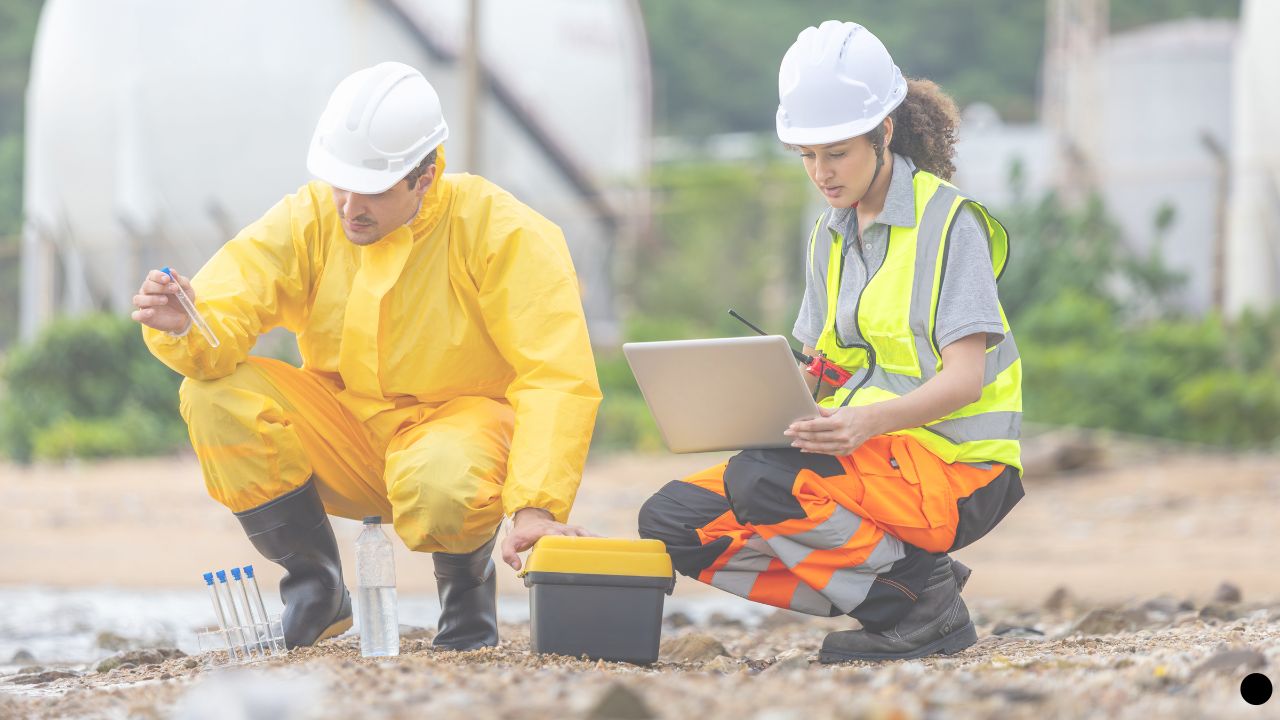
At the same time, formal compliance testing takes place on set schedules. These samples are sent to certified laboratories and analyzed according to federal and state requirements. The results form the backbone of the public reports residents eventually see.
Why “how often” depends on what is being tested
One reason water testing can feel confusing is that there isn’t a single testing timetable. Instead, frequency is shaped by how different contaminants behave in real life.
Some risks can change quickly. Microbial indicators, for example, are sensitive to pressure changes or system disruptions, so they’re monitored closely. Disinfectant levels are also tracked frequently to ensure treatment remains effective throughout the distribution system.
Other substances behave very differently. Metals, industrial chemicals, and many synthetic compounds tend to change slowly over time, which is why they’re tested less often under routine conditions. In some cases, systems that consistently meet standards are allowed reduced monitoring frequency — not because the risk disappears, but because long-term data shows stability.
Emerging contaminants sit in a separate category. Many are monitored through special federal or state programs rather than routine compliance testing, as regulators gather data to decide whether new standards are needed.
What “within limits” actually tells you — and what it doesn’t
When a water quality report says results are “within limits,” it’s referring to Maximum Contaminant Levels, or MCLs, set by the Environmental Protection Agency. These limits are enforceable standards designed to protect public health over a lifetime of consumption.
What’s often misunderstood is that these results are snapshots, not continuous guarantees. They confirm that, at the time of testing, the water met regulatory standards. They don’t imply that water chemistry never fluctuates, or that every possible substance is measured every day.
This is why regulators emphasize trends and compliance history rather than isolated readings. A system that consistently meets standards over time is considered reliable, even though individual measurements naturally vary.
Why water quality data is rarely real-time
It’s natural to expect instant updates in a digital world, but water testing doesn’t work like a live sensor feed. Many analyses require samples to be transported to certified labs, processed under controlled conditions, and sometimes incubated before results are finalized.
As a result, publicly released data often lags behind the moment the sample was collected. Annual water quality reports typically summarize findings from the previous year, not the current month. This isn’t a sign of secrecy or neglect — it’s a reflection of how laboratory science works.
Between formal reports, utilities rely on operational monitoring and contingency procedures to manage safety in real time.
How Consumer Confidence Reports fit into the picture
Each year, public water systems publish a Consumer Confidence Report, commonly called a CCR. These reports are meant to translate complex testing data into a standardized, readable format for the public.
They show which regulated contaminants were detected, how the results compare to federal limits, and whether the system met all applicable standards. What they don’t show is every individual test, every short-term fluctuation, or every operational adjustment made throughout the year.
CCRs are best understood as compliance summaries, not live dashboards. They answer the question, “Did this system meet regulatory requirements?” — not “What happened at my tap yesterday afternoon?”
Why advisories still happen in well-tested systems
Even with routine testing in place, water systems can experience events that temporarily change conditions. Main breaks, pressure losses, and equipment failures can introduce uncertainty, even if no contamination is confirmed.
When that happens, utilities may issue precautionary advisories while additional testing is completed. These advisories aren’t signs that routine monitoring failed. They’re part of a conservative approach designed to verify safety before normal use resumes.
Public health agencies such as the Centers for Disease Control and Prevention emphasize that this layered response — monitoring, testing, advisories when needed — is a strength of the system, not a weakness.
Reading water test results with perspective
For residents, the most useful way to approach water quality data is with context rather than scrutiny of single numbers. Long-term patterns, system history, and official notices provide a clearer picture than isolated results.
Some households choose additional filtration for personal peace of mind, particularly in older homes or during infrastructure repairs, but this is generally a personal choice rather than a regulatory necessity.
Understanding how testing works — and why it’s structured the way it is — helps turn confusing data into something more meaningful.
The bigger picture
U.S. tap water is tested frequently, but not uniformly, and not always in ways that feel immediately visible to the public. Results reflect structured oversight rather than constant publication, and compliance is judged over time rather than moment by moment.
When residents understand that testing is layered, ongoing, and conservative, water quality reports become less abstract — and far less alarming.
Sources & Notes
- U.S. Environmental Protection Agency (EPA) — Drinking Water Regulations & Contaminants
https://www.epa.gov/dwreginfo/drinking-water-regulations-and-contaminants - EPA — Consumer Confidence Reports (CCR) Rule
https://www.epa.gov/ccr - Centers for Disease Control and Prevention (CDC) — Drinking Water Basics
https://www.cdc.gov/healthywater/drinking/public - Safe Drinking Water Act (SDWA) — Overview
https://www.epa.gov/sdwa - American Water Works Association (AWWA) — Water Quality Monitoring Practices
https://www.awwa.org/Resources-Tools/Resource-Topics/Water-Quality
This article is provided for general informational purposes only. It does not constitute medical, legal, or regulatory advice. Residents should follow guidance issued by their local water utility and public health authorities.
Please read – our information
The information presented on cleanairandwater.net is compiled from official water quality reports, trusted news sources, government websites, and public health resources. While we strive for accuracy and thoroughness in our presentations, we are not scientists, engineers, or qualified water quality professionals.
Our mission is to present water quality information in an accessible, real-world format that helps people understand what’s in their water and make informed decisions about their health and safety. We believe that complex environmental information should be available to everyone in a format that’s easy to understand.
We make every effort to ensure our content is current and accurate, but we cannot guarantee that all information is complete or error-free. This website should not replace official communications from your local water utility or health department. We always recommend consulting official sources for the most up-to-date information regarding your specific water system.
Clean Air and Water is not liable for any unintentional errors, omissions, or outdated information. The content on this site is provided for informational purposes only and should not be considered professional advice.