Milwaukee Water Quality at a Glance
infrastructure concerns
Is Milwaukee Water Safe to Drink?
Generally Yes — One of Wisconsin’s Better-Performing Utilities — Milwaukee Water Works earned A grades for water quality health and communications in the 2024 Wisconsin Waterworks Excellence Project evaluation. PFAS levels are reassuringly low, with all 7 detected compounds well below federal limits, and UCMR-5 monitoring found all 29 tested compounds below EPA reporting limits. However, approximately 65,000 lead service lines remain in the system, the infrastructure scores a D, and chromium-6 at 220 ppt is 11 times higher than EWG’s health guideline (note: chromium-6 is currently unregulated by EPA, so 220 ppt is not a legal violation). Homes built before 1951 carry the greatest lead risk at the tap.
⚠️ Key Concerns for Milwaukee Residents (2026)
- Lead Service Lines: ~65,000 remain in the system; MWW is replacing approximately 3,500+ per year under its Prioritization Plan, targeting full completion by 2037. Homes built before 1951 most at risk.
- Chromium-6: 220 ppt detected — 11 times higher than EWG’s health guideline of 20 ppt. Note: chromium-6 is not currently regulated by EPA, so this is not a legal violation, but health advocates recommend lower exposure.
- Aging Infrastructure: D grade from UW–Madison’s 2024 Wisconsin Waterworks Excellence Project; ~200 water main breaks recorded by February 2025; 21.5 main and service breaks per 100 miles.
- Disinfection Byproducts: Trihalomethanes and haloacetic acids present from chlorine-based treatment, though Milwaukee’s ozone and biologically active filtration significantly reduce these.
Read the full report below for detailed analysis, testing data, and actionable recommendations for Milwaukee residents.
Advertisement — Report continues below
Great water report.
Here’s how to make it perfect.
Your water quality report shows strong results — and that’s genuinely good news. But even treated municipal water picks up residual chlorine, microplastics, and sediment between the treatment plant and your tap. A filter takes great water and makes it flawless.
✅ Improves taste, smell & clarity — removes residual chlorine and sediment that reach your glass after treatment
✅ NSF/ANSI 42, 58 & 372 certified — independently tested, not just manufacturer claims
✅ Installs in 30 minutes, no plumber — fills a glass in 8 seconds, smart LED filter monitor
Renting or can’t drill? The Waterdrop K19 Countertop RO — plug in, fill the tank, done. No installation, no drilling, no plumber.
Advertisement — this page contains affiliate links. If you buy through these links, we may earn a commission at no extra cost to you.

Milwaukee — Wisconsin — Water Quality Report 2026: PFAS Below Limits, Lead Infrastructure & Safety Across Milwaukee-Dade
Milwaukee Water Works (MWW), established in 1871, serves approximately 900,000 residents across Milwaukee and 15 surrounding communities. The utility manages over 2,000 miles of water mains, two water treatment plants — Linnwood and Howard Avenue — and numerous pumping stations, delivering roughly 100 million gallons daily from Lake Michigan, one of the world’s largest freshwater sources.
Milwaukee draws its drinking water exclusively from Lake Michigan via two intake pipes extending up to two miles offshore to access the cleanest, coldest deep water. Following the devastating 1993 Cryptosporidium outbreak that affected over 400,000 residents, MWW transformed its treatment systems and became a national leader in advanced water monitoring. Today the utility tests for over 500 contaminants — far exceeding the EPA’s required 91 — and employs ozone disinfection and biologically active filtration as core treatment barriers. MWW earned A grades for both water quality health and communications in the most recent University of Wisconsin–Madison statewide evaluation, though infrastructure received a D, reflecting the scale of aging pipe replacement still needed. See our Wisconsin state water quality overview and track any live Milwaukee boil water notices here.

Milwaukee Water Quality: Current Status (2025–2026)
Latest Testing Results
- Lead Levels: The most recent monitoring period (2023) recorded a 90th percentile lead level of 5.3 ppb, well below the EPA action level of 15 ppb. Two individual sites exceeded the action level: 20.3 ppb at a property in the Uptown neighbourhood and 16.3 ppb at another address — both now subject to follow-up.
- PFAS — All Below Federal MCLs: MWW’s 2024 Annual Water Quality Report confirmed 7 PFAS compounds detected at very low levels, all below Wisconsin’s 70 ppt standard and the federal 4 ppt MCL for PFOA/PFOS. Additionally, UCMR-5 testing across 29 PFAS compounds in 2023 returned all results below EPA reporting limits.
- Testing Scope: Over 30,000 water quality tests conducted annually, monitoring for more than 500 regulated and unregulated substances — far exceeding the EPA-required 91 parameters.
- Compliance Status: Milwaukee meets or exceeds all federal and Wisconsin DNR drinking water standards. The Wisconsin Waterworks Excellence Project (UW–Madison, 2024) awarded MWW an A for water quality health and an A for communications.
Lake Michigan Excellence
- Premium Source Water: Lake Michigan provides an abundant, relatively stable source with strong baseline quality compared to river systems, though seasonal algae and turbidity fluctuations do occur.
- Strategic Intake Design: Dual intake structures extend up to two miles offshore at depths of 40–65 feet to access the coldest, cleanest deep lake water, minimising shoreline contaminants and seasonal temperature variation.
- Watershed Protection: Source water protection programmes coordinate with multiple state and local agencies across the Lake Michigan watershed to monitor and reduce potential contamination sources upstream.
Multi-Barrier Treatment Approach
- Ozone Disinfection: Primary disinfection using ozone since 1998 — implemented directly in response to the 1993 Cryptosporidium outbreak — providing superior protection against resistant pathogens including Cryptosporidium and Giardia.
- Biologically Active Filtration: Advanced filtration where beneficial microorganisms break down remaining organic compounds, improving taste and significantly reducing disinfection byproduct formation.
- Continuous Monitoring: Real-time water quality monitoring throughout treatment and distribution, with automated alerts for any parameters outside established ranges.
Lead Service Line Programme — 2026 Update
- 10,000 replacements milestone: Milwaukee Water Works celebrated its 10,000th lead service line replacement in May 2025 — a significant programme landmark.
- ~65,000 lines remaining: MWW is committed to replacing all remaining lead service lines by 2037. The Prioritization Plan is delivering 3,500 replacements in 2025 on top of base-programme work (water main projects, childcare facilities, emergency leaks).
- December 2025 notification: In compliance with the Lead and Copper Rule Revisions, MWW sent updated service line material letters to all properties with confirmed or unknown lead service lines. The full service line inventory is now publicly available at city.milwaukee.gov/water.
- Corrosion Control: Orthophosphate treatment creates a protective coating inside pipes to minimise lead leaching while full replacement continues. Free filters and free water testing remain available to residents with lead service lines.
Infrastructure Challenges
- D grade for infrastructure: The 2024 Wisconsin Waterworks Excellence Project (UW–Madison) gave MWW a D for infrastructure, with an overall infrastructure score of 64.1, noting 21.5 main and service breaks per 100 miles and 369,929 gallons of water lost.
- Main breaks in 2025: By 20 February 2025, MWW had already recorded nearly 200 water main breaks, including a high-profile failure that left cars frozen to the street on the city’s east side.
- Ageing distribution system: Water mains average 65 years old, with many nearing or exceeding design life. A B grade for financial sustainability reflects ongoing capital investment in addressing this backlog.
Innovation Leadership
Milwaukee has transformed a historical water crisis into a platform for innovation, becoming home to The Water Council, a globally recognised hub for water technology research. The city’s partnerships between utilities, universities, and private industry have advanced water quality monitoring and emerging contaminant research. Milwaukee’s water expertise now supports improvement initiatives across the Great Lakes region. Track the latest Milwaukee water alerts and news, or check national water quality data here.
Recommendations for Milwaukee Residents
Check Your Service Line
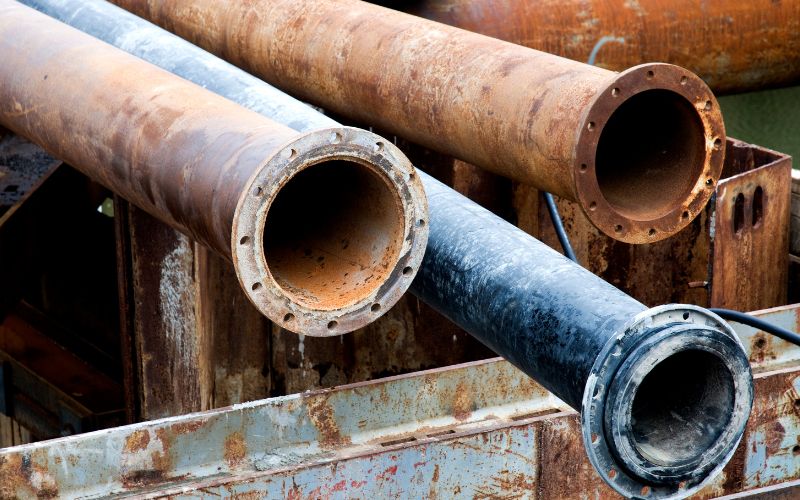
Use Milwaukee’s online service line lookup tool at city.milwaukee.gov/water/LeadPipes or call (414) 286-2830 to confirm whether your property has a lead service line. A full publicly available inventory was published in December 2025 as required by the Lead and Copper Rule Revisions. Properties built before 1951 are most likely to have lead connections.
Get Free Filters
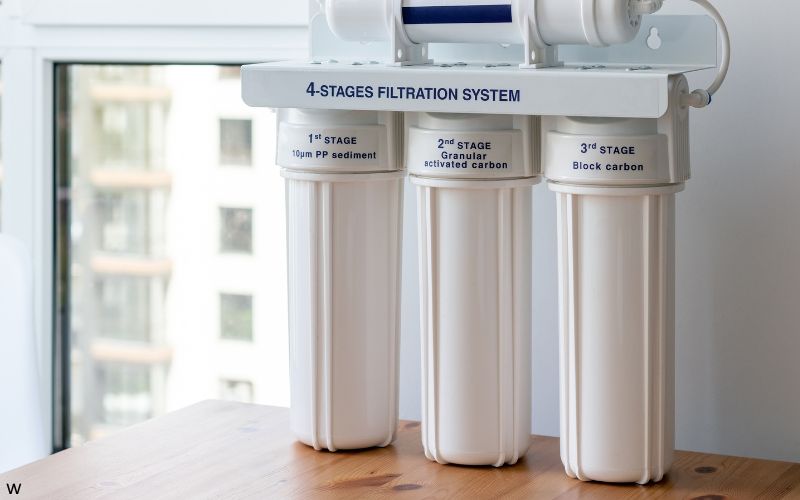
Milwaukee provides free NSF-certified water filters for residents with lead service lines, pregnant women, and families with children under 6. Call (414) 286-2830 or visit the city’s lead-safe resource centres. Alternatively, browse our recommended filter guide for certified options that also address chromium-6 and disinfection byproducts.
Test Your Water
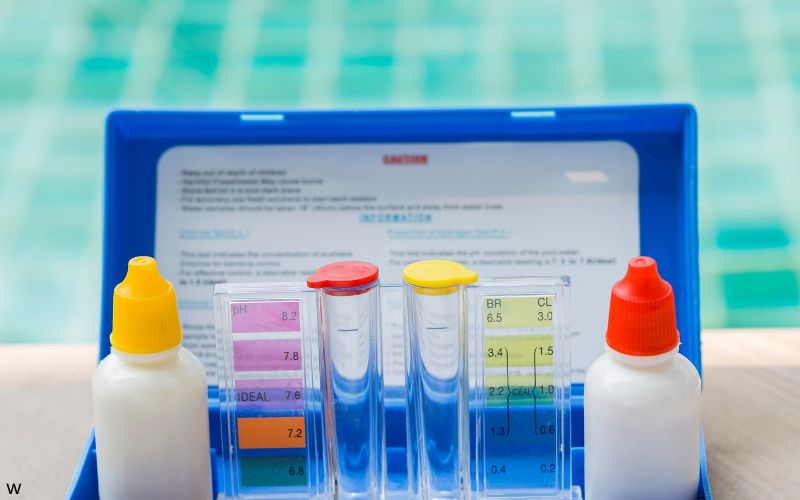
Request free water testing through Milwaukee Water Works by calling (414) 286-2585. Priority testing is available for homes with children, pregnant women, or confirmed lead service lines. MWW also conducts pre- and post-replacement sampling for every lead service line replacement.
Flush Your Pipes
If water hasn’t been used for 6+ hours, run cold water for 3 minutes or until it feels noticeably colder before using it for drinking or cooking. This is especially important in homes with lead service lines. Always use cold water — hot water dissolves lead more readily from pipes.
Conserve Water Resources
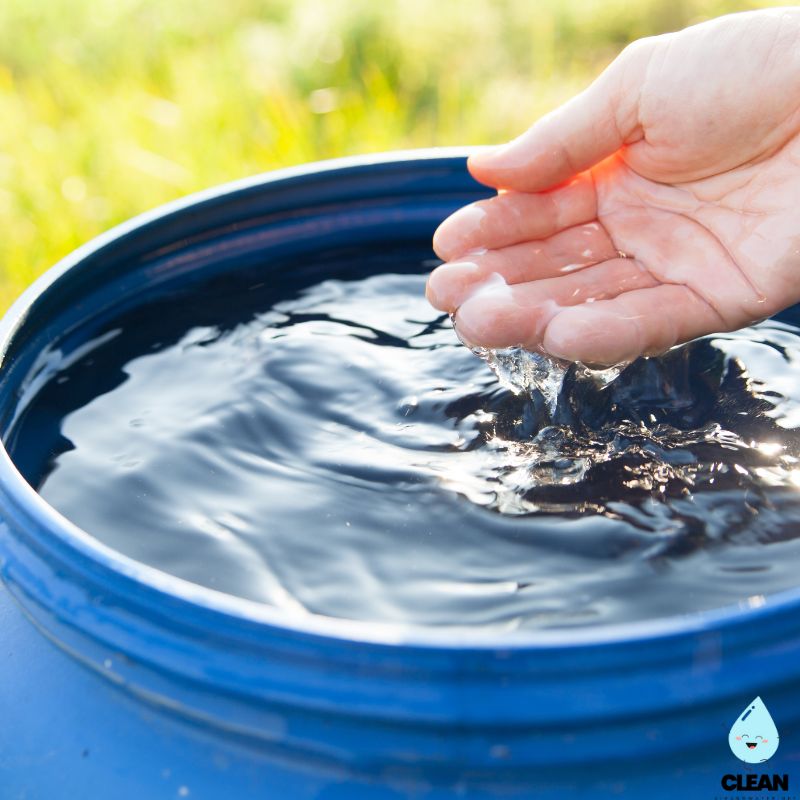
Though Milwaukee sits on Lake Michigan, water conservation helps protect this vital shared resource. Fix leaks promptly, install water-efficient fixtures, and participate in the city’s rain barrel programme to reduce stormwater impacts on the lake. Monitor Milwaukee water alerts for any service disruptions caused by main breaks.
Quality News About Your Water
Get the comprehensive water quality news coverage you need with our dedicated US Water News Service. From coast to coast, we deliver in-depth reporting and expert analysis on PFAS contamination, EPA regulatory changes, infrastructure developments, and emerging water safety issues affecting communities nationwide. While mainstream media only covers the biggest stories, we provide the detailed, ongoing coverage that helps you understand the full scope of America’s water challenges.
What’s actually in your tap water? Enter your ZIP code for a full breakdown of contaminants detected in your local supply
Drinking water from a well? Check our directory here for more information
Frequently Asked Questions
Is Milwaukee’s water safe from Cryptosporidium now?
Yes — Milwaukee’s water is now exceptionally well-protected against Cryptosporidium. Following the 1993 outbreak that affected over 400,000 residents, MWW implemented ozone disinfection (100 times more effective than chlorine against Cryptosporidium), biologically active filtration, real-time monitoring, and expanded watershed protection. No Cryptosporidium has been detected in Milwaukee’s finished drinking water since these upgrades were completed, and the system has become a model cited internationally for post-outbreak recovery and prevention.
Should I be concerned about lead in Milwaukee’s water?
Milwaukee’s Lake Michigan source water contains no lead, but lead can enter water through service lines and household plumbing in older homes. Around 65,000 lead service lines remain in the system — primarily in homes built before 1951. MWW uses orthophosphate to reduce lead leaching and is replacing lines at a rate of 3,500+ per year under its Prioritization Plan, targeting completion by 2037. If your home has a lead service line: use certified filters for drinking and cooking, run cold water for 3 minutes after any period of non-use, and never use hot tap water for consumption. Free filters and free testing are available by calling (414) 286-2830. See our filter guide for NSF-certified options.
Why does Milwaukee test for so many more contaminants than required?
MWW tests for over 500 contaminants versus the EPA’s required 91. This stems from the utility’s post-1993 philosophy of proactive, comprehensive monitoring — identifying potential problems before they become regulated or cause harm. As stewards of Lake Michigan and home to The Water Council, Milwaukee also serves as a research and testing ground for emerging contaminants including PFAS, pharmaceuticals, and microplastics. The utility’s PFAS testing programme dates back to 2008 — well ahead of federal requirements. This approach earned MWW an A grade for communications in the 2024 Wisconsin Waterworks Excellence Project evaluation.
What is biologically active filtration?
Biologically Active Filtration (BAF) is an advanced treatment process where beneficial microorganisms colonise filter media and break down organic compounds that conventional filtration misses. BAF effectively removes the earthy or musty taste compounds produced during Lake Michigan algae blooms, significantly reduces the organic precursors that form disinfection byproducts (TTHMs and HAAs), and research suggests it can reduce traces of pharmaceuticals and personal care products in source water. Combined with ozone disinfection, Milwaukee’s BAF creates a powerful multi-barrier approach that produces finished water with some of the lowest disinfection byproduct levels of any major US city.
Contaminants of Concern in Milwaukee’s Water (2024–2026)
Lead
Source: Lead service lines and older plumbing fixtures in homes built before 1951. Milwaukee has approximately 65,000 lead service lines remaining in the system following 10,000+ replacements completed to date.
Health Effects: Developmental delays in children, reduced IQ, learning difficulties, kidney and cardiovascular effects in adults. The CDC and EPA recognise no safe level of lead exposure for children.
Current Levels: 90th percentile at 5.3 ppb — below the EPA action level of 15 ppb. Two individual sites exceeded the action level (20.3 ppb and 16.3 ppb) in 2023 monitoring. MWW’s replacement target is all remaining lines by 2037. Visit our filter guide for NSF lead-certified options.

Chromium-6 (Hexavalent Chromium)
Source: Industrial activities, metal processing, and natural geological formations. Milwaukee draws from Lake Michigan, which can receive chromium inputs from the broader watershed.
Health Effects: Classified as a probable human carcinogen; long-term exposure may increase cancer risk.
Current Levels: 220 ppt detected — 11 times higher than EWG’s health guideline of 20 ppt. Important: Chromium-6 is currently unregulated by the EPA, meaning 220 ppt does not constitute a legal violation. The EWG guideline is a health-based recommendation, not a legal limit. Reverse osmosis filters are effective at reducing chromium-6 at the tap.
PFAS (Per- and Polyfluoroalkyl Substances)
Source: Industrial processes, firefighting foam, consumer products, and legacy contamination. Lake Michigan receives PFAS inputs from the broader Great Lakes watershed.
Health Effects: Linked to liver damage, immune suppression, increased cholesterol, certain cancers, and developmental effects in children.
Current Status: MWW’s 2024 CCR confirmed 7 PFAS compounds detected at very low levels — all below Wisconsin’s 70 ppt standard and the federal 4 ppt MCL. UCMR-5 testing (2023) found all 29 monitored PFAS compounds below EPA reporting limits. MWW has been testing for PFAS since 2008. This is a genuinely positive result. See our national water quality data tool for comparison.
Disinfection Byproducts
Source: Formed when disinfectants react with natural organic matter in source water during treatment. Milwaukee uses chloramines rather than free chlorine as a secondary disinfectant, which produces fewer byproducts.
Health Effects: Long-term exposure to trihalomethanes (TTHMs) and haloacetic acids (HAAs) may increase cancer risk and cause liver, kidney, or central nervous system problems.
Current Status: Milwaukee’s ozone disinfection and biologically active filtration systems significantly reduce organic precursors before the disinfection stage, minimising DBP formation. Levels are within EPA legal limits. This is one area where Milwaukee’s advanced treatment provides a genuine advantage over utilities relying solely on chlorine.
Please read – our information
The information presented on cleanairandwater.net is compiled from official water quality reports, trusted news sources, government websites, and public health resources. While we strive for accuracy and thoroughness in our presentations, we are not scientists, engineers, or qualified water quality professionals.
Our mission is to present water quality information in an accessible, real-world format that helps people understand what’s in their water and make informed decisions about their health and safety. We believe that complex environmental information should be available to everyone in a format that’s easy to understand.
We make every effort to ensure our content is current and accurate, but we cannot guarantee that all information is complete or error-free. This website should not replace official communications from your local water utility or health department. We always recommend consulting official sources for the most up-to-date information regarding your specific water system.
Clean Air and Water is not liable for any unintentional errors, omissions, or outdated information. The content on this site is provided for informational purposes only and should not be considered professional advice.