Toledo Water Quality at a Glance
some concerns
Is Toledo Water Safe to Drink?
Generally Safe But Monitor Closely — Toledo’s 2024 Water Quality Report confirms the city met all federal and state standards. However, TTHMs were detected at 39.1 ppb (EPA limit: 80 ppb), PFOS was detected at 0.0076 ppb, and around 50,000 customers received lead service line notices. The city’s free lead replacement programme is ongoing, and the ozone treatment system continues to protect against Lake Erie algal toxins. Independent home filtration is recommended for added peace of mind — especially for households with older plumbing.
⚠️ Key Concerns for Toledo Residents in 2026
- Lead Service Lines: ~50,000 customers notified in 2024; free replacement programme expanded to include childcare facilities via $500K H2Ohio grant (October 2025)
- Trihalomethanes (TTHMs): 39.1 ppb annual average — within EPA limits but above EWG health guidelines; bromodichloromethane, chloroform, and bromoform all detected
- PFAS: PFOS detected at 0.0076 ppb and PFBA at 0.005 ppb under UCMR 5 monitoring — below the new 4 ppt PFOA/PFOS MCL (effective 2031)
- Harmful Algal Blooms: Annual threat from Lake Erie; ozone treatment provides strong protection but raw water remains susceptible during bloom season
Read the full report below for detailed analysis, 2024 CCR data, and actionable recommendations for Toledo residents.
advertisment – report continues below
Your water passed the test.
Legal isn’t the same as safe.
Regulated contaminants like PFAS, chromium-6, and disinfection byproducts can sit inside the legal limit and still carry long-term health risks. Passing isn’t the same as clean.
✅ Removes PFAS, lead & chromium-6 — the contaminants most flagged even in passing city reports
✅ NSF/ANSI 42, 58 & 372 certified — independently tested, not just manufacturer claims
✅ Installs in 30 minutes, no plumber — fills a glass in 8 seconds, smart LED filter monitor
Renting or can’t drill? The Waterdrop K19 Countertop RO — plug in, fill the tank, done. No installation, no drilling, no plumber.
Advertisement — this page contains affiliate links. If you buy through these links, we may earn a commission at no extra cost to you.

Toledo – Ohio – Water Quality Report 2026: PFAS Testing, Lead Service Lines & Safety across your city
Toledo’s Department of Public Utilities operates one of the largest water treatment facilities on Lake Erie, serving approximately 480,000 people in Toledo and surrounding communities across Lucas, Wood, and Fulton Counties in Ohio, and southern Monroe County in Michigan. The Collins Park Water Treatment Plant processes an average of 75 million gallons daily for the greater Toledo metropolitan area.
Toledo draws its drinking water from the shallow western basin of Lake Erie — the shallowest and warmest of the Great Lakes. While Lake Erie is an essential resource for the region, it faces significant environmental challenges including harmful algal blooms (HABs) that became nationally recognised during the 2014 Toledo Water Crisis. Since then, the city has made substantial investments in water treatment infrastructure, including the addition of ozone treatment in June 2021, which provides advanced protection against algal toxins. You can track current boil water notices across the US here, and explore our Ohio water quality overview for statewide context.
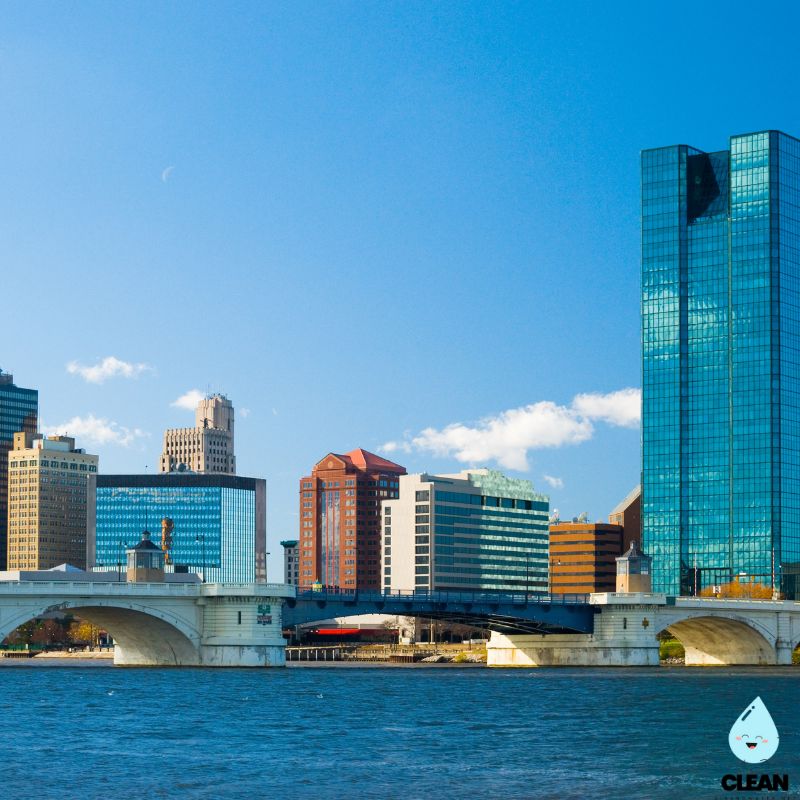
Toledo Water Quality: Current Status (2025–2026)
2024 CCR Testing Results
- TTHMs (Total Trihalomethanes): Detected at an annual average of 39.1 ppb (range: 34.2–45.9 ppb), well within the EPA’s 80 ppb MCL. The EWG health guideline is 0.15 ppb — these are disinfection byproducts formed when chlorine reacts with organic matter in Lake Erie source water. See our water filter guide for effective removal options.
- HAA5 (Haloacetic Acids): Detected at 10.2 ppb annual average (range: 8.8–14.3 ppb), comfortably below the EPA MCL of 60 ppb.
- Nitrate: Detected at 0.88 ppm (range: below detection to 1.66 ppm), well below the 10 ppm MCL. Agricultural runoff from the Lake Erie watershed is the primary source.
- Fluoride: Added at 1.00 ppm (range: 0.96–1.05 ppm) to promote dental health, within the EPA MCL of 4 ppm.
- Lead & Copper: The 90th percentile result for lead was below 4 ppb — significantly under the EPA action level of 15 ppb. No individual samples exceeded the action level. Copper came in at 0.015 ppm, far below the 1.3 ppm action level.
- Turbidity: 100% of 2024 daily samples measured below 0.3 NTU — full compliance with EPA treatment technique requirements.
PFAS — UCMR 5 Monitoring Results
- PFOS: Detected at 0.0076 ppb in 2024 UCMR 5 sampling — the only PFAS detected above the reporting threshold. This is below the EPA’s new PFOA/PFOS MCL of 4 ppt (0.004 ppb), finalised April 2024 with a compliance deadline of 2031.
- PFBA: Detected at 0.005 ppb. PFBA is one of 29 PFAS tested under UCMR 5 and remains unregulated at the federal level.
- Other PFAS: 27 remaining PFAS compounds tested under UCMR 5 were not detected above reporting thresholds. Toledo’s ozone treatment is not specifically designed for PFAS removal; dedicated reverse osmosis filtration is the most effective household-level solution.
Lead Service Line Programme — 2025 Update
- Annual Notices: Approximately 50,000 Toledo water customers received annual notices in 2024 under the Lead and Copper Rule Revisions (LCRR), informing them of confirmed lead, galvanised, or unknown-material service lines connected to their property.
- Free Replacement Programme: Toledo’s lead service line replacement is funded through ARPA, EPA Environmental Justice grants, CDBG, and Ohio EPA Water Replacement Loan funds — at no cost to property owners.
- Childcare Facility Programme: In October 2025, the city launched a dedicated free lead line replacement programme for licensed childcare facilities, backed by a $500,000 H2Ohio grant. Children under six are prioritised given their heightened vulnerability to lead exposure.
- National Context: Ohio reported significantly fewer lead service lines than initially projected in LCRR inventory submissions, signalling a faster path to full replacement statewide. The EPA’s Lead and Copper Rule Improvements (LCRI) mandate full nationwide LSL replacement within 10 years regardless of lead levels in tap water.
Advanced Monitoring & Treatment
- Ozone Treatment: Toledo’s $43 million ozone facility at Collins Park (operational since June 2021, capacity 160 MGD) continues to provide a powerful barrier against microcystin and other algal toxins. In 2024, the city made additional upgrades to the biologically active filters supporting the ozone system.
- Testing Volume: The city collects approximately 5,000 water samples annually from the treatment plant and over 2,500 from the distribution network. During algal bloom season, microcystin testing frequency increases based on lake conditions.
- Early Warning System: Data sondes and buoys surrounding Toledo’s Lake Erie intake transmit real-time water quality data — enabling operators to respond rapidly to developing harmful algal blooms.
- Microcystin: Treated water consistently tests below detection limits for microcystin. The University of Toledo’s water quality research team collaborates with the treatment plant, expanding HAB prediction capabilities across northwest Ohio. Check our water alert news feed for current bloom advisories.
Compliance Status
Toledo held an unconditional licence to operate its water system in 2024 and met or exceeded all federal and state drinking water standards. The 2024 CCR was published July 1, 2025 and is available from the city at toledo.oh.gov/residents/water/quality. For Ohio-wide context, see our Ohio water quality page. Nearby cities including Cleveland and Columbus also draw from the Great Lakes watershed and face overlapping challenges with disinfection byproducts and lead service lines.
Recommendations for Toledo Residents

Stay Informed
Visit toledo.oh.gov/residents/water/quality for the latest water quality information and to view the current lead service line inventory. During algal bloom season (typically July–October), check updates more frequently. Subscribe to Toledo Alert notifications by texting TOLEDO to 419-370-7704 for emergency notifications. You can also monitor our live US boil water notice tracker for real-time alerts.

Check Your Service Line
If you received a lead service line notice, contact Engage Toledo at 419-936-2020 to enquire about free replacement. Property owners pay nothing — the programme is funded by federal and state grants. If you have a home built before 1986, flush cold water for 1–3 minutes before use and clean faucet aerators regularly to reduce potential lead exposure while awaiting replacement.

Consider Home Filtration
Given the presence of TTHMs, detected PFOS, and ongoing lead service line work, an NSF-certified reverse osmosis filter offers the most comprehensive protection for Toledo residents — removing disinfection byproducts, PFAS, and lead simultaneously. Activated carbon filters are a lower-cost option for THM reduction alone. Always look for NSF/ANSI 53 or 58 certification. Affiliate disclosure: we may earn a commission on recommended products.
Use Water-Efficient Fixtures
Install low-flow faucets, showerheads, and high-efficiency toilets to reduce water consumption. These improvements not only save water but also reduce utility bills. Fix leaky faucets promptly — a slow drip can waste thousands of gallons per year. Reducing hot water use also limits inhalation exposure to volatile THMs released during showering.
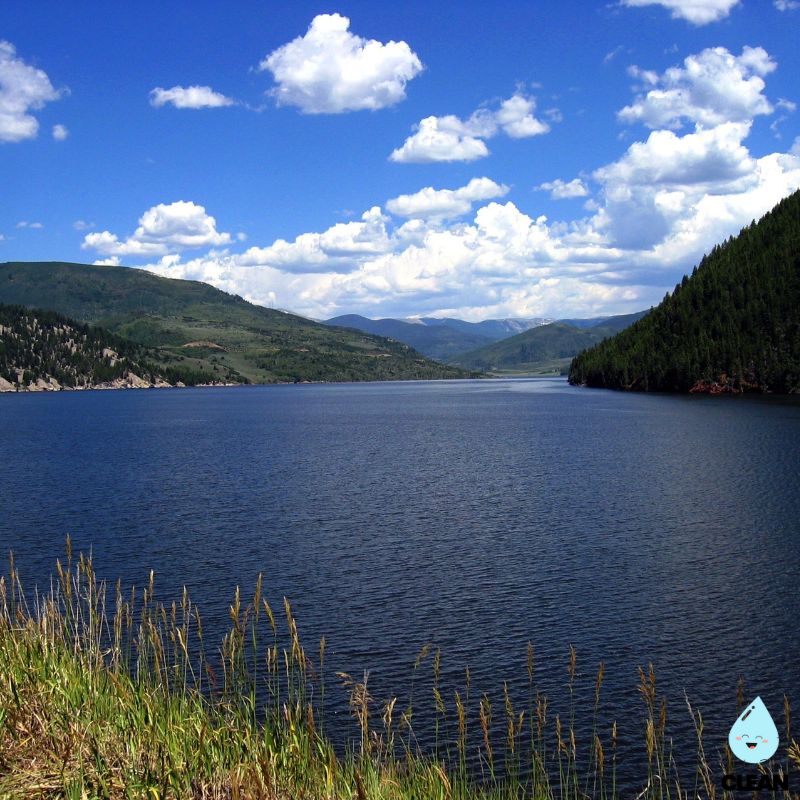
Support Clean Water Initiatives
Get involved with local watershed protection efforts and support policies that address the root causes of harmful algal blooms — particularly agricultural phosphorus runoff into Lake Erie. Partners for Clean Streams (partnersforcleanstreams.org) offers volunteer opportunities. The Toledo Waterways Initiative ($527 million investment) continues to reduce sewage overflows across 48 square miles of the city. Stay up to date via our water news feed.
Quality News About Your Water
Get the comprehensive water quality news coverage you need with our dedicated US Water News Service. From coast to coast, we deliver in-depth reporting and expert analysis on PFAS contamination, EPA regulatory changes, infrastructure developments, and emerging water safety issues affecting communities nationwide. While mainstream media only covers the biggest stories, we provide the detailed, ongoing coverage that helps you understand the full scope of America’s water challenges.
What’s actually in your tap water? Enter your ZIP code for a full breakdown of contaminants detected in your local supply
Drinking water from a well? Check our directory here for more information
Frequently Asked Questions
Is Toledo’s water safe to drink in 2026?
Yes — Toledo’s water is safe to drink according to the city’s 2024 Water Quality Report (published July 2025). The city held an unconditional licence to operate and met or exceeded all federal and state standards. All regulated contaminants were below EPA maximum contaminant levels.
That said, TTHMs were detected at 39.1 ppb on an annual average, PFOS was detected at a low level (0.0076 ppb) under UCMR 5 monitoring, and approximately 50,000 customers received lead service line notices. Residents in homes built before 1986 should flush cold water before use and consider a certified home filter as an additional precaution. Check our water quality checker for local data relevant to your address.
What causes harmful algal blooms in Lake Erie?
Harmful algal blooms (HABs) in Lake Erie are primarily caused by excessive phosphorus and nitrogen entering the lake from agricultural runoff, urban stormwater, and wastewater treatment plant discharges. The lake’s shallow, warm western basin — which feeds Toledo’s intake — is particularly susceptible.
Climate change worsens the problem by warming lake temperatures and increasing the intensity of heavy rainfall events that flush nutrients into the lake. Ten years after the 2014 Toledo Water Crisis, the University of Toledo’s water quality researchers continue to improve HAB prediction and early warning systems, collaborating directly with the Collins Park treatment plant. Toledo has also significantly reduced its own phosphorus discharges through wastewater improvements, but agricultural runoff remains the dominant challenge. Follow our boil water tracker for any advisories during bloom season.
What PFAS were found in Toledo’s water?
Under the EPA’s fifth Unregulated Contaminant Monitoring Rule (UCMR 5), Toledo’s 2024 water testing detected two PFAS compounds: PFOS at 0.0076 ppb and PFBA at 0.005 ppb. The other 27 PFAS tested were not detected above reporting thresholds.
The EPA finalised PFOA/PFOS maximum contaminant levels of 4 ppt (0.004 ppb) in April 2024, with a compliance deadline of 2031. Toledo’s PFOS detection of 0.0076 ppb is above this new MCL, meaning the city will need to take steps to reduce PFOS levels before 2031. Toledo’s ozone treatment system is not designed specifically for PFAS removal — a dedicated reverse osmosis or granular activated carbon filter is the most reliable household solution for PFAS reduction. Note that in May 2025, the EPA rescinded MCLs for four other PFAS (PFHxS, PFNA, GenX, PFBS), though this does not affect the PFOA/PFOS standards.
How does ozone treatment protect Toledo’s water?
Ozone treatment, operational at Toledo’s Collins Park Water Treatment Plant since June 2021 (capacity: 160 MGD), is one of the most powerful oxidants available for water treatment. It provides multiple layers of protection:
• Algal toxin destruction: Ozone effectively breaks down microcystin and other cyanotoxins — the key lesson from the 2014 crisis
• Pathogen inactivation: More effective than chlorine against bacteria, viruses, and protozoa
• Taste and odour improvement: Eliminates compounds that cause unpleasant taste — some residents notice subtle differences from pre-ozone water
• Reduced disinfection byproducts: Lower chlorine dosing requirements reduce THM and HAA formation
In 2024, the city made further upgrades to the biologically active filters supporting the ozone system, strengthening Toledo’s overall treatment capability. The $43 million facility includes liquid oxygen storage tanks, ozone generators, and contactor basins. See our filtration guide for household-level options that complement municipal treatment.
Contaminants of Concern

Microcystin & Algal Toxins
Source: Produced by cyanobacteria (blue-green algae) during harmful algal blooms in Lake Erie’s western basin, primarily July–October each year
Health Effects: Liver toxicity, gastrointestinal issues, skin irritation, and potential long-term health concerns with chronic exposure
Current Status: Toledo’s multi-barrier treatment (ozone + biologically active filters + powdered activated carbon) effectively removes microcystin. Treated water consistently tests below detection limits. EPA/WHO Guideline: 1.0 μg/L. The University of Toledo’s research partnership continues to improve real-time bloom prediction and early warning. Track active advisories on our water news page.
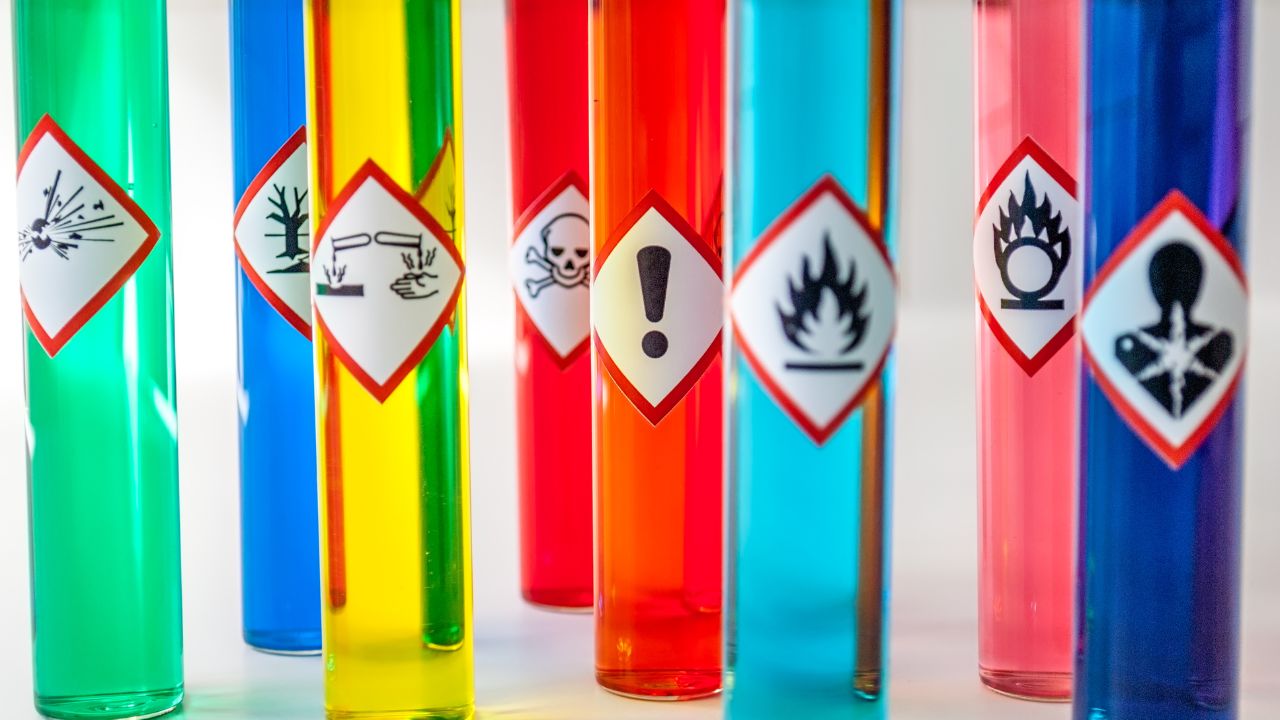
Disinfection Byproducts (TTHMs & HAA5)
Source: Form when chlorine reacts with naturally occurring organic matter (including algal material) in Lake Erie source water
Health Effects: Long-term exposure to elevated levels is associated with increased cancer risk and reproductive issues. The EPA legal limit for TTHMs is 80 ppb; the EWG health guideline is 0.15 ppb based on a one-in-one-million lifetime cancer risk level
2024 Results: TTHMs detected at 39.1 ppb (range 34.2–45.9 ppb); HAA5 at 10.2 ppb (range 8.8–14.3 ppb) — both within EPA limits. Ozone treatment has reduced THM formation by lowering required chlorine doses. Point-of-use activated carbon or reverse osmosis filters are the most effective household remedies for DBP reduction.
Please read – our information
The information presented on cleanairandwater.net is compiled from official water quality reports, trusted news sources, government websites, and public health resources. While we strive for accuracy and thoroughness in our presentations, we are not scientists, engineers, or qualified water quality professionals.
Our mission is to present water quality information in an accessible, real-world format that helps people understand what’s in their water and make informed decisions about their health and safety. We believe that complex environmental information should be available to everyone in a format that’s easy to understand.
We make every effort to ensure our content is current and accurate, but we cannot guarantee that all information is complete or error-free. This website should not replace official communications from your local water utility or health department. We always recommend consulting official sources for the most up-to-date information regarding your specific water system.
Clean Air and Water is not liable for any unintentional errors, omissions, or outdated information. The content on this site is provided for informational purposes only and should not be considered professional advice.