Omaha Water Quality at a Glance
Is Omaha Water Safe to Drink?
Meets Standards, But Health Concerns Remain — Omaha’s water meets all federal standards through rigorous treatment by Metropolitan Utilities District (M.U.D.), but contains concerning levels of arsenic (3.22 ppb — 805x above EWG health guidelines), agricultural contaminants, and disinfection byproducts. Key concerns include lead service lines in approximately 16,000 properties, naturally occurring arsenic from groundwater, nitrates from agricultural runoff, and haloacetic acids from treatment. PFAS testing under UCMR 5 (begun November 2024) shows all compounds below EPA MCLs. See our water filter guide and Nebraska state water quality overview for more context.
⚠️ Key Concerns for Omaha Residents in 2026
- Arsenic Contamination: Naturally occurring arsenic at 3.22 ppb — 805 times higher than EWG health guidelines; linked to multiple cancers including skin, bladder, and lung
- Lead Service Lines: Approximately 16,000 lead and galvanized lines identified for replacement; M.U.D.’s Detect. Correct. Protect. programme has replaced 910+ lines to date, targeting 1,032 in 2026 alone
- Agricultural Runoff: Nitrates from fertilisers and pesticides in the Missouri River watershed; Nebraska has above-average rates of some cancers potentially linked to agricultural chemicals
- Treatment Byproducts: Haloacetic acids (HAA5) detected at 75x above EWG health guidelines; chromium-6 also detected; PFAS compounds currently below EPA MCLs per UCMR 5 monitoring
Read the full report below for detailed analysis, city-specific data, and actionable recommendations for Omaha residents.
advertisment – report continues below
Your water passed the test.
Legal isn’t the same as safe.
Regulated contaminants like PFAS, chromium-6, and disinfection byproducts can sit inside the legal limit and still carry long-term health risks. Passing isn’t the same as clean.
✅ Removes PFAS, lead & chromium-6 — the contaminants most flagged even in passing city reports
✅ NSF/ANSI 42, 58 & 372 certified — independently tested, not just manufacturer claims
✅ Installs in 30 minutes, no plumber — fills a glass in 8 seconds, smart LED filter monitor
Renting or can’t drill? The Waterdrop K19 Countertop RO — plug in, fill the tank, done. No installation, no drilling, no plumber.
Advertisement — this page contains affiliate links. If you buy through these links, we may earn a commission at no extra cost to you.

Omaha – Nebraska – Water Quality Report 2026: PFAS Testing, Infrastructure Concerns & Safety across your city
The Metropolitan Utilities District (M.U.D.) operates Omaha’s water system, serving over 600,000 residents across the greater Omaha metropolitan area. Established in 1913, this public utility manages approximately 2,900 miles of water mains and three water treatment plants — Florence, Platte West, and Platte South — with a combined capacity of 300 million gallons per day. The system represents a blend of historical infrastructure and modern technology, featuring advanced treatment processes alongside its flagship Detect. Correct. Protect. Lead Service Line Replacement Programme, launched in 2024 with a $160 million, decade-long commitment to remove all lead and galvanised steel service lines by 2035.
Omaha draws its drinking water primarily from the Missouri River (approximately 85% of supply), supplemented by the Platte River and Dakota Sandstone aquifer during peak demand periods. Despite challenges with agricultural runoff, naturally occurring arsenic, and aging lead infrastructure in parts of the network, M.U.D. implements a robust multi-barrier treatment approach and maintains source water protection partnerships with upstream communities. M.U.D. ranked 15th lowest for residential water rates among 40 utilities surveyed in the 2025 Memphis Light, Gas and Water Utility Rate Survey, demonstrating continued commitment to affordable, high-quality service. For broader context on water quality across the state, see our Nebraska water quality overview and the live U.S. boil water notices tracker.

Omaha Water Quality: Current Status (2025–2026)
Latest Testing Results
- Lead Levels: Most recent testing shows 90th percentile lead levels ranging from 0.5 to 14.9 ppb, below the EPA action level of 15 ppb. Lead is not detected in M.U.D.’s source water, finished treated water, or distribution mains — it remains a localised issue associated with older customer-owned service lines in properties built before the 1940s.
- PFAS Results: Under UCMR 5 monitoring (begun November 2024), all PFAS compounds in Omaha’s finished water test below the EPA MCLs established in the April 2024 National Primary Drinking Water Regulation. Mandatory utility-wide PFAS monitoring begins in 2027, with compliance deadlines extended to 2031 for PFOA and PFOS. Customers can continue to drink tap water with confidence on current results.
- Testing Scope: M.U.D. conducts more than 1,000 water quality tests daily throughout the distribution system, including comprehensive monitoring for over 100 regulated and unregulated contaminants. Monthly odour testing is conducted on both source and tap water, with daily testing during spring runoff periods.
- Compliance Status: Omaha’s water consistently meets all federal and state drinking water standards. However, arsenic and disinfection byproduct levels exceed health-based guidelines set by organisations such as the Environmental Working Group. Visit our U.S. water quality checker for a broader comparison.
Missouri River Source Water
- Primary Source: The Missouri River provides approximately 85% of Omaha’s drinking water supply, with water drawn from intakes at the Florence Water Treatment Plant.
- Secondary Sources: The Platte River and Dakota Sandstone aquifer supply the remaining 15%, providing important redundancy during flood events or drought conditions at no additional cost to customers.
- Source Water Protection: M.U.D. participates in the Missouri River Watershed Coalition, working with upstream communities and agricultural stakeholders to reduce contaminants entering the river through collaborative runoff management and pollution prevention programmes. Weather events across Western Nebraska, Colorado, Montana, and the Dakotas can affect source water quality, and M.U.D. continuously adjusts treatment accordingly.
Advanced Treatment Technology
- Multi-Barrier Approach: Florence, Platte West, and Platte South treatment plants utilise multiple treatment processes including pre-sedimentation, coagulation, flocculation, clarification, granular activated carbon filtration, and disinfection — together producing approximately 34 billion gallons of treated water per year.
- Enhanced Disinfection: Chloramination provides disinfection throughout the distribution system, with UV disinfection technology used to address chlorine-resistant pathogens such as Cryptosporidium.
- Corrosion Control: Optimised water chemistry prevents lead and copper leaching from household plumbing, with real-time monitoring of water chemistry throughout the distribution system. M.U.D. produces stable, non-corrosive water — lead found in some homes originates from customer-side plumbing, not the mains.
Infrastructure Modernisation — 2026 Update
- Lead Service Line Programme: M.U.D.’s Detect. Correct. Protect. programme has replaced more than 910 lead and galvanised steel service lines since launching in 2024. The 2026 target is 1,032 replacements, ramping toward 1,400 annually through 2035. The total estimated programme cost is approximately $160 million, with M.U.D. actively pursuing state and federal grants to minimise customer rate impacts. Customers pay nothing directly for replacements under the programme.
- Pipeline Replacement: Annual replacement of approximately 15 miles of ageing water mains, prioritised by leak history, pipe material, and strategic system improvements. The 2026 budget approved by M.U.D.’s Board of Directors continues funding for these critical investments alongside water rate adjustments.
- Resilience Improvements: Integration of advanced metering infrastructure, pressure zone optimisation, and backup power systems to ensure reliable water delivery during extreme weather events and emergencies. M.U.D. maintains a minimum distribution pressure of 20 PSI, with normal operations exceeding 40 PSI across most of the network.
Customer Protection Initiatives
M.U.D. demonstrates exceptional commitment to customer welfare through comprehensive assistance programmes, including water hardship funds for low-income residents and expanded payment arrangement options. Their lead education campaign — branded Detect. Correct. Protect. — provides free water testing for homes with lead or unknown service lines, free pitcher filters, and an interactive online map allowing residents to check their service line status by address. The utility prioritises environmental justice by targeting infrastructure improvements in communities with higher concentrations of vulnerable residents. M.U.D.’s transparency initiatives include annual consumer confidence reports, monthly water quality reports for each treatment plant, and accessible online resources. For filter recommendations suited to Omaha’s specific contaminant profile, visit our water filter solutions guide. Stay informed about any local water advisories via our water alert news feed.
Recommendations for Omaha Residents
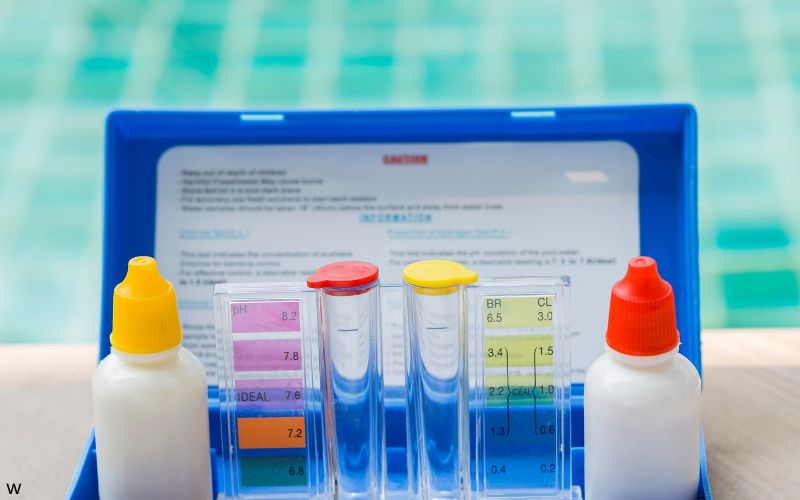
Request Free Testing
Contact M.U.D. Customer Service at (402) 554-6666 or visit mudomaha.com/lead to request a free lead test kit if your home was built before 1940 or if your service line status is unknown. Customers with lead, galvanised, or unknown service lines may also request a free filtered water pitcher. Testing is especially important for households with infants, young children, or pregnant women. You can also check your line status online by entering your address at M.U.D.’s interactive lead map.
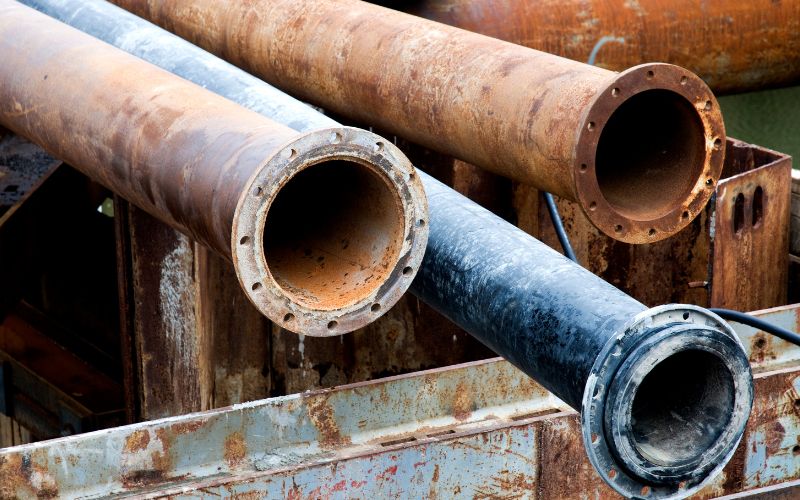
Join the Replacement Programme
Use M.U.D.’s interactive lead map at mudomaha.com/lead to check your property’s service line status. If you have a lead or galvanised line, M.U.D.’s Detect. Correct. Protect. programme will replace it at no direct cost to you as part of the $160 million, system-wide effort targeting completion by 2035. Contact M.U.D. at lead@mudnebr.com or (402) 504-7029 to find out when your neighbourhood is scheduled.
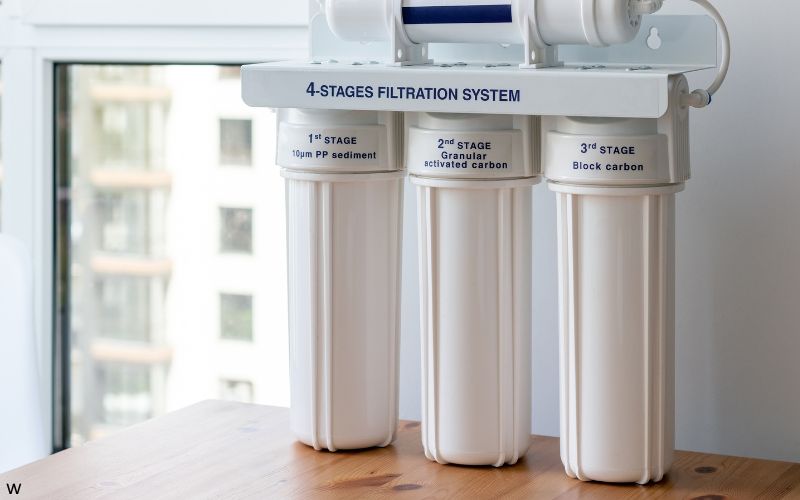
Consider Certified Filters
For homes with lead or unknown service lines, or concerns about arsenic, disinfection byproducts, or PFAS, NSF-certified filters provide an effective additional layer of protection. Look for NSF Standard 53 certification for lead removal and Standard 58 (reverse osmosis) for arsenic and PFAS. See our water filter solutions guide for options suited to Omaha’s contaminant profile — reverse osmosis systems offer the broadest contaminant removal for households with elevated concerns.
Flush Your Water
If water has been sitting unused for more than 30 minutes, run cold water for 30 seconds to 2 minutes before using for drinking or cooking. This is especially important for homes with lead service lines or older plumbing. Always use cold water for drinking and cooking, as hot water may contain higher concentrations of dissolved metals from pipes and fittings. This is a no-cost protective measure while you await the replacement programme or confirm your line status.

Report Issues Promptly
Call the 24-hour emergency line at (402) 554-7777 to report water main breaks, pressure problems, or unusual water quality concerns such as discolouration, odour, or unexpected taste changes. For non-emergencies, contact Customer Service at (402) 554-6666 during business hours or visit mudomaha.com. Track any active local boil water notices via our live U.S. boil water notices tracker.
Quality News About Your Water
Get the comprehensive water quality news coverage you need with our dedicated US Water News Service. From coast to coast, we deliver in-depth reporting and expert analysis on PFAS contamination, EPA regulatory changes, infrastructure developments, and emerging water safety issues affecting communities nationwide. While mainstream media only covers the biggest stories, we provide the detailed, ongoing coverage that helps you understand the full scope of America’s water challenges.
What’s actually in your tap water? Enter your ZIP code for a full breakdown of contaminants detected in your local supply
Drinking water from a well? Check our directory here for more information
Frequently Asked Questions
Is Omaha’s tap water safe to drink in 2026?
Yes, Omaha’s tap water is safe to drink and consistently meets all federal and state drinking water standards. M.U.D. employs a multi-barrier treatment approach at three water treatment plants that together produce around 34 billion gallons of treated water annually.
The most significant ongoing concerns are arsenic at 3.22 ppb (well below the EPA limit of 10 ppb but 805 times above EWG health guidelines), disinfection byproducts including haloacetic acids, and lead from older customer-owned service lines in properties built before the 1940s. PFAS compounds tested under UCMR 5 monitoring (from November 2024) are all below EPA MCLs. Residents with lead or unknown service lines should request free testing and a pitcher filter from M.U.D., and consider an NSF-certified filter for added protection. See our water filter guide for specific recommendations.
Why is Omaha water sometimes hard?
Omaha’s water is considered moderately hard to hard, typically measuring between 7–10 grains per gallon (120–170 mg/L). This is due to natural calcium and magnesium content in source water from the Missouri River and groundwater sources.
Hardness levels vary seasonally — higher during low river flow periods and lower during spring runoff. While hard water is completely safe to drink, you may notice scale buildup on plumbing fixtures and appliances, reduced soap lathering, and white residue on glassware after washing. Many Omaha residents choose to install water softeners for these aesthetic reasons, though M.U.D. does not soften water during treatment, as the minerals pose no health concern.
How does Omaha treat water from the Missouri River?
M.U.D. employs a comprehensive multi-stage treatment process at its Florence Water Treatment Plant (and Platte West and Platte South for the Platte River supply) to transform Missouri River water into safe drinking water:
• Pre-treatment: Screens remove large debris while pre-sedimentation basins allow heavy particles to settle
• Coagulation/Flocculation: Chemical additives cause small particles to clump together for easier removal
• Clarification: Settling basins remove flocculated particles
• Filtration: Granular activated carbon filters remove remaining particles, organic compounds, and many pesticides and taste/odour compounds
• Disinfection: Chloramination provides continued protection throughout the distribution system, with UV treatment for chlorine-resistant pathogens
• Corrosion Control: Water chemistry optimisation prevents lead and copper leaching from pipes
This process effectively addresses seasonal turbidity changes and agricultural contaminants, though naturally occurring arsenic remains a concern. For information about PFAS specifically, M.U.D.’s current UCMR 5 results show all compounds below EPA MCLs. Nationwide PFAS context is available via our U.S. water quality checker.
Does Omaha add fluoride to the water?
Yes, M.U.D. adds fluoride to Omaha’s drinking water as required by Nebraska state law (LB 245, passed in 2008). Key facts about fluoridation in Omaha:
Fluoride Levels:
• Natural fluoride in Missouri River source water: 0.3–0.5 ppm
• Target fluoride level after adjustment: 0.7 ppm
• Federal maximum allowable level: 4.0 ppm
Monitoring:
• Daily testing at treatment plants
• Monthly testing throughout distribution system
Health Considerations:
• Supports dental health at recommended levels
• Endorsed by the American Dental Association, CDC, and WHO
Customers who prefer unfluoridated water can use home filtration systems with activated alumina or reverse osmosis technology, which effectively remove fluoride. See our filter guide for NSF-certified options.
Contaminants of Concern
Arsenic and Agricultural Contaminants
Source: Naturally occurring arsenic from groundwater and bedrock weathering; fertiliser and pesticide runoff from agricultural activities upstream in the Missouri River watershed. Seasonal variation produces higher contaminant levels following spring planting and major rainfall events across Nebraska, Colorado, Montana, and the Dakotas.
Health Effects: Arsenic is a known carcinogen linked to skin, bladder, lung, liver, and prostate cancers, as well as cardiovascular and neurological problems with long-term exposure. Agricultural chemicals including nitrates and pesticides may cause hormone disruption and developmental effects. Nebraska has above-average rates of some cancers potentially linked to agricultural chemical exposure.
Current Status: Arsenic at 3.22 ppb — below the EPA regulatory limit of 10 ppb but 805 times above EWG health guidelines. Agricultural chemicals are effectively managed through activated carbon filtration, with all monitored pesticides and nitrates consistently below EPA Maximum Contaminant Levels. For state-level agricultural water quality context, see our Nebraska water quality overview.
Lead, PFAS, and Disinfection Byproducts
Source: Lead primarily from customer-owned service lines and household plumbing in properties built before the 1940s; an estimated 16,000 lead and galvanised steel lines remain in M.U.D.’s service area. PFAS (per- and polyfluoroalkyl substances) enter water systems from industrial and firefighting sources. Haloacetic acids (HAA5) form as disinfection byproducts when chlorine-based treatment reacts with naturally occurring organic matter.
Health Effects: Lead causes developmental delays, learning disabilities, and kidney problems — particularly in children under six, for whom there is no safe level of exposure. PFAS are associated with immune suppression, thyroid disruption, and certain cancers; PFOA and PFOS MCLs of 4 ppt are now enforceable under the April 2024 federal rule (compliance deadline 2031). Disinfection byproducts such as HAA5 are associated with increased cancer risk and potential effects on foetal development.
Current Levels (2025–2026): Lead ranges from 0.5 to 14.9 ppb at the 90th percentile — below the EPA action level of 15 ppb; lead is not detected in M.U.D.’s treated distribution water. All PFAS compounds are currently below EPA MCLs per UCMR 5 monitoring begun November 2024. Haloacetic acids remain below EPA regulatory limits but exceed EWG health guidelines by approximately 75 times. Reverse osmosis filtration addresses all three contaminant categories — see our water filter solutions page for recommended systems.
Please read – our information
The information presented on cleanairandwater.net is compiled from official water quality reports, trusted news sources, government websites, and public health resources. While we strive for accuracy and thoroughness in our presentations, we are not scientists, engineers, or qualified water quality professionals.
Our mission is to present water quality information in an accessible, real-world format that helps people understand what’s in their water and make informed decisions about their health and safety. We believe that complex environmental information should be available to everyone in a format that’s easy to understand.
We make every effort to ensure our content is current and accurate, but we cannot guarantee that all information is complete or error-free. This website should not replace official communications from your local water utility or health department. We always recommend consulting official sources for the most up-to-date information regarding your specific water system.
Clean Air and Water is not liable for any unintentional errors, omissions, or outdated information. The content on this site is provided for informational purposes only and should not be considered professional advice.