Kansas City, Missouri Water Quality at a Glance
Is Kansas City, Missouri Water Safe to Drink?
Generally Yes, With Caution — Kansas City’s water meets federal standards, but independent testing reveals disinfection byproducts exceeding EWG health guidelines by 51–162 times. Additional concerns include chromium-6 and lead risk in homes with older plumbing. The Missouri River source faces upstream pollution challenges including industrial discharge, agricultural runoff, and seasonal quality variations affecting taste and odour. See our water filter recommendations and check the live boil water tracker for current alerts.
⚠️ Key Concerns for Kansas City Residents in 2026
- Disinfection Byproducts: TTHMs 51× above EWG guidelines; HAA5 162× above health recommendations — linked to increased cancer risk with long-term exposure
- Chromium-6: Detected above EWG health guidelines; a known human carcinogen highlighted in the Erin Brockovich case, not yet federally regulated
- Lead Contamination: 10% of samples exceed 2.1 ppb; homes built before 1986 particularly at risk from lead service lines and older plumbing
- PFAS Monitoring: KC Water has tested since 2022; all results to date below EPA standards, but compliance treatment deadline extended to 2031 under 2025–2026 EPA proposals
Read the full 2026 report below for detailed analysis, treatment recommendations, and actionable steps for Kansas City residents.
advertisment – report continues below
Your water passed the test.
Legal isn’t the same as safe.
Regulated contaminants like PFAS, chromium-6, and disinfection byproducts can sit inside the legal limit and still carry long-term health risks. Passing isn’t the same as clean.
✅ Removes PFAS, lead & chromium-6 — the contaminants most flagged even in passing city reports
✅ NSF/ANSI 42, 58 & 372 certified — independently tested, not just manufacturer claims
✅ Installs in 30 minutes, no plumber — fills a glass in 8 seconds, smart LED filter monitor
Renting or can’t drill? The Waterdrop K19 Countertop RO — plug in, fill the tank, done. No installation, no drilling, no plumber.
Advertisement — this page contains affiliate links. If you buy through these links, we may earn a commission at no extra cost to you.

Kansas City — Missouri — Water Quality Report 2026: PFAS Testing, Infrastructure Concerns & Safety Across Your City
KC Water operates a comprehensive municipal water system serving approximately 508,000 residents in Kansas City proper and over 175,000 additional customers in surrounding communities. Established in 1873, the system includes over 2,800 miles of water mains, one primary water treatment plant with 240-million-gallon-per-day capacity, and multiple storage facilities, delivering an average of 100 million gallons of water daily across the metropolitan area.
Kansas City draws its drinking water primarily from the Missouri River (approximately 80% of supply), with secondary sources from underground alluvial aquifers (around 20%). The city implements extensive source water protection programmes in cooperation with regional partners to maintain water quality despite the challenges of an agricultural watershed. Kansas City’s water consistently meets or exceeds federal and state quality standards, though independent testing reveals elevated disinfection byproducts and other contaminants of concern. Check our Missouri state water quality overview for statewide context, or compare with nearby St. Louis and Kansas.

Kansas City Water Quality: Current Status (2025–2026)
Latest Testing Results
- Lead Levels: The most recent lead and copper monitoring period showed 90th percentile lead levels of 5.1 parts per billion (ppb), well below the EPA action level of 15 ppb, indicating effective corrosion control across the distribution system. Homes built before 1986 remain at elevated risk from internal plumbing. KC Water is required to publish a service line inventory map under the revised Lead and Copper Rule.
- PFAS Testing: KC Water has tested proactively for PFAS since 2022. All results to date have been below EPA standards. Under the EPA’s April 2024 PFAS rule, public water systems must complete initial monitoring by 2027 and reduce any exceedances by 2029 — a compliance deadline the EPA proposed extending to 2031 for some compounds in 2025. Residents can follow updates at our water alerts and news section.
- Disinfection Byproducts: Independent testing continues to show total trihalomethanes (TTHMs) exceeding EWG health guidelines by approximately 51 times, and haloacetic acids (HAA5) exceeding guidelines by around 162 times, though the system remains within EPA legal compliance limits.
- Testing Scope: Kansas City conducts over 85,000 water quality tests annually, including comprehensive monitoring at more than 150 sampling sites throughout the distribution network. The 2024 Annual Consumer Confidence Report is published on the KC Water reports page.
- Compliance Status: For the most recent quarter assessed by the EPA (April–June 2024), Kansas City’s water was in compliance with federal health-based drinking water standards, as regulated by the EPA and Missouri Department of Natural Resources.
Water Sources & Quality
- Missouri River: Primary source (approximately 80% of supply), providing reliable volume despite seasonal quality fluctuations including silt, organic matter, earthy odours, and a greenish tint during high-flow periods. A drop of water can take up to five days to reach outlying distribution areas.
- Groundwater Wells: Secondary source (approximately 20%) drawn from deep alluvial aquifers near the Missouri River, providing emergency backup and supplemental volume during peak demand.
- Source Water Challenges: Missouri River sections have documented exceedances for mercury, bacteria, sediment, PCBs, and nutrients attributable to upstream agricultural runoff and industrial discharge. Source water vulnerability assessments are available through the Missouri DNR under system ID MO1010415.
- Source Water Protection: Regional watershed management partnership with agricultural stakeholders and upstream communities to reduce contaminant runoff and improve Missouri River source water quality.
Treatment Technology
- Primary Treatment Plant: Kansas City operates one main water treatment plant with 240-million-gallon-per-day capacity, employing a multi-step process: coagulation, sedimentation, lime softening, stabilisation, and filtration through 27 inches of sand.
- Enhanced Treatment: Multi-barrier approach includes chloramine disinfection, lime softening for taste and odour control, and pH stabilisation to prevent pipe corrosion and metal leaching.
- Corrosion Control: Optimised zinc orthophosphate treatment prevents metal leaching from distribution pipes, with pH and alkalinity management adjusted seasonally based on Missouri River water quality. See our national water quality overview for comparison with other major US cities.
Infrastructure Investments
- Main Replacement: Accelerated programme targeting approximately 28 miles of pipe replacement annually, prioritising areas with the highest break frequency and oldest infrastructure.
- Lead Service Line Inventory: Comprehensive mapping initiative has documented approximately 85,000 service lines in the system. The Lead Safe KC programme offers subsidised replacement for homes with confirmed lead lines, with priority for households with children under six.
- Smart Water Network: Expansion of advanced metering infrastructure with real-time pressure and quality monitoring capabilities to improve system management and early leak detection.
Community Programmes
KC Water offers comprehensive customer support including free water quality testing, a filter distribution programme for vulnerable populations, and payment assistance for qualifying households. The Lead Safe KC initiative provides subsidised service line replacement with priority for homes with young children. Public education programmes include school outreach, community workshops, and multilingual materials. Despite Missouri River source challenges and elevated disinfection byproducts, the combination of advanced treatment technology and ongoing infrastructure investment ensures federally compliant water delivery across the Kansas City metropolitan area. For independent filter recommendations suited to Kansas City’s water profile, visit our water filter solutions guide. You can also check for active boil water notices affecting the region at any time.
Recommendations for Kansas City Residents
Free Water Testing
Request complimentary water quality testing by calling 311 or visiting kcwater.us/waterquality. Testing is particularly recommended for homes built before 1986 that may have lead-containing plumbing. You can also check our water quality checker for wider context.
Lead Safe KC Programme
Apply for subsidised lead service line replacement through the Lead Safe KC programme. Call (816) 513-0353 or visit kcwater.us/leadsafe to determine eligibility. Compare KC’s lead situation with other cities at risk on our Flint lead crisis page and Detroit water quality report.
Use Certified Filters
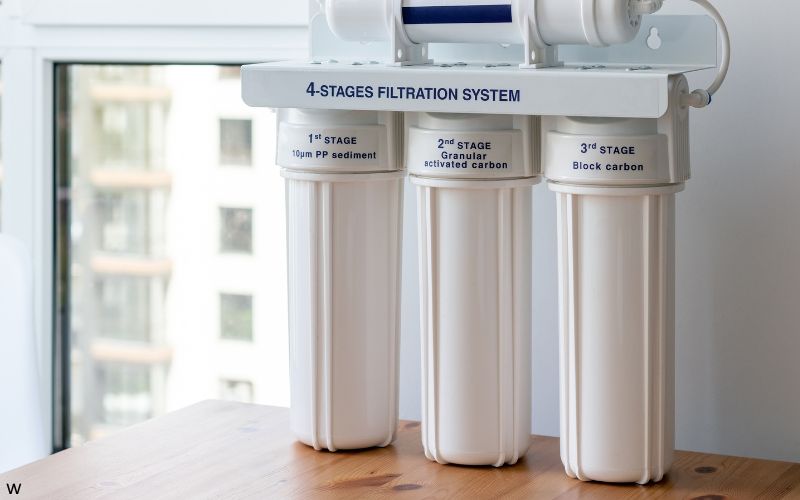
Consider NSF-certified filters (Standard 53 for lead, Standard 42 for chloramine and taste) especially for households with disinfection byproduct concerns or older plumbing. Reverse osmosis systems also address chromium-6 and PFAS. See our full water filter solutions guide for 2026 recommendations.
Flush Your Plumbing
After water has been sitting unused for six or more hours, run cold water for 2–3 minutes before using for drinking or cooking. Always use cold water for consumption, as hot water can dissolve metals more readily from older plumbing fixtures.

Report Concerns & Stay Informed
Contact Kansas City’s 311 service for water main breaks, pressure issues, or quality concerns. For after-hours water emergencies, call the 24/7 water emergency line at (816) 513-0799. Bookmark our live boil water notice tracker and water alert news for ongoing updates affecting Kansas City and Missouri.
Quality News About Your Water
Get the comprehensive water quality news coverage you need with our dedicated US Water News Service. From coast to coast, we deliver in-depth reporting and expert analysis on PFAS contamination, EPA regulatory changes, infrastructure developments, and emerging water safety issues affecting communities nationwide. While mainstream media only covers the biggest stories, we provide the detailed, ongoing coverage that helps you understand the full scope of America’s water challenges.
What’s actually in your tap water? Enter your ZIP code for a full breakdown of contaminants detected in your local supply
Drinking water from a well? Check our directory here for more information
Frequently Asked Questions
Is Kansas City’s tap water safe to drink in 2026?
Yes, Kansas City’s tap water meets or exceeds all federal and state drinking water standards. The water is sourced primarily from the Missouri River (approximately 80%) and underground aquifers (around 20%) and undergoes extensive treatment including coagulation, sedimentation, lime softening, stabilisation, and sand filtration, plus chloramine disinfection.
Recent lead and copper monitoring shows 90th percentile lead levels at 5.1 ppb, well below the EPA action level of 15 ppb. However, independent testing continues to show elevated disinfection byproducts — TTHMs and haloacetic acids exceeding EWG health guidelines by 51–162 times — though within EPA legal limits. Households with older plumbing should consider testing and using certified filters, particularly those with pregnant women or young children. See our Missouri water quality overview and filter recommendations for more guidance.
How can I check for lead service lines in my home?
Kansas City maintains a service line inventory to help residents identify whether they have lead pipes. To check your home:
1. Locate your water service line where it enters your home (typically in the basement or crawl space). Lead pipes have a dull grey colour, feel soft enough to be scratched with a key, and will not attract a magnet.
2. Call 311 to request service line verification from KC Water.
3. Visit the KC Water service line inventory map to check your address online.
The Lead Safe KC programme offers subsidised replacement of lead service lines, with priority for homes with young children. Homes built before 1955 are most likely to have lead service lines, particularly in north-east and midtown neighbourhoods. For context on lead risks nationally, see our US water quality overview.
Why does my water sometimes taste or smell like chlorine?
Kansas City uses chloramines (a combination of chlorine and ammonia) as a disinfectant to maintain water safety throughout the distribution system. This can sometimes cause a noticeable taste or odour, particularly when:
• Seasonal changes: During spring and summer, Missouri River water quality fluctuates with agricultural runoff and organic matter. Treatment adjustments may temporarily increase disinfectant levels and produce earthy or musty odours that can last from a few days to several weeks.
• Distance from treatment: Homes closer to the main treatment plant may notice a stronger disinfectant taste.
• System maintenance: After main repairs or during system flushing, temporary chlorine increases are normal and safe.
To improve taste, use a carbon block filter certified for chloramine reduction (NSF Standard 42). Note that chloramines do not dissipate as quickly as free chlorine by leaving water in an open container. See our water filter guide for recommended options.
Are there water restrictions in Kansas City?
Kansas City rarely implements mandatory water restrictions due to reliable Missouri River supplies, but does encourage year-round conservation:
• Water lawns during early morning or evening hours to reduce evaporation.
• Fix leaking fixtures and irrigation systems promptly.
• Use drought-resistant landscaping where possible.
• Install water-efficient appliances and fixtures.
During severe drought conditions, KC Water may activate a Water Shortage Response Plan with four stages ranging from voluntary conservation through to emergency water allocation. Current water status updates are available at kcwater.us or by calling 311. Check our live US boil water and alert tracker for any active orders in the Kansas City area.
Contaminants of Concern
Lead
Source: Lead service lines and older plumbing fixtures in homes built before 1986. Kansas City has identified approximately 85,000 service lines in its inventory, with a significant number confirmed as lead requiring replacement.
Health Effects: Developmental delays and reduced IQ in children, learning difficulties, kidney problems, and cardiovascular effects in adults. The CDC has stated there is no safe level of lead exposure for children.
Current Levels: 90th percentile value of 5.1 ppb, well below the EPA action level of 15 ppb. However, 10% of tested samples exceeded 2.1 ppb. No level of lead in drinking water is considered safe. Compare with the Flint lead crisis for context on lead pipe risks.
Disinfection Byproducts
Source: Chemical byproducts formed when chloramine disinfectants react with naturally occurring organic matter in Missouri River water during the treatment process. Seasonal fluctuations in river organic content influence DBP formation rates.
Health Effects: Total trihalomethanes (TTHMs) and haloacetic acids (HAA5) are linked to increased cancer risk, liver and kidney damage, and potential reproductive effects with long-term exposure.
Current Status: EPA compliant, but independent testing shows TTHMs exceeding EWG health guidelines by approximately 51 times and haloacetic acids by approximately 162 times. This is a significant gap between legal compliance and health-protective guidelines. See our filter guide for NSF 42- and 53-certified options that reduce DBP exposure.
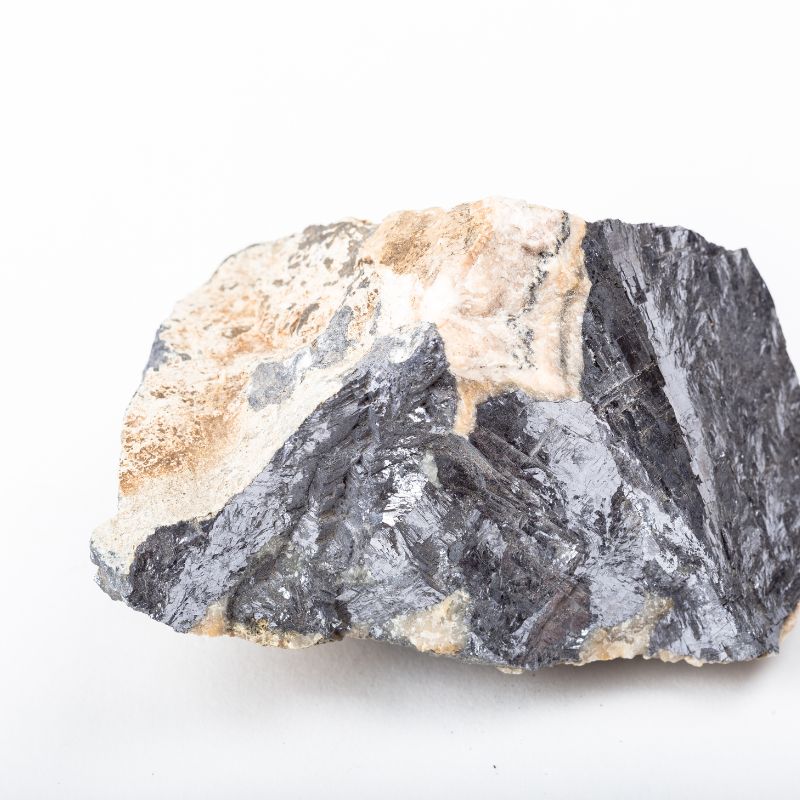
Chromium-6
Source: Industrial discharge and natural mineral deposits in the Missouri River watershed. Hexavalent chromium is the toxic form made widely known by the Erin Brockovich case in the 1990s.
Health Effects: A known human carcinogen linked to lung cancer, liver damage, reproductive issues, and stomach problems with long-term exposure.
Current Status: Independent testing detects chromium-6 in Kansas City water above EWG health guidelines. There is currently no federal MCL specifically for hexavalent chromium, though California has established state limits. Reverse osmosis filters are effective at removing chromium-6. See our water filter recommendations for options.
PFAS “Forever Chemicals”
Source: Industrial discharge, firefighting foam usage, and consumer products. PFAS are persistent chemicals that accumulate in the environment and human bodies and do not readily break down.
Health Effects: Linked to cancer, liver damage, immune system effects, high cholesterol, pregnancy complications, and developmental delays in children.
Current Status: KC Water has tested proactively for PFAS since 2022; all results to date have been below EPA standards. The EPA’s April 2024 PFAS rule set MCLs for PFOA, PFOS, PFNA, PFHxS, and GenX chemicals. Public water systems must complete initial monitoring by 2027 and reduce exceedances by 2029 — with the EPA proposing in 2025 to extend this compliance deadline to 2031 for some compounds. Missouri statewide testing has so far found no widespread contamination. Follow updates at our water alert news section.
Please read – our information
The information presented on cleanairandwater.net is compiled from official water quality reports, trusted news sources, government websites, and public health resources. While we strive for accuracy and thoroughness in our presentations, we are not scientists, engineers, or qualified water quality professionals.
Our mission is to present water quality information in an accessible, real-world format that helps people understand what’s in their water and make informed decisions about their health and safety. We believe that complex environmental information should be available to everyone in a format that’s easy to understand.
We make every effort to ensure our content is current and accurate, but we cannot guarantee that all information is complete or error-free. This website should not replace official communications from your local water utility or health department. We always recommend consulting official sources for the most up-to-date information regarding your specific water system.
Clean Air and Water is not liable for any unintentional errors, omissions, or outdated information. The content on this site is provided for informational purposes only and should not be considered professional advice.