Buffalo Water Quality at a Glance
multiple concerns
RECOMMENDED
Is Buffalo Water Safe to Drink?
Generally Yes, With Caution — Buffalo’s water meets federal standards, but 2025–2026 testing reveals significant contamination including PFAS “forever chemicals,” excessive disinfection byproducts, and chromium-6. Sourced from Lake Erie, the system now faces compliance obligations under the EPA’s landmark 2024 PFAS rule, with enforceable MCLs of 4 parts per trillion for PFOA and PFOS. Multiple contaminants exceed health guidelines by up to 400 times, particularly trihalomethanes and haloacetic acids from chlorine treatment. See our water filter guide for certified filtration options.
⚠️ Key Concerns for Buffalo Residents
- PFAS “Forever Chemicals”: PFOA, PFOS, and PFHxS detected at levels 3–400 times above health guidelines; new EPA MCLs of 4 ppt for PFOA/PFOS now in effect, requiring compliance by 2027
- Disinfection Byproducts: Trihalomethanes at 259x health guidelines, haloacetic acids at 372x guidelines — among the most persistent concerns in the system
- Chromium-6: Cancer-causing hexavalent chromium detected at 3.5 times health guidelines
- Arsenic: Carcinogenic arsenic found at 67 times above health guidelines
Read the full report below for detailed analysis, city-specific data, and actionable recommendations for Buffalo residents.
advertisment – report continues below
Your water passed the test.
Legal isn’t the same as safe.
Regulated contaminants like PFAS, chromium-6, and disinfection byproducts can sit inside the legal limit and still carry long-term health risks. Passing isn’t the same as clean.
✅ Removes PFAS, lead & chromium-6 — the contaminants most flagged even in passing city reports
✅ NSF/ANSI 42, 58 & 372 certified — independently tested, not just manufacturer claims
✅ Installs in 30 minutes, no plumber — fills a glass in 8 seconds, smart LED filter monitor
Renting or can’t drill? The Waterdrop K19 Countertop RO — plug in, fill the tank, done. No installation, no drilling, no plumber.
Advertisement — this page contains affiliate links. If you buy through these links, we may earn a commission at no extra cost to you.

Buffalo, New York — Water Quality Report 2026: PFAS Testing, Infrastructure & Safety
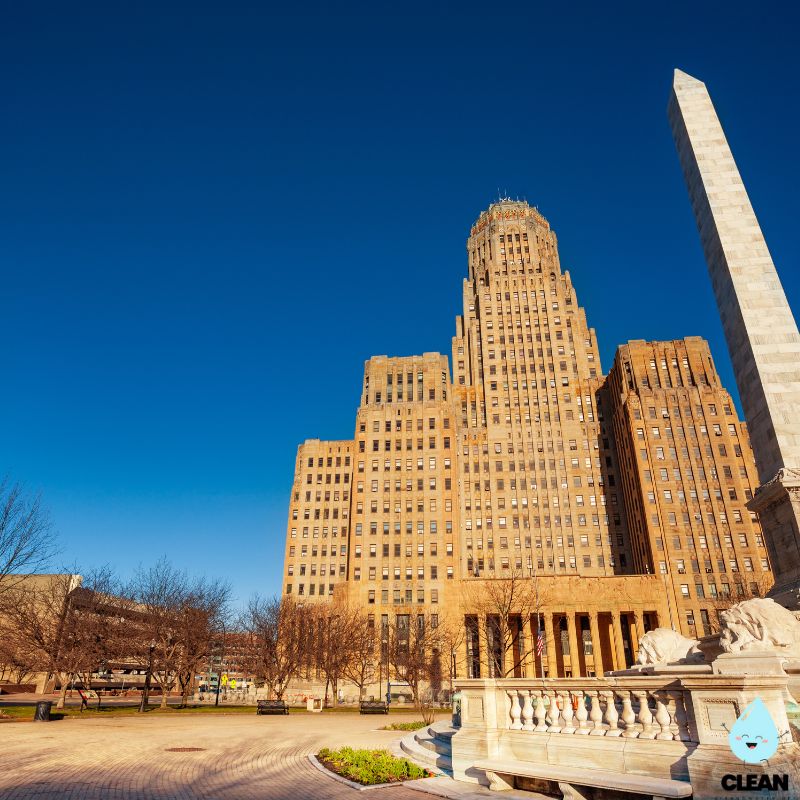
Buffalo Water Authority operates a comprehensive municipal system serving over 275,000 residents in Buffalo and surrounding Erie County communities. Established in 1868, Buffalo Water oversees an extensive network including approximately 900 miles of water mains, multiple pumping stations, and the Colonel Ward Treatment Plant on the shores of Lake Erie. The system delivers approximately 70 million gallons of water daily through one of the Great Lakes region’s most established infrastructure networks.
Buffalo draws its drinking water exclusively from Lake Erie, the shallowest of the Great Lakes with an average depth of 62 feet and the shortest detention time at 2.6 years. The water intake is strategically positioned in the Emerald Channel, away from the Buffalo River discharge and potential contamination sources. Despite comprehensive treatment processes, 2025–2026 testing confirms ongoing contamination concerns including PFAS “forever chemicals,” excessive disinfection byproducts, and multiple contaminants exceeding health guidelines by substantial margins — placing Buffalo among the more challenged systems in New York State.
Buffalo Water Quality: Current Status (2025–2026)
Latest Testing Results
- Federal Compliance: Buffalo Water Authority meets all federal health-based drinking water standards as of the latest EPA assessment (2025), maintaining compliance with EPA and New York State Department of Health regulations. Note that new EPA PFAS MCLs (4 ppt for PFOA and PFOS) require utility compliance by 2027.
- Contaminant Concerns: Despite federal compliance, 14 contaminants were detected above health guidelines in the most recent reporting period, with some exceeding recommendations by up to 400 times — including PFAS chemicals, disinfection byproducts, and known carcinogens.
- Lead Levels: The most recent 90th percentile lead result was 2.7 parts per billion (ppb), well below the EPA action level of 15 ppb. However, lead service lines remain present in older neighbourhoods, and no level of lead is considered safe for children.
Lake Erie Source Water
- Strategic Intake: Water is drawn from the Emerald Channel of Lake Erie via a mile-long tunnel, positioned to avoid the Buffalo River discharge and ensure optimal raw water quality entering the Colonel Ward plant.
- Natural Advantages: Lake Erie’s shallow depth (62 feet average) and short detention time (2.6 years) allows relatively rapid flushing of contaminants, with particles binding to sediment during turbulent periods — a natural advantage over deeper Great Lakes sources.
- Source Monitoring: Continuous automated water quality monitoring at the intake, with additional targeted sampling for algal toxins, industrial pollutants, and emerging contaminants including the full PFAS compound suite under the EPA’s UCMR 5 programme.
Comprehensive Treatment Process
- Multi-Barrier Approach: Colonel Ward Treatment Plant utilises coagulation, flocculation, sedimentation, granular activated carbon filtration, and chlorine disinfection. Disinfection byproducts generated by chlorination remain a significant and ongoing concern.
- Chemical Treatment: Process includes polyaluminium chloride coagulation, activated carbon for taste and odour control, chlorine disinfection (which creates trihalomethanes and haloacetic acids), and fluoride addition for dental health.
- Corrosion Control: Orthophosphate treatment is applied to reduce lead and copper leaching from distribution pipes and household plumbing, though ageing lead service lines throughout the system continue to pose localised risks.
Infrastructure & 2026 Compliance Updates
- PFAS Compliance Timeline: Under the EPA’s April 2024 PFAS National Primary Drinking Water Regulation, Buffalo Water Authority must achieve compliance with 4 ppt limits for PFOA and PFOS by April 2027. Treatment upgrades — likely granular activated carbon or reverse osmosis — are under planning review.
- Lead Service Line Inventory: New York State requires utilities to complete full lead service line inventories and submit replacement plans. Buffalo is actively identifying and replacing lead lines under the state’s accelerated programme, with priority given to schools, childcare facilities, and vulnerable households.
- Pipeline Replacement: Ongoing replacement of ageing water mains throughout the 900-mile distribution system continues, targeting areas with the highest break frequency and oldest infrastructure — much of it dating to the early twentieth century.
Community Protection Programmes
Buffalo Water provides resident support including free water testing, educational outreach, and assistance for eligible households. The Replacement of Lead in Water (RLIW) Programme offers subsidised lead pipe replacement, while state and federal funding is increasingly directed toward historically underserved neighbourhoods. Residents should be aware that while water meets current federal standards, significant contamination issues — including PFAS, disinfection byproducts hundreds of times above health guidelines, and the presence of carcinogens such as arsenic and chromium-6 — make certified home filtration highly recommended for drinking and cooking water. See our water filter solutions guide for NSF-certified options that address PFAS, lead, and disinfection byproducts. You can also monitor local emergency advisories through the live U.S. boil water tracker.
Recommendations for Buffalo Residents
Request Water Testing
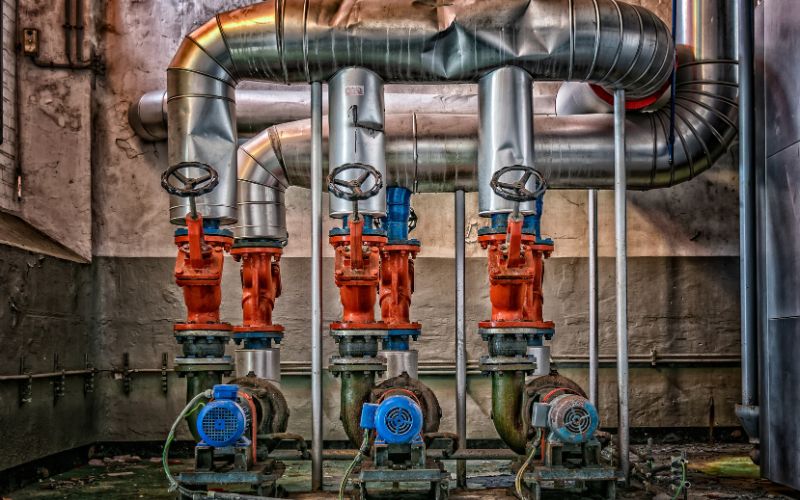
Contact Buffalo Water Authority at (716) 847-1065 or visit buffalowater.org to request water quality testing. Given the detection of 14 contaminants above health guidelines and new EPA PFAS limits coming into force, testing is recommended for all residents — especially those in homes built before 1986 or with known lead service lines.
Apply for the RLIW Programme
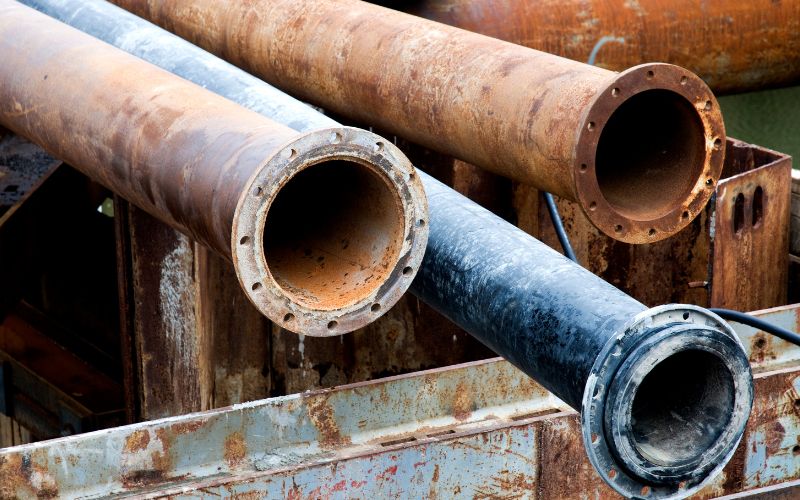
Enrol in the Replacement of Lead in Water (RLIW) Programme for assistance with lead service line replacement. Visit buffalowater.org or call (716) 847-1065 for programme information and eligibility requirements. New York State funding has expanded eligibility in 2025–2026.
Install Certified Filters
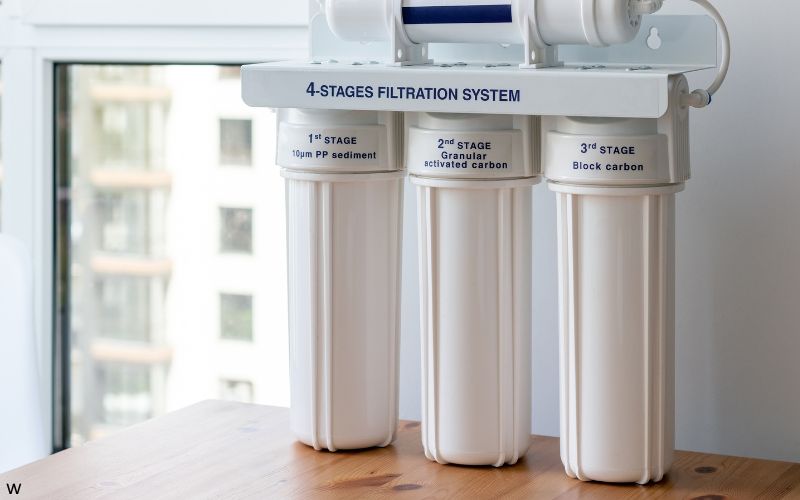
Use NSF-certified filters for comprehensive protection: NSF Standard 53 for lead removal, and NSF Standard 58 (reverse osmosis) or NSF Standard 53/61 activated carbon for PFAS and disinfection byproducts. Given the significant contamination concerns identified in 2025–2026 testing, filtration is highly recommended for all Buffalo households.
Run Cold Water First
If water has been sitting in pipes for several hours, run cold water for 3–5 minutes before use. Always use cold water for drinking and cooking — hot water can contain significantly higher concentrations of lead and other metals leached from household plumbing and service lines.

Report Water Issues
Contact Buffalo Water Customer Service at (716) 847-1065 for water main breaks, low pressure, or quality concerns. For after-hours emergencies call the 24-hour water emergency line at (716) 851-4747. You can also monitor real-time advisories at our live boil water tracker.
Quality News About Your Water
Get the comprehensive water quality news coverage you need with our dedicated US Water News Service. From coast to coast, we deliver in-depth reporting and expert analysis on PFAS contamination, EPA regulatory changes, infrastructure developments, and emerging water safety issues affecting communities nationwide. While mainstream media only covers the biggest stories, we provide the detailed, ongoing coverage that helps you understand the full scope of America’s water challenges.
What’s actually in your tap water? Enter your ZIP code for a full breakdown of contaminants detected in your local supply
Drinking water from a well? Check our directory here for more information
Frequently Asked Questions
Is Buffalo tap water safe to drink in 2026?
Buffalo’s tap water meets all current federal and New York State drinking water standards and undergoes comprehensive treatment at the Colonel Ward Treatment Plant, including coagulation, filtration, and chlorine disinfection.
However, 2025–2026 testing confirms significant ongoing concerns: 14 contaminants exceed health guidelines, with some by up to 400 times. PFAS “forever chemicals” are present, along with excessive disinfection byproducts, arsenic at 67 times health guidelines, and chromium-6 at 3.5 times guidelines. Under the EPA’s 2024 PFAS rule, Buffalo must also achieve enforceable 4 ppt limits for PFOA and PFOS by 2027. While federally compliant today, these contamination levels make certified home filtration highly recommended — particularly for families with children, pregnant women, and older homes with lead plumbing. Compare Buffalo to other New York communities on our New York State water quality page.
How can I check for lead pipes in my home?
Buffalo Water Authority maintains records of known lead service lines, but many properties remain unverified. To check your home:
1. Locate your water service line where it enters the home (usually in the basement). Lead pipes are dull grey, soft enough to scratch with a coin, and non-magnetic.
2. Contact Buffalo Water at (716) 847-1065 to schedule a service line inspection or to access the updated lead service line inventory now required under New York State regulations.
3. Consider your home’s construction date — properties built before 1940 are most likely to have lead service lines, though installations continued through the 1980s. New York State’s accelerated replacement programme now provides funding support for many eligible households.
The RLIW Programme provides subsidised lead service line replacement. Contact Buffalo Water or visit buffalowater.org for current eligibility criteria.
How does Buffalo treat Lake Erie water?
Buffalo uses a multi-step treatment process at the Colonel Ward Treatment Plant:
• Coagulation and flocculation: Polyaluminium chloride binds suspended particles together for removal
• Sedimentation: Particle clusters settle out in large clarification basins
• Filtration: Water passes through granular activated carbon and sand filters, providing some reduction of taste, odour, and certain organics
• Disinfection: Chlorine eliminates harmful bacteria and viruses but reacts with organic matter to create disinfection byproducts (trihalomethanes and haloacetic acids)
• Corrosion control: Orthophosphate helps reduce lead and copper leaching from distribution and household pipes
• Fluoridation: Fluoride is added at levels recommended for dental health
Despite this comprehensive process, significant contamination concerns remain — notably PFAS, which granular activated carbon alone cannot fully remove at current loading levels, and high disinfection byproduct formation from Lake Erie’s organic content. Treatment upgrades will likely be required ahead of the 2027 PFAS compliance deadline.
What about algal blooms in Lake Erie?
Lake Erie experiences seasonal harmful algal blooms (HABs) that can produce microcystin and other toxins. Buffalo has implemented safeguards and continues to monitor closely:
Monitoring and Early Detection:
• Continuous automated monitoring at the water intake
• Targeted sampling for microcystin and other algal toxins during bloom season (typically July–October)
• Participation in regional Great Lakes monitoring programmes coordinated with NOAA and the EPA
Treatment Capabilities:
• Granular activated carbon can reduce algal toxin concentrations
• Ability to adjust intake depth to avoid bloom concentration layers
• Enhanced treatment protocols activated during confirmed bloom events
Buffalo’s eastern Lake Erie location typically experiences fewer severe blooms than the shallow western basin near Toledo, and the Colonel Ward plant has demonstrated effective safeguards against algal toxins. Residents can track any issued advisories via the live U.S. boil water and water alert tracker.
Contaminants of Concern
Lead
Source: Lead service lines and household plumbing in homes built before 1986. Buffalo has lead service lines distributed throughout its 900-mile distribution system, concentrated in older pre-war neighbourhoods.
Health Effects: Developmental delays and reduced IQ in children, learning difficulties, kidney problems, and increased blood pressure in adults. No safe level of lead exposure has been established for children.
Current Levels: 90th percentile result of 2.7 ppb — well below the EPA action level of 15 ppb, but above the 2021 LCRR trigger level of 10 ppb at which additional actions are required. New York State has adopted a 5 ppb action level, among the strictest in the nation. See our filter guide for NSF Standard 53 certified lead-reduction options.
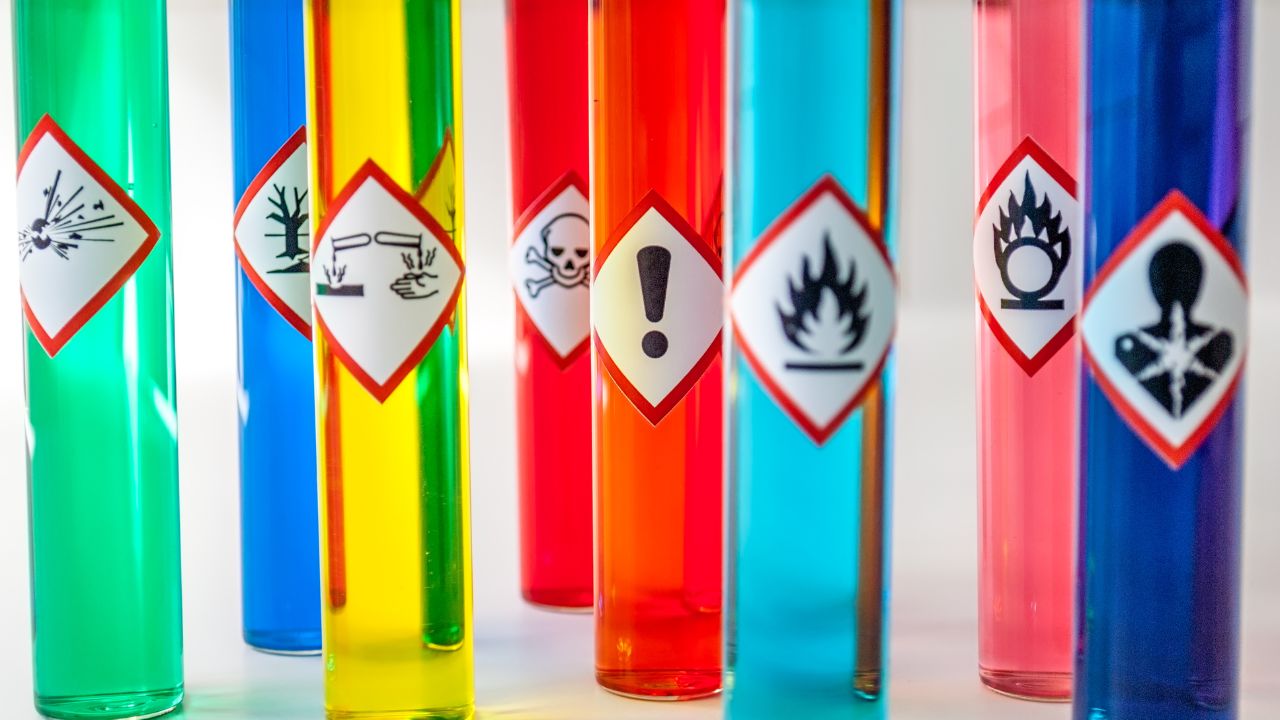
PFAS “Forever Chemicals”
Source: Industrial contamination, legacy firefighting foam use, and consumer products. PFAS chemicals persist indefinitely in the environment and accumulate in the human body over time.
Health Effects: Increased risk of kidney and testicular cancer, liver damage, immune system dysfunction, endocrine disruption, developmental delays in children, and cardiovascular disease.
Current Status: Multiple PFAS detected in Buffalo’s system including PFOA (11x health guidelines), PFOS (3.5x guidelines), and PFHxS (400x guidelines). The EPA’s April 2024 PFAS MCL rule sets enforceable limits of 4 ppt for PFOA and PFOS individually, with compliance required by 2027. No level of PFAS exposure is considered safe. NSF Standard 58 reverse osmosis systems offer the most effective residential PFAS removal.
Disinfection Byproducts
Source: Formed when chlorine disinfectant reacts with naturally occurring organic matter in Lake Erie source water during the treatment process at Colonel Ward plant.
Health Effects: Increased cancer risk (particularly bladder cancer), reproductive harm including miscarriage, and developmental problems with long-term prenatal exposure.
Current Levels: Total trihalomethanes at 259x health guidelines; haloacetic acids at 372x health guidelines; bromodichloromethane at 178x guidelines individually. These levels remain among the most significant contamination concerns in Buffalo’s system and are not expected to decrease without major treatment process changes. A quality activated carbon filter can substantially reduce disinfection byproduct exposure at the tap.
Carcinogens
Source: A combination of industrial contamination from Buffalo’s legacy manufacturing sector and natural occurrence in the Lake Erie watershed and underlying geology.
Health Effects: Increased risk of lung, skin, and bladder cancers from arsenic; increased risk of stomach and other cancers from chromium-6; both are potent carcinogens with no established safe exposure threshold.
Current Status: Arsenic detected at 67x health guidelines; chromium-6 (hexavalent chromium) detected at 3.5x health guidelines. The EPA has not yet set a specific MCL for chromium-6 separately from total chromium, though regulatory review is ongoing. For context on how these levels compare statewide, see our New York water quality overview or the Rochester water quality report.
Please read – our information
The information presented on cleanairandwater.net is compiled from official water quality reports, trusted news sources, government websites, and public health resources. While we strive for accuracy and thoroughness in our presentations, we are not scientists, engineers, or qualified water quality professionals.
Our mission is to present water quality information in an accessible, real-world format that helps people understand what’s in their water and make informed decisions about their health and safety. We believe that complex environmental information should be available to everyone in a format that’s easy to understand.
We make every effort to ensure our content is current and accurate, but we cannot guarantee that all information is complete or error-free. This website should not replace official communications from your local water utility or health department. We always recommend consulting official sources for the most up-to-date information regarding your specific water system.
Clean Air and Water is not liable for any unintentional errors, omissions, or outdated information. The content on this site is provided for informational purposes only and should not be considered professional advice.