Irvine Water Quality at a Glance
minor concerns
Is Irvine Water Safe to Drink?
Yes, With High Confidence — Irvine Ranch Water District (IRWD) delivers exceptionally safe drinking water that meets or exceeds all federal and state standards. IRWD’s water has no detectable PFAS and already meets EPA’s 2031 compliance standards — years ahead of schedule. In September 2025, IRWD and the Orange County Water District completed a new PFAS treatment facility, bringing a previously shuttered well back into service. Primary ongoing concerns are chromium-6 (averaging around 240 ppt) and disinfection byproducts (71 ppb TTHMs). Water is sourced from local groundwater (65%) and imported water (35%), with over 250,000 annual laboratory tests. For context on PFAS statewide, see our California water quality overview.
⚠️ Key Points for Irvine Residents in 2026
- PFAS-Free Delivery: IRWD delivers zero detectable PFAS — already meeting EPA’s enforceable 4 ppt MCL for PFOA/PFOS, with the system compliance deadline now set at 2031. A new OCWD/IRWD PFAS treatment facility was completed in September 2025, enabling a previously shut-down well to re-enter service.
- Chromium-6 Monitoring: Average 240 ppt — approximately 12 times higher than California’s public health goal of 20 ppt; not federally regulated but monitored annually. Consider a reverse osmosis filter for drinking water.
- Disinfection Byproducts: Total trihalomethanes at 71 ppb — within federal limits (80 ppb) but above health guidelines; formed from chloramine treatment of imported water.
- Former El Toro Marine Base: Ongoing groundwater cleanup of TCE and legacy PFAS near Irvine continues; IRWD actively monitors and treats for any impacts on the local supply.
Read the full 2026 report below for detailed analysis, source information, and recommendations for Irvine residents. Check the live boil water notices tracker for any current Orange County advisories.
Advertisement — Report continues below
Great water report.
Here’s how to make it perfect.
Your water quality report shows strong results — and that’s genuinely good news. But even treated municipal water picks up residual chlorine, microplastics, and sediment between the treatment plant and your tap. A filter takes great water and makes it flawless.
✅ Improves taste, smell & clarity — removes residual chlorine and sediment that reach your glass after treatment
✅ NSF/ANSI 42, 58 & 372 certified — independently tested, not just manufacturer claims
✅ Installs in 30 minutes, no plumber — fills a glass in 8 seconds, smart LED filter monitor
Renting or can’t drill? The Waterdrop K19 Countertop RO — plug in, fill the tank, done. No installation, no drilling, no plumber.
Advertisement — this page contains affiliate links. If you buy through these links, we may earn a commission at no extra cost to you.

Irvine, California Water Quality Report 2026: PFAS Testing, Infrastructure & Safety
Irvine Ranch Water District (IRWD) provides comprehensive water and sewer services to over 400,000 residents across 200 square miles in central Orange County, including all of Irvine and portions of Costa Mesa, Lake Forest, Newport Beach, Orange, and Tustin. Established in 1961 as an independent California special district, IRWD operates with more than 140,000 connections and delivers high-quality drinking water through an advanced distribution system. IRWD sources its drinking water from two primary sources: approximately 65% from local groundwater wells in the Orange County Groundwater Basin (ranging from 400 to 2,000 feet deep), and 35% imported water purchased from the Metropolitan Water District of Southern California — originating from the Colorado River and Northern California via the State Water Project. IRWD’s diversified supply ensures reliability during droughts and emergencies while maintaining some of the lowest water rates in Orange County. In September 2025, IRWD and the Orange County Water District completed a new PFAS treatment facility, bringing a previously decommissioned well back into service following successful ion exchange treatment. For statewide context, see our California water quality overview; for nearby comparison, see our Los Angeles and San Diego reports.
Irvine Water Quality: Current Status (2025–2026)
Latest Testing Results
- Lead and Copper Monitoring: IRWD completed its EPA-required lead service line inventory in September 2024, confirming no lead or galvanized-requiring-replacement service lines exist anywhere in the distribution system. Lead levels at the 90th percentile test below 5 parts per billion — well under EPA’s 15 ppb action level.
- Testing Scope: IRWD conducts over 250,000 water quality tests annually through its state-certified laboratory, sampling more than 100 routine points throughout the system. The 2025 Water Quality Report confirms continued compliance across all regulated parameters. See our U.S. water quality data page for national comparison.
- Compliance Status: IRWD’s water meets or exceeds all federal and state drinking water standards, including California’s regulations — which are among the most stringent in the nation and in many cases exceed federal requirements.
Water Sources
- Local Groundwater Wells: Primary source (approximately 65% of supply) drawn from high-quality wells in the Orange County Groundwater Basin, Irvine sub-basin, and Lake Forest sub-basin, managed by the Orange County Water District.
- Imported Water: Secondary source (35% of supply) purchased from the Metropolitan Water District of Southern California, originating from the Colorado River and Northern California via the State Water Project aqueduct system.
- Source Water Protection: Comprehensive monitoring programmes include the Orange County Water District’s ongoing groundwater quality management and regional collaboration for watershed protection, including active remediation of legacy PFAS from the former El Toro Marine Corps Air Station.
Advanced Treatment Technology
- Metropolitan Treatment: Imported water is treated at MWD’s Diemer Filtration Plant in Yorba Linda using advanced multi-barrier treatment including chloramines for effective disinfection with lower disinfection byproduct formation than chlorine alone.
- Groundwater Quality: Local wells produce naturally high-quality water requiring minimal treatment. Where PFAS has been identified, IRWD has installed ion exchange treatment systems to remove contaminants before distribution.
- New PFAS Treatment Facility (2025): In September 2025, IRWD and the Orange County Water District completed a new groundwater treatment system using ion exchange technology. A well shut down in 2018 after PFOA (14.8 ppt) and PFOS (22.8 ppt) were detected was successfully brought back into service — strengthening local supply reliability while maintaining PFAS-free delivery to all customers. IRWD already meets the EPA’s enforceable 4 ppt MCL for PFOA/PFOS, years ahead of the 2031 compliance deadline.
Infrastructure Modernisation
- State-Certified Laboratory: IRWD operates one of the best-equipped water quality laboratories in Southern California, with cutting-edge testing equipment and certified staff conducting comprehensive water analysis year-round.
- Recycled Water Innovation: IRWD’s pioneering recycled water programme provides approximately 28% of total supply for irrigation and industrial use. The distinctive “Irvine Purple” recycled water pipes originated with IRWD and are now recognised worldwide as a model for sustainable water management.
- Smart Water Management: Advanced monitoring systems across the distribution network, combined with an allocation-based conservation rate structure, reward efficient use and help maintain some of the lowest water rates in Orange County. Check for live local alerts on our U.S. boil water notices tracker.
Customer Protection Initiatives
IRWD provides exceptional customer service through 24/7 emergency assistance at 949-453-5300, comprehensive annual water quality reporting, and transparent monitoring results published at IRWD.com/water-quality. The district offers free water conservation devices, home and business water audits, landscape workshops, and educational tours. IRWD’s allocation-based rate structure gives customers a reasonable monthly water budget based on household size and landscaped area — lower costs reward efficient use. The district’s commitment to innovation and customer satisfaction has earned consistent recognition as a top-rated water utility in the Western United States. The September 2025 completion of the new PFAS treatment facility with OCWD marks a significant milestone in proactive water quality protection for the region. Irvine residents wanting additional peace of mind regarding chromium-6 or disinfection byproducts can find filter options on our water filter solutions page. Stay informed via water alert news.
Recommendations for Irvine Residents
Monitor Your Water Quality
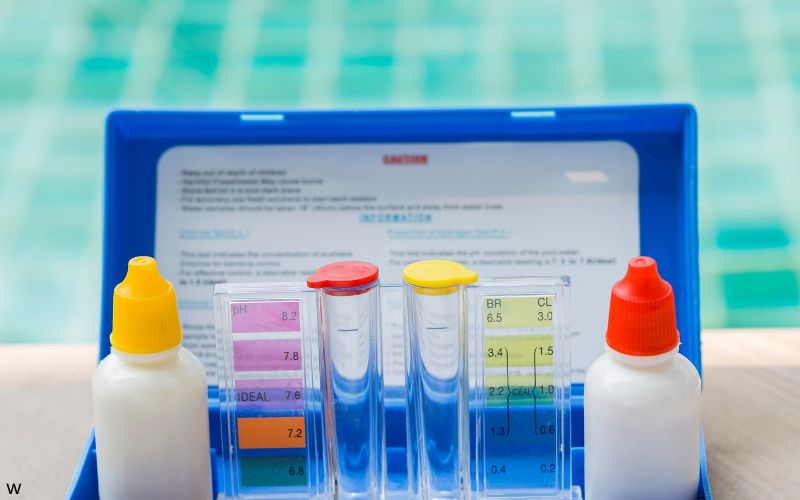
Contact IRWD Customer Service at 949-453-5300 for water quality concerns including taste, odour, or appearance issues. Download the annual Water Quality Report at IRWD.com/water-quality or email info@IRWD.com to request a copy. Track live local advisories on our U.S. boil water notices tracker and read the latest updates in water alert news.

Use Water Efficiently
Take advantage of IRWD’s free water conservation devices, home water audits, and landscape workshops. Stay within your monthly allocation to benefit from the budget-based rate structure that rewards efficient use and keeps bills low. For broader conservation context, see our California water quality overview.
Consider Home Filtration
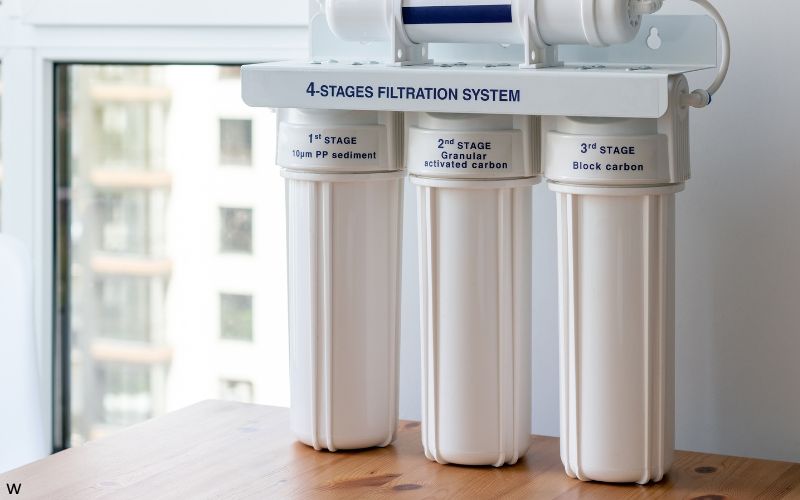
While IRWD’s water meets all safety standards, an NSF-certified reverse osmosis system can further reduce chromium-6 and disinfection byproducts for drinking and cooking water. This is especially worth considering for households with pregnant women, young children, or immunocompromised individuals. See our recommended water filters for options suited to Irvine’s water profile.
Explore Recycled Water
Consider IRWD’s award-winning recycled water programme for landscape irrigation — it conserves potable water and can reduce costs. Contact IRWD to learn about availability in your area and dual-plumbing opportunities. IRWD’s recycled water system, recognised worldwide as a model for sustainable water management, supplies around 28% of total district supply.

24/7 Customer Support
Contact IRWD Customer Service at 949-453-5300 for 24-hour emergency assistance, billing questions, service start/stop, or water quality concerns. Visit IRWD.com for online account management and educational resources. Report any urgent issues and check our live boil water notices tracker for active advisories.
Frequently Asked Questions
Is Irvine’s tap water safe to drink in 2026?
Yes — IRWD’s tap water is safe and meets or exceeds all federal and state drinking water standards. California’s drinking water regulations are among the most stringent in the nation and often supersede federal requirements. IRWD publishes its annual Water Quality Report, and the 2025 report confirms full compliance across all regulated parameters.
IRWD’s state-certified laboratory performs over 250,000 tests annually from more than 100 sampling points. The district sources high-quality local groundwater and treated imported water, both subject to rigorous monitoring. In September 2025, IRWD and the Orange County Water District completed a new ion exchange PFAS treatment facility — returning a decommissioned well to service and further strengthening supply security. For national context on water safety, visit our U.S. water quality data page.
Why does water hardness vary in my area?
Water hardness varies depending on your location within IRWD’s service area and the time of year, reflecting the blend of sources in use:
1. Local groundwater: Moderately hard with relatively lower mineral content
2. Colorado River water: Hard, with higher dissolved mineral content
3. Northern California water: Also typically hard
IRWD blends these sources throughout the year based on supply conditions. While hardness doesn’t affect safety, it can cause scale on fixtures and spotting on dishes. Some residents consider water softening systems or a reverse osmosis filter for drinking water. Check your current Water Quality Report for specific hardness levels, and see our filter guide for options.
Does IRWD’s water contain PFAS in 2026?
No — IRWD’s delivered water contains no detectable PFAS. The district has been proactive on this issue for nearly a decade:
• Early action: When PFAS was first detected in an Orange County well in 2018, IRWD immediately took it out of service
• New treatment facility (2025): In September 2025, IRWD and the Orange County Water District completed a new ion exchange PFAS treatment system, enabling the decommissioned well — which had tested at 14.8 ppt PFOA and 22.8 ppt PFOS — to re-enter service
• Ahead of schedule: IRWD already meets EPA’s enforceable 4 ppt MCL for PFOA and PFOS, with the national system compliance deadline now extended to 2031
• Ongoing monitoring: Continuous testing ensures no PFAS reaches customers through any part of the distribution system
IRWD customers can be confident their drinking water is PFAS-free. For broader national PFAS context, see our U.S. water quality data page.
How does IRWD’s allocation-based billing work?
IRWD uses a budget-based water rate structure designed to reward efficient use and keep costs low for conservation-minded customers:
Your Water Budget:
• Each customer receives a monthly allocation based on household size, landscaped area, and local weather conditions
• The allocation is designed to meet reasonable household needs while encouraging conservation
Rate Tiers:
• Within budget (0–100%): Lower rate for efficient use
• Over budget (101%+): Higher rates, reflecting the additional cost of purchasing imported water
This system keeps bills low for efficient users while fairly covering the higher cost of excess demand. Contact IRWD at 949-453-5300 for a personalised rate estimate or to understand your specific allocation.
Quality News About Your Water
Get the comprehensive water quality news coverage you need with our dedicated US Water News Service. From coast to coast, we deliver in-depth reporting and expert analysis on PFAS contamination, EPA regulatory changes, infrastructure developments, and emerging water safety issues affecting communities nationwide. While mainstream media only covers the biggest stories, we provide the detailed, ongoing coverage that helps you understand the full scope of America’s water challenges.
What’s actually in your tap water? Enter your ZIP code for a full breakdown of contaminants detected in your local supply
Drinking water from a well? Check our directory here for more information
Contaminants of Concern
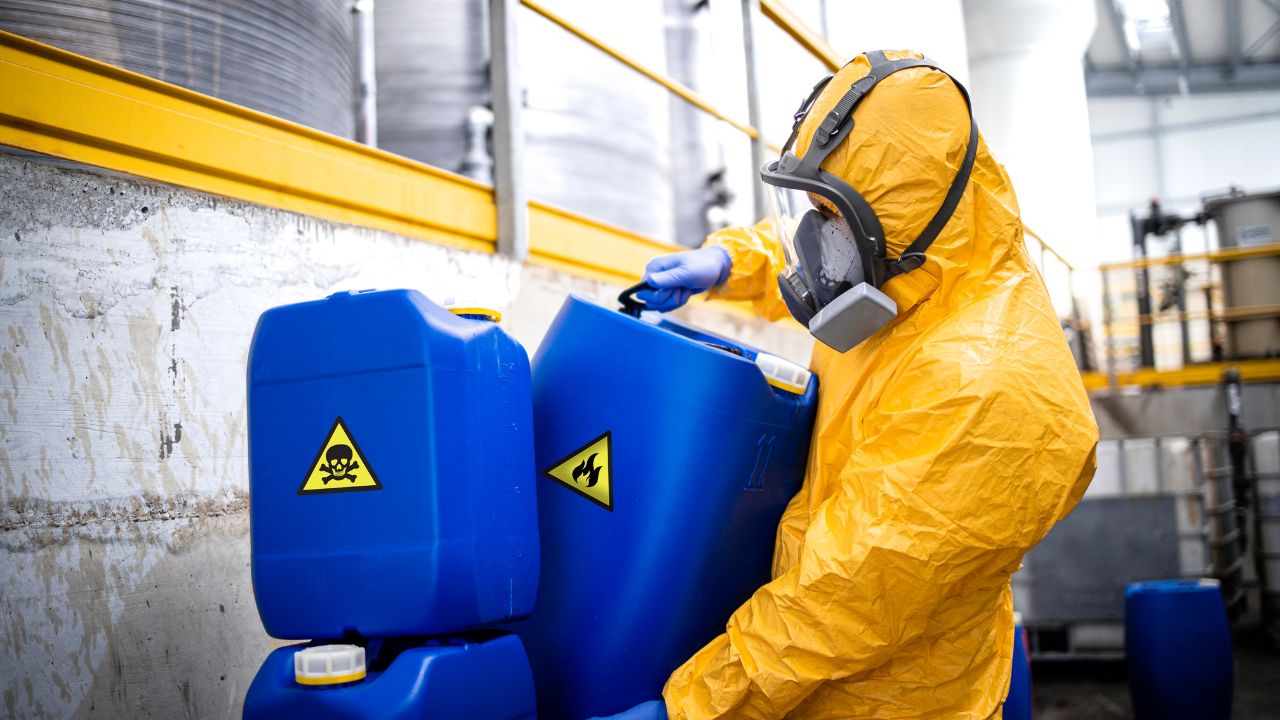
Chromium-6 (Hexavalent Chromium)
Source: Industrial pollution and natural geological occurrences in groundwater; historically associated with steel manufacturing, aerospace, and electroplating operations in the Southern California region.
Health Effects: Classified as a carcinogen; long-term exposure linked to elevated cancer risk and potential respiratory, gastrointestinal, and immune system effects.
Current Levels: Irvine’s tap water averages approximately 240 parts per trillion (ppt), with individual samples reaching up to 720 ppt — around 12 times higher than California’s public health goal of 20 ppt. Regulatory Status: No federal MCL established; monitored and reported annually. A reverse osmosis home filter is the most effective way to reduce chromium-6 at the tap.
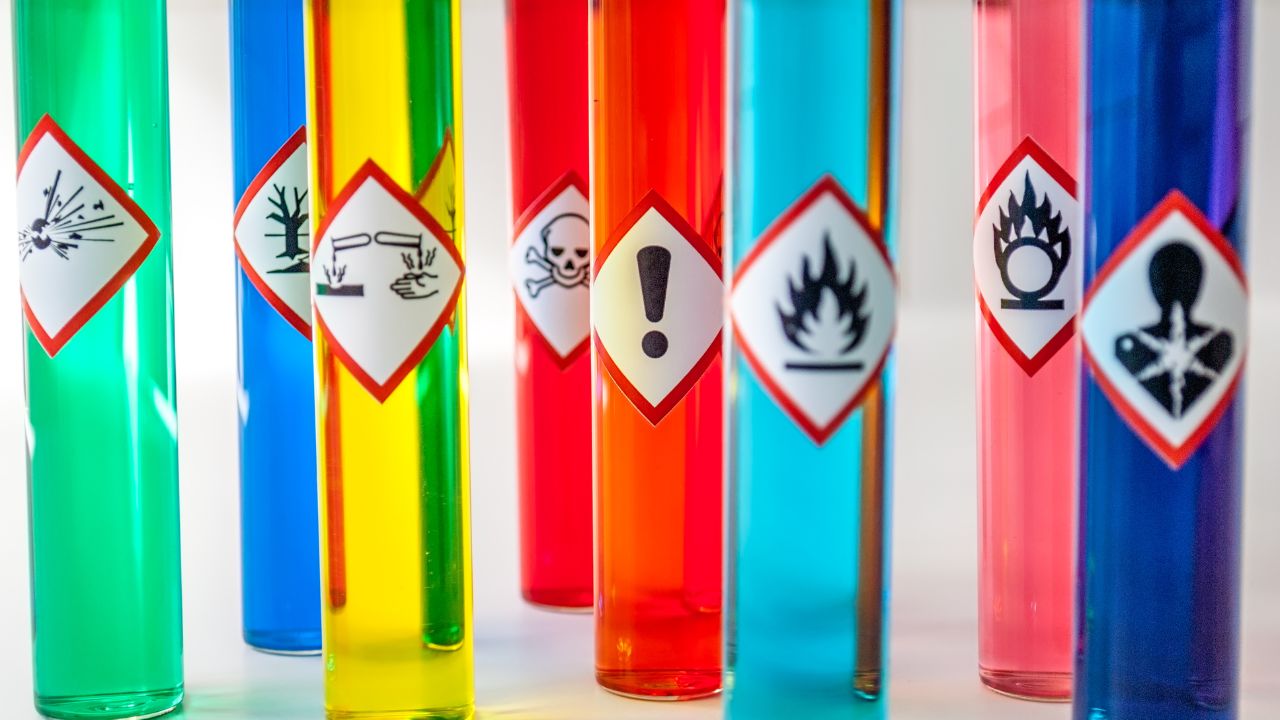
Disinfection Byproducts
Source: Formed when chloramines (used in imported water treatment at MWD’s Diemer Plant) react with naturally occurring organic matter in source water; measured as total trihalomethanes (TTHMs) and haloacetic acids (HAA5).
Health Effects: Long-term exposure to elevated levels may increase risk of bladder cancer and can affect liver, kidney, and central nervous system function; some concern for pregnancy outcomes at higher exposures.
Current Levels: Total trihalomethanes at 71 ppb — within EPA’s 80 ppb MCL but above some independent health guidelines. Monitored quarterly throughout the distribution system. EPA Limits: 80 ppb for TTHMs; 60 ppb for HAA5. An NSF Standard 53-certified filter can reduce DBPs at the tap for added peace of mind. For national DBP context, see our U.S. water quality data page.
Please read – our information
The information presented on cleanairandwater.net is compiled from official water quality reports, trusted news sources, government websites, and public health resources. While we strive for accuracy and thoroughness in our presentations, we are not scientists, engineers, or qualified water quality professionals.
Our mission is to present water quality information in an accessible, real-world format that helps people understand what’s in their water and make informed decisions about their health and safety. We believe that complex environmental information should be available to everyone in a format that’s easy to understand.
We make every effort to ensure our content is current and accurate, but we cannot guarantee that all information is complete or error-free. This website should not replace official communications from your local water utility or health department. We always recommend consulting official sources for the most up-to-date information regarding your specific water system.
Clean Air and Water is not liable for any unintentional errors, omissions, or outdated information. The content on this site is provided for informational purposes only and should not be considered professional advice.