Rochester Water Quality at a Glance
Is Rochester Water Safe to Drink?
Generally Safe With Notable Caveats — Rochester met all federal and state standards in 2024 with zero violations, and the Hemlock Filtration Plant holds the Partnership for Safe Water Director’s Award. However, 8 contaminants exceed EWG health guidelines, primarily disinfection byproducts: TTHMs at 48.4 ppb (323x the EWG guideline), chloroform at 35.7 ppb (89x guideline), and HAA5s at 28.5 ppb. No PFAS were detected. An active lead service line replacement programme replaced 2,395 services in 2024 alone, targeting full completion by 2030.
⚠️ Key Concerns for Rochester Residents
- Disinfection Byproducts: Chloroform at 89x EWG health guideline; multiple trihalomethanes and haloacetic acids exceed health guidelines while staying within federal limits
- Cancer Risk Contaminants: TTHMs at 323x EWG guideline; radium detected above guideline; multiple compounds linked to bladder cancer and liver damage with long-term exposure
- Lead Service Lines: 2,395 lead-containing services replaced in 2024 — programme ongoing with 2030 target; older homes may still be at risk. Check your address here
- No PFAS Detected: A positive finding — 2024 UCMR5 testing found no detectable PFAS compounds in Rochester’s supply from either Hemlock/Canadice Lakes or Lake Ontario sources
Read the full report below for detailed analysis, lead service line information, and filter recommendations for Rochester residents.
advertisment – report continues below
Your water passed the test.
Legal isn’t the same as safe.
Regulated contaminants like PFAS, chromium-6, and disinfection byproducts can sit inside the legal limit and still carry long-term health risks. Passing isn’t the same as clean.
✅ Removes PFAS, lead & chromium-6 — the contaminants most flagged even in passing city reports
✅ NSF/ANSI 42, 58 & 372 certified — independently tested, not just manufacturer claims
✅ Installs in 30 minutes, no plumber — fills a glass in 8 seconds, smart LED filter monitor
Renting or can’t drill? The Waterdrop K19 Countertop RO — plug in, fill the tank, done. No installation, no drilling, no plumber.
Advertisement — this page contains affiliate links. If you buy through these links, we may earn a commission at no extra cost to you.
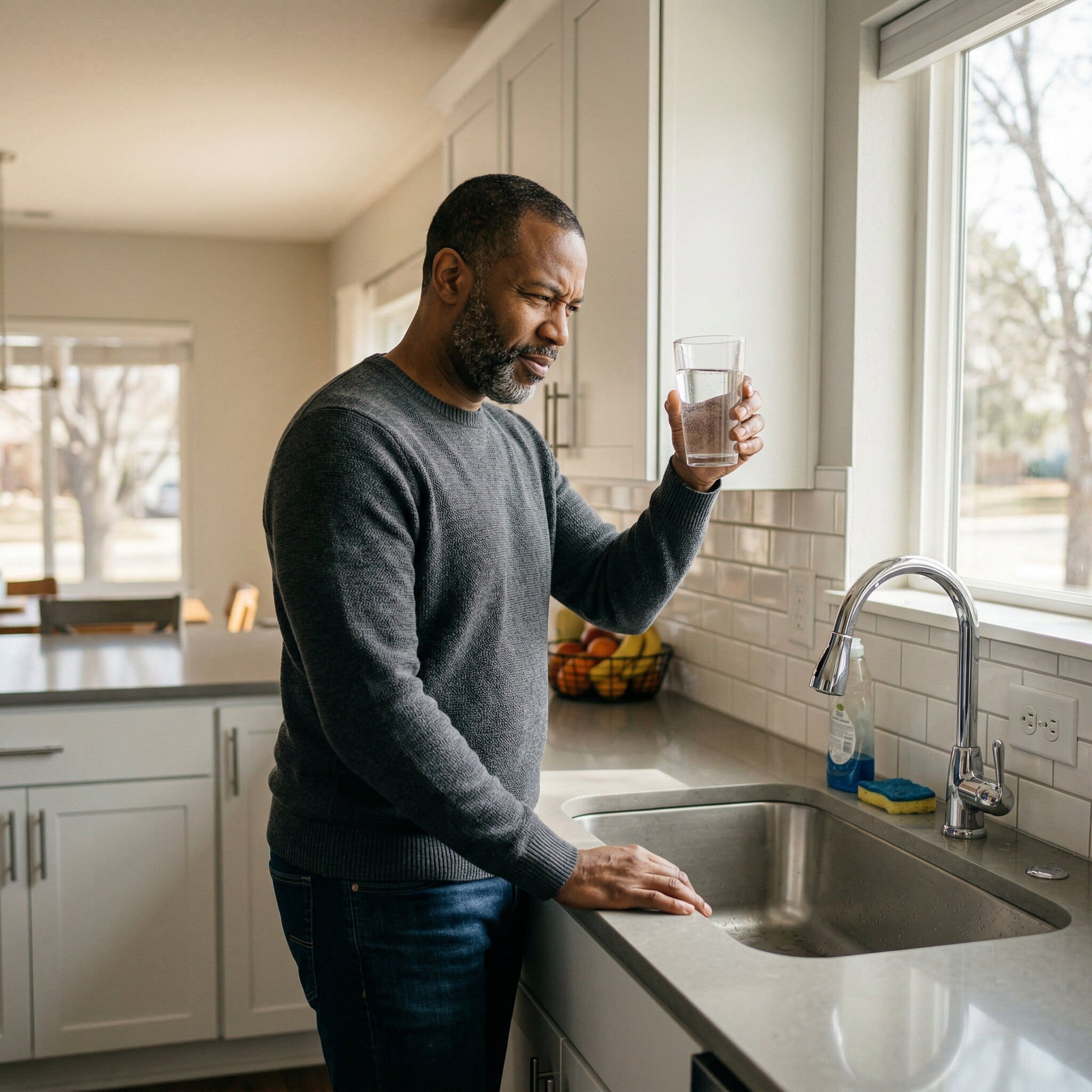
Rochester, New York — Water Quality Report 2026: PFAS Testing, Lead Service Lines & Safety for Rochester Residents
Rochester Water Bureau serves approximately 210,000 residents throughout the city and partners with surrounding communities including the Livingston County Water & Sewer Authority (LCW&SA), Monroe County Water Authority (MCWA), and the Village and Town of Lima. Since 1876, Rochester has built its reputation around pristine source water from the protected Hemlock and Canadice Lakes, located 28 miles south of the city in the Finger Lakes region. The system encompasses over 600 miles of water distribution lines, three storage reservoirs, and the advanced Hemlock Filtration Plant — delivering an average of 37 million gallons of drinking water daily.
Rochester’s primary source water comes from Hemlock Lake (used since 1876) and Canadice Lake (added 1919), both within the nearly 7,000-acre Hemlock-Canadice State Forest watershed. Lake Ontario water from MCWA’s Shoremont Treatment Plant supplements supply when needed. Rochester’s 2024 Water Quality Report confirmed full compliance with all EPA and New York State Department of Health (NYSDOH) standards, with zero violations. The city invested more than $17 million in system improvements in 2024 and replaced 2,395 lead-containing services as part of its ongoing lead elimination programme. For statewide context, see our New York state water quality report.
Rochester Water Quality: Current Status (2025–2026)
Latest Testing Results (2024 Data)
- Federal Compliance: Rochester’s water met or exceeded all EPA and NYSDOH drinking water standards in 2024 — zero violations recorded. The city’s 2024 Water Quality Report confirms continued regulatory compliance across all tested parameters, with over 200 contaminants screened.
- Disinfection Byproducts: Independent testing data shows 8 contaminants exceed EWG health guidelines. Total trihalomethanes (TTHMs) were detected at 48.4 ppb (EPA limit 80 ppb; EWG health guideline 0.15 ppb), and haloacetic acids (HAA5s) at 28.5 ppb (EPA limit 60 ppb). Chloroform was detected at 35.7 ppb. All remain within federal legal limits. Use our water quality checker for local data.
- PFAS — No Detection: 2024 UCMR5 monitoring found no detectable PFAS compounds in Rochester’s water from either the Hemlock/Canadice Lakes or the Lake Ontario supplemental sources. This is a strong positive result given that many New York utilities are grappling with PFAS issues.
- Award-Winning Performance: Rochester’s Hemlock Filtration Plant has held the Partnership for Safe Water “Director’s Award for Filtration Plants” for 22 consecutive years, recognising treatment excellence that routinely exceeds regulatory requirements.
Water Sources
- Hemlock Lake: Primary source since 1876, located 28 miles south of Rochester within the protected 7,000-acre Hemlock-Canadice State Forest watershed. NY State’s Source Water Assessment Programme found contamination from human activity in this watershed to be negligible.
- Canadice Lake: Secondary source added in 1919 within the same protected watershed, providing additional capacity and system redundancy. Both lakes benefit from the absence of industrial or intensive agricultural activity in their catchment areas.
- Lake Ontario Supplement: Water purchased from Monroe County Water Authority (MCWA), treated at their Shoremont Treatment Plant on Dewey Avenue, supplements supply during peak periods. Some areas of the city receive MCWA water or a blend of both sources.
Advanced Treatment Technology
- Hemlock Filtration Plant: State-of-the-art direct filtration facility with 48 million gallons per day capacity, using coagulation, filtration, chlorine disinfection, and fluoridation. Treated water flows to the city by gravity through three large 100-year-old transmission pipelines into three city storage reservoirs.
- Corrosion Control: Carbon dioxide is used to adjust water pH as part of the city’s corrosion control strategy, maintaining optimal pH to minimise metal leaching from household plumbing components.
- Reservoir Re-disinfection: Water is re-disinfected as it exits each of the three city reservoirs (including Cobbs Hill) before entering the distribution grid, maintaining microbial safety throughout the 600+ mile system.
Infrastructure Modernisation (2024)
- Lead Service Line Replacement: 2,395 lead-containing water services were replaced in 2024, continuing Rochester’s aggressive programme to eliminate all lead service lines by 2030 at no cost to property owners. Check your service line material at maps.cityofrochester.gov/propinfo.
- Capital Investment: More than $17 million was invested in system improvements in 2024, covering the Hemlock Filtration Plant, transmission system, distribution system, reservoirs and dams. This included replacing 2,970 feet of water main and cleaning and lining 4.5 miles of water main.
- Plant Automation & Security: Ongoing improvements to filtration plant automation controls, backup power systems, and physical and cyber security components were completed in 2024, modernising operational resilience.
Customer Protection Initiatives
Rochester Water Bureau provides comprehensive customer support through the “Let’s Get The Lead Out Together” initiative offering free water testing, lead service line replacement assistance, and transparent annual reporting. The Water Bureau team of over 120 professionals — including more than 40 NYSDOH-certified operators — maintains 24/7 emergency response. Residents can contact the Hemlock Water Quality Lab at (585) 428-6680 ext 1, or reach customer service at 311 (city residents) or (585) 428-5990 from outside the city. While all legal standards were met in 2024, the presence of disinfection byproducts above EWG health guidelines means that residents concerned about long-term exposure should consider a carbon-block or reverse osmosis filter. See our water filter guide for options suited to disinfection byproduct removal. Stay updated on any active notices via our boil water notices tracker and water alert news.
Recommendations for Rochester Residents
Check Your Service Line
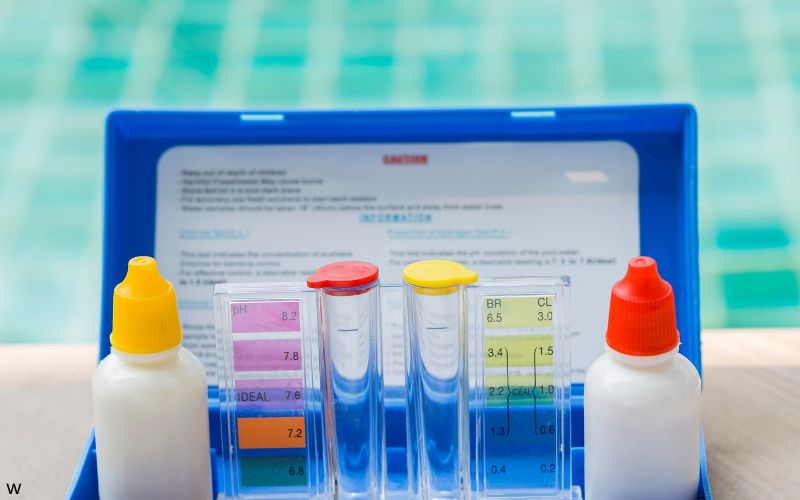
Use Rochester’s Property Information Application at maps.cityofrochester.gov/propinfo to look up your service line material. Contact the Hemlock Water Quality Lab at (585) 428-6680 ext 1 or watertest@cityofrochester.gov for free water testing if you have concerns about lead. Use our water quality tool for additional local data.
Practice Water Conservation
Take advantage of water conservation tips at dec.ny.gov/environmental-protection/water/water-quantity/wateruse-conservation. Simple fixes like repairing dripping faucets and garden hoses reduce stress on the environment and lower your water bill. Rochester’s system reinvests capital savings directly into infrastructure upgrades.
Consider NSF-Certified Filtration
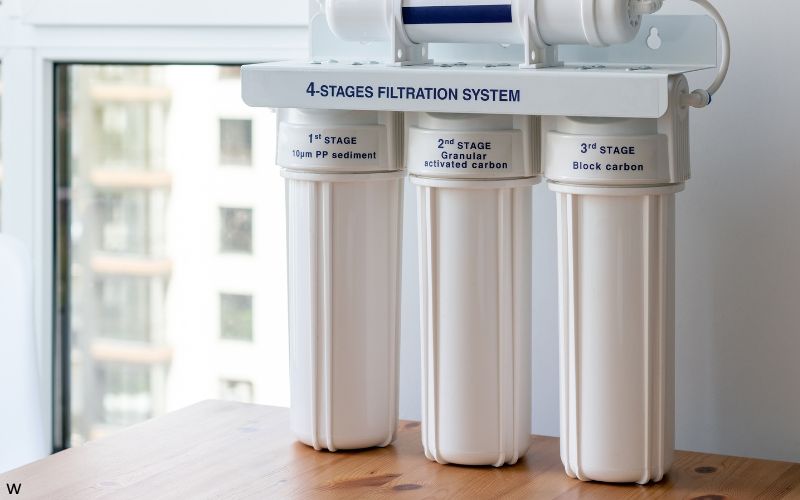
While Rochester’s water meets all federal standards, disinfection byproducts exceed EWG health guidelines. Homes with older plumbing should also consider lead protection. A carbon-block or reverse osmosis filter addresses both concerns. See our filter recommendations for the best options for Rochester households.
Learn About Lead Service Lines
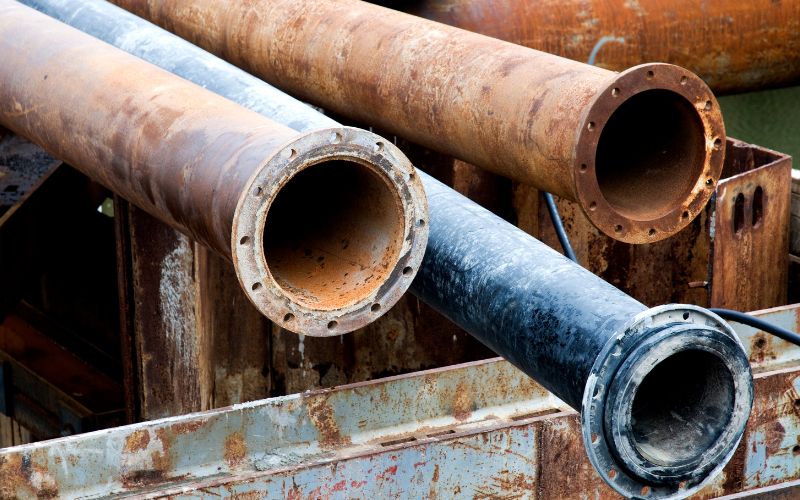
Visit cityofrochester.gov/lead to learn about Rochester’s lead service line replacement programme. The city replaced 2,395 lead-containing services in 2024 and is targeting full system-wide completion by 2030 at no cost to property owners. If your property still has a lead service line, run your cold tap for 2 minutes before using water for drinking or cooking.

Contact Customer Service
Call 311 (Rochester residents) or (585) 428-5990 from outside the city for water quality concerns or general questions. Emergency response is available 24/7 at (585) 428-7500. Check our live boil water notices tracker for any active advisories in the Rochester area.
Frequently Asked Questions
Is Rochester’s tap water safe to drink in 2026?
Yes, Rochester’s tap water is legally safe to drink. The city’s 2024 Water Quality Report recorded zero violations, meeting all EPA and NYSDOH standards. Rochester sources water from the pristine Hemlock and Canadice Lakes in a protected 7,000-acre watershed, and the Hemlock Filtration Plant holds the Partnership for Safe Water Director’s Award. No PFAS were detected in 2024 UCMR5 testing.
However, independent health guidelines from the Environmental Working Group flag 8 contaminants of concern — primarily disinfection byproducts. TTHMs were detected at 48.4 ppb (323x the EWG health guideline) and HAA5s at 28.5 ppb. These are within federal legal limits but above health-protective benchmarks. An active lead service line replacement programme also means older homes may still have lead service lines pending replacement — check your property at maps.cityofrochester.gov/propinfo and consider a home filter for additional protection.
What is Rochester doing about lead in water?
Rochester has one of the most active lead service line replacement programmes in New York State:
• 2024 Progress: 2,395 lead-containing water services replaced in 2024 alone — part of ongoing city-wide replacement efforts
• Target Completion: City-wide replacement of all lead service lines targeted by 2030 at no cost to property owners
• Free Testing: Free water testing available through the Hemlock Water Quality Lab at (585) 428-6680 ext 1 or watertest@cityofrochester.gov
• Check Your Property: Look up your service line material at maps.cityofrochester.gov/propinfo or use our water quality tool
• Interim Protection: Run cold water for 2 minutes before use if your service line is pending replacement; a certified lead-reducing filter provides additional protection
Why does my Rochester water sometimes taste different?
Occasional taste variations can result from several factors:
Seasonal Water Quality Changes: Natural variations in Hemlock and Canadice Lakes during heavy rainfall or seasonal transitions affect organic content, which in turn influences the level of chlorination byproducts.
Source Blending: Some areas receive Hemlock Lake water, MCWA Lake Ontario water, or a blend of both depending on demand and season — subtle taste differences can result from different mineral profiles.
Reservoir Re-disinfection: Water is re-disinfected as it exits each of the three city reservoirs, which can vary chlorine levels in different parts of the distribution system.
Home Plumbing: Water sitting in older pipes can pick up taste. Running the cold tap for a minute before use typically resolves this. If taste concerns persist, contact Rochester Water Bureau at 311 or (585) 428-5990. Keep an eye on our water alert news for any system-wide notices.
How is Rochester’s water tested for emerging contaminants?
Rochester conducts comprehensive monitoring for emerging contaminants across both its own supply and MCWA’s supplemental Lake Ontario water:
PFAS Testing: Under EPA’s UCMR5 programme, Rochester tested for PFAS compounds in 2024. The result was encouraging — no detectable PFAS were found in Rochester’s water supply, from either the Hemlock/Canadice Lakes or Lake Ontario sources. Rochester’s protected watershed is a key factor in this positive outcome.
Disinfection Byproducts: TTHMs and HAA5s are monitored quarterly. While legally compliant (TTHMs 48.4 ppb vs 80 ppb limit; HAA5s 28.5 ppb vs 60 ppb limit), both exceed EWG health guidelines and are worth addressing with a home carbon filter.
Comprehensive Screening: The city screened over 200 contaminants in 2024. The vast majority were not detected or found at very low levels. Rochester’s annual Water Quality Report is available at cityofrochester.gov/waterbureau.
Quality News About Your Water
Get the comprehensive water quality news coverage you need with our dedicated US Water News Service. From coast to coast, we deliver in-depth reporting and expert analysis on PFAS contamination, EPA regulatory changes, infrastructure developments, and emerging water safety issues affecting communities nationwide. While mainstream media only covers the biggest stories, we provide the detailed, ongoing coverage that helps you understand the full scope of America’s water challenges.
What’s actually in your tap water? Enter your ZIP code for a full breakdown of contaminants detected in your local supply
Drinking water from a well? Check our directory here for more information
Contaminants of Concern
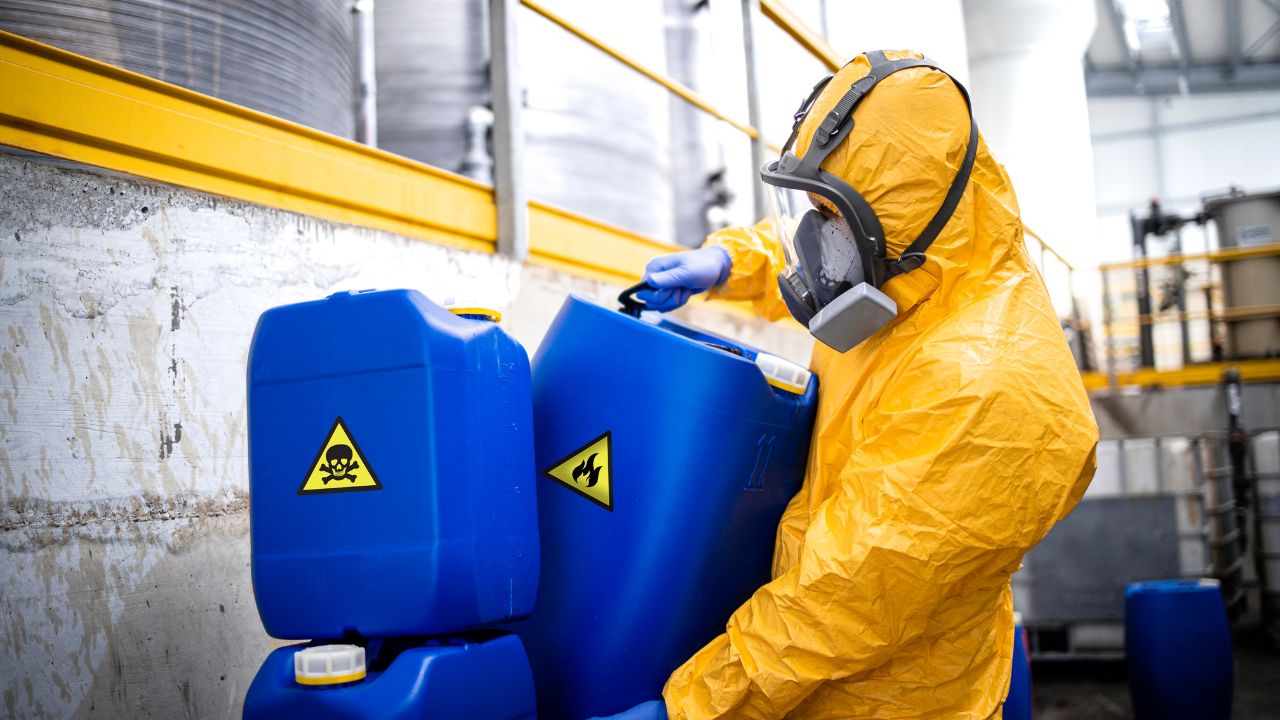
Disinfection Byproducts
Source: Formed when chlorine disinfectants react with naturally occurring organic matter in source water from Hemlock and Canadice Lakes; levels are monitored throughout the distribution system quarterly.
Health Effects: Long-term exposure to elevated levels may increase risk of bladder cancer and potentially affect liver, kidney, and central nervous system function. Chloroform and bromodichloromethane are associated with liver and kidney tumours in animal studies.
2024 Data: TTHMs 48.4 ppb average (323x EWG guideline; EPA limit 80 ppb). HAA5s 28.5 ppb average (285x EWG guideline; EPA limit 60 ppb). Chloroform 35.7 ppb (89x EWG guideline). All within federal legal limits. For effective removal, a carbon-block or reverse osmosis filter is recommended — see our filter guide.
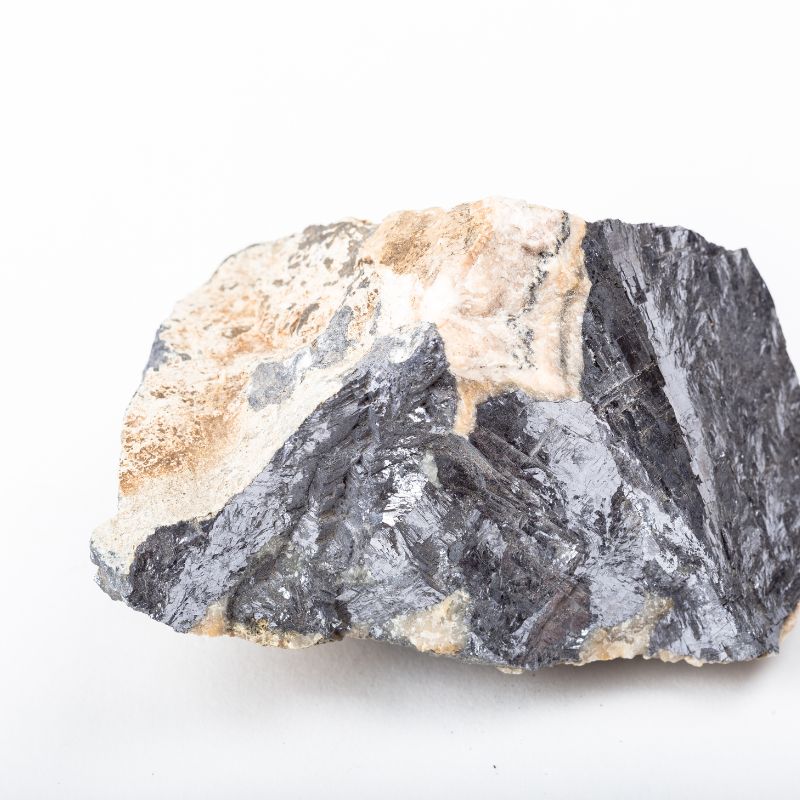
Lead from Service Lines
Source: Ageing lead service lines and household plumbing in older homes. Lead is not present in Rochester’s source water or distribution mains — it enters water only through lead service lines or lead-containing household plumbing.
Health Effects: Particularly harmful to children and pregnant women — no safe level of lead exposure exists. Effects include developmental delays, lowered IQ, and damage to kidneys and the nervous system.
2024 Status: Rochester meets EPA Lead and Copper Rule regulations. The city replaced 2,395 lead-containing services in 2024 and is targeting full elimination by 2030. EPA Action Level: 15 ppb. Check your service line at maps.cityofrochester.gov/propinfo or contact the Water Bureau for free testing.
PFAS Compounds
Source: Per- and polyfluoroalkyl substances from industrial processes, firefighting foams, and consumer products can enter water sources. Rochester’s protected Hemlock-Canadice State Forest watershed provides a strong natural barrier against these contaminants.
Health Effects: Research links PFAS to immune system suppression, thyroid disruption, elevated cholesterol, and possible links to certain cancers at higher concentrations.
2024 Result: No detectable PFAS found in Rochester’s water supply from either Hemlock/Canadice Lakes or supplemental Lake Ontario sources. EPA MCLs of 4 ppt for PFOA and PFOS took effect in 2024 — Rochester is fully compliant. See the New York state report for broader PFAS context across the state.
Please read – our information
The information presented on cleanairandwater.net is compiled from official water quality reports, trusted news sources, government websites, and public health resources. While we strive for accuracy and thoroughness in our presentations, we are not scientists, engineers, or qualified water quality professionals.
Our mission is to present water quality information in an accessible, real-world format that helps people understand what’s in their water and make informed decisions about their health and safety. We believe that complex environmental information should be available to everyone in a format that’s easy to understand.
We make every effort to ensure our content is current and accurate, but we cannot guarantee that all information is complete or error-free. This website should not replace official communications from your local water utility or health department. We always recommend consulting official sources for the most up-to-date information regarding your specific water system.
Clean Air and Water is not liable for any unintentional errors, omissions, or outdated information. The content on this site is provided for informational purposes only and should not be considered professional advice.