Oxnard Water Quality at a Glance
Is Oxnard Water Safe to Drink?
Generally Safe, But Room for Improvement — Oxnard water meets all federal and state standards and notably contains no detected PFAS (“forever chemicals”), confirmed by the city’s own testing programme. However, EWG analysis of California State Water Resources Control Board data reveals 13 contaminants exceeding health guidelines, including arsenic at 344 times the recommended level, plus multiple disinfection byproducts and heavy metals. The city serves approximately 196,000 residents with a blend of imported, regional, and local groundwater averaging 285 ppm hardness. See our water filter guide and California state water quality overview for broader context.
⚠️ Key Concerns for Oxnard Residents in 2026
- Arsenic Contamination: Detected at 1.38 ppb — 344 times the EWG health guideline of 0.004 ppb — from natural geological sources and possible agricultural influence; below EPA legal limit of 10 ppb
- Disinfection Byproducts: Total trihalomethanes at 23.7 ppb (158x EWG guideline) and haloacetic acids at 36.2 ppb (362x EWG guideline) from chlorine treatment; both below EPA regulatory limits
- Heavy Metals & Minerals: Chromium-6 detected at 11x EWG guidelines; uranium at 9.5x guidelines; nitrates from agricultural runoff at 14x EWG guidelines
- Good News: No PFAS detected in any source; Groundwater Desalter uses reverse osmosis which can remove PFAS if ever present; EPA compliance maintained in all quarters through 2024
Read the full report below for detailed analysis, city-specific data, and actionable recommendations for Oxnard residents.
Oxnard – California – Water Quality Report 2026: PFAS Testing, Infrastructure Concerns & Safety across your city
Oxnard Water Division provides water services to approximately 196,000 residents in Ventura County’s largest coastal city. The utility operates through a three-source blending strategy combining imported surface water from the State Water Project (via Calleguas Municipal Water District), regional groundwater from United Water Conservation District, and the city’s own local groundwater wells — the most recent supply data showing roughly 34% state water, 30% United Water, and 36% city groundwater. This flexible blending approach helps optimise water quality, manage seasonal supply variation, and reduce dependence on any single source.
A standout feature of Oxnard’s infrastructure is its Groundwater Desalter facility, operational since 2008, which uses reverse osmosis to treat brackish groundwater — removing excess salts, minerals, and any emerging contaminants before blending. The city’s official water quality page confirms that PFAS have not been detected in any Oxnard water sources, supported by the Desalter’s RO capability as a structural safeguard. For statewide context, see our California water quality overview, and check our live U.S. boil water notices tracker for any active local advisories.
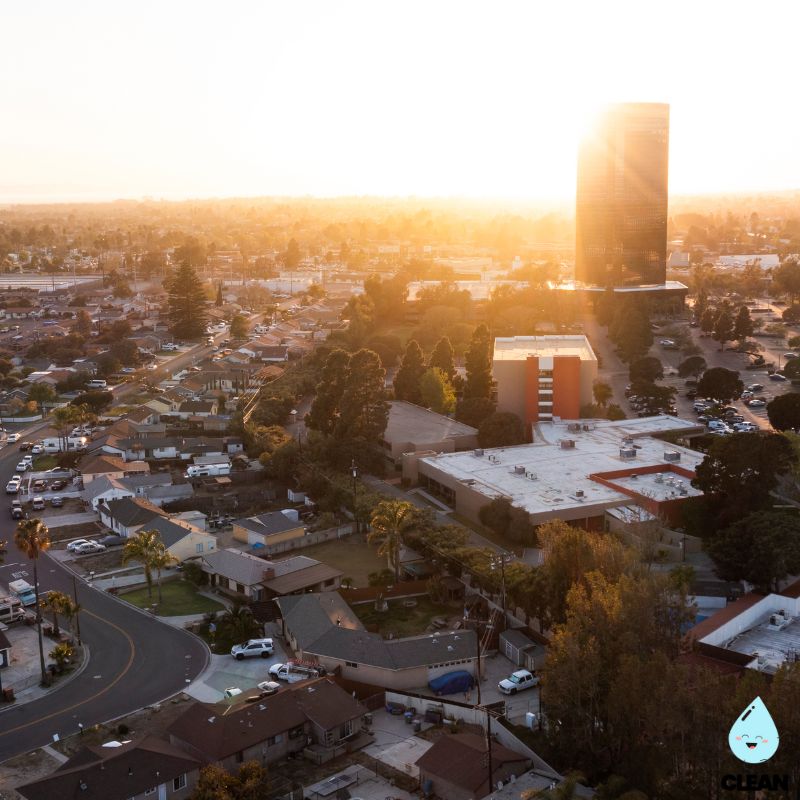
Oxnard Water Quality: Current Status (2025–2026)
Latest Testing Results
- PFAS Monitoring: Oxnard’s official water quality page confirms that PFAS contaminants have not been detected in any of the city’s water sources based on the most recent comprehensive testing. The Groundwater Desalter’s reverse osmosis technology provides an additional structural safeguard, capable of removing PFAS should they ever be detected. California’s State Water Resources Control Board issued General Order DW-2025-0002-DDW in 2025 requiring initial PFAS monitoring for community water systems — Oxnard continues monitoring in line with evolving state and federal requirements.
- EWG Testing Results: EWG analysis of California State Water Resources Control Board data (2018–2024) found 13 contaminants exceeding health guidelines in Oxnard’s tap water, including arsenic at 344 times the recommended level, disinfection byproducts, heavy metals, and nitrates — though all remain within federal legal limits. The most recent EPA compliance assessment (April–June 2024) confirmed the utility met all federal health-based standards.
- Lead and Copper: Oxnard maintains full compliance with EPA Lead and Copper Rule requirements. Unlike many Eastern U.S. cities, California has very few lead service lines — lead in Oxnard homes primarily arises from pre-1986 plumbing solder rather than service lines. Testing shows levels well below federal action limits, supported by corrosion control treatment and pH optimisation throughout the distribution system.
- Comprehensive Testing Programme: The city conducts hundreds of laboratory tests annually from sample points throughout the distribution system, consistently meeting or exceeding all California Division of Drinking Water and EPA water quality regulations. United Water Conservation District conducts thousands of tests annually for over 180 contaminants in the Oxnard-Hueneme Delivery System. For a national comparison of water quality metrics, see our U.S. water quality checker.
Water Sources — 2026 Supply Blend
- State Water Project (~34%): Imported surface water from Northern California delivered through Calleguas Municipal Water District, treated at either the Metropolitan Water District’s Joseph Jensen Filtration Facility or Calleguas’ Lake Bard Water Filtration Plant before delivery to Oxnard.
- Regional Groundwater (~30%): United Water Conservation District supplies approximately 15,000 acre-feet per year through the Oxnard-Hueneme Pipeline, sourcing water from Santa Clara River diversions and spreading grounds for aquifer recharge. United tests for over 180 constituents annually.
- City Groundwater (~36%): City wells extract water directly from the Oxnard Plain Upper and Lower Aquifer Systems, with a portion treated through the Groundwater Desalter facility before blending at strategic distribution points. The Fox Canyon Groundwater Management Agency oversees sustainable groundwater extraction under California’s SGMA requirements.
Advanced Treatment Technology
- Groundwater Desalter: State-of-the-art reverse osmosis facility operational since 2008, capable of producing up to 7.5 million gallons per day. Removes excess salts, minerals, and potential emerging contaminants including PFAS. The Desalter produces soft water (low hardness) that is then blended with harder groundwater and imported sources to achieve the city’s average of approximately 285 ppm hardness.
- Multi-Source Blending: Strategic blending stations throughout the distribution network optimise water quality, cost, and taste by combining treated water from all three sources. This also allows flexibility to increase Desalter output during drought conditions or supply disruptions.
- Aquifer Storage Recovery Project: The city is expanding recycled water treatment capacity through a $48 million EPA WIFIA-funded project targeting an increase of 14.4 million gallons per day, scheduled for completion in 2027. This will reduce dependence on imported State Water Project supplies and improve drought resilience.
Infrastructure Modernisation
- Groundwater Sustainability: Partnership with Fox Canyon Groundwater Management Agency addresses historic overdraft and the risk of seawater intrusion into the Oxnard Plain aquifer. Sustainable groundwater management plans implemented under SGMA set extraction limits to protect long-term water security for this coastal agricultural region.
- Seawater Intrusion Management: United Water Conservation District is planning construction of iron and manganese treatment facilities for deep wells supplying the Oxnard-Hueneme Pipeline, improving operational flexibility and drought resilience in the regional supply network.
- Distribution System Improvements: Ongoing upgrades to the water distribution network including real-time monitoring systems and infrastructure replacements to maintain water quality from treatment plant to tap, particularly as the 2027 recycled water expansion progresses.
Customer Protection Initiatives
Oxnard Water Division provides extensive customer support through annual Consumer Confidence Reports, conservation partnership programmes with Calleguas and Metropolitan Water Districts, and proactive monitoring for emerging contaminants. The city’s official guidance explicitly states that PFAS have not been detected in any sources and that the Desalter’s reverse osmosis technology stands ready to address them if needed. Hard water information is clearly communicated to residents — at 285 ppm average, white spotting on glassware is common but poses no health risk. Residents with taste or quality concerns can contact the Water Service Center directly or review contaminant data in the annual CCR at oxnard.gov. For filter options matched to Oxnard’s contaminant profile — particularly arsenic and disinfection byproducts — see our water filter solutions guide. Stay updated on local water quality advisories via our water alert news feed.
Recommendations for Oxnard Residents
Monitor Water Quality
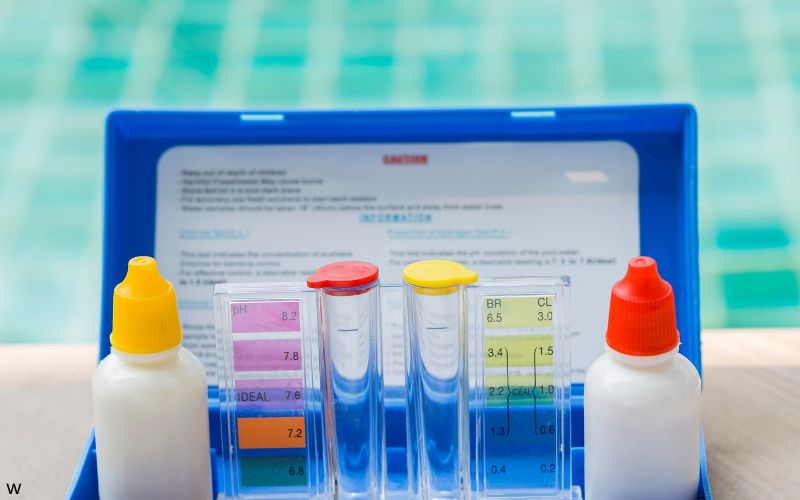
Review Oxnard’s annual Consumer Confidence Report at oxnard.gov/public-works/water/water-quality-reports for detailed water quality information and contaminant levels. Contact the Water Service Center at (805) 385-8136 with any questions about water quality, taste, odour, or pressure concerns. PFAS monitoring data and source water reports from Calleguas and United Water are also available through the city’s water quality pages. Stay informed about any local advisories via our water alert news feed.

Take Advantage of Rebates
Apply for water conservation rebates through Oxnard’s partnership with Calleguas and Metropolitan Water Districts. Available rebates include turf replacement (up to $3 per sq ft for drought-tolerant landscaping), high-efficiency toilet upgrades ($40–$65), smart irrigation controllers, and high-efficiency washing machines ($85+). Visit socalwatersmart.com or call (888) 376-3314 to apply online or get more information.
Consider Home Filtration
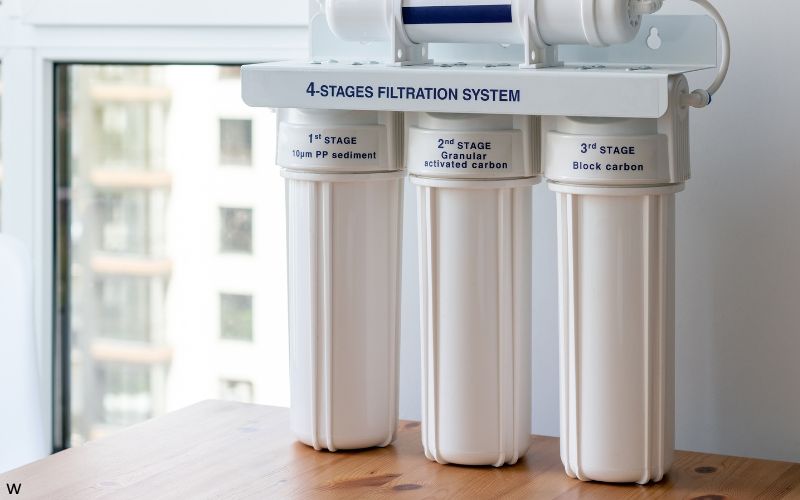
While Oxnard’s water meets all federal safety standards, NSF-certified reverse osmosis systems (Standard 58) effectively reduce arsenic, disinfection byproducts, chromium-6, uranium, and nitrates in one pass. For taste improvement and chlorine reduction only, an activated carbon filter (NSF Standard 42) is a lower-cost option. See our water filter solutions guide for recommendations matched to Oxnard’s specific contaminant profile.
Practice Water Conservation
Visit bewaterwise.com for conservation tips, water-wise landscaping guidance, and free landscape design classes. Use the online water calculator to determine appropriate irrigation amounts for your garden and soil type. As a Ventura County coastal city reliant on imported State Water Project supplies and increasingly constrained local groundwater, every gallon conserved strengthens Oxnard’s long-term water security.

Stay Informed
Contact Oxnard Water Service Center at (805) 385-8136 for billing, quality concerns, or to report any unusual taste, odour, or discolouration. Manage your account and pay online through the city’s secure portal at oxnard.gov. For real-time boil water advisories across the U.S., bookmark our live boil water notices tracker.
Frequently Asked Questions
Is Oxnard’s tap water safe to drink in 2026?
Yes, Oxnard’s tap water meets all California Division of Drinking Water and federal EPA standards. The most recent quarterly EPA compliance assessment (April–June 2024) confirmed the utility met all federal health-based standards, and PFAS have not been detected in any of Oxnard’s water sources.
However, EWG analysis of state testing data (2018–2024) identifies 13 contaminants exceeding independent health guidelines, including arsenic, disinfection byproducts, chromium-6, uranium, and nitrates — all below EPA legal limits but above levels that some scientists consider optimal for long-term health. Residents most concerned about these contaminants — particularly those with young children — should consider an NSF-certified reverse osmosis filter. See our filter guide for options suited to Oxnard’s water profile.
Where does Oxnard get its water?
Oxnard uses a three-source water supply strategy for resilience and quality:
1. State Water Project (~34%): Imported surface water from Northern California delivered through Calleguas Municipal Water District, treated at the Joseph Jensen Filtration Facility or Lake Bard Water Filtration Plant
2. Regional Groundwater (~30%): United Water Conservation District supplies approximately 15,000 acre-feet per year through the Oxnard-Hueneme Pipeline, with water sourced from Santa Clara River diversions and aquifer recharge spreading grounds
3. City Groundwater (~36%): City wells extract water from the Upper and Lower Aquifer Systems of the Oxnard Plain, with a portion treated through the reverse osmosis Groundwater Desalter before blending
This diverse supply portfolio underpins water security during drought periods and protects against supply disruptions from any single source. For wider California supply context, see our California water quality overview.
Are there PFAS “forever chemicals” in Oxnard’s water?
No — Oxnard’s official water quality page confirms that PFAS contaminants have not been detected in any of the city’s water sources based on the most recent comprehensive testing. This is a notable positive finding compared to many California water systems.
Oxnard’s Groundwater Desalter, which uses reverse osmosis technology, provides a structural safeguard capable of removing PFAS if they were ever detected in the local groundwater. California’s State Water Resources Control Board issued General Order DW-2025-0002-DDW requiring fresh PFAS monitoring across community water systems in 2025, and Oxnard continues monitoring in line with these evolving requirements. EPA’s PFOA and PFOS MCLs of 4 ppt remain enforceable with a compliance deadline now extended to 2031.
What conservation programmes are available in Oxnard?
Oxnard offers extensive water conservation programmes through partnerships with Calleguas and Metropolitan Water Districts:
Rebate Programmes:
• Turf replacement rebates (up to $3 per square foot for drought-tolerant landscaping)
• High-efficiency toilet rebates ($40–$65 per toilet)
• Smart irrigation controller rebates
• High-efficiency washing machine rebates ($85+)
Additional Resources:
• Free water use surveys for residential and commercial properties
• Landscape design classes and water-wise garden resources at bewaterwise.com
• Access to oxnard.gov for annual water quality reports and conservation guidance
Apply online at socalwatersmart.com or call (888) 376-3314 for more information and to check current rebate availability.
Quality News About Your Water
Get the comprehensive water quality news coverage you need with our dedicated US Water News Service. From coast to coast, we deliver in-depth reporting and expert analysis on PFAS contamination, EPA regulatory changes, infrastructure developments, and emerging water safety issues affecting communities nationwide. While mainstream media only covers the biggest stories, we provide the detailed, ongoing coverage that helps you understand the full scope of America’s water challenges.
What’s actually in your tap water? Enter your ZIP code for a full breakdown of contaminants detected in your local supply
Drinking water from a well? Check our directory here for more information
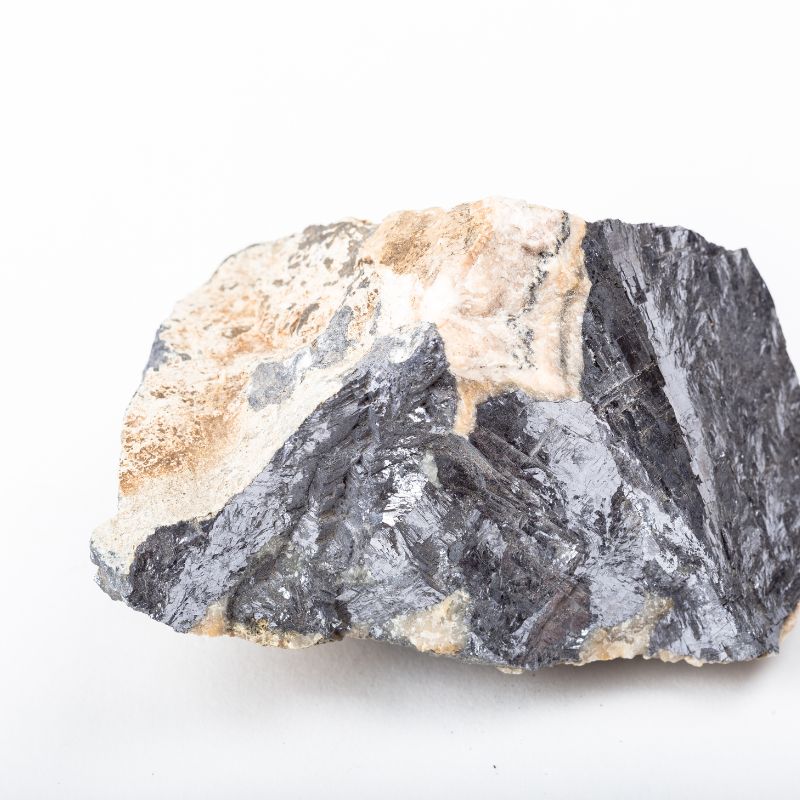
Contaminants of Concern
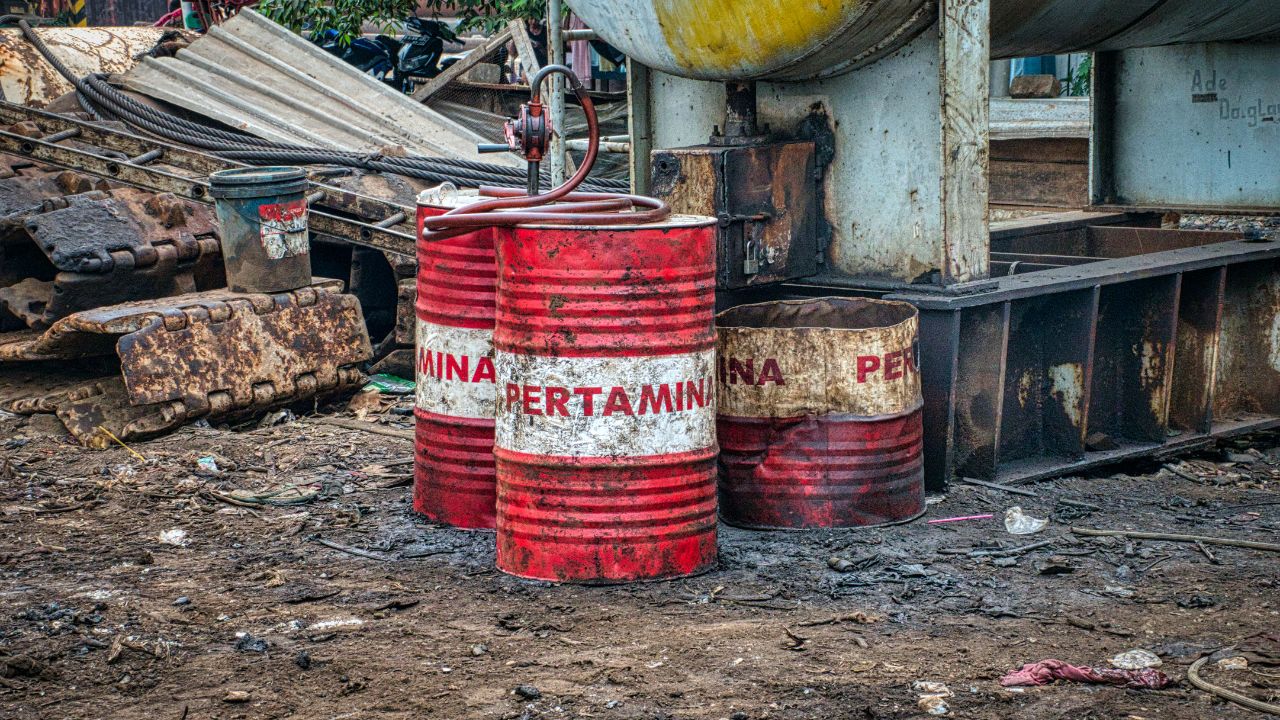
Arsenic, Heavy Metals and Nitrates
Source: Arsenic occurs naturally in the bedrock and soils of the Oxnard Plain, leaching into groundwater through erosion and well extraction. Chromium-6 (hexavalent chromium) enters groundwater naturally and through industrial and agricultural activities. Uranium is a naturally occurring radioactive element in California’s geological formations. Nitrates enter the aquifer from agricultural fertiliser runoff — a common issue across Ventura County’s intensively farmed coastal plain.
Health Effects: Arsenic is a potent carcinogen linked to skin, bladder, lung, kidney, and prostate cancer; cardiovascular and neurological harm can also result from long-term exposure. Chromium-6 is classified as a probable human carcinogen. Uranium is associated with kidney damage and cancer risk. Nitrates at high levels cause methemoglobinemia (blue baby syndrome) in infants and are under review for wider cancer associations.
Current Levels: Arsenic at 1.38 ppb — 344x EWG health guideline (0.004 ppb) but below EPA limit of 10 ppb. Chromium-6 at 11x EWG guidelines. Uranium at 9.5x EWG guidelines. Nitrates at 14x EWG guidelines. Reverse osmosis filtration (NSF Standard 58) effectively removes all four — see our filter guide for recommended systems.
Disinfection Byproducts
Source: Formed when chlorine — added as a required disinfectant — reacts with naturally occurring organic matter in source water. The mix of imported surface water and groundwater sources in Oxnard’s blended supply creates conditions where these byproducts form during treatment. Bromate, a carcinogenic DBP, can also form when water containing bromide is treated with ozonation or sodium hypochlorite.
Health Effects: Total trihalomethanes (TTHMs) — including bromodichloromethane, bromoform, and chloroform — are associated with increased bladder cancer risk and potential reproductive and developmental effects with long-term exposure. Haloacetic acids (HAAs) carry similar cancer and foetal development concerns. These are among the most widespread water quality issues in U.S. municipal systems.
Current Levels: Total trihalomethanes at 23.7 ppb — 158x EWG health guideline but well below EPA limit of 80 ppb. Haloacetic acids at 36.2 ppb — 362x EWG guideline but below EPA limit of 60 ppb. Activated carbon filtration reduces TTHMs and HAAs; reverse osmosis provides the most comprehensive DBP removal. For filter options, visit our water filter solutions page.
Please read – our information
The information presented on cleanairandwater.net is compiled from official water quality reports, trusted news sources, government websites, and public health resources. While we strive for accuracy and thoroughness in our presentations, we are not scientists, engineers, or qualified water quality professionals.
Our mission is to present water quality information in an accessible, real-world format that helps people understand what’s in their water and make informed decisions about their health and safety. We believe that complex environmental information should be available to everyone in a format that’s easy to understand.
We make every effort to ensure our content is current and accurate, but we cannot guarantee that all information is complete or error-free. This website should not replace official communications from your local water utility or health department. We always recommend consulting official sources for the most up-to-date information regarding your specific water system.
Clean Air and Water is not liable for any unintentional errors, omissions, or outdated information. The content on this site is provided for informational purposes only and should not be considered professional advice.