Bakersfield Water Quality at a Glance
This page covers the Cal Water — Bakersfield System (not the City of Bakersfield municipal system). Jump to Sources & Notes
monitor PFAS & byproducts
Is Bakersfield Water Safe to Drink?
Generally Yes, With Awareness — Cal Water reports the Bakersfield system meets all current state and federal drinking water standards. Key items to watch include PFAS detected at low parts-per-trillion in some wells (GAC treatment underway), chlorine byproducts (TTHMs up to 64 ppb, HAA5 up to 40 ppb — both within legal limits), and TCP managed to California’s 5 ppt MCL. Lead results in recent sampling showed 0 of 52 homes above action levels. Results can vary by neighbourhood and household plumbing.
⚠️ What Bakersfield Residents Should Know
- PFAS “Forever Chemicals”: Detected at low ppt in some groundwater wells. Cal Water is installing granular activated carbon treatment. New federal limits (4 ppt for PFOA/PFOS) require compliance by 2029.
- Chlorine Byproducts (TTHMs/HAA5): Within legal limits but monitored closely. HAA5 up to 40 ppb (limit 60); TTHMs up to 64 ppb (limit 80).
- TCP (1,2,3-Trichloropropane): Legacy agricultural contaminant. Monitored and managed to California’s strict 5 ppt MCL.
- Lead: Not from source water — risk comes from older home plumbing. Run cold tap 30–60 seconds before use; test if your home is pre-1986.
advertisment – report continues below
Your water passed the test.
Legal isn’t the same as safe.
Regulated contaminants like PFAS, chromium-6, and disinfection byproducts can sit inside the legal limit and still carry long-term health risks. Passing isn’t the same as clean.
✅ Removes PFAS, lead & chromium-6 — the contaminants most flagged even in passing city reports
✅ NSF/ANSI 42, 58 & 372 certified — independently tested, not just manufacturer claims
✅ Installs in 30 minutes, no plumber — fills a glass in 8 seconds, smart LED filter monitor
Renting or can’t drill? The Waterdrop K19 Countertop RO — plug in, fill the tank, done. No installation, no drilling, no plumber.
Advertisement — this page contains affiliate links. If you buy through these links, we may earn a commission at no extra cost to you.

Bakersfield, California — Water Quality Report 2026: Sources, PFAS Updates & How Your Water Is Kept Safe
Bakersfield’s drinking water is supplied by California Water Service (Cal Water). To meet demand, the system blends three sources: local groundwater from approximately 68 active wells, Kern River surface water filtered through advanced membranes, and treated water purchased from the Kern County Water Agency’s Henry C. Garnett Water Purification Plant. Cal Water treats and tests year-round and reported meeting all state and federal standards in its latest Consumer Confidence Report. Because Bakersfield sits in an agricultural and industrial region, the utility closely tracks chlorine byproducts (TTHMs/HAA5), TCP, and PFAS. Cal Water is actively installing granular activated carbon at select wells for PFAS reduction, ahead of new federal compliance deadlines rolling through 2029. Results can vary by neighbourhood and home plumbing. Read the full report below for current data and simple steps you can take at home. See how neighbouring cities compare in our Fresno and Los Angeles water quality reports, or browse the full US water quality directory.
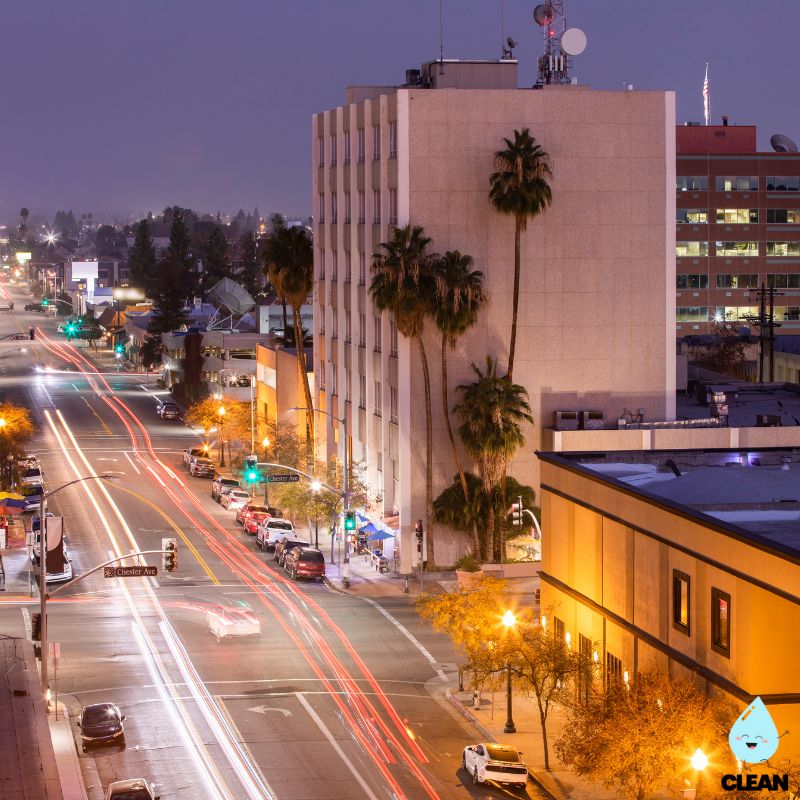
Bakersfield Water Quality: Current Status (2025–2026)
Latest Testing Results
- Compliance: In the most recent reporting period, the Bakersfield system conducted over 59,000 tests on thousands of samples for more than 200 constituents and met all state and federal primary & secondary standards reported in the annual CCR (see Sources).
- Lead & Copper at Homes: Recent sampling showed 0 homes above action levels. The 90th-percentile lead result was non-detect; copper’s 90th-percentile was 0.11 ppm (well below the 1.3 ppm action level).
- Chlorine Byproducts (DBPs): Systemwide highest annual averages were HAA5: 40 ppb (MCL 60) and TTHM: 64 ppb (MCL 80) — both within legal limits.
- TCP (1,2,3-Trichloropropane): Monitored at all required locations. Annual averages remain in compliance with California’s MCL of 5 ppt following operational controls.
- PFAS monitoring: Several PFAS compounds (including PFBS, PFHxS, PFHxA, PFHpA, PFNA) detected at low parts-per-trillion in some groundwater samples. Cal Water is installing granular activated carbon treatment at affected wells ahead of federal PFAS compliance deadlines (monitoring by 2027; compliance by 2029).
Diverse Water Sources
- Groundwater: Local production from approximately 68 active wells across the service area.
- Kern River: Surface water treated with advanced membrane filtration prior to distribution.
- Purchased water: Treated supply from the Kern County Water Agency (Henry C. Garnett Water Purification Plant).
Treatment Technology
- Multi-barrier process: Filtration (including membranes for Kern River water), disinfection with chlorine, and corrosion control to help reduce metals from home plumbing.
- PFAS treatment: Granular activated carbon (GAC) being installed at specific wells in line with EPA PFAS standards taking effect through 2029.
- Ongoing optimisation: Treatment is adjusted as regulations evolve to maintain compliance and reliability.
Water Quality Challenges
Bakersfield manages a blend of groundwater and surface water in an agricultural and industrial region, so the system closely tracks PFAS, chlorine byproducts, TCP, and naturally occurring minerals. The system’s reported results are in legal compliance, and targeted treatment is being added where needed. For households that want an extra margin of protection — particularly for babies, pregnancy, or older plumbing — many choose a certified point-of-use filter. Check the live boil water notice tracker for any active alerts in the Bakersfield area. Recommended option: Waterdrop RO.
Recommendations for Bakersfield Residents
Home Water Testing
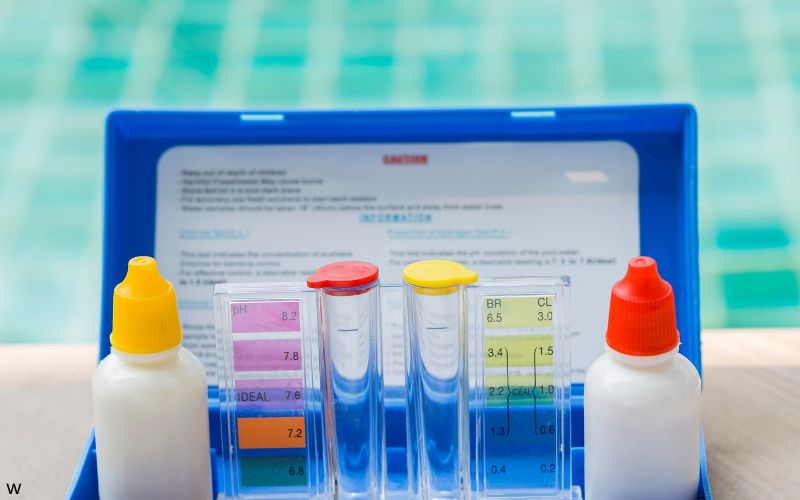
Start with the latest Consumer Confidence Report for your zone. If you have an older home (pre-1986) or specific concerns about lead or PFAS, contact Cal Water’s Bakersfield District at (661) 837-7200 about recommended labs and options. Certified home kits are available for lead; a lab test is recommended for PFAS. Results vary by neighbourhood and household plumbing.
Install a Certified Filter
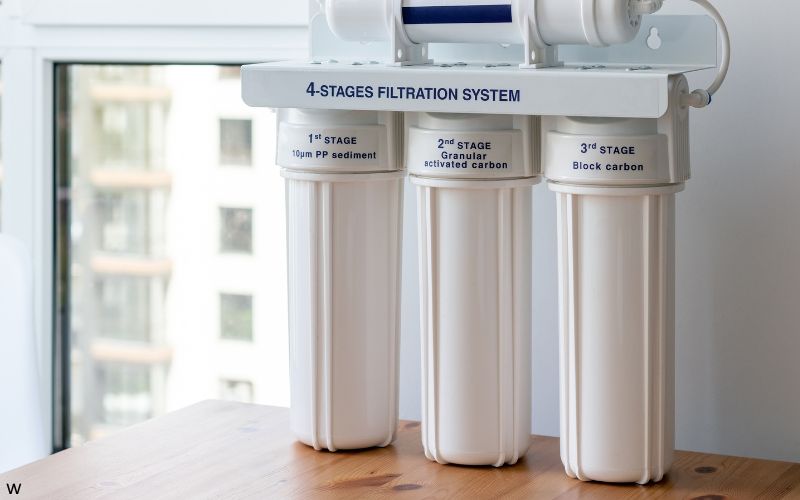
For extra peace of mind look for NSF/ANSI 53 (lead), 58 (reverse osmosis), and 401 (emerging contaminants including PFAS). Reverse osmosis offers the broadest coverage. Browse our certified water filter solutions or see the Waterdrop RO. Always replace cartridges on schedule.
Conserve Water
Fix leaks promptly, install water-efficient fixtures, and water outdoors wisely. During dry periods, check Cal Water’s local guidance for seasonal watering schedules or temporary restrictions in the Bakersfield district.
Flush Your Pipes
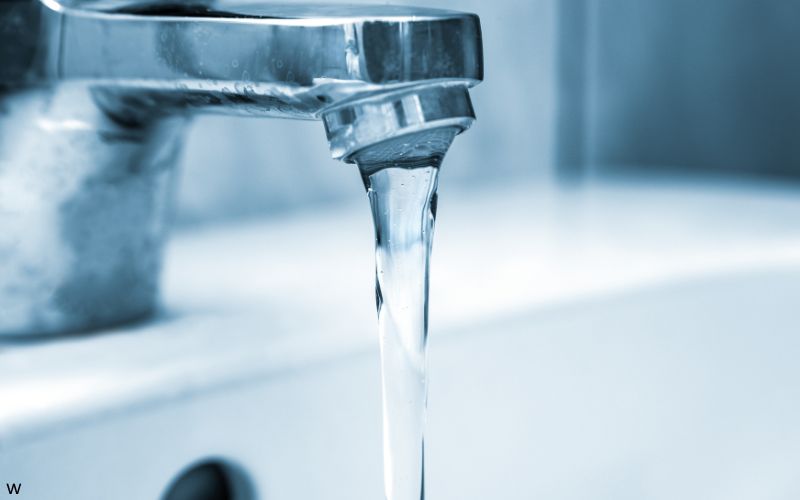
If water has been sitting for several hours, run the cold tap for about 30–60 seconds — or until noticeably cooler — before drinking or cooking. Always use cold water for cooking and drinking as hot water can dissolve more metals from older plumbing. This simple habit reduces exposure to metals that may leach from household pipes and fittings.

Report Water Issues
If you notice sudden changes in colour, odour, taste, or pressure — or spot a main break — call Cal Water’s Bakersfield District at (661) 837-7200. For after-hours emergencies call 1-800-977-2255. If water looks discoloured, avoid drinking it and run the tap until clear before normal use.
Quality News About Your Water
Get the comprehensive water quality news coverage you need with our dedicated US Water News Service. From coast to coast, we deliver in-depth reporting and expert analysis on PFAS contamination, EPA regulatory changes, infrastructure developments, and emerging water safety issues affecting communities nationwide. While mainstream media only covers the biggest stories, we provide the detailed, ongoing coverage that helps you understand the full scope of America’s water challenges.
What’s actually in your tap water? Enter your ZIP code for a full breakdown of contaminants detected in your local supply
Drinking water from a well? Check our directory here for more information
Frequently Asked Questions
Is Bakersfield tap water safe to drink in 2026?
According to the latest Consumer Confidence Report, Bakersfield’s system meets all state and federal drinking water standards. Water is treated and tested year-round. PFAS, chlorine byproducts (TTHMs/HAA5), TCP, and naturally occurring minerals are all monitored closely. For families wanting extra protection — especially with babies, pregnancy, or older homes — a certified point-of-use filter is a common choice. One option: Waterdrop Reverse Osmosis.
What contaminants are found in Bakersfield’s water?
The CCR reports results against legal limits. Key substances monitored include:
1. PFAS — Detected at low parts-per-trillion in some wells; GAC treatment being added under new federal rules.
2. Chlorine byproducts (TTHMs/HAA5) — Managed within legal limits; can form when disinfectant meets natural organic matter.
3. TCP — Legacy agricultural contaminant; monitored and controlled to meet California’s 5 ppt MCL.
4. Nitrates & minerals — May appear due to natural geology or land use; monitored and treated as required.
5. Lead — Typically from home plumbing, not the source water. Older pipes and fixtures increase risk. For current numbers, see the CCR in Sources & Notes.
How is Bakersfield’s water treated?
Cal Water uses a multi-step barrier approach: membrane filtration (for Kern River water), chlorine disinfection to neutralise pathogens, and corrosion control to reduce metals leaching from pipes. Targeted treatment — including granular activated carbon and reverse osmosis at specific wells — is added based on monitoring results, particularly for PFAS and TCP.
Are there water restrictions in Bakersfield?
Bakersfield promotes year-round conservation and may adopt seasonal watering schedules, particularly in dry years. Typical guidance includes watering on assigned days and hours, avoiding outdoor watering during peak heat, and preventing runoff onto pavements. Always check Cal Water’s Bakersfield page or call (661) 837-7200 for current rules.
Contaminants of Concern
PFAS (Per- and Polyfluoroalkyl Substances)
Source: Man-made chemicals used in non-stick coatings, firefighting foam, and consumer products. Small amounts have been detected in some Bakersfield groundwater wells as monitoring has expanded under new federal requirements.
Health Effects: Some PFAS are linked in studies to effects on the immune system, cholesterol, thyroid, and — with long-term exposure — certain cancers. Risk depends on PFAS type, concentration, and duration of exposure.
Current Status (2026): Cal Water is installing granular activated carbon at affected wells to meet new EPA PFAS standards (PFOA/PFOS set at 4 ppt). Monitoring deadlines apply from 2027; compliance required by 2029. For extra protection at home, reverse osmosis is the most effective point-of-use option — see Waterdrop RO.
1,2,3-Trichloropropane (TCP)
Source: Legacy byproduct of soil fumigants used historically in agricultural regions. Can migrate into groundwater over time and persists in the environment.
Health Effects: Classified as a probable human carcinogen. Long-term exposure at elevated levels increases cancer risk. California’s MCL is set at 5 ppt — one of the strictest in the nation.
Current Status (2026): Bakersfield routinely samples for TCP. The system reports meeting California’s 5 ppt MCL on an annual-average basis with operational controls in place. Reverse osmosis at the point of use provides additional protection — see Waterdrop RO.
Please read – our information
The information presented on cleanairandwater.net is compiled from official water quality reports, trusted news sources, government websites, and public health resources. While we strive for accuracy and thoroughness in our presentations, we are not scientists, engineers, or qualified water quality professionals.
Our mission is to present water quality information in an accessible, real-world format that helps people understand what’s in their water and make informed decisions about their health and safety. We believe that complex environmental information should be available to everyone in a format that’s easy to understand.
We make every effort to ensure our content is current and accurate, but we cannot guarantee that all information is complete or error-free. This website should not replace official communications from your local water utility or health department. We always recommend consulting official sources for the most up-to-date information regarding your specific water system.
Clean Air and Water is not liable for any unintentional errors, omissions, or outdated information. The content on this site is provided for informational purposes only and should not be considered professional advice.

Sources & Notes
- Cal Water — Bakersfield Consumer Confidence Report (latest available): system compliance; sources (groundwater, Kern River, KCWA); treatment methods; lead/copper, DBPs, TCP results; and full testing volumes. Available on Cal Water’s Bakersfield water quality page.
- EPA National Primary Drinking Water Regulations — PFAS Rule (2024): Federal PFAS MCLs (PFOA/PFOS at 4 ppt); utility monitoring required by 2027; compliance deadline 2029.
- California State Water Resources Control Board: TCP MCL (5 ppt) and state-specific drinking water standards applicable to Cal Water Bakersfield.
- Cal Water utility updates: PFAS treatment installations (GAC at affected wells) and local customer service contacts.
Disclaimer: This page is informational only and does not constitute medical or legal advice. Guideline comparisons, where mentioned, refer to non-regulatory advisory levels, not enforceable legal limits. For personal health decisions, always consult the latest CCR and/or a certified home test.