Birmingham Water Quality at a Glance
treatment byproducts concern
Is Birmingham Water Safe to Drink?
Generally Yes — Birmingham Water Works meets EPA standards and has some of the lowest PFAS levels in the nation at 5.3 ppt, well below the EPA’s 2024 finalised MCLs of 4 ppt for individual PFOA and PFOS (Birmingham’s detected levels of 1.12 ppt and 1.74 ppt respectively are comfortably compliant). However, disinfection byproducts including chloroform and trihalomethanes exceed EWG health guidelines, and trace chromium-6 has been detected. The utility performs over 173,000 water quality tests each year. See our Alabama statewide water quality report for broader context.
⚠️ Key Considerations for Birmingham Residents
- Disinfection Byproducts: Chloroform at 36× and total trihalomethanes at 201× above EWG strict health guidelines — though within EPA legal limits
- PFAS “Forever Chemicals”: Very low at 5.3 ppt total — one of the best results nationally and below the EPA’s 2024 finalised 4 ppt MCL for PFOA and PFOS
- Chromium-6: Detected at 0.0778 ppb — nearly 4× above California’s strict health guideline of 0.02 ppb, though no federal MCL exists for Cr-6 alone
- Water Source: Cahaba River watershed and Warrior River system — well protected, but chlorine treatment creates byproducts
- Active Boil Notices: Check the US boil water notice tracker for any current advisories affecting the Birmingham area
Read the full report below for detailed analysis, water source information, and actionable recommendations for Birmingham residents.
advertisment – report continues below
Your water passed the test.
Legal isn’t the same as safe.
Regulated contaminants like PFAS, chromium-6, and disinfection byproducts can sit inside the legal limit and still carry long-term health risks. Passing isn’t the same as clean.
✅ Removes PFAS, lead & chromium-6 — the contaminants most flagged even in passing city reports
✅ NSF/ANSI 42, 58 & 372 certified — independently tested, not just manufacturer claims
✅ Installs in 30 minutes, no plumber — fills a glass in 8 seconds, smart LED filter monitor
Renting or can’t drill? The Waterdrop K19 Countertop RO — plug in, fill the tank, done. No installation, no drilling, no plumber.
Advertisement — this page contains affiliate links. If you buy through these links, we may earn a commission at no extra cost to you.

Birmingham, Alabama — Water Quality Report 2026: PFAS Testing, Infrastructure & Safety
Birmingham Water Works (BWWB) is the largest drinking water provider in Alabama, delivering water to more than 600,000 people throughout Birmingham and surrounding communities. The utility produces over 100 million gallons daily through four treatment facilities — Carson, Putnam, Shades Mountain, and Western Filter Plants — across a service area of more than 759 square miles and over 4,000 miles of water mains.
Birmingham’s water begins its journey in the Warrior and Cahaba river systems, flowing through a multi-stage treatment process before reaching customers’ taps. The utility maintains an aggressive watershed protection policy that limits development near water sources to reduce potential contamination. As part of its commitment to quality, Birmingham Water Works conducts extensive testing through its certified EnviroLab facility, performing more than 173,000 water quality analyses annually to ensure full compliance with state and federal standards.
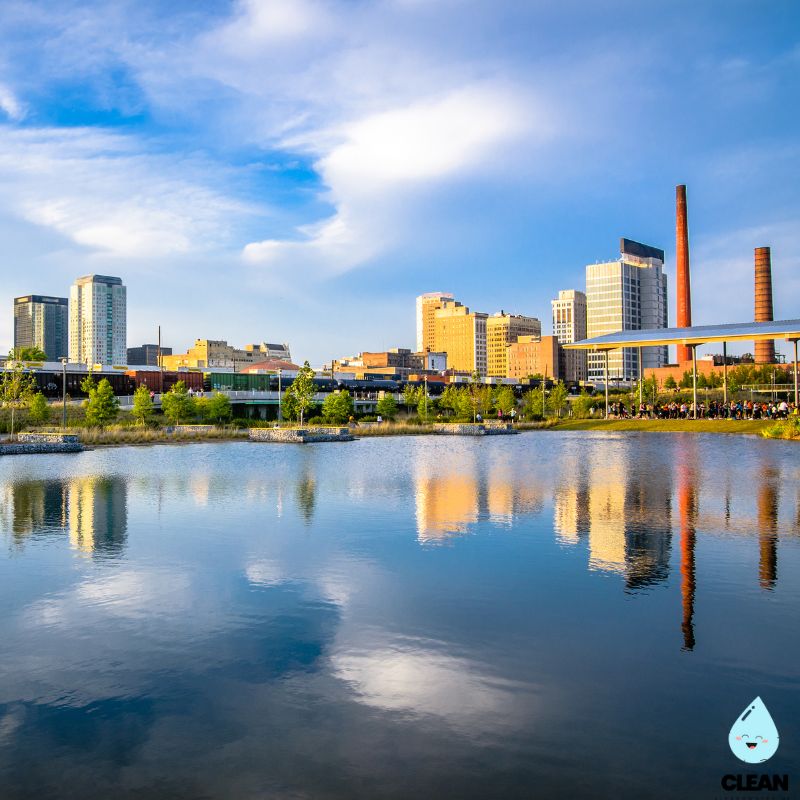
Birmingham Water Quality: Current Status (2025–2026)
Water Sources and Treatment
- Shades Mountain Filter Plant: Served by the Cahaba River and Lake Purdy Reservoir, this facility can process up to 80 million gallons of water daily through a multi-stage treatment process.
- Western Filter Plant: Draws water from the Sipsey and/or Mulberry Forks of the Warrior River, adding to the system’s capacity and reliability.
- Putnam Filter Plant: Utilises water from Inland Lake or the Sipsey/Mulberry Forks of the Warrior River.
- Carson Filter Plant: Processes water from Inland Lake or the Sipsey Fork of the Warrior River, completing Birmingham’s diverse multi-source supply network.
Treatment Process
- Intake: Water is drawn from source rivers and reservoirs, with intake screens removing large debris including logs and plant matter.
- Chemical Addition / Coagulation: Chemicals are added to neutralise pathogens, improve taste and odour, and cause suspended particles to bind together.
- Flocculation and Sedimentation: Mixing creates larger “floc” particles that settle to the bottom of sedimentation basins.
- Filtration: Partially clarified water passes through filters to remove remaining particulates and impurities.
- Disinfection: Final chlorine treatment ensures water is safe from harmful bacteria and viruses before distribution.
Quality Monitoring
- Comprehensive Testing: Birmingham Water Works conducts over 173,000 tests annually across more than 150 different chemicals and contaminants, far exceeding minimum regulatory requirements.
- Certified Laboratory: The utility’s EnviroLab holds certification from both the Alabama Department of Environmental Management (ADEM) and the EPA.
- Continuous Monitoring: Water quality is tracked at the source, throughout treatment, and across the distribution system to ensure consistent compliance.
PFAS Monitoring (Updated 2026)
Birmingham continues to record some of the lowest PFAS levels in the nation. Most recently tested total PFAS stands at 5.3 parts per trillion (ppt), with individual compound detections of PFOA (1.12 ppt), PFOS (1.74 ppt), and PFHxS (0.0830 ppt). In April 2024, the EPA finalised binding Maximum Contaminant Levels (MCLs) for six PFAS compounds, setting PFOA and PFOS each at 4 ppt and PFNA, PFHxS, and HFPO-DA at 10 ppt. Birmingham’s detected levels are comfortably below all of these new legal limits. Utilities nationwide have until 2029 to achieve full compliance; Birmingham Water Works is already well-positioned. For context on statewide PFAS challenges — particularly in North Alabama near former 3M operations — Birmingham’s results are particularly encouraging. Ongoing monitoring continues as part of the utility’s annual testing programme. If you’re concerned about PFAS in your home supply, our water filter guide covers certified options that effectively reduce PFAS compounds.
Recommendations for Birmingham Residents

Review Annual Water Quality Reports
Birmingham Water Works publishes an annual Consumer Confidence Report detailing all test results and water quality data. Review this alongside our Alabama water quality overview to understand how Birmingham compares with the rest of the state.
Consider Home Filtration
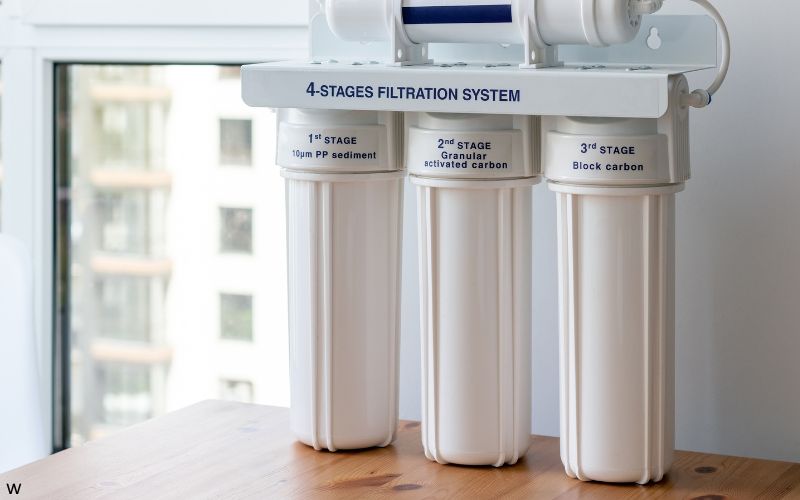
While Birmingham’s water meets all 2026 regulatory standards and has excellent PFAS results, some residents may want extra protection against disinfection byproducts. For taste and odour improvement, certified carbon block filters are effective. For broader reduction of chloroform and trihalomethanes, consider an NSF-certified granular activated carbon or reverse osmosis system. See our complete water filter guide for vetted recommendations at every budget.
Practice Water Conservation
Help preserve Birmingham’s Cahaba River and Warrior River watersheds by fixing household leaks promptly, installing water-efficient fixtures, and reducing outdoor water use during dry periods. Protecting source water quality reduces the treatment intensity required — and the disinfection byproducts that come with it.
Check Your Home Plumbing
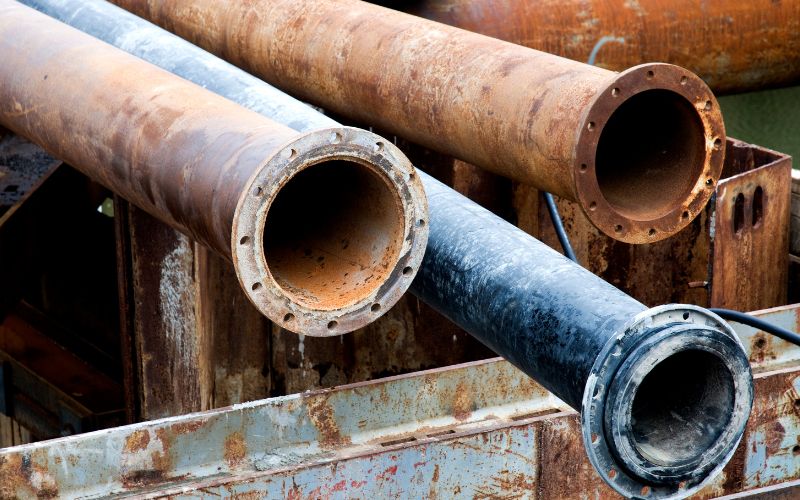
Even though Birmingham Water Works delivers compliant water, lead can enter supplies through older household plumbing. If your home was built before 1986, consider testing your tap water for lead and running cold water for 30–60 seconds before drinking, particularly after overnight stagnation. The EPA’s 2024 Lead and Copper Rule revisions require utilities to accelerate service line inventorying and replacement — check with BWWB for updates relevant to your street.

Report Water Issues & Monitor Alerts
If you notice unusual colour, taste, or odour, contact Birmingham Water Works Customer Care at (205) 244-4000. For real-time boil water advisories across Alabama, bookmark our live US boil water notice tracker — updated continuously from official sources so you’re always informed.
Quality News About Your Water
Get the comprehensive water quality news coverage you need with our dedicated US Water News Service. From coast to coast, we deliver in-depth reporting and expert analysis on PFAS contamination, EPA regulatory changes, infrastructure developments, and emerging water safety issues affecting communities nationwide. While mainstream media only covers the biggest stories, we provide the detailed, ongoing coverage that helps you understand the full scope of America’s water challenges.
What’s actually in your tap water? Enter your ZIP code for a full breakdown of contaminants detected in your local supply
Drinking water from a well? Check our directory here for more information
Frequently Asked Questions
Is Birmingham’s tap water safe to drink in 2026?
Yes. Birmingham’s tap water meets or exceeds all current EPA and ADEM drinking water standards and is safe to drink. Birmingham Water Works performs more than 173,000 tests per year across over 150 contaminants. The utility’s four treatment plants — Carson, Putnam, Shades Mountain, and Western — each operate multi-barrier treatment processes under continuous monitoring. For the latest statewide picture, see our Alabama water quality report.
What are Birmingham’s PFAS levels in 2026?
Birmingham’s PFAS levels remain among the lowest recorded in the United States at 5.3 ppt total PFAS. Individual compound results — PFOA at 1.12 ppt and PFOS at 1.74 ppt — are both below the EPA’s finalised April 2024 MCLs of 4 ppt for each.
1. EPA 2024 Final Rule: The EPA formally set legally binding PFAS limits — 4 ppt for PFOA and PFOS individually, 10 ppt for PFNA, PFHxS, and HFPO-DA. Utilities must comply by 2029.
2. National Comparison: Birmingham’s figures rank among the very lowest in the country, making the water significantly safer for PFAS than most other US systems.
3. Ongoing Monitoring: PFAS testing continues as part of the utility’s annual programme and EPA’s UCMR5 national monitoring cycle.
4. Future Compliance: With PFOA and PFOS well below 4 ppt, Birmingham is already compliant with limits that don’t legally take effect until 2029 — notable given that much of Alabama has significantly higher PFAS contamination near former industrial sites.
Where does Birmingham’s water come from?
Birmingham draws from several surface water sources managed through its four treatment plants:
• Cahaba River and Lake Purdy Reservoir: Primary sources for the Shades Mountain Filter Plant (up to 80 MGD capacity). The Cahaba River is actively protected under BWWB’s watershed management programme.
• Sipsey and Mulberry Forks of the Warrior River: Supply the Western Filter Plant, providing source diversity and drought resilience.
• Inland Lake: A primary reservoir serving the Putnam and Carson Filter Plants, also fed by the Sipsey Fork of the Warrior River.
• Sipsey Fork of the Warrior River: Additional supply to the Carson Filter Plant.
This multi-source design improves resilience during drought conditions and reduces over-dependence on any single watershed. BWWB restricts land development near reservoirs and river corridors as a preventive source-protection measure.
How is Birmingham’s water treated?
Birmingham Water Works operates a comprehensive six-stage treatment process across all four filtration plants:
1. Intake: Water is drawn from rivers and reservoirs; intake screens remove large debris.
2. Chemical Addition / Coagulation: Coagulants are dosed to neutralise pathogens, improve taste and odour, and cause particles to clump.
3. Mixing and Flocculation: Rapid and slow mixing causes particles to form larger “floc” aggregates.
4. Sedimentation: Floc settles to the bottom of sedimentation basins under gravity.
5. Filtration: Water passes through filter beds to capture remaining particles and fine impurities.
6. Disinfection: Chlorine is applied to destroy residual pathogens before water enters the distribution system. This final disinfection step, while essential, is the source of the trihalomethane byproducts noted in Birmingham’s water quality data. A certified carbon or reverse osmosis filter can reduce these compounds at the point of use.
Contaminants of Concern
PFAS (Per- and Polyfluoroalkyl Substances)
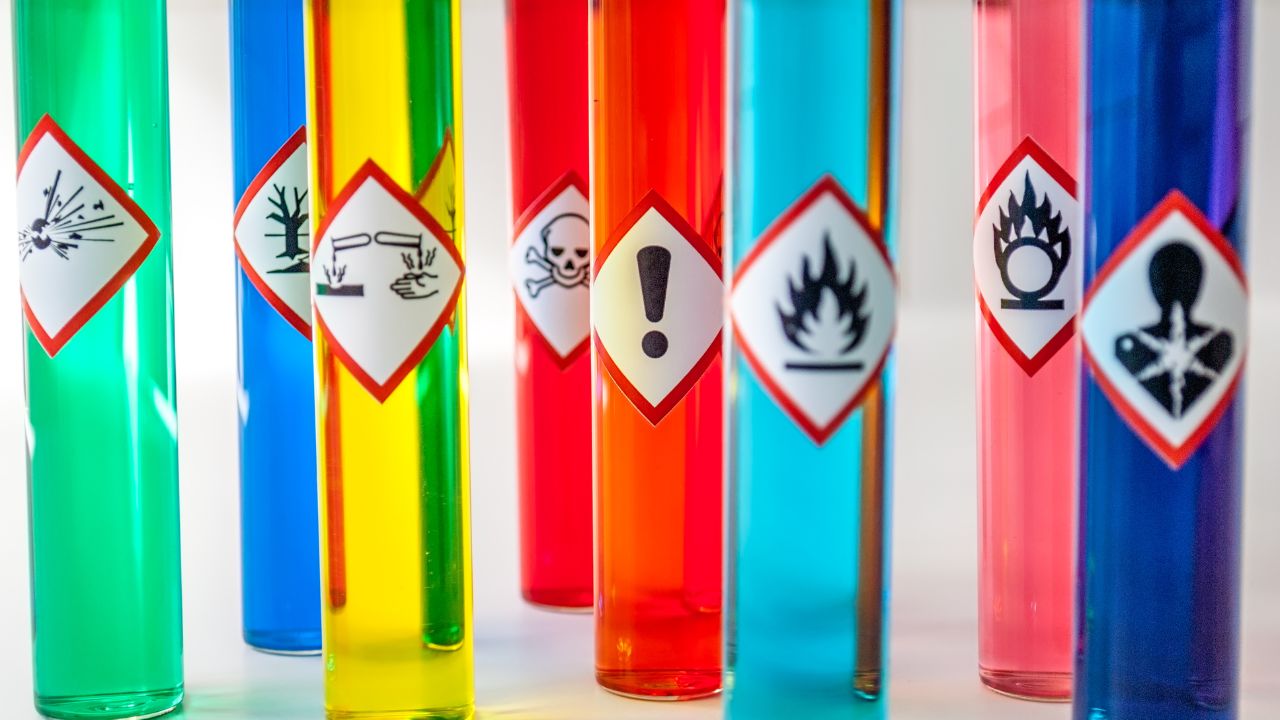
Source: Industrial manufacturing, firefighting foam (AFFF), food packaging, and consumer products. PFAS are highly persistent and can reach water supplies via industrial discharge, landfill leachate, and stormwater run-off.
Health Effects: Certain PFAS have been associated with elevated cholesterol, liver enzyme changes, reduced vaccine response in children, thyroid disruption, and increased risk of kidney and testicular cancers with prolonged exposure.
Birmingham’s 2026 Status: Total PFAS detected at 5.3 ppt — one of the lowest results nationally. PFOA at 1.12 ppt and PFOS at 1.74 ppt are both below the EPA’s 2024 finalised 4 ppt MCLs. PFHxS detected at 0.083 ppt, well below the 10 ppt MCL. Birmingham is already in compliance with limits that don’t legally apply until 2029. For broader Alabama PFAS context, note that North Alabama faces far higher contamination levels historically linked to industrial operations.
Disinfection Byproducts
Source: Formed when chlorine reacts with naturally occurring organic matter in source water, producing trihalomethanes (THMs) such as chloroform and haloacetic acids (HAAs).
Health Effects: Long-term exposure at elevated levels has been associated with increased cancer risk and adverse reproductive outcomes. They can also affect liver, kidney, and central nervous system function.
Birmingham’s 2026 Status: Birmingham meets all EPA legal limits for THMs and HAAs, but chloroform levels sit approximately 36× and total trihalomethanes approximately 201× above EWG’s more precautionary health guidelines. Residents seeking extra protection should consider an NSF-certified activated carbon or reverse osmosis filter — both are effective at reducing THM concentrations at the tap.
Please read – our information
The information presented on cleanairandwater.net is compiled from official water quality reports, trusted news sources, government websites, and public health resources. While we strive for accuracy and thoroughness in our presentations, we are not scientists, engineers, or qualified water quality professionals.
Our mission is to present water quality information in an accessible, real-world format that helps people understand what’s in their water and make informed decisions about their health and safety. We believe that complex environmental information should be available to everyone in a format that’s easy to understand.
We make every effort to ensure our content is current and accurate, but we cannot guarantee that all information is complete or error-free. This website should not replace official communications from your local water utility or health department. We always recommend consulting official sources for the most up-to-date information regarding your specific water system.
Clean Air and Water is not liable for any unintentional errors, omissions, or outdated information. The content on this site is provided for informational purposes only and should not be considered professional advice.