Boise Water Quality at a Glance
some concerns
CONCERNED
Is Boise Water Safe to Drink?
Generally Yes — Boise’s water meets federal standards and PFAS levels in the Veolia system remain below the EPA’s 2024 limit of 4 parts per trillion. However, third-party testing has identified concerning levels of arsenic, hexavalent chromium, and disinfection byproducts above health guidelines. Water comes from approximately 70% groundwater wells and 30% Boise River surface water treatment. See our water filter guide for certified filtration options suited to Boise’s specific contaminant profile.
⚠️ Key Concerns for Boise Residents
- Arsenic: Third-party testing found levels exceeding health guidelines — naturally occurring in Idaho’s groundwater geology and a known carcinogen at elevated exposures
- Hexavalent Chromium: Cancer-causing chromium-6 detected above health guidelines; no federal MCL specific to chromium-6 has yet been set, leaving it regulated only under the broader total chromium standard
- PFAS Presence: While Veolia’s system tests below new EPA limits, the smaller Capitol Water Corporation serving parts of Boise was found to exceed the 4 ppt standard and is working with Idaho DEQ on remediation
- Disinfection Byproducts: Total trihalomethanes (TTHMs) from chlorine treatment detected above health guidelines — a persistent concern in surface-water-blended systems
Read the full report below for detailed analysis, specific contaminant data, and actionable recommendations for Boise residents.
Advertisement — Report continues below
Great water report.
Here’s how to make it perfect.
Your water quality report shows strong results — and that’s genuinely good news. But even treated municipal water picks up residual chlorine, microplastics, and sediment between the treatment plant and your tap. A filter takes great water and makes it flawless.
✅ Improves taste, smell & clarity — removes residual chlorine and sediment that reach your glass after treatment
✅ NSF/ANSI 42, 58 & 372 certified — independently tested, not just manufacturer claims
✅ Installs in 30 minutes, no plumber — fills a glass in 8 seconds, smart LED filter monitor
Renting or can’t drill? The Waterdrop K19 Countertop RO — plug in, fill the tank, done. No installation, no drilling, no plumber.
Advertisement — this page contains affiliate links. If you buy through these links, we may earn a commission at no extra cost to you.

Boise, Idaho — Water Quality Report 2026: PFAS Testing, Infrastructure & Safety
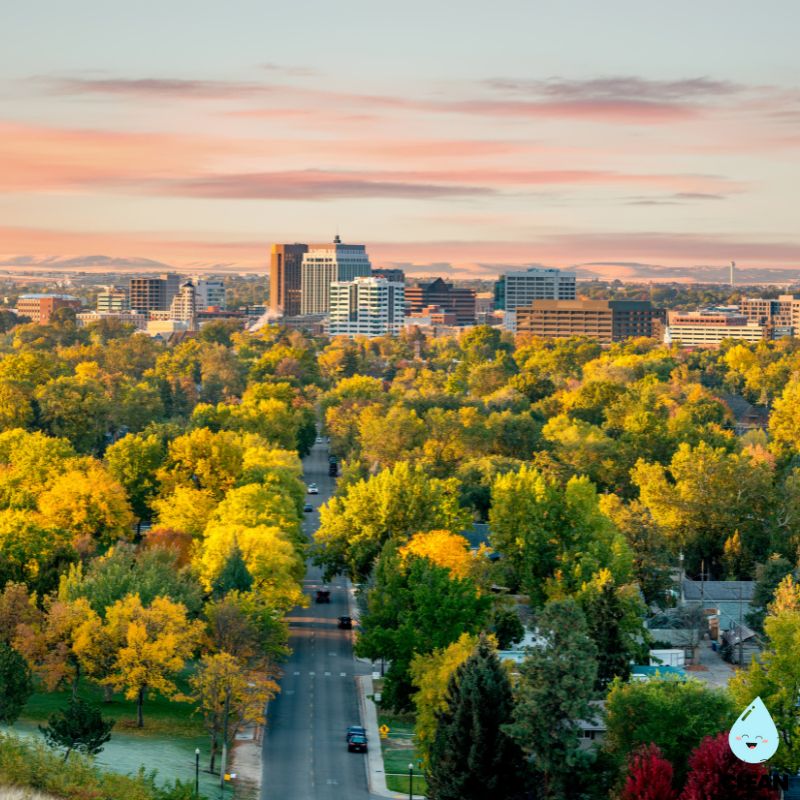
Veolia Water Idaho (formerly SUEZ) provides comprehensive water services to approximately 250,000 residents across the Boise metropolitan area, including portions of Eagle and Meridian. As Idaho’s largest water utility, the system operates 83 active wells ranging from 200 to 1,100 feet deep, along with two advanced water treatment plants that deliver an average of 23 million gallons of drinking water daily in winter, expanding to approximately 97 million gallons daily during peak summer demand.
Boise sources its drinking water from two primary sources: approximately 70% comes from the Treasure Valley aquifer system through deep groundwater wells, while the remaining 30% is drawn from the Boise River and treated at the Marden and Columbia Water Treatment Plants. The groundwater originates from snowmelt that travels through mountain watersheds and filters naturally underground for years before reaching the wells. While Veolia’s water meets all federal standards, third-party testing has identified concerning levels of arsenic, hexavalent chromium, and other contaminants above health guidelines. The utility has invested significantly in membrane filtration technology, corrosion control, and water quality monitoring — though Boise’s rapid growth as one of the fastest-growing cities in the American West is placing increasing strain on the Treasure Valley aquifer. For statewide context, see our Idaho water quality overview.
Boise Water Quality: Current Status (2025–2026)
Latest Testing Results
- EPA Compliance Status: Veolia Water Idaho is in full compliance with all federal health-based drinking water standards as of the most recent EPA assessment period (2025), meeting requirements set by the EPA and the Idaho Department of Environmental Quality.
- Third-Party Testing Concerns: Independent analysis found Boise area water exceeds health guidelines for arsenic, hexavalent chromium, manganese, radiological contaminants, tetrachloroethylene, and total trihalomethanes — though still within federal regulatory limits, highlighting the gap between regulatory compliance and public health benchmarks.
- PFAS Detection: Low levels of PFAS have been detected across Treasure Valley water systems during monitoring conducted under the EPA’s UCMR 5 programme (2023–2025). Veolia’s system remains below the EPA’s enforceable 4 parts per trillion limit for PFOA and PFOS. Compliance with new PFAS MCLs is required by April 2027.
- Testing Scope: Veolia conducts comprehensive water quality monitoring across all 83 wells and both treatment facilities, regularly testing for over 80 contaminants to ensure regulatory compliance — a programme independently verified by the Idaho DEQ.
Water Sources
- Deep Groundwater Wells: Primary source (approximately 70% of supply) from 83 active wells ranging from 200–1,100 feet deep, drawing from the Treasure Valley aquifer — a confined system fed by Snake River Plain recharge and mountain snowmelt from the Boise Front.
- Boise River Surface Water: Secondary source (approximately 30% of supply), with water rights to Lucky Peak Reservoir releases. Surface water provides critical system redundancy during high-demand summer periods and aquifer recovery seasons.
- Source Water Protection: Natural filtration through underground basalt formations, combined with watershed protection measures coordinated with the U.S. Bureau of Reclamation, helps maintain source water quality before treatment. Long-term aquifer sustainability is an emerging concern given the region’s rapid population growth.
Advanced Treatment Technology
- Marden Water Treatment Plant: Direct filtration facility using dual-media filtration to remove particulate matter, with pH adjustment to reduce water corrosivity and optimise performance throughout the distribution system.
- Columbia Water Treatment Plant: Upgraded membrane ultrafiltration facility requiring no chemical pre-treatment. A completed $8.6 million membrane system upgrade (2022–2024) expanded production capacity while maintaining the plant’s existing footprint — earning an Excellence in Engineering Award from the American Council of Engineering Companies of Idaho.
- Groundwater Treatment: Well water is treated with chlorine disinfection for microorganism control, with polyphosphate addition at nine wells to sequester iron and manganese and prevent discolouration in the distribution system.
Infrastructure & 2026 Compliance Updates
- PFAS Compliance Timeline: Under the EPA’s April 2024 PFAS National Primary Drinking Water Regulation, all public water systems must achieve compliance with 4 ppt limits for PFOA and PFOS by April 2027. Veolia is currently below this threshold, but ongoing UCMR 5 monitoring continues to assess the full PFAS compound suite across the Treasure Valley.
- Capitol Water Corporation: This smaller Boise-area system was found to exceed the new EPA PFAS limits and is actively working with Idaho DEQ on a remediation and treatment plan. Residents served by Capitol Water should contact their provider directly for current status updates.
- Distribution System Growth: Veolia continues expanding and upgrading infrastructure to serve the Treasure Valley’s fast-growing population, deploying smart monitoring systems for leak detection, pressure management, and real-time water quality tracking.
Customer Protection Initiatives
Veolia Water Idaho provides extensive customer support through transparent water quality reporting, 24/7 customer service, and proactive communication about water quality issues. The utility works closely with the Idaho Department of Environmental Quality to monitor emerging contaminants and implement necessary treatment upgrades. Despite meeting all federal standards, residents concerned about arsenic, hexavalent chromium, or disinfection byproducts should consider certified point-of-use filtration for drinking and cooking water. See our water filter solutions guide for NSF-certified options addressing these specific contaminants. You can also monitor any local emergency advisories via the live U.S. boil water tracker.
Recommendations for Boise Residents
Test Your Water
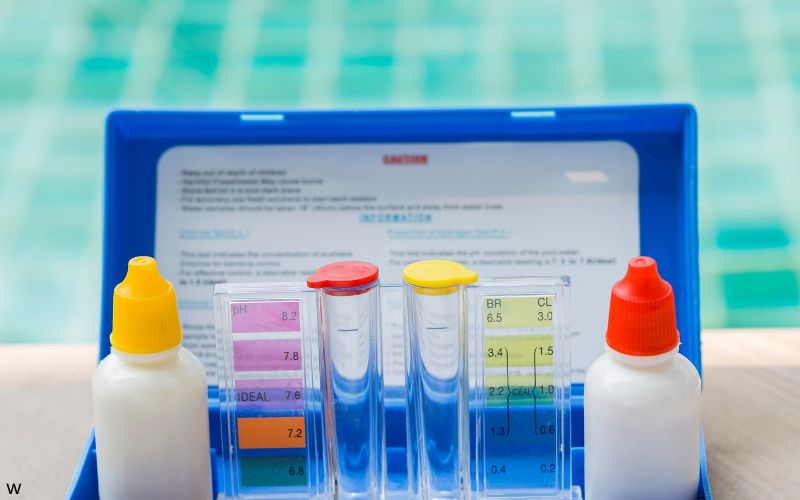
Contact Veolia Water Idaho at (208) 343-5421 for information about water testing options and your most recent Consumer Confidence Report. Independent testing is especially recommended for homes with private wells or specific concerns about arsenic, chromium-6, or PFAS. If you are served by Capitol Water Corporation, contact your provider directly regarding current PFAS compliance status.
Conserve Water
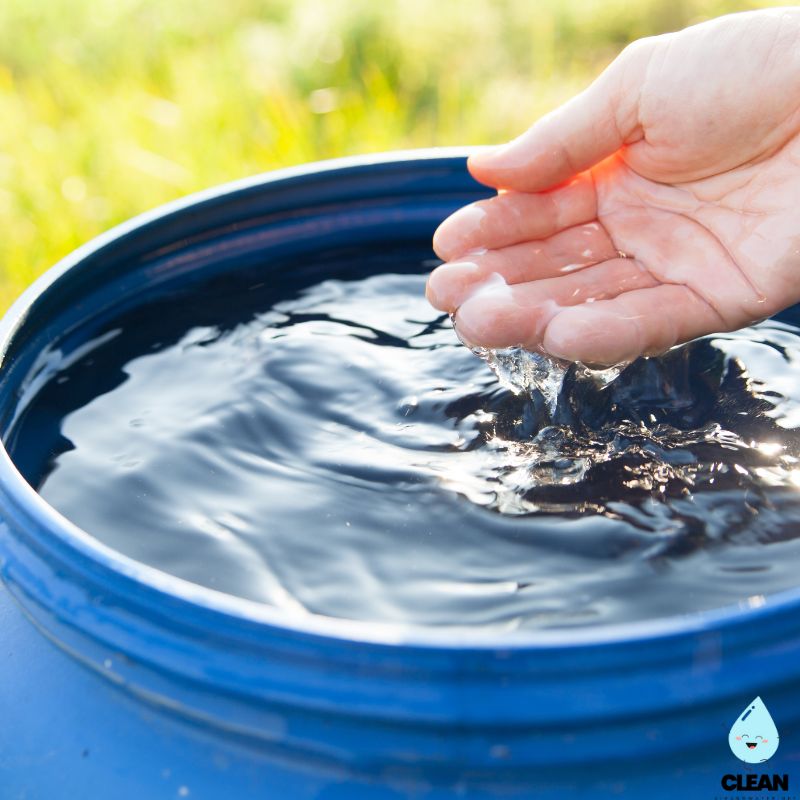
Practice water conservation to help manage peak summer demand, which can reach approximately 97 million gallons daily — more than four times the winter baseline. Consider drought-resistant landscaping and efficient irrigation systems. Many Boise-area neighbourhoods rely entirely on treated drinking water for outdoor use rather than lower-cost pressurised irrigation — connecting to irrigation systems where available can significantly reduce summer bills.
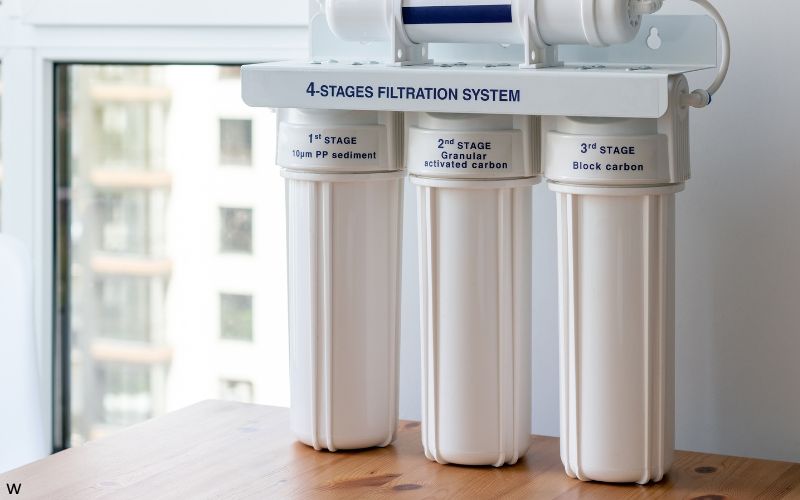
Consider Filtration for Key Contaminants
While Boise’s water meets federal standards, third-party testing has found concerning levels of arsenic, hexavalent chromium, and disinfection byproducts. An NSF-certified reverse osmosis system (NSF/ANSI Standard 58) is the most effective residential option for reducing arsenic, chromium-6, PFAS, and disinfection byproducts simultaneously. Activated carbon (Standard 53) is a lower-cost option for byproducts alone.

Understand Your Water Bill
Veolia’s rates are regulated by the Idaho Public Utilities Commission to ensure fair pricing. Summer demand can quadruple due to lawn irrigation and outdoor use, triggering higher per-gallon tiered rates. Where available, connecting to a pressurised irrigation district for outdoor use is the most effective way to reduce seasonal costs. Contact Veolia at (208) 343-5421 or manage your account at mywater.veolia.us.

Report Issues
Contact Veolia Water Idaho Customer Service at (208) 343-5421 for water pressure problems, quality concerns, or service issues. Use the online portal at mywater.veolia.us for account management, bill payments, and service notifications. Track any active emergency advisories at our live U.S. boil water tracker.
Frequently Asked Questions
Is Boise tap water safe to drink in 2026?
Boise’s tap water meets all federal and Idaho state drinking water standards and is generally safe to drink. The water undergoes comprehensive treatment at two advanced facilities — the Marden Plant uses dual-media filtration while the Columbia Plant employs membrane ultrafiltration technology — and groundwater from 83 deep wells is treated with chlorine disinfection before distribution.
However, third-party independent testing has consistently found concerning levels of arsenic, hexavalent chromium, and disinfection byproducts above health guidelines — though still within current federal regulatory limits. PFAS levels in the main Veolia system remain below the EPA’s new 4 ppt standard, though the smaller Capitol Water Corporation serving parts of Boise exceeded these limits and is under remediation. Residents with health concerns — particularly families with young children, pregnant women, or individuals with compromised immune systems — may wish to add certified home filtration for drinking water. See our Idaho water quality page for a statewide comparison.
Why does my water bill increase so much in summer?
Boise’s water demand can quadruple during summer months, rising from around 23 million gallons daily in winter to approximately 97 million gallons daily at peak — largely driven by outdoor irrigation in Idaho’s hot, dry climate:
1. Lawn and garden watering: Many newer subdivisions in the Treasure Valley lack access to cheaper pressurised irrigation systems and must use treated drinking water for all outdoor use.
2. Pool filling and increased evaporative cooling use during Boise’s warm, dry summers.
3. Tiered rate structure: Higher usage volumes result in higher per-gallon rates under Veolia’s Idaho Public Utilities Commission-regulated tariff.
Connecting to a pressurised irrigation district where available, or installing drought-tolerant landscaping, offers the most significant savings. Contact Veolia at (208) 343-5421 or visit mywater.veolia.us to review usage details and conservation programmes.
What is the PFAS situation in the Boise area in 2026?
PFAS monitoring across Treasure Valley water systems has expanded significantly under the EPA’s UCMR 5 programme (2023–2025), and results show a mixed picture:
• Veolia Water Idaho: Detected PFAS levels remain below the EPA’s 2024 enforceable limit of 4 parts per trillion for PFOA and PFOS — compliance with this standard is required by April 2027
• Capitol Water Corporation: This smaller Boise-area utility exceeded the new PFAS limits and is working with Idaho DEQ on a remediation and treatment upgrade plan. Affected customers should contact Capitol Water directly for current status
• Known contamination sources: PFAS in the Treasure Valley is linked to legacy use of aqueous film-forming foam (AFFF) at Mountain Home Air Force Base and Gowen Field Air National Guard Base, as well as regional industrial activity
• Treatment options: Granular activated carbon and reverse osmosis are the two primary treatment technologies being evaluated by utilities. For home protection, an NSF Standard 58 certified reverse osmosis system provides the most reliable PFAS reduction at the tap
Does Boise have hard water?
Yes, Boise has moderately hard water due to the natural mineral content of its groundwater sources filtering through the region’s basalt geology:
Mineral Content:
• Calcium and magnesium from natural underground filtration through basalt and volcanic rock formations in the Treasure Valley aquifer
• Iron and manganese present in some wells, controlled through polyphosphate sequestration treatment at nine Veolia well locations to prevent discolouration and taste issues
• pH adjustment at treatment plants reduces water corrosivity and helps protect distribution system pipe integrity
Effects and Solutions:
• Hard water can cause limescale buildup in appliances, water heaters, and plumbing fixtures, reducing their efficiency and lifespan
• Ion-exchange water softening systems can be installed where hard water is causing significant appliance or plumbing issues
• The mineral content is not harmful to health and many residents prefer the taste of naturally mineralised groundwater compared to treated surface water
Quality News About Your Water
Get the comprehensive water quality news coverage you need with our dedicated US Water News Service. From coast to coast, we deliver in-depth reporting and expert analysis on PFAS contamination, EPA regulatory changes, infrastructure developments, and emerging water safety issues affecting communities nationwide. While mainstream media only covers the biggest stories, we provide the detailed, ongoing coverage that helps you understand the full scope of America’s water challenges.
What’s actually in your tap water? Enter your ZIP code for a full breakdown of contaminants detected in your local supply
Drinking water from a well? Check our directory here for more information
Contaminants of Concern
PFAS Compounds
Source: Per- and polyfluoroalkyl substances detected across Treasure Valley water systems, primarily linked to legacy aqueous film-forming foam (AFFF) use at Mountain Home Air Force Base and Gowen Field Air National Guard Base, as well as regional industrial contamination pathways.
Health Effects: PFAS exposure is linked to increased risk of kidney and testicular cancer, immune system suppression, fertility impacts, elevated cholesterol, and developmental effects in children and foetuses. No safe level of exposure has been established for PFOA or PFOS.
Current Status: Veolia Water Idaho tests below the EPA’s 4 ppt MCL for PFOA and PFOS; Capitol Water Corporation exceeded these limits and is under an Idaho DEQ remediation plan. The EPA’s 2024 PFAS rule requires utility compliance by April 2027. EPA Limits: 4 ppt for PFOA and PFOS individually; 10 ppt for PFNA, PFHxS, and HFPO-DA (GenX). For residential protection, see our NSF-certified filter guide.
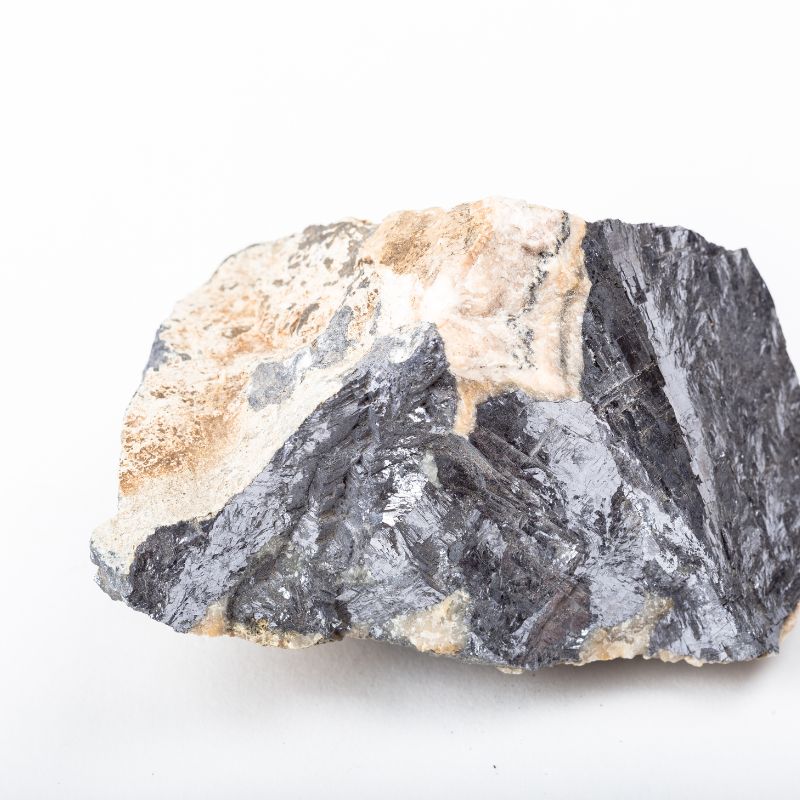
Naturally Occurring Minerals & Other Contaminants
Source: Arsenic, manganese, and hexavalent chromium occur naturally in Idaho’s volcanic basalt geology and leach into groundwater sources. Disinfection byproducts (trihalomethanes and haloacetic acids) form when chlorine reacts with organic matter in surface water during treatment at Marden and Columbia plants.
Health Effects: Arsenic and hexavalent chromium are established human carcinogens with no safe exposure threshold. Elevated manganese may affect cognitive development in young children with prolonged exposure. Disinfection byproducts are linked to increased bladder cancer risk and reproductive harm.
Current Levels: Third-party testing found arsenic, hexavalent chromium, and total trihalomethanes above health guidelines in Boise-area systems. Polyphosphate treatment controls iron and manganese at nine Veolia well locations. No federal MCL specific to chromium-6 has been established — it remains regulated under the broader 100 ppb total chromium standard, a regulatory gap that advocacy groups are pressing the EPA to address. EPA Limits: 10 ppb for arsenic; 100 ppb for total chromium; 80 ppb for total trihalomethanes. A certified reverse osmosis system is the most effective residential solution for arsenic, chromium-6, and PFAS simultaneously.
Please read – our information
The information presented on cleanairandwater.net is compiled from official water quality reports, trusted news sources, government websites, and public health resources. While we strive for accuracy and thoroughness in our presentations, we are not scientists, engineers, or qualified water quality professionals.
Our mission is to present water quality information in an accessible, real-world format that helps people understand what’s in their water and make informed decisions about their health and safety. We believe that complex environmental information should be available to everyone in a format that’s easy to understand.
We make every effort to ensure our content is current and accurate, but we cannot guarantee that all information is complete or error-free. This website should not replace official communications from your local water utility or health department. We always recommend consulting official sources for the most up-to-date information regarding your specific water system.
Clean Air and Water is not liable for any unintentional errors, omissions, or outdated information. The content on this site is provided for informational purposes only and should not be considered professional advice.