Charleston Water Quality at a Glance
Is Charleston Water Safe to Drink?
Generally Yes, With Caveats — Charleston Water System meets most federal standards and has won awards for water quality. However, PFAS levels currently exceed the EPA’s 2024 maximum contaminant levels, with PFOS recorded at 5.7 ppt and PFOA at 4.4 ppt against an MCL of 4.0 ppt. Additional concerns include chromium-6 and disinfection byproducts. The system is working toward full PFAS compliance by 2029. See our South Carolina water quality overview for statewide context.
⚠️ Key Concerns for Charleston Residents
- PFAS “Forever Chemicals”: Current levels exceed the EPA’s 2024 MCLs — PFOS at 5.7 ppt and PFOA at 4.4 ppt, both above the 4.0 ppt limit
- Environmental Impact: High PFAS contamination detected in local marine life and groundwater near Joint Base Charleston
- Chromium-6: Cancer-linked hexavalent chromium detected above published health guidelines in third-party testing
- Disinfection Byproducts: Chloroform and bromodichloromethane from the treatment process present at levels meeting federal standards but exceeding stricter health guidelines
Read the full 2026 report below for detailed analysis, city-specific data, and actionable recommendations for Charleston residents.
advertisment – report continues below
Your water passed the test.
Legal isn’t the same as safe.
Regulated contaminants like PFAS, chromium-6, and disinfection byproducts can sit inside the legal limit and still carry long-term health risks. Passing isn’t the same as clean.
✅ Removes PFAS, lead & chromium-6 — the contaminants most flagged even in passing city reports
✅ NSF/ANSI 42, 58 & 372 certified — independently tested, not just manufacturer claims
✅ Installs in 30 minutes, no plumber — fills a glass in 8 seconds, smart LED filter monitor
Renting or can’t drill? The Waterdrop K19 Countertop RO — plug in, fill the tank, done. No installation, no drilling, no plumber.
Advertisement — this page contains affiliate links. If you buy through these links, we may earn a commission at no extra cost to you.

Charleston — South Carolina — Water Quality Report 2026: PFAS Testing, Infrastructure Concerns & Safety Across the City
Charleston Water System (CWS) serves approximately 500,000 residents across the Charleston metropolitan area, including portions of Berkeley, Dorchester, and Charleston counties. The utility manages over 1,758 miles of water mains, one major drinking water treatment plant — the Hanahan Water Treatment Plant with a capacity of 118 MGD — and multiple pumping stations, delivering an average of 55 million gallons daily to this historic coastal city.
Charleston draws its drinking water primarily from the Bushy Park Reservoir in Berkeley County (approximately 80% of supply) and the Edisto River in Dorchester County (approximately 20% of supply). As a low-lying coastal city, Charleston faces unique water challenges including saltwater intrusion, tidal influences, and increasing flood events driven by sea-level rise. The city has invested significantly in system resilience, implementing over $250 million in infrastructure improvements over the past decade. For South Carolina’s broader regulatory picture, see our South Carolina water quality guide.
Charleston Water Quality: Current Status (2025–2026)
Latest Testing Results
- PFAS Levels: The most recently published testing results show PFOS at 5.7 parts per trillion (ppt) and PFOA at 4.4 ppt — both exceeding the EPA’s April 2024 maximum contaminant levels of 4.0 ppt for each compound individually. Charleston Water System is actively planning treatment upgrades to achieve full compliance by the EPA’s 2029 deadline.
- Lead Levels: The most recent testing period showed 90th percentile lead levels well below the EPA action level of 15 ppb, reflecting effective corrosion control through pH adjustment and orthophosphate dosing, as well as ongoing targeted infrastructure replacement.
- Testing Scope: Charleston Water System conducts comprehensive water quality testing across all regulated and many unregulated contaminants, including enhanced monitoring in historical districts with older infrastructure and continuous source water surveillance at intake points.
- Compliance Status: Charleston’s water meets all federal and state drinking water standards with the exception of the newly enforced PFAS MCLs, for which the system has until 2029 to achieve compliance. The utility publishes annual Consumer Confidence Reports detailing all test results.
Diverse Water Supply
- Bushy Park Reservoir: The primary source — approximately 80% of supply — is located in inland Berkeley County, providing a consistent and relatively protected water source despite seasonal variations in turbidity and organic matter levels.
- Edisto River: The secondary source — approximately 20% of supply — provides additional capacity during peak demand periods and drought conditions, drawing from one of the longest free-flowing blackwater rivers on the East Coast.
- Watershed Protection: Comprehensive source water protection programmes encompass land conservation efforts, buffer zone preservation, and collaborative watershed monitoring with neighbouring jurisdictions and conservation organisations across Berkeley and Dorchester counties.
Treatment Excellence
- Advanced Filtration: The Hanahan Water Treatment Plant employs multi-stage treatment including conventional coagulation and sedimentation, granular activated carbon (GAC) filtration, and enhanced disinfection systems capable of addressing a wide range of contaminants.
- Disinfection System: Chloramines are used as a secondary disinfectant, providing longer-lasting protection throughout the distribution system while significantly reducing the formation of trihalomethane (THM) disinfection byproducts compared to free chlorine.
- Corrosion Control: Optimised pH adjustment and orthophosphate addition prevents leaching of lead and copper from pipes and fixtures, with treatment parameters continuously adjusted based on extensive water chemistry monitoring data. For home-level protection options, see our water filter solutions guide.
Infrastructure Adaptation
- Capital Improvement Programme: Over $250 million invested in water system upgrades since 2010, addressing ageing infrastructure, saltwater intrusion prevention, and system resilience in the face of more frequent and intense flooding events.
- Lead Service Line Inventory: Charleston Water System has notified approximately 70,000 customers about potential lead service lines and is working toward EPA’s 2037 full replacement deadline, with an accelerated replacement programme for the highest-risk connections.
- Historic District Considerations: Specialised pipe replacement programmes balance preservation of Charleston’s historic streetscapes with critical infrastructure needs, using trenchless technology where feasible to minimise surface disruption.
- Smart Water Technology: Advanced metering infrastructure, real-time pressure monitoring, and in-distribution water quality sensors are deployed across the system to optimise performance and rapidly identify potential issues before they affect customers.
Climate Resilience Planning
Charleston has developed a forward-thinking climate adaptation strategy addressing the unique challenges of a low-elevation coastal city. The “Charleston City Plan” and “Sea Level Rise Strategy” include water system hardening measures, flood-resistant infrastructure design, and emergency response protocols for major storm events. CWS has elevated critical water infrastructure above projected flood levels and implemented backup power systems at key facilities. The utility is also investigating alternative water sources and advanced treatment technologies to address increasing saltwater intrusion risk as sea levels rise. Check our live U.S. boil water advisory tracker for any active alerts across Charleston and South Carolina.
Recommendations for Charleston Residents
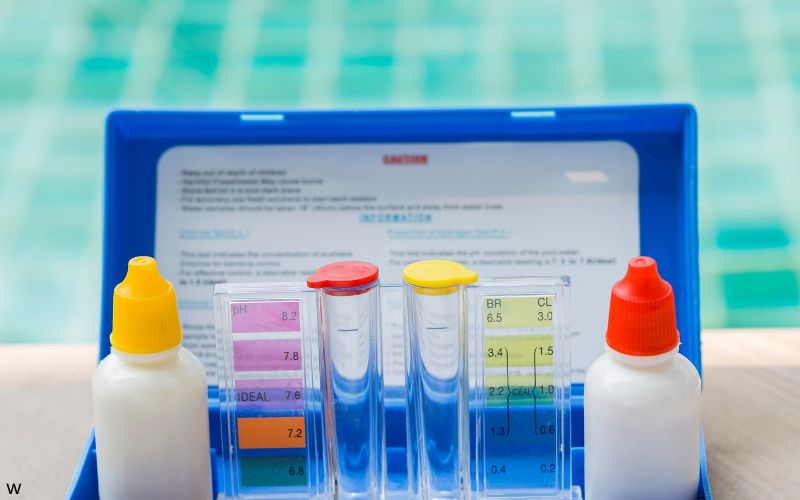
Schedule Water Testing
Request free water quality testing through Charleston Water System by calling (843) 727-6800. Testing is particularly important for homes in the historic districts or buildings constructed before 1986 that may have older plumbing materials. Given that current PFAS levels exceed the EPA’s 2024 MCLs, testing — and acting on the results — is especially worthwhile right now.
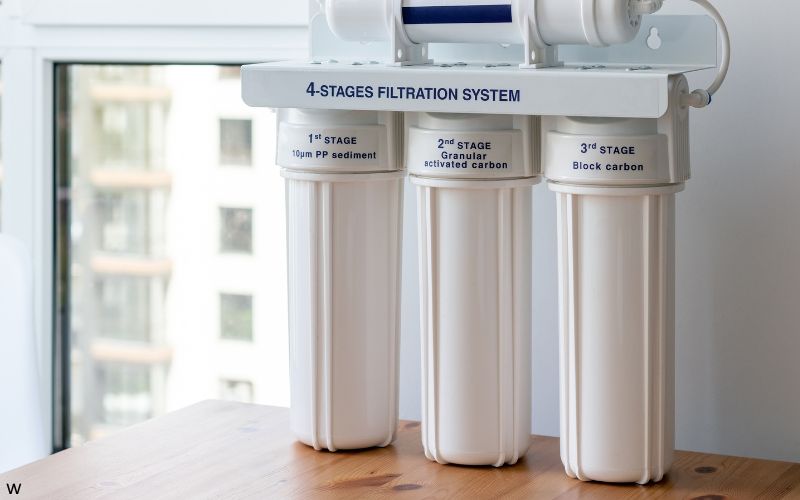
Consider Water Filters
Given that current PFAS levels exceed EPA limits, NSF/ANSI 58-certified reverse osmosis filters or NSF/ANSI 53-certified activated carbon filters are recommended for drinking and cooking water. This is especially advisable for homes on the historic peninsula or buildings constructed before 1986. See our water filter solutions guide for certified product recommendations.
Implement Flood Protection
Given Charleston’s well-documented vulnerability to flooding from king tides, hurricanes, and sea-level rise, protect your home’s water systems by installing backflow prevention devices on plumbing fixtures and using flood-resistant materials for basement or ground-floor plumbing. Charleston Water System offers guidance for qualifying backflow prevention installations.
Flush After Prolonged Absences
If your home has been vacant for more than a week, run cold water taps for 3–5 minutes before using water for drinking or cooking. This is particularly important in Charleston’s historic homes with older plumbing, as stagnant water can absorb trace metals — including lead — from internal pipe materials over time.
Report Flooding Issues
Report water main breaks, unusual water quality, or flood-related water concerns immediately to Charleston Water System at (843) 727-6800. During king tides or named storm events, prompt reporting helps the utility prioritise emergency response and maintain water quality. You can also monitor active advisories via our live U.S. boil water advisory tracker.
Quality News About Your Water
Get the comprehensive water quality news coverage you need with our dedicated US Water News Service. From coast to coast, we deliver in-depth reporting and expert analysis on PFAS contamination, EPA regulatory changes, infrastructure developments, and emerging water safety issues affecting communities nationwide. While mainstream media only covers the biggest stories, we provide the detailed, ongoing coverage that helps you understand the full scope of America’s water challenges.
What’s actually in your tap water? Enter your ZIP code for a full breakdown of contaminants detected in your local supply
Drinking water from a well? Check our directory here for more information
Frequently Asked Questions
Is Charleston’s tap water safe to drink in 2026?
Charleston’s tap water meets most federal and state drinking water standards and is generally safe to drink. The Hanahan Water Treatment Plant employs multiple treatment barriers — coagulation, sedimentation, granular activated carbon filtration, and chloramine disinfection — providing effective protection against the majority of regulated contaminants.
However, PFAS levels remain above the EPA’s April 2024 MCLs, with PFOS at 5.7 ppt and PFOA at 4.4 ppt against a limit of 4.0 ppt for each compound. Charleston Water System has until 2029 to achieve compliance and is currently planning the necessary treatment upgrades. During summer months, residents may notice occasional taste or odour changes due to naturally occurring algae in source waters — these are aesthetically noticeable but effectively addressed by treatment and pose no health concern.
Given the current PFAS situation, residents — especially those with young children, pregnant household members, or compromised immune systems — may wish to use a certified filter as an extra precaution for drinking and cooking water. Our water filter guide covers NSF-certified options suitable for PFAS removal.
How does flooding affect Charleston’s water quality?
Charleston’s coastal location makes flooding a frequent and growing concern, but several protective measures help ensure water quality remains consistent even during major events:
• Protected Source Water: The primary source — Bushy Park Reservoir — is located inland and is substantially less vulnerable to coastal flooding and direct saltwater intrusion than riverine intake points
• Elevated Infrastructure: Critical water treatment and pumping facilities have been raised above projected flood levels and equipped with backup power systems as part of the utility’s climate resilience programme
• Real-Time Monitoring: Enhanced water quality monitoring during and after flood events ensures early detection of any potential contamination entering the distribution system
• Pressure Maintenance: Maintaining positive pressure throughout the distribution system prevents floodwater from entering water mains even during significant inundation events
During major flood events, Charleston Water System implements additional water quality testing and may temporarily increase disinfectant residuals as a precautionary measure. Customers rarely experience water quality impacts, even during significant storm flooding. Any active boil water advisories for the Charleston area will appear on our live U.S. boil water tracker.
What improvements has Charleston made to its water system?
Over the past decade, Charleston Water System has invested over $250 million in water system improvements spanning treatment, distribution, and climate resilience:
• Treatment Plant Optimisation: Enhanced the Hanahan Water Treatment Plant with state-of-the-art GAC filtration technology and expanded real-time monitoring systems, increasing treatment effectiveness across multiple contaminant classes
• Lead Service Line Programme: Comprehensive inventory and notification programme covering approximately 70,000 customers with potential lead service connections, with accelerated replacement targeting the highest-risk properties ahead of the EPA’s 2037 deadline
• Historic District Infrastructure: Specialised replacement programmes for water mains in the historic peninsula using trenchless technology to minimise disruption to historic streetscapes
• Flood Resilience Upgrades: Elevated pumping stations, installed flood barriers, and implemented backup power systems at all critical facilities to maintain service continuity during storm events
• Smart Water Network: Deployed advanced metering infrastructure and distributed pressure monitoring to detect leaks, optimise energy use, and identify potential water quality issues in near real time
• Source Water Protection: Partnered with conservation organisations to protect and enhance watershed areas surrounding Bushy Park Reservoir and Edisto River intake points
These investments have significantly improved system reliability and resilience, particularly during extreme weather events. PFAS treatment upgrades, currently in planning, represent the next major phase. For statewide investment context, see our South Carolina water quality overview.
How is Charleston addressing saltwater intrusion concerns?
As a coastal community with accelerating sea-level rise, Charleston has implemented a multi-faceted strategy to address current and future saltwater intrusion risks:
• Source Water Diversification: Maintaining two distinct water sources — with primary reliance on the inland Bushy Park Reservoir — reduces dependence on any single point vulnerable to tidal or saltwater influence
• Advanced Monitoring: Conductivity sensors at intake points and throughout the distribution system provide early detection of any saltwater infiltration, enabling rapid operational response
• Treatment Adaptations: Enhanced treatment capabilities at the Hanahan plant can address varying levels of salinity in source waters, providing operational flexibility if intake conditions change
• Infrastructure Hardening: Strategic valve placement and distribution system zoning allow vulnerable coastal areas to be isolated if necessary, protecting the broader system during acute events
• Research Partnerships: Active collaboration with regional universities and state agencies to model future saltwater intrusion scenarios under various sea-level rise projections and develop long-term mitigation strategies
To date, Charleston’s drinking water sources have not experienced significant saltwater intrusion impacts. However, the utility continues to develop and update long-term strategies as climate projections evolve. Any operational boil water advisories will be reflected on our live boil water advisory tracker.
Contaminants of Concern
PFAS Compounds
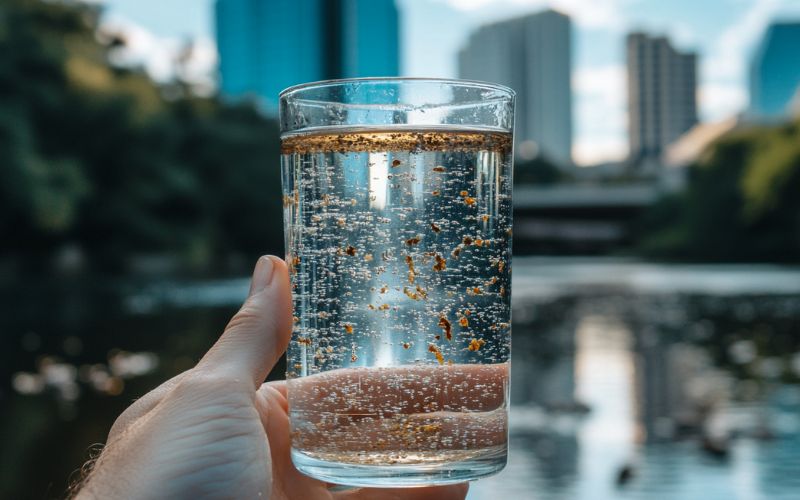
Source: AFFF firefighting foam, industrial processes, and consumer products contaminating source waters. PFAS contamination is particularly significant in the Charleston area, with high concentrations detected in local marine life and groundwater near Joint Base Charleston — a legacy of decades of AFFF use.
Health Effects: Long-term exposure is associated with elevated cholesterol, changes in liver enzymes, reduced infant birth weight, immune system effects, and increased risk of certain cancers. The EPA formally recognised these risks in its 2024 PFAS MCL rulemaking.
Current Status: Most recently published testing shows PFOS at 5.7 ppt and PFOA at 4.4 ppt — both above the EPA’s April 2024 MCL of 4.0 ppt for each compound individually. Treatment upgrades are being planned for implementation ahead of the 2029 compliance deadline. See our water filter guide for certified PFAS removal options.
Lead
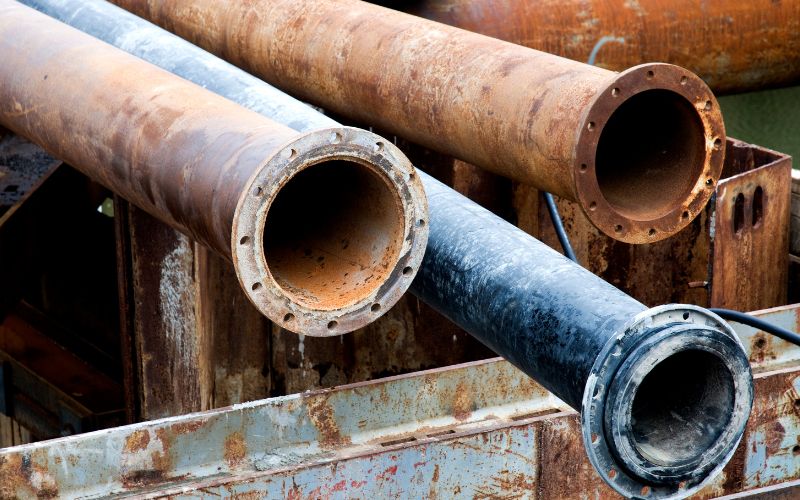
Source: Lead service lines and plumbing materials in homes built before 1986, particularly prevalent in Charleston’s historic districts. Charleston Water System has identified and notified approximately 70,000 customers with potential lead service connections and is working toward EPA’s 2037 full replacement deadline.
Health Effects: No safe level of lead exposure exists in children. Effects include developmental delays, reduced IQ, and learning difficulties. In adults, lead exposure is associated with kidney damage and cardiovascular effects.
Current Levels: The most recent testing period shows 90th percentile lead values well below the EPA action level of 15 ppb, attributable to effective corrosion control through pH optimisation and orthophosphate treatment. Note: The EPA’s 2024 Lead and Copper Rule Improvements (LCRI) lowered the action level to 10 ppb — Charleston Water System is monitoring compliance with the updated standard.
Chromium-6 (Hexavalent Chromium)
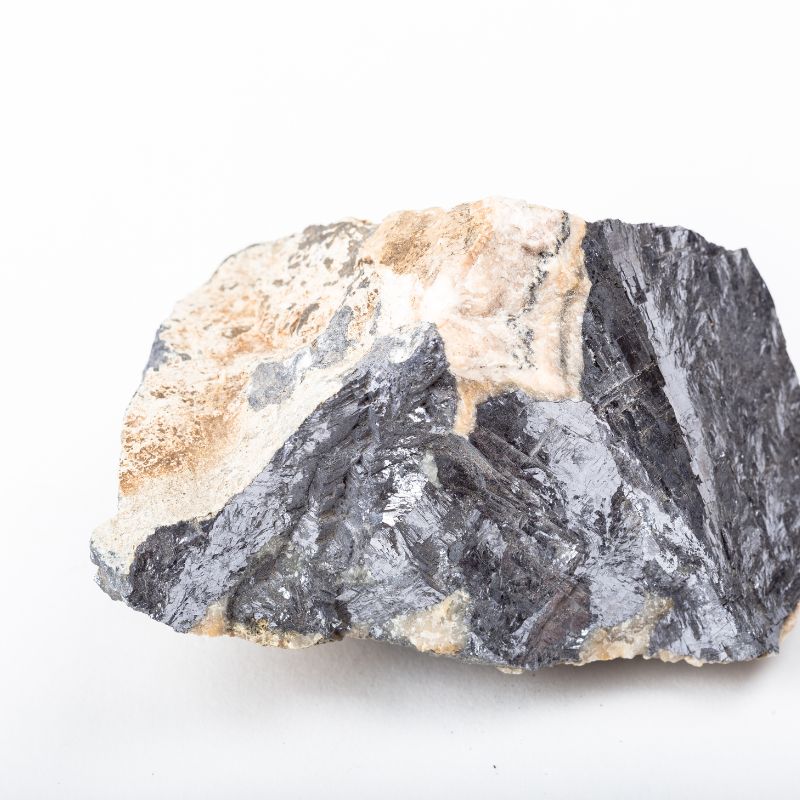
Source: Industrial discharge and natural mineral deposits; can enter drinking water through contaminated source waters or corrosion of chrome-plated plumbing fixtures. The Charleston area’s industrial heritage contributes to background chromium levels in some source water bodies.
Health Effects: Hexavalent chromium is classified as a probable human carcinogen by the California Office of Environmental Health Hazard Assessment (OEHHA); long-term exposure is associated with increased cancer risk.
Current Status: Third-party testing has identified chromium-6 levels exceeding published health guidelines in Charleston’s water supply. Charleston Water System does not currently have a regulatory requirement to report chromium-6 separately from total chromium under federal standards, though this may change as the EPA develops a dedicated MCL for hexavalent chromium. Residents concerned about chromium-6 should consider a certified reverse osmosis filter — see our filtration guide for options.
Disinfection Byproducts
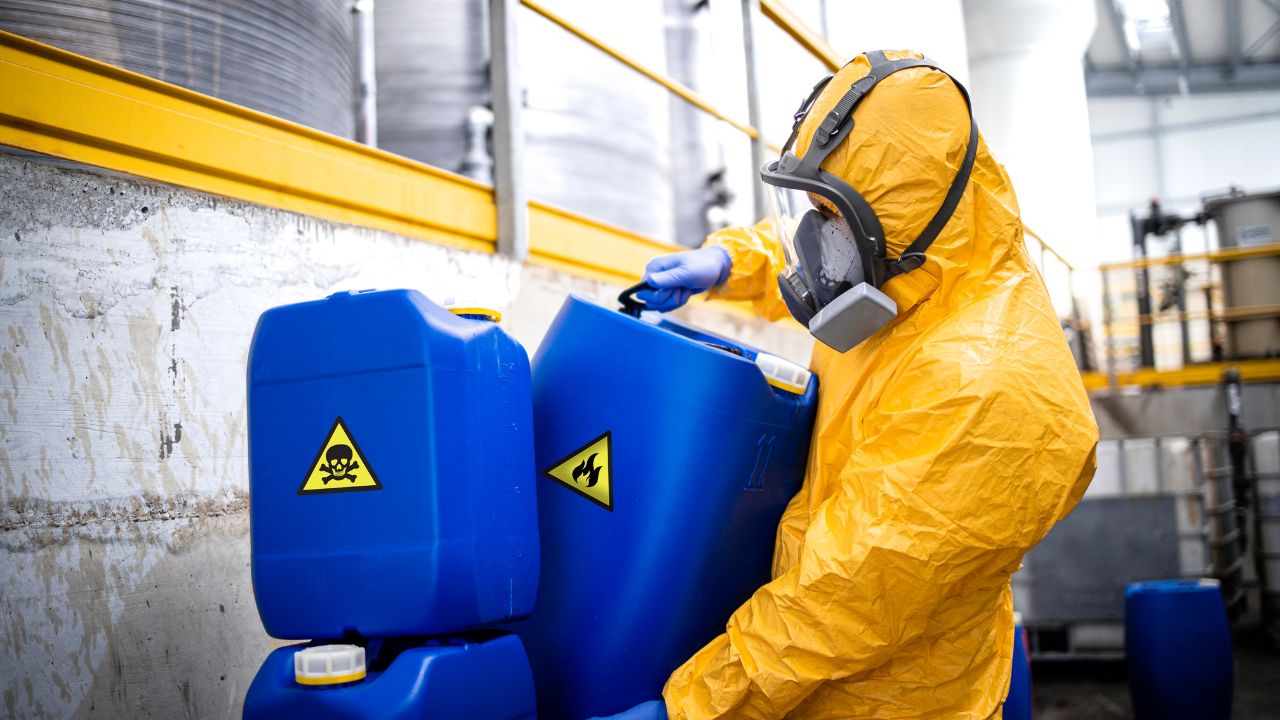
Source: Formed when disinfectants (primarily chlorine or chloramines) react with naturally occurring organic matter in source water. Trihalomethanes (THMs) — including chloroform and bromodichloromethane — are the primary DBP class of concern in Charleston’s supply.
Health Effects: Long-term exposure to elevated THM levels may increase cancer risk and is associated with adverse pregnancy outcomes. Chloroform is classified as a probable human carcinogen.
Current Status: Charleston Water System’s use of chloramines as a secondary disinfectant — rather than free chlorine — substantially reduces THM formation. Current DBP levels meet EPA regulatory standards, though some measured values exceed stricter health-based guidelines published by bodies such as the California Office of Environmental Health Hazard Assessment. Monitoring is conducted quarterly across multiple distribution system locations.
Please read – our information
The information presented on cleanairandwater.net is compiled from official water quality reports, trusted news sources, government websites, and public health resources. While we strive for accuracy and thoroughness in our presentations, we are not scientists, engineers, or qualified water quality professionals.
Our mission is to present water quality information in an accessible, real-world format that helps people understand what’s in their water and make informed decisions about their health and safety. We believe that complex environmental information should be available to everyone in a format that’s easy to understand.
We make every effort to ensure our content is current and accurate, but we cannot guarantee that all information is complete or error-free. This website should not replace official communications from your local water utility or health department. We always recommend consulting official sources for the most up-to-date information regarding your specific water system.
Clean Air and Water is not liable for any unintentional errors, omissions, or outdated information. The content on this site is provided for informational purposes only and should not be considered professional advice.