Charlotte Water Quality at a Glance
concerning byproducts
Is Charlotte Water Safe to Drink?
Generally Yes, With Filtration Recommended — Charlotte Water meets all federal standards with zero regulatory violations recorded in 2025, but contains elevated disinfection byproducts from chloramine treatment. EWG data identifies 9 contaminants above health-protective guidelines. PFAS levels are very low compared to other North Carolina systems and remain below the EPA’s 2024 enforceable MCLs. See our North Carolina state water quality report for statewide context.
⚠️ Key Concerns for Charlotte Residents
- Trihalomethanes (TTHMs): 272x above EWG health guideline — formed during chloramine disinfection of organic-rich source water
- Haloacetic Acids: Up to 413x above EWG health guidelines — long-term exposure is associated with elevated cancer risk
- Chromium-6: Hexavalent chromium detected at approximately 3.3x EWG health guidelines — a recognised carcinogen
- Soft Water: Only ~32 ppm hardness — some households may wish to supplement minerals for cooking or taste
Read the full report below for detailed analysis, 2026 data, and actionable recommendations for Charlotte residents.
advertisment – report continues below
Your water passed the test.
Legal isn’t the same as safe.
Regulated contaminants like PFAS, chromium-6, and disinfection byproducts can sit inside the legal limit and still carry long-term health risks. Passing isn’t the same as clean.
✅ Removes PFAS, lead & chromium-6 — the contaminants most flagged even in passing city reports
✅ NSF/ANSI 42, 58 & 372 certified — independently tested, not just manufacturer claims
✅ Installs in 30 minutes, no plumber — fills a glass in 8 seconds, smart LED filter monitor
Renting or can’t drill? The Waterdrop K19 Countertop RO — plug in, fill the tank, done. No installation, no drilling, no plumber.
Advertisement — this page contains affiliate links. If you buy through these links, we may earn a commission at no extra cost to you.

Charlotte, North Carolina — Water Quality Report 2026: PFAS Testing, Infrastructure Updates & Safety for Residents
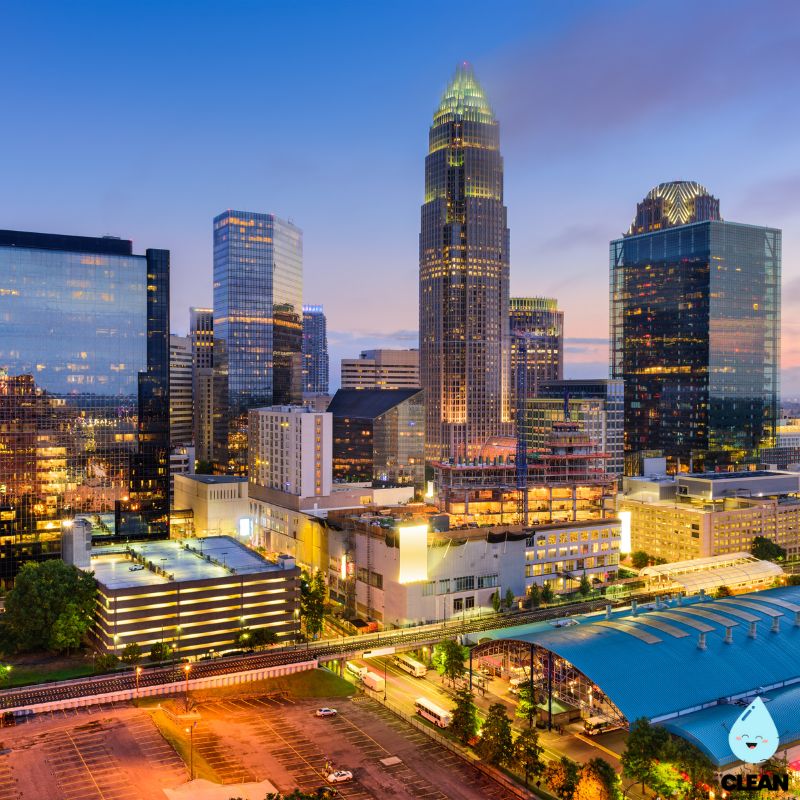
Charlotte, the largest city in North Carolina and the 15th-largest in the United States, provides water service to more than 1.1 million residents through Charlotte Water — one of the Southeast’s most comprehensive municipal utilities. The system manages approximately 4,610 miles of water mains, three primary treatment plants (Franklin, Vest, and Lee S. Dukes), and extensive pumping infrastructure delivering roughly 117 million gallons daily across the city and surrounding counties.
Charlotte’s supply comes primarily from Lake Norman and Mountain Island Lake on the Catawba River, supplemented by regional water-sharing agreements. The city continues to invest in infrastructure modernisation under its One Water Initiative, integrating drinking water, stormwater, and wastewater management. Long-term priorities include smart water grid deployment, advanced PFAS monitoring to comply with EPA’s 2024 enforceable limits, and climate-resilience planning for the rapidly growing metro region. For comparison with nearby systems, see our reports on Raleigh and Fayetteville.
Charlotte Water Quality: Current Status (2025–2026)
Latest Testing Results
- Lead Levels: The most recently published testing period (January–December 2024) showed a 90th-percentile lead result of 2.8 ppb — well below the EPA action level of 15 ppb — reflecting effective corrosion control and ongoing service-line management.
- Testing Scope: Charlotte Water conducts more than 170,000 water quality tests annually, including routine lead sampling at residential sites, PFAS monitoring, and comprehensive analysis at all three treatment facilities.
- Compliance Status: Charlotte Water met all federal and state drinking water standards in 2025 with zero regulatory violations, in full compliance with EPA and North Carolina DEQ requirements. The utility has begun reporting under the EPA’s new PFAS National Primary Drinking Water Regulation (effective 2024).
Lake-Based Water Supply
- Primary Sources: Approximately 75% of Charlotte’s water originates from Lake Norman (~50%) and Mountain Island Lake (~25%), both on the Catawba River and protected through strict watershed governance.
- Advanced Treatment: All three plants use coagulation, sedimentation, filtration, and chloramination. Activated carbon treatment is employed seasonally to manage taste, odour, and emerging organic contaminants.
- Watershed Protection: Land-use regulations and conservation partnerships help protect source waters, though upstream agricultural and industrial activity continues to require monitoring for nitrates and PFAS precursors.
Infrastructure Innovation
- Smart Water Grid: Advanced metering infrastructure with real-time leak detection, pressure monitoring, and customer usage analytics continues to roll out across the service area through 2026.
- Main Replacement Programme: Approximately 35 miles of water mains are renewed annually, prioritising pipes installed before 1960 and those in neighbourhoods with older service connections.
- Facility Upgrades: Ongoing expansion at the Franklin Water Treatment Plant will increase peak capacity and bolster redundancy for the growing population. A lead service line inventory — required under the revised Lead and Copper Rule — is actively being finalised.
Integrated Water Management
- One Water Initiative: This citywide strategy integrates drinking water, wastewater, and stormwater management to reduce redundancy and improve environmental outcomes across Charlotte’s growing footprint.
- Water Reuse: Expanded reclaimed water delivery to parks, golf courses, and commercial properties reduces demand on Lake Norman and Mountain Island Lake for non-potable uses.
- Climate Resilience: Drought contingency planning, regional water-sharing agreements, and infrastructure hardening are central to Charlotte’s long-range capital improvement plan through 2030.
Customer Engagement
Charlotte Water maintains strong public transparency through an annual Consumer Confidence Report, a real-time water quality dashboard, and free residential water testing. Residents in older homes or with specific health concerns — including pregnant women and households with young children — are encouraged to request testing and to review our guide to certified home water filters for practical filtration options. Check our live boil water advisory tracker for any active notices affecting Charlotte or surrounding Mecklenburg County communities.
Recommendations for Charlotte Residents

Access the Online Portal
Use Charlotte Water’s online customer portal to track your usage, set conservation targets, and receive leak alerts in real time. The portal also provides convenient bill payment and personalised water-saving guidance based on your household profile.
Landscape Responsibly
Plant native North Carolina species that thrive with less supplemental water. Take advantage of Charlotte Water rebates for rain gardens, rain barrels, and drip irrigation, and follow seasonal odd/even watering schedules during the April–September restriction period.
Request Free Water Testing
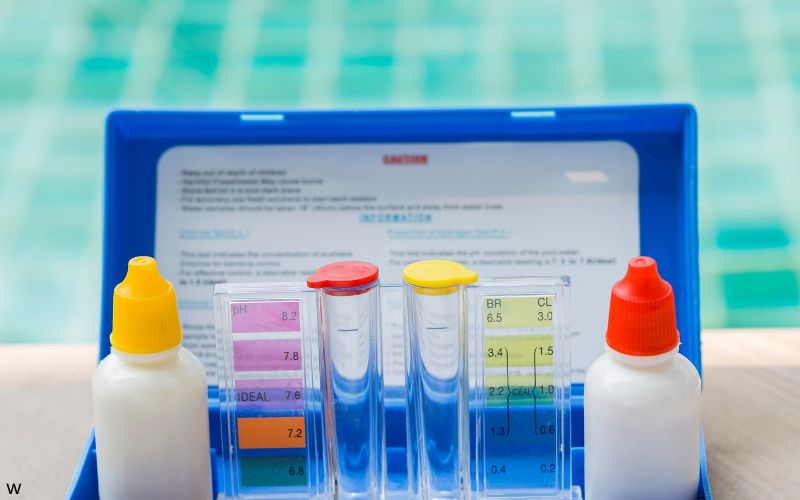
Contact Charlotte Water at (704) 336-3300 to schedule free testing. This is especially important for homes built before 1987 and for households with infants, pregnant women, or immunocompromised individuals. See our water filter guide if results show elevated lead or byproduct levels.
Report Leaks Promptly
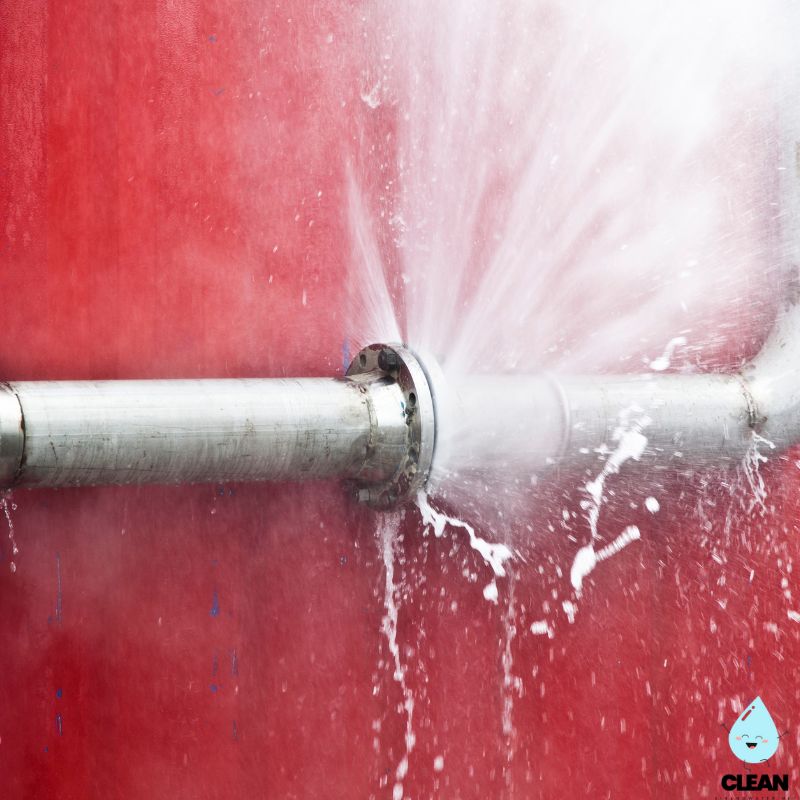
Call Charlotte Water at (704) 336-4100 for water main breaks or pressure emergencies. Use the 311 app for non-emergency reports and track repair status online. Prompt reporting protects water quality and reduces system losses. Check our live boil water tracker after any main break in your area.
Practice Proper Usage
Always use cold water for drinking and cooking — hot water from the tap can carry more dissolved lead from household plumbing. If the tap has been unused for more than six hours, flush for 30–60 seconds before drinking. Consider a certified point-of-use filter if disinfection byproducts or PFAS are a concern.
Quality News About Your Water
Get the comprehensive water quality news coverage you need with our dedicated US Water News Service. From coast to coast, we deliver in-depth reporting and expert analysis on PFAS contamination, EPA regulatory changes, infrastructure developments, and emerging water safety issues affecting communities nationwide. While mainstream media only covers the biggest stories, we provide the detailed, ongoing coverage that helps you understand the full scope of America’s water challenges.
What’s actually in your tap water? Enter your ZIP code for a full breakdown of contaminants detected in your local supply
Drinking water from a well? Check our directory here for more information
Frequently Asked Questions
Is Charlotte’s tap water safe to drink in 2026?
Yes, Charlotte tap water meets all federal and state drinking water standards and has recorded zero regulatory violations through 2025. Water is drawn from Lake Norman and Mountain Island Lake — both protected Catawba River reservoirs — and undergoes coagulation, filtration, and chloramination at three modern treatment plants.
Charlotte Water publishes an annual Consumer Confidence Report with results from more than 170,000 annual tests. Lead levels are well below EPA limits (90th percentile: 2.8 ppb vs. the 15 ppb action level). However, EWG data identifies 9 contaminants exceeding health-protective guidelines — most notably disinfection byproducts and trace chromium-6. PFAS is present at levels below the EPA’s new 2024 enforceable MCLs. Residents in homes built before 1987 should request free lead testing, and those concerned about long-term byproduct exposure may benefit from a certified reverse osmosis or carbon filter.
What is Charlotte’s One Water Initiative?
Charlotte’s One Water Initiative is a citywide strategy that manages drinking water, wastewater, and stormwater as a single integrated resource — reducing redundancy, improving environmental outcomes, and preparing the system for long-term population growth.
• Expanding reclaimed water delivery for non-potable uses (parks, golf courses, commercial properties)
• Deploying green infrastructure to manage stormwater at source
• Upgrading treatment facilities for efficiency and PFAS removal capacity
• Protecting Catawba River watersheds through land conservation partnerships
• Implementing smart water technologies for real-time system monitoring
The initiative aligns Charlotte with broader statewide water planning goals — see our North Carolina water quality overview for context.
What are Charlotte’s current water use restrictions?
Charlotte maintains year-round conservation rules with additional seasonal restrictions:
Standard Year-Round Rules:
• No irrigation of impervious surfaces (driveways, sidewalks, roads)
• All irrigation systems must have automatic shut-off controls or timers
• No outdoor watering during rain or within 24 hours of measurable rainfall
Seasonal Restrictions (April 1 – September 30):
• Twice-weekly watering on an odd/even address schedule
• No outdoor watering between 10 AM and 4 PM
• Exemptions available for newly established landscapes and drip irrigation systems
Mandatory drought-stage restrictions may be declared during periods of reduced reservoir levels. Always check charlottenc.gov/water for the latest status. Monitor our U.S. water advisory tracker for any drought or supply emergencies.
Why does my Charlotte tap water sometimes taste of chlorine?
Charlotte uses chloramination — a combination of chlorine and ammonia — as its primary disinfectant to maintain safe residual levels throughout the 4,610-mile distribution network. Noticeable chlorine taste or odour is most common:
• During seasonal treatment adjustments (typically late spring and summer)
• Following system maintenance, main flushing, or pressure zone changes
• In low-demand areas where water moves slowly through the pipes
This is a normal indicator that the disinfection system is functioning correctly. To reduce taste and odour:
• Refrigerate an open jug of water for several hours before drinking
• Use a NSF/ANSI 42-certified activated carbon filter — see our filter recommendations
Chloramine levels are continuously monitored and maintained within EPA maximum residual disinfectant limits. Note that chloramine also produces the disinfection byproducts (TTHMs and HAAs) identified as Charlotte’s primary water quality concern.
Contaminants of Concern
Disinfection Byproducts
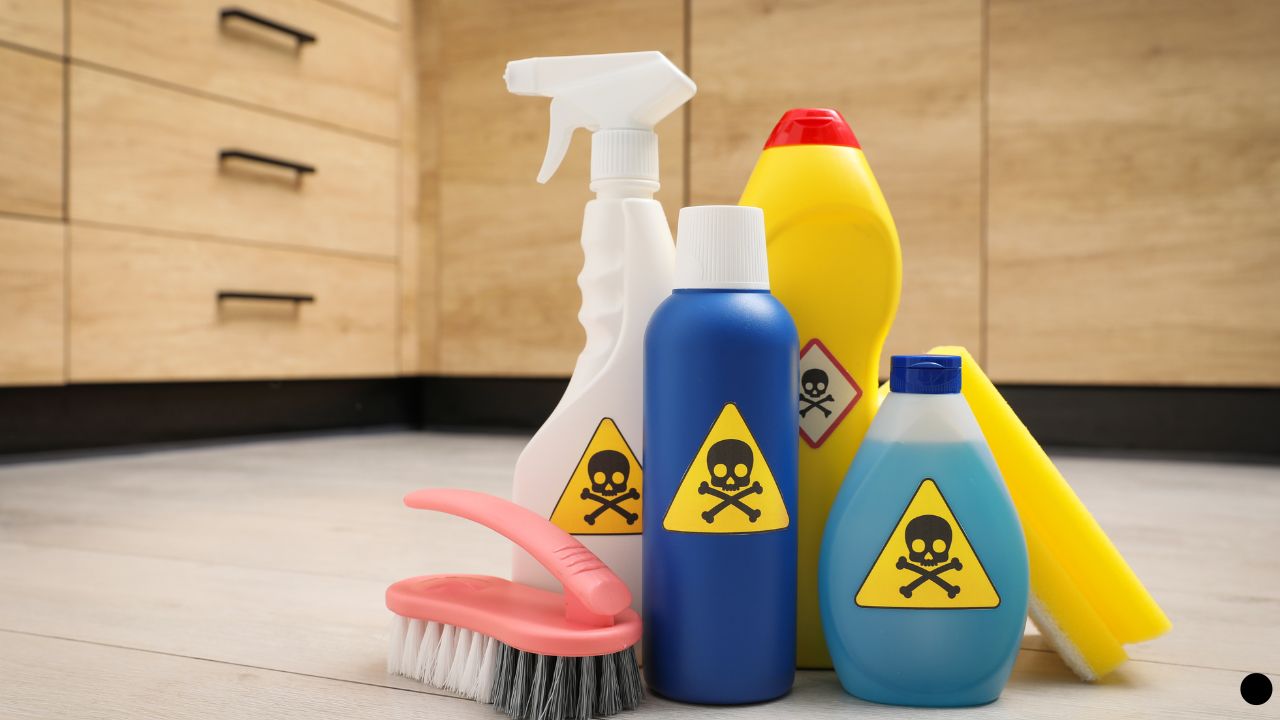
Source: Chloramines react with naturally occurring organic matter in Lake Norman and Mountain Island Lake, forming trihalomethanes (TTHMs) and haloacetic acids (HAAs) throughout the distribution system.
Health Effects: Long-term exposure to elevated disinfection byproducts is associated with increased bladder cancer risk and adverse reproductive outcomes. TTHMs and HAAs are regulated under EPA’s Stage 2 Disinfectants and Disinfection Byproducts Rule.
Current Status: Charlotte’s TTHM levels exceed EWG health guidelines by approximately 272 times; HAA levels reach up to 413 times EWG guidelines. Both remain within EPA regulatory MCLs. A NSF/ANSI 58-certified reverse osmosis system is the most effective at-home solution.
Lead & PFAS
Source: Lead enters water through older household service lines and plumbing fittings in homes built before 1987. PFAS originate from industrial discharge, fire-fighting foam, and legacy consumer product contamination in the Catawba River watershed.
Health Effects: Lead causes irreversible neurological damage in children at very low exposures. PFAS (per- and polyfluoroalkyl substances) are linked to thyroid disruption, immune suppression, certain cancers, and developmental effects. The EPA set enforceable MCLs for PFAS in April 2024 — the first federal limits ever established.
2026 Status: Lead measures 2.8 ppb at the 90th percentile — well below EPA’s 15 ppb action level. PFAS detections remain low and, based on available 2025 monitoring data, below the EPA’s new MCLs of 4 parts per trillion for PFOA and PFOS. Charlotte Water is completing its lead service line inventory as required under the revised Lead and Copper Rule. See our North Carolina PFAS overview for statewide context.
Please read – our information
The information presented on cleanairandwater.net is compiled from official water quality reports, trusted news sources, government websites, and public health resources. While we strive for accuracy and thoroughness in our presentations, we are not scientists, engineers, or qualified water quality professionals.
Our mission is to present water quality information in an accessible, real-world format that helps people understand what’s in their water and make informed decisions about their health and safety. We believe that complex environmental information should be available to everyone in a format that’s easy to understand.
We make every effort to ensure our content is current and accurate, but we cannot guarantee that all information is complete or error-free. This website should not replace official communications from your local water utility or health department. We always recommend consulting official sources for the most up-to-date information regarding your specific water system.
Clean Air and Water is not liable for any unintentional errors, omissions, or outdated information. The content on this site is provided for informational purposes only and should not be considered professional advice.