Chesapeake Water Quality at a Glance
significant concerns
Is Chesapeake Water Safe to Drink?
Generally Yes, With Caution — Chesapeake water meets federal standards but faces ongoing PFAS contamination from Naval Auxiliary Landing Field Fentress due to historical firefighting foam use. Additional concerns include chromium-6 levels up to 19 times health guidelines and disinfection byproducts exceeding EPA limits in some parts of the system. Water quality varies significantly by neighbourhood and source. We strongly recommend a certified filter for Chesapeake residents — see our water filter guide for options suited to these specific contaminants.
⚠️ Key Concerns for Chesapeake Residents
- PFAS “Forever Chemicals”: Military firefighting foam contamination near Naval Auxiliary Landing Field Fentress affecting nearby wells
- Geographic Impact: Navy providing bottled water to affected homes; some residents remain on carbon filtration systems
- Chromium-6: Cancer-causing hexavalent chromium detected at 60–380 parts per trillion — up to 19× health guidelines in the Western Branch area
- Disinfection Byproducts: Total trihalomethanes reaching 109 ppb at upper levels, above the 80 ppb EPA limit — chloramine disinfection requires specialist filters
Read the full report below for detailed analysis, neighbourhood-specific data, and actionable recommendations for Chesapeake residents.
advertisment – report continues below
Your water passed the test.
Legal isn’t the same as safe.
Regulated contaminants like PFAS, chromium-6, and disinfection byproducts can sit inside the legal limit and still carry long-term health risks. Passing isn’t the same as clean.
✅ Removes PFAS, lead & chromium-6 — the contaminants most flagged even in passing city reports
✅ NSF/ANSI 42, 58 & 372 certified — independently tested, not just manufacturer claims
✅ Installs in 30 minutes, no plumber — fills a glass in 8 seconds, smart LED filter monitor
Renting or can’t drill? The Waterdrop K19 Countertop RO — plug in, fill the tank, done. No installation, no drilling, no plumber.
Advertisement — this page contains affiliate links. If you buy through these links, we may earn a commission at no extra cost to you.

Chesapeake, Virginia – Water Quality Report 2026: PFAS Testing, Chromium-6 & Safety Guide
Chesapeake Public Utilities serves approximately 245,000 residents across Virginia’s second-largest city by land area, providing water through a sophisticated multi-source system. The city operates two water treatment plants — the Northwest River Water Treatment Plant and the Lake Gaston Water Treatment Plant — alongside contracts with Norfolk and Portsmouth for additional supply. With roughly 15 million gallons produced daily through 65,000 service connections, Chesapeake’s infrastructure draws from the Northwest River, brackish groundwater wells, and treated water from Lake Gaston via Norfolk’s system.
Chesapeake’s geographic position near the Chesapeake Bay requires sophisticated treatment to manage both surface and groundwater. The Northwest River Plant uses conventional treatment combined with reverse osmosis, while the Lake Gaston facility employs advanced ultrafiltration. The city’s water consistently meets all federal Safe Drinking Water Act standards through comprehensive testing programmes conducting hundreds of thousands of analyses annually. However, significant concerns remain: PFAS contamination from military firefighting foam at Naval Auxiliary Landing Field Fentress, chromium-6 levels exceeding health guidelines in parts of the Western Branch area, and disinfection byproducts at or above EPA limits. Residents in affected areas should review our water filtration guide and check our live boil water tracker for any active advisories.
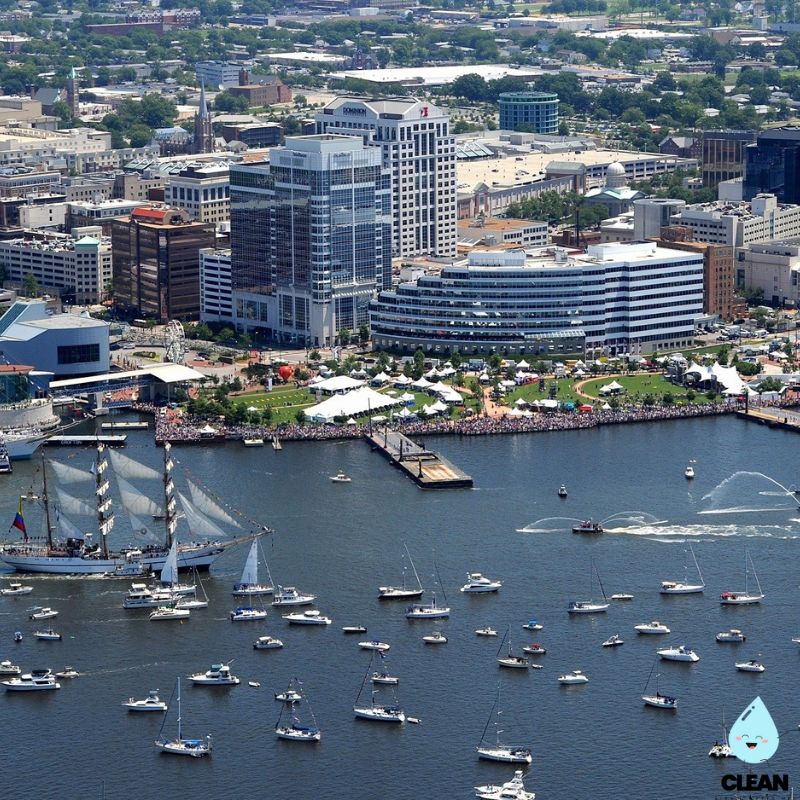
Chesapeake Water Quality: Current Status (2025–2026)
Latest Testing Results
- Lead and Copper Monitoring: Recent analysis shows lead levels at 90th percentile concentrations of less than 3 parts per billion — well below the EPA action level of 15 ppb — maintaining full compliance with federal drinking water standards. Corrosion control treatment continues to protect older plumbing systems across the service area.
- Testing Scope: Chesapeake conducts hundreds of thousands of water quality analyses annually throughout the treatment process, with additional sampling at approximately 400 homes and businesses citywide to ensure distribution system integrity and regulatory compliance.
- Compliance Status: Chesapeake’s water meets all federal Safe Drinking Water Act standards and Virginia Department of Health regulations, with continuous monitoring at both treatment plants. Residents should note that meeting legal standards does not fully address the chromium-6 and disinfection byproduct concerns detailed in this report.
Water Sources
- Northwest River: Primary surface water source feeding the Northwest River Water Treatment Plant, supplemented by brackish groundwater from four wells along South Battlefield Boulevard — a blending approach that requires robust treatment to manage varying water chemistry.
- Lake Gaston Partnership: Chesapeake participates in the Lake Gaston Water Supply Pipeline project, receiving up to 10 million gallons per day of treated water from Norfolk, with future capability to treat Lake Gaston water directly at the dedicated plant.
- Western Branch Wells: Groundwater sources including Wells #1 and #3 plus an Aquifer Storage and Recovery well near Hampton Roads Executive Airport, providing natural fluoridation for Lake Gaston plant water and serving as backup supply during peak demand periods.
Advanced Treatment Technology
- Northwest River Plant: Features conventional treatment processes combined with reverse osmosis technology to handle both surface water and brackish groundwater, providing comprehensive contaminant removal including partial reduction of certain dissolved solids and emerging contaminants.
- Lake Gaston Plant: Utilises advanced ultrafiltration technology with an 8 million gallon per day capacity, currently treating purchased Norfolk water with future capability for direct Lake Gaston treatment. Ultrafiltration is effective against particulates and pathogens but does not remove PFAS or dissolved chemicals.
- Disinfection Systems: All water sources are disinfected with chloramine — produced by combining chlorine and ammonia — providing longer-lasting residual protection throughout the distribution system. Note that chloramine requires specialist NSF-certified filters for effective removal; standard carbon block filters designed for chlorine are often insufficient.
Infrastructure and Partnerships
- Regional Cooperation: Chesapeake maintains strategic partnerships with Norfolk and Portsmouth, purchasing treated water to ensure supply redundancy and meet peak demand. This regional approach is common across Virginia’s Hampton Roads area, where cities including Norfolk and Richmond operate interconnected systems.
- Distribution Network: The comprehensive system serves 65,000 accounts with bimonthly billing, supported by 24/7 customer service and emergency response. Check our live boil water advisory tracker for any active notices in the Chesapeake area.
- Quality Assurance: Operators test water multiple times daily at both treatment plants, with continuous monitoring systems ensuring optimal treatment processes and regulatory compliance across the service area.
Customer Service and Support
Chesapeake Public Utilities operates as an Enterprise Fund, generating revenue through user fees rather than taxes to maintain and improve water infrastructure. The utility partners with Hampton Roads Sanitation District (HRSD) for sewage treatment, with integrated billing through the Hampton Roads Utility Billing Service. Customers receive bimonthly bills covering both water and sewer services, with online account management, one-time payments, and automatic deduction options available. The utility maintains 24/7 emergency response at 757-382-3550 for water main breaks and system emergencies. For residents concerned about contaminants specific to their area, our water filter solutions guide provides recommendations for chloramine, chromium-6, PFAS, and disinfection byproduct removal. For context on how Chesapeake compares to the rest of the state, see our full Virginia water quality overview.
Recommendations for Chesapeake Residents
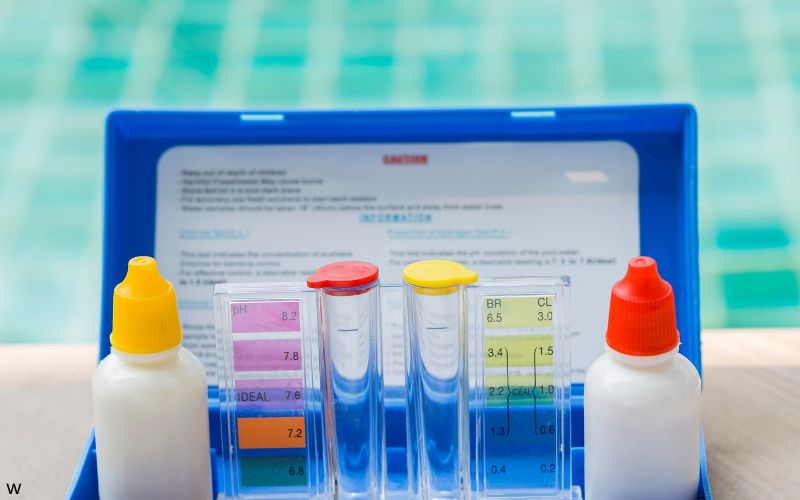
Test Your Water
Contact Chesapeake Public Utilities at 757-382-6352 for water quality testing information. Residents in homes built before 1986 or those served by private wells should consider testing for lead and PFAS. If you live near Naval Auxiliary Landing Field Fentress or Naval Air Station Oceana, specifically enquire about the PFAS testing programme and whether your property qualifies for the Navy’s bottled water provision. See our water quality information guide for more on what to test for.

Monitor PFAS Updates
Stay informed about ongoing PFAS testing and remediation near Naval Auxiliary Landing Field Fentress and Naval Air Station Oceana. Virginia DEQ is actively monitoring PFAS levels and new federal regulations require public water system compliance by 2029. Sign up for Chesapeake Public Utilities alerts and check our water alert news page for the latest developments affecting Virginia communities.
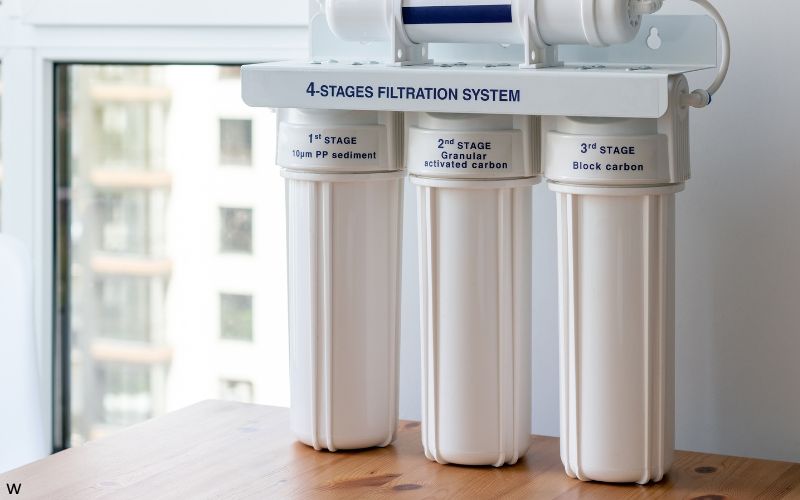
Consider Filtration
Given Chesapeake’s use of chloramine disinfection, chromium-6 detections, and elevated disinfection byproducts, we strongly recommend an NSF-certified filter. Standard carbon block filters designed for chlorine will not effectively address chloramine or its byproducts. Look for filters certified for PFAS, chromium-6, and chloramine removal. Our water filter solutions guide identifies the best options for Chesapeake’s specific contaminant profile.
Practice Water Conservation
Support regional water sustainability by implementing water-saving practices at home. Chesapeake’s diverse source mix and its dependence on the Northwest River and Lake Gaston partnership means conservation efforts directly protect long-term supply reliability, particularly during peak summer demand and drought conditions affecting south-east Virginia.

Report Issues
Contact Chesapeake Public Utilities at 757-382-6352 for water quality concerns or billing questions. For emergencies including water main breaks or pressure problems, call the 24-hour emergency line at 757-382-3550. You can also monitor active issues across the region using our live U.S. boil water advisory tracker.
Frequently Asked Questions
Is Chesapeake’s tap water safe to drink in 2026?
Chesapeake’s tap water meets all federal and state drinking water standards in 2026. The city’s multi-source system — including the Northwest River, Lake Gaston partnership, and groundwater wells — is treated through advanced filtration and disinfection at two dedicated plants.
However, meeting legal standards does not mean the water is free of all concern. Chesapeake residents should be aware of ongoing PFAS contamination near military facilities, chromium-6 levels that exceed California’s non-regulatory health guideline in the Western Branch area, and disinfection byproducts that have reached above the EPA 80 ppb TTHM limit at some monitoring points. Hundreds of thousands of analyses are conducted annually, and the city publishes full results in its Consumer Confidence Report. For residents who want additional protection, an NSF-certified filter is a sensible step — see our water filter solutions guide for options matched to Chesapeake’s contaminant profile. For a statewide picture, visit our Virginia water quality overview.
Why does my Chesapeake water have a chlorine taste or smell?
Chesapeake uses chloramine for disinfection, produced by combining chlorine and ammonia. This creates a more persistent disinfectant that maintains water quality throughout the long distribution system better than free chlorine alone.
Chloramine is primarily responsible for the taste and odour that some customers notice in tap water. Unlike free chlorine, this will not dissipate by leaving water to stand in a jug or in the refrigerator overnight. Standard activated carbon filters designed for chlorine are often not effective against chloramine. If taste or odour is a concern, contact Chesapeake Public Utilities at 757-382-6352, and consider a filter specifically certified for chloramine removal — our filtration guide covers the most suitable options.
What is the PFAS contamination situation in Chesapeake?
PFAS contamination has been detected in areas of Chesapeake near naval facilities where aqueous film-forming foam (AFFF) was historically used during firefighting training:
• Naval Auxiliary Landing Field Fentress: The Navy provides bottled water and filtration systems to affected households and is working with the city on permanent water connections as a long-term remedy
• Naval Air Station Oceana: Testing conducted in nearby private wells, with bottled water provided to households exceeding health advisory levels
• State Response: Virginia DEQ is actively monitoring PFAS levels and implementing updated regulations to address these emerging contaminants
• EPA Standards: Federal drinking water standards for PFAS were finalised in April 2024, requiring public water system compliance by 2029. Chesapeake Public Utilities is assessing treatment options ahead of that deadline
If you live near military installations, contact the relevant facility or Chesapeake Public Utilities to enquire about testing programmes. You can also monitor developments on our water alert news page. This issue affects multiple Virginia communities — see our state overview for the broader picture.
How does Chesapeake’s multi-source water system work?
Chesapeake operates a unique multi-source water system designed for resilience and long-term supply security:
Primary Sources:
• Northwest River Water Treatment Plant treats surface water and brackish groundwater using conventional treatment plus reverse osmosis
• Lake Gaston Water Treatment Plant processes water purchased from Norfolk using ultrafiltration
• Western Branch Wells provide naturally fluoridated groundwater as backup and blending supply
Regional Partnerships:
• Cooperation with Norfolk and Portsmouth provides supply redundancy across the Hampton Roads region
• Participation in the Lake Gaston Water Supply Pipeline project ensures long-term supply security for south-east Virginia
This integrated approach allows Chesapeake to maintain reliable water service while adapting to changing demand, drought risk, and evolving water quality challenges. Check our live boil water tracker for real-time system status across the region.
Quality News About Your Water
Get the comprehensive water quality news coverage you need with our dedicated US Water News Service. From coast to coast, we deliver in-depth reporting and expert analysis on PFAS contamination, EPA regulatory changes, infrastructure developments, and emerging water safety issues affecting communities nationwide. While mainstream media only covers the biggest stories, we provide the detailed, ongoing coverage that helps you understand the full scope of America’s water challenges.
What’s actually in your tap water? Enter your ZIP code for a full breakdown of contaminants detected in your local supply
Drinking water from a well? Check our directory here for more information
Contaminants of Concern
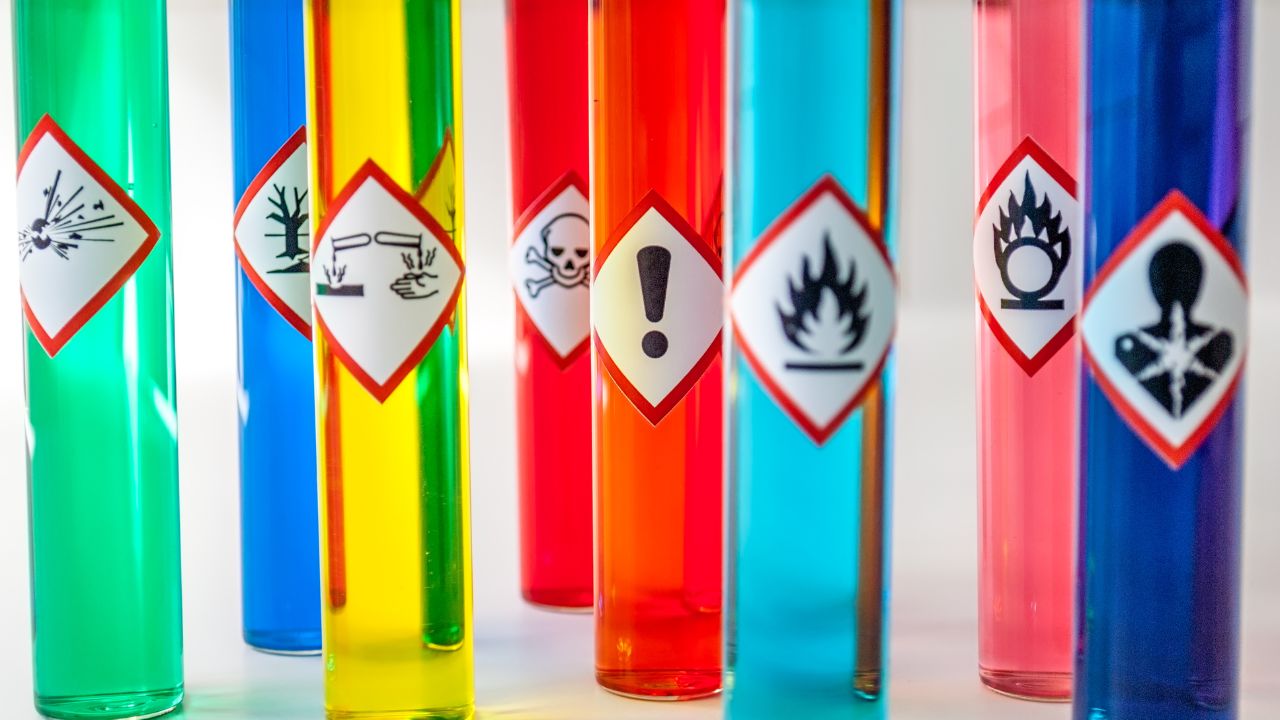
PFAS Compounds
Source: Per- and polyfluoroalkyl substances primarily from historical use of aqueous film-forming foam (AFFF) at Naval Auxiliary Landing Field Fentress and Naval Air Station Oceana, with additional contributions from industrial processes and consumer product disposal in the wider watershed
Health Effects: Studies link PFAS exposure to increased cancer risk, immune system impacts, liver damage, decreased fertility, and elevated cholesterol — particularly concerning with long-term low-level exposure
Current Status: Navy provides bottled water and filtration systems to affected households near Fentress and Oceana; Virginia DEQ actively monitoring and implementing updated regulations. EPA Limits: Federal drinking water standards finalised April 2024 — compliance required by 2029. Chesapeake Public Utilities is evaluating treatment upgrades ahead of that deadline. See our filtration guide for certified PFAS-removal options available now.
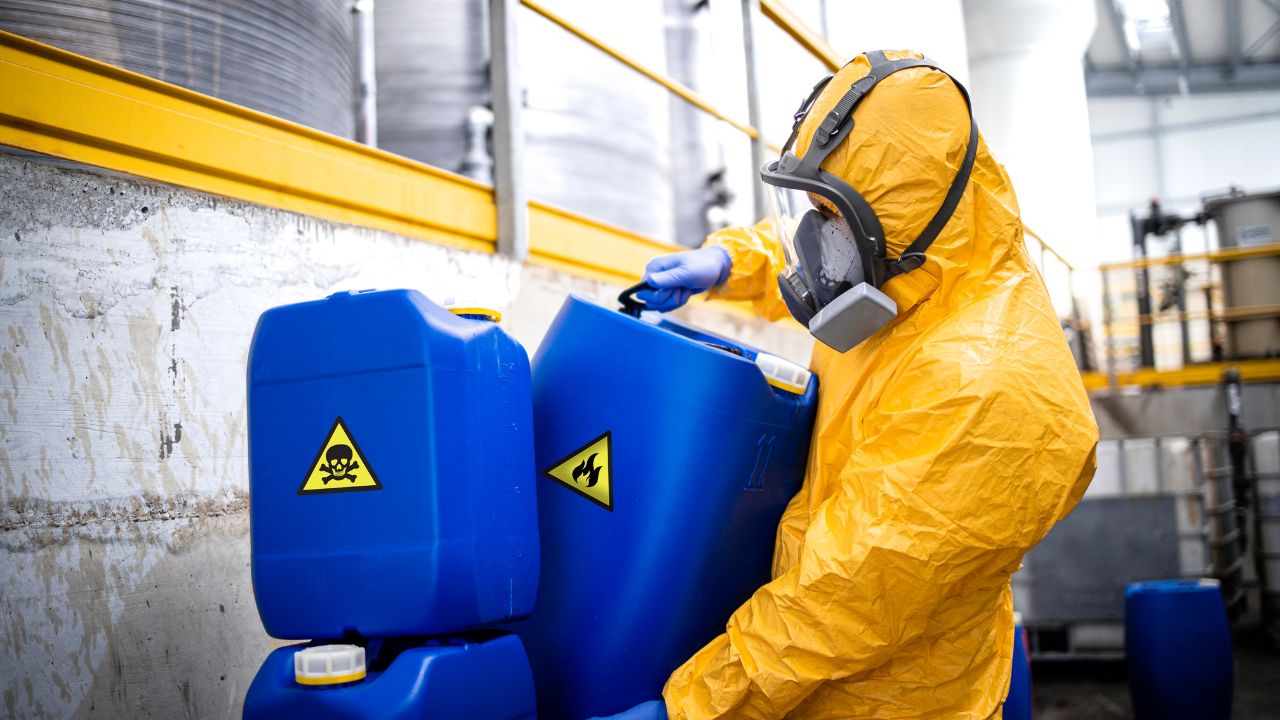
Chromium-6 (Hexavalent Chromium)
Source: Hexavalent chromium from industrial pollution and natural occurrences in mineral deposits and groundwater; levels vary significantly by water source and geographic area, with the Western Branch groundwater showing the highest concentrations
Health Effects: Known carcinogen linked to increased cancer risk — the EPA has confirmed chromium-6 as a likely human carcinogen through ingestion; oral exposure from drinking water is an established area of concern
Current Levels: Detected at 60–380 parts per trillion in different areas, with the Western Branch area showing levels up to 19 times higher than California’s non-regulatory health guideline of 0.02 ppb. EPA Status: No federal MCL for chromium-6 specifically (only total chromium at 100 ppb); EPA rulemaking is ongoing. Residents in Western Branch should consider a filter certified for hexavalent chromium removal — see our water filter solutions guide.
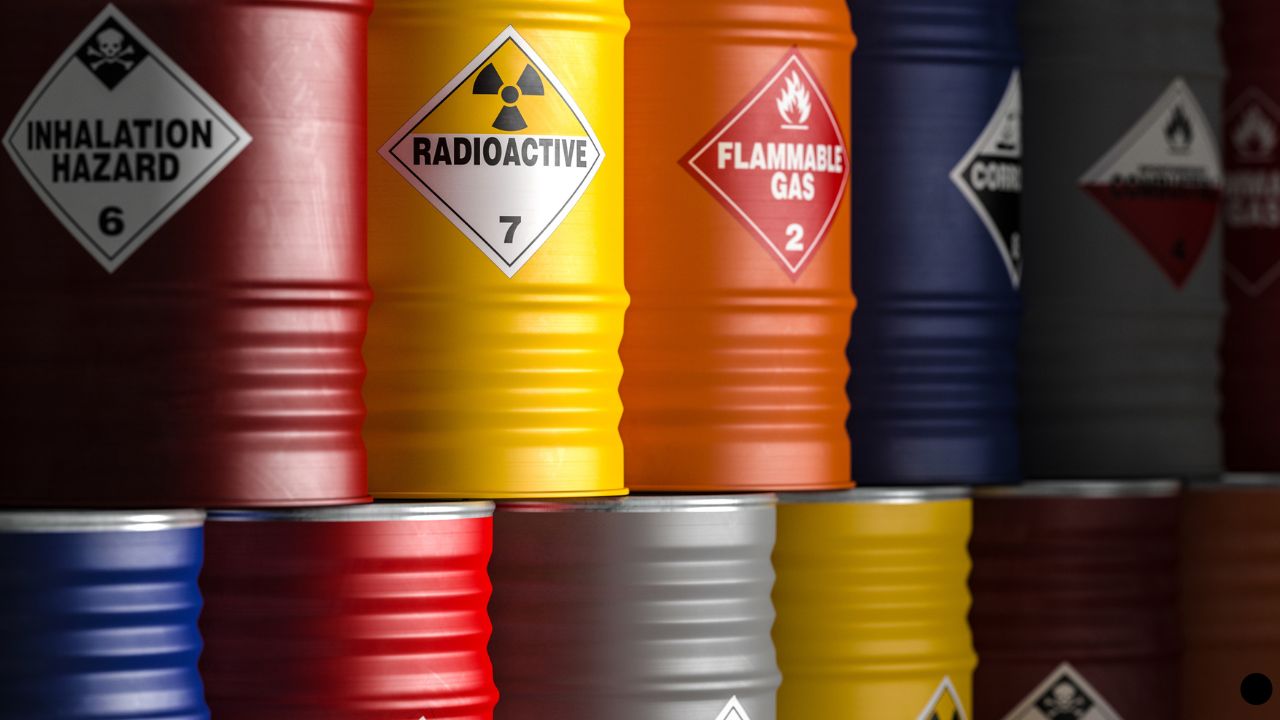
Disinfection Byproducts
Source: Formed when chloramine disinfectant reacts with naturally occurring organic matter in source water; levels vary seasonally with organic matter content from the Northwest River and purchased surface water supplies
Health Effects: The EPA links long-term exposure to elevated disinfection byproducts with increased bladder cancer risk and potential kidney, liver, and nervous system effects
Current Levels: Highest locational running annual averages of 63 ppb for TTHMs detected at treatment plants, with upper-range measurements reaching 109 ppb — above the 80 ppb EPA limit. Haloacetic acid levels also monitored. EPA Limits: 80 ppb for total trihalomethanes (TTHMs) and 60 ppb for haloacetic acids (HAA5). Residents concerned about byproduct exposure should consult our filter guide for certified options that address both chloramine and its byproducts.
Lead
Source: Lead enters tap water through old lead service lines and lead-containing plumbing in homes built before 1986; corrosion control treatment helps minimise leaching, though the risk is not fully eliminated in older properties
Health Effects: The EPA and CDC confirm there is no safe level of lead exposure; particularly dangerous for children under 6 and pregnant women, causing developmental delays, reduced IQ, learning difficulties, and behavioural problems
Current Levels: 90th percentile concentrations below 3 parts per billion — well below the EPA action level of 15 ppb, but above zero. EPA Action Level: 15 ppb triggers additional treatment requirements and mandatory public notification. Households in pre-1986 properties or with visible lead pipes should test and consider an NSF/ANSI 53-certified filter for lead removal. For broader context on lead in Virginia’s water systems, see our state overview.
Please read – our information
The information presented on cleanairandwater.net is compiled from official water quality reports, trusted news sources, government websites, and public health resources. While we strive for accuracy and thoroughness in our presentations, we are not scientists, engineers, or qualified water quality professionals.
Our mission is to present water quality information in an accessible, real-world format that helps people understand what’s in their water and make informed decisions about their health and safety. We believe that complex environmental information should be available to everyone in a format that’s easy to understand.
We make every effort to ensure our content is current and accurate, but we cannot guarantee that all information is complete or error-free. This website should not replace official communications from your local water utility or health department. We always recommend consulting official sources for the most up-to-date information regarding your specific water system.
Clean Air and Water is not liable for any unintentional errors, omissions, or outdated information. The content on this site is provided for informational purposes only and should not be considered professional advice.