Chicago Water Quality at a Glance
significant concerns
Is Chicago Water Safe to Drink?
Generally Yes, With Serious Caution — Chicago’s treated water meets federal standards and shows no detectable PFAS, but the city faces an unresolved lead crisis. With more than 412,000 confirmed or suspected lead service lines — the highest of any U.S. city — and replacement progress far behind federal mandates, the risk to households with young children is especially high. Chromium-6 and disinfection byproducts are additional concerns. See our Illinois state water quality report for statewide context.
⚠️ Key Concerns for Chicago Residents in 2026
- Lead Service Line Crisis: 412,000+ confirmed and suspected lead service lines remain — despite a federal replacement mandate, only around 7,000 lines were replaced in 2025 and the city’s own plan targets completion by 2076, three decades behind the EPA deadline
- Notification Failure: The city was legally required to warn ~900,000 affected homeowners, landlords and tenants by November 2024 — as of mid-2025 only about 8% had been notified
- Chromium-6: Cancer-causing hexavalent chromium from industrial sources, including historic discharges into Lake Michigan tributaries, continues to be detected
- Disinfection Byproducts: 9 of 13 contaminants exceeding EWG health guidelines are from the chlorination treatment process
Read the full report below for detailed analysis, 2026 data, and actionable recommendations for Chicago residents.
advertisment – report continues below
Your water passed the test.
Legal isn’t the same as safe.
Regulated contaminants like PFAS, chromium-6, and disinfection byproducts can sit inside the legal limit and still carry long-term health risks. Passing isn’t the same as clean.
✅ Removes PFAS, lead & chromium-6 — the contaminants most flagged even in passing city reports
✅ NSF/ANSI 42, 58 & 372 certified — independently tested, not just manufacturer claims
✅ Installs in 30 minutes, no plumber — fills a glass in 8 seconds, smart LED filter monitor
Renting or can’t drill? The Waterdrop K19 Countertop RO — plug in, fill the tank, done. No installation, no drilling, no plumber.
Advertisement — this page contains affiliate links. If you buy through these links, we may earn a commission at no extra cost to you.
Chicago, Illinois — Water Quality Report 2026: Lead Pipe Crisis, PFAS Testing & Safety for Residents
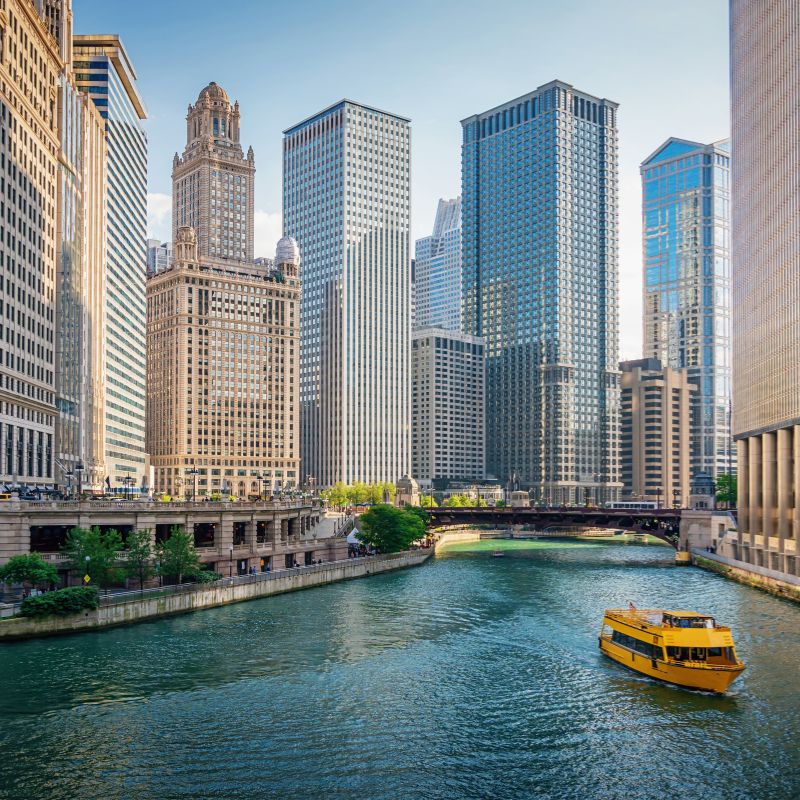
Chicago manages one of America’s largest municipal water systems, serving approximately 5.3 million people across the city and 125 surrounding suburbs. The Chicago Department of Water Management (CDWM) delivers nearly one billion gallons of water daily through a network spanning more than 4,400 miles of water mains, two major purification plants, and extensive pumping infrastructure.
Drawing from Lake Michigan — a freshwater body containing roughly 1.3 quadrillion gallons — Chicago treats all water at either the Jardine Water Purification Plant (the world’s largest) or the South Water Purification Plant. Treated water quality is generally high. The serious and well-documented problem lies downstream of treatment: more than 412,000 confirmed and suspected lead service lines connecting city mains to individual homes, the highest concentration of any U.S. city. In 2026, this infrastructure crisis is the dominant water quality issue for Chicago residents. See also our reports on nearby Milwaukee and Detroit for comparison with other Great Lakes cities grappling with legacy lead infrastructure.
Chicago Water Quality: Current Status (2025–2026)
Latest Testing Results
- Lead Levels: The most recently published testing period showed a 90th-percentile lead result of 9.1 ppb — below the EPA action level of 15 ppb but significantly elevated given that the majority of Chicago homes are still served by lead service lines. A March 2024 Johns Hopkins study estimated that around 68% of Chicago children under 6 are exposed to lead-contaminated tap water.
- PFAS Status: Chicago continues to show non-detectable PFAS levels across testing conducted by the U.S. EPA, Illinois EPA, and City of Chicago — a genuinely strong result in a state where 47 of 1,749 water systems have recorded detections.
- Testing Scope: The city conducts over 600,000 analyses annually across the distribution system, including residential tap sampling at homes with and without lead service lines.
- Compliance Status: Chicago meets all EPA regulatory standards for monitored contaminants. The city tests for more than 200 substances including microbes, metals, disinfection byproducts, and radionuclides. Full compliance does not mean zero risk, particularly for lead.
Lead Service Line Crisis — 2026 Update
- Scale of the Problem: Chicago has more than 412,000 confirmed and suspected lead service lines — more than any other city in the country. These were mandated by Chicago’s own plumbing code until the federal ban in 1986, creating a uniquely severe infrastructure legacy.
- Replacement Progress: Approximately 7,000 lines were replaced in 2025. The target for 2026 is 10,000 replacements at an estimated cost of $300 million. Chicago plans 15,000 replacements in 2027 and 19,000 in 2028 — though officials have acknowledged funding and workforce capacity constraints.
- Behind Schedule: Chicago’s own submitted replacement plan targets full completion by 2076 — 30 years beyond the EPA-mandated deadline. An investigative collaboration by Grist, Inside Climate News and WBEZ documented this gap in late 2025.
- Notification Failures: The city was legally required under state and federal law to notify approximately 900,000 affected homeowners, landlords and tenants of health risks by November 2024. As of mid-2025, only around 8% had been notified. A $325 million federal loan for replacements — of which only $70–90 million was drawn since 2023 — expires at the end of 2026.
Water Source and Treatment
- Lake Michigan Source Water: Lake Michigan provides the raw supply. The Illinois EPA has assessed all 64 miles of Chicago’s Lake Michigan shoreline as not supporting primary contact or safe fish consumption due to E. coli, PCBs, and mercury — though these are addressed in treatment before drinking water delivery.
- Treatment Process: Chicago employs coagulation, flocculation, sedimentation, filtration, and chlorine disinfection — a process largely unchanged in its core design since 1912, though continuously upgraded.
- Corrosion Control: Orthophosphate is added to coat the interior of pipes and reduce lead leaching into water. The dosage was recalibrated in 2023 following comprehensive pipe loop studies, but orthophosphate cannot eliminate lead risk from service lines.
Infrastructure Investments
- Water Main Replacement: Approximately 30 miles of water mains are renewed annually, with priority given to pre-1950 pipes with the highest historical break rates.
- Jardine Plant Modernisation: A $600 million overhaul of the Jardine Water Purification Plant — the world’s largest — is targeting completion in 2027. The project improves treatment capacity, energy efficiency, and resilience.
- Smart Metering: More than 500,000 smart water meters have been installed citywide to enable early leak detection and inform conservation outreach.
Emerging Contaminant Monitoring
Chicago actively monitors for emerging contaminants including microplastics, pharmaceuticals, and personal care products. PFAS results remain non-detectable — one of the city’s clearest water quality positives. The outstanding concern beyond lead is chromium-6: hexavalent chromium from industrial sources, including legacy discharges linked to U.S. Steel operations into Lake Michigan tributaries, has been detected in Chicago tap water at levels exceeding EWG health guidelines. Residents can check our live U.S. boil water advisory tracker for any active alerts affecting Chicago neighbourhoods and review our water filter guide for certified options addressing lead, chromium-6, and disinfection byproducts simultaneously.
Recommendations for Chicago Residents
Use a Certified Filter
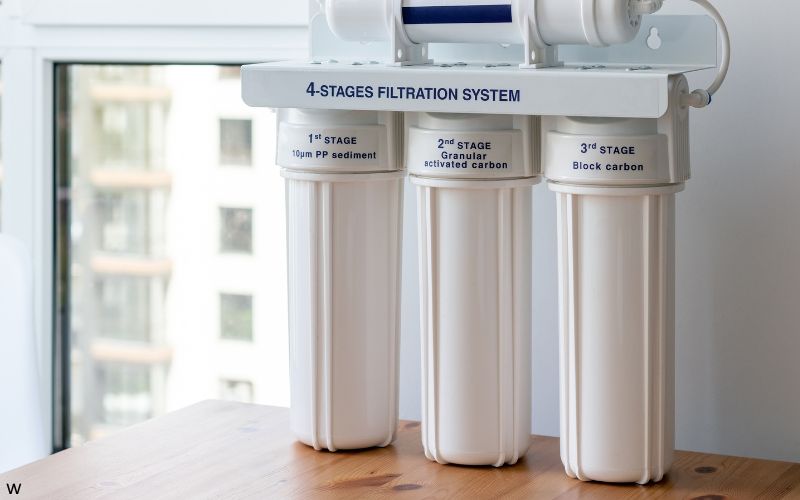
If your home was built before 1987 or has a lead service line, use a filter certified to NSF/ANSI Standard 53 (lead removal) for all drinking and cooking water. For comprehensive protection against lead, chromium-6, and disinfection byproducts together, a reverse osmosis system is the most effective option. See our water filter guide for Chicago-specific recommendations.
Get Your Water Tested
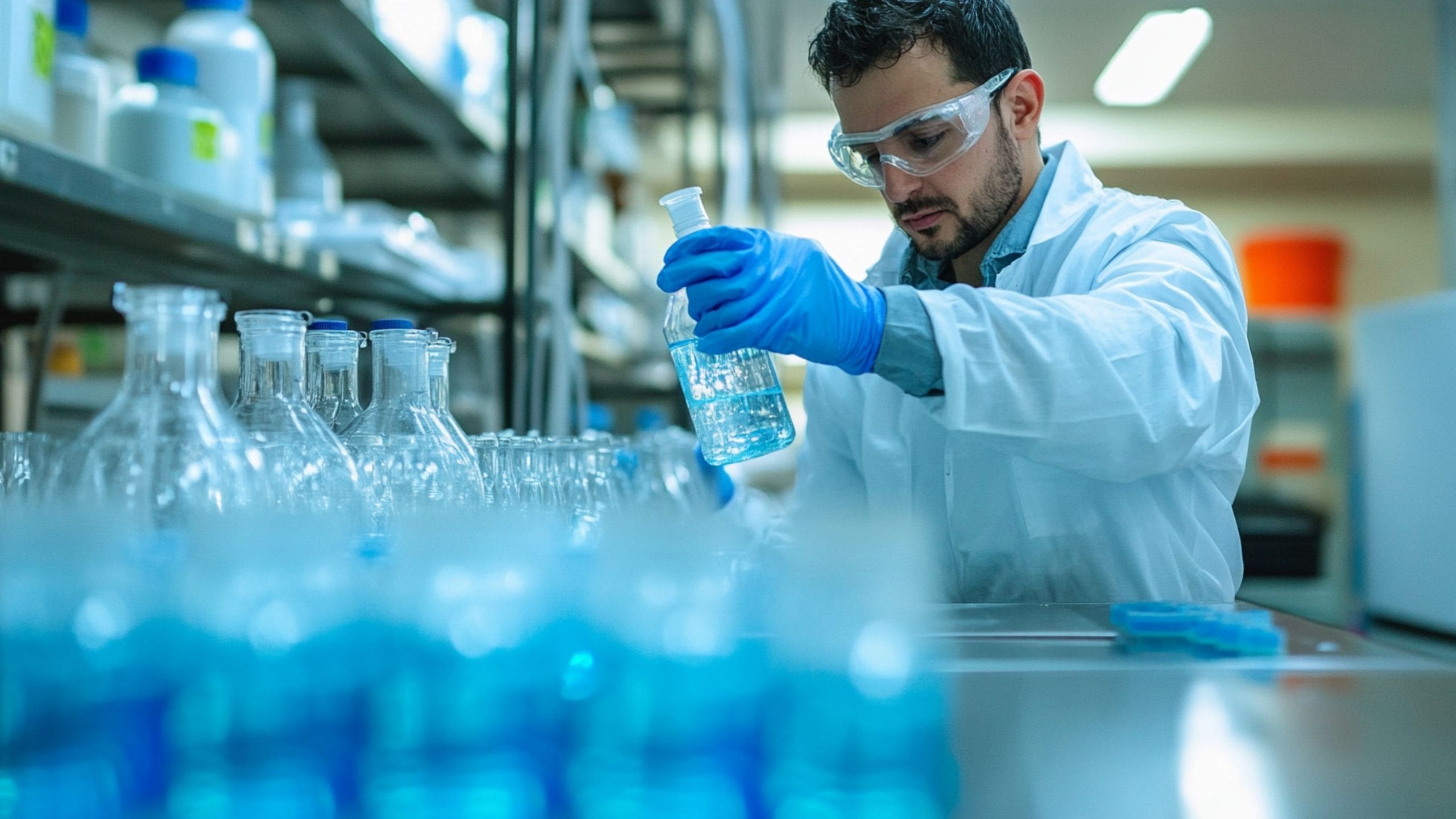
Chicago offers free lead testing for residents — call 311 or visit chicago.gov/waterlead to schedule. Testing is critical for any household with children under 6, pregnant women, or immunocompromised individuals. Given that the city has only notified around 8% of affected residents of their lead pipe risk, do not wait for official notification.
Check Your Service Line
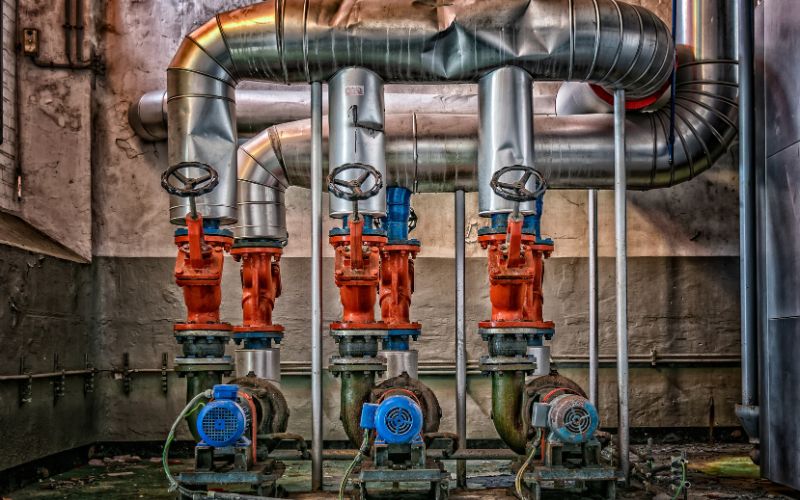
Use Chicago’s online lookup tool at chicago.gov/leadcheck to see if your address is served by a lead line. Eligible homeowners can apply for the city’s free replacement programme or the MeterSave scheme. With over 412,000 lead service lines still in service across the city, this is the single most important action most Chicago residents can take.
Flush Your Pipes
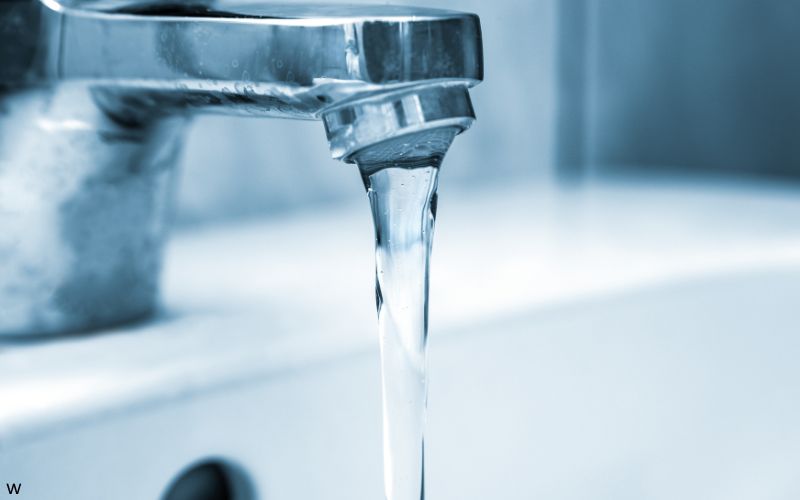
After water has stood in pipes for six hours or more, run the cold tap for 3–5 minutes before using it for drinking or cooking. Always use cold water — not hot — for food preparation, as hot water dissolves more lead from pipes and fixtures. Check our live advisory tracker after any water main work near your address.

Stay Informed
Review Chicago’s annual Consumer Confidence Report and sign up for alerts at chicago.gov/wateralerts. Given the city’s documented failure to notify affected residents through official channels, proactively monitoring your service line status and testing results is essential. Our Illinois water quality guide covers the broader statewide picture including PFAS detections in nearby systems.
Quality News About Your Water
Get the comprehensive water quality news coverage you need with our dedicated US Water News Service. From coast to coast, we deliver in-depth reporting and expert analysis on PFAS contamination, EPA regulatory changes, infrastructure developments, and emerging water safety issues affecting communities nationwide. While mainstream media only covers the biggest stories, we provide the detailed, ongoing coverage that helps you understand the full scope of America’s water challenges.
What’s actually in your tap water? Enter your ZIP code for a full breakdown of contaminants detected in your local supply
Drinking water from a well? Check our directory here for more information
Frequently Asked Questions
How do I know if my home has a lead service line?
Any Chicago home built before 1987 is very likely to have a lead service line — the city required them by code until the federal ban. With more than 412,000 confirmed and suspected lead lines still in service, this affects the large majority of the city’s housing stock. To check your specific address:
1. Inspect the service line entering your home, usually visible near the water meter in the basement. Lead pipes are dull grey, do not attract a magnet, and scratch easily to reveal a shiny silver surface beneath.
2. Use Chicago’s online lookup tool at chicago.gov/leadcheck to search your address in the city’s inventory.
3. Call 311 to request a free inspection from the Department of Water Management.
Note that the city’s inventory was submitted to the Illinois EPA in April 2025 and does not reflect replacements completed after that date.
Is Chicago’s tap water safe to drink despite the lead crisis?
Chicago’s treated water meets all federal and state drinking water standards. The city adds orthophosphate to reduce lead leaching, and PFAS levels are non-detectable — both genuine positives.
However, for households served by lead service lines — the majority of Chicago homes — the risk is real and well-documented. The Chicago Department of Public Health recommends using NSF-certified water filters for all drinking and cooking. The most protective approach for families with young children or pregnant women is a reverse osmosis system — see our water filter guide for vetted options. Always flush cold taps for 3–5 minutes after any extended period of non-use before drinking.
How can I get my lead service line replaced in 2026?
Chicago operates several programmes to help residents remove lead service lines. In 2026 the city is targeting 10,000 replacements as it attempts to accelerate spending of a $325 million federal loan that expires at year-end:
1. Equity Lead Service Line Replacement Programme: Free replacements for low-income households (at or below 80% of area median income) in priority areas. Apply via 311 or chicago.gov/leadpipes.
2. Homeowner-Initiated Programme: The city waives up to $3,100 in permit and tap fees when you hire a licensed plumber to replace your lead service line independently.
3. MeterSave Programme: Free lead service line replacement in exchange for agreeing to have a smart water meter installed.
Given capacity constraints, early application is strongly recommended. Visit chicago.gov/leadpipes or call 311 to start the process.
What water filters work best for Chicago’s contaminants?
Chicago’s three primary concerns — lead, chromium-6, and disinfection byproducts — require different certifications. Make sure any filter you buy explicitly states it addresses all three. See our full filter guide for tested recommendations:
1. Pitcher filters: Entry-level and convenient. Look for NSF/ANSI Standard 53 (lead) certification. Replace cartridges every 2–3 months — an expired filter can release contaminants back into water.
2. Faucet-mounted filters: Attach directly to your tap and allow switching between filtered and unfiltered flow. Effective for lead and some byproducts; cartridge life typically 2–3 months.
3. Under-sink reverse osmosis systems: The most comprehensive option for Chicago, removing lead, chromium-6, disinfection byproducts, and most other contaminants simultaneously. Higher upfront cost but lowest per-litre cost over time.
Whatever system you choose, follow replacement schedules strictly — an overdue filter provides a false sense of security.
Contaminants of Concern
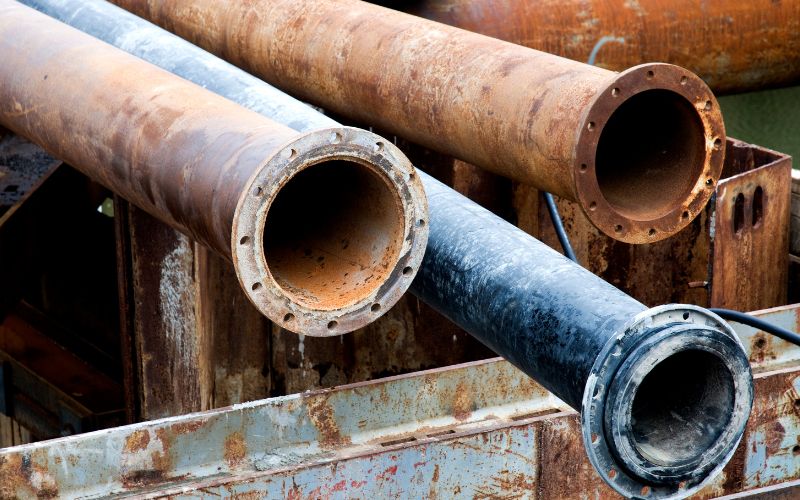
Lead
Source: Primarily from the 412,000+ lead service lines connecting city water mains to individual homes; also from lead solder, brass fittings, and fixtures in homes built before 1987.
Health Effects: Irreversible neurological damage in children at any detectable level, including learning difficulties and reduced IQ. In adults: kidney damage, cardiovascular disease, and reproductive effects. The EPA states there is no safe level of lead exposure.
2026 Status: 90th-percentile result of 9.1 ppb — below the EPA 15 ppb action level, but with ~68% of Chicago children under 6 estimated to be exposed to lead-contaminated tap water. Replacement progress is accelerating but remains far behind the scale of the problem. A NSF/ANSI 53-certified filter is the most practical immediate protection.
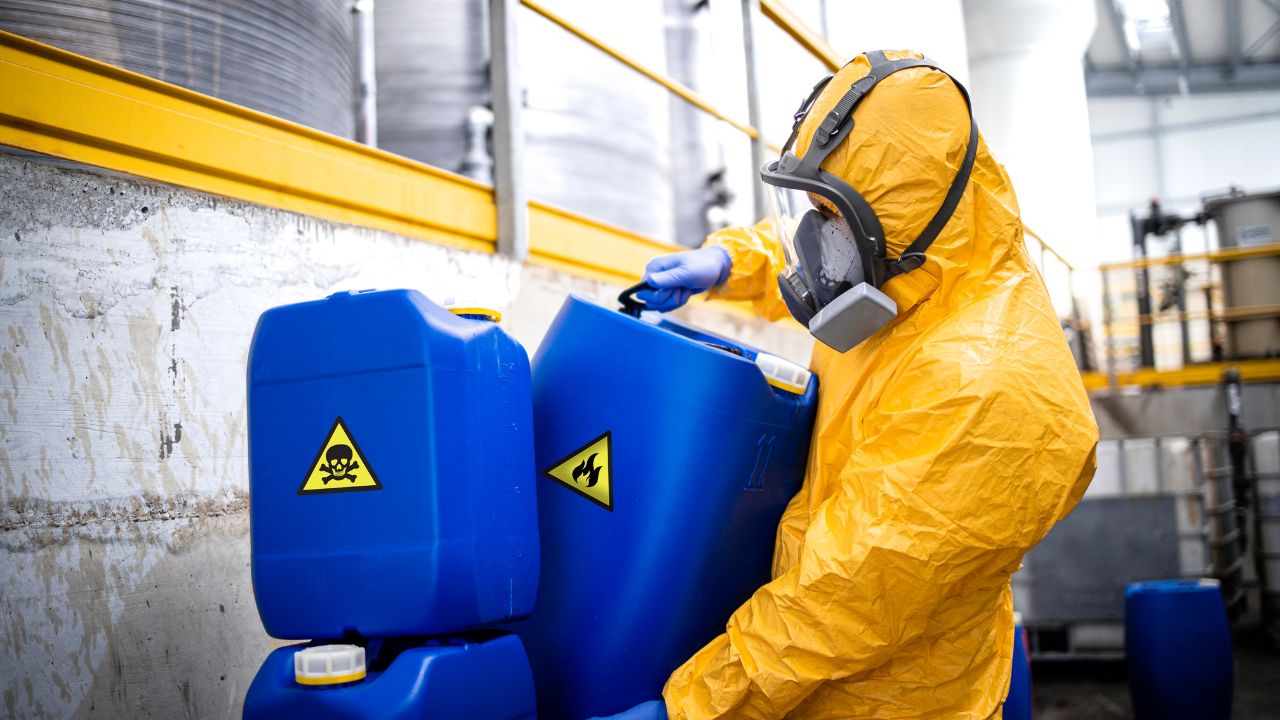
Disinfection Byproducts & Chromium-6
Source: Disinfection byproducts (TTHMs and HAAs) form when chlorine reacts with naturally occurring organic matter from Lake Michigan. Chromium-6 enters the water supply from industrial discharges into Lake Michigan tributaries.
Health Effects: Long-term TTHM and HAA exposure is linked to increased bladder cancer risk and reproductive effects. Chromium-6 (hexavalent chromium) is a recognised carcinogen with no safe level established by health agencies.
Current Status: Nine of the 13 contaminants in Chicago’s water exceeding EWG health guidelines are disinfection byproducts; levels rise seasonally in summer. Chromium-6 has been detected above EWG health guidelines. Both are within EPA regulatory limits. A reverse osmosis system addresses all three concerns simultaneously — see our filter guide for current recommendations. For statewide industrial contamination context, see our Illinois water quality report.
Please read – our information
The information presented on cleanairandwater.net is compiled from official water quality reports, trusted news sources, government websites, and public health resources. While we strive for accuracy and thoroughness in our presentations, we are not scientists, engineers, or qualified water quality professionals.
Our mission is to present water quality information in an accessible, real-world format that helps people understand what’s in their water and make informed decisions about their health and safety. We believe that complex environmental information should be available to everyone in a format that’s easy to understand.
We make every effort to ensure our content is current and accurate, but we cannot guarantee that all information is complete or error-free. This website should not replace official communications from your local water utility or health department. We always recommend consulting official sources for the most up-to-date information regarding your specific water system.
Clean Air and Water is not liable for any unintentional errors, omissions, or outdated information. The content on this site is provided for informational purposes only and should not be considered professional advice.