Chula Vista Water Quality at a Glance
Is Chula Vista Water Safe to Drink?
Yes, With Monitoring — Chula Vista water meets all federal and state safety standards and is supplied by two well-managed utilities. PFAS was detected in Sweetwater Reservoir in late 2024 and remains below action levels, but requires continued monitoring in 2026. Additional concerns include disinfection byproducts and trace heavy metals. The city benefits from a diverse supply portfolio including the Colorado River, State Water Project, local reservoirs, and desalination. See our California water quality overview and water filter guide for more.
⚠️ Key Considerations for Chula Vista Residents
- PFAS Detection: Sweetwater Authority detected PFAS in Sweetwater Reservoir in December 2024; levels remain below response thresholds but monitoring continues into 2026 under the EPA’s new PFAS National Primary Drinking Water Regulation
- Two Water Providers: Chula Vista is served by Sweetwater Authority (200,000+ customers in western/central areas) and Otay Water District (eastern/southern areas) — your provider affects which contaminant data applies to you
- Disinfection Byproducts: Bromochloroacetic acid and other DBPs from the chlorination process are detected in both systems; within EPA limits but worth monitoring
- Diverse Supply Sources: Water comes from the Colorado River, State Water Project, local reservoirs, and the Carlsbad desalination plant — providing good resilience but varying quality profiles. Check our live US boil water tracker for any active California advisories
Read the full report below for detailed analysis, provider-specific data, and actionable recommendations for Chula Vista residents.
Advertisement — Report continues below
Great water report.
Here’s how to make it perfect.
Your water quality report shows strong results — and that’s genuinely good news. But even treated municipal water picks up residual chlorine, microplastics, and sediment between the treatment plant and your tap. A filter takes great water and makes it flawless.
✅ Improves taste, smell & clarity — removes residual chlorine and sediment that reach your glass after treatment
✅ NSF/ANSI 42, 58 & 372 certified — independently tested, not just manufacturer claims
✅ Installs in 30 minutes, no plumber — fills a glass in 8 seconds, smart LED filter monitor
Renting or can’t drill? The Waterdrop K19 Countertop RO — plug in, fill the tank, done. No installation, no drilling, no plumber.
Advertisement — this page contains affiliate links. If you buy through these links, we may earn a commission at no extra cost to you.

Chula Vista – California – Water Quality Report 2026: PFAS Testing, Infrastructure Concerns & Safety Across Your City
Chula Vista residents receive water services from two primary providers serving approximately 430,000 people across the region. The eastern and southern portions of the city are served by Otay Water District, which provides water to over 238,000 customers in Chula Vista, Jamul, Spring Valley, Rancho San Diego, and unincorporated areas of El Cajon and La Mesa. The western and central portions of Chula Vista are served by Sweetwater Authority, which delivers water to approximately 200,000 people in National City, Bonita, and western Chula Vista. For a broader picture of water quality across the state, see our California water quality guide.
Both utilities source their water from multiple origins including the Colorado River, California’s State Water Project, local reservoirs, and seawater desalination facilities. Sweetwater Authority operates Loveland Reservoir near Alpine and Sweetwater Reservoir in Spring Valley, while also utilising groundwater wells and a brackish groundwater desalination facility. Otay Water District purchases treated water from the San Diego County Water Authority, Helix Water District, and Metropolitan Water District of Southern California. Both systems consistently meet all federal and state water quality standards through comprehensive treatment processes and continuous monitoring programmes — though PFAS detection at Sweetwater Reservoir in late 2024 has introduced a new layer of scrutiny heading into 2026.

Chula Vista Water Quality: Current Status (2025–2026)
Latest Testing Results
- Compliance Status: Both Otay Water District and Sweetwater Authority consistently meet all federal and state drinking water standards, maintaining full compliance with EPA and California State Water Resources Control Board regulations, including the state’s stricter PFAS limits that took effect in 2025.
- Testing Scope: Comprehensive water quality monitoring programmes include continuous testing at treatment facilities and throughout distribution networks, with results published in annual Consumer Confidence Reports available to all customers.
- Lead Service Lines: Otay Water District completed the EPA-required lead service line inventory in October 2024, determining no lead or galvanised service lines requiring replacement exist in their distribution system — a positive outcome for residents in the eastern and southern parts of the city.
Water Sources
- Colorado River: Primary imported water source through the Metropolitan Water District of Southern California and San Diego County Water Authority, providing reliable supply from outside the region during normal and drought conditions. Compare how other Southern California cities such as Los Angeles, San Diego, and Long Beach manage their Colorado River dependence.
- State Water Project: Northern California water transported via the 444-mile California Aqueduct, supplementing regional supply and providing system redundancy for supply security.
- Local Reservoirs: Sweetwater Authority operates Loveland Reservoir near Alpine and Sweetwater Reservoir in Spring Valley, providing local surface water within the 230-square-mile Sweetwater River watershed stretching from Cleveland National Forest to San Diego Bay.
- Seawater Desalination: Supply from the Carlsbad Desalination Plant provides a drought-resistant water source, reducing dependence on imported supplies and enhancing regional water security across San Diego County.
Advanced Treatment Technology
- Robert A. Perdue Treatment Plant: Sweetwater Authority’s primary facility processes up to 30 million gallons daily using multi-barrier treatment including coagulation, flocculation, sedimentation, filtration, and disinfection with chlorine and chloramine.
- Otay Water District Operations: Purchases pre-treated water from wholesale suppliers including San Diego County Water Authority, Helix Water District, and Metropolitan Water District, ensuring multiple source reliability and quality assurance at each stage.
- Water Recycling Excellence: Otay Water District operates facilities that produce recycled water for irrigation and industrial uses, while coordinating with regional recycled water programmes to maximise supply diversification and reduce potable water demand.
Infrastructure Modernisation
- System Upgrades: Ongoing infrastructure improvements include continued modernisation of treatment facilities to meet growing demand and ageing infrastructure needs, with both utilities investing in system reliability and capacity — including preparatory work for new PFAS treatment requirements.
- Smart Water Management: Both utilities employ advanced monitoring systems throughout their distribution networks to ensure water quality, reduce losses, optimise system performance, and provide real-time data for operational decisions.
- Regional Coordination: Close coordination with San Diego County Water Authority and other regional agencies ensures supply reliability, emergency response during drought conditions, and integrated water management across the region. Check our live US boil water notice tracker for any active California advisories.
Customer Protection Initiatives
Both water providers offer comprehensive customer support including water quality testing, conservation programmes, and financial assistance for qualifying customers. Sweetwater Authority provides annual Consumer Confidence Reports and maintains customer service at (619) 420-1413 for water quality concerns. Otay Water District offers extensive conservation rebates and educational programmes through partnerships with regional water agencies. The City of Chula Vista coordinates with both utilities on water stewardship planning, landscape ordinances, and sustainability initiatives through its Conservation Section at (619) 409-3893. Both utilities maintain transparent communication about water quality through regular reporting, community meetings, and online resources. Rate structures are designed to encourage conservation while ensuring adequate revenue for system maintenance, infrastructure improvements, and regulatory compliance — including the significant investment now required to meet the EPA’s 2024 PFAS National Primary Drinking Water Regulation. For filtration options that address PFAS and disinfection byproducts, see our water filter recommendations.
Recommendations for Chula Vista Residents

Know Your Water Provider
Determine if you receive water from Otay Water District (eastern/southern Chula Vista) by calling (619) 670-2222, or Sweetwater Authority (western/central areas) at (619) 420-1413. Request annual Consumer Confidence Reports and water quality information specific to your service area — especially important now that PFAS monitoring is an active issue for Sweetwater customers. Visit our water quality information centre for guidance on what to ask for.

Take Advantage of Rebates
Apply for turf replacement rebates through the San Diego County Water Authority and individual utility programmes. Both utilities offer conservation rebates for high-efficiency appliances and water-saving devices to reduce water consumption and monthly bills — a practical step alongside improved home filtration.
Consider Home Filtration
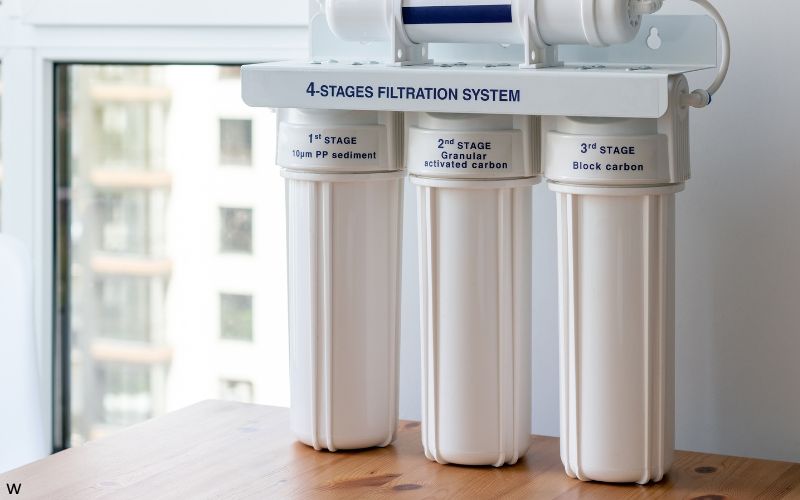
While both utilities provide water meeting all regulatory standards, residents — particularly those served by Sweetwater Authority — may benefit from an NSF-certified filter to address PFAS and disinfection byproducts. NSF Standard 58 reverse osmosis systems and NSF Standard 53 activated carbon filters are both effective options. See our full water filter guide for certified recommendations.

Visit the Water Conservation Garden
Explore the Water Conservation Garden in El Cajon for free educational programmes, landscape design consultations, and classes on water-efficient gardening and California-friendly landscaping. Contact the City’s Conservation Section at (619) 409-3893 for local conservation programme details.

Report Issues Promptly
Contact your water provider immediately for service issues: Otay Water District at (619) 670-2222 or Sweetwater Authority at (619) 420-1413. Both utilities offer emergency response for water main breaks, pressure problems, and water quality concerns. You can also check our live boil water tracker for any active advisories in your area.
Frequently Asked Questions
Is Chula Vista’s tap water safe to drink?
Yes, water provided by both Otay Water District and Sweetwater Authority meets all federal and state drinking water standards. Both utilities conduct comprehensive testing and treatment to ensure water safety from multiple sources.
Water sources include the Colorado River, State Water Project, local reservoirs (Loveland and Sweetwater), and seawater desalination, all processed through advanced treatment facilities. Both providers publish annual Consumer Confidence Reports detailing water quality results and compliance with regulatory standards, demonstrating their commitment to transparency and public health protection.
The one active watchpoint heading into 2026 is the PFAS detection recorded at Sweetwater Reservoir in December 2024. Levels remain below the thresholds requiring immediate action, and the Authority responded proactively by increasing water transfers from Loveland Reservoir. Residents on Sweetwater’s system may wish to consider a certified filter as a precautionary measure — see our water filter guide for options. For comparison, see how nearby San Diego and Los Angeles are handling PFAS in their systems.
Why does my water taste different sometimes?
Taste variations can occur due to several factors:
1. Source water changes: Different water sources (Colorado River vs. local reservoirs) may have slight taste differences due to natural mineral content variations — this is normal and does not indicate a safety issue
2. Treatment processes: Disinfection with chlorine or chloramine can cause noticeable taste or odour, especially after system maintenance or during seasonal changes when source water composition shifts
3. Distribution system flushing: Routine maintenance may temporarily affect taste and colour as sediments are cleared from pipes
If taste issues persist, run cold water for several minutes and contact your water provider. Both utilities conduct regular system flushing to maintain water quality and may notify customers in advance of maintenance activities. A certified carbon filter can also help reduce chlorine taste and odour on an ongoing basis.
Which water provider serves my address?
Chula Vista is served by two water providers based on geographic location:
• Otay Water District: Serves eastern and southern portions of Chula Vista, including Otay Mesa, Eastlake, Rolling Hills Ranch, and newer developments. Also serves Jamul, Spring Valley, and Rancho San Diego areas
• Sweetwater Authority: Serves western and central portions of Chula Vista, as well as National City and Bonita areas. Generally includes older established neighbourhoods and central business districts
Check your water bill to identify your provider, or use the water agency search tools on their respective websites: otaywater.gov or sweetwater.org. You can also contact the City of Chula Vista’s Conservation Section at (619) 409-3893 for assistance. This distinction matters in 2026 because PFAS monitoring is currently focused on the Sweetwater system following the December 2024 reservoir detection.
Are there water use restrictions in Chula Vista?
Water conservation requirements vary by provider and follow regional guidelines:
Regional Conservation Measures:
• Both utilities follow San Diego County Water Authority conservation guidelines and Metropolitan Water District policies
• Outdoor irrigation is typically limited to specific days and times to reduce evaporation losses
• Prohibition on water waste including runoff to streets, sidewalks, or gutters
City Requirements:
The City of Chula Vista has water-efficient landscape ordinances for new construction and major renovations, requiring water budgets and drought-tolerant landscaping designs to reduce long-term water demand. California’s statewide conservation framework, strengthened by legislation passed in 2023 and 2024, also applies to both utilities.
Contact your water provider or the City’s Conservation Section at (619) 409-3893 for current restrictions, conservation programme information, and landscape ordinance requirements. Our live boil water tracker carries any urgent California water alerts as they are issued.
Quality News About Your Water
Get the comprehensive water quality news coverage you need with our dedicated US Water News Service. From coast to coast, we deliver in-depth reporting and expert analysis on PFAS contamination, EPA regulatory changes, infrastructure developments, and emerging water safety issues affecting communities nationwide. While mainstream media only covers the biggest stories, we provide the detailed, ongoing coverage that helps you understand the full scope of America’s water challenges.
What’s actually in your tap water? Enter your ZIP code for a full breakdown of contaminants detected in your local supply
Drinking water from a well? Check our directory here for more information
Contaminants of Concern
Disinfection Byproducts
Source: Formed when disinfectants such as chlorine or chloramine react with naturally occurring organic matter in source water; levels may vary seasonally with water temperature and organic content variations
Health Effects: Long-term exposure to elevated levels may increase risk of certain cancers and potentially affect liver, kidney, and central nervous system function according to EPA health advisories
Current Levels: Both utilities monitor disinfection byproducts quarterly throughout their distribution systems and maintain levels below EPA maximum contaminant levels: 80 ppb for total trihalomethanes (TTHMs) and 60 ppb for haloacetic acids (HAA5). Residents wanting to reduce exposure can use an NSF Standard 53 certified activated carbon filter — see our water filter guide for options.
PFAS Compounds
Source: Per- and polyfluoroalkyl substances from industrial processes, firefighting foams, and consumer products that can enter water sources through environmental contamination and atmospheric deposition
Health Effects: Research links PFAS to immune system disruption, thyroid dysfunction, elevated cholesterol, liver damage, and possible increased cancer risk; these compounds do not break down naturally in the environment or the human body
Current Status: Sweetwater Authority detected PFAS in Sweetwater Reservoir in December 2024, below levels requiring immediate treatment or mitigation. The Authority responded proactively by increasing water transfers from Loveland Reservoir to dilute concentrations. Both utilities are now operating under the EPA’s April 2024 PFAS National Primary Drinking Water Regulation, which sets individual MCLs for PFOA and PFOS at 4 parts per trillion. Compliance monitoring and any required treatment investments are ongoing. For PFAS-rated home filtration options, see our water filter guide.
Please read – our information
The information presented on cleanairandwater.net is compiled from official water quality reports, trusted news sources, government websites, and public health resources. While we strive for accuracy and thoroughness in our presentations, we are not scientists, engineers, or qualified water quality professionals.
Our mission is to present water quality information in an accessible, real-world format that helps people understand what’s in their water and make informed decisions about their health and safety. We believe that complex environmental information should be available to everyone in a format that’s easy to understand.
We make every effort to ensure our content is current and accurate, but we cannot guarantee that all information is complete or error-free. This website should not replace official communications from your local water utility or health department. We always recommend consulting official sources for the most up-to-date information regarding your specific water system.
Clean Air and Water is not liable for any unintentional errors, omissions, or outdated information. The content on this site is provided for informational purposes only and should not be considered professional advice.