Colorado Springs Water Quality at a Glance
notable concerns
Is Colorado Springs Water Safe to Drink?
Generally Yes, With Some Concerns — Colorado Springs water meets all federal and state regulations and benefits from high-quality mountain snowmelt sources. The city’s Colorado water supplier completed UCMR 5 PFAS testing in 2024–2025, with results meeting EPA’s new Maximum Contaminant Levels. However, the water contains elevated chromium-6 levels and disinfection byproducts that exceed independent health guidelines. Consider a certified water filter for added protection.
⚠️ Key Concerns for Colorado Springs Residents
- Chromium-6: High concentrations detected — far exceeding health-protective levels set in California, though not federally regulated
- Disinfection Byproducts: Chloroform, bromodichloromethane, and haloacetic acids increase long-term cancer risk
- PFAS Update 2025: UCMR 5 testing (Oct 2024–July 2025) confirms CSU’s water meets all EPA MCLs — surface water sources carry lower PFAS risk than groundwater systems
- Widefield Aquifer: PFAS contamination linked to Peterson Space Force Base affects the Fountain/Security/Widefield area — this is a separate system and not a CSU drinking water source
Read the full report below for detailed analysis, specific data, and actionable recommendations for Colorado Springs residents.
Advertisement — Report continues below
Think Your Tap Water Is Safe? Think Again.
Even when it looks clear, tap water can carry hidden contaminants—like chlorine, heavy metals, and microplastics—that don’t always affect the taste but still reach your glass.
A professionally engineered water filtration system can help protect your household, providing cleaner, safer, and better-tasting water every day.
Smart Solutions for Safer Drinking Water:
✅ Reduces common contaminants like chlorine and microplastics
✅ NSF/ANSI certified for trusted performance
✅ Smart, space-saving tankless design
✅ Long-term investment in cleaner water
Looking for a simple, no-install option? (Check out the A2 Countertop System)
Note: This advert contains affiliate links. If you buy through these links, we may earn a commission at no extra cost to you.

Colorado Springs – Colorado – Water Quality Report 2026: PFAS Testing, Infrastructure Concerns & Safety across your city
Colorado Springs Utilities (CSU) manages a comprehensive water system serving over 500,000 residents across Colorado Springs and surrounding areas. Established in 1924, this municipally-owned utility operates over 2,000 miles of water mains, multiple reservoirs, and advanced treatment facilities, delivering approximately 74 million gallons daily. As part of Colorado’s broader water infrastructure, it is one of the state’s largest and most complex utilities.
Colorado Springs draws its drinking water exclusively from surface water — primarily mountain snowmelt captured in high-altitude reservoirs, with approximately 75% coming from transmountain diversions from the western slope. Water travels from the Arkansas, Colorado, and South Platte river basins, journeying over 100 miles through pipelines and tunnels. While Colorado Springs’ water benefits from pristine mountain sources and meets all federal regulations, the city faces ongoing challenges with chromium-6 contamination and disinfection byproducts. Encouragingly, no active boil water notices have affected the main CSU system in recent years.

Colorado Springs Water Quality: Current Status (2025–2026)
Latest Testing Results
- Lead Levels: The most recent testing period showed 90th percentile lead levels of 5 parts per billion (ppb), well below the EPA action level of 15 ppb. However, the EPA, CDC, and American Academy of Pediatrics recognise there is no safe level of lead for children.
- Chromium-6 Concerns: Colorado Springs continues to detect elevated concentrations of hexavalent chromium (chromium-6) that exceed health-protective thresholds established by independent researchers and California standards, though the contaminant remains unregulated at the federal level.
- Compliance Status: Colorado Springs water meets all federal and state drinking water standards. Independent analysis indicates the utility exceeds health guidelines for chromium-6 and several disinfection byproducts, though not legal limits.
PFAS — 2025 Update
- UCMR 5 Testing Complete: Between October 2024 and July 2025, CSU completed mandatory testing for 29 PFAS compounds under the EPA’s fifth Unregulated Contaminant Monitoring Rule (UCMR 5). Results are posted on the EPA’s public dashboard and referenced in CSU’s annual water quality report.
- EPA MCL Compliance: CSU’s PFAS results meet the EPA’s April 2024 Maximum Contaminant Levels — including PFOA and PFOS at 4 parts per trillion and PFHxS, PFNA, and GenX at 10 ppt. Full compliance with these MCLs is required by 2029.
- Surface Water Advantage: Because CSU relies exclusively on surface water sourced from mountain snowmelt, its supply is not considered at high risk for elevated PFAS concentrations — unlike groundwater-dependent systems in the region.
- Widefield Aquifer Clarification: PFAS contamination linked to Peterson Space Force Base (formerly Peterson Air Force Base) affected the Widefield aquifer in south-western El Paso County. This aquifer is a separate system and is not a source of drinking water for Colorado Springs Utilities customers.
Mountain Water Sources
- Reservoir System: Primary sources include Rampart Reservoir and reservoirs on Pikes Peak, with additional supply from Homestake, Turquoise, and Twin Lakes reservoirs in the Arkansas River basin.
- Transmountain Diversions: The Blue River Pipeline and Homestake Project transport water from the western slope of Colorado through tunnels beneath the Continental Divide.
- Watershed Protection: Over 120,000 acres of protected watershed lands help maintain source water quality, though chromium-6 and disinfection byproducts remain concerns arising during treatment.
Treatment Technology and Challenges
- Multiple Treatment Plants: Six water treatment facilities — including Pine Valley, McCullough, Tollefson, and Ute Pass — use coagulation, clarification, filtration, and chlorine disinfection.
- Disinfection Byproducts: Chlorine treatment creates trihalomethanes (TTHMs) and haloacetic acids (HAAs) that exceed independent health guidelines and increase cancer risk over long-term exposure. See our guide to water filter solutions for options that address these compounds.
- Corrosion Control: pH adjustment and zinc orthophosphate addition help prevent lead and copper leaching from plumbing materials, though homes built 1950–1988 may still carry some risk.
Infrastructure Investment
- Southern Delivery System: The $825 million project completed in 2016 provides pipeline infrastructure from Pueblo Reservoir, increasing system capacity and resilience for future growth.
- Distribution System Management: Ongoing replacement of ageing infrastructure with approximately 15 miles of water mains upgraded annually, prioritised through advanced condition assessment technology.
- Smart Utility Network: Advanced metering infrastructure and real-time monitoring provide early leak detection, pressure management, and water quality surveillance throughout the system.
Customer Programs and Sustainability
Colorado Springs Utilities provides extensive customer support including conservation rebates, free irrigation audits, and payment assistance for qualified residents. The utility’s WaterSense program offers education on efficient water use practices — essential in this semi-arid climate. Given ongoing detections of chromium-6 and disinfection byproducts above health guidelines, residents may wish to consider NSF-certified filtration targeted at these contaminants. Annual water quality reports are available on the CSU website, and free lead testing can be requested by calling (719) 448-4800 — particularly recommended for homes built between 1950 and 1988. For broader context on water quality across the state, see our Colorado water quality guide.
Recommendations for Colorado Springs Residents
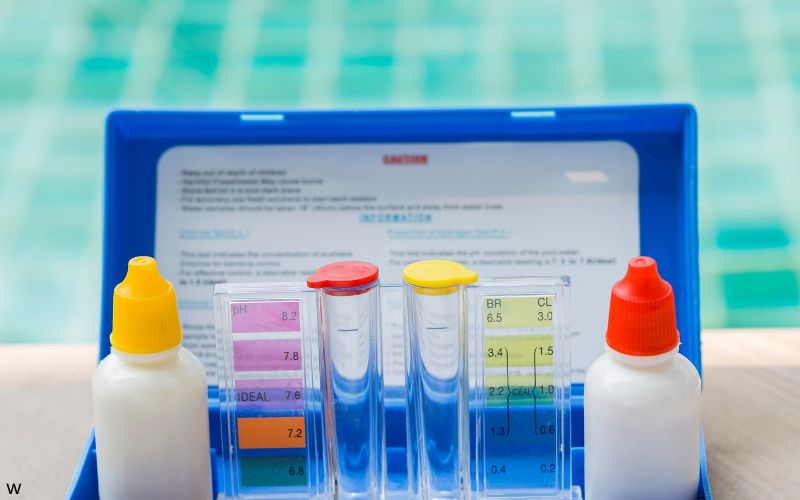
Schedule Water Testing
Request water quality testing by calling Colorado Springs Utilities at (719) 448-4800 or emailing waterquality@csu.org. Free lead testing is available for homes built between 1950 and 1988. Consider independent testing for chromium-6 and disinfection byproducts to understand your household’s specific exposure.
Join Conservation Programs
Apply for rebates on high-efficiency fixtures, smart irrigation controllers, and native grass lawn programmes through the Conservation and Environmental Center. Call (719) 448-4800 or visit csu.org/conservation. Water conservation is especially important given Colorado’s semi-arid climate and limited local supply.
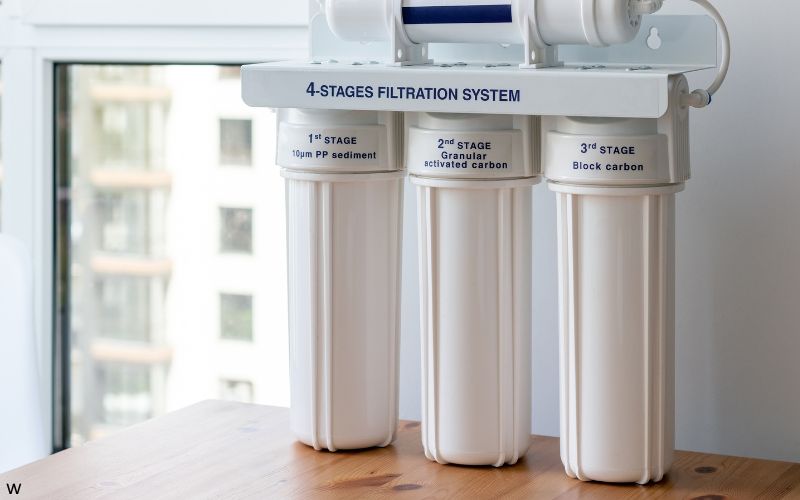
Consider Appropriate Filtration
Given ongoing detections of chromium-6 and disinfection byproducts above independent health guidelines, consider NSF-certified filters specifically designed for these contaminants. Point-of-use reverse osmosis systems can effectively remove chromium-6 and reduce many disinfection byproducts. Ensure any PFAS filter carries independent NSF/ANSI 58 or 53 certification.
Practice Water Conservation
In this semi-arid climate, water conservation is essential. Convert water-intensive turf to xeriscape, water during early morning hours, install efficient fixtures, and monitor your usage through CSU’s online customer portal. Check our water quality resources for further conservation guidance.

Report Water Issues
Contact Colorado Springs Utilities at (719) 448-4800 for water main breaks, pressure problems, or quality concerns. The same number operates 24 hours for emergencies. You can also track any boil water notices across the U.S. on our live tracker.
Quality News About Your Water
Get the comprehensive water quality news coverage you need with our dedicated US Water News Service. From coast to coast, we deliver in-depth reporting and expert analysis on PFAS contamination, EPA regulatory changes, infrastructure developments, and emerging water safety issues affecting communities nationwide. While mainstream media only covers the biggest stories, we provide the detailed, ongoing coverage that helps you understand the full scope of America’s water challenges. Whether you’re a concerned citizen, water professional, or community leader, our daily updates and analytical insights keep you informed about the issues that matter most to public health and environmental safety.
Frequently Asked Questions
Is Colorado Springs tap water safe to drink in 2026?
Colorado Springs’ tap water meets all federal and state drinking water standards, making it legally safe to drink. The city’s water comes from high-quality mountain surface water sources with comprehensive treatment. However, independent testing shows the water contains chromium-6 levels that exceed health-protective thresholds and disinfection byproducts above recommended guidelines.
Lead levels are at 5 parts per billion (90th percentile), well below the EPA action limit of 15 ppb. The EPA, CDC, and American Academy of Pediatrics recognise there is no safe level of lead for children. Homes built between 1950 and 1988 may have copper pipes with lead solder, and free testing is available from CSU. For comparison, see how other Colorado cities rate.
Why does Colorado Springs have water restrictions?
Colorado Springs implements seasonal watering restrictions due to several factors:
• Semi-arid climate: The region receives only 16–18 inches of precipitation annually
• Limited local supply: Most water is transported from distant mountain watersheds
• Population growth: The city continues to expand, increasing demand on existing infrastructure
• Climate variability: Drought cycles and reduced snowpack affect available supply
Standard summer restrictions limit outdoor watering to three days per week before 10 a.m. or after 6 p.m. During severe drought, additional restrictions may be imposed based on reservoir levels. Current restrictions are available at csu.org/waterrules or by calling (719) 448-4800.
What about chromium-6 in Colorado Springs water?
Colorado Springs continues to detect elevated concentrations of hexavalent chromium (chromium-6), also known as the “Erin Brockovich chemical.” This contaminant is monitored but not regulated at the federal level, meaning the EPA sets no enforceable limit.
• Health risk: Chromium-6 is a known carcinogen linked to stomach, lung, nasal, and sinus cancers with long-term exposure
• Current levels: Exceed the 20 parts per trillion threshold considered to pose negligible cancer risk by independent researchers
• Sources: May originate from industrial activity, aerospace manufacturing in the region, or natural mineral deposits
• Treatment: Standard municipal treatment does not remove chromium-6; specialised filtration is required
Standard water treatment does not remove chromium-6. Residents concerned about exposure should consider reverse osmosis or ion exchange filters certified under NSF/ANSI 58 for chromium-6 removal.
What did UCMR 5 PFAS testing reveal for Colorado Springs?
Between October 2024 and July 2025, Colorado Springs Utilities completed mandatory testing for 29 PFAS compounds under the EPA’s fifth Unregulated Contaminant Monitoring Rule (UCMR 5). Key findings:
• Regulatory compliance: CSU’s results meet all six of the EPA’s new PFAS Maximum Contaminant Levels set in April 2024
• Surface water advantage: Because CSU relies entirely on mountain snowmelt and surface water, PFAS concentrations are inherently lower than in groundwater-dependent systems
• Historical voluntary testing: CSU voluntarily tested for 29 PFAS compounds in 2023 prior to the mandatory UCMR 5 cycle, and results also met the new MCL thresholds at that time
• Widefield distinction: The heavily PFAS-contaminated Widefield aquifer — affected by firefighting foam from Peterson Space Force Base — is a separate system serving Fountain, Security, and Widefield. It is not a Colorado Springs Utilities source
Results are publicly available on the EPA’s UCMR 5 dashboard and in CSU’s annual Consumer Confidence Report.
Water Quality Considerations
Water Hardness
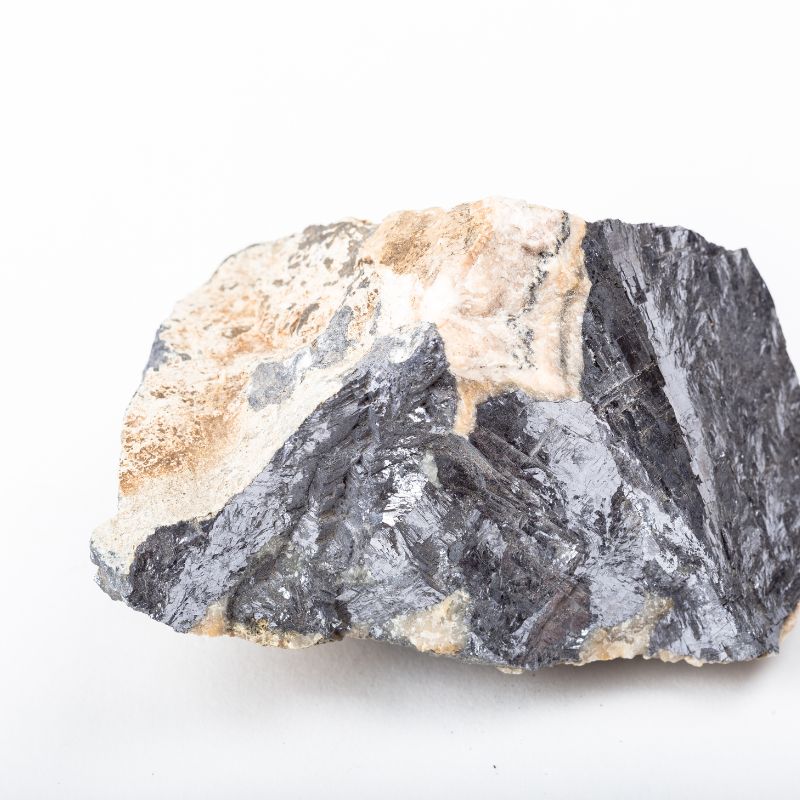
Source: Natural calcium and magnesium minerals dissolved from mountain rocks as snowmelt travels to reservoirs
Effects: Scale buildup on fixtures, reduced soap lathering, potential appliance efficiency reduction, though it contributes some beneficial minerals to the diet
Current Levels: Moderately hard at 120–170 mg/L (7–10 grains per gallon), varying seasonally with source water mix
Treatment: No municipal softening is performed; residents may choose point-of-entry softeners for household use. Visit our water filter solutions guide for options.
PFAS Monitoring — 2025 Update
UCMR 5 Status: CSU completed PFAS testing for 29 compounds between October 2024 and July 2025. All results met EPA’s new MCLs for PFOA, PFOS, PFHxS, PFNA, and GenX chemicals
Regulatory Timeline: The EPA’s PFAS MCLs were finalised in April 2024. Colorado adopted the rule under Regulation 11 in August 2025. Water systems must be fully compliant by 2029
Current Status: CSU’s exclusive surface water sourcing from protected mountain watersheds means lower PFAS risk than groundwater-dependent or military-adjacent systems in the state
Note: The contaminated Widefield aquifer (linked to Peterson Space Force Base PFAS) is entirely separate from CSU’s water supply and serves a different set of communities
Please read – our information
The information presented on cleanairandwater.net is compiled from official water quality reports, trusted news sources, government websites, and public health resources. While we strive for accuracy and thoroughness in our presentations, we are not scientists, engineers, or qualified water quality professionals.
Our mission is to present water quality information in an accessible, real-world format that helps people understand what’s in their water and make informed decisions about their health and safety. We believe that complex environmental information should be available to everyone in a format that’s easy to understand.
We make every effort to ensure our content is current and accurate, but we cannot guarantee that all information is complete or error-free. This website should not replace official communications from your local water utility or health department. We always recommend consulting official sources for the most up-to-date information regarding your specific water system.
Clean Air and Water is not liable for any unintentional errors, omissions, or outdated information. The content on this site is provided for informational purposes only and should not be considered professional advice.