Fargo Water Quality at a Glance
minor concerns
Is Fargo Water Safe to Drink?
Yes, Generally Safe — Fargo water meets all federal and state standards and won 2nd place nationally for taste in 2024. The city uses advanced membrane and conventional treatment across two state-of-the-art facilities. Minor concerns include disinfection byproducts like bromate (up to 9.1 ppb) and trihalomethanes. Fargo draws from the Red River and Sheyenne River, with Lake Ashtabula as a drought backup. A North Dakota-wide PFAS monitoring program has found no violations in Fargo’s public supply.
⚠️ Key Considerations for Fargo Residents
- Disinfection Byproducts: Bromate levels up to 9.1 ppb and trihalomethanes detected (below EPA limits)
- Lead Service Lines: Active replacement program underway since summer 2025 — check your address at FargoND.gov
- Water Hardness: Hard water at 120 ppm (7 grains/gallon) — consider a softener or filter
- PFAS Compliance: No detections above EPA’s new 2024 MCLs; ongoing monitoring continues
Read the full report below for detailed analysis, testing data, and specific recommendations for Fargo residents.
Advertisement — Report continues below
Great water report.
Here’s how to make it perfect.
Your water quality report shows strong results — and that’s genuinely good news. But even treated municipal water picks up residual chlorine, microplastics, and sediment between the treatment plant and your tap. A filter takes great water and makes it flawless.
✅ Improves taste, smell & clarity — removes residual chlorine and sediment that reach your glass after treatment
✅ NSF/ANSI 42, 58 & 372 certified — independently tested, not just manufacturer claims
✅ Installs in 30 minutes, no plumber — fills a glass in 8 seconds, smart LED filter monitor
Renting or can’t drill? The Waterdrop K19 Countertop RO — plug in, fill the tank, done. No installation, no drilling, no plumber.
Advertisement — this page contains affiliate links. If you buy through these links, we may earn a commission at no extra cost to you.

Fargo, North Dakota Water Quality Report 2026: PFAS Testing, Lead Replacement & Safety Guide
The City of Fargo provides comprehensive water services to approximately 130,000 residents across the greater Fargo metropolitan area, including West Fargo and several surrounding communities, through its advanced water treatment infrastructure. Established as a municipal utility in 1890, the system now includes over 500 miles of distribution lines, two state-of-the-art treatment facilities, and pumping stations delivering an average of 8–10 million gallons daily in winter and 15–16 million gallons daily in summer to North Dakota’s largest city.
Fargo draws its drinking water primarily from the Red River of the North, with the Sheyenne River and Lake Ashtabula as backup sources for supply redundancy and drought protection. Water is treated at two cutting-edge facilities: the Fargo Water Filtration Plant (30 MGD capacity) and the award-winning Membrane Water Treatment Plant using ultrafiltration and reverse osmosis. Fargo’s water consistently meets all federal and state quality standards — and won 2nd place nationally for taste at the 2024 American Water Works Association competition — though ongoing challenges include disinfection byproducts, an active lead service line replacement program, and protecting source water from agricultural runoff in the Red River Valley. Check our live U.S. boil water tracker for any active advisories in the region.
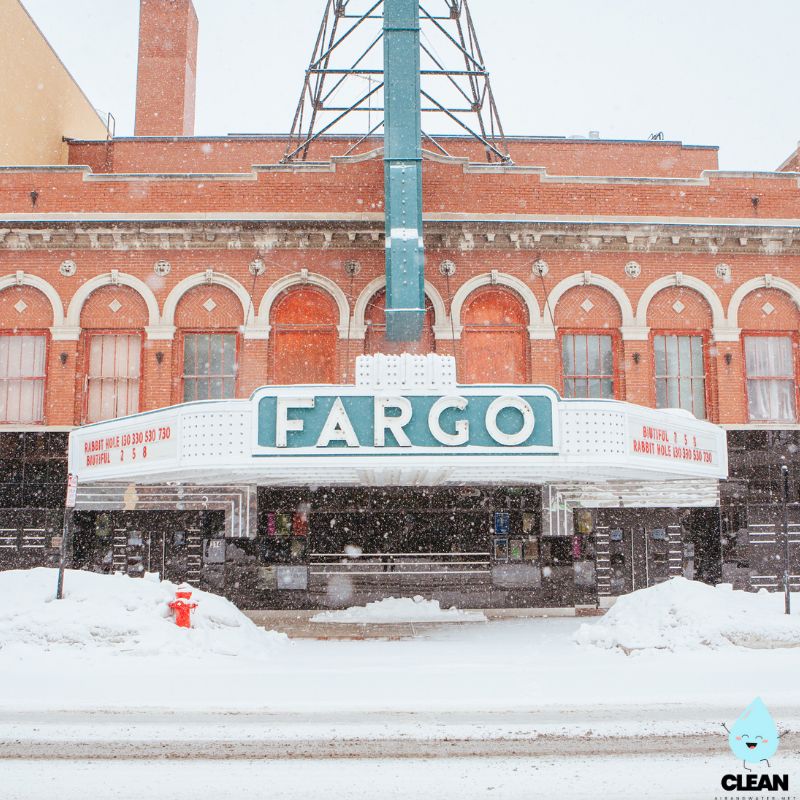
Fargo Water Quality: Current Status (2025–2026)
Latest Testing Results
- Lead and Copper Monitoring: Fargo Water maintains full compliance with EPA’s revised Lead and Copper Rule. The 90th percentile lead level during 2023 testing was 2.34 ppb — well below the 15 ppb action level. 2026 regulatory sampling is now underway and results will be published in the annual Consumer Confidence Report.
- Compliance Status: For the most recent period assessed by the U.S. EPA (2025), tap water provided by Fargo’s water utility was in compliance with all federal and state drinking water standards, including the new PFAS Maximum Contaminant Levels finalized in 2024.
- Water Quality Recognition: Fargo’s Membrane Water Treatment Plant was named “Membrane Facility of the Year” in 2024, and the city won 2nd place nationally for best-tasting drinking water at the American Water Works Association competition — recognition that reflects the quality of its treatment processes.
Water Sources
- Red River of the North: Primary source with an intake near the Midtown Dam, supplying the majority of Fargo’s water through a sophisticated intake and pump station system. Agricultural runoff and seasonal flooding are ongoing source water protection challenges.
- Sheyenne River: Secondary source with an intake and pumping station between West Fargo and Horace, connected via a 9-mile pipeline. A continuous 1 MGD flow maintains pipeline freshness year-round.
- Lake Ashtabula: Emergency backup source — Fargo owns a 52% stake through investment in Baldhill Dam construction. The reservoir provides approximately two years of emergency supply and was drawn upon during drought years in 1976, 1984, and 1988.
Advanced Treatment Technology
- Fargo Water Filtration Plant: Capable of filtering and distributing up to 30 million gallons per day using conventional treatment including lime softening, filtration, and disinfection.
- Membrane Water Treatment Plant: Award-winning facility featuring ultrafiltration membranes and reverse osmosis technology, with advanced monitoring and optimized chemical dosing for challenging Red River source water conditions.
- Water Softening Focus: Both facilities are designed around softening naturally hard Red River water, delivering a final treated hardness of 120 ppm (7 grains/gallon) to Fargo residents.
Infrastructure Development
- Regional Collaboration: Fargo supplies treated water to West Fargo and surrounding communities through the same treatment and distribution infrastructure, ensuring consistent quality across the metro area. For a broader picture, see our North Dakota water quality guide.
- New Water Tower: Fargo’s 2.5 million gallon water tower at 7th Avenue North and 11th Avenue North — the largest in North Dakota — is operational, replacing three aging towers removed in 2025.
- Lead Service Line Replacement: The Lead Service Line Replacement Program launched in summer 2025 and is actively replacing identified lines using state and federal funding. Property owners who complete required water sampling face no out-of-pocket costs.
Water Quality Assurance
Fargo Water operates under extensive federal oversight through the Safe Drinking Water Act and maintains comprehensive testing programs throughout the distribution system. The utility’s treatment processes are specifically engineered to address the challenging characteristics of Red River source water — including natural hardness, high turbidity during flood events, and seasonal organic loading. Fargo’s commitment to quality is reflected in its award-winning membrane technology, transparent annual reporting, and nationally recognized taste. The city continues to monitor for emerging contaminants including PFAS in accordance with EPA’s 2024 final rule, and invests in infrastructure upgrades to meet future population growth and evolving regulations. Residents can also consult our U.S. water quality hub and our water filter solutions guide for further context.
Recommendations for Fargo Residents
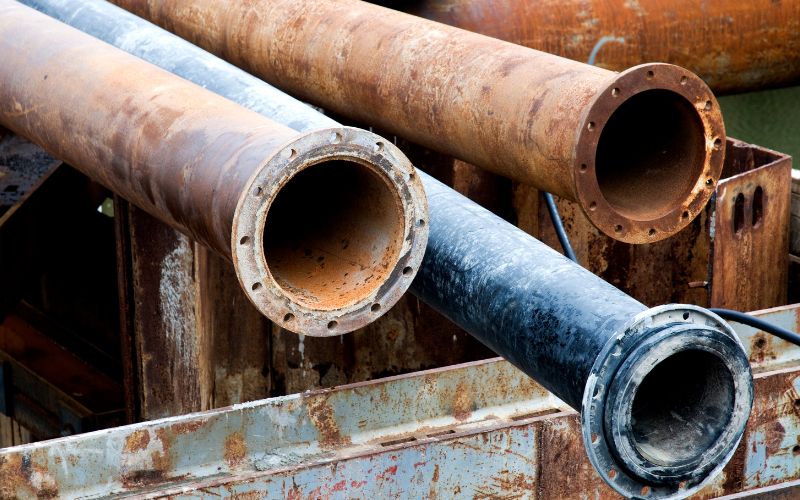
Check Your Lead Service Line Status
Fargo’s Lead Service Line Replacement Program launched in summer 2025 and is actively replacing identified lines. Contact Fargo Water Treatment at 701-241-1469 or visit FargoND.gov to check whether your address is included and to complete the required water sampling — there is no cost to eligible property owners.
Follow Drought Management Guidelines
Stay informed about Fargo’s Drought Management Plan, which monitors Red River flow, river levels, and precipitation. Current drought status and any active water use restrictions are available at FargoND.gov/DroughtPlan or by calling 701-241-1469. Voluntary conservation during peak summer demand helps maintain system pressure for all users.
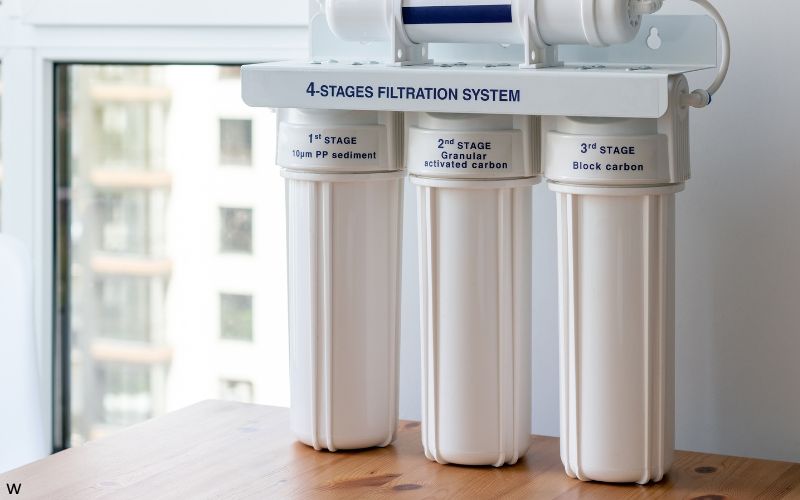
Consider Water Filtration
While Fargo’s water meets all standards and wins taste awards, homes concerned about disinfection byproducts like bromate or hard water minerals may benefit from an NSF-certified filter designed for treated municipal water. See our water filter solutions guide for tested options suited to North Dakota tap water.
Stay Informed About Water Quality
Review Fargo’s annual Consumer Confidence Report (Water Quality Report) at FargoND.gov for detailed testing results, compliance data, and treatment process information. The 2025 report confirms compliance with all federal standards including the new EPA PFAS MCLs. You can also track regional alerts in real time on our live boil water advisory tracker.

Report Water Issues
Contact Fargo Water Treatment Plant at 701-241-1469 for water service issues, quality concerns, or questions about water testing. This number provides 24/7 emergency response for broken mains, service disruptions, and urgent water quality concerns.
Frequently Asked Questions
Is Fargo’s tap water safe to drink in 2026?
Yes. Fargo’s tap water meets all federal and state drinking water standards and won 2nd place nationally for best-tasting drinking water at the 2024 American Water Works Association competition. The city operates two state-of-the-art treatment facilities processing water from the Red River and Sheyenne River.
Fargo’s system uses multiple treatment barriers — conventional lime softening and filtration at the main plant, plus advanced membrane ultrafiltration and reverse osmosis at the award-winning Membrane Water Treatment Plant. Compliance is confirmed through extensive EPA-mandated testing and annual Consumer Confidence Reports available at FargoND.gov. Fargo is also in full compliance with EPA’s new PFAS Maximum Contaminant Levels finalized in 2024, with no PFAS detected above limits in its public supply. For regional context, see our North Dakota water quality overview.
Why is Fargo’s water hard?
Despite extensive treatment, Fargo’s water has a total hardness of 120 ppm (7 grains/gallon) due to the mineral content of Red River source water:
1. Source water characteristics: Red River water contains naturally occurring calcium and magnesium from the surrounding geology of the Red River Valley
2. Lime softening process: The main treatment plant uses lime softening to reduce hardness significantly from raw source levels to the current 120 ppm delivered to homes
3. Membrane technology: The Membrane Water Treatment Plant uses reverse osmosis and ultrafiltration, which further treats water while maintaining a balanced mineral profile for taste quality
Residents bothered by hard water scaling on appliances or fixtures can consider a point-of-entry water softener. See our water filter and softener guide for recommendations suited to hard municipal water.
Are there lead service lines in Fargo?
Yes, some lead service lines exist in Fargo’s older neighborhoods, but an active replacement program is now underway:
• Service line inventory: Fargo completed a full inventory documenting lead, galvanized requiring replacement (GRR), and unknown-material lines throughout the distribution system in compliance with the revised Lead and Copper Rule
• Replacement program: The Lead Service Line Replacement Program launched in summer 2025 using state and federal funding — eligible property owners who complete required water sampling face no out-of-pocket costs
• Current compliance: During 2023 testing, the 90th percentile lead level was 2.34 ppb — well below the EPA action level of 15 ppb. 2026 sampling results are expected later this year
• Corrosion control: Fargo adds orthophosphate and adjusts pH to inhibit lead leaching from service lines and household plumbing while replacement work continues
Does Fargo have water use restrictions?
Fargo operates under a comprehensive Drought Management Plan with phased response levels based on supply conditions:
Normal Conditions (Current Status):
• No mandatory restrictions when supply from Red River and Sheyenne River sources is adequate
• Voluntary conservation encouraged during peak summer demand to maintain system pressure
• Efficient irrigation practices promoted city-wide to reduce waste
Drought Response Phases:
• Advisory Phase: Voluntary conservation measures and public outreach about drought conditions
• Emergency Phases: Mandatory restrictions on outdoor use, lawn watering, and non-essential consumption
Current drought status and any active restrictions are available at FargoND.gov/DroughtPlan or by calling 701-241-1469. You can also monitor regional water alerts via our live boil water advisory tracker.
Quality News About Your Water
Get the comprehensive water quality news coverage you need with our dedicated US Water News Service. From coast to coast, we deliver in-depth reporting and expert analysis on PFAS contamination, EPA regulatory changes, infrastructure developments, and emerging water safety issues affecting communities nationwide. While mainstream media only covers the biggest stories, we provide the detailed, ongoing coverage that helps you understand the full scope of America’s water challenges.
What’s actually in your tap water? Enter your ZIP code for a full breakdown of contaminants detected in your local supply
Drinking water from a well? Check our directory here for more information
Contaminants of Concern
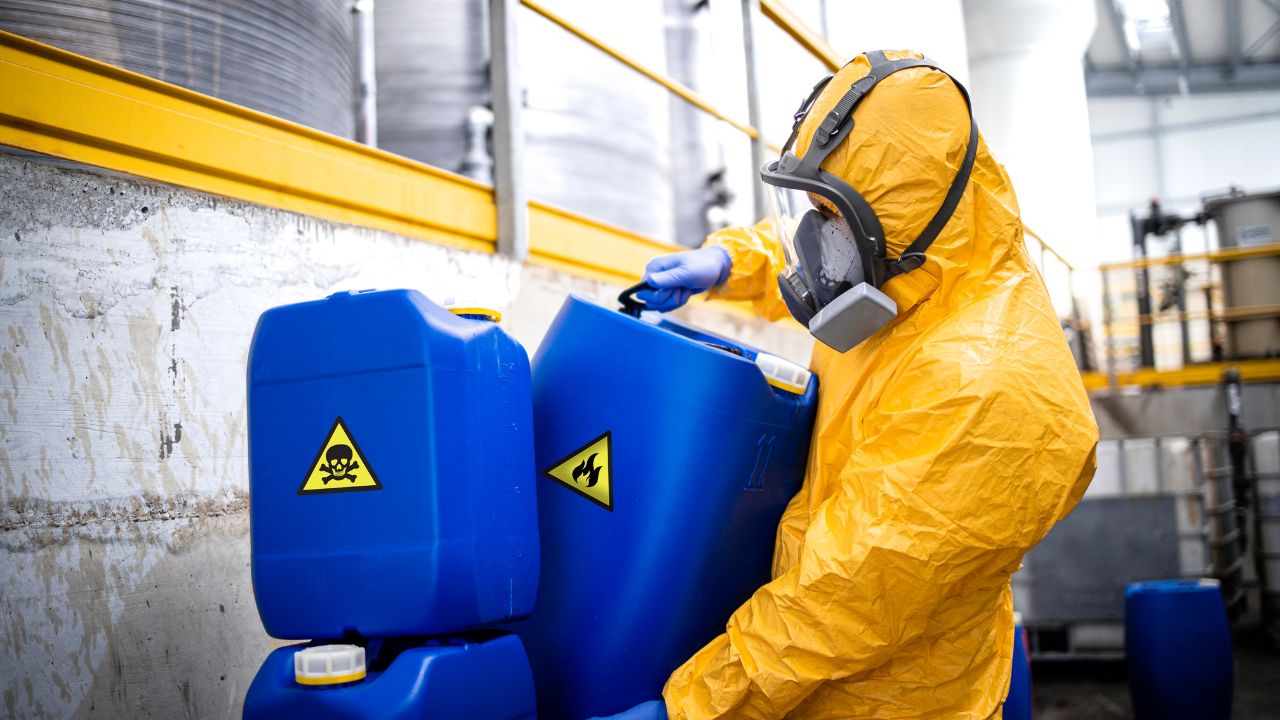
Disinfection Byproducts
Source: Formed when disinfectants such as chlorine or ozone react with naturally occurring organic matter in Red River and Sheyenne River source water; includes trihalomethanes (TTHMs) and haloacetic acids (HAA5), plus bromate from ozonation at the Membrane Plant
Health Effects: Long-term exposure to elevated levels may increase risk of certain cancers and may affect liver, kidney, and reproductive health; bromate specifically may cause kidney effects and has produced cancer in laboratory animals at high doses
Current Status: Bromate detected up to 9.1 ppb (EPA limit: 10 ppb), TTHMs up to 18.05 ppb (EPA limit: 80 ppb), and HAA5 up to 10.48 ppb (EPA limit: 60 ppb). All readings remain below regulatory limits. Residents concerned about byproduct exposure can reduce risk with an NSF-certified activated carbon filter — see our filter recommendations.
PFAS Compounds
Source: Per- and polyfluoroalkyl substances potentially from firefighting foam at Hector International Airport, Grand Forks Air Force Base, and other North Dakota military sites, plus industrial runoff and agricultural chemicals in the Red River watershed
Health Effects: Research links PFAS exposure to certain cancers, thyroid disease, weakened immune response, liver problems, and reproductive issues. Known as “forever chemicals” because they persist indefinitely in the environment and the human body.
Current Status: No PFAS detected above limits in Fargo’s public water supply, per North Dakota Department of Environmental Quality monitoring. Fargo is in full compliance with EPA’s 2024 final PFAS MCLs (PFOA: 4 ppt, PFOS: 4 ppt), which water systems must meet by 2029. Ongoing monitoring continues. No emergency advisories have been issued for Fargo water systems related to PFAS.
Please read – our information
The information presented on cleanairandwater.net is compiled from official water quality reports, trusted news sources, government websites, and public health resources. While we strive for accuracy and thoroughness in our presentations, we are not scientists, engineers, or qualified water quality professionals.
Our mission is to present water quality information in an accessible, real-world format that helps people understand what’s in their water and make informed decisions about their health and safety. We believe that complex environmental information should be available to everyone in a format that’s easy to understand.
We make every effort to ensure our content is current and accurate, but we cannot guarantee that all information is complete or error-free. This website should not replace official communications from your local water utility or health department. We always recommend consulting official sources for the most up-to-date information regarding your specific water system.
Clean Air and Water is not liable for any unintentional errors, omissions, or outdated information. The content on this site is provided for informational purposes only and should not be considered professional advice.