
Flint Water Quality at a Glance
ongoing improvements
Is Flint Water Safe to Drink?
Yes, But Use Filters — Flint’s water has met federal safety standards for 9+ consecutive years with lead levels at 3 ppb (well below the 15 ppb federal limit). The city completed all lead service line replacements in 2025, replacing nearly 11,000 pipes. However, due to lingering trust issues, residents are still advised to use certified filters. See our water filter guide for NSF-certified options.
⚠️ Key Points for Flint Residents
- Recovery Progress: Lead levels dropped from over 100 times legal limits (2014–2015) to 3 ppb in 2026
- Infrastructure Complete: All lead service line replacements finished in 2025 — over $450 million invested in upgrades
- Ongoing Monitoring: 20+ consecutive monitoring periods below federal action levels since July 2016
- Trust Issues: Despite improvements, many residents still don’t drink unfiltered tap water due to the crisis legacy
Read the full report below for detailed analysis, historical context, and current recommendations for Flint residents.
Advertisement — Report continues below
Think Your Tap Water Is Safe? Think Again.
Even when it looks clear, tap water can carry hidden contaminants—like chlorine, heavy metals, and microplastics—that don’t always affect the taste but still reach your glass.
A professionally engineered water filtration system can help protect your household, providing cleaner, safer, and better-tasting water every day.
Smart Solutions for Safer Drinking Water:
✅ Reduces common contaminants like chlorine and microplastics
✅ NSF/ANSI certified for trusted performance
✅ Smart, space-saving tankless design
✅ Long-term investment in cleaner water
Looking for a simple, no-install option? (Check out the A2 Countertop System)
Note: This advert contains affiliate links. If you buy through these links, we may earn a commission at no extra cost to you.

Flint, Michigan Water Quality Report 2026: Lead Recovery, Infrastructure Completion & Resident Safety
Flint has reached a landmark milestone in its recovery from one of America’s worst water crises, with the city completing all lead service line replacements by late 2025. The crisis began in 2014 when the city switched its water source from Detroit’s system to the Flint River without proper corrosion control treatment, causing lead from aging pipes to leach into the water supply.
Since reconnecting to Detroit’s water system — now operated as the Great Lakes Water Authority — in October 2015 and implementing proper treatment, Flint’s water quality has significantly improved. Water testing now shows lead levels at 3 parts per billion, well below both the federal action limit of 15 ppb and Michigan’s own stricter standard of 12 ppb. The EPA emphasises that no level of lead is considered fully safe, particularly for children and pregnant women.

Flint Water Quality: Current Status (2025–2026)
Latest Testing Results
- Lead Levels: The most recent testing period (July 2024–January 2025) showed a 90th percentile result of 3 parts per billion (ppb) for lead, marking more than 20 consecutive monitoring periods below federal action levels since July 2016. Michigan EGLE
- Compliance Status: Flint’s system currently meets regulatory criteria for lead and copper according to the EPA and has met state and federal standards for 9+ consecutive years. US EPA This reflects the success of sustained infrastructure investment across Michigan.
- Michigan State Standards: Michigan’s strictest-in-the-nation Lead and Copper Rule, effective from 2025, lowered the action level from 15 ppb to 12 ppb. Flint’s current levels remain well below this new threshold. Michigan EGLE
Infrastructure Progress
- Lead Service Line Replacement Complete: All lead service line replacements were completed in 2025, with nearly 11,000 lead pipes replaced and over 28,000 properties restored — a $450 million+ programme that became a national model. Michigan Advance
- Water Treatment Upgrades: The city completed major infrastructure improvements including water plant modernisation, reservoir upgrades, and a secondary connection to Lake Huron through the Genesee County Drain Commission. City of Flint
- Monitoring Network: Six water quality monitoring stations installed throughout the city provide real-time and ongoing assessments of water quality. City of Flint
Water Source and Treatment
- Current Water Source: Flint receives water from the Great Lakes Water Authority (sourced from Lake Huron) with a backup emergency connection to the Genesee County Drain Commission. City of Flint
- Treatment Facility: A high-tech chemical injection facility treats incoming water near where the Great Lakes Water Authority supply meets the Genesee County Drain Commission source. Plant staff monitor the system around the clock. City of Flint
Investment and Federal Policy Impact
- Total Investment: Over $450 million in state and federal funding has been invested in Flint’s water system recovery, including $100 million from the federal WIIN Act and more than $350 million from the state of Michigan. Michigan
- National Policy Legacy: The Biden administration’s 2024 rule requiring all drinking water systems nationwide to replace lead service lines within 10 years was partly shaped by the Flint crisis. Flint’s completion of that work stands as a national benchmark. Eos
Continued Trust Issues
Despite significant improvements, many Flint residents still avoid drinking directly from their taps. A lasting legacy of distrust means rebuilding community confidence will take years beyond infrastructure completion. Certified filtration remains the practical choice for many households — see our water filter guide for NSF Standard 53-rated options. You can also check our live boil water advisory tracker for any current alerts affecting Michigan. NRDC
Recommendations for Flint Residents
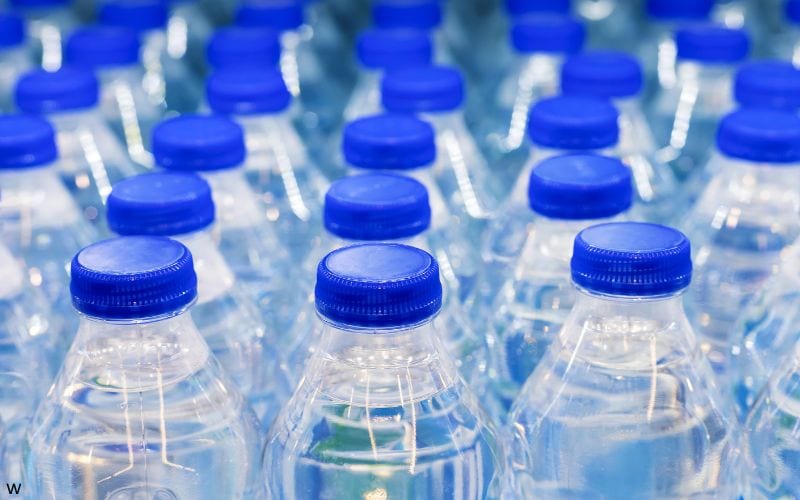
Use Filtered Water for Peace of Mind
While water meets safety standards, many residents still prefer NSF-certified filters for drinking and cooking. Use a filter rated to remove lead (NSF Standard 53) and replace cartridges on schedule. Visit our water filter solutions page for vetted options.
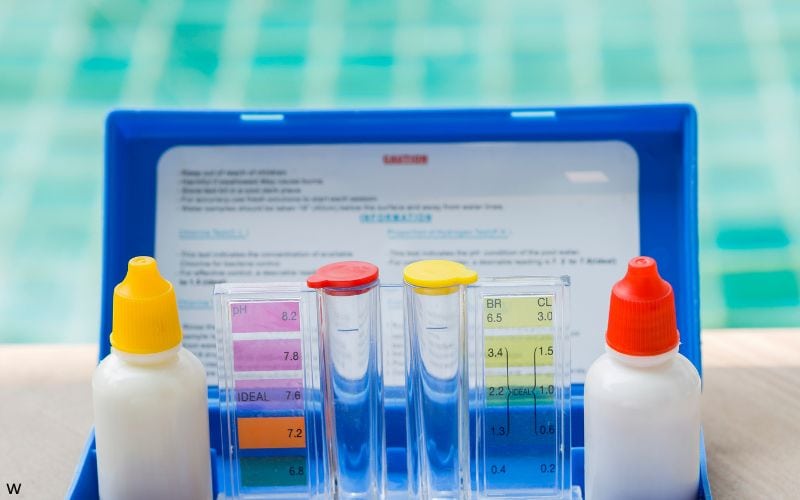
Get Your Water Tested
Free water testing remains available to Flint residents. Contact the City of Flint Water Service Center at (810) 766-7202 to schedule testing or confirm your service line replacement status.

Verify Your Property’s Replacement Status
Lead service line replacement is now complete across the city. If your property wasn’t confirmed in the programme, call (810) 410-1133 or check cityofflint.com/gettheleadout to verify your service line status.

Flush Your Water
If water hasn’t been used for several hours, run cold water for at least 5 minutes before using for drinking or cooking. Always use cold water — hot water dissolves lead from plumbing fixtures more readily.

Stay Informed
Monitor the latest water quality reports and boil water notices at our live tracker, cityofflint.com/gettheleadout, and michigan.gov/flintwater. Compare how Michigan’s other cities are performing too.
Quality News About Your Water
Get the comprehensive water quality news coverage you need with our dedicated US Water News Service. From coast to coast, we deliver in-depth reporting and expert analysis on PFAS contamination, EPA regulatory changes, infrastructure developments, and emerging water safety issues affecting communities nationwide. While mainstream media only covers the biggest stories, we provide the detailed, ongoing coverage that helps you understand the full scope of America’s water challenges. Whether you’re a concerned citizen, water professional, or community leader, our daily updates and analytical insights keep you informed about the issues that matter most to public health and environmental safety.

Frequently Asked Questions
Is Flint’s water safe to drink in 2026?
Yes, Flint’s water meets federal safety standards and has tested below action levels for lead for 9+ consecutive years, with current levels at 3 ppb — well below the 15 ppb federal limit and Michigan’s new 12 ppb standard. No amount of lead is considered entirely safe, so many residents still choose NSF-certified filters (Standard 53) for drinking and cooking. This is especially recommended for households with children, pregnant women, or elderly residents. See our water filter guide for certified options.
Has my home’s lead service line been replaced?
The lead service line replacement programme was completed in 2025, with nearly 11,000 pipes replaced across over 28,000 properties. You can confirm your property’s status at cityofflint.com/gettheleadout. If you have any doubt, call (810) 410-1133 to request a free inspection. You can also check Michigan’s statewide water quality page for broader infrastructure context.
Will a filter remove all contaminants, including bacteria?
Standard filters certified to remove lead (NSF Standard 53) are not designed to remove bacteria or viruses. Most pitcher and faucet-mounted filters target lead, copper, and certain chemicals. Current monitoring shows no bacterial concerns in Flint’s treated water supply. For microbiological protection, look for filters certified to NSF Standard P231. Our filter guide covers the main options by contaminant type.
Is the Flint water crisis settlement still active?
The $626 million settlement registration deadline passed in March 2021 and claim forms were due by May 2022. Settlement payments began distribution in early 2023, with priority given to claims involving children. For questions about payment status, contact the Claims Administrator at 800-493-1754 or visit flintwaterjustice.com. For ongoing water quality concerns, check our live boil water advisory tracker.
Historical Contaminants of Concern

Legionella Bacteria (2014–2015)
Source: Proliferated in the water system during the crisis due to inadequate chlorine treatment and the corrosive nature of Flint River water
Health Effects: Caused a Legionnaires’ disease outbreak resulting in 12 confirmed deaths and 90 cases between June 2014 and November 2015
Current Status: No recent outbreaks detected; proper treatment and return to the Lake Huron source resolved the underlying conditions. Monitor live alerts at our boil water tracker.
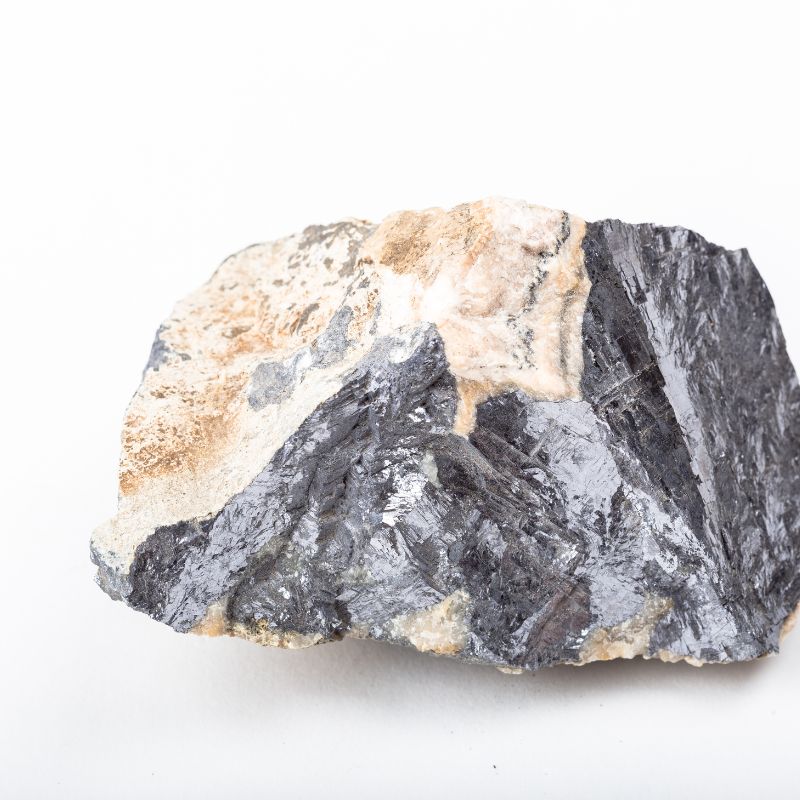
Lead (2014–Present)
Source: Lead service lines, lead solder, and plumbing fixtures that corroded due to the absence of corrosion control during the crisis period
Health Effects: Developmental delays, learning difficulties, and behavioural problems in children; kidney problems and elevated blood pressure in adults
Peak Crisis: Some homes exceeded 100 times the EPA action level during 2014–2015. Current Levels (2026): 3 ppb (90th percentile) — well below EPA’s 15 ppb action level and Michigan’s new 12 ppb standard. All lead service lines now replaced.
Please read – our information
The information presented on cleanairandwater.net is compiled from official water quality reports, trusted news sources, government websites, and public health resources. While we strive for accuracy and thoroughness in our presentations, we are not scientists, engineers, or qualified water quality professionals.
Our mission is to present water quality information in an accessible, real-world format that helps people understand what’s in their water and make informed decisions about their health and safety. We believe that complex environmental information should be available to everyone in a format that’s easy to understand.
We make every effort to ensure our content is current and accurate, but we cannot guarantee that all information is complete or error-free. This website should not replace official communications from your local water utility or health department. We always recommend consulting official sources for the most up-to-date information regarding your specific water system.
Clean Air and Water is not liable for any unintentional errors, omissions, or outdated information. The content on this site is provided for informational purposes only and should not be considered professional advice.
