Hawaii Water Quality at a Glance
Is Hawaii Water Safe to Drink?
Generally Yes, With Notable Concerns — Most Hawaii water systems meet federal standards, but the state faces ongoing PFAS contamination affecting 500,000+ Oahu residents and unresolved fallout from the Red Hill military fuel crisis. Key concerns in 2026 include active PFAS monitoring across multiple Oahu communities, PFOS detections at Pearl City Wells confirmed in September 2025, the Honolulu Board of Water Supply’s federal lawsuit against the Navy filed July 2025, and an interim Navy water treatment facility under construction. Hawaii’s groundwater dependence and military contamination legacy create ongoing risks requiring vigilance.
⚠️ Key Concerns for Hawaii Residents in 2026
- Red Hill Crisis — Legal Action: Honolulu BWS filed a federal lawsuit against the Navy on July 1, 2025; two Navy civilian employees indicted in August 2025 for allegedly covering up the 2021 spill; 17 families awarded $682,000 in damages in May 2025.
- PFAS “Forever Chemicals”: PFOS detected at Pearl City Wells in September 2025 (2.2–2.4 ppt, below 4 ppt EPA MCL); Kunia Village had total PFAS at 265 ppt; Waipio community also above safe levels. EPA MCLs enforceable since 2024; compliance deadline 2029.
- Military Contamination: Pearl Harbor water system serves 90,000+ people; PFAS detected at multiple sites; Navy interim treatment plant under construction, expected completion 2026.
- Chromium-6: Environmental Working Group testing found Honolulu among U.S. cities with elevated chromium-6 levels in tap water.
- Water Scarcity: Drought conditions and tourism pressure strain groundwater-dependent supply systems across the islands.
Read the full report below for detailed analysis, island-specific data, and actionable recommendations for Hawaii residents. Also check our live boil water notices tracker for real-time Hawaii alerts.
Advertisement — Report continues below
Your tap water just failed.
Here’s the fix.
Contaminants like PFAS, lead, chromium-6, and arsenic can sit within the legal limit but still pose a real health risk. The legal limit and the safe limit are not the same thing.
✅ Removes PFAS, lead & chromium-6 — the contaminants most flagged in failing city reports
✅ NSF/ANSI 42, 58 & 372 certified — independently tested, not just manufacturer claims
✅ Installs in 30 minutes, no plumber — fills a glass in 8 seconds, smart LED filter monitor
Renting or can’t drill? The Waterdrop K19 Countertop RO — plug in, fill the tank, done. No installation, no drilling, no plumber.
Disclaimer: This advert contains affiliate links. If you buy through these links, we may earn a commission at no extra cost to you. Product claims are based on manufacturer certification data and independent SGS lab testing.
Hawaii — The Aloha State — Water Quality Report 2026: PFAS Testing, Red Hill Fallout & Safety Across the Islands
Hawaii’s water infrastructure serves approximately 1.4 million residents across four unique island counties, each managing distinct water supply systems. The state’s water sources include groundwater aquifers, surface water reservoirs, rainwater catchment systems, and limited desalination facilities. Hawaii’s geographic isolation requires exceptional water resource management, with over 130 public water systems ranging from Honolulu’s Board of Water Supply — serving nearly one million customers — to smaller rural systems providing essential services to remote communities. See how Honolulu water quality compares to other major U.S. cities, or explore our national water quality overview for broader context.
Despite abundant natural rainfall in many areas, Hawaii faces unprecedented infrastructure challenges exacerbated by climate change, aging systems, and emerging contaminants. Hawaii’s water systems include components over 100 years old from the sugar plantation era, and funding shortfalls for Honolulu alone run into the billions. The most pressing challenge in 2026 remains the aftermath of the Red Hill Bulk Fuel Storage Facility crisis, with active litigation, ongoing PFAS monitoring, and a Navy-built interim treatment plant under construction. Federal infrastructure investment through the Bipartisan Infrastructure Law has channelled nearly $194 million to Hawaii for water improvements, including $19 million specifically targeting PFAS and emerging contaminants. For the latest alerts, see our live U.S. boil water notices tracker.
Hawaii Water Quality: Current Status (2025–2026)
Statewide Compliance and Testing
- Overall Compliance: The majority of Hawaii’s 130+ public water systems meet federal Safe Drinking Water Act standards. However, multiple Oahu communities have detected PFAS contamination, and the Pearl City Wells tested positive for PFOS in September 2025 at levels requiring ongoing public notification under Hawaii Revised Statutes §340E-24(b).
- PFAS Monitoring: Hawaii has identified PFAS contamination in multiple Oahu communities. Kunia Village showed total PFAS at 265 ppt; Waipio recorded similarly elevated levels. September 2025 confirmed PFOS at 2.2–2.4 ppt at Pearl City Wells — below the 4 ppt EPA MCL now enforceable since 2024, but requiring mandatory public notification. Compliance deadline for all systems is 2029.
- Infrastructure Investment: Nearly $194 million in federal funding through the Bipartisan Infrastructure Law has been allocated to Hawaii for water improvements, including $19 million for PFAS treatment and emerging contaminant removal. Learn how other states are tackling similar issues on our U.S. water quality hub.
Major Water Sources and Challenges
- Groundwater Aquifers: Primary water source for most islands, facing threats from saltwater intrusion, climate change impacts on recharge rates, and contamination from military activities and aging cesspool systems.
- Rainwater Catchment: A critical supplemental source, especially for rural areas and Big Island communities, requiring regular maintenance and UV sterilisation to prevent bacterial contamination.
- Aging Infrastructure: Hawaii’s water systems include plantation-era components over 100 years old, with deteriorating pipes and treatment facilities requiring urgent modernisation across all four counties.
Red Hill Crisis — 2026 Update
- Ongoing Legal Action: On July 1, 2025, the Honolulu Board of Water Supply filed a federal lawsuit against the U.S. Navy for releasing petroleum and hazardous chemicals into Oahu’s sole-source drinking water aquifer. Two Navy civilian employees were indicted in August 2025 for allegedly conspiring to cover up the size of the 2021 spill.
- Damages Awarded: In May 2025, a federal judge awarded $682,000 in damages to 17 families affected by the Red Hill contamination — setting a precedent for thousands of additional cases still pending. The University of Hawaii launched a health registry in August 2025 to track long-term health effects in exposed residents.
- Treatment Facility Under Construction: The Navy’s interim granular activated carbon treatment facility at the former Red Hill site is under construction with expected completion in 2026, after which treated water would re-enter the Navy drinking water system meeting EPA and Hawaii DOH standards.
Island-Specific Water Security
- Geographic Isolation: Hawaii’s island geography means there is no ability to import water or external resources during emergencies — local infrastructure resilience is critical for public health and economic stability.
- Climate Change Adaptation: Sea level rise threatens coastal infrastructure and increases saltwater intrusion risks, while changing precipitation patterns affect water availability and aquifer recharge rates.
- Cesspool Conversion: Over 80,000 cesspools must be upgraded by 2050 to prevent groundwater contamination. Conversion costs of $23,000–$38,000 per household put the process out of reach for most Hawaii homeowners without financial assistance programmes.
Looking Forward: 2026–2030
Hawaii’s water quality landscape is at a critical turning point. The Red Hill litigation will shape military accountability for drinking water contamination nationally, while the newly enforceable EPA PFAS MCLs — 4 ppt for PFOA and PFOS, with a 2029 compliance deadline — will require water systems statewide to either treat or eliminate PFAS-contaminated sources. The combination of federal infrastructure funding, enhanced PFAS monitoring under UCMR 5, mandatory cesspool conversion, and active legal accountability creates both risks and opportunities. Successful outcomes depend on coordinated action between county water boards, Hawaii DOH, military installations, and communities. For water quality news as it breaks, visit our water alert news section and our live boil water notices tracker.
Recommendations for Hawaii Residents
Know Your Water Source
Contact your county water board to request your 2026 Consumer Confidence Report and ask specifically about PFAS testing results. Visit the Hawaii Department of Health Safe Drinking Water Branch website to access your local system’s testing data. If you are on a Navy water line near Pearl Harbor, check the Red Hill Community Representation Initiative updates and the Navy Closure Task Force for the latest monitoring results.
Support Infrastructure Investment
Stay informed about county water infrastructure needs and support rate structures that enable necessary improvements. Participate in public meetings about cesspool conversion requirements, the Red Hill remediation programme, and water system modernisation. Hawaii’s isolated geography means local investment is the only option — external water imports are not available in an emergency.
Consider PFAS-Certified Filtration
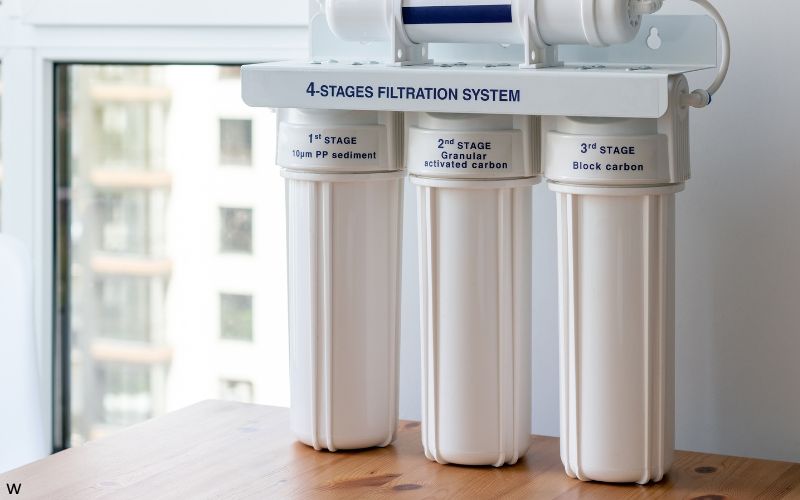
For communities with known PFAS contamination — including Kunia, Waipio, and areas on Navy water lines near Pearl Harbor — NSF-certified activated carbon or reverse osmosis filters specifically tested for PFAS removal are strongly advisable. These provide meaningful protection while water systems work toward the 2029 EPA compliance deadline. See our water filter recommendations for certified options.

Report Water Quality Concerns
Contact your county water board immediately for taste, odour, or colour concerns. Report suspected contamination to the Hawaii Department of Health Clean Water Branch at (808) 586-4424. Navy water line users on Oahu with contamination concerns should also contact the Navy Closure Task Force–Red Hill. Track emerging issues on our water alert news page.
Practice Water Conservation
Support Hawaii’s water sustainability by implementing conservation measures like efficient irrigation, rainwater harvesting, and low-flow fixtures. Hawaii’s sole-source groundwater aquifers are non-replaceable — demand reduction helps protect system resilience and aquifer health for future generations.
Hawaii Cities We Cover
Honolulu Water Quality
Comprehensive analysis of Honolulu Board of Water Supply, Hawaii’s largest water utility serving nearly one million customers across Oahu. Includes information on groundwater sources, treatment processes, PFAS monitoring, Red Hill remediation, and infrastructure modernisation efforts.
Additional Hawaiian city reports coming soon as we expand coverage to include Hilo, Kailua-Kona, and other major population centres. In the meantime, explore nearby states such as California water quality or check our national water quality database for comparison data.
Frequently Asked Questions
Is Hawaii’s tap water safe to drink in 2026?
Most of Hawaii’s public water systems continue to meet federal drinking water standards, but several Oahu communities are subject to active PFAS monitoring and mandatory public notification.
The Hawaii Department of Health oversees testing across all 130+ public water systems. September 2025 confirmed PFOS at Pearl City Wells at 2.2–2.4 ppt — below the enforceable EPA MCL of 4 ppt but subject to mandatory disclosure. Kunia Village and Waipio recorded far higher levels in earlier testing. Water utilities are implementing treatment upgrades toward the 2029 compliance deadline. Residents on Navy water lines near Pearl Harbor should follow Red Hill Closure Task Force advisories closely. Check our live boil water notices tracker for any active emergency orders in Hawaii.
What is the latest on the Red Hill water crisis?
The Red Hill Bulk Fuel Storage Facility crisis from November 2021 continues to generate major legal and regulatory developments in 2026.
On July 1, 2025, the Honolulu Board of Water Supply filed a federal lawsuit against the U.S. Navy. In August 2025, two Navy civilian employees were federally indicted for allegedly lying to Hawaii DOH about the spill’s severity. In May 2025, a federal judge awarded $682,000 to 17 affected families — with thousands of additional cases pending. The Navy’s interim granular activated carbon water treatment facility is under construction with completion expected in 2026. The state’s DLNR is running a 2026 public survey to assess community awareness and inform its remediation outreach programme.
How can I find out about my local water quality in Hawaii?
Hawaii residents can access water quality information through several county and state resources:
• County Water Boards: Request your annual Consumer Confidence Report from your county water board for all testing results, violations, and contaminant levels.
• Hawaii Department of Health: The Safe Drinking Water Branch publishes compliance data and PFAS monitoring results for all public water systems at health.hawaii.gov.
• EPA PFAS Data: The EPA maintains public monitoring data for all systems tested under the mandatory UCMR 5 programme, which covered 29 PFAS compounds.
• Our Tools: Use our live boil water notices tracker and water alert news to stay on top of real-time Hawaii water quality developments.
Why does Hawaii have unique water infrastructure challenges?
Hawaii’s water infrastructure faces distinct challenges due to its island geography, history, and military presence:
Geographic Isolation: No ability to import water or emergency resources means local infrastructure must be resilient to any crisis — natural or military-caused.
Aging Plantation Infrastructure: Many systems include components over 100 years old from the sugar plantation era, requiring comprehensive modernisation that is both expensive and logistically difficult.
Climate Vulnerability: Sea level rise threatens coastal infrastructure, and changing precipitation patterns affect aquifer recharge rates statewide.
Military Legacy Contamination: Decades of AFFF use and petroleum storage have introduced PFAS and fuel contaminants into sole-source groundwater, with active litigation and remediation still unresolved in 2026. Compare with states facing similar military contamination issues on our water quality database.
Cesspool Challenge: Over 80,000 cesspools must be converted by 2050. Without state financial assistance programmes, the conversion cost is prohibitive for most Hawaii homeowners.
Quality News About Your Water
Get the comprehensive water quality news coverage you need with our dedicated US Water News Service. From coast to coast, we deliver in-depth reporting and expert analysis on PFAS contamination, EPA regulatory changes, infrastructure developments, and emerging water safety issues affecting communities nationwide. While mainstream media only covers the biggest stories, we provide the detailed, ongoing coverage that helps you understand the full scope of America’s water challenges.
What’s actually in your tap water? Enter your ZIP code for a full breakdown of contaminants detected in your local supply
Drinking water from a well? Check our directory here for more information
Contaminants of Concern
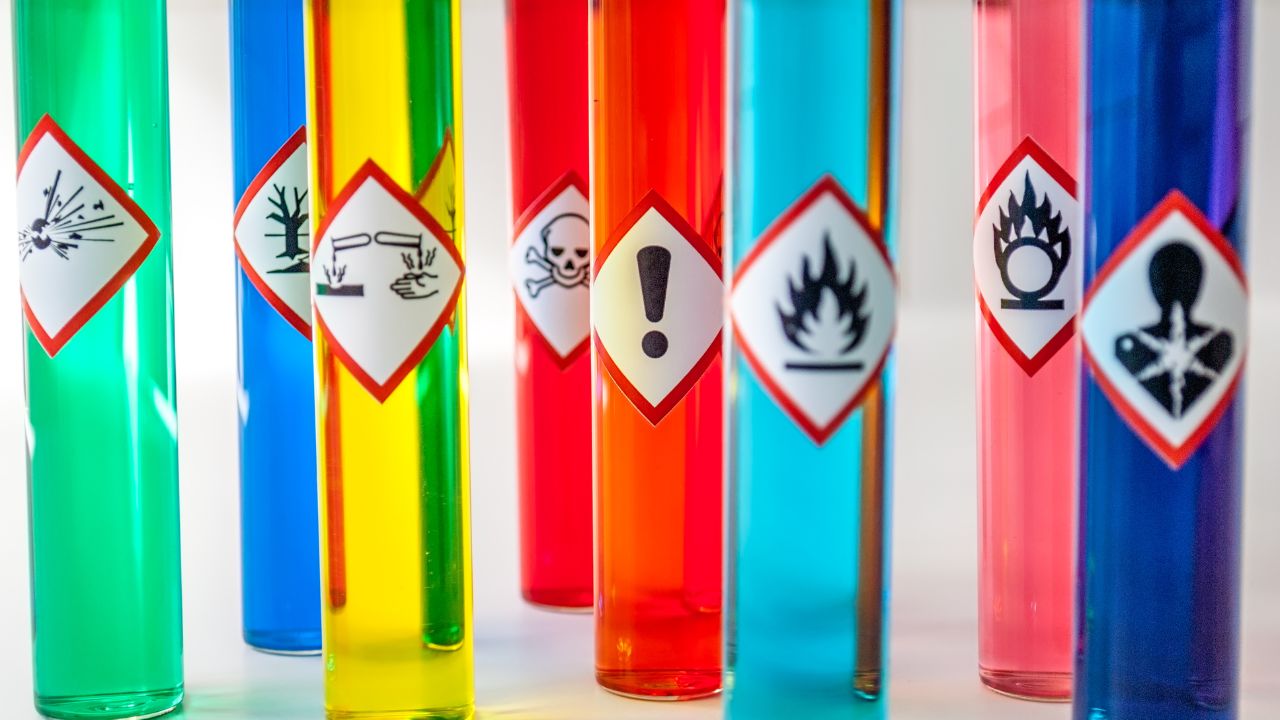
PFAS “Forever Chemicals”
Source: Military firefighting foam (AFFF) used at Pearl Harbor and other installations; legacy contamination from decades of military activities; potential consumer product and landfill sources.
Health Effects: Linked to kidney, testicular, and prostate cancers; liver damage; immune system suppression; high cholesterol; and developmental effects in children.
Current Status (2026): Kunia Village total PFAS at 265 ppt; Waipio elevated above safe levels; Pearl City Wells confirmed PFOS at 2.2–2.4 ppt in September 2025. EPA Limits: 4 ppt for PFOA and PFOS individually — enforceable since 2024, compliance deadline 2029. For filter options that remove PFAS, see our water filter recommendations.
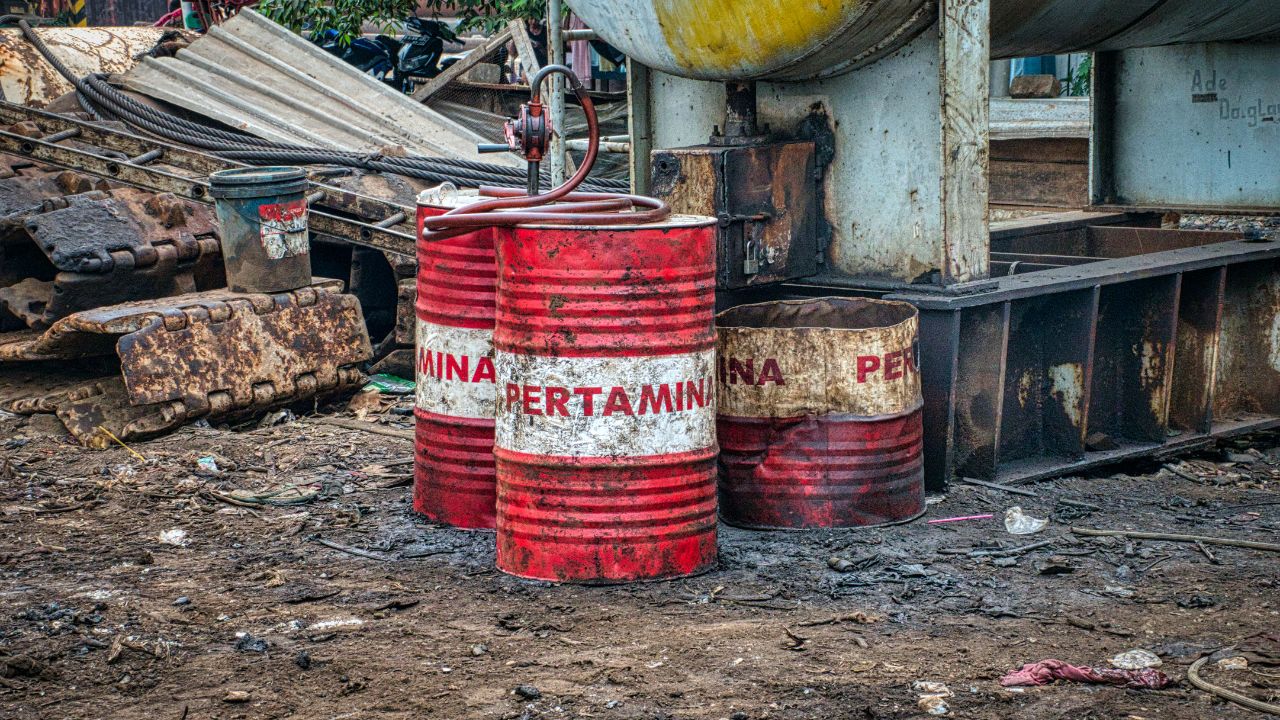
Military Fuel & Chemical Contamination
Source: Red Hill Bulk Fuel Storage Facility leaks including the November 2021 spill and prior 2014 and 2021 incidents; military fuel storage and handling operations; AFFF firefighting foam; historical petroleum infrastructure spills across military installations on Oahu.
Health Effects: Gastrointestinal problems, neurological effects, skin irritation, respiratory issues, and potential long-term impacts from chronic petroleum hydrocarbon and chemical additive exposure. In May 2025 a federal court found the U.S. government liable and awarded damages to 17 families, with thousands of cases pending.
Current Status (2026): Navy interim treatment facility under construction; Honolulu BWS pursuing federal lawsuit; two Navy employees indicted August 2025 for alleged cover-up. University of Hawaii Red Hill health registry operational since August 2025. Regulatory Response: EPA oversight of JBPHH water system compliance; Hawaii DOH enhanced monitoring; ongoing EPA and DOH coordination with Navy Closure Task Force.
Please read – our information
The information presented on cleanairandwater.net is compiled from official water quality reports, trusted news sources, government websites, and public health resources. While we strive for accuracy and thoroughness in our presentations, we are not scientists, engineers, or qualified water quality professionals.
Our mission is to present water quality information in an accessible, real-world format that helps people understand what’s in their water and make informed decisions about their health and safety. We believe that complex environmental information should be available to everyone in a format that’s easy to understand.
We make every effort to ensure our content is current and accurate, but we cannot guarantee that all information is complete or error-free. This website should not replace official communications from your local water utility or health department. We always recommend consulting official sources for the most up-to-date information regarding your specific water system.
Clean Air and Water is not liable for any unintentional errors, omissions, or outdated information. The content on this site is provided for informational purposes only and should not be considered professional advice.