Little Rock Water Quality at a Glance
major concerns
Is Little Rock Water Safe to Drink?
Generally Yes, With Significant Caution — Central Arkansas Water meets federal standards and maintains zero Safe Drinking Water Act violations. However, Little Rock Air Force Base shows extreme PFAS contamination (153,000 ppt PFOS), and independent testing reveals exceedances of health guidelines for chromium-6, disinfection byproducts, and other contaminants. A certified home water filter is strongly recommended, particularly for vulnerable populations. Check the live boil water notices tracker for any active alerts in your area.
⚠️ Key Concerns for Little Rock Residents in 2026
- PFAS “Forever Chemicals”: Little Rock Air Force Base shows extreme contamination — PFOS at 153,000 ppt and PFOA at 22,100 ppt (EPA MCL: 4 ppt each). Compliance deadline extended to 2031 under 2025–2026 EPA review.
- Chromium-6: Independent testing shows Central Arkansas Water exceeds health guidelines for this cancer-causing chemical.
- Disinfection Byproducts: Elevated levels of bromodichloromethane, chloroform, and chlorite from water treatment processes.
- Major Infrastructure Works: A $230 million overhaul of the Jack H. Wilson Water Treatment Plant is underway through 2030, with rate increases in effect from January 2026.
Read the full report below for detailed analysis, city-specific data, and actionable recommendations for Little Rock residents. See also: Arkansas statewide water quality and our water alerts & news.
advertisment – report continues below
Your water passed the test.
Legal isn’t the same as safe.
Regulated contaminants like PFAS, chromium-6, and disinfection byproducts can sit inside the legal limit and still carry long-term health risks. Passing isn’t the same as clean.
✅ Removes PFAS, lead & chromium-6 — the contaminants most flagged even in passing city reports
✅ NSF/ANSI 42, 58 & 372 certified — independently tested, not just manufacturer claims
✅ Installs in 30 minutes, no plumber — fills a glass in 8 seconds, smart LED filter monitor
Renting or can’t drill? The Waterdrop K19 Countertop RO — plug in, fill the tank, done. No installation, no drilling, no plumber.
Advertisement — this page contains affiliate links. If you buy through these links, we may earn a commission at no extra cost to you.

Little Rock – Arkansas – Water Quality Report 2026: PFAS Testing, Infrastructure Works & Safety across your city
Central Arkansas Water serves approximately 450,000 residents across the greater Little Rock metropolitan area, including North Little Rock, Sherwood, Jacksonville, Bryant, Cabot, and numerous surrounding communities in Pulaski, Saline, Lonoke, and Grant counties. As Arkansas’s largest water utility, the system encompasses over 2,770 miles of water distribution lines, multiple treatment facilities, and advanced monitoring systems that deliver an average of 126 million gallons of drinking water daily to the state’s capital region.
Central Arkansas Water sources its drinking water from two surface water reservoirs: Lake Maumelle, located 15 minutes west of Little Rock, provides approximately 65% of the system’s daily demand, while Lake Winona in the Ouachita Mountain foothills supplies the remaining 35%. Raw water is treated at two facilities — the Jack H. Wilson Water Treatment Plant (capacity 133 MGD, currently undergoing a $230 million overhaul due for completion in early 2030) and the Ozark Point Water Treatment Plant (24 MGD). The utility maintains an exemplary compliance record with zero Safe Drinking Water Act violations. For statewide context, see our Arkansas water quality overview.
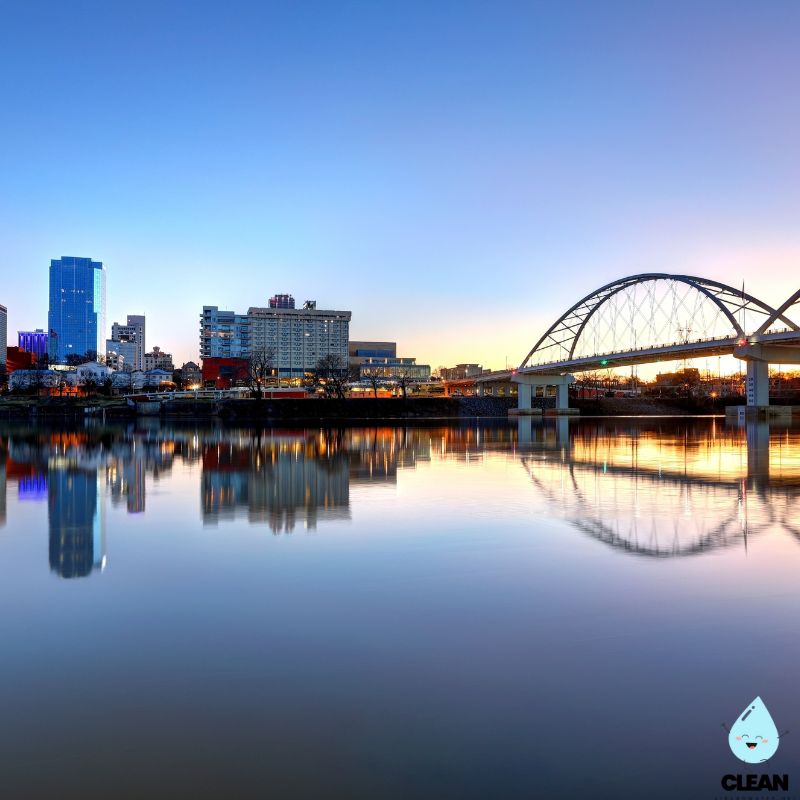
Little Rock Water Quality: Current Status (2025–2026)
Latest Testing Results
- Compliance Record: Central Arkansas Water maintains an excellent compliance record with zero Safe Drinking Water Act violations, consistently meeting all EPA and Arkansas Department of Health drinking water standards through 2025–2026.
- Contaminant Concerns: Independent testing by third-party organisations has found levels of bromodichloromethane, chloroform, chlorite, and hexavalent chromium that exceed health guidelines, though still within federal compliance limits. See our national water quality overview for broader context.
- PFAS Monitoring: Little Rock Air Force Base continues to show severe PFAS contamination (PFOS: 153,000 ppt, PFOA: 22,100 ppt — far exceeding EPA MCLs of 4 ppt each). The EPA compliance deadline for public water systems has been extended from 2029 to 2031 under a 2025–2026 regulatory review. Check our live boil water notices tracker for current local alerts.
Water Sources
- Lake Maumelle: Primary source providing 65% of daily demand, located 15 minutes west of Little Rock covering 13.9 square miles with comprehensive watershed protection covering over 115,000 acres.
- Lake Winona: Secondary source in Saline County providing 35% of supply, a 1.9 square mile reservoir in the Ouachita Mountain foothills with excellent natural protection.
- Jackson Reservoir: Auxiliary regulating reservoir in Little Rock that can receive water from both primary sources, providing system flexibility and supply security.
Advanced Treatment Technology
- Jack H. Wilson Plant: Primary treatment facility with 133 million gallons per day capacity. A $230 million overhaul began in 2025 and is expected to conclude in early 2030, funded via Arkansas Natural Resources Commission bonds. With $60.5 million in bond spending planned for 2026 alone, this is the most significant infrastructure upgrade in the utility’s history.
- Ozark Point Plant: Secondary facility with 24 million gallons per day capacity, incorporating advanced treatment processes and redundant systems for exceptional water quality and reliability.
- Combined Capacity: Total treatment capacity of 157 million gallons per day provides adequate supply during peak usage and emergency situations, though emerging contaminants like PFAS require specialised treatment technologies not yet installed.
Infrastructure Modernisation (2026 Update)
- Major Treatment Plant Overhaul: The $230 million Jack H. Wilson reconstruction — the utility’s largest-ever capital project — will fundamentally upgrade the facility that treats water from Lake Maumelle and serves the majority of the system.
- EPA Grant Expansion: A $7.6 million EPA grant is being used in 2026 to extend water service to previously unserved areas of western Pulaski County, improving access for underserved communities.
- Rate Increases: Water rates increased again on 1 January 2026 as part of a 10-year rate plan approved in 2023. Operating revenue is projected at $108.4 million for 2026, with operating expenses rising 5.4% to $85.9 million. The utility’s authorised headcount increases to 383.
Customer Protection Initiatives
Central Arkansas Water provides comprehensive customer support through various programmes, including low-income assistance providing up to $2,000 in credits for qualifying households, 24/7 emergency service, and convenient online account management. The utility offers educational outreach, conservation programmes, and transparent communication through detailed annual water quality reports. Given ongoing concerns about chromium-6, disinfection byproducts, and PFAS proximity, residents should consult our water filter recommendations and stay informed via our water alerts and news section.
Recommendations for Little Rock Residents
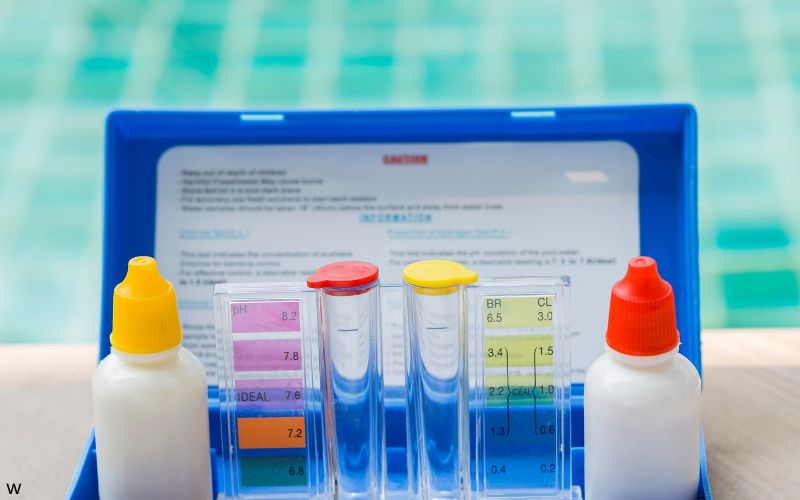
Test Your Water
Contact Central Arkansas Water at 501-372-5161 for information about water testing services. Testing is especially recommended for homes built before 1986, residents near Little Rock Air Force Base due to PFAS contamination, or those with concerns about disinfection byproducts. Check our live boil water notices tracker for any active local alerts.
Conserve Water
Take advantage of Central Arkansas Water’s conservation resources and educational programmes. Follow best practices for efficient water use, including proper irrigation timing and leak detection to reduce waste and protect the Lake Maumelle and Lake Winona source water catchments.
Consider Home Filtration
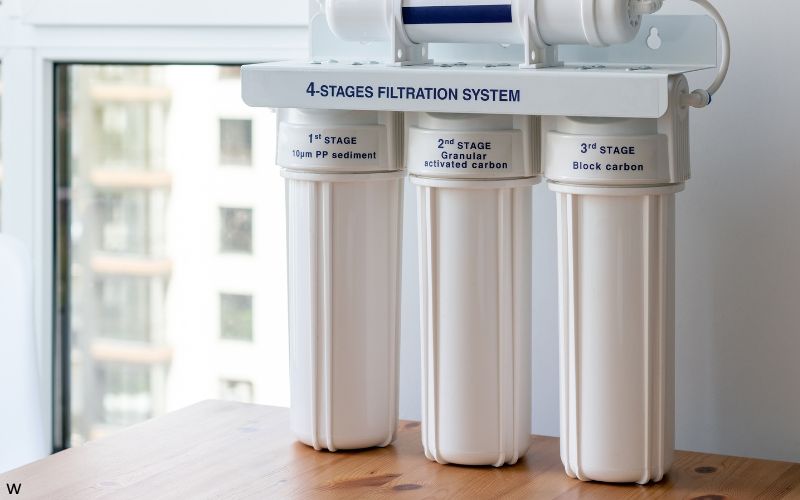
Given independent testing showing elevated levels of chromium-6, disinfection byproducts, and potential PFAS exposure near Little Rock AFB, NSF-certified filters designed for these specific contaminants are recommended for drinking and cooking water. See our water filter solutions guide for certified options.
Apply for Financial Assistance
Qualifying low-income customers can receive up to $2,000 in credits for water and wastewater bills. Visit arkansaslihwap.com or contact Central Arkansas Water at 501-372-5161 for assistance with applications. Note that rates increased again from 1 January 2026 as part of the utility’s approved 10-year rate plan.

Report Issues
Contact Central Arkansas Water Customer Service at 501-372-5161 (available 7:30 AM–5 PM Mon–Thu, 8 AM–4:30 PM Fri) or emergency line 501-377-1239 (24/7) for water main breaks, pressure problems, or quality concerns including taste, odour, or health-related issues. For wider news on water safety across the state, visit our water alerts & news section.
Frequently Asked Questions
Is Little Rock’s tap water safe to drink in 2026?
Generally yes, with significant caution. Little Rock’s tap water meets all federal and state drinking water standards, and Central Arkansas Water maintains an excellent compliance record with zero Safe Drinking Water Act violations through 2025–2026.
However, independent testing has found levels of hexavalent chromium, disinfection byproducts (bromodichloromethane, chloroform, chlorite), and other contaminants that exceed health guidelines, though they remain within federal compliance limits. Additionally, severe PFAS contamination at nearby Little Rock Air Force Base (PFOS: 153,000 ppt, PFOA: 22,100 ppt) raises ongoing concerns. The EPA’s compliance deadline for public water systems to meet the 4 ppt PFAS standard has been extended from 2029 to 2031. Residents — particularly vulnerable populations — should consider a certified home water filter for additional protection.
Why does my water sometimes taste or smell different?
Occasional taste and odour changes can occur due to several factors:
1. Seasonal water quality variations: Natural changes in source water during different weather conditions can affect taste and odour.
2. Treatment process changes: Adjustments to disinfection processes or treatment chemicals may temporarily affect water characteristics and can increase disinfection byproduct formation. This may be more noticeable during the ongoing Jack H. Wilson Plant overhaul works.
3. Home plumbing factors: Internal plumbing issues, water heater problems, or infrequently used faucets can sometimes cause taste or odour concerns.
If taste or odour issues persist, contact Central Arkansas Water Customer Service at 501-372-5161. Often, running cold water for a few minutes after periods of non-use can help. See our water alerts & news for any utility-wide notices.
What contaminants have been found in Little Rock water?
Independent third-party testing has identified several contaminants of concern in Little Rock’s water supply:
• Hexavalent Chromium (Chromium-6): Cancer-causing chemical that exceeds health guidelines in independent testing of Central Arkansas Water.
• Disinfection Byproducts: Bromodichloromethane, chloroform, and chlorite from water treatment processes, detected above health guidelines.
• PFAS “Forever Chemicals”: Severe contamination at Little Rock Air Force Base (PFOS: 153,000 ppt, PFOA: 22,100 ppt). The EPA’s 4 ppt MCL applies, with a compliance deadline now extended to 2031.
• Other compounds: Various other contaminants detected at levels within federal compliance but potentially above health-based guidelines.
While the utility meets all federal standards, these findings suggest residents should consider a certified home filtration system for drinking and cooking water. Compare how Little Rock performs against nearby cities in our national water quality overview.
What financial assistance is available for water bills in 2026?
Central Arkansas Water offers several programmes to help customers, particularly following the January 2026 rate increase:
Low-Income Water Assistance Programme:
• Up to $2,000 in credits applied to eligible customers’ accounts
• Credits typically cover 12 months of water and wastewater bills
• Eligibility based on household size, income level, and vulnerable household members
Payment Plan Options:
• No-fee payment plans through Promise for customers with past-due balances of $50 or more
• Protection from fees and service disconnections while plans remain current
To apply for assistance, visit arkansaslihwap.com or contact Central Arkansas Water at 501-372-5161. For the latest state-level programme news, see our Arkansas water quality page.
Quality News About Your Water
Get the comprehensive water quality news coverage you need with our dedicated US Water News Service. From coast to coast, we deliver in-depth reporting and expert analysis on PFAS contamination, EPA regulatory changes, infrastructure developments, and emerging water safety issues affecting communities nationwide. While mainstream media only covers the biggest stories, we provide the detailed, ongoing coverage that helps you understand the full scope of America’s water challenges.
What’s actually in your tap water? Enter your ZIP code for a full breakdown of contaminants detected in your local supply
Drinking water from a well? Check our directory here for more information
Contaminants of Concern
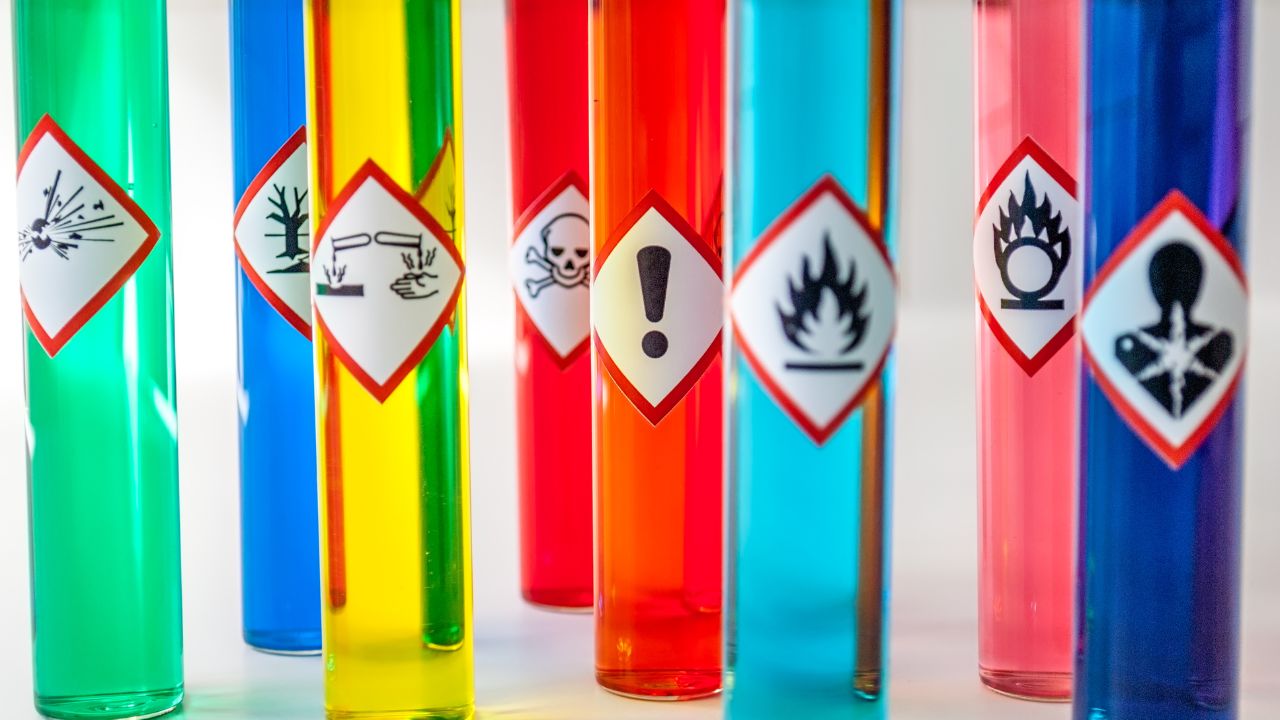
Disinfection Byproducts
Source: Formed when disinfectants such as chlorine react with naturally occurring organic matter in source water from Lakes Maumelle and Winona; levels may vary seasonally and could be affected during the ongoing Jack H. Wilson Plant overhaul.
Health Effects: Long-term exposure to elevated levels may increase risk of certain cancers and potentially affect liver, kidney, and central nervous system function. Bromodichloromethane, chloroform, and chlorite have been detected above health guidelines by independent testing.
Current Status: Independent testing shows levels exceeding health guidelines for bromodichloromethane, chloroform, and chlorite, though still within federal compliance limits. EPA Limits: 80 ppb for total trihalomethanes (TTHMs) and 60 ppb for haloacetic acids (HAA5). See our filter guide for NSF-certified options that reduce DBPs.
PFAS Compounds
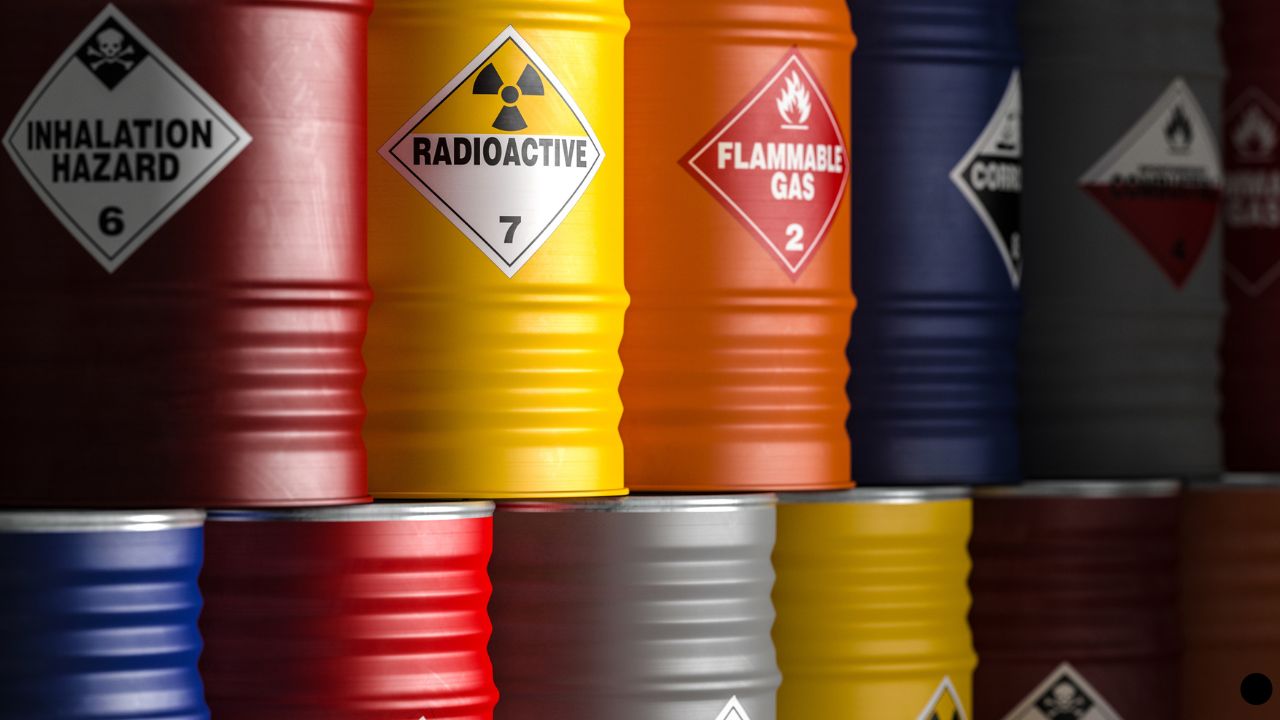
Source: Per- and polyfluoroalkyl substances from industrial activities, military installations (notably Little Rock Air Force Base), and consumer products. AFFF firefighting foam use at the base has created widespread groundwater contamination.
Health Effects: Research indicates potential impacts on immune function, cholesterol levels, thyroid function, and links to certain cancers including kidney and testicular cancer, plus reproductive effects. PFAS and PFOS are now classified as hazardous substances under CERCLA (Superfund law).
Current Status: Severe contamination confirmed at Little Rock Air Force Base — PFOS at 153,000 ppt and PFOA at 22,100 ppt. EPA Limits (2026): PFOS and PFOA at 4 ppt each, now enforceable under the April 2024 National Primary Drinking Water Regulation. Compliance deadline extended to 2031 under the 2025–2026 EPA review. Active AFFF-related litigation is ongoing against manufacturers including 3M and DuPont. For statewide PFAS context, see our Arkansas water quality overview.
Hexavalent Chromium
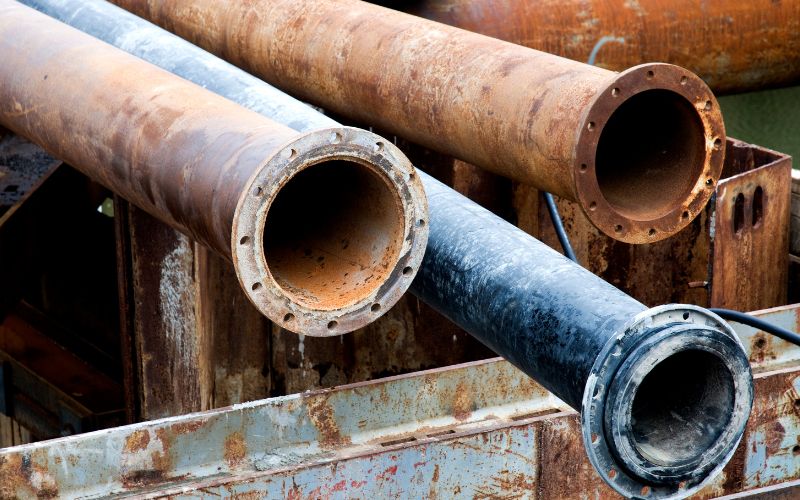
Source: Naturally occurring metal, elevated by industrial uses including degradation from chrome plumbing fixtures and potential industrial pollution affecting Central Arkansas water sources.
Health Effects: Classified as a carcinogen. The chemical gained notoriety from the Erin Brockovich case where it contaminated drinking water and caused severe health impacts in affected communities.
Current Status: Independent testing shows Central Arkansas Water exceeds health guidelines for hexavalent chromium, though levels remain within federal compliance limits. Health Guidelines: California has set a public health goal of 0.02 ppb; the EPA has not yet established a federal MCL specifically for chromium-6. Our filter recommendations include options certified for chromium-6 reduction.
Lead and Copper
Source: Primarily from corrosion of household plumbing systems, especially in homes built before 1986. Central Arkansas Water uses corrosion control treatment to minimise leaching from service lines and internal plumbing.
Health Effects: Lead exposure can cause serious health problems, particularly for pregnant women and young children, affecting brain development and causing learning disabilities. There is no safe level of lead exposure in children.
Current Status: Central Arkansas Water maintains excellent lead control — recent testing shows 90% of samples at or below 0.001 mg/L (just 6.7% of the EPA action level). A public service line inventory is available online. EPA Action Level: 0.015 mg/L for lead. The EPA’s revised Lead and Copper Rule strengthens requirements for service line replacement nationally. Compare with other cities via our water quality overview.
Please read – our information
The information presented on cleanairandwater.net is compiled from official water quality reports, trusted news sources, government websites, and public health resources. While we strive for accuracy and thoroughness in our presentations, we are not scientists, engineers, or qualified water quality professionals.
Our mission is to present water quality information in an accessible, real-world format that helps people understand what’s in their water and make informed decisions about their health and safety. We believe that complex environmental information should be available to everyone in a format that’s easy to understand.
We make every effort to ensure our content is current and accurate, but we cannot guarantee that all information is complete or error-free. This website should not replace official communications from your local water utility or health department. We always recommend consulting official sources for the most up-to-date information regarding your specific water system.
Clean Air and Water is not liable for any unintentional errors, omissions, or outdated information. The content on this site is provided for informational purposes only and should not be considered professional advice.