Manchester, New Hampshire Water Quality at a Glance
exceeds EPA PFOA limit
Is Manchester Water Safe to Drink?
Use Caution — PFOA Exceeds New Federal Limit — Manchester Water Works detected PFOA at 5 ppt, above the EPA’s 4 ppt Maximum Contaminant Level finalised in April 2024 (compliance required by 2029). The water remains below New Hampshire’s own 12 ppt state standard and meets all current legal requirements, but the federal threshold has been crossed. Advanced treatment at both the Lake Massabesic plant and the Merrimack River Facility (opened 2023) includes granular activated carbon for PFAS removal. Residents should use an NSF-certified reverse osmosis or GAC filter for drinking and cooking water while the utility works toward 2029 compliance. See our water filter recommendations for certified options.
⚠️ Key Concerns for Manchester Residents in 2026
- PFAS “Forever Chemicals”: PFOA detected at 5 ppt — above EPA’s new 4 ppt MCL (enforceable 2029); below NH state limit of 12 ppt. Utility actively implementing GAC treatment upgrades.
- Wastewater PFAS Risk: Manchester’s wastewater plant receives PFAS-laden industrial leachate at levels far above drinking water limits, raising Merrimack River contamination concerns for the secondary drinking water source.
- Disinfection Byproducts: Bromodichloromethane, chloroform, total trihalomethanes (TTHMs) and haloacetic acids detected — both below federal MCLs but above EWG health guidelines. Check our water alerts page for updates.
- Aging Infrastructure: 500+ mile distribution system; combined sewer overflows can introduce contamination pathways into the Merrimack River secondary source.
Read the full report below for detailed analysis, treatment information, and actionable recommendations for Manchester residents. You can also check live water quality data or track active boil water notices.
Advertisement — Report continues below
Great water report.
Here’s how to make it perfect.
Your water quality report shows strong results — and that’s genuinely good news. But even treated municipal water picks up residual chlorine, microplastics, and sediment between the treatment plant and your tap. A filter takes great water and makes it flawless.
✅ Improves taste, smell & clarity — removes residual chlorine and sediment that reach your glass after treatment
✅ NSF/ANSI 42, 58 & 372 certified — independently tested, not just manufacturer claims
✅ Installs in 30 minutes, no plumber — fills a glass in 8 seconds, smart LED filter monitor
Renting or can’t drill? The Waterdrop K19 Countertop RO — plug in, fill the tank, done. No installation, no drilling, no plumber.
Advertisement — this page contains affiliate links. If you buy through these links, we may earn a commission at no extra cost to you.

Manchester – New Hampshire – Water Quality Report 2026: PFAS Testing, Infrastructure Concerns & Safety across your city
Manchester Water Works provides essential water services to approximately 180,000 customers across Manchester, New Hampshire and portions of Auburn, Bedford, Derry, Goffstown, Hooksett, Londonderry, Salem, Windham, Hampstead, Atkinson, and Plaistow. Established in 1874, the system maintains over 500 miles of water distribution lines, multiple treatment facilities, and advanced infrastructure delivering an average of 17 million gallons of drinking water daily. Manchester is New Hampshire’s largest city and a regional water hub — but it faces a significant challenge: PFOA detected at 5 parts per trillion, above the EPA’s new 4 ppt Maximum Contaminant Level finalised in April 2024, with a compliance deadline of 2029.
Manchester sources drinking water primarily from Lake Massabesic, a 2,560-acre reservoir covering parts of Manchester and Auburn that has served the region for over 150 years. In August 2023, Manchester activated a second source — the Merrimack River Treatment Facility in Hooksett — using advanced radial collector well technology providing up to 7.2 million gallons per day. However, the Merrimack River is under growing scrutiny: advocacy groups have documented high PFAS concentrations in wastewater discharged into the river from Manchester’s wastewater treatment plant, which accepts industrial leachate not equipped to be removed by standard treatment. Residents seeking clean water options should review our water filter solutions and check the New Hampshire state water quality overview for broader context.
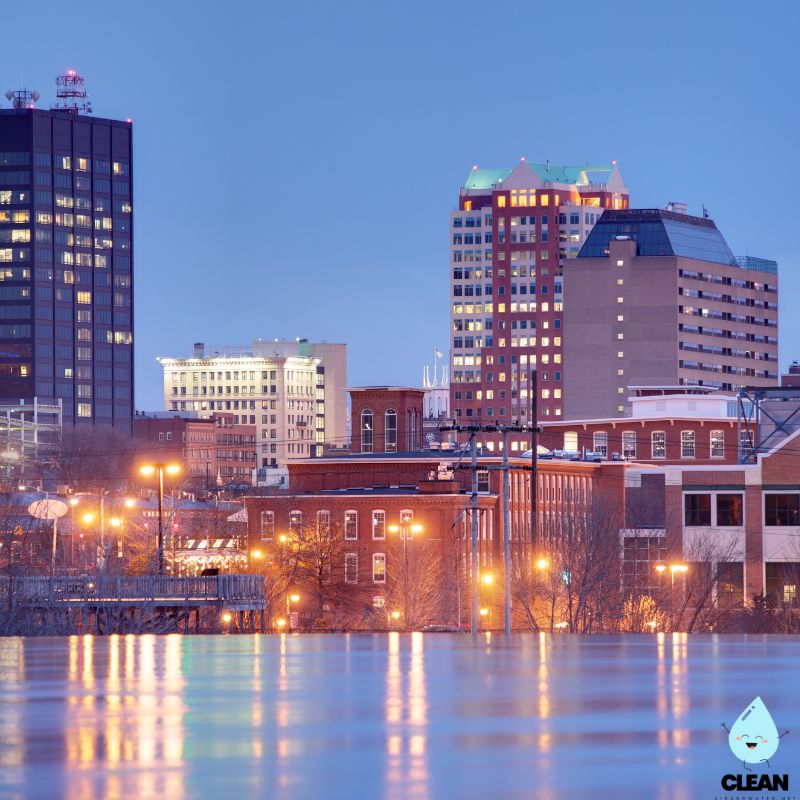
Manchester Water Quality: Current Status (2025–2026)
Latest Testing Results
- Federal Compliance: For the most recent quarter assessed by the U.S. EPA (April 2024 – June 2024), Manchester Water Works was in compliance with federal health-based drinking water standards. However, PFOA has been detected above the EPA’s new 4 ppt MCL (finalised April 2024) — the utility has until 2029 to meet this standard.
- PFOA Exceedance: A December 2023 finished water sample detected PFOA at 5 ppt — exceeding the EPA’s new 4 ppt limit. New Hampshire’s own state MCL of 12 ppt is still met. Residents concerned about exposure should consider point-of-use filtration immediately; see our filter recommendations.
- Disinfection Byproducts: Bromodichloromethane and chloroform (both trihalomethanes) are present in the system. HAAs were detected at 3.83 ppb and TTHMs at 4.1 ppb in the most recent reporting period — below EPA MCLs of 60 ppb and 80 ppb respectively, but above EWG health guidelines. Track ongoing alerts at our water alert news page.
Water Sources
- Lake Massabesic: Primary source since 1874, covering 2,560 acres across Manchester and Auburn. Comprehensive watershed protection measures are in place, though the lake carries four high and four medium vulnerability ratings in state assessments.
- Merrimack River Source: Radial collector well system activated August 2023 in Hooksett. This secondary source is under growing scrutiny: environmental advocates documented in 2024 that Manchester’s wastewater treatment plant discharges PFAS into the Merrimack River at concentrations far exceeding drinking water limits, as the plant lacks PFAS-removal capability. Monitor developments via our live U.S. tracker.
- Watershed Protection: NHDES rates Lake Massabesic sources with multiple vulnerability designations. Comprehensive protection efforts are ongoing, but statewide PFAS contamination — affecting approximately 30% of tested wells — remains a systemic challenge for New Hampshire water systems.
Advanced Treatment Technology
- Lake Massabesic Treatment Plant: Main facility completed in 1974 and significantly upgraded 2003–2006. Treatment includes rapid mixing, coagulation, flocculation, sedimentation, intermediate ozone treatment, and granular activated carbon filtration. Maximum capacity: 50 million gallons per day.
- Merrimack River Treatment Facility: Opened August 2023 in Hooksett, featuring greensand filtration, granular activated carbon contactors, and ultraviolet light disinfection. The GAC system provides some capability to reduce PFAS levels from the river source.
- Disinfection Management: Monochloramine (chlorine combined with ammonia at 4.5:1 ratio) is used as the primary disinfectant, with periodic temporary switches to free chlorine for system maintenance and biofilm prevention. Both can generate disinfection byproducts.
Infrastructure and the 2029 PFAS Deadline
- EPA PFAS Compliance Timeline: The April 2024 EPA final rule sets MCLs of 4 ppt for PFOA and PFOS, with utilities required to comply by 2029. Manchester’s detected PFOA at 5 ppt means active treatment upgrades are necessary — and the utility is investing in expanded GAC capacity to meet this deadline.
- Regional Water Project: Manchester serves as the hub for the Southern New Hampshire Regional Water Project, providing water to Salem, Windham, Hampstead, Atkinson, and Plaistow. Any PFAS compliance challenges have regional implications.
- Distribution System: Over 500 miles of water distribution lines serving the greater Manchester area, with ongoing water main replacements. The aging combined sewer system — which can overflow raw sewage into the Merrimack River during heavy rain — adds contamination risk for the secondary source.
Customer Protection Initiatives
Manchester Water Works publishes annual water quality reports each April, and customers can contact the utility at 603-792-2803 for current testing data. The utility offers a service line protection plan covering the water line from the property line into your home. Given the PFOA exceedance of the new federal standard, residents are advised not to wait until 2029 for compliance — installing a certified home filtration system now is the most effective step to protect your household. For state-level context on New Hampshire’s PFAS challenges, see our New Hampshire water quality report.
Recommendations for Manchester Residents
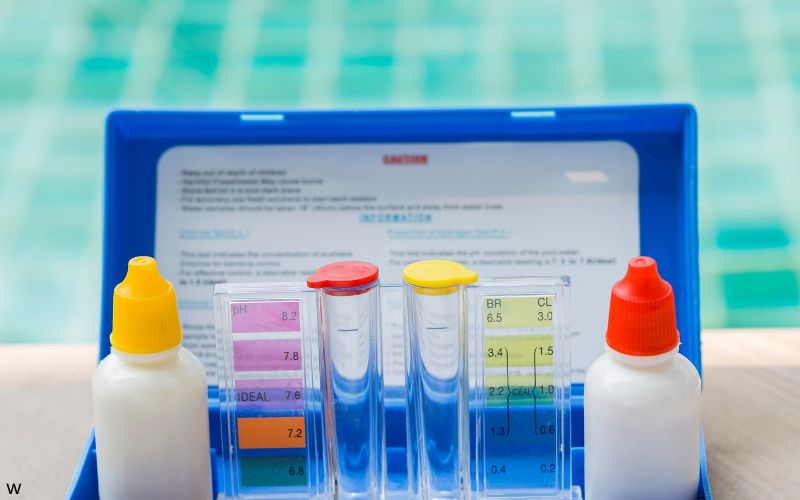
Monitor Water Quality
Stay informed about Manchester’s water quality through annual water quality reports published each April at manchesternh.gov. Contact Manchester Water Works at 603-792-2803 for current PFAS testing data. Our water alert news page covers developing stories including ongoing Merrimack River PFAS discharge issues.
Conserve Water
Help protect Lake Massabesic and reduce pressure on the Merrimack River source by practising water conservation. Report leaks promptly to Manchester Water Works. During peak summer demand — which can hit 20 million gallons per day — conservation directly helps maintain treatment effectiveness. Track system status via our live boil water notice tracker.
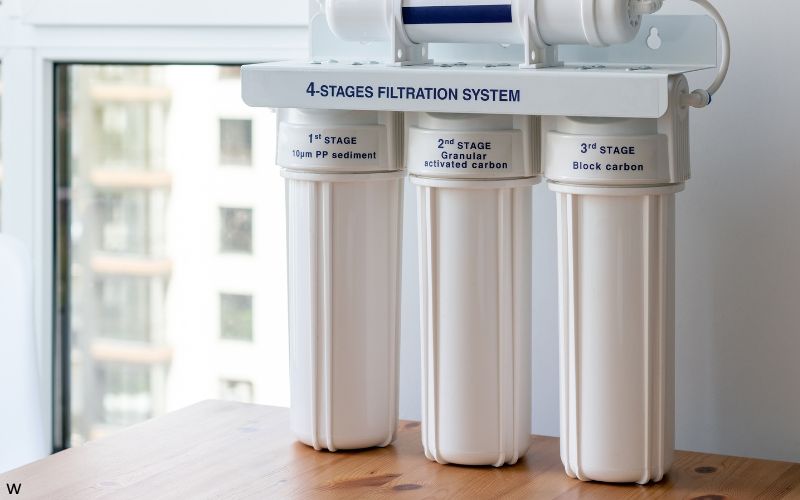
Install Home Filtration — Now
With PFOA detected at 5 ppt — above the EPA’s new 4 ppt limit — Manchester residents should not wait for the 2029 compliance deadline. An NSF-certified reverse osmosis or granular activated carbon filter for drinking and cooking water is the most effective protection available. See our recommended water filter solutions for PFAS-certified options.
Protect Service Lines
Consider Manchester Water Works’ Service Line Protection Plan, which covers the water service line from your property line into your home. Contact customer service at 603-792-2803 for information. For general guidance on home water safety across New Hampshire, see our New Hampshire state water quality report.

Report Issues
Contact Manchester Water Works Customer Service at 603-792-2803 during business hours for water quality concerns, or use the 24-hour emergency line for urgent issues like main breaks, pressure problems, or system emergencies. For real-time boil water alerts across the U.S., bookmark our live boil water notice tracker.
Frequently Asked Questions
Is Manchester’s tap water safe to drink in 2026?
Manchester’s tap water meets New Hampshire’s state standards and all current federal compliance requirements — but there is a significant caveat. PFOA has been detected at 5 ppt, which exceeds the EPA’s new Maximum Contaminant Level of 4 ppt finalised in April 2024. Water systems have until 2029 to comply, so no violation is currently in effect, but the exceedance is real.
For healthy adults, short-term exposure at 5 ppt poses limited acute risk. However, for pregnant women, infants, young children, and immunocompromised individuals, installing an NSF-certified reverse osmosis or granular activated carbon filter is strongly advisable now rather than waiting for 2029. See our water filter solutions page for certified options. Manchester Water Works is actively investing in treatment upgrades to meet the federal deadline.
Why does my water taste different sometimes?
Taste changes can occur due to several factors:
1. Disinfection management: Manchester Water Works uses monochloramine as the primary disinfectant but may temporarily switch to free chlorine for system maintenance, which can cause a more noticeable chlorine taste or odour.
2. Seasonal demand changes: Summer water consumption can reach 20 million gallons per day (double the winter average), which may affect source water characteristics and treatment chemistry.
3. Source blending: With both Lake Massabesic and the Merrimack River now contributing to supply, blending ratios can shift seasonally and affect taste profiles.
If taste or odour issues persist, contact Manchester Water Works at 603-792-2803. Running cold water for 2 minutes or refrigerating water in an open pitcher can help dissipate chlorine taste. Check our water alert news for any system-wide notices.
What does the EPA’s 2024 PFAS rule mean for Manchester?
In April 2024, the EPA finalised the first-ever national drinking water standards for PFAS, setting an MCL of 4 ppt for both PFOA and PFOS. Manchester Water Works has detected PFOA at 5 ppt — above this limit. Key facts for 2026:
• Compliance deadline: Water systems must meet the 4 ppt standard by 2029. No enforcement action applies yet, but Manchester must actively plan and implement treatment upgrades.
• State vs federal: New Hampshire’s own PFOA MCL is 12 ppt — Manchester’s 5 ppt result still falls below that threshold. The stricter federal standard is the concern.
• What Manchester is doing: The Merrimack River Treatment Facility includes granular activated carbon contactors effective at PFAS reduction. The utility is expanding treatment capacity ahead of the 2029 deadline.
• What you can do now: Install an NSF 58-certified reverse osmosis system or NSF 53-certified GAC filter for drinking and cooking water. Our filter recommendations page lists verified options. For New Hampshire-wide PFAS context, see our state overview.
How does the Merrimack River source work — and what are the risks?
Manchester’s secondary water source, activated in August 2023, uses radial collector well technology in Hooksett — drawing a combination of groundwater and filtered river water through horizontal laterals 50 feet below the riverbed before pipeline transfer to the treatment facility.
Treatment at the Merrimack River Facility:
• Greensand filtration for manganese and iron removal
• Granular activated carbon contactors for PFAS, taste, and organic compound reduction
• Ultraviolet light disinfection for virus and pathogen inactivation
• 500,000-gallon clearwell for contact time and quality assurance
The PFAS discharge concern: Environmental advocates documented in 2024 that Manchester’s wastewater treatment plant — which accepts PFAS-laden leachate from industrial sources — discharges treated wastewater into the Merrimack River. The plant is not equipped to remove PFAS, meaning concentrations reaching the river can vastly exceed drinking water limits. The radial collector well system provides some natural filtration buffer, but this remains an active issue being monitored by regulators. Follow developments on our water alert news page.
Quality News About Your Water
Get the comprehensive water quality news coverage you need with our dedicated US Water News Service. From coast to coast, we deliver in-depth reporting and expert analysis on PFAS contamination, EPA regulatory changes, infrastructure developments, and emerging water safety issues affecting communities nationwide. While mainstream media only covers the biggest stories, we provide the detailed, ongoing coverage that helps you understand the full scope of America’s water challenges.
What’s actually in your tap water? Enter your ZIP code for a full breakdown of contaminants detected in your local supply
Drinking water from a well? Check our directory here for more information

Contaminants of Concern
PFAS Compounds
Source: Per- and polyfluoroalkyl substances from historical use of firefighting foams and industrial processes, including ongoing PFAS-laden industrial discharges into the Merrimack River upstream of Manchester’s secondary intake point
Health Effects: Research indicates potential health concerns including impacts on the immune system, thyroid function, cholesterol levels, fetal development, and possible links to kidney, testicular, and other cancers with long-term exposure
Current Status: PFOA detected at 5 ppt — above the EPA’s new federal MCL of 4 ppt (finalised April 2024, enforceable 2029) and above EWG’s health guideline of 0.09 ppt. Below New Hampshire’s state MCL of 12 ppt. The Merrimack River Treatment Facility’s GAC system provides some PFAS reduction. Recommended action: Install an NSF-certified RO or GAC filter — see our filter solutions page. NH Limits: 12 ppt for PFOA, 15 ppt for PFOS, 18 ppt for PFHxS, 11 ppt for PFNA. EPA Limits (from 2029): 4 ppt for PFOA and PFOS.
Disinfection Byproducts
Source: Formed when disinfectants such as chlorine or chloramine react with naturally occurring organic matter in Lake Massabesic and Merrimack River source waters. Bromodichloromethane and chloroform are both present in the Manchester system.
Health Effects: Long-term exposure to elevated levels may increase risk of certain cancers and potentially affect liver, kidney, and central nervous system. EWG notes that trihalomethane exposure through inhalation during showering can exceed exposure from drinking alone.
Current Levels: HAAs detected at 3.83 ppb and TTHMs at 4.1 ppb in the most recent reporting period — well below EPA MCLs but above EWG health guidelines. Note: EWG health guidelines are not legal limits. EPA Limits: 80 ppb for total trihalomethanes (TTHMs) and 60 ppb for haloacetic acids (HAA5). For full U.S. water quality context, visit our national water quality tool.
Please read – our information
The information presented on cleanairandwater.net is compiled from official water quality reports, trusted news sources, government websites, and public health resources. While we strive for accuracy and thoroughness in our presentations, we are not scientists, engineers, or qualified water quality professionals.
Our mission is to present water quality information in an accessible, real-world format that helps people understand what’s in their water and make informed decisions about their health and safety. We believe that complex environmental information should be available to everyone in a format that’s easy to understand.
We make every effort to ensure our content is current and accurate, but we cannot guarantee that all information is complete or error-free. This website should not replace official communications from your local water utility or health department. We always recommend consulting official sources for the most up-to-date information regarding your specific water system.
Clean Air and Water is not liable for any unintentional errors, omissions, or outdated information. The content on this site is provided for informational purposes only and should not be considered professional advice.