Maryland Water Quality at a Glance
notable concerns
Is Maryland Water Safe to Drink?
Generally Yes, With Moderate Concerns — Maryland water systems largely meet federal standards, but MDE has found PFAS in the majority of water treatment plants it has tested statewide. Additional concerns include chromium-6 (averaging 39 ppt in Baltimore), disinfection byproducts, and radium. Governor Moore included more than $130 million in his FY2026 budget for clean drinking water, and major remediation investments — including $20M for Hampstead and $74M for Baltimore City — are actively under way. Check our water filter solutions page and the live boil water notices tracker for current alerts.
⚠️ Key Concerns for Maryland Residents in 2026
- PFAS in Treatment Plants: MDE has found PFAS in the majority of water treatment plants tested. Industrial PFAS dischargers face a July 1, 2026 deadline to reduce discharges under the Protecting State Waters From PFAS Pollution Act — a pivotal enforcement milestone.
- Military Base Contamination: Significant PFAS contamination documented near Fort Detrick, Fort Meade, Aberdeen Proving Ground, and former Naval facilities. $20M approved for Hampstead to address well contamination linked to nearby sources.
- Chromium-6: Baltimore water averaging approximately 39 ppt — nearly double the level associated with increased cancer risk. Chromium-6 is not currently subject to a federal MCL, only a total chromium limit of 100 ppb.
- Disinfection Byproducts: Trihalomethanes and haloacetic acids detected at concerning levels in major city water systems. Check local water quality data for your area.
- School Water Systems: MDE Phase 5 sampling of non-transient non-community systems (schools, daycares) was completed in January 2025, with results expected to inform compliance planning ahead of the 2029 enforcement deadline.
Read the full report below for detailed analysis, city-specific data, and actionable recommendations for Maryland residents.
advertisment – report continues below
Your water passed the test.
Legal isn’t the same as safe.
Regulated contaminants like PFAS, chromium-6, and disinfection byproducts can sit inside the legal limit and still carry long-term health risks. Passing isn’t the same as clean.
✅ Removes PFAS, lead & chromium-6 — the contaminants most flagged even in passing city reports
✅ NSF/ANSI 42, 58 & 372 certified — independently tested, not just manufacturer claims
✅ Installs in 30 minutes, no plumber — fills a glass in 8 seconds, smart LED filter monitor
Renting or can’t drill? The Waterdrop K19 Countertop RO — plug in, fill the tank, done. No installation, no drilling, no plumber.
Advertisement — this page contains affiliate links. If you buy through these links, we may earn a commission at no extra cost to you.

Maryland — The Old Line State — Water Quality Report 2026: PFAS Enforcement, Major Infrastructure Investment & Safety Across Your State
Maryland’s water infrastructure serves approximately 6.3 million residents across diverse geography — from the Appalachian Mountains in the west to the Chesapeake Bay in the east. The state operates through a complex network of public water systems, with WSSC Water serving nearly 2.0 million customers across Montgomery and Prince George’s counties operating under a FY2026 budget of $1.8 billion, while Baltimore City’s Department of Public Works manages water for the state’s largest urban population. Maryland’s water sources span the Potomac River system, Chesapeake Bay tributaries, and numerous reservoirs, all of which require coordinated protection as part of the ongoing Chesapeake Bay restoration effort.
In 2026, Maryland is at a critical juncture on water quality. The state’s Protecting State Waters From PFAS Pollution Act, passed in 2024, reaches a key milestone this year: significant industrial PFAS users must reduce their discharges by July 1, 2026. MDE has found PFAS in the majority of water treatment plants it has tested statewide, and a fresh legislative battle over PFAS in sewage sludge is expected to resurface in the 2026 General Assembly session after failing in 2025. On the investment side, Governor Moore allocated more than $130 million in his FY2026 budget for clean drinking water; the Board of Public Works approved $20 million for Hampstead’s PFAS remediation (June 2025), $74 million for Baltimore City water infrastructure (April 2025), and $29 million for the Patapsco Wastewater Treatment Plant (January 2026). MDE Phase 5 PFAS sampling of schools and non-community systems — completed in January 2025 — is informing compliance planning ahead of the federal 2029 enforcement deadline. For the latest local alerts, check our live boil water notices tracker and water alert news.
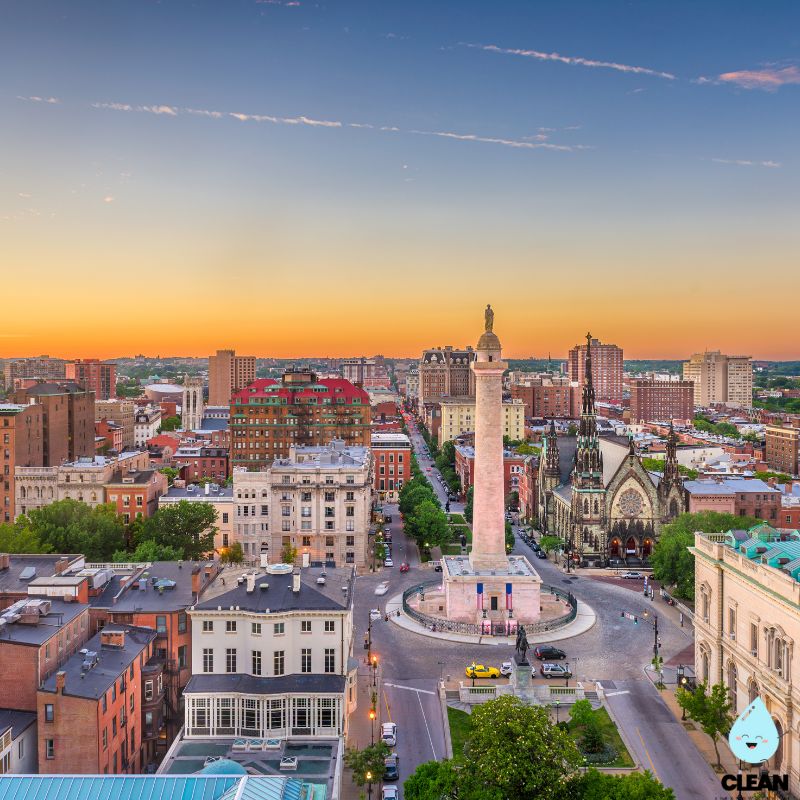
Maryland Water Quality: Current Status (2025–2026)
Statewide Compliance and Testing
- Overall Compliance: The majority of Maryland’s public water systems meet federal Safe Drinking Water Act standards. However, MDE has found PFAS in the majority of water treatment plants it has tested across the state, with mean concentrations in some systems significantly exceeding EPA’s 4 ppt MCLs for PFOA and PFOS. All community water systems and non-transient non-community systems must complete initial PFAS monitoring by 2027 and achieve compliance by April 2029.
- MDE Phase 5 Sampling Complete: MDE’s multi-phase PFAS in Public Drinking Water Study reached Phase 5 — covering non-transient non-community systems including schools and daycares — with sampling completed in January 2025. Results are being used to develop remediation plans and inform which systems will need treatment upgrades ahead of the 2029 deadline. Starting April 2027, all systems must report PFAS results to consumers.
- Infrastructure Investment: Governor Moore included more than $130 million in his FY2026 budget for clean drinking water. In 2025–2026, the Board of Public Works approved $74 million for Baltimore City water projects, $20 million for Hampstead PFAS remediation, and $29 million for the Patapsco Wastewater Treatment Plant — among many other investments. Use our water news page to track new funding announcements.
Major Water Sources and Challenges
- Potomac River System: Primary source for WSSC Water and the Washington metropolitan area, requiring ongoing monitoring for PFAS contamination and protection from upstream pollution sources across the multi-state watershed. WSSC Water’s FY2026 capital programme of $696.8 million is investing heavily in treatment infrastructure and system reliability.
- Chesapeake Bay Watershed: Critical water source for eastern Maryland communities, facing challenges from agricultural runoff, urban development, and climate change. Maryland’s annual Bay cleanup investment — including more than $400 million in the FY2026 Chesapeake Bay and clean water budget — reflects the economic stakes: the Bay contributes roughly $3.2 billion annually in tourism and nearly $600 million from the seafood industry.
- Military Installation Impacts: Significant PFAS contamination documented near Fort Detrick, Fort Meade, Aberdeen Proving Ground, and former Naval facilities where firefighting foam was used for decades. The $20 million state grant to Hampstead (June 2025) — whose drinking water well was removed from service in 2021 due to elevated PFAS — is among the most significant recent remediation investments. Compare contamination profiles across states at our water quality database.
Emerging Contaminant Response
- Industrial PFAS Discharge Deadline — July 2026: Under the Protecting State Waters From PFAS Pollution Act (2024), significant industrial users that intentionally use PFAS must reduce their discharges to waterways by July 1, 2026. MDE developed PFAS monitoring criteria for these industries by January 2025 and established action levels for industrial pretreatment permits by June 2025. This is a key 2026 milestone for Maryland water quality. See our water filter recommendations if you live near an industrial PFAS source.
- PFAS in Sewage Sludge — 2026 Legislative Battle: Legislation limiting PFAS concentrations in sewage sludge used as fertiliser failed in 2025 after local governments raised concerns about shifted liability. The bill is expected to return in the 2026 General Assembly session. This is a significant unresolved pathway for PFAS to enter Maryland groundwater and waterways.
- Landfill PFAS Monitoring (2024 onwards): MDE mandated regular PFAS testing at county landfills in 2024, adding another monitoring stream that will reveal contamination pathways into groundwater and surface water. Results are expected to drive further remediation requirements.
Regional Utility Leadership
- WSSC Water Excellence: As one of the nation’s largest water utilities, WSSC Water maintains an exceptional compliance record. Its approved FY2026 $1.8 billion operating and capital budget — supported by a 9.5% revenue enhancement — funds a $696.8 million capital programme and a six-year Capital Improvements Programme estimated at $4.8 billion through 2031.
- Baltimore City Investment: The Board of Public Works approved $74 million for seven Baltimore City water infrastructure projects in April 2025, including $22.9 million for sewer overflow reduction, $9.9 million for Patapsco Treatment Plant headworks, $6.9 million for lead service line inventory, and solar panel installation at the Montebello water treatment facility. Baltimore City is under a consent decree for permit violations at its Patapsco and Back River plants.
- Chesapeake Bay Protection: Coordinated efforts between utilities, MDE, and interstate partnerships ensure that infrastructure improvements support the Bay restoration programme. Maryland is working toward compliance with nutrient discharge requirements that protect the Bay’s water quality and ecosystem health.
Looking Forward: 2026–2030
Maryland’s water quality landscape in 2026 is defined by converging deadlines and accelerating investment. The July 2026 industrial PFAS discharge reduction deadline is a landmark test of the state’s legislative framework. The 2026 General Assembly session will likely revisit PFAS in sewage sludge — a debate with significant implications for agricultural communities. At the federal level, EPA has confirmed it will retain existing 4 ppt PFOA/PFOS drinking water limits but plans to extend compliance deadlines and offer flexibility for water systems, which may give Maryland utilities more time to build out treatment capacity. With WSSC Water’s six-year $4.8 billion capital programme underway, Governor Moore’s $130M+ clean water budget, and MDE’s multi-phase PFAS testing programme generating actionable data, Maryland has both the investment and the regulatory frameworks to address its contamination challenges — provided political will on sludge and industrial discharge remains strong. Track developments in our water news section and check the live boil water notices tracker for any active Maryland advisories.
Recommendations for Maryland Residents
Know Your Water Source
Contact your water utility to request annual water quality reports and ask specifically about PFAS testing results. Visit MDE’s interactive PFAS map and our water quality database to review results for your local system. If you live near a military base or industrial site, independent testing is particularly advisable.
Support Infrastructure Investment
Stay informed about local water infrastructure needs and support utility rate structures that enable necessary improvements. With $130M+ in the FY2026 clean water budget and billions in WSSC Water’s capital programme, attending public meetings ensures your community’s priorities are heard. Follow breaking news in our water news section.
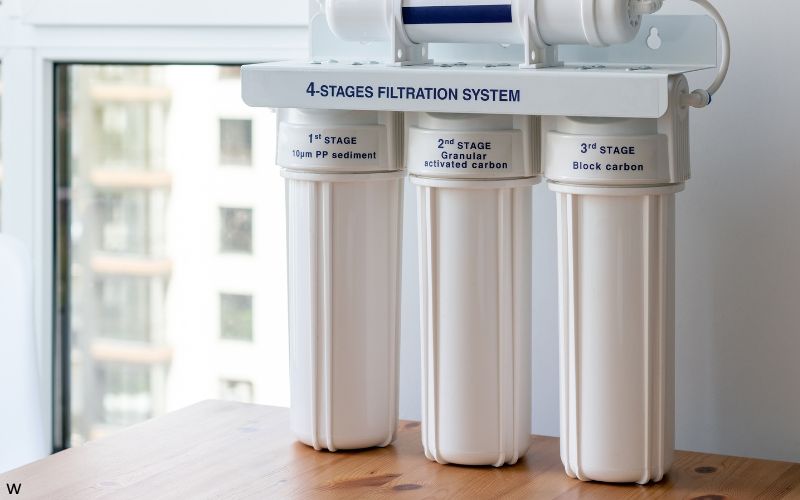
Consider PFAS-Certified Filtration
Given that MDE has found PFAS in the majority of Maryland treatment plants tested, NSF-certified activated carbon or reverse osmosis filters are a sensible precaution — particularly near military installations. See our recommended water filter solutions for options certified to remove PFAS and disinfection byproducts.

Report Water Quality Concerns
Contact your local water utility immediately for taste, odour, or colour changes. Report suspected contamination to MDE’s Water Supply Program at (410) 537-3084. WSSC Water operates a 24/7 emergency line at (301) 206-4002 for Montgomery and Prince George’s county residents. Check the live boil water notices tracker for any active advisories and water alerts in your area.
Practice Water Conservation
Support Maryland’s water sustainability and Chesapeake Bay protection by implementing efficient irrigation, rainwater harvesting, and low-flow fixtures. Reducing demand helps utilities maintain system reliability and affordability as they invest heavily in PFAS treatment compliance ahead of the 2029 federal enforcement deadline.
Maryland Cities We Cover
Baltimore Water Quality
Comprehensive analysis of Baltimore City water systems, including the Department of Public Works operations, water sources, treatment processes, and PFAS monitoring. Baltimore received $74 million in new state infrastructure funding in April 2025, including a lead service line inventory and Patapsco Treatment Plant upgrades. Compare with other major cities using our interactive water quality database.
Frequently Asked Questions
Is Maryland’s tap water safe to drink in 2026?
Most of Maryland’s public water systems continue to meet federal and state drinking water standards. WSSC Water has maintained an exceptional compliance record across its service area of nearly 2.0 million customers.
However, MDE has found PFAS in the majority of water treatment plants it has tested statewide. While 41 systems have reported detectable PFAS levels at varying concentrations, utilities are developing remediation plans ahead of the federal 2029 compliance deadline. Major investment is under way: $130M+ in Governor Moore’s FY2026 clean water budget, $74M for Baltimore City infrastructure, and $20M for Hampstead PFAS remediation. A critical industrial discharge reduction deadline arrives on July 1, 2026. All Maryland water system consumers will receive PFAS data in their annual reports from April 2027 onwards. Use our water quality database to check results for your local system, and see our filter recommendations for additional home protection.
What is Maryland doing about PFAS in 2026?
Maryland is implementing one of the country’s most active PFAS regulatory programmes in 2026. Several key milestones fall this year.
Under the Protecting State Waters From PFAS Pollution Act (2024), significant industrial PFAS users must reduce their discharges by July 1, 2026 — a landmark enforcement date. MDE completed Phase 5 PFAS sampling of schools and non-transient non-community systems in January 2025, and the results are driving remediation planning. PFAS sludge legislation is expected to return to the 2026 General Assembly after failing in 2025. MDE requires all community water systems to include PFAS results in their Consumer Confidence Reports from 2023 onwards, with public notification of MCL violations required from April 2029. EPA has confirmed it will retain 4 ppt limits for PFOA and PFOS but may extend compliance deadlines, potentially giving Maryland utilities more time to build treatment infrastructure. PFAS are linked to cancer, thyroid disease, immune effects, and developmental harm. See our filter guide for certified home treatment options.
How can I find out about my local water quality in Maryland?
Maryland residents can access comprehensive water quality information through several resources:
• Annual Water Quality Reports: Contact your water utility directly for their Consumer Confidence Report, which from 2023 must include PFAS testing results and any violations
• MDE Water Supply Program: Visit MDE’s interactive PFAS sampling map to review results from all five phases of the statewide drinking water study
• Our Water Quality Database: Use our interactive water quality tool to find data for Maryland communities and compare across states
• Live Alerts: Check our boil water notices tracker for any active Maryland advisories, and sign up for water alert news
• WSSC Water Resources: For Montgomery and Prince George’s county residents, WSSC Water provides detailed water quality information and interactive service maps at wsscwater.com
How does Maryland protect the Chesapeake Bay through water management?
Maryland’s water quality management is closely intertwined with Chesapeake Bay restoration, underpinned by billions in annual investment and multi-state coordination:
Watershed Protection: All water systems in the Chesapeake Bay watershed must meet strict discharge standards. Maryland’s FY2026 clean water budget of $400M+ targets Bay restoration alongside drinking water improvements
Advanced Treatment: Maryland utilities employ sophisticated nutrient-removal wastewater treatment. The Patapsco Treatment Plant — subject to a $29M January 2026 investment — is under a consent decree to reduce discharge permit violations affecting Bay tributaries
Interstate Coordination: Maryland works with Virginia, Pennsylvania, and other Bay states under the Chesapeake Bay Agreement to ensure coordinated water quality protection throughout the watershed
PFAS and Biosolids: Proposed 2026 legislation would restrict PFAS in sewage sludge used as fertiliser on agricultural land — a critical step to prevent further contamination of Bay tributaries and groundwater from biosolid applications
Quality News About Your Water
Get the comprehensive water quality news coverage you need with our dedicated US Water News Service. From coast to coast, we deliver in-depth reporting and expert analysis on PFAS contamination, EPA regulatory changes, infrastructure developments, and emerging water safety issues affecting communities nationwide. While mainstream media only covers the biggest stories, we provide the detailed, ongoing coverage that helps you understand the full scope of America’s water challenges.
What’s actually in your tap water? Enter your ZIP code for a full breakdown of contaminants detected in your local supply
Drinking water from a well? Check our directory here for more information
Contaminants of Concern
PFAS “Forever Chemicals”
Source: Military installations including Fort Detrick, Fort Meade, Aberdeen Proving Ground, and former Naval facilities where firefighting foam was used for decades; industrial manufacturing under pretreatment permits; sewage sludge land application; consumer products
Health Effects: Linked to kidney and testicular cancer, liver damage, immune system suppression, high cholesterol, thyroid disease, and developmental effects in children
Current Status (2026): MDE has found PFAS in the majority of water treatment plants tested statewide. Industrial PFAS dischargers must reduce discharges by July 1, 2026. All community water systems must complete initial monitoring by 2027 and comply with EPA MCLs (4 ppt PFOA/PFOS) by April 2029. The $20M Hampstead remediation project is under construction. See certified PFAS filter options for home protection.
Chromium-6 and Disinfection Byproducts
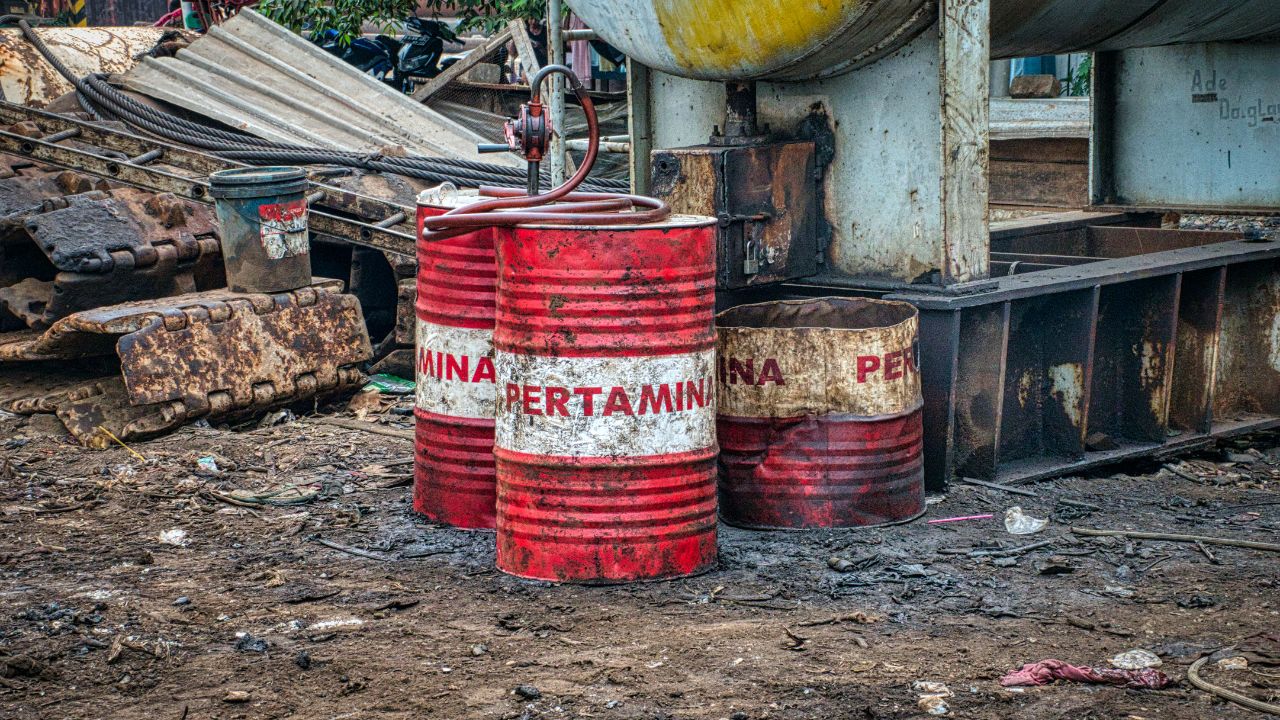
Source: Industrial processes, natural mineral deposits, and water treatment disinfection using chlorine; chromium-6 averaging approximately 39 ppt in Baltimore water, with trihalomethanes and haloacetic acids forming during disinfection of organic-rich source water
Health Effects: Chromium-6 linked to increased cancer risk and organ damage at elevated concentrations; disinfection byproducts associated with bladder cancer risk and liver, kidney, and central nervous system impacts with chronic exposure
Current Status (2026): Baltimore water averages approximately 39 ppt chromium-6 — nearly double the level associated with increased cancer risk under EWG’s health guidelines (note: EWG guidelines are not federally enforceable limits; the federal total chromium limit remains at 100 ppb). Disinfection byproducts are present in major water systems at levels requiring ongoing monitoring. Use our water quality database to review DBP data for your system, and see filtration options that address both contaminant types.
Please read – our information
The information presented on cleanairandwater.net is compiled from official water quality reports, trusted news sources, government websites, and public health resources. While we strive for accuracy and thoroughness in our presentations, we are not scientists, engineers, or qualified water quality professionals.
Our mission is to present water quality information in an accessible, real-world format that helps people understand what’s in their water and make informed decisions about their health and safety. We believe that complex environmental information should be available to everyone in a format that’s easy to understand.
We make every effort to ensure our content is current and accurate, but we cannot guarantee that all information is complete or error-free. This website should not replace official communications from your local water utility or health department. We always recommend consulting official sources for the most up-to-date information regarding your specific water system.
Clean Air and Water is not liable for any unintentional errors, omissions, or outdated information. The content on this site is provided for informational purposes only and should not be considered professional advice.