Miami Water Quality at a Glance
EPA legal limits
What Miami Families Should Know
- PFOS at 18.98 ppt and PFOA at 7.2 ppt1 — both exceed the EPA’s 4 ppt legal limit. Why it matters: Miami-Dade’s distribution water is already above the enforceable standard set in April 2024.
- WASD has until 2029 to achieve compliance (EPA may extend to 2031)1 — Why it matters: Residents are consuming water above legal limits while the utility implements treatment upgrades; home filtration is the only current household protection.
- 19 contaminants detected in 2024 testing — 3 exceed EPA MCLs2 — Why it matters: PFAS are not the only concern; DBPs, arsenic and other compounds are also present.
- Water hardness is 383 ppm — very hard2 — Why it matters: Scale buildup accelerates in pipes, appliances and water heaters.
- Miami-Dade ended fluoridation in May 20253 — Why it matters: Families with young children should speak to their dentist about fluoride supplements.
Visit our water filter solutions guide to find NSF-certified systems rated for PFAS, lead and disinfection byproduct removal.
⚠️ Critical Concerns for Miami Residents (2026)
- PFAS — MCL Exceedances Confirmed: 2024 WASD testing recorded PFOS at 18.98 ppt and PFOA at 7.2 ppt — both above the 4 ppt legal limit1
- Disinfection Byproducts: Trihalomethanes (TTHMs) detected within the 80 ppb legal limit; haloacetic acids also present4
- Very Hard Water: At 383 ppm, Miami has some of the hardest water among major US cities — scale damage to appliances and plumbing is a real concern2
- Biscayne Aquifer Vulnerability: The shallow aquifer is susceptible to surface contamination, saltwater intrusion, and atmospheric PFAS deposition via rainfall5
Read the full report below for detailed analysis, neighbourhood-specific data, and actionable recommendations for Miami residents.
Advertisement — Report continues below
Your tap water just failed.
Here’s the fix.
Contaminants like PFAS, lead, chromium-6, and arsenic can sit within the legal limit but still pose a real health risk. The legal limit and the safe limit are not the same thing.
✅ Removes PFAS, lead & chromium-6 — the contaminants most flagged in failing city reports
✅ NSF/ANSI 42, 58 & 372 certified — independently tested, not just manufacturer claims
✅ Installs in 30 minutes, no plumber — fills a glass in 8 seconds, smart LED filter monitor
Renting or can’t drill? The Waterdrop K19 Countertop RO — plug in, fill the tank, done. No installation, no drilling, no plumber.
Disclaimer: This advert contains affiliate links. If you buy through these links, we may earn a commission at no extra cost to you. Product claims are based on manufacturer certification data and independent SGS lab testing.
Miami — Florida — Water Quality Report 2026: PFAS Exceeds EPA Limits, Hard Water & Critical Safety Issues Across Miami-Dade
Miami-Dade Water and Sewer Department (WASD) is one of the largest public utilities in the United States, serving approximately 2.6 million residents across Miami and surrounding areas in Miami-Dade County. The system operates three major water treatment plants — Alexander Orr Jr., John E. Preston, and Hialeah — plus five smaller South Dade facilities, manages over 8,500 miles of water mains, and delivers an average of 300 million gallons of water daily to this dynamic coastal metropolis.
Unlike most American cities, Miami draws nearly all of its drinking water from the Biscayne Aquifer, a shallow groundwater system lying just below the surface throughout southeastern Florida. This formation provides naturally filtered water but is vulnerable to contamination from surface activities, PFAS pollution, and saltwater intrusion. With average annual rainfall of roughly 60 inches the aquifer is regularly recharged, but faces growing pressure from sea level rise and persistent chemicals conventional treatment cannot fully remove. WASD’s multi-year Capital Improvement Program totals $8.79 billion6 to upgrade infrastructure and strengthen resilience — including new PFAS treatment processes now required by federal law. See also our Florida state water quality overview and check live boil water notices for Miami-Dade.
Miami Water Quality: Current Status & Contamination Concerns (2025–2026)
Latest Testing Results & Compliance
- PFAS MCL Exceedances Confirmed: WASD’s 2024 Water Quality Report recorded PFOS at 18.98 ppt and PFOA at 7.2 ppt in distribution water — both above the EPA’s enforceable limit of 4 ppt1. Seven additional PFAS compounds were detected within limits.
- 19 Contaminants Detected: Of 19 parameters tested in 2024, three exceed current EPA MCLs, including PFOS and PFOA2.
- Testing Scale: WASD reports more than 150,000 samples and tests annually across plants, the distribution system, and customer taps6.
PFAS Compliance Timeline
- EPA finalized 4 ppt MCLs for PFOA and PFOS in April 2024; these limits are legally enforceable and confirmed as retained in May 20257.
- Compliance deadline: WASD and all US utilities must achieve compliance by April 2029 (EPA is proposing an extension to 2031, but 2029 remains the current legal deadline)7.
- Treatment options under evaluation: WASD’s FY 2025–26 budget notes that granular activated carbon (GAC), reverse osmosis, and ion exchange are being assessed for PFAS removal at the plant level8.
Chemical Byproducts from Disinfection
- DBPs: Miami-Dade CCR data show total trihalomethanes (TTHMs) and haloacetic acids present but below the 80 ppb and 60 ppb legal limits respectively4. Chloramines are used for disinfection; a chlorine taste or odour is common.
Water Hardness
- 383 ppm — very hard: Miami ranks among the hardest water cities in the US. Significant scale buildup occurs in pipes, water heaters, and appliances. A water softener is recommended for households concerned about appliance longevity2.
Infrastructure Modernisation Efforts
- Record investment: WASD’s total Capital Improvement Program stands at $8.79 billion6; the FY 2025–26 adopted budget includes a 3.5% rate increase to fund PFAS compliance and ongoing system upgrades8.
- Fluoridation ended May 2025: Miami-Dade ceased adding fluoride to the water supply. Families with young children should consult a dentist regarding fluoride supplementation3.
- Treatment gap: Existing plants use conventional treatment and were not designed to remove PFAS. Home filtration certified for PFAS is the most immediate way to reduce tap-water exposure while plants are upgraded. See our filter recommendations for NSF-certified options.
Climate Resilience & Contamination Challenges
The shallow Biscayne Aquifer is sensitive to surface contamination and saltwater intrusion. PFAS can arrive from local sources and via rainfall, and persist in water and wildlife. A 2026 peer-reviewed study linked PFAS levels in Miami-Dade drinking water to regional health outcomes, underscoring the urgency of treatment upgrades5. Planning must now account for both sea-level rise and long-lasting chemicals that conventional treatment does not fully remove. Track the latest Miami-Dade water alerts and news here.
Critical Recommendations for Miami Residents
Request Current PFAS Data
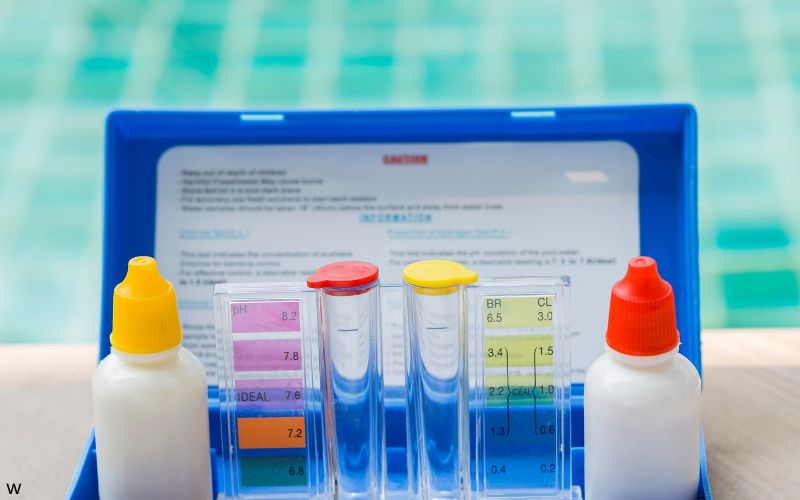
Contact Miami-Dade WASD at 311 or (305) 468-5900 to request the most recent PFAS monitoring results and the utility’s planned compliance steps for meeting the 4 ppt EPA MCLs for PFOA and PFOS by the 2029 deadline1. Ask specifically about your service area, as results can vary by plant and distribution zone.
Install PFAS-Certified Filtration Now
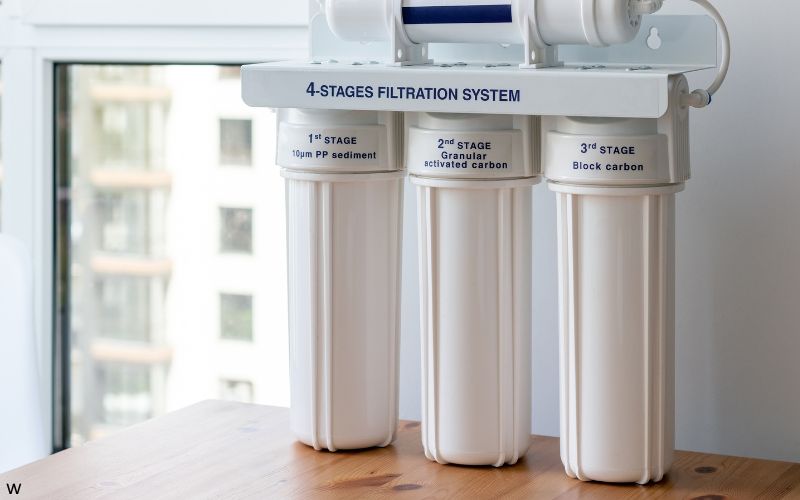
With PFOS and PFOA currently above legal limits in Miami-Dade distribution water, home filtration is essential — not optional. Choose systems NSF-certified for PFOA/PFOS removal; reverse osmosis and activated carbon are the EPA’s recommended technologies1. Browse our recommended filter guide for options suited to Miami’s hard water and PFAS profile.
Monitor Health Guidance & Dental Changes
Stay current with EPA and local WASD updates on PFAS compliance progress. Extra caution is sensible for pregnant women and young children1. With fluoridation ended in May 2025, speak to your dentist about fluoride supplements or varnish — particularly important for children under 12.
Advocate for Advanced Treatment
Ask county leaders to fast-track PFAS treatment upgrades — GAC, reverse osmosis, or ion exchange — at WASD plants. The FY 2025–26 budget includes a 3.5% rate increase to fund this work8. System-wide treatment protects all neighbourhoods, not just those with home filters.
Report Water Concerns
If you notice unusual taste, odour, or colour, report via the Miami 311 app or by calling 311 and request follow-up testing. You can also monitor water alerts and boil water notices for Miami-Dade on our tracker.
Quality News About Your Water
Get the comprehensive water quality news coverage you need with our dedicated US Water News Service. From coast to coast, we deliver in-depth reporting and expert analysis on PFAS contamination, EPA regulatory changes, infrastructure developments, and emerging water safety issues affecting communities nationwide. While mainstream media only covers the biggest stories, we provide the detailed, ongoing coverage that helps you understand the full scope of America’s water challenges.
What’s actually in your tap water? Enter your ZIP code for a full breakdown of contaminants detected in your local supply
Drinking water from a well? Check our directory here for more information
Frequently Asked Questions
Is Miami tap water safe to drink in 2026?
Miami-Dade’s 2024 testing confirmed PFOS at 18.98 ppt and PFOA at 7.2 ppt in distribution water — both above the EPA’s enforceable 4 ppt MCL1. WASD has until 2029 (possibly 2031 under a proposed extension) to achieve compliance. While the water meets other federal standards, the confirmed PFAS exceedances mean a certified home filter is strongly recommended — particularly for households with pregnant women or children. See our filter guide for suitable options.
DBPs including TTHMs and haloacetic acids are present but remain within legal limits4.
What is Miami doing about PFAS?
WASD’s $8.79 billion Capital Improvement Program now includes PFAS-targeted treatment as a mandated component6. The FY 2025–26 budget includes a 3.5% rate increase to fund this work. The department is evaluating granular activated carbon, reverse osmosis, and ion exchange systems8. Full compliance is required by April 2029.
In the meantime, residents should use certified filtration at home. Check our water quality data tool or the alerts page for the latest Miami updates.
How widespread is PFAS contamination in Miami?
PFAS have been detected in the distribution water supply, Biscayne Aquifer groundwater, rainwater (21 compounds in Miami rainfall studies), and Biscayne Bay surface waters5. A 2026 peer-reviewed study found correlations between PFAS levels in Miami-Dade tap water and liver cancer mortality across ZIP codes, indicating long-term public health implications5. The Florida state page has broader context on PFAS across the region.
What health risks are linked to Miami’s PFAS levels?
The EPA set the 4 ppt MCL specifically because health effects have been observed at low PFAS concentrations over time. At Miami’s current levels (PFOS 18.98 ppt — nearly 5× the legal limit), long-term exposure concerns are significant1. Reducing tap-water exposure through certified filtration is the most effective action households can take while utilities upgrade. See our filter solutions page for details.
Key Contaminants Found in Miami’s Water (2024–2026 Testing)
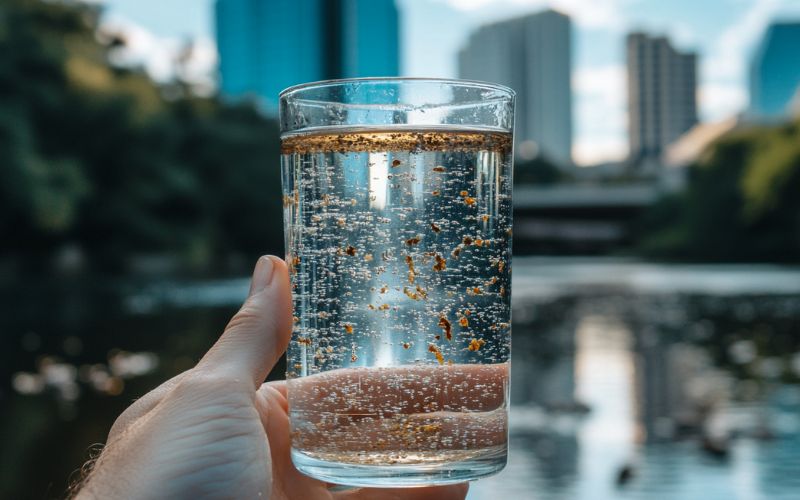
PFAS “Forever Chemicals”
Source: Firefighting foam use near airports, industrial activities, and atmospheric deposition via rainfall5.
Current Readings (2024 WASD CCR): PFOS at 18.98 ppt and PFOA at 7.2 ppt in distribution water1 — both exceeding the EPA’s enforceable limit of 4 ppt. Seven additional PFAS compounds were detected within limits. Note: EWG health guidelines (1 ppt) are stricter than EPA MCLs and are not legal limits.
Why it matters: At nearly 5× the legal limit for PFOS, certified home filtration is the only immediate protection while WASD implements plant upgrades by the 2029 deadline. Visit our filter recommendations for NSF-certified options1.
Disinfection Byproducts & Hard Water
DBPs: Total trihalomethanes (TTHMs) and haloacetic acids (HAA5) are present in Miami’s water as a byproduct of chloramine disinfection. Current levels are within EPA legal limits per the 2024 CCR4. Many residents notice a chlorine taste or odour.
Hard water: At 383 ppm (22.4 grains per gallon), Miami has very hard water — one of the highest readings among major US cities2. Scale buildup reduces appliance efficiency and shortens pipe lifespan. A water softener addresses this issue independently of PFAS treatment.
Why it matters: Both DBPs and hardness benefit from point-of-use filtration. If you’re choosing a system, select one that addresses PFAS, DBPs, and scale — see our filter guide for combined solutions.
Please read – our information
The information presented on cleanairandwater.net is compiled from official water quality reports, trusted news sources, government websites, and public health resources. While we strive for accuracy and thoroughness in our presentations, we are not scientists, engineers, or qualified water quality professionals.
Our mission is to present water quality information in an accessible, real-world format that helps people understand what’s in their water and make informed decisions about their health and safety. We believe that complex environmental information should be available to everyone in a format that’s easy to understand.
We make every effort to ensure our content is current and accurate, but we cannot guarantee that all information is complete or error-free. This website should not replace official communications from your local water utility or health department. We always recommend consulting official sources for the most up-to-date information regarding your specific water system.
Clean Air and Water is not liable for any unintentional errors, omissions, or outdated information. The content on this site is provided for informational purposes only and should not be considered professional advice.