Michigan Water Quality at a Glance
Is Michigan Water Safe to Drink?
Generally Yes, With Notable Progress and Ongoing Concerns — Michigan has become a national leader in water safety regulation with the strictest lead and copper rules in the country and early PFAS standards established in 2020. However, up to 3.2 million residents may be exposed to PFAS contamination from 300+ known contamination sites. Flint entered its tenth consecutive year of lead compliance in early 2026, with 98% of residential lead service lines replaced and around 500 remaining. Michigan’s proactive regulatory approach continues to set a national example — though proposed federal EPA budget cuts in 2025 threaten to reduce the funding that makes continued progress possible. Check our live boil water notice tracker for any active advisories near you.
⚠️ Key Concerns for Michigan Residents in 2026
- PFAS “Forever Chemicals”: 3.2 million Michiganders potentially exposed; MPART added 32 new confirmed sites and 8 Areas of Interest in FY 2025 alone, reaching the 300-site milestone in January 2025. Over 11,000 sites statewide are suspected of potential contamination.
- Federal Funding Threat: Proposed EPA FY 2026 budget cuts could eliminate roughly $84 million in clean water support for Michigan, putting lead line replacements in Ypsilanti and Flint and wastewater upgrades in Detroit at risk.
- Private Well Risk: 1-in-3 residents may use PFAS-contaminated groundwater; private wells lack routine monitoring and federal regulation, making individual testing essential.
- Industrial Legacy Contamination: Wolverine Worldwide, automotive and chemical manufacturers, military bases, and landfills — including the 300th confirmed site, the Nankin Township Landfill in Wayne County — continue to be identified as contamination sources.
✅ Michigan’s Water Safety Leadership in 2026
- Flint’s 10th Year of Lead Compliance: Flint entered its tenth consecutive year of compliance in 2026, with a 90th percentile lead result of 6 ppb for July–December 2025 — well below Michigan’s strict 12 ppb action level. Around 500 lines remain for replacement, with work resuming spring 2026.
- Strictest Lead Rules in the Nation: Michigan’s action level dropped to 12 ppb in January 2025; the federal standard remains 15 ppb. Michigan also requires fifth-liter sampling to better detect lead at the tap.
- MPART National Model: Michigan’s PFAS Action Response Team — collecting 702 water samples and 1,860 fish samples in FY 2025 — continues to lead the nation in PFAS identification and response.
- SRF Investment: In FY 2025, Michigan’s State Revolving Fund awarded over $880 million in low-interest loans to 55 projects for drinking water, wastewater, and stormwater improvements statewide.
Read the full report below for detailed analysis, city-specific data, and actionable recommendations for Michigan residents. See our water filter solutions page for PFAS-certified options.
Advertisement — Report continues below
Think Your Tap Water Is Safe? Think Again.
Even when it looks clear, tap water can carry hidden contaminants—like chlorine, heavy metals, and microplastics—that don’t always affect the taste but still reach your glass.
A professionally engineered water filtration system can help protect your household, providing cleaner, safer, and better-tasting water every day.
Smart Solutions for Safer Drinking Water:
✅ Reduces common contaminants like chlorine and microplastics
✅ NSF/ANSI certified for trusted performance
✅ Smart, space-saving tankless design
✅ Long-term investment in cleaner water
Looking for a simple, no-install option? (Check out the A2 Countertop System)
Note: This advert contains affiliate links. If you buy through these links, we may earn a commission at no extra cost to you.

Michigan – The Great Lakes State – Water Quality Report 2026: PFAS Testing, Infrastructure Concerns & Safety across your state
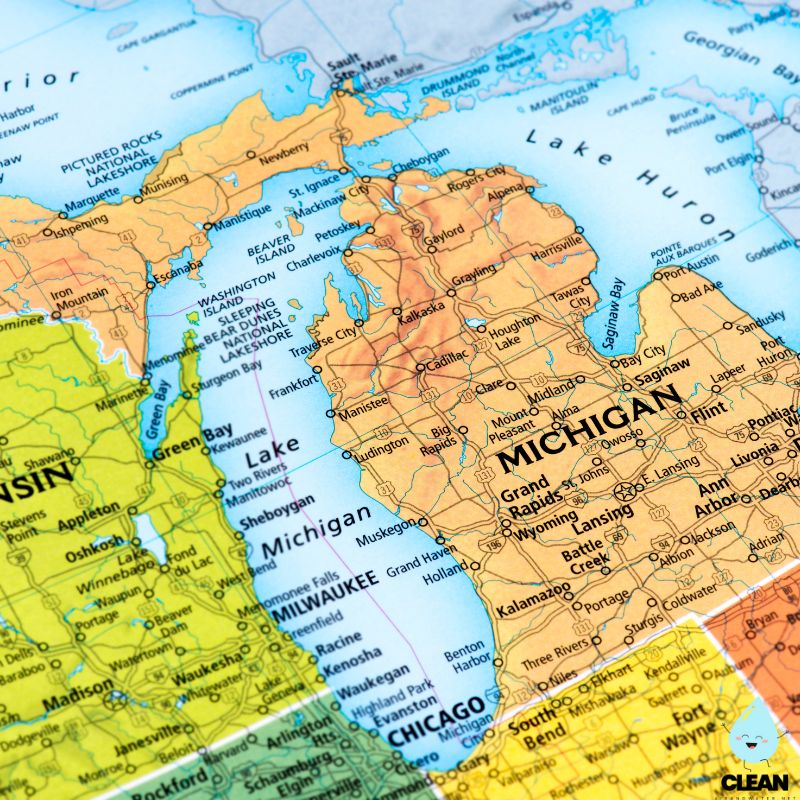
Michigan’s water infrastructure serves approximately 10.1 million residents across the Great Lakes region, managing around 20% of the world’s freshwater supply through a complex network of thousands of public water systems. The Great Lakes Water Authority serves approximately 3.9 million customers across 126 municipalities in southeast Michigan, while smaller community systems provide essential services throughout the state’s diverse geography. Michigan’s water sources include the Great Lakes, inland lakes, rivers, and groundwater aquifers supporting both urban centres and rural communities.
Despite its extraordinary freshwater abundance, Michigan faces significant water quality challenges in 2026. MPART — Michigan’s dedicated multi-agency PFAS Action Response Team — reached the milestone of 300 confirmed contamination sites in January 2025, and added a further 32 sites and 8 Areas of Interest in FY 2025 alone, while collecting 702 water samples and monitoring 124 wastewater treatment plants. Up to 3.2 million Michiganders may be receiving water from PFAS-contaminated aquifers. Flint has entered its tenth consecutive year of lead compliance as of early 2026, with 98% of residential lead service lines replaced and approximately 500 remaining — work is expected to resume in spring 2026. Statewide, Governor Whitmer’s administration has invested $5.3 billion in water infrastructure since 2019, but proposed EPA FY 2026 budget cuts threaten to eliminate roughly $84 million in annual federal clean water support for Michigan, putting hundreds of planned infrastructure projects at risk. For the latest alerts, monitor our Water Alert News or check the live boil water notice tracker.
Michigan Water Quality: Current Status (2025–2026)
Statewide Compliance and Testing
- Overall Compliance: Most of Michigan’s public water systems meet federal Safe Drinking Water Act standards, though PFAS contamination remains a major statewide challenge. MPART reached the milestone of 300 confirmed contamination sites in January 2025 and continues to investigate thousands of additional locations where historic PFAS use is suspected. You can explore water quality data via our interactive water quality tool.
- PFAS Monitoring Leadership: Michigan became the first state to test all public drinking water supplies for PFAS and established its own drinking water standards in August 2020 (PFOA at 8 ppt, PFOS at 16 ppt), ahead of federal EPA standards. In FY 2025, MPART collected 702 water samples, 1,860 fish samples from 64 waterways, and monitored 124 wastewater treatment plants — all confirming Michigan’s position as a national model for PFAS response.
- Infrastructure Investment: Governor Whitmer’s administration has invested $5.3 billion in water infrastructure since 2019. In FY 2025, Michigan’s State Revolving Fund awarded over $880 million in low-interest loans to 55 communities for drinking water, wastewater, and stormwater improvements.
Major Water Sources and Challenges
- Great Lakes Water Authority: Serves approximately 3.9 million customers across 126 municipalities in southeast Michigan, with comprehensive PFAS testing showing non-detect levels in treated drinking water from the Great Lakes system, providing reassurance to nearly 40% of Michigan’s population.
- Private Well Contamination: Up to 3.2 million Michiganders may be receiving water from PFAS-contaminated aquifers. MPART continues to expand investigation areas — when detections are found, investigation boundaries are widened and nearby well users are notified. Private wells have no regulatory MCL enforcement, making individual testing critical.
- Ageing Infrastructure and Funding Threat: Most of Michigan’s water supply systems are over 50 years old. Michigan’s EGLE director has warned that proposed EPA FY 2026 budget cuts — slashing the State Revolving Fund nationally from $2.7 billion to $305 million — would eliminate roughly $84 million in annual clean water support for Michigan, threatening lead line replacements and wastewater upgrades across the state.
PFAS Contamination Response
- 300th Site Milestone: MPART confirmed its 300th PFAS contamination site in January 2025 — the Nankin Township Landfill in Wayne County, which received waste from 3M and other companies from the 1940s through the early 1960s. Monitoring wells installed in September 2024 found PFOA at 80 ppt and PFOS at 25 ppt, both exceeding Michigan’s groundwater clean-up standards. MPART added a further 32 sites and 8 Areas of Interest in FY 2025.
- Federal PFAS Rule Changes in 2025–2026: EPA retained 4 ppt MCLs for PFOA and PFOS in May 2025, while rescinding regulations for four other PFAS compounds and extending the compliance deadline from 2029 to 2031. A revised rule is expected in spring 2026. Michigan’s own PFAS standards — which are legally enforceable for public water supplies — remain in place independently of federal changes. EGLE is reviewing how the federal rule changes interact with state standards. If your community has known PFAS contamination, consider a certified reverse osmosis filter for additional protection.
- New “Do Not Eat” Fish Advisories: In September 2025, MDHHS issued new Do Not Eat fish advisories for all species from four southwest Michigan waterbodies due to high PFOS levels in fish fillets, ahead of publication of the 2026 Eat Safe Fish guides. These advisories reflect ongoing PFAS bioaccumulation in Michigan’s surface waters.
Lead Service Line Replacement — Flint and Beyond
- Flint — 10th Year of Compliance: In February 2026, EGLE announced Flint has entered its tenth consecutive year of lead compliance. The latest monitoring period (July–December 2025) produced a 90th percentile lead result of 6 ppb — well below Michigan’s strict 12 ppb action level and the federal 15 ppb standard. The final lead service lines under the NRDC/Concerned Pastors Settlement Agreement were replaced by July 2025. Approximately 500 lines remain — identified through the 2024 inventory — with replacement work set to resume in spring 2026. The total Flint programme cost exceeds $100 million, with the state committing an additional $4.75 million for the final phase.
- Michigan’s Stricter Lead Rules: Michigan’s action level for lead dropped from 15 ppb to 12 ppb on 1 January 2025 — the strictest in the nation. Enhanced fifth-liter sampling protocols have driven lead exceedances down from 13% in 2019 to 3% in 2023. All water suppliers were required to complete service line material inventories by October 2024.
- Detroit’s $450 Million Programme: Detroit Water and Sewerage Department (DWSD) is executing its projected $450 million lead service line replacement programme, using BlueConduit predictive modelling to identify approximately 80,000 lead service lines more efficiently, with an estimated saving of $165 million compared to manual excavation. EGLE has partnered with EPA and five Michigan communities through the “Get the Lead Out” initiative to accelerate replacements.
Looking Forward: 2026 and Beyond
Michigan’s water quality outlook in 2026 is defined by significant progress alongside serious threats. Flint’s decade of lead compliance and MPART’s continued national leadership on PFAS are genuine achievements. But the proposed EPA FY 2026 budget cuts — if enacted — could eliminate $84 million in annual federal clean water support, putting projects across every corner of Michigan at risk, from Detroit stormwater upgrades to Flint and Ypsilanti lead line replacements. The federal PFAS rule revision expected in spring 2026 will also clarify compliance obligations for Michigan utilities, though Michigan’s own PFAS standards will continue to apply regardless of federal direction. Private well users in particular should arrange PFAS testing and consider certified home filtration. Stay informed with Water Alert News and track advisories on the boil water notice tracker.
Recommendations for Michigan Residents
Know Your Water Source
Request your utility’s annual Consumer Confidence Report and ask specifically about PFAS and lead testing results. Private well owners should contact EGLE’s Drinking Water Analysis Laboratory at 517-335-8184 for $290 comprehensive PFAS testing — especially important given up to 3.2 million Michiganders may have PFAS in their groundwater. Use our interactive water quality tool for a quick overview of conditions in your area.

Support Infrastructure Investment
Stay informed about federal budget discussions that could affect Michigan’s clean water funding. Proposed EPA FY 2026 cuts could eliminate $84 million in annual support for Michigan communities. Attend public meetings when utilities discuss lead service line replacement and PFAS treatment investments, and stay updated via our Water Alert News page.
Consider PFAS-Certified Filtration
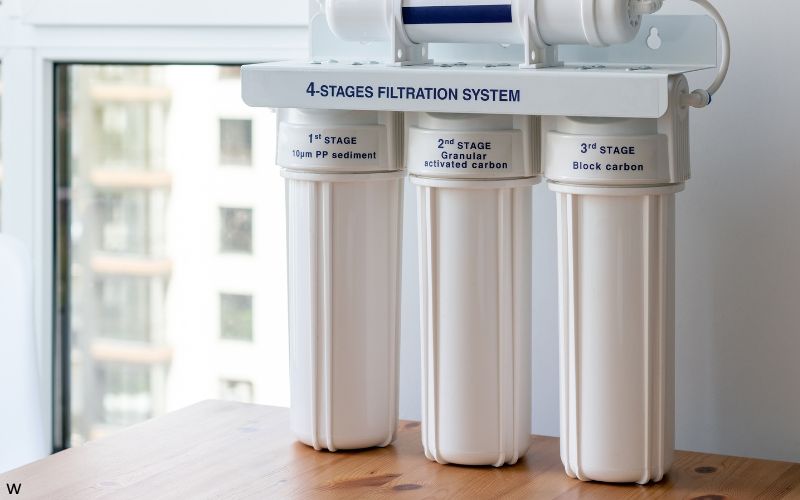
For areas with known PFAS contamination, consider NSF/ANSI 58-certified reverse osmosis or NSF/ANSI 53-certified activated carbon filters tested for PFAS removal. This is especially important for private well users. Michigan has over 300 confirmed contamination sites with thousands more under investigation. Browse certified options on our water filter solutions page.

Report Water Quality Concerns
Contact your local water utility immediately for taste, odour, or colour concerns. Report suspected PFAS contamination to EGLE and check whether your area is included in the MPART database of confirmed sites. Monitor active advisories on our Water Alert News page or via the live boil water notice tracker.
Protect the Great Lakes
Support Michigan’s Great Lakes protection through conservation measures, proper disposal of household chemicals, and participation in volunteer water quality monitoring through Michigan Clean Water Corps (MiCorps). The Great Lakes provide approximately 20% of the world’s freshwater — their continued health is essential to Michigan’s long-term water security.
Michigan Cities We Cover
Detroit Water Quality
Comprehensive analysis of Detroit’s water systems, including Great Lakes Water Authority services, the city’s $450 million lead service line replacement programme, PFAS monitoring, and infrastructure modernisation efforts serving Michigan’s largest metropolitan area with 3.9 million customers across 126 municipalities.
Flint Water Quality
Detailed assessment of Flint’s water recovery: the city has now entered its tenth year of lead compliance (2026), with a 90th percentile lead result of 6 ppb for the second half of 2025 — far below state and federal limits. Approximately 500 lead service lines remain, with replacement resuming spring 2026. Total programme cost exceeds $100 million.
Frequently Asked Questions
Is Michigan tap water safe to drink in 2026?
Most of Michigan’s public water systems meet federal drinking water standards and are generally safe for consumption. However, widespread PFAS contamination affects numerous communities, and private well users face elevated risk.
Michigan was the first state to test all public drinking water supplies for PFAS and has over 300 documented contamination sites. MPART estimates up to 3.2 million Michiganders may be receiving water from PFAS-contaminated aquifers. The Great Lakes Water Authority reports non-detect levels in treated water, but many smaller systems and private wells show contamination. Lead levels have decreased significantly under Michigan’s strict 12 ppb action level — Flint’s latest result is 6 ppb. Residents should request current testing results, check our water quality tool, and consider a certified PFAS filter if their system has known contamination. Check the boil water tracker for any active advisories.
Why does Michigan have such widespread PFAS contamination?
Michigan’s industrial history and its proactive testing regime have revealed extensive PFAS contamination that other states may not yet have fully documented.
The state’s automotive and chemical manufacturing industries historically used PFAS in production processes, while military bases and airports used PFAS-containing firefighting foam. Paper mills, metal finishing operations, and landfills also contributed — the 300th confirmed site, the Nankin Township Landfill in Wayne County, received waste from 3M and other companies between the 1940s and 1960s, with PFOA levels of 80 ppt and PFOS levels of 25 ppt found in groundwater in 2024. Michigan’s MPART programme, established in 2017, has been far more comprehensive in its investigation than most other states, meaning contamination that elsewhere goes undiscovered is actively being found and addressed in Michigan. Over 11,000 sites statewide are suspected of potential contamination.
How can I find out about my local water quality in Michigan?
Michigan residents can access water quality information through several comprehensive resources:
• Annual Consumer Confidence Reports: Contact your water utility directly for their CCR, detailing all testing results including PFAS and lead levels
• EGLE MiEHDWIS System: Visit Michigan’s Environmental Health and Drinking Water Information System online to access testing results and compliance data for your local system
• MPART Site Map: Check the interactive MPART GIS map to see whether your area is near any of the 300+ confirmed PFAS contamination sites
• Private Well Testing: Contact EGLE’s Drinking Water Analysis Laboratory at 517-335-8184 for $290 comprehensive PFAS testing if you rely on a private well
• This site: Use our water quality tool, track active advisories on the boil water notice tracker, and stay up to date via Water Alert News
What is Michigan doing about water infrastructure challenges in 2026?
Michigan has made substantial investments — but faces new threats to continued progress heading into 2026:
Overall Investment: Governor Whitmer’s administration has committed $5.3 billion in water infrastructure since 2019, supporting an estimated 75,000 jobs. FY 2025 SRF awards totalled over $880 million to 55 communities.
Lead Service Lines: Michigan’s action level dropped to 12 ppb in January 2025 — the strictest in the nation. Flint has entered its tenth consecutive year of compliance; Detroit is executing a $450 million replacement programme. EGLE has partnered with EPA and five communities through the “Get the Lead Out” initiative.
PFAS Response: Michigan’s own PFAS MCLs (established 2020) remain fully in force regardless of federal rule changes. MPART continues to identify and investigate new sites at pace.
Federal Funding Risk: Proposed EPA FY 2026 budget cuts could slash the State Revolving Fund from $2.7 billion to $305 million nationally, potentially eliminating $84 million in annual clean water support for Michigan. EGLE warns this would affect “every corner of the state.” Residents in affected areas may wish to arrange certified home filtration as a precaution while infrastructure projects face uncertainty.
Contaminants of Concern
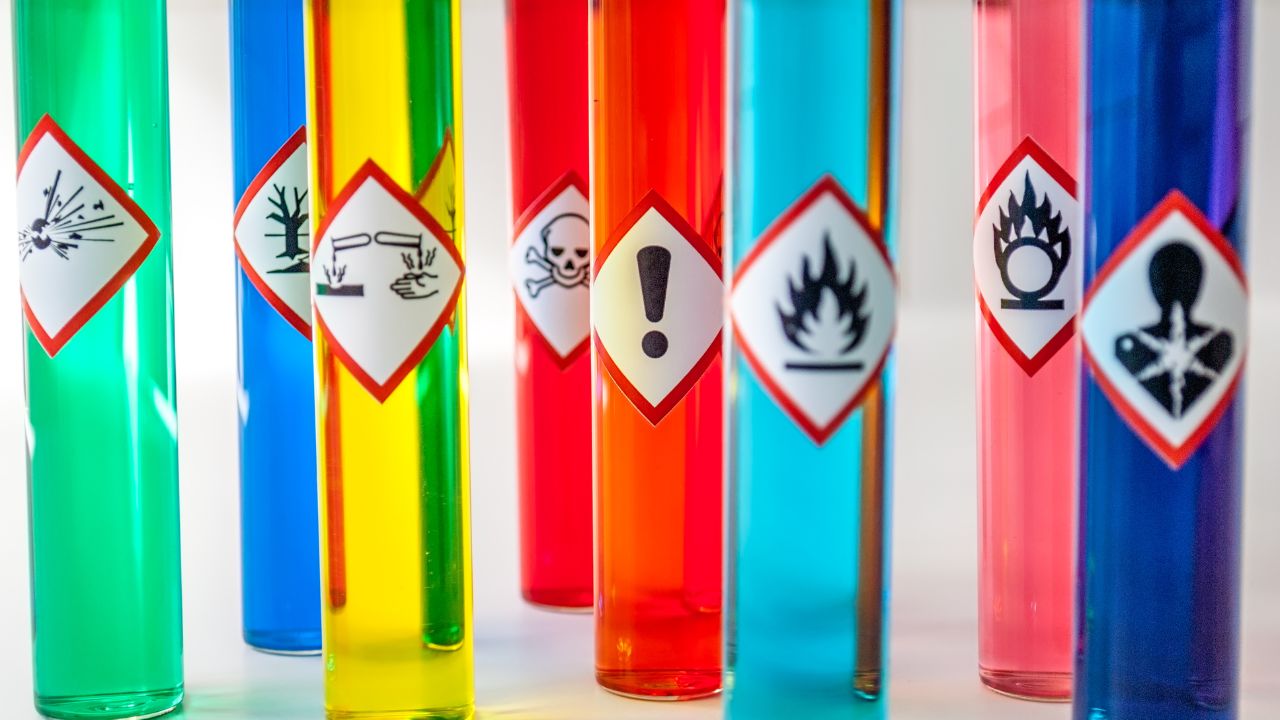
PFAS “Forever Chemicals”
Source: Industrial manufacturing from automotive and chemical industries, military bases using firefighting foam, paper mills, metal finishing operations, landfills (including Nankin Township Landfill, the 300th confirmed site), and consumer products disposal across Michigan’s industrial legacy
Health Effects: Linked to kidney, liver, and testicular cancer, immune system suppression, high cholesterol, developmental effects in children, thyroid disease, and other serious health impacts from long-term exposure. MDHHS has also documented PFOS bioaccumulation in fish, with Do Not Eat advisories issued for four southwest Michigan waterbodies in September 2025.
Current Status (2026): 300+ confirmed contamination sites statewide; MPART added 32 new sites in FY 2025. Up to 3.2 million Michiganders may receive water from PFAS-contaminated aquifers. Michigan’s own standards (PFOA 8 ppt, PFOS 16 ppt) remain enforceable for public water supplies independently of federal rule changes. EPA’s revised federal rule — retaining 4 ppt MCLs for PFOA/PFOS with a 2031 compliance deadline — is expected to be finalised in spring 2026. Consider a certified PFAS filter if your system or well has shown detections.
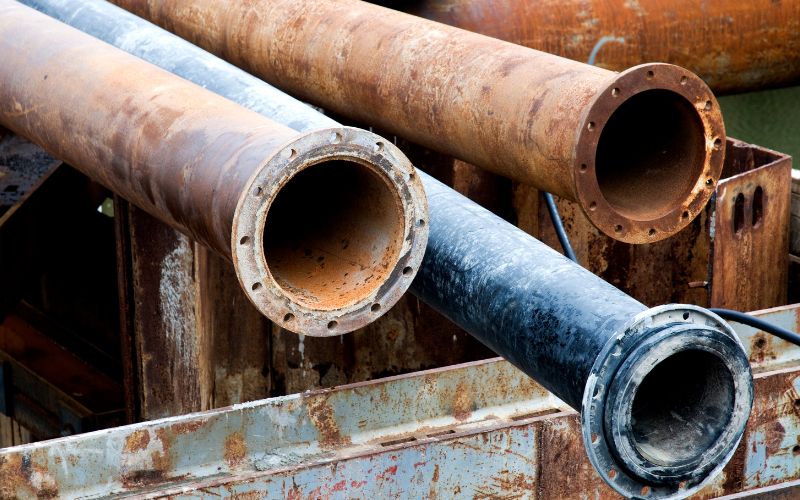
Lead from Service Lines and Pipes
Source: Ageing lead service lines and plumbing fixtures throughout Michigan’s water distribution systems, particularly in older communities with infrastructure dating back decades or over a century, including areas affected by the Flint water crisis
Health Effects: Neurological damage, developmental delays in children, cardiovascular effects, kidney damage, and reproductive problems — health authorities agree there is no safe level of lead exposure
Current Status (2026): Michigan’s lead action level dropped to 12 ppb on 1 January 2025 — the strictest in the nation, versus the federal 15 ppb standard. Flint’s latest 90th percentile result (July–December 2025) is 6 ppb, with 98% of residential lead service lines replaced and approximately 500 remaining for spring 2026. Lead exceedances statewide have dropped from 13% in 2019 to 3% in 2023. Detroit is executing a $450 million replacement programme. If your home was built before 1986, consider a certified lead-reduction filter while your utility completes replacement work.
Please read – our information
The information presented on cleanairandwater.net is compiled from official water quality reports, trusted news sources, government websites, and public health resources. While we strive for accuracy and thoroughness in our presentations, we are not scientists, engineers, or qualified water quality professionals.
Our mission is to present water quality information in an accessible, real-world format that helps people understand what’s in their water and make informed decisions about their health and safety. We believe that complex environmental information should be available to everyone in a format that’s easy to understand.
We make every effort to ensure our content is current and accurate, but we cannot guarantee that all information is complete or error-free. This website should not replace official communications from your local water utility or health department. We always recommend consulting official sources for the most up-to-date information regarding your specific water system.
Clean Air and Water is not liable for any unintentional errors, omissions, or outdated information. The content on this site is provided for informational purposes only and should not be considered professional advice.