Minneapolis Water Quality at a Glance 2026
lead pipe backlog
Is Minneapolis Water Safe to Drink in 2026?
Generally Safe — Minneapolis meets all federal drinking water standards and shows minimal PFAS contamination with only PFBA detected at levels far below EPA and MDH limits. The city treats 57 million gallons daily from the Mississippi River using advanced ultrafiltration membrane technology. The primary ongoing concern is lead: Minneapolis still has an estimated 38,000+ lead service lines remaining, with a federally mandated replacement deadline of 2037. Check the water filter solutions page for NSF-certified lead removal options.
⚠️ Key Concerns for Minneapolis Residents in 2026
- Lead Service Lines: An estimated 38,000+ lead service lines remain citywide. The city replaced ~400 in 2024 and ~1,000 in 2025 — but the scale of the problem means most homes will not see replacement for years. Homes built before 1930 are most likely to be affected.
- EPA PFAS MCLs Now in Force: The EPA’s enforceable PFAS limits (4 ppt for PFOA/PFOS, effective 2024) apply to all utilities with a 2029 compliance deadline. Minneapolis currently shows PFBA only at trace levels — well below limits — but continued monitoring is ongoing.
- Disinfection Byproducts: HAA5 up to 29.7 ppb and TTHMs up to 29.2 ppb — within federal limits, but above levels considered optimal for long-term health.
- Chloramine Taste: City uses chloramine disinfection which produces a distinct taste that does not dissipate by leaving water to stand, unlike free chlorine.
- 4 Contaminants Above EPA MCLGs: Independent analysis identifies four contaminants exceeding non-enforceable EPA health guideline values (MCLGs), though all remain below legal MCL limits. See the Minnesota state water quality overview for statewide context.
Read the full report below for detailed analysis, testing data, and actionable recommendations for Minneapolis residents. You can also check live boil water notices for current Minneapolis alerts.
Advertisement — Report continues below
Great water report.
Here’s how to make it perfect.
Your water quality report shows strong results — and that’s genuinely good news. But even treated municipal water picks up residual chlorine, microplastics, and sediment between the treatment plant and your tap. A filter takes great water and makes it flawless.
✅ Improves taste, smell & clarity — removes residual chlorine and sediment that reach your glass after treatment
✅ NSF/ANSI 42, 58 & 372 certified — independently tested, not just manufacturer claims
✅ Installs in 30 minutes, no plumber — fills a glass in 8 seconds, smart LED filter monitor
Renting or can’t drill? The Waterdrop K19 Countertop RO — plug in, fill the tank, done. No installation, no drilling, no plumber.
Advertisement — this page contains affiliate links. If you buy through these links, we may earn a commission at no extra cost to you.

Minneapolis, Minnesota — Water Quality Report 2026: PFAS Testing, Lead Service Lines & Drinking Water Safety
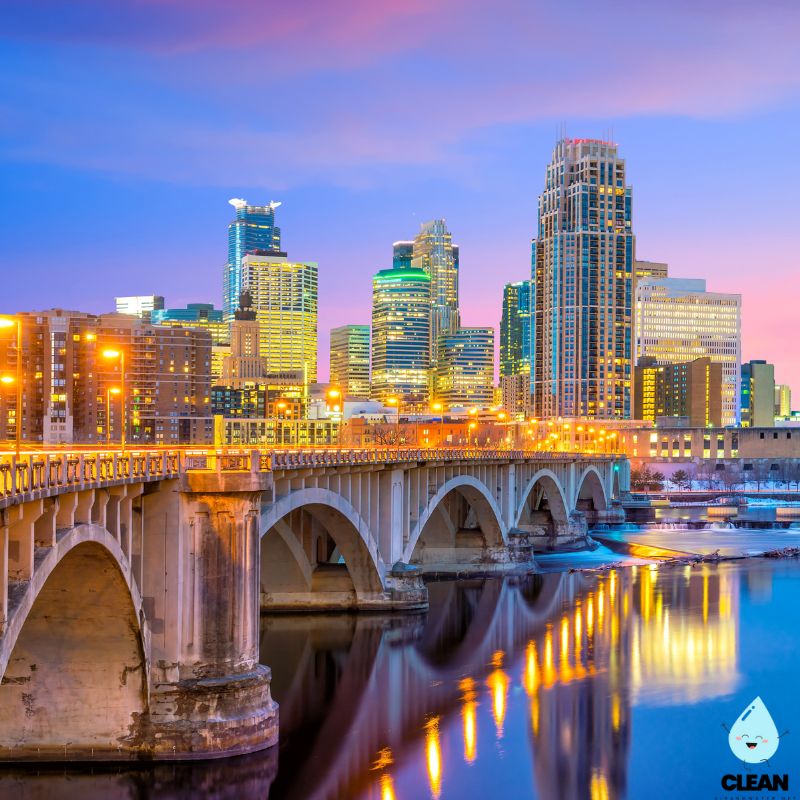
Minneapolis Water Treatment & Distribution Services, established in 1867, serves approximately 425,000 residents in Minneapolis and several surrounding suburban communities. The system includes approximately 1,000 miles of water mains, an advanced treatment facility utilising ultrafiltration membrane technology, and multiple storage facilities, delivering an average of 57 million gallons daily. Minneapolis draws its drinking water exclusively from the Mississippi River, which provides a renewable but variable source requiring advanced, multi-barrier treatment. The city maintains source water protection through partnerships with upstream communities and watershed organisations. Minneapolis water consistently meets all federal and state standards, but the city faces a significant lead service line backlog — an estimated 38,000+ lines still to be replaced — representing the most pressing water quality challenge for residents in 2026. Under a federal mandate, all lead service lines must be replaced by 2037; Minnesota has set its own more ambitious state deadline of 2033. The city began proactive replacements in 2023, completing around 400 lines in 2024 and targeting approximately 1,000 in 2025, with 2026 projects now underway.
Minneapolis Water Quality: Current Status 2025–2026
Latest Testing Results
- Lead Levels: The most recent testing period shows 90th percentile lead levels well below the EPA action level of 15 ppb, thanks to effective corrosion control using ortho-polyphosphate and pH adjustment. However, this does not eliminate risk at the tap in homes with lead service lines — testing individual homes remains essential.
- PFAS Compliance: The EPA’s enforceable PFAS maximum contaminant levels — 4 ppt for PFOA and PFOS, with limits also set for PFNA, PFHxS, HFPO-DA and the sum of multiple PFAS — took effect in 2024 with a compliance deadline of 2029. Minneapolis currently detects only PFBA at trace levels, well below any EPA or MDH health guideline, and remains fully compliant.
- Compliance Status: Minneapolis water meets or exceeds all federal and state drinking water standards, maintaining full compliance with EPA and Minnesota Department of Health (MDH) regulations for 2025–2026.
Mississippi River Source
- Surface Water Intake: 100% of supply is the Mississippi River, with intake structures positioned upstream of the metropolitan area to minimise industrial and agricultural contamination risk.
- Source Water Quality: Subject to seasonal variations in turbidity, temperature, and organic content — particularly during spring snowmelt and summer algae periods — requiring adaptive treatment throughout the year.
- Regional PFAS Context: Minnesota has a significant legacy PFAS contamination problem in the east metro (3M manufacturing sites). Minneapolis’s Mississippi River source is less affected than east metro groundwater systems, but the Minnesota Department of Health continues annual monitoring. See the Minnesota state water quality page for the broader picture.
Advanced Treatment Technology
- Ultrafiltration Membranes: The treatment facility uses ultrafiltration membrane technology to provide superior pathogen removal — including Cryptosporidium and Giardia, which are resistant to chemical disinfection — and consistent water clarity regardless of source water conditions.
- Multi-Barrier Approach: Treatment includes coagulation, sedimentation, membrane filtration, pH adjustment, ortho-polyphosphate addition, and chloramine disinfection to deliver comprehensive contaminant removal and corrosion control.
- Disinfection Byproducts: Chloramine disinfection, while effective at reducing trihalomethanes compared to free chlorine, produces its own DBPs. HAA5 levels of up to 29.7 ppb and TTHM levels up to 29.2 ppb are within EPA legal limits but above levels many health researchers consider optimal for long-term consumption.
Lead Service Line Replacement — 2026 Update
- Scale of the Problem: Minneapolis has an estimated 38,000+ lead service lines remaining in the distribution system — one of the larger per-capita backlogs among major US cities. Minnesota statewide is estimated to have around 100,000 lead service lines. Homes built before 1930 are most likely to have a lead service line, though some were installed into the early 1950s.
- Replacement Rate: The city replaced approximately 400 lines in 2024 and targeted around 1,000 in 2025. 2026 replacement projects are now listed on the city’s interactive project map. Replacement is being prioritised in lower-income areas, communities with elevated blood lead levels in children, and areas coordinated with other capital improvement projects.
- Federal and State Deadlines: Under EPA’s Lead and Copper Rule Improvements, utilities must replace all lead service lines by 2037. Minnesota has committed to a 2033 statewide deadline. Minneapolis is working under a Master Grant Agreement with the Minnesota Public Facilities Authority to fund replacements through 2033.
- Free Testing Kits: Minneapolis offers free lead testing kits for all property owners. Residents can also use the city’s online Lead Service Line Map to check their address. Visit the water quality checker or call 612-673-5600.
Customer Protection and Community Programmes
Minneapolis provides extensive water quality resources including free lead testing kits, multilingual water quality materials, and payment assistance for low-income residents. The city’s lead service line replacement programme offers grant-funded full replacement for qualifying households, with priority given to disadvantaged communities and areas with elevated blood lead levels in children. Minneapolis has established an Environmental Justice Framework ensuring infrastructure improvements are equitably distributed. Educational initiatives include school outreach and multilingual materials reflecting the city’s diverse population. Residents can also monitor alerts and boil water notices through the city’s 24-hour water quality hotline or by using the live US boil water notices tracker. For the latest water safety news affecting Minneapolis and Minnesota, see the water alert news page.
Recommendations for Minneapolis Residents in 2026
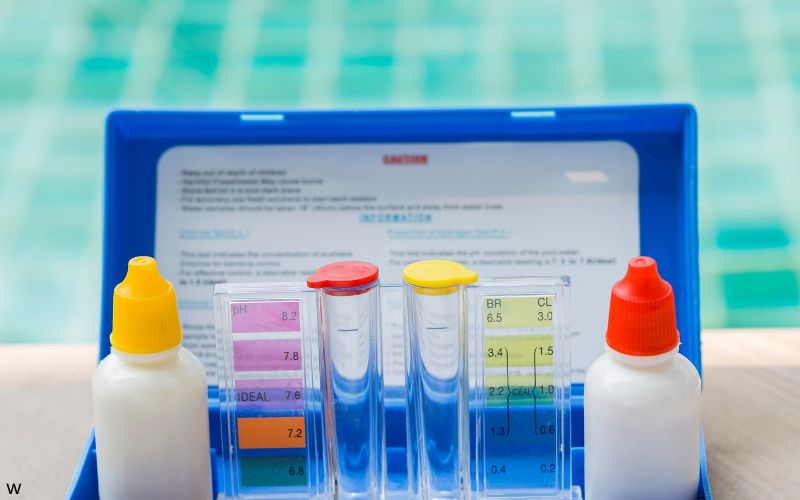
Request Free Lead Testing
Order a free lead water testing kit by calling 311 or visiting minneapolismn.gov/water. Testing is strongly recommended for all homes built before 1950, and particularly those built before 1930 where lead service lines are most common. Use the city’s online Lead Service Line Map to check your specific address first.
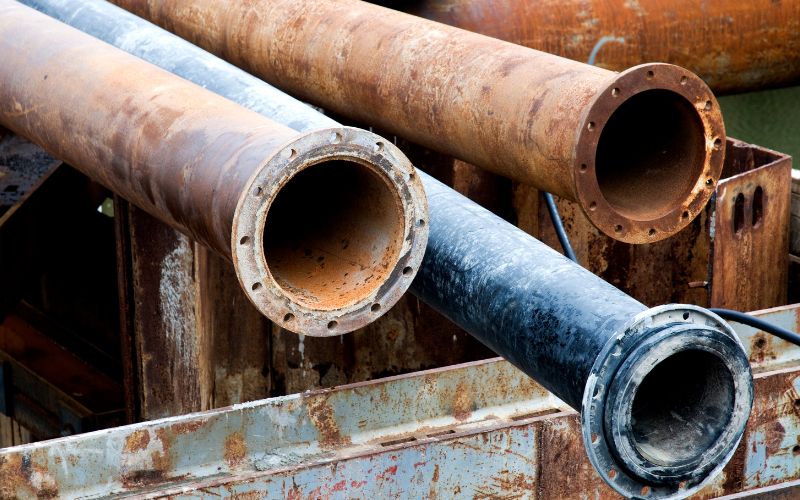
Check Your Lead Service Line Status
With 38,000+ lead service lines still in the system, checking your home’s status is a priority. Use the city’s interactive Lead Service Line Map at minneapolismn.gov, or call 612-673-5600. If your home qualifies, you may be eligible for a grant-funded full replacement through the city’s programme, prioritised for lower-income residents and homes with children.
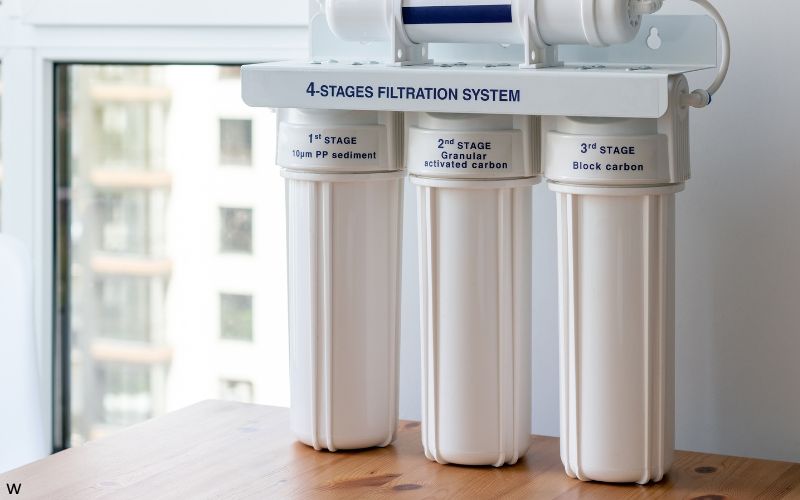
Use NSF-Certified Filtration
If you have a lead service line or are concerned about lead in your home plumbing, use an NSF Standard 53-certified filter — the only certification that covers lead removal. NSF Standard 58 reverse osmosis systems also remove lead and can reduce disinfection byproducts and any trace PFAS. See our recommended water filters for Minneapolis for tested options.
Follow Smart Water Practices
Run cold water for 2–3 minutes after any long period of non-use (overnight, after a workday). Never use hot water directly from the tap for drinking, cooking, or infant formula — hot water leaches lead from pipes and fixtures at significantly higher rates. If you have young children or are pregnant, prioritise filtered or tested water while your service line status is unconfirmed.

Stay Informed in 2026
Sign up for water quality alerts through the city’s notification system at minneapolismn.gov. Report water quality concerns 24 hours a day by calling 612-673-2456. You can also track live boil water notices across the US and stay current with national water safety developments on the water alert news page.
Quality News About Your Water
Get the comprehensive water quality news coverage you need with our dedicated US Water News Service. From coast to coast, we deliver in-depth reporting and expert analysis on PFAS contamination, EPA regulatory changes, infrastructure developments, and emerging water safety issues affecting communities nationwide. While mainstream media only covers the biggest stories, we provide the detailed, ongoing coverage that helps you understand the full scope of America’s water challenges.
What’s actually in your tap water? Enter your ZIP code for a full breakdown of contaminants detected in your local supply
Drinking water from a well? Check our directory here for more information
Frequently Asked Questions — Minneapolis Water Quality 2026
Is Minneapolis tap water safe to drink in 2026?
Yes, Minneapolis tap water meets all federal and state safety standards and is generally safe to drink. The city uses advanced ultrafiltration membrane technology plus chloramine disinfection and corrosion control, and it is fully compliant with EPA regulations including the new PFAS MCLs introduced in 2024.
The most significant caveat in 2026 is lead. With an estimated 38,000+ lead service lines still in place, residents in older homes — particularly those built before 1930 — should test their water and consider point-of-use NSF 53-certified filtration as a precaution until their service line is confirmed lead-free or replaced. The city offers free testing kits and an online map to check your address.
For disinfection byproducts (HAA5 up to 29.7 ppb, TTHMs up to 29.2 ppb), levels remain within EPA legal limits but are above what many independent researchers consider optimal. A carbon block or reverse osmosis filter will reduce these further. See our filter recommendations for the options that suit Minneapolis water.
How do I know if my home has a lead service line?
Minneapolis has an interactive Lead Service Line Map at minneapolismn.gov where you can enter your address to check your service line status. You can also take these steps:
1. Use the city’s online map at minneapolismn.gov/government/projects/lead-service-lines/ to check your address
2. Call 612-673-5600 to speak with the city’s Utility Connections office and request an inspection
3. Visually inspect your service line — lead pipes are soft, dull grey in colour, do not attract a magnet, and will scratch easily with a key leaving a shiny silver mark
Homes built before 1930 in Minneapolis are most likely to have lead service lines, though some were installed through the early 1950s. If your line is confirmed as lead, the city’s replacement programme may cover all or part of the replacement cost depending on your eligibility — priority is given to lower-income households and areas with elevated blood lead levels in children. The state deadline for all replacements is 2033; federal deadline 2037.
What are the new EPA PFAS rules and does Minneapolis comply?
In 2024 the EPA finalised the first-ever enforceable maximum contaminant levels (MCLs) for PFAS in drinking water. The key limits are 4 ppt for PFOA and PFOS individually — the two most studied “forever chemicals” — plus limits for PFNA, PFHxS, HFPO-DA (GenX), and combined PFAS mixtures. All water utilities have until 2029 to achieve full compliance.
Minneapolis is currently well-positioned under these rules. Testing under the EPA’s Unregulated Contaminant Monitoring Rule 5 (which began in 2023 with quarterly monitoring of 25 PFAS compounds) found only PFBA at trace levels — far below any EPA or MDH guideline value. The city now tests for PFAS annually in both river source water and finished drinking water. The Minnesota Department of Health runs a dedicated statewide PFAS dashboard tracking all community water systems.
Note that EWG health guideline values for PFAS (sometimes as low as 0.07 ppt) are not legal limits — they are independent advisory targets and are significantly more conservative than EPA MCLs. The Minneapolis chain of lakes has PFAS-related fish consumption advisories due to legacy 3M contamination, but this does not affect treated drinking water.
Are there water restrictions in Minneapolis?
Minneapolis maintains year-round water conservation programmes and may implement additional restrictions during drought conditions. The Mississippi River’s generally abundant flow means severe supply shortages are uncommon, though the city actively promotes conservation.
Standard Conservation Measures:
• Water conservation rebates for efficient fixtures and appliances
• Seasonal outdoor watering guidelines during peak demand periods
• Smart irrigation controller rebate programme
Drought Response (when activated):
• Reduced lawn watering days and hours
• Prohibition on certain non-essential outdoor water uses
• Commercial and industrial use restrictions
Current water restrictions and conservation status are available at minneapolismn.gov/water or by calling 311. You can also follow water alert news for any Minnesota drought or supply advisories, and check the live US boil water notices tracker for any active Minneapolis alerts.
Contaminants of Concern — Minneapolis 2026
Lead
Source: Lead service lines and older household plumbing fixtures. Minneapolis has an estimated 38,000+ lead service lines remaining in the system — one of the larger backlogs among major US cities. Homes built before 1930 are the most likely to be affected, with some lead lines present through the early 1950s.
Health Effects: No safe level of lead exposure exists for children. Effects include developmental delays, reduced IQ, learning and behavioural difficulties, and in adults, cardiovascular and kidney problems. The EPA’s action level is 15 ppb; the EPA MCLG for lead is zero.
Current Status (2026): 90th percentile lead levels at the tap remain below the EPA action level of 15 ppb, supported by optimised corrosion control (ortho-polyphosphate, pH 8.8–9.0). However, individual homes with lead service lines or lead-containing solder in older plumbing may still see elevated levels at the first draw. Free testing kits are available from the city. An NSF Standard 53-certified filter is the recommended precaution for affected households while awaiting service line replacement. See our filter recommendations for suitable options.
PFAS (Per- and Polyfluoroalkyl Substances)
Source: Industrial discharges, legacy manufacturing waste (notably 3M’s east metro sites), firefighting foam (AFFF), and consumer product runoff that can enter surface water catchments. The Minneapolis chain of lakes has PFAS-related fish consumption advisories, though this is separate from treated drinking water.
Health Effects: Associated with elevated cholesterol, altered liver enzymes, reduced vaccine response in children, thyroid disruption, and increased risk of certain cancers with prolonged high exposure. The EPA’s enforceable MCLs of 4 ppt for PFOA and PFOS took effect in 2024 with a 2029 compliance deadline.
Current Status (2026): Minneapolis drinking water shows very low PFAS levels — only PFBA has been detected, at trace concentrations far below both the MDH health guidance value and any EPA MCL. The city conducts annual PFAS monitoring in finished water and Mississippi River source water under the EPA’s UCMR5 programme. Minnesota’s statewide PFAS monitoring dashboard provides up-to-date results for all community water systems. Note: EWG advisory values for PFAS are not legal standards — they are independent and considerably more conservative than EPA limits.
Please read – our information
The information presented on cleanairandwater.net is compiled from official water quality reports, trusted news sources, government websites, and public health resources. While we strive for accuracy and thoroughness in our presentations, we are not scientists, engineers, or qualified water quality professionals.
Our mission is to present water quality information in an accessible, real-world format that helps people understand what’s in their water and make informed decisions about their health and safety. We believe that complex environmental information should be available to everyone in a format that’s easy to understand.
We make every effort to ensure our content is current and accurate, but we cannot guarantee that all information is complete or error-free. This website should not replace official communications from your local water utility or health department. We always recommend consulting official sources for the most up-to-date information regarding your specific water system.
Clean Air and Water is not liable for any unintentional errors, omissions, or outdated information. The content on this site is provided for informational purposes only and should not be considered professional advice.