Moreno Valley Water Quality at a Glance
serious concerns
Is Moreno Valley Water Safe to Drink?
Legally Compliant, But Concerning — Moreno Valley water meets all federal and California state standards but contains 16 different contaminants exceeding health guidelines. Key issues include arsenic at 609x above EWG health guidelines (2.43 ppb), PFAS “forever chemicals” including PFOA and PFHxS now subject to enforceable EPA MCLs, and multiple trihalomethane and haloacetic acid disinfection byproducts. Water is supplied by Eastern Municipal Water District (EMWD) from a blend of Colorado River imported water and local San Jacinto Basin groundwater. Check our national water quality tool to compare Moreno Valley with other California cities, or see our California water quality overview.
⚠️ Key Concerns for Moreno Valley Residents in 2026
- Extreme Arsenic Levels: 2.43 ppb detected — 609x above EWG health guidelines, naturally occurring from San Jacinto Basin geology. Below EPA’s 10 ppb legal limit but far exceeds California’s public health goal of 0.004 ppb
- PFAS “Forever Chemicals”: PFOA at 0.462 ppt and PFHxS at 0.341 ppt — now subject to enforceable EPA MCLs (4 ppt for PFOA/PFOS; 10 ppt for PFHxS). EMWD must achieve full compliance by 2029
- Disinfection Byproducts: Total trihalomethanes at 27.9 ppb (186x above health guidelines) and haloacetic acids at 36.2 ppb (362x above guidelines) — formed when chloramines react with organic matter in Colorado River water
- Hard Water Issues: Moderately hard water from mineral-rich imported and groundwater sources, causing scaling in pipes and appliances and contributing to metallic taste
Read the full report below for detailed analysis, city-specific data, and actionable recommendations for Moreno Valley residents. See our recommended water filters for arsenic, PFAS, and disinfection byproduct removal.
Advertisement — Report continues below
Your tap water just failed.
Here’s the fix.
Contaminants like PFAS, lead, chromium-6, and arsenic can sit within the legal limit but still pose a real health risk. The legal limit and the safe limit are not the same thing.
✅ Removes PFAS, lead & chromium-6 — the contaminants most flagged in failing city reports
✅ NSF/ANSI 42, 58 & 372 certified — independently tested, not just manufacturer claims
✅ Installs in 30 minutes, no plumber — fills a glass in 8 seconds, smart LED filter monitor
Renting or can’t drill? The Waterdrop K19 Countertop RO — plug in, fill the tank, done. No installation, no drilling, no plumber.
Disclaimer: This advert contains affiliate links. If you buy through these links, we may earn a commission at no extra cost to you. Product claims are based on manufacturer certification data and independent SGS lab testing.

Moreno Valley, California — Water Quality Report 2026: PFAS Regulations, Arsenic Levels & Tap Water Safety
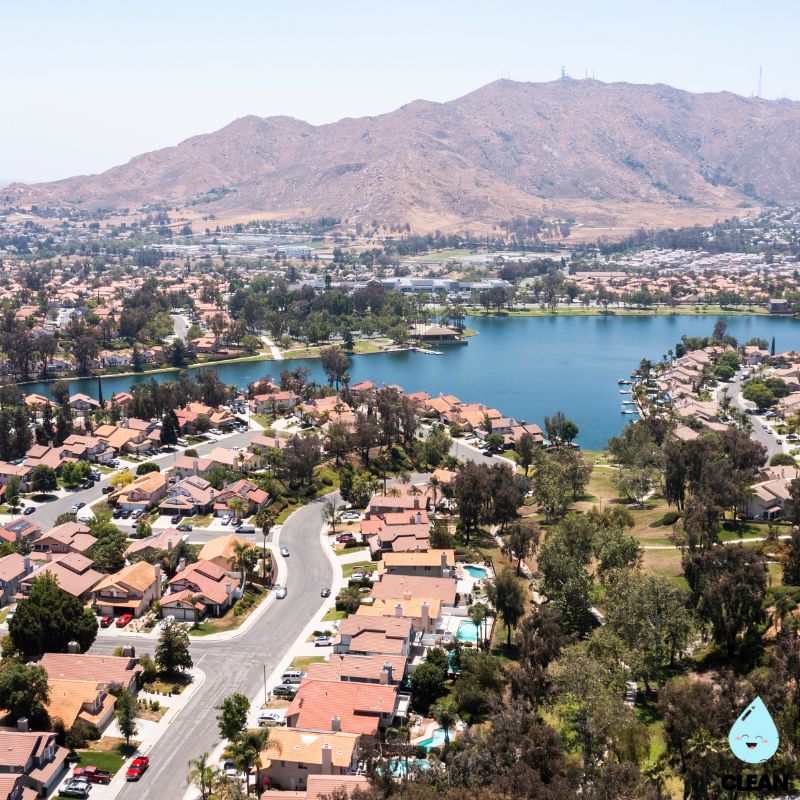
Eastern Municipal Water District (EMWD) provides water, wastewater, and recycled water services to nearly one million people across a 682-square-mile service area in western Riverside County and northern San Diego County — making it California’s sixth-largest retail water agency. Within that broader district, Moreno Valley is home to approximately 215,000 residents. EMWD was founded in 1950 and delivers an average of 52 million gallons of drinking water daily through over 2,500 miles of distribution pipelines and multiple treatment facilities.
Moreno Valley’s water supply in 2026 comes from two primary sources: approximately 80% from imported water via Metropolitan Water District of Southern California (Colorado River Aqueduct and State Water Project), and 20% from local groundwater wells in the San Jacinto Basin. Water is treated at advanced facilities including the Robert A. Skinner Filtration Plant, incorporating ozonation, UV disinfection, and multi-barrier filtration. While EMWD consistently meets all federal and California state drinking water standards, independent testing and EWG data reveal 16 contaminants exceeding health-based guidelines — most notably arsenic at 609x above California’s public health goal, PFAS “forever chemicals” now subject to enforceable EPA MCLs with a 2029 compliance deadline, and disinfection byproducts at levels far exceeding health thresholds. For broader regional context, see our California water quality report.
Moreno Valley Water Quality: Current Status (2025–2026)
Latest Testing Results
- Regulatory Compliance: EMWD’s water meets all federal EPA and California State Water Resources Control Board drinking water standards as of the most recent testing period (April–June 2024), and EMWD is currently in the monitoring phase of the EPA’s PFAS compliance process. However, independent EWG analysis of EMWD testing data reveals 16 contaminants exceeding health-based guidelines — a distinction that matters significantly for long-term health risk assessment.
- Contaminant Detection: Key findings include arsenic at 2.43 ppb (609x above California’s 0.004 ppb public health goal, though below EPA’s 10 ppb legal limit), PFAS compounds including PFOA at 0.462 ppt and PFHxS at 0.341 ppt, total trihalomethanes at 27.9 ppb (186x above EWG health guidelines), and haloacetic acids at 36.2 ppb (362x above health guidelines).
- Testing Scope: EMWD conducts thousands of water quality tests annually across multiple treatment facilities and distribution points, monitoring over 200 regulated and unregulated contaminants. Results are published in annual Consumer Confidence Reports (CCRs) available in English and Spanish at emwd.org. Use our water quality comparison tool to benchmark Moreno Valley against other California cities.
Water Sources
- Imported Water (approx. 80%): Primary supply from Metropolitan Water District of Southern California via the Colorado River Aqueduct and State Water Project. This imported surface water carries organic material from the Colorado River that reacts with disinfectants during treatment, generating trihalomethanes and haloacetic acids as unavoidable byproducts.
- Local Groundwater (approx. 20%): Wells in the San Jacinto Basin, Hemet, Moreno Valley, Perris Valley, and Murrieta regions. Groundwater from this geological area naturally contains elevated arsenic — a consequence of local mineral-rich geology rather than industrial pollution. Some production is also subject to the Fruitvale Judgment and Decree affecting certain San Jacinto area wells.
- PFAS in Source Water: PFAS contamination in both the Colorado River watershed and local groundwater basins — from historical industrial use, military base runoff, and consumer product disposal — represents an ongoing upstream challenge for EMWD. The district is actively monitoring under EPA’s UCMR5 program and planning treatment upgrades ahead of the 2029 MCL compliance deadline. Monitor breaking news on this via our water alert news page.
Advanced Treatment Technology
- Robert A. Skinner Filtration Plant: State-of-the-art facility incorporating coagulation, flocculation, sedimentation, ozonation, UV disinfection, and multi-barrier filtration. Ozonation and UV reduce many organic contaminants but do not fully eliminate PFAS compounds, which require specialised treatment such as granular activated carbon (GAC) or reverse osmosis at the plant level.
- Chloramine Disinfection: EMWD uses chloramines (rather than chlorine) for secondary disinfection, which produces fewer trihalomethanes than chlorine but still generates haloacetic acids when reacting with organic matter in Colorado River source water. The detected disinfection byproduct levels at Moreno Valley reflect this chemistry.
- Water Reclamation Leadership: EMWD’s Moreno Valley Regional Water Reclamation Facility produces tertiary-treated recycled water, and the district is recognised nationally as one of the few agencies to achieve 100% beneficial reuse of treated wastewater — an important supply resilience measure for this fast-growing region.
Infrastructure and Growth
- Distribution Network: Over 2,500 miles of water pipelines throughout EMWD’s 682-square-mile service area, with ongoing infrastructure investment and smart monitoring systems. The district recently expanded its service area to include Fallbrook Public Utility District and Rainbow Municipal Water District, adding approximately 60,000 customers in northern San Diego County.
- Financial Standing: EMWD holds strong credit ratings from both S&P Global and Moody’s, reflecting its proactive capital improvement planning and diversified water supply portfolio. This financial strength supports planned treatment upgrades needed for long-term PFAS MCL compliance.
- Point-of-Use Protection: Given the 16 contaminants above health guidelines, EMWD’s published compliance reports and independent testing both support the value of NSF-certified home filtration for Moreno Valley residents — particularly for arsenic, PFAS, and disinfection byproduct removal. See our water filter recommendations for options suited to EMWD’s specific contaminant profile.
Customer Protection Initiatives
EMWD provides comprehensive customer support including annual Consumer Confidence Reports in English and Spanish, a Water Quality Information Request Form, and extensive community education programmes. The district’s Lead and Copper Service Line inventory — required under the EPA’s updated Lead and Copper Rule — is ongoing. For live emergency notices including boil water advisories, use our live U.S. boil water notice tracker. Given findings of elevated arsenic, PFAS, and disinfection byproducts, residents should consider independent water testing and certified home filtration as additional protective measures while EMWD advances its treatment infrastructure ahead of the 2029 PFAS compliance deadline.
Recommendations for Moreno Valley Residents
Test Your Water
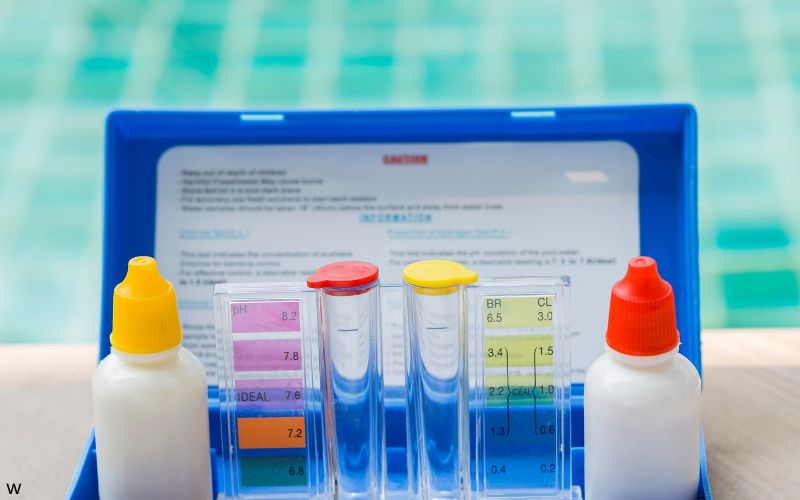
Contact EMWD’s Water Quality team at (951) 928-3777 for information or to request testing services. For a complete picture — particularly for arsenic, PFAS, and lead from home plumbing — independent testing from a certified laboratory is recommended alongside the utility’s own results. Our water quality tool provides additional context on what to prioritise testing for in Moreno Valley.
Conserve Water
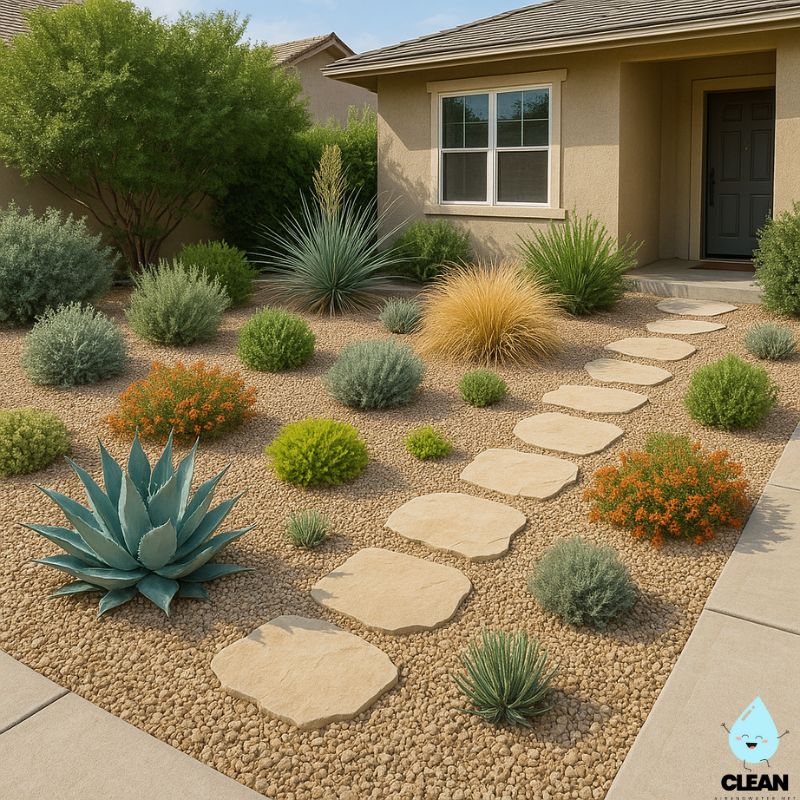
Take advantage of EMWD’s water conservation programmes and rebates for drought-tolerant landscaping. Follow current water budget guidelines and permanent conservation measures to maintain sustainable supplies. Reduced outdoor water use also lowers demand on treatment systems, indirectly supporting water quality. Riverside County is among California’s fastest-growing areas — conservation is critical to long-term supply reliability.
Consider Home Filtration
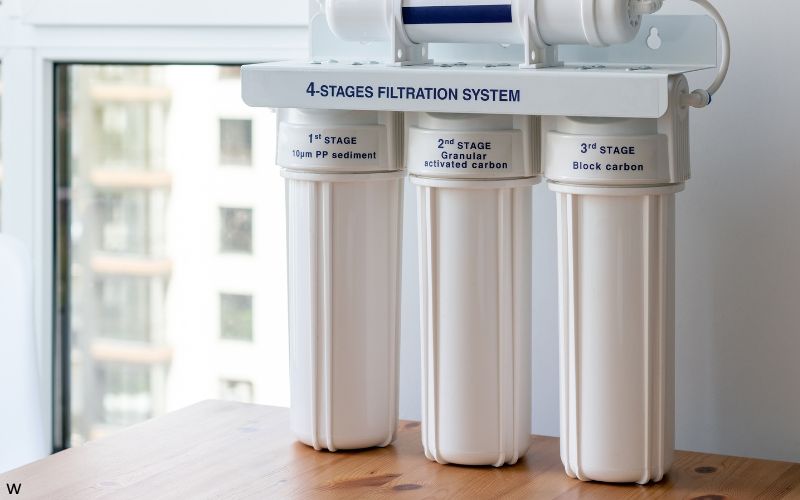
Given elevated arsenic (609x above California’s public health goal), enforceable PFAS MCLs, and disinfection byproducts at 186–362x above health guidelines, NSF-certified reverse osmosis filtration is the most effective solution for Moreno Valley households. Activated carbon addresses trihalomethanes and haloacetic acids; RO additionally removes arsenic and PFAS. Browse our recommended filters — all rated for the contaminants detected in EMWD water.
Join Recycled Water Programs
Explore EMWD’s recycled water services for irrigation and landscape use. EMWD is a national leader in recycled water utilisation, with a strategic objective of 100% beneficial reuse of treated wastewater — helping preserve high-quality drinking water for potable use. Connecting to recycled water for outdoor irrigation reduces demand on treated drinking water and supports EMWD’s long-term supply resilience in this rapidly growing region.

Report Issues & Stay Informed
Contact EMWD Customer Service at (951) 928-3777 (available 24/7) for water emergencies, pressure issues, or quality concerns including taste, odour, or discoloration. Report leaks promptly to conserve water and maintain system integrity. For real-time boil water alerts across California and nationwide, bookmark our live boil water notice tracker, and follow the latest water quality news on our water alert news page.
Frequently Asked Questions
Is Moreno Valley’s tap water safe to drink in 2026?
EMWD’s water meets all federal EPA and California state drinking water standards and is considered legally safe. However, independent EWG analysis of EMWD testing data identifies 16 contaminants exceeding health-based guidelines — most significantly arsenic at 609x above California’s public health goal and PFAS compounds now subject to enforceable EPA MCLs.
The water undergoes advanced treatment at the Robert A. Skinner Filtration Plant including ozonation and UV disinfection, but conventional treatment cannot fully eliminate arsenic from groundwater sources or PFAS from imported Colorado River water. For households with vulnerable individuals — pregnant women, infants, children, or those with compromised immune systems — an NSF-certified reverse osmosis system is strongly recommended for drinking and cooking water.
Why is my water sometimes hard or has a metallic taste?
Moreno Valley’s water is moderately hard due to natural mineral content (calcium and magnesium) from both imported and groundwater sources. Hard water is not harmful to health but causes scaling in appliances and reduces soap lathering. A metallic taste may be linked to naturally occurring arsenic levels in groundwater from the San Jacinto Basin’s mineral-rich geology.
Seasonal variation in taste or odour can also occur due to: changes in the blend ratio between Colorado River imported water and local groundwater; natural organic matter fluctuations in Colorado River water; and chloramine disinfection chemistry. Running the tap for a minute after periods of non-use can help. Activated carbon or reverse osmosis filters — see our filter guide — significantly improve taste and remove detected contaminants. If concerns persist, contact EMWD’s Water Quality team at (951) 928-3777.
Does EMWD test for lead in Moreno Valley’s water?
Yes. EMWD regularly monitors for lead and copper and maintains full compliance with federal Lead and Copper Rule regulations. Recent testing shows no detectable lead levels in the distribution system itself:
• Service Line Inventory: EMWD completed its initial Lead and Copper Service Line study in 2022 as required by the updated federal Lead and Copper Rule, and the ongoing inventory process continues under updated EPA requirements
• Monitoring Results: All system testing shows lead and copper levels well below EPA action limits, with recent results showing 0.0 ppb lead detected at the distribution level
• Treatment: Advanced corrosion control treatment prevents mineral leaching from distribution pipelines
Note that lead exposure in drinking water most commonly originates from older home plumbing fixtures rather than the water supply itself. Residents in older properties should consider independent testing. Contact EMWD’s Water Quality team for guidance on home plumbing assessment.
Are there current water restrictions in Moreno Valley?
EMWD operates under ongoing conservation measures designed to maintain long-term supply reliability across its fast-growing 682-square-mile service area:
Water Budget System:
• Customers receive individualised water budgets based on household size and property characteristics, adjusted seasonally
• Usage beyond the budget is charged at higher tier rates to encourage conservation
Current Conservation Guidelines:
• Outdoor irrigation should be efficient — avoid runoff and watering during peak heat hours
• Rebates are available for drought-tolerant landscaping, high-efficiency appliances, and drip irrigation systems
Check current water restriction status and conservation programmes at emwd.org or call (951) 928-3777. For any emergency boil water notices affecting Moreno Valley, our live tracker provides real-time alerts.
Quality News About Your Water
Get the comprehensive water quality news coverage you need with our dedicated US Water News Service. From coast to coast, we deliver in-depth reporting and expert analysis on PFAS contamination, EPA regulatory changes, infrastructure developments, and emerging water safety issues affecting communities nationwide. While mainstream media only covers the biggest stories, we provide the detailed, ongoing coverage that helps you understand the full scope of America’s water challenges.
What’s actually in your tap water? Enter your ZIP code for a full breakdown of contaminants detected in your local supply
Drinking water from a well? Check our directory here for more information
Contaminants of Concern
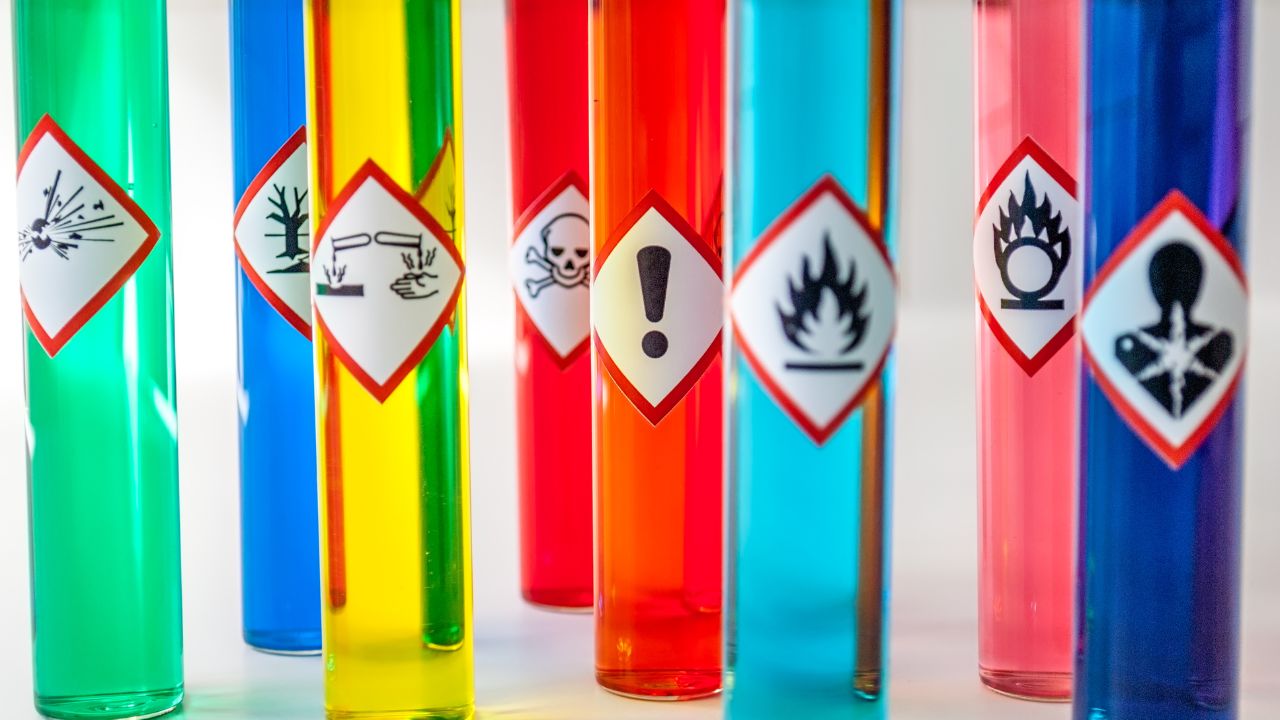
Arsenic
Source: Naturally occurring in local groundwater due to mineral-rich geological conditions in the San Jacinto Basin and surrounding areas. Arsenic dissolves from rock formations into groundwater — it is not a result of industrial pollution in this case, but rather the natural geology of the region. Levels vary by well location and seasonal groundwater flow patterns.
Health Effects: Long-term arsenic exposure is linked to increased risk of skin, bladder, and lung cancer, cardiovascular disease, and developmental effects in children. The International Agency for Research on Cancer (IARC) classifies arsenic as a Group 1 carcinogen — known to cause cancer in humans.
Moreno Valley Levels: 2.43 ppb detected — 609x above California’s public health goal of 0.004 ppb, but below EPA’s legal limit of 10 ppb. This illustrates the wide gap between what is legally permitted and what health-based science recommends. Recommendation: NSF-certified reverse osmosis (NSF/ANSI 58) or specialised arsenic removal filters are highly effective for point-of-use protection. See our filter recommendations for options tested for arsenic removal.
PFAS Compounds
Source: Per- and polyfluoroalkyl substances entering the water supply from industrial activities, military base runoff (March Air Reserve Base is within Riverside County), and consumer product disposal throughout the Colorado River watershed and local groundwater basins. PFAS are highly resistant to breakdown and accumulate in both the environment and human body tissue.
Health Effects: Linked to kidney and testicular cancer, liver damage, immune system suppression, thyroid disruption, elevated cholesterol, and developmental issues in children and foetuses. PFAS accumulate in the body over a lifetime — there is no safe “flush” mechanism.
Moreno Valley Levels: PFOA at 0.462 ppt (5.1x above EWG health guideline) and PFHxS at 0.341 ppt (341x above EWG health guideline). EPA Regulatory Status (2026): EPA’s April 2024 final PFAS rule set enforceable MCLs of 4 ppt for PFOA and PFOS, and 10 ppt for PFHxS, PFNA, and HFPO-DA. EMWD must achieve full compliance by 2029. Current detected levels are below the new MCLs — but EWG health guidelines based on current cancer research are far stricter. NSF-certified PFAS-removal filters are available on our filter solutions page.
Disinfection Byproducts
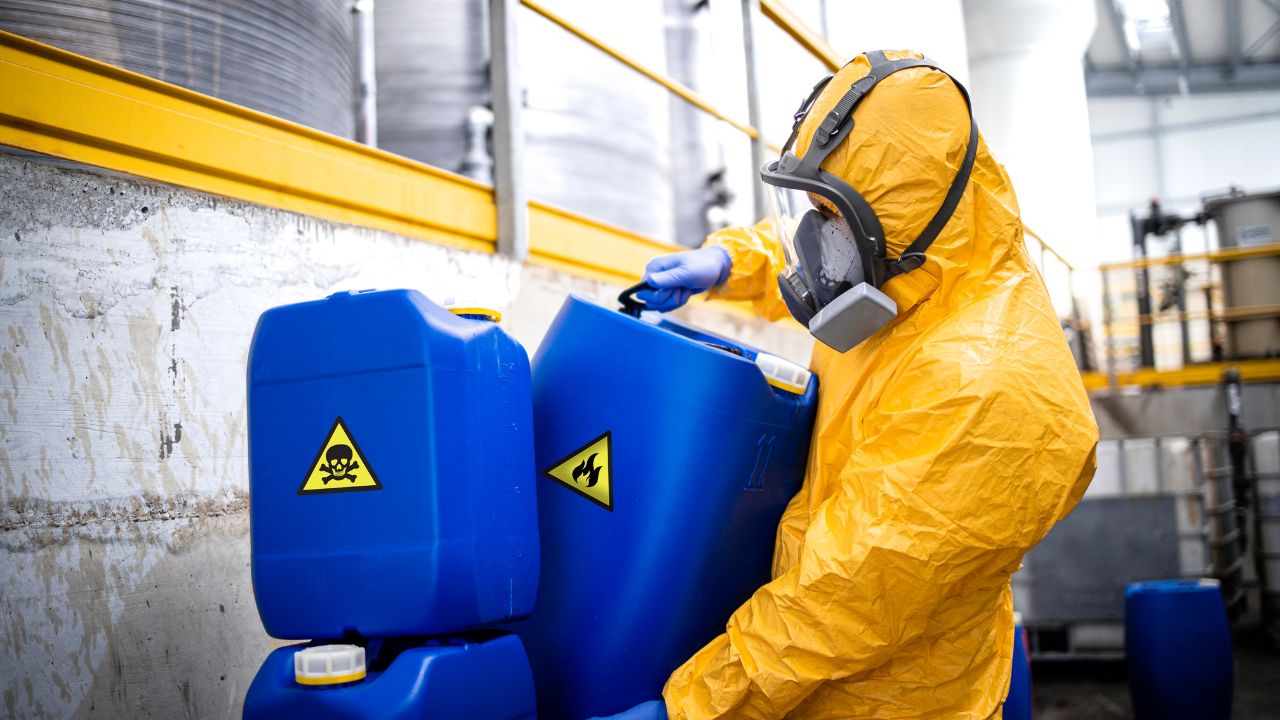
Source: Formed when chloramine disinfectants react with naturally occurring organic matter from Colorado River and local groundwater sources. This is an unavoidable consequence of the treatment chemistry used to kill harmful pathogens. Levels fluctuate seasonally with source water organic content — higher during warmer months and periods of elevated algal activity in the Colorado River system.
Health Effects: Long-term elevated exposure is linked to increased risk of bladder, colon, and rectal cancers. Trihalomethanes also concentrate in shower steam, adding an inhalation exposure pathway on top of ingestion. Haloacetic acids have been associated with liver and kidney effects at chronic exposure levels.
Moreno Valley Levels: Total trihalomethanes at 27.9 ppb (186x above EWG health guideline of 0.15 ppb) and haloacetic acids at 36.2 ppb (362x above EWG health guideline of 0.1 ppb). EPA Limits vs. Health Guidelines: Moreno Valley meets federal legal limits (80 ppb for TTHMs; 60 ppb for HAA5) but exceeds health-based thresholds by very large margins. Activated carbon (NSF/ANSI 53) and RO filtration both significantly reduce these byproducts — see our filter guide for certified options.
Water Hardness & Taste Issues
Source: Natural mineral content (calcium and magnesium) from both Colorado River imported water and San Jacinto Basin groundwater. The Colorado River carries dissolved minerals from its journey through the southwestern United States, while local groundwater picks up additional mineral content from the limestone and sedimentary geology of the Inland Empire region.
Health Effects: Hard water is not a health risk but causes visible scale deposits on taps, shower screens, and appliances, reduces soap efficiency, and can shorten the lifespan of water heaters and washing machines. The metallic taste reported by some Moreno Valley residents may be linked to naturally occurring arsenic or mineral concentrations from local groundwater.
Current Status: Moreno Valley water is moderately hard with occasional consumer reports of metallic taste or chloramine odour, particularly during seasonal source water blending changes. Solutions: Water softening systems address hardness and scale; activated carbon or reverse osmosis filters improve taste and simultaneously reduce detected chemical contaminants. Full details in our water filter solutions guide.