New Mexico Water Quality at a Glance
Is New Mexico Water Safe to Drink?
Compliant in most areas, but significant emerging threats in 2026. Most of New Mexico’s 1,055 public water systems meet federal standards, but the state faces escalating challenges. In February 2026, NMED’s new PFAS dashboard revealed 15 water systems now exceed federal drinking water limits, including facilities in Albuquerque and Sandoval County. A $189,000 arsenic settlement against the Camino Real Regional Utility Authority (February 2026) underscores ongoing failures in Sunland Park and Santa Teresa. Around 81% of residents depend on groundwater, and an estimated 170,000 rely on unregulated private wells.
⚠️ Key Concerns for New Mexico Residents — 2026
- PFAS “Forever Chemicals”: 15 water systems now exceed federal PFAS limits (NMED dashboard, Feb 2026). Placitas Elementary School’s well tested PFOS at over 4× the federal limit; Joy Junction shelter in Albuquerque recorded PFOA at 3× the limit. Consumer products — not only military bases — confirmed as a contamination source.
- Arsenic in Sunland Park: CRRUA fined $189,000 in February 2026 after years of arsenic violations serving ~19,000 residents in Doña Ana County. NMED is seeking an independent manager to oversee operations.
- Private Well Risks: ~170,000 residents rely on unregulated private wells; testing responsibility falls entirely on homeowners. NMED offers free testing support through its Emerging Contaminants Program.
- Military Base Legacy: Cannon and Holloman Air Force Bases remain primary contamination hotspots; New Mexico has sued the U.S. Department of War to compel cleanup and compensation for affected property owners.
Read the full report below for detailed analysis, regional data, and actionable recommendations for New Mexico residents.
advertisment – report continues below
Your water passed the test.
Legal isn’t the same as safe.
Regulated contaminants like PFAS, chromium-6, and disinfection byproducts can sit inside the legal limit and still carry long-term health risks. Passing isn’t the same as clean.
✅ Removes PFAS, lead & chromium-6 — the contaminants most flagged even in passing city reports
✅ NSF/ANSI 42, 58 & 372 certified — independently tested, not just manufacturer claims
✅ Installs in 30 minutes, no plumber — fills a glass in 8 seconds, smart LED filter monitor
Renting or can’t drill? The Waterdrop K19 Countertop RO — plug in, fill the tank, done. No installation, no drilling, no plumber.
Advertisement — this page contains affiliate links. If you buy through these links, we may earn a commission at no extra cost to you.

New Mexico — Land of Enchantment — Water Quality Report 2026: PFAS Testing, Arsenic Violations & Safety Across Your State
New Mexico’s water infrastructure serves approximately 2.1 million residents across a vast and arid landscape, from the high desert plains to the Rio Grande valley. The state operates through a network of 1,055 public water systems — including 650 eligible for emerging contaminant assistance — ranging from large utilities like the Albuquerque Bernalillo County Water Utility Authority, serving over 600,000 customers, to smaller rural systems providing essential services to remote communities. New Mexico’s water sources include the Rio Grande, Pecos River, Colorado River water via the San Juan-Chama Project, and critical groundwater aquifers that sustain both urban centres and agricultural regions, with approximately 81% of residents depending on groundwater for drinking water and around 170,000 relying on private wells.
Despite innovative water management approaches, New Mexico faces mounting water security challenges from climate change, persistent drought, and rapidly expanding PFAS contamination. The state has enacted the PFAS Protection Act — banning intentionally added PFAS in consumer products in phases starting January 2027 — and launched a new public PFAS dashboard in February 2026, revealing that 15 water systems now exceed federal drinking water limits. New Mexico has also sued the U.S. Department of War to compel PFAS cleanup at military installations and shift financial responsibility away from taxpayers. The state’s 50-Year Water Action Plan and over $800 million in Bipartisan Infrastructure Law funding continue to underpin long-term water security efforts.
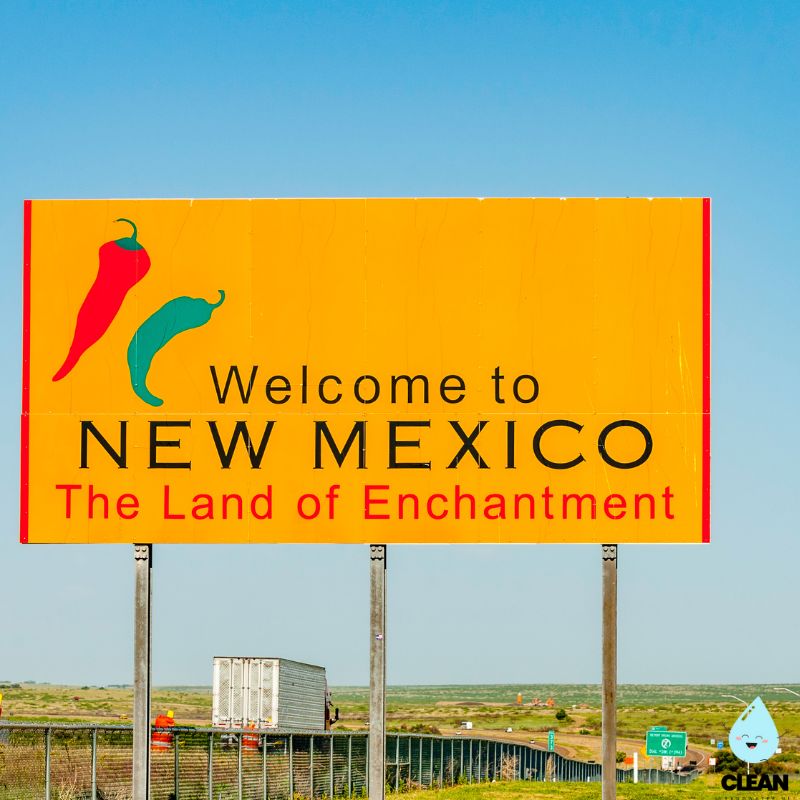
New Mexico Water Quality: Current Status (2025–2026)
Statewide Compliance and Testing
- Overall Compliance: Most of New Mexico’s 1,055 public water systems meet federal Safe Drinking Water Act standards. However, the NMED Emerging Contaminants Program’s new interactive PFAS dashboard — launched February 2026 — confirmed that 15 systems now exceed federal drinking water limits, affecting approximately 4,500 people. Elevated PFAS has been detected not only near military installations but also in systems with no known industrial contamination source, with consumer products now confirmed as a significant contributor. You can check your local system’s results on our water quality checker.
- PFAS Monitoring — 2026 Update: Since the Emerging Contaminants Program launched in 2024, 523 New Mexico public water systems have been sampled for PFAS. Of those, 15 have exceeded federal limits. The New Mexico VA Health Care System in Albuquerque recorded PFOA at double the federal limit; Joy Junction shelter in Albuquerque recorded PFOA at more than three times the limit; Placitas Elementary School’s well tested PFOS at over four times the limit. NMED is working with all 15 systems on remediation.
- Infrastructure Investment: Over $800 million in Bipartisan Infrastructure Law funding has been allocated to New Mexico for water infrastructure improvements, with dedicated funding for PFAS detection and remediation efforts. The 650 systems eligible for the Emerging Contaminants Program receive free testing and technical guidance. Stay up to date with water alerts via our water alert news section and the live boil water notices tracker.
Major Water Sources and Challenges
- Rio Grande System: Primary surface water source serving Albuquerque and central New Mexico. USGS studies confirm that PFAS levels increase significantly downstream of urban areas, with concentrations rising up to 10-fold due to wastewater discharge and urban runoff. Total PFAS concentrations in surface water samples from the 2020–2021 USGS statewide survey ranged from 1.0 to 155.4 nanograms per litre.
- Groundwater Aquifers: Critical water sources serving roughly 81% of New Mexicans, facing challenges from drought, overuse, and PFAS infiltration. The 2020–2021 USGS statewide survey detected PFAS in 27 out of 117 groundwater sites tested, with highest concentrations near military installations. Arsenic naturally occurs at some of the highest concentrations in the US in New Mexico’s groundwater, particularly in southern counties with volcanic geology.
- Climate Change Impacts: Persistent drought conditions and declining snowpack continue to threaten water security. Some drinking water systems are losing 40–70% of treated water due to aging infrastructure and distribution leaks — a pressing challenge for rural communities.
Arsenic Enforcement — 2026
- Sunland Park Settlement: In February 2026, NMED announced a $189,000 settlement — including a bad-faith penalty — with the Camino Real Regional Utility Authority (CRRUA) for arsenic violations serving around 19,000 residents in Sunland Park and Santa Teresa, Doña Ana County. CRRUA had bypassed its own arsenic treatment plants from 2023, sending water with arsenic above federal limits to customers in an area where groundwater naturally contains elevated arsenic due to ancient volcanic geology. NMED is now seeking a court-appointed independent manager to oversee operations.
- Ongoing Arsenic Risk: Arsenic occurs naturally at some of the highest levels in the US in New Mexico’s groundwater. Communities in southern Doña Ana County, the Jemez Mountains region, and other areas with volcanic or organic-rich shale geology face elevated risk. Private well owners are advised to test regularly, as no federal regulations apply to private supplies.
PFAS Regulation and Legislative Response
- PFAS Protection Act: New Mexico’s landmark consumer product ban — one of nine US states with such legislation — prohibits intentionally added PFAS in cookware, food packaging, dental floss, juvenile products, and firefighting foam from January 1, 2027. The ban expands to carpets, cosmetics, textiles, and upholstered furniture from January 1, 2028, with virtually all non-exempt PFAS products banned by January 1, 2032. Rulemaking hearings ran from February 23 to March 6, 2026.
- Military Base Legal Action: New Mexico has added PFAS firefighting foams to its Hazardous Waste Act and has filed suit against the U.S. Department of War to compel the military to stop non-emergency PFAS foam use and compensate property owners harmed by contamination from Cannon and Holloman Air Force Bases in Curry and Otero Counties.
- EPA Compliance Deadline Extended: The EPA under the current administration has pushed the PFOA/PFOS MCL compliance deadline to 2031 (from the original 2029). NMED Secretary James Kenney has stated that systems with elevated readings should take action now rather than waiting: “We’re doing this as a way to help them get ready for when they actually have to comply, but that doesn’t mean they should take no action when their levels are high now.” See our water filter solutions guide for options suited to PFAS and arsenic removal.
Strategic Water Management Initiatives
- Strategic Water Supply Program: Groundbreaking initiative established through House Bill 137 to develop brackish water resources for industrial use while preserving freshwater for communities, with $500 million reserved for state water purchases.
- Enhanced Surface Water Protections: Senate Bill 21 provides state authority over 90–95% of waterways previously left vulnerable by federal rollbacks, making New Mexico one of the leading states seeking surface water permitting authority.
- Rural Community Support: Federal funding through the Emerging Contaminants Program provides grants and technical assistance to small and disadvantaged communities for PFAS testing and treatment infrastructure. All 650 eligible systems receive free sampling support.
Looking Forward: 2026–2031
New Mexico’s water future depends on successful implementation of its 50-Year Water Action Plan — aiming to reduce consumption by 10% in rural and municipal communities by 2040 — alongside the rollout of the PFAS Protection Act, ongoing military cleanup litigation, and sustained federal investment. The February 2026 PFAS dashboard launch marks a significant step in transparency, but the confirmed exceedances in 15 systems highlight that contamination is broader than previously understood and extends beyond military-adjacent communities. New Mexicans — particularly those on private wells or near military installations — should remain proactive: check NMED’s dashboard, request your utility’s latest Consumer Confidence Report, and consider certified filtration where elevated contaminants have been detected. For current boil water alerts and local water news, visit our boil water notices tracker and water alert news pages.
Recommendations for New Mexico Residents
Check the NMED PFAS Dashboard
Since February 2026, New Mexico residents can view PFAS testing results for their local water system on NMED’s interactive dashboard. Contact your water utility to request your annual Consumer Confidence Report (CCR), and check our water quality checker for a quick overview of your area’s contaminant profile.
Support Water Conservation
Participate in New Mexico’s Water Education Template (WET) programme and implement conservation measures such as efficient irrigation and rainwater harvesting. Support utility investments in leak detection and infrastructure improvements to help protect the state’s finite groundwater resources.
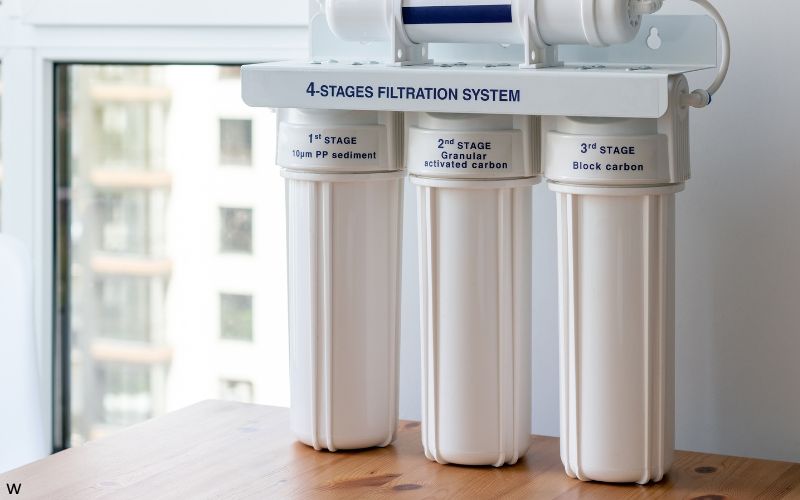
Consider Certified Filtration
For areas with confirmed PFAS exceedances or arsenic concerns — particularly near military bases or in Doña Ana County — NSF-certified reverse osmosis or activated carbon filters are the most effective option. See our water filter solutions guide for PFAS-rated and arsenic-rated recommendations. Private well owners should test first, then filter.

Report Water Quality Concerns
Contact your local water utility immediately for taste, odour, or colour concerns. Report suspected contamination to NMED’s Drinking Water Bureau at (505) 476-8620 or toll-free at 1-877-654-8720 for investigation and follow-up action. You can also track active alerts on our boil water notices tracker.
Stay Informed on Legislation
Follow New Mexico’s PFAS Protection Act rollout — product bans begin January 2027. Engage in public meetings about regional water planning, NMED rulemaking, and military contamination litigation. Follow our water alert news for the latest state and national drinking water developments.
New Mexico Cities We Cover
Albuquerque Water Quality
Comprehensive analysis of Albuquerque Bernalillo County Water Utility Authority, New Mexico’s largest water utility serving over 600,000 customers. Includes information on water sources, treatment processes, PFAS monitoring results, and the 2026 dashboard findings for Albuquerque-area systems.
Frequently Asked Questions
Is New Mexico’s tap water safe to drink?
Most of New Mexico’s public water systems meet federal drinking water standards and are generally safe for consumption. However, the picture shifted significantly in February 2026 when NMED’s new PFAS dashboard revealed that 15 systems now exceed federal PFAS limits.
Of 523 systems sampled since the Emerging Contaminants Program launched in 2024, 15 have exceeded federal limits — including facilities in Albuquerque and Sandoval County. Separately, the Camino Real Regional Utility Authority in southern Doña Ana County was fined $189,000 in February 2026 for ongoing arsenic violations. Residents should check NMED’s PFAS dashboard, request their utility’s Consumer Confidence Report, and use our water quality checker for a local overview. If you rely on a private well, testing is strongly advised.
What is New Mexico doing about water scarcity?
New Mexico has implemented a comprehensive 50-Year Water Action Plan focusing on conservation, infrastructure improvement, and innovative water sources.
The state’s Strategic Water Supply programme develops brackish water resources for industrial use while preserving freshwater for communities. New Mexico aims to reduce water consumption by 10% in rural and municipal communities by 2040 and improve system-wide efficiency by 20%. The state has received over $800 million in Bipartisan Infrastructure Law funding and is implementing advanced leak detection, upgrading over 70 deficient dams, and pursuing the nation’s first state-run strategic water supply programme. Enhanced surface water protections under Senate Bill 21 now cover 90–95% of waterways previously left vulnerable by federal rollbacks.
How can I find out about my local water quality?
New Mexico residents can access comprehensive water quality information through several resources:
• NMED PFAS Dashboard: Launched February 2026, this interactive tool lets you view PFAS testing results for your local public water system — the most up-to-date resource available
• Annual Water Quality Reports: Contact your water utility directly for their Consumer Confidence Report, which details all testing results and any violations or concerns
• NMED Drinking Water Bureau: Visit NMED’s website or call toll-free 1-877-654-8720 to access testing results and compliance information for your local water system
• Private Well Testing: Private well owners can access free domestic well testing through NMED’s Emerging Contaminants Program and contact certified laboratories for PFAS and arsenic testing
• Our Tools: Use our water quality checker and track local alerts on our boil water notices tracker
Why is PFAS a major concern in New Mexico in 2026?
New Mexico’s PFAS situation escalated significantly in early 2026, with confirmed exceedances now going far beyond military-adjacent communities:
NMED Dashboard (Feb 2026): 15 water systems exceed federal PFAS drinking water limits. Placitas Elementary School’s well tested PFOS at over 4× the federal limit; Joy Junction shelter recorded PFOA at more than 3× the limit; the NM VA Health Care System in Albuquerque recorded PFOA at double the limit
Consumer Products Confirmed as Source: NMED Secretary James Kenney stated the new data “connect the dots” showing that consumer goods — not only military firefighting foam — are driving PFAS into New Mexico’s groundwater
Military Contamination: Cannon and Holloman Air Force Bases remain primary hotspots; the state has sued the U.S. Department of War to compel cleanup and compensation for affected landowners
Federal Deadline Extended: The EPA has pushed PFOA/PFOS MCL compliance to 2031, but NMED is encouraging affected systems to act now. See our water filter solutions guide for certified PFAS removal options.
Quality News About Your Water
Get the comprehensive water quality news coverage you need with our dedicated US Water News Service. From coast to coast, we deliver in-depth reporting and expert analysis on PFAS contamination, EPA regulatory changes, infrastructure developments, and emerging water safety issues affecting communities nationwide. While mainstream media only covers the biggest stories, we provide the detailed, ongoing coverage that helps you understand the full scope of America’s water challenges.
What’s actually in your tap water? Enter your ZIP code for a full breakdown of contaminants detected in your local supply
Drinking water from a well? Check our directory here for more information
Contaminants of Concern
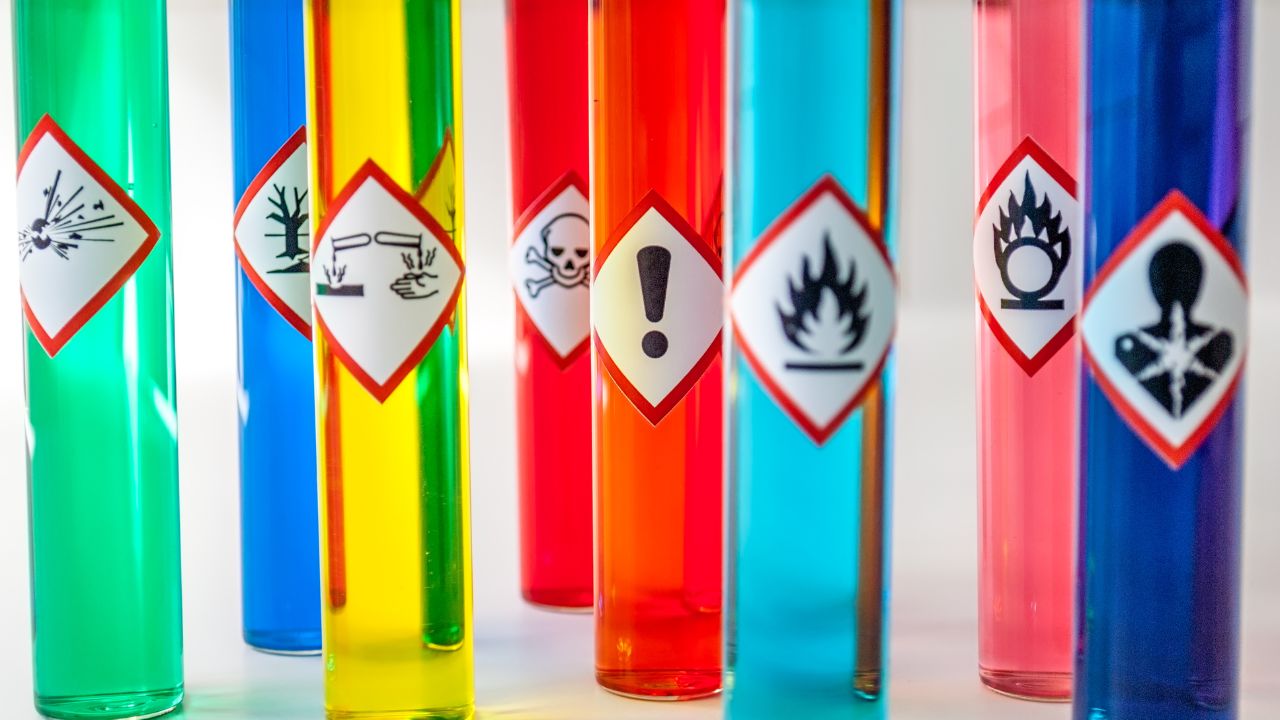
PFAS “Forever Chemicals”
Source: Military firefighting foam at Cannon and Holloman Air Force Bases; urban wastewater discharge; consumer products including non-stick cookware, stain-resistant textiles, and food packaging — now confirmed by NMED as a significant contributor beyond military sources
Health Effects: Linked to kidney, testicular, and breast cancers, liver damage, immune system suppression, endocrine disruption, reproductive effects, and developmental issues in children
Current Status (2026): 15 New Mexico water systems exceed federal PFAS drinking water limits, affecting approximately 4,500 people (NMED dashboard, February 2026). Of 523 systems sampled, 15 have confirmed exceedances. PFAS detected in 27 of 117 groundwater sites in USGS statewide survey. EPA Limits: 4 parts per trillion for PFOA and PFOS individually. Compliance deadline extended to 2031. See our filter guide for NSF-certified PFAS removal options.
Arsenic
Source: Naturally occurring in groundwater throughout New Mexico’s arid and volcanic regions — the state has some of the highest naturally occurring arsenic concentrations in the US, particularly in southern Doña Ana County and the Jemez Mountains area
Health Effects: Known carcinogen linked to skin, lung, and bladder cancers, as well as cardiovascular disease, diabetes, and neurological effects from long-term exposure
Current Status (2026): In February 2026, NMED settled with Camino Real Regional Utility Authority for $189,000 following years of arsenic violations serving ~19,000 residents in Sunland Park and Santa Teresa. CRRUA had bypassed its arsenic treatment plants from 2023. NMED is now pursuing a court-appointed independent manager and seeking free arsenic test strips for affected customers. Regulatory Standard: EPA MCL of 10 ppb. Reverse osmosis filtration is highly effective for arsenic — see our water filter solutions guide.
Please read – our information
The information presented on cleanairandwater.net is compiled from official water quality reports, trusted news sources, government websites, and public health resources. While we strive for accuracy and thoroughness in our presentations, we are not scientists, engineers, or qualified water quality professionals.
Our mission is to present water quality information in an accessible, real-world format that helps people understand what’s in their water and make informed decisions about their health and safety. We believe that complex environmental information should be available to everyone in a format that’s easy to understand.
We make every effort to ensure our content is current and accurate, but we cannot guarantee that all information is complete or error-free. This website should not replace official communications from your local water utility or health department. We always recommend consulting official sources for the most up-to-date information regarding your specific water system.
Clean Air and Water is not liable for any unintentional errors, omissions, or outdated information. The content on this site is provided for informational purposes only and should not be considered professional advice.