New Orleans Water Quality at a Glance
Is New Orleans Water Safe to Drink?
Technically Compliant, But in Active Crisis — New Orleans water meets federal standards but faces a worsening infrastructure emergency in 2026. SWBNO has recorded six major water main breaks in early 2026, triggering repeated city-wide boil water advisories and prompting a formal action plan on March 16, 2026. Ongoing concerns include lead contamination (88% of tested homes positive), PFAS “forever chemicals” from Mississippi River pollution, disinfection byproducts exceeding health guidelines, and more than 34% of transmission mains now over 100 years old. Residents should use certified filtration and stay registered for SWBNO alerts at all times.
⚠️ Key Concerns for New Orleans Residents — 2026
- Infrastructure Crisis: Six major water main breaks in early 2026; SWBNO released an emergency action plan on March 16, 2026 seeking $27.5M for urgent repairs on eight high-risk transmission mains; 34% of mains are over 100 years old
- Lead Contamination: 88% of independently tested homes positive for lead; 15,000+ lead service lines citywide; SWBNO has secured $86M in State Revolving Funds for replacement — the first utility in Louisiana to do so
- Boil Water Advisories: Multiple city-wide advisories in early 2026 including a March 9 advisory covering Uptown, CBD, French Quarter, 9th Ward, Mid-City, Gentilly, and New Orleans East following a 48-inch main break
- Disinfection Byproducts & PFAS: Haloacetic acids exceeding EWG guidelines by 348 times; PFAS detected in Mississippi River source water; arsenic at 52 times EWG recommendations
Read the full report below for detailed analysis, city-specific data, and actionable recommendations for New Orleans residents.
Advertisement — Report continues below
Your tap water just failed.
Here’s the fix.
Contaminants like PFAS, lead, chromium-6, and arsenic can sit within the legal limit but still pose a real health risk. The legal limit and the safe limit are not the same thing.
✅ Removes PFAS, lead & chromium-6 — the contaminants most flagged in failing city reports
✅ NSF/ANSI 42, 58 & 372 certified — independently tested, not just manufacturer claims
✅ Installs in 30 minutes, no plumber — fills a glass in 8 seconds, smart LED filter monitor
Renting or can’t drill? The Waterdrop K19 Countertop RO — plug in, fill the tank, done. No installation, no drilling, no plumber.
Disclaimer: This advert contains affiliate links. If you buy through these links, we may earn a commission at no extra cost to you. Product claims are based on manufacturer certification data and independent SGS lab testing.
New Orleans – Louisiana – Water Quality Report 2026: Infrastructure Crisis, Lead Contamination & Safety across your city
The Sewerage and Water Board of New Orleans (SWBNO) has managed water services in this historic city for over 120 years, serving approximately 350,000 residents across a unique below-sea-level urban environment. The utility maintains approximately 1,600 miles of water mains, the Carrollton Water Treatment Plant, and a complex pumping system that delivers roughly 135 million gallons daily to the Greater New Orleans area. New Orleans draws its drinking water entirely from the Mississippi River — a massive watershed draining 41% of the contiguous United States. In early 2026, the city entered a serious infrastructure crisis: six major water main breaks in just weeks triggered repeated boil water advisories and forced SWBNO to release a formal action plan on March 16, 2026. With more than 34% of transmission mains already over 100 years old, the utility estimates full system stabilisation could cost upwards of $2 billion. Residents should check our live US boil water notices tracker and our Louisiana water quality overview for the latest updates.
New Orleans Water Quality: Current Status (2025–2026)
2026 Infrastructure Emergency
- Six Major Breaks: New Orleans has suffered six significant water main ruptures in early 2026, including a 48-inch main at Carrollton Avenue and Panola Street on March 9 and a 30-inch main at Willow and Audubon Streets on March 12. Each triggered city-wide boil water advisories affecting hundreds of thousands of residents. Track current advisories on our live US boil water tracker.
- SWBNO Action Plan (March 16, 2026): Facing pressure from Mayor Helena Moreno and the City Council, SWBNO released a six-step action plan on March 16, 2026. Eight transmission mains are classified as urgent risk; repairs will require approximately $27.5 million, of which only $10 million is currently available. The plan is largely unfunded, and replacing all large mains over 100 years old is estimated at $680 million.
- System Age: More than 34% of the city’s transmission mains are at least 100 years old. A 2003 consultant study noted mains “are beyond or nearing the end of their design life” — yet the system has largely not been replaced due to chronic underfunding. SWBNO Executive Director Randy Hayman has stated at least $200 million is needed to prevent future major breaks.
Lead Contamination & Service Line Programme
- Lead Crisis: Independent testing by the Water Collaborative of Greater New Orleans found 88% of tested homes positive for lead contamination, with one home testing at 70 ppb (7 times EPA action level). Over 15,000 households are served by lead service lines — a figure that compares unfavourably even to Flint, Michigan on a per-capita basis.
- Service Line Inventory: SWBNO, in partnership with BlueConduit, launched the city’s first ever water service line material inventory — the first utility in Louisiana to do so. The utility has secured $86 million in State Revolving Funds for lead service line replacement and plans to begin replacements in 2027 under the LCRI’s 10-year deadline.
- Utility Compliance: While SWBNO reports a 90th percentile lead result of 7.9 ppb — below the EPA action level of 15 ppb — independent testing consistently reveals far higher readings at individual taps. Residents in older homes should use NSF-certified water filtration and request testing through SWBNO.
Mississippi River Source Water
- Abundant but Challenging: The Mississippi River provides a virtually unlimited volume of source water, but it drains 41% of the contiguous US and carries agricultural runoff, industrial contaminants, and PFAS from hundreds of upstream sources before reaching New Orleans’ Carrollton intake. See our Louisiana state water quality page for broader context.
- PFAS Contamination: PFAS “forever chemicals” have been detected throughout the Mississippi River system. The Carrollton Water Treatment Plant does not currently have PFAS-specific treatment in place, meaning any PFAS present in the river passes through conventional treatment largely untreated. The EPA compliance deadline for PFAS MCLs is 2031.
- Saltwater Intrusion: During extreme drought conditions, saltwater from the Gulf can push upstream. This nearly reached crisis level in late 2023, requiring careful monitoring and contingency planning that remains active for future drought years.
Treatment & Contamination Levels
- Multi-Stage Treatment: The Carrollton Water Treatment Plant employs enhanced coagulation, sedimentation, filtration, and chloramination, specifically designed for high-turbidity river water. However, it lacks specialist treatment for PFAS removal.
- Disinfection Byproducts: Chloramination of organic-rich river water creates significant levels of disinfection byproducts. EWG testing identified haloacetic acids exceeding EWG health guidelines by 348 times, and arsenic at 52 times EWG recommendations. These are EWG concerns rather than EPA violations — see our explainer on MCLs vs health guidelines — but residents with children or pregnant household members should treat with a certified reverse osmosis system.
- Contamination Scope: EWG testing identified 32 different contaminants in New Orleans water, with 12 exceeding health guidelines. New Orleans’ water meets all current federal standards, but those standards have not been comprehensively updated in nearly 20 years.
Funding & Governance Crisis
SWBNO is a quasi-state agency, which complicates the city’s ability to compel reforms. Mayor Helena Moreno has stated the city lacks authority to reform the utility and is backing new state legislation to change that. SWBNO Executive Director Randy Hayman has acknowledged the system faces a crisis that is “beyond what the city is seeing for a very long time,” and is lobbying federal lawmakers for emergency funding. The utility estimates replacing 60% of the system would cost $2 billion — a figure it has never been able to raise. About 7% of the system was replaced with post-Katrina FEMA grants, but several replacement projects lack funding. The City Council’s Public Works Committee is demanding a detailed audit and timeline, none of which had been produced as of mid-March 2026. For ongoing coverage of this developing situation, see our water alert news section.
Recommendations for New Orleans Residents
Register for SWBNO Alerts — Now
Given six major water main breaks in early 2026 and repeated boil water advisories covering entire city districts, every New Orleans resident should be registered for SWBNO emergency alerts at swbno.org. The March 9, 2026 advisory covered Uptown, the CBD, French Quarter, 9th Ward, Mid-City, Gentilly, and New Orleans East with very little warning. Our live US boil water tracker also monitors New Orleans advisories in real time.
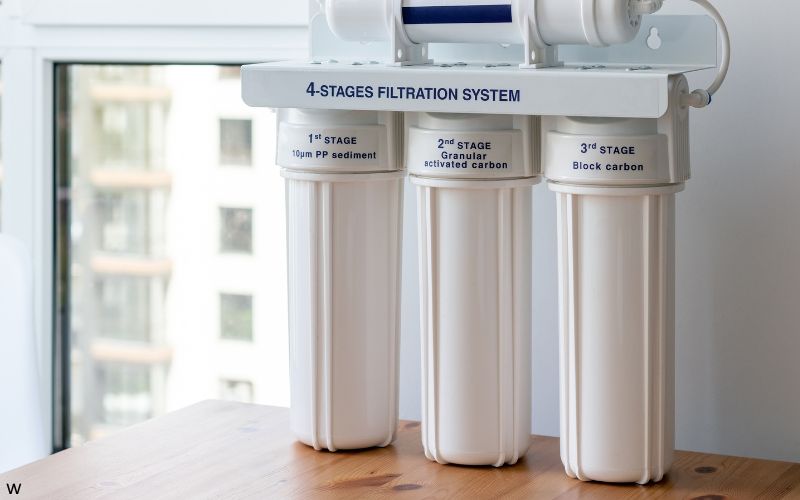
Use Certified Filtration
Given 88% lead positivity, PFAS in source water, and DBPs far above EWG guidelines, a reverse osmosis system is the most effective option for New Orleans homes — addressing lead, PFAS, and disinfection byproducts in one unit. At minimum use NSF Standard 53 (lead) and Standard 58 (PFAS) certified filters. Browse options at our water filter solutions page. SWBNO offers free filters for qualifying residents — call (504) 529-2837.
Get Independent Testing
SWBNO’s 90th percentile lead result of 7.9 ppb understates the problem at individual taps — independent testing found 88% of homes positive. If you live in a home built before 1987, commission independent lead testing through a state-certified lab. Check your address on SWBNO’s service line inventory at swbno.org. Store emergency water supply given the frequency of advisories in 2026.
Flush Pipes After Every Advisory
After a boil water advisory is lifted, run all cold water taps for at least 3 minutes to flush stagnant water from household pipes. Empty and clean ice makers and water dispensers per manufacturer instructions. This is particularly critical in New Orleans given both the lead contamination risk and the frequency of pressure drops that allow potential bacterial intrusion. SWBNO advises this after every advisory.

Report Issues Promptly
Report water main breaks, leaks, unusual pressure, or colour changes to (504) 529-2837 (52-WATER) or via the 311 service. In a system where 40% of treated water is lost to leakage, prompt reporting helps prevent the pressure drops that worsen lead leaching and allow bacterial intrusion. With the city in an active infrastructure crisis, quick reports help SWBNO prioritise the most dangerous hotspots.
Quality News About Your Water
Get the comprehensive water quality news coverage you need with our dedicated US Water News Service. From coast to coast, we deliver in-depth reporting and expert analysis on PFAS contamination, EPA regulatory changes, infrastructure developments, and emerging water safety issues affecting communities nationwide. While mainstream media only covers the biggest stories, we provide the detailed, ongoing coverage that helps you understand the full scope of America’s water challenges.
What’s actually in your tap water? Enter your ZIP code for a full breakdown of contaminants detected in your local supply
Drinking water from a well? Check our directory here for more information
Frequently Asked Questions
Why does New Orleans issue so many boil water advisories?
New Orleans’ unique circumstances create challenges that lead to frequent boil water advisories — and the situation has deteriorated sharply in 2026:
• Aging infrastructure in crisis: Six major water main breaks in early 2026, including a 48-inch main at Carrollton/Panola (March 9) and a 30-inch main at Willow/Audubon (March 12), flooding streets and triggering city-wide advisories
• Chronically underfunded system: More than 34% of transmission mains are over 100 years old; replacing them all would cost nearly $680 million that SWBNO does not have
• Below-sea-level geography: Water pressure fluctuations occur during heavy rainfall and power disruptions; SWBNO issues advisories whenever pressure drops below 20 psi
• 40% system leakage: The distribution system loses roughly 40% of treated water through leaks, placing enormous strain on pressure management
SWBNO released a formal action plan on March 16, 2026 but warned repairs will take several months and need funding the utility does not yet have. Monitor our live US boil water tracker for current New Orleans advisory status.
Is New Orleans’ water safe to drink?
New Orleans water meets federal standards but faces serious contamination concerns requiring immediate action:
• Lead Crisis: 88% of independently tested homes positive; 15,000+ lead service lines citywide; utility’s 90th percentile figure of 7.9 ppb does not reflect tap-level reality
• Multiple Contaminants: 32 different contaminants detected, 12 exceeding modern health guidelines including arsenic 52× and HAAs 348× above EWG recommendations (note: legal under EPA limits)
• PFAS Presence: Detected in Mississippi River source water; Carrollton plant has no specialist PFAS removal treatment
• Boil Water Risk: Ongoing infrastructure failures make boil water advisories a recurring reality in 2026
All households — especially those with children, pregnant women, or elderly residents — should use reverse osmosis or NSF-certified filters as standard practice. See our water filter guide for options suited to New Orleans’ specific contamination profile.
What is SWBNO’s 2026 action plan?
Facing pressure from Mayor Helena Moreno and the City Council after six major water main breaks in early 2026, SWBNO released a six-step action plan on March 16, 2026:
• Urgent repairs: Eight transmission mains identified as high risk; repairs expected to take several months at a cost of ~$27.5M (only $10M currently available)
• System audit: A full assessment of the 1,600-mile network to identify weak spots — timeline not yet confirmed
• Technology exploration: SWBNO is evaluating acoustic pipe analysis and pipe-lining techniques as potential lower-cost alternatives to full replacement
• Federal lobbying: Executive Director Randy Hayman lobbied Louisiana’s congressional delegation in Washington for federal infrastructure funding
• Long-term cost: Replacing all mains over 100 years old would cost ~$680M; replacing 60% of the system approaches $2 billion — figures SWBNO acknowledges it cannot fund without major state and federal support
Despite significant post-Katrina investment, the pace of deterioration has outrun funding. The City Council’s Public Works Committee is demanding a detailed timeline and is exploring state legislation to increase oversight of the quasi-state utility. See our water alert news section for ongoing coverage.
Why does New Orleans water sometimes taste different?
Taste variations in New Orleans water can reflect genuine quality changes and should be taken seriously given the city’s contamination profile. Key causes include:
• Seasonal River Changes: Mississippi River water quality varies significantly through the year — spring floods carry heavy sediment loads; summer low flows concentrate contaminants
• Disinfection Byproducts: Elevated chloramine levels create taste and odour issues, particularly when organic loads in the source water are high
• Lead Leaching: Metallic or unusual tastes may indicate lead from service lines or household plumbing, particularly after water has been sitting in pipes
• Saltwater Intrusion: During severe drought, saltwater from the Gulf can push upstream and affect taste, as nearly occurred in 2023
Do not dismiss unusual tastes as purely aesthetic in New Orleans. Use an NSF-certified carbon filter or reverse osmosis system for daily drinking water, and consider independent testing if taste changes persist. Browse filter options suited to New Orleans’ water or report issues to SWBNO at (504) 529-2837.
Contaminants of Concern
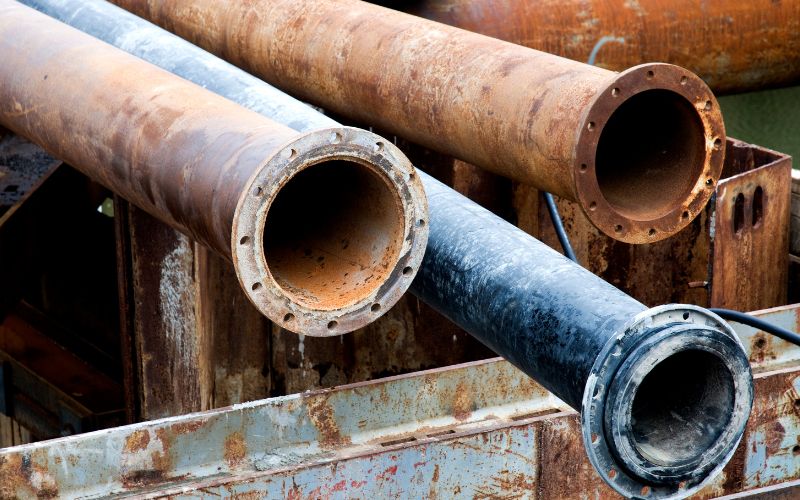
Lead
Source: Over 15,000 lead service lines and older plumbing fixtures in homes built before 1987. Pressure drops during the frequent water main breaks in 2026 increase lead leaching risk by allowing contaminated water to be drawn back into household pipes.
Health Effects: No safe level of lead exposure exists. Effects include developmental delays, reduced IQ, and learning difficulties in children, and kidney and cardiovascular effects in adults. The Flint, Michigan crisis demonstrated the catastrophic consequences of failing to address lead infrastructure.
Current Status (2026): SWBNO utility result: 90th percentile 7.9 ppb (below EPA action level). Independent testing: 88% of homes positive, with levels up to 70 ppb. SWBNO has secured $86M in State Revolving Funds and launched the city’s first service line inventory in partnership with BlueConduit. Replacements to begin 2027 under the LCRI’s 10-year deadline. EPA limit: 15 ppb action level, but no level is considered safe.
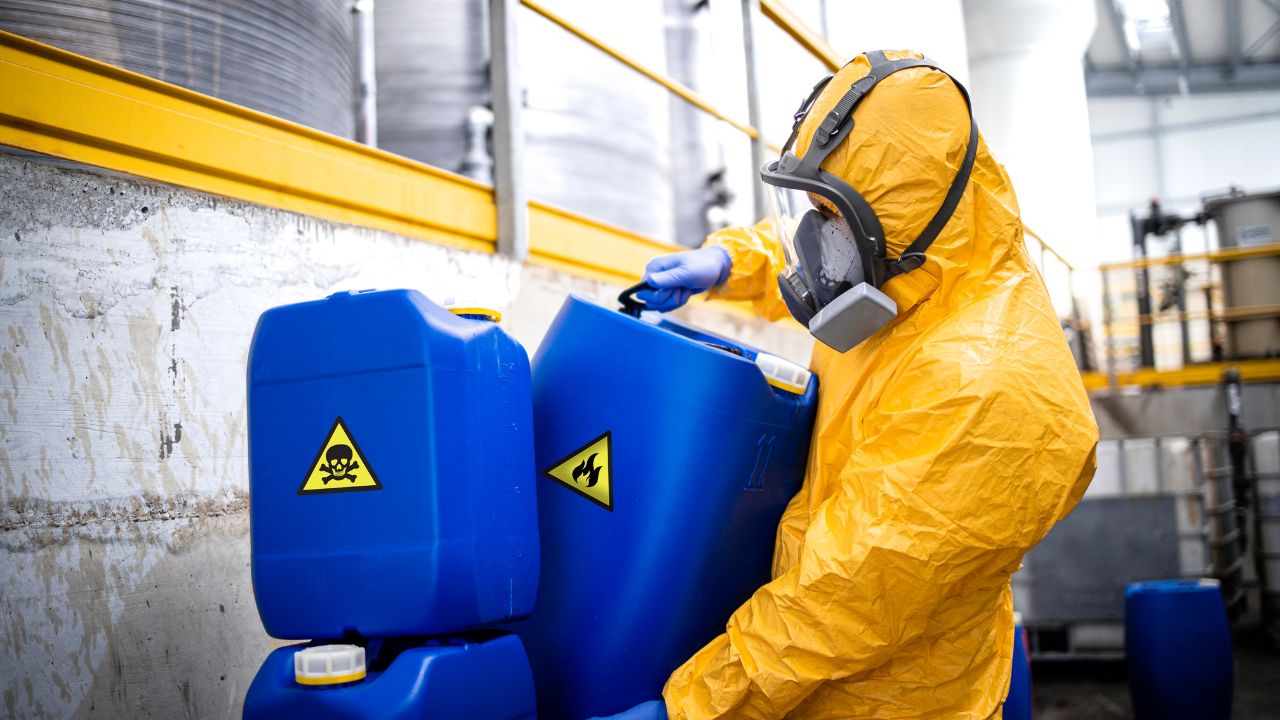
PFAS & Disinfection Byproducts
Source: PFAS “forever chemicals” from upstream Mississippi River contamination by industrial and agricultural sources; disinfection byproducts form when chloramine reacts with the high organic matter content in river source water. Neither is specifically treated at Carrollton.
Health Effects: PFAS linked to cancer, liver damage, thyroid disruption, and immune system effects; disinfection byproducts increase bladder cancer risk and may cause reproductive effects with long-term exposure. See our water quality guide for how EWG health guidelines differ from EPA legal limits.
Current Status: PFAS detected in Mississippi River system; no PFAS-specific treatment at Carrollton plant; EPA compliance deadline 2031. Haloacetic acids exceed EWG guidelines by 348 times (within EPA legal limits); arsenic at 52 times EWG recommendations. A reverse osmosis system addresses all three contaminant classes — browse options at our filter solutions page.
Please read – our information
The information presented on cleanairandwater.net is compiled from official water quality reports, trusted news sources, government websites, and public health resources. While we strive for accuracy and thoroughness in our presentations, we are not scientists, engineers, or qualified water quality professionals.
Our mission is to present water quality information in an accessible, real-world format that helps people understand what’s in their water and make informed decisions about their health and safety. We believe that complex environmental information should be available to everyone in a format that’s easy to understand.
We make every effort to ensure our content is current and accurate, but we cannot guarantee that all information is complete or error-free. This website should not replace official communications from your local water utility or health department. We always recommend consulting official sources for the most up-to-date information regarding your specific water system.
Clean Air and Water is not liable for any unintentional errors, omissions, or outdated information. The content on this site is provided for informational purposes only and should not be considered professional advice.