Oregon Water Quality at a Glance
Is Oregon Water Safe to Drink?
Varies Significantly by Region — Oregon’s water quality presents a tale of two states. Portland and many urban areas have excellent, PFAS-free water from protected watersheds, while Eastern Oregon faces a worsening crisis: a 2025 DEQ report confirmed nitrate contamination in the Lower Umatilla Basin has become notably worse over the past decade. Statewide, 35 public water systems have detectable PFAS, with 24 exceeding EPA’s enforceable 4 ppt limits. Oregon has until April 2026 to formally adopt the federal PFAS standards, and public water systems have until April 2029 to achieve full compliance. Check our live US boil water notices tracker for any active advisories.
⚠️ Key Concerns for Oregon Residents
- PFAS “Forever Chemicals”: 35 public water systems have detectable PFAS, with 24 exceeding EPA’s 4 ppt standards; 800,000 residents potentially at risk — especially in Eastern Oregon cities like Hermiston
- Eastern Oregon Nitrate Crisis — Worsening: A 2025 DEQ report confirmed the nitrate problem in Morrow and Umatilla counties has grown worse over the past decade; the state’s January 2026 first progress report acknowledged cleanup will take decades
- Regional Disparities: Urban areas like Portland have pristine water, while rural communities continue to struggle with agricultural and industrial contamination
- Heavy Metals & Pesticides: Mining operations in Crook County have contaminated wells with manganese, iron, and aluminium above health advisory limits
✅ Oregon Water Success Stories
- Portland’s Excellence: Bull Run Watershed provides PFAS-free water to nearly 1 million people — no PFAS detected in the Bull Run or Columbia South Shore Well Field as of 2025 annual testing
- Protected Watersheds: State designations for Outstanding National Resource Waters at Crater Lake, Klamath Basin, and Waldo Lake
- Backflow Compliance Drive: OWRD conducted 750+ inspections across 660 Lower Umatilla Basin sites in 2025; 99% compliance with backflow prevention rules achieved by September 2025
- Legislative Action: Governor Kotek’s Senate Bill 1154 proposes giving state agencies genuine enforcement authority over agricultural groundwater polluters — a major shift from voluntary-only measures
Read the full report below for detailed analysis, regional data, and actionable recommendations for Oregon residents.
advertisment – report continues below
Your water passed the test.
Legal isn’t the same as safe.
Regulated contaminants like PFAS, chromium-6, and disinfection byproducts can sit inside the legal limit and still carry long-term health risks. Passing isn’t the same as clean.
✅ Removes PFAS, lead & chromium-6 — the contaminants most flagged even in passing city reports
✅ NSF/ANSI 42, 58 & 372 certified — independently tested, not just manufacturer claims
✅ Installs in 30 minutes, no plumber — fills a glass in 8 seconds, smart LED filter monitor
Renting or can’t drill? The Waterdrop K19 Countertop RO — plug in, fill the tank, done. No installation, no drilling, no plumber.
Advertisement — this page contains affiliate links. If you buy through these links, we may earn a commission at no extra cost to you.

Oregon – The Pacific Northwest’s Water Guardian – Water Quality Report 2026: PFAS Testing, Infrastructure Concerns & Safety Across Your State
Oregon’s water infrastructure serves approximately 4.3 million residents across diverse geographical regions, from the Columbia River Gorge in the north to the Rogue Valley in the south. The state operates through a network of approximately 3,400 public water systems, ranging from large municipal utilities like Portland Water Bureau, which serves over 600,000 customers, to smaller rural systems providing essential services to remote communities. Oregon’s water sources include the Columbia, Willamette, and Snake river systems, along with numerous reservoirs and abundant groundwater aquifers that supply both urban centres and agricultural areas.
Despite Oregon’s reputation for abundant water resources, the state faces significant and in some cases worsening challenges. Oregon’s drinking water infrastructure continues to receive a C grade from infrastructure assessors, reflecting ongoing concerns about aging systems, emerging PFAS “forever chemicals,” and climate-related water scarcity. Oregon has until April 2026 to formally adopt the EPA’s new federal PFAS drinking water standards, with public water systems required to achieve full compliance by April 2029. In Eastern Oregon, a 2025 DEQ report confirmed that the nitrate contamination crisis in the Lower Umatilla Basin has become notably worse over the past decade — with state agencies acknowledging cleanup will take decades. Oregon’s commitment to improvement is demonstrated through the launch of the Nitrate Reduction Plan, Governor Kotek’s proposed Senate Bill 1154 to give regulators genuine enforcement powers, and expanded PFAS monitoring programmes targeting every water system in the state by 2027. For filter options suited to Oregon’s key contaminants, see our water filter solutions guide.
Oregon Water Quality: Current Status (2025–2026)
Statewide Compliance and Testing
- Overall Compliance: More than 99% of Oregon’s public water systems meet EPA standards for safe drinking water, though emerging PFAS contamination presents new challenges requiring ongoing monitoring and significant treatment investment ahead of the April 2029 compliance deadline.
- PFAS Monitoring: The Oregon Health Authority has identified PFAS in 35 public water systems statewide, with 24 of those exceeding EPA’s new 4 ppt drinking water standards. Approximately 800,000 Oregonians may rely on water potentially affected by PFAS. The state has until April 2026 to formally adopt the federal PFAS rule. Sampling of smaller community systems — those serving under 3,300 people — began in late summer 2025 and is continuing through spring 2026, with all systems required to complete initial monitoring by April 2027. You can track related alerts on our water alert news page.
- Infrastructure Investment: Over $100 million in federal funding through the Bipartisan Infrastructure Law has been allocated to Oregon for water infrastructure improvements, including drinking water safety upgrades and emerging contaminant treatment systems, though future federal funding commitments remain uncertain under the current administration.
Major Water Sources and Challenges
- Bull Run Watershed: Serves Portland and surrounding areas with high-quality unfiltered water. As of the 2024 annual water quality report, no PFAS have been detected in drinking water from the Bull Run Watershed or the Columbia South Shore Well Field. New filtration systems are scheduled for installation by September 2027 to address Cryptosporidium and other contaminants.
- Columbia River System: Primary source for multiple communities along the Columbia Gorge, with groundwater sources providing backup supply and serving communities throughout the state.
- Groundwater Depletion: Over 1,200 wells have gone dry since 2021, with aquifers being depleted faster than natural recharge, particularly affecting rural communities and agricultural areas. Governor Kotek and her natural resources adviser listed groundwater availability as a top 2025 legislative priority.
Emerging Contaminant Response
- PFAS Regulation Adoption: Oregon must adopt the EPA’s PFAS drinking water standards (PFOA/PFOS MCLs of 4 ppt) by April 2026, with public water systems required to comply by April 2029. Note that under the Trump administration, the EPA has signalled a pullback on enforcing some PFAS-related rules — Oregon is proceeding with its own state-level adoption regardless. For the latest on what PFAS limits mean for you, see our water quality checker.
- Treatment Technology Deployment: Water utilities are implementing advanced treatment technologies including granulated activated carbon filtration and reverse osmosis systems to remove PFAS and other emerging contaminants ahead of compliance deadlines.
- DEQ Rulemaking — PFAS as Hazardous Substances: In April 2025, Oregon DEQ announced it would add six PFAS compounds to the state’s list of regulated hazardous substances — the first update to that list since 2006. The Environmental Quality Commission voted on adopting the new regulations in May 2025, moving Oregon from a voluntary-only approach to enforceable cleanup obligations.
Eastern Oregon Nitrate Crisis — 2026 Update
- Crisis Confirmed Worsening: A 2025 DEQ report found that nitrate contamination in the Lower Umatilla Basin Groundwater Management Area (Morrow and Umatilla counties) has become notably worse over the past decade. In January 2026, state agencies released the first annual progress report for the Nitrate Reduction Plan, acknowledging that cleanup will take decades with no quick solutions.
- Enforcement Shift — Senate Bill 1154: Governor Kotek sponsored SB 1154 in 2025, proposing to rework Oregon’s 36-year-old Groundwater Quality Protection Act to give state agencies genuine enforcement authority against agricultural polluters — a major departure from the decades of failed voluntary-only measures. The bill establishes a traffic-light system: red designations for areas like the Lower Umatilla Basin would allow ODA to restrict contaminant applications and make pollution reduction a condition of permits.
- Backflow Compliance Progress: OWRD conducted over 750 inspections at 660 sites in 2025. At the start of the irrigation season, nearly no sites were fully compliant; by September 2025, more than 99% had achieved compliance with backflow prevention requirements — a significant operational achievement, though advocates note it addresses a symptom, not the underlying contamination.
- Private Well Challenges: Over 400,000 Oregonians rely on largely unregulated private water sources. Hundreds of wells in the Lower Umatilla Basin area remain unusable due to unsafe nitrate levels. The Oregon Health Authority hired bilingual local coordinators in 2025 to improve community outreach in Morrow County, where roughly 40% of residents are Latino or Hispanic. Free domestic well testing continues, with new grant cycles opened for community organisations.
Looking Forward: 2026–2031
Oregon’s water quality landscape in 2026 is defined by two parallel tracks. In urban areas, particularly Portland, water quality remains excellent and well-protected — the Bull Run Watershed continues to deliver PFAS-free water to nearly a million residents, and filtration upgrades are on schedule for 2027. However, in rural Eastern Oregon, the nitrate crisis has grown worse despite 30-plus years of awareness, and the PFAS compliance clock is ticking for 24 public systems that currently exceed federal limits. The state’s April 2029 PFAS compliance deadline and the multi-decade timeline for nitrate cleanup define Oregon’s water quality challenge for the decade ahead. Success will require the regulatory enforcement powers proposed under SB 1154, sustained state and federal investment, and continued collaboration with agricultural stakeholders and rural communities. Oregon residents on private wells — particularly in the Lower Umatilla Basin — should test annually and consider NSF-certified filtration. See our water filter recommendations for options matched to PFAS and nitrate removal.
Recommendations for Oregon Residents
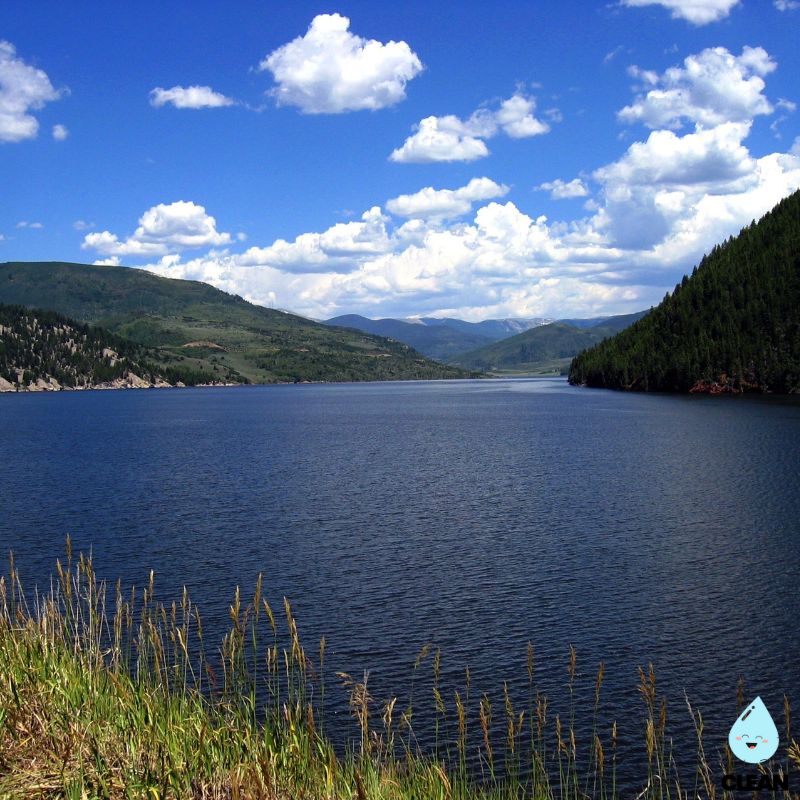
Know Your Water Source
Contact your water utility to request your annual Consumer Confidence Report and ask specifically about PFAS testing results. Visit the Oregon Health Authority’s drinking water programme website to access local system testing data. Check our water quality checker for a quick overview, and monitor our live boil water notices tracker for any active advisories in your area.
Support Sustainable Water Management
Stay informed about Oregon’s Nitrate Reduction Plan and Senate Bill 1154, which would give regulators enforceable authority over agricultural groundwater pollution for the first time. Support policies that balance water conservation with community needs, and participate in public meetings about groundwater management and infrastructure investments in your region.
Consider Private Well Testing
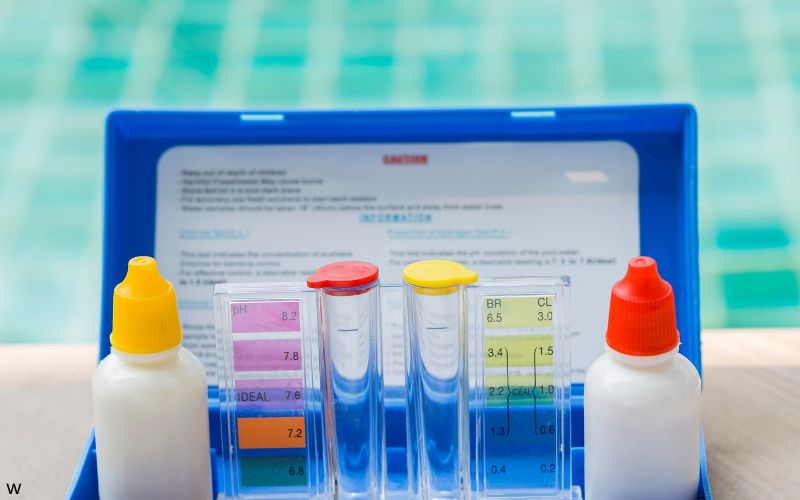
If you have a private well — especially in Morrow, Umatilla, or Crook counties — test annually for nitrates, PFAS, and heavy metals. The Oregon Health Authority offers free domestic well testing in the Lower Umatilla Basin. For areas with confirmed contamination, consider an NSF-certified reverse osmosis system, which is the most effective option for both PFAS and nitrate removal.

Report Water Quality Concerns
Contact your local water utility immediately for taste, odour, or colour concerns. Report suspected contamination to the Oregon Health Authority at (971) 673-0440 or Oregon DEQ at (503) 229-5696. Stay up to date with breaking water quality issues via our water alert news feed.
Practice Water Conservation
Support Oregon’s water sustainability by implementing conservation measures such as efficient irrigation, rainwater harvesting, and drought-resistant landscaping. With over 1,200 wells having gone dry since 2021 and Governor Kotek naming water availability a top legislative priority, reducing demand helps protect groundwater levels and system-wide reliability for all Oregon residents.
Oregon Cities We Cover
Portland Water Quality
Comprehensive analysis of Portland Water Bureau, serving over 600,000 customers with high-quality Bull Run Watershed water and Columbia South Shore Well Field groundwater. Includes information on filtration upgrades planned for 2027, PFAS monitoring results (no detections as of 2025), and ongoing infrastructure modernisation.
Frequently Asked Questions
Is Oregon’s tap water safe to drink?
More than 99% of Oregon’s public water systems meet federal drinking water standards and are safe for consumption. However, some areas face serious challenges with PFAS contamination and nitrate pollution.
Portland’s water from the Bull Run Watershed is particularly high-quality — no PFAS have been detected in Bull Run or the Columbia South Shore Well Field as of 2025, though filtration upgrades will be added by 2027. In Eastern Oregon, 24 public water systems currently exceed EPA’s new 4 ppt PFAS limits, and the nitrate crisis in Morrow and Umatilla counties has worsened over the past decade according to a 2025 DEQ report. Over 400,000 Oregonians on private wells face particular risk. Use our water quality checker or check our live boil water notices tracker for current advisories.
What are the main water quality concerns in Oregon in 2026?
Oregon’s two most pressing water quality issues in 2026 are PFAS contamination and the worsening Eastern Oregon nitrate crisis.
The Oregon Health Authority has confirmed PFAS in 35 public water systems, with 24 exceeding EPA’s enforceable 4 ppt limits. Oregon must adopt these standards by April 2026, with systems required to comply by April 2029. In Eastern Oregon, a 2025 DEQ report confirmed the Lower Umatilla Basin nitrate problem has grown worse over the past decade despite 30-plus years of awareness. In January 2026, Oregon released its first annual Nitrate Reduction Plan progress report — acknowledging that meaningful cleanup will take decades. Governor Kotek is pursuing Senate Bill 1154 to replace failed voluntary-only measures with real enforcement authority. You can follow ongoing water quality developments in our water alert news section.
How can I find out about my local water quality?
Oregon residents can access comprehensive water quality information through several resources:
• Annual Water Quality Reports: Contact your water utility directly for their Consumer Confidence Report, which details all testing results and any violations or concerns
• Oregon Health Authority: Visit OHA’s drinking water programme website to access testing results and compliance information for your local water system
• Private Well Testing: Private well owners should test annually for nitrates, bacteria, and other contaminants through ORELAP-accredited laboratories — free testing is available in the Lower Umatilla Basin through OHA
• PFAS Testing Data: Water systems are now required to test for PFAS; results are available through utility annual reports and OHA’s online database. All systems must complete initial monitoring and report to OHA by April 2027. See our water quality checker for a starting point.
Why is Eastern Oregon’s nitrate crisis getting worse?
Despite over 30 years of awareness, a 2025 DEQ report confirmed the Lower Umatilla Basin nitrate problem has become notably worse decade on decade. Several interconnected factors explain why:
Voluntary-Only Approach Has Failed: Oregon’s 1989 Groundwater Quality Protection Act relied almost entirely on voluntary measures from agricultural operators. Nitrate levels continued to rise regardless.
Scale of Agricultural Activity: Irrigated agriculture accounts for approximately 85% of Oregon’s water use. Large farms, livestock operations, and food processors in the basin have applied nitrate-rich fertilisers and wastewater at rates that exceed the aquifer’s natural dilution capacity.
Lack of Recordkeeping: Until recently, most farms in the region were not required to record or report fertiliser usage, making it impossible to quantify the contribution of recent practices versus historical contamination.
Long Cleanup Timeline: The state’s own Nitrate Reduction Plan acknowledges that the only feasible long-term solution is to reduce source pollution so clean water gradually dilutes the aquifer — a process that will take decades even with immediate intervention. The January 2026 first progress report confirms work is underway but meaningful results remain years away.
Quality News About Your Water
Get the comprehensive water quality news coverage you need with our dedicated US Water News Service. From coast to coast, we deliver in-depth reporting and expert analysis on PFAS contamination, EPA regulatory changes, infrastructure developments, and emerging water safety issues affecting communities nationwide. While mainstream media only covers the biggest stories, we provide the detailed, ongoing coverage that helps you understand the full scope of America’s water challenges.
What’s actually in your tap water? Enter your ZIP code for a full breakdown of contaminants detected in your local supply
Drinking water from a well? Check our directory here for more information
Contaminants of Concern
PFAS “Forever Chemicals”
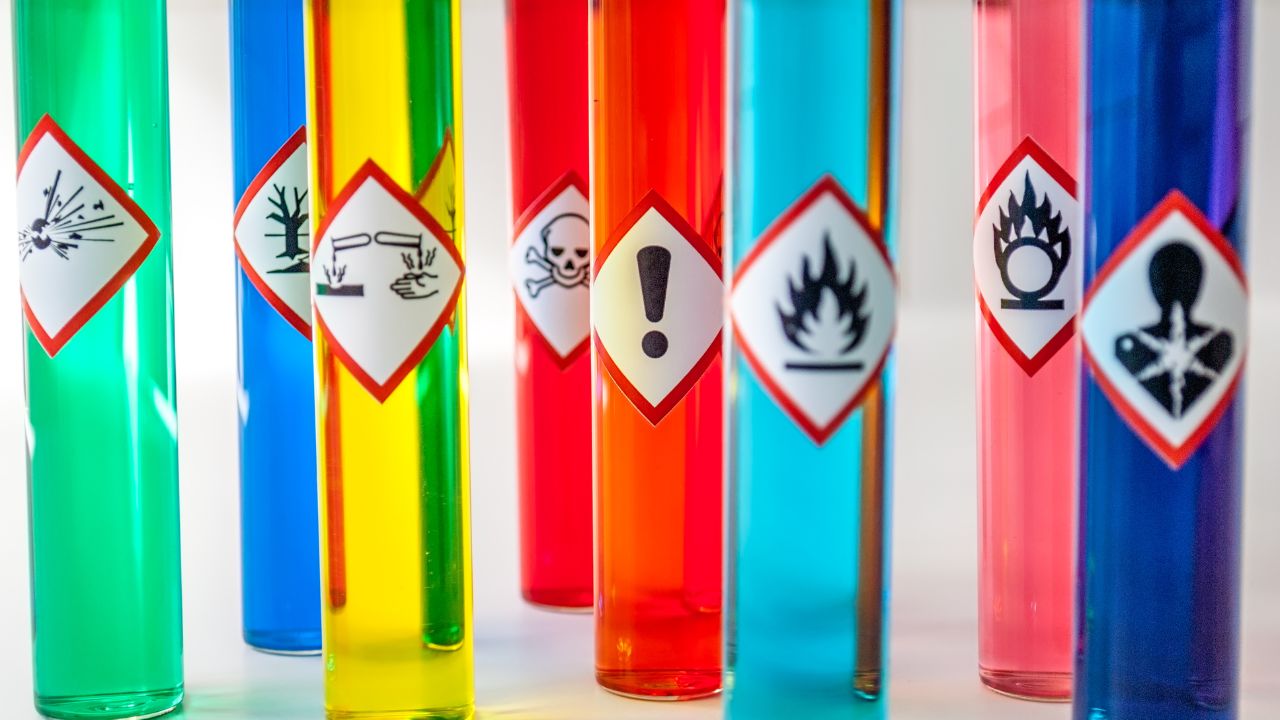
Source: Industrial manufacturing, firefighting foam use at airports and military installations, consumer products including non-stick cookware and waterproof textiles. Oregon has identified eight commercial airports and numerous bulk fuel and metal plating facilities as potential contamination sources.
Health Effects: Linked to kidney and testicular cancer, liver damage, immune system suppression, high cholesterol, thyroid disease, and developmental effects in children and infants.
Current Status (2026): 35 public water systems have detectable PFAS; 24 exceed EPA’s new 4 ppt limits. Oregon must adopt the federal rule by April 2026; public systems must comply by April 2029. PFAS sampling of smaller systems (serving under 3,300 people) is ongoing through spring 2026. Portland’s Bull Run and Columbia South Shore Well Field remain PFAS-free. See our filter guide — reverse osmosis systems are the most effective option for PFAS removal.
Nitrate Contamination
Source: Agricultural fertilisers, animal feed lots, food processing facilities, and wastewater biosolids applied to farmland. Studies estimate approximately 70% of the nitrate problem in the Lower Umatilla Basin stems from agricultural activity, though separating recent contributions from historic contamination is difficult.
Health Effects: High levels cause reproductive problems, respiratory issues, thyroid disease, and increased cancer risk. Particular concern for infants, who can develop methemoglobinemia (“blue baby syndrome”) at nitrate levels above federal limits.
Current Status (2026): A 2025 DEQ report confirmed the nitrate problem in the Lower Umatilla Basin has grown worse over the past decade. Oregon’s first annual Nitrate Reduction Plan progress report (January 2026) acknowledged cleanup will take decades. Over 750 backflow inspections were completed in 2025, with 99% compliance achieved by September. New farming rules are being developed for implementation in 2026. EPA Limit: 10 mg/L maximum contaminant level for nitrates in drinking water.
Please read – our information
The information presented on cleanairandwater.net is compiled from official water quality reports, trusted news sources, government websites, and public health resources. While we strive for accuracy and thoroughness in our presentations, we are not scientists, engineers, or qualified water quality professionals.
Our mission is to present water quality information in an accessible, real-world format that helps people understand what’s in their water and make informed decisions about their health and safety. We believe that complex environmental information should be available to everyone in a format that’s easy to understand.
We make every effort to ensure our content is current and accurate, but we cannot guarantee that all information is complete or error-free. This website should not replace official communications from your local water utility or health department. We always recommend consulting official sources for the most up-to-date information regarding your specific water system.
Clean Air and Water is not liable for any unintentional errors, omissions, or outdated information. The content on this site is provided for informational purposes only and should not be considered professional advice.