Orlando Water Quality at a Glance
Is Orlando Water Safe to Drink?
Generally Safe with Concerns — Orlando water meets federal standards and is sourced from the protected Lower Floridan Aquifer a quarter-mile underground. OUC’s 2024 Water Quality Report confirms compliance with all state and federal standards, with the lab monitoring more than 135 regulated and unregulated substances. However, disinfection byproducts (TTHMs up to 97 ppb in some distribution zones, above the EPA limit of 80 ppb), PFAS “forever chemicals” under active monitoring, and lead risks in older homes remain concerns. Fluoride is no longer added to Orlando’s water as of July 1, 2025. See our water filter guide and Florida state water quality overview for broader context.
⚠️ Key Concerns for Orlando Residents in 2026
- Disinfection Byproducts: TTHMs recorded as high as 97 ppb in some areas (EPA limit: 80 ppb); HAA5 levels up to 544x higher than EWG health guidelines in certain zones, though below EPA regulatory limits system-wide
- PFAS Monitoring: OUC complies with federal PFAS regulations and is testing under UCMR5; a new reverse osmosis plant in Lake Nona (approved April 2024) will help address emerging contaminants from deeper aquifer sources
- Lead in Older Buildings: OUC has no lead service lines and treats water to prevent pipe corrosion, but is now testing inside schools and childcare facilities; Florida has approximately 1.16 million lead pipes statewide — more than any other state
- No Added Fluoride Since July 2025: Per Florida Senate Bill 700, fluoride is no longer added; naturally occurring fluoride remains at approximately 0.14 mg/L — consult your dentist about topical fluoride alternatives
Read the full report below for detailed analysis, city-specific data, and actionable recommendations for Orlando residents.
advertisment – report continues below
Your water passed the test.
Legal isn’t the same as safe.
Regulated contaminants like PFAS, chromium-6, and disinfection byproducts can sit inside the legal limit and still carry long-term health risks. Passing isn’t the same as clean.
✅ Removes PFAS, lead & chromium-6 — the contaminants most flagged even in passing city reports
✅ NSF/ANSI 42, 58 & 372 certified — independently tested, not just manufacturer claims
✅ Installs in 30 minutes, no plumber — fills a glass in 8 seconds, smart LED filter monitor
Renting or can’t drill? The Waterdrop K19 Countertop RO — plug in, fill the tank, done. No installation, no drilling, no plumber.
Advertisement — this page contains affiliate links. If you buy through these links, we may earn a commission at no extra cost to you.

Orlando – Florida – Water Quality Report 2026: PFAS Testing, Infrastructure Concerns & Safety across your city
Orlando’s water system is managed by two primary utilities: the Orlando Utilities Commission (OUC) and Orange County Utilities, serving over 240,000 customers across a 200-square-mile service area. OUC pumps approximately 32.3 billion gallons of drinking water annually from its seven water treatment plants, all sourced exclusively from the Lower Floridan Aquifer. The 2024 OUC Water Quality Report — the most current published data — confirms the system met all state and federal standards, with OUC’s laboratory monitoring more than 135 regulated and unregulated substances throughout the year.
A significant development for 2025–2026 is the end of fluoride addition: as of July 1, 2025, OUC stopped adding fluoride to comply with Florida Senate Bill 700 (signed May 2025). Naturally occurring fluoride remains at approximately 0.14 mg/L. Meanwhile, OUC’s Board of Commissioners approved a new reverse osmosis treatment plant in Lake Nona in April 2024, which will draw water from deeper within the Lower-Lower Floridan Aquifer and improve long-term resilience. For statewide water quality context, see our Florida water quality overview, and check the live U.S. boil water notices tracker for any active local advisories.

Orlando Water Quality: Current Status (2025–2026)
Latest Testing Results
- Lead Levels: OUC has no lead service lines and treats water with pH adjustment (sodium hydroxide) specifically to prevent copper and lead from leaching from customer plumbing. The 90th percentile lead level for OUC was 3 ppb in the most recent testing cycle; Orange County Utilities recorded up to 7.89 ppb — both well below the EPA action level of 15 ppb. OUC is now testing drinking water inside schools and childcare facilities across its service territory (begun March 2024), with results published at OUC.com/lcp.
- Testing Scope: OUC’s Water Quality Lab conducts thousands of chemical and bacteriological tests annually, monitoring more than 135 regulated and unregulated substances. Water is tested at wells, treatment plants, and multiple points throughout the distribution system — including quarterly UCMR5 sampling for PFAS, with April 2025 results now available from OUC on request.
- Compliance Status: Orlando’s water meets all federal and state drinking water standards per the 2024 OUC Water Quality Report. However, disinfection byproduct levels in some distribution zones exceed EPA Maximum Contaminant Levels for TTHMs. Use our U.S. water quality checker to compare Orlando’s results nationally.
Lower Floridan Aquifer Source
- Primary Source: Orlando’s water comes exclusively from the Lower Floridan Aquifer, an underground reservoir in many places a quarter-mile below the surface. OUC has pumped from this source since 1957. The aquifer is fed by rainwater naturally filtered through hundreds of feet of sand and rock before reaching the reservoir.
- Water Hardness: Floridan Aquifer water is naturally hard due to dissolved calcium and magnesium from limestone formations. This can cause scale on fixtures and appliances but poses no health risk. Many Orlando residents use water softeners to manage these aesthetic effects.
- Aquifer Expansion: In April 2024, OUC’s Board approved a new reverse osmosis plant in Lake Nona drawing from the Lower-Lower Floridan Aquifer — a deeper, more protected source — as part of the Central Florida Water Initiatives to meet growing regional demand.
Advanced Treatment Technology
- Ozone Treatment: OUC uses ozone treatment at all seven water service plants. Ozone oxidises hydrogen sulfide, improving taste and eliminating odour, and reduces the volume of chlorine required for disinfection. The result is OUC’s branded H2OUC water product, designed to be among the best-tasting municipal water in Florida.
- Multi-Stage Process: Water treatment includes ozonation, pH adjustment (to prevent pipe corrosion), chlorination for residual disinfection, and — until July 1, 2025 — fluoridation. Fluoride addition is now prohibited under Florida law; naturally occurring fluoride remains at 0.14 mg/L.
- PFAS Compliance: OUC complies with the EPA’s 2024 PFAS National Primary Drinking Water Regulation and continues regular testing and reporting. The utility is also participating in UCMR5 monitoring — results from April 2025 sampling are available from OUC’s Water Quality Lab at (407) 434-2549.
Infrastructure Management
- Treatment Facilities: OUC operates seven water treatment plants across the service area, all equipped with state-of-the-art security including armed guards and law enforcement patrols, intrusion detection, cameras, alarms, and perimeter fencing.
- Leak Detection: OUC monitors the distribution system continuously for leak sounds using recording algorithms and mapping tools, with crews dispatched rapidly once potential leaks are pinpointed — protecting both supply reliability and water quality.
- System Monitoring: The Water Quality Lab complies with all state and federal regulations and prepares for evolving EPA requirements, including any new PFAS or emerging contaminant rules that may arise from federal regulatory changes in 2025–2026.
Customer Protection Initiatives
Orlando utilities offer comprehensive customer support including water quality assistance, conservation programmes, and emergency services through 311 and dedicated hotlines. OUC’s conservation team conducts free water audits and offers rebates for WaterSense-labelled irrigation controllers, high-efficiency toilets, and rainwater cisterns. Educational programmes — including the Water Color Project and Project AWESOME — have reached more than 162,000 local students since 2006. OUC maintains transparent communication about water quality through annual Consumer Confidence Reports, with UCMR5 PFAS results now published online. For filter recommendations suited to Orlando’s contaminant profile — particularly disinfection byproducts and PFAS — visit our water filter solutions guide. Track any local boil water advisories via our water alert news feed.
Recommendations for Orlando Residents
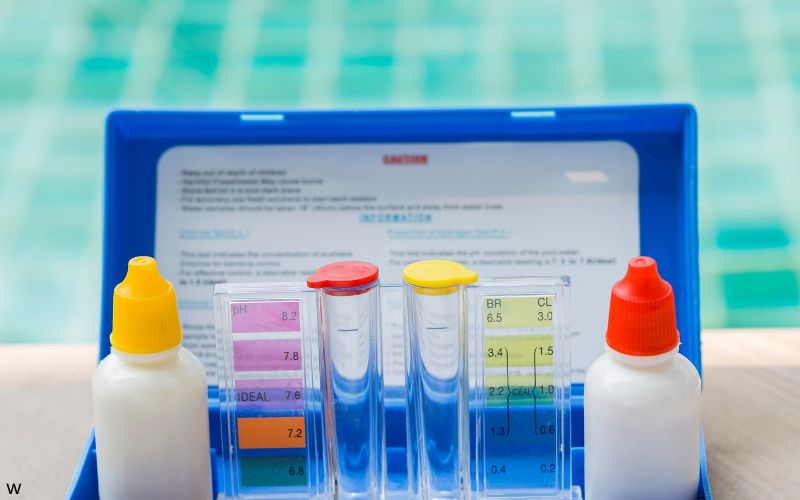
Request Water Testing
Contact OUC at (407) 423-9018 or Orange County Utilities at (407) 836-5515 to request water quality testing, especially if you live in a home built before 1987 that may have lead plumbing components. OUC is now also testing drinking water inside schools and childcare facilities across its service territory — if you manage such a facility, contact OUC’s Water Quality Lab at (407) 434-2549. Results are published at OUC.com/lcp.
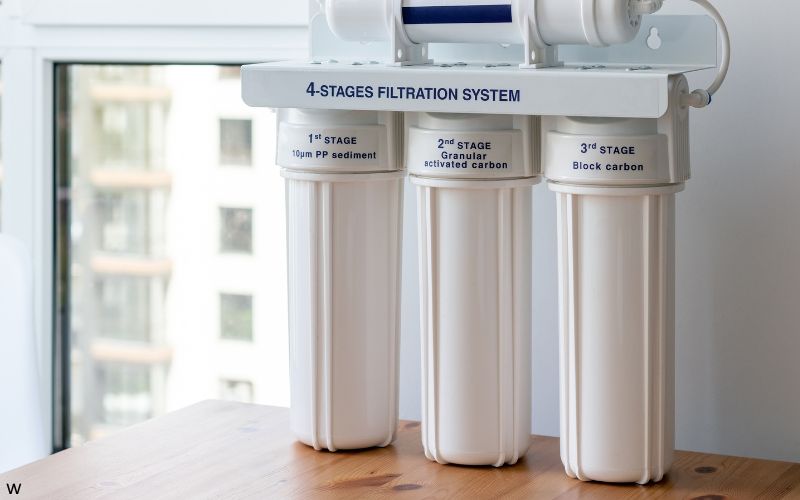
Consider Water Filters
For disinfection byproducts, PFAS, and lead concerns, NSF-certified reverse osmosis systems (Standard 58) offer the most comprehensive protection. For general taste and chlorine improvement, an NSF Standard 53-certified carbon filter is an affordable option. Hard water can be managed with a water softener. See our water filter solutions guide for recommendations matched to Orlando’s specific contaminant profile.
Practice Water Conservation
Follow OUC and St. Johns River Water Management District (SJRWMD) restrictions: water twice per week during Daylight Saving Time and once per week during Eastern Standard Time. Always water before 10 a.m. or after 4 p.m. to reduce evaporation. Install OUC-rebate-eligible WaterSense smart irrigation controllers to reduce usage automatically during rainfall.

Flush Your Pipes
If water has been sitting in pipes for 6 or more hours, run cold water for 30–60 seconds before using for drinking or cooking. This is especially important in older homes that may have lead solder in plumbing joints, even if no lead service line is present. Always use cold rather than hot water for drinking and cooking — hot water picks up more contaminants from pipes and fittings.

Report Water Issues
Contact your utility immediately for main breaks, pressure problems, or unusual water quality. OUC customers: (407) 423-9018. Orange County Utilities customers: (407) 836-5515, or (407) 836-2777 for emergencies. For general enquiries, dial 311. Track any active local boil water advisories in real time via our live U.S. boil water notices tracker.
Quality News About Your Water
Get the comprehensive water quality news coverage you need with our dedicated US Water News Service. From coast to coast, we deliver in-depth reporting and expert analysis on PFAS contamination, EPA regulatory changes, infrastructure developments, and emerging water safety issues affecting communities nationwide. While mainstream media only covers the biggest stories, we provide the detailed, ongoing coverage that helps you understand the full scope of America’s water challenges.
What’s actually in your tap water? Enter your ZIP code for a full breakdown of contaminants detected in your local supply
Drinking water from a well? Check our directory here for more information
Frequently Asked Questions
Is Orlando’s tap water safe to drink in 2026?
Yes, Orlando’s tap water meets all federal and state drinking water standards and is considered safe to drink. The water comes from the protected Lower Floridan Aquifer and undergoes comprehensive treatment including ozonation, pH adjustment, and chlorination. OUC’s 2024 Water Quality Report confirms the system met all regulatory requirements.
The most notable ongoing concerns are disinfection byproducts — TTHMs have been recorded as high as 97 ppb in some distribution zones, above the EPA MCL of 80 ppb — and PFAS “forever chemicals” that are currently being monitored under UCMR5 (April 2025 results now available from OUC). Residents in older homes should be aware that lead from internal plumbing remains a risk even though OUC has no lead service lines. Since July 1, 2025, fluoride is no longer added to Orlando water. For filter options addressing all these concerns, see our water filter guide.
How do I know if my home has lead pipes?
OUC has confirmed it has no lead service lines in its network, and its corrosion control treatment (sodium hydroxide pH adjustment) prevents lead and copper from leaching from customers’ internal plumbing. However, homes built before 1987 may still have lead solder in plumbing joints, lead-containing fixtures, or private-side lead pipes that are the homeowner’s responsibility.
To check: look at exposed pipes where water enters your home — lead pipes are dull grey and soft enough to scratch with a key. You can also contact OUC or Orange County Utilities for service line information. An EPA survey found Florida has approximately 1.16 million lead pipes statewide — more than any other U.S. state — making lead awareness particularly important for Florida residents. If you suspect lead plumbing, request testing from your utility and consider a certified NSF Standard 53 filter.
Why does Orlando use ozone treatment?
OUC uses ozone as a primary treatment step at all seven water service plants, followed by chlorination for residual disinfection in the distribution system. This combination provides several advantages:
• Better taste and odour: Ozone oxidises hydrogen sulfide, which naturally occurs in Floridan Aquifer water and can cause an unpleasant rotten egg smell
• Superior disinfection: Ozone is more effective against Cryptosporidium and other chlorine-resistant pathogens than chlorination alone
• Reduced chlorine demand: Pre-treating with ozone reduces the volume of chlorine needed, which in turn reduces the formation of disinfection byproducts — though TTHMs and HAA5s remain a concern in some distribution areas
• Enhanced water quality: Ozone oxidises minerals and organic compounds, improving overall clarity and quality before chlorination
OUC’s Water Project 2000 initiative originally implemented ozone technology system-wide. The upcoming Lake Nona reverse osmosis plant will add an additional treatment layer for deeper aquifer water. Nationwide PFAS and treatment technology context is available via our U.S. water quality checker.
Are there water restrictions in Orlando?
OUC and Orange County follow year-round St. Johns River Water Management District (SJRWMD) irrigation restrictions:
Watering Schedule:
• During Daylight Saving Time: water a maximum of twice per week
• During Eastern Standard Time: water a maximum of once per week
• No irrigation between 10 a.m. and 4 p.m. on any day
• Specific watering days are based on your property address — check with SJRWMD at sjrwmd.com/wateringrestrictions for your schedule
Conservation Tips:
• Install a WaterSense-labelled smart irrigation controller (OUC rebates available) to automatically skip watering after rain
• Water 35–45 minutes per zone per session to deliver no more than ½–¾ inch of water
During severe drought or water supply emergencies, additional restrictions may be imposed. Check utility websites or call 311 for current restrictions. OUC can also conduct a free water audit to identify savings at your property.
Contaminants of Concern
Lead and Heavy Metals
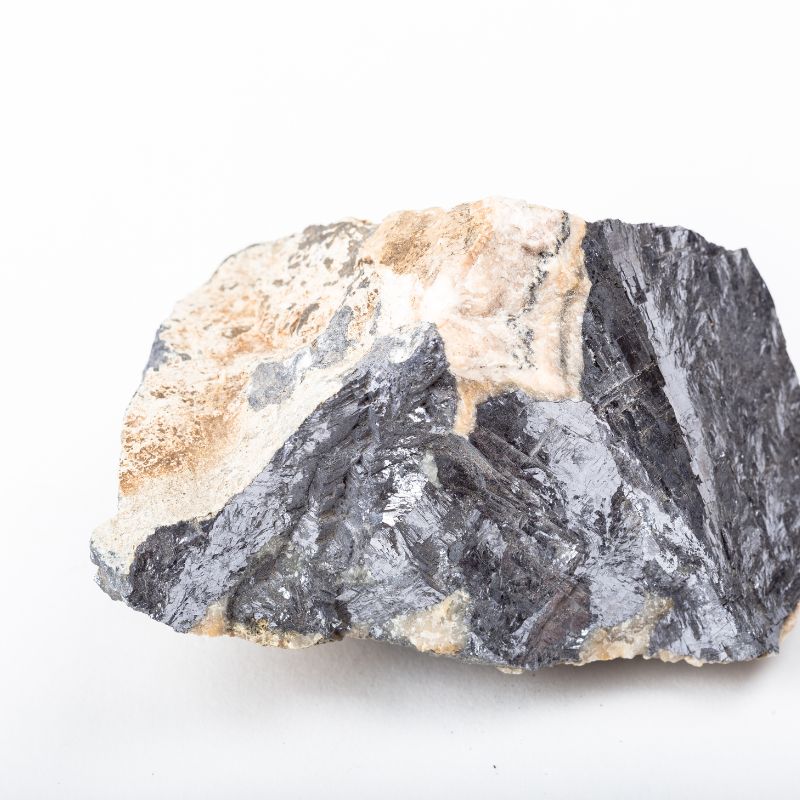
Source: Lead service lines and older plumbing fixtures in homes built before 1987; primarily a customer-side plumbing issue. OUC has no lead service lines in its network and uses pH adjustment to prevent corrosion. Arsenic occurs naturally in some areas of the Orange County Utilities system (0.41–4.55 ppb in different distribution zones).
Health Effects: Lead causes developmental delays, reduced IQ, learning difficulties, kidney problems, and cardiovascular effects — no level of lead is considered safe for children. Arsenic is linked to skin, bladder, and lung cancers with long-term exposure.
Current Levels: OUC 90th percentile lead: 3 ppb; Orange County Utilities: up to 7.89 ppb — both below the EPA action level of 15 ppb. OUC is testing schools and childcare facilities through 2029. Arsenic in Orange County Utilities system: 0.41–4.55 ppb (EPA limit: 10 ppb). Reverse osmosis systems certified to NSF Standard 58 are effective for both lead and arsenic — see our filter guide.
Disinfection Byproducts and PFAS
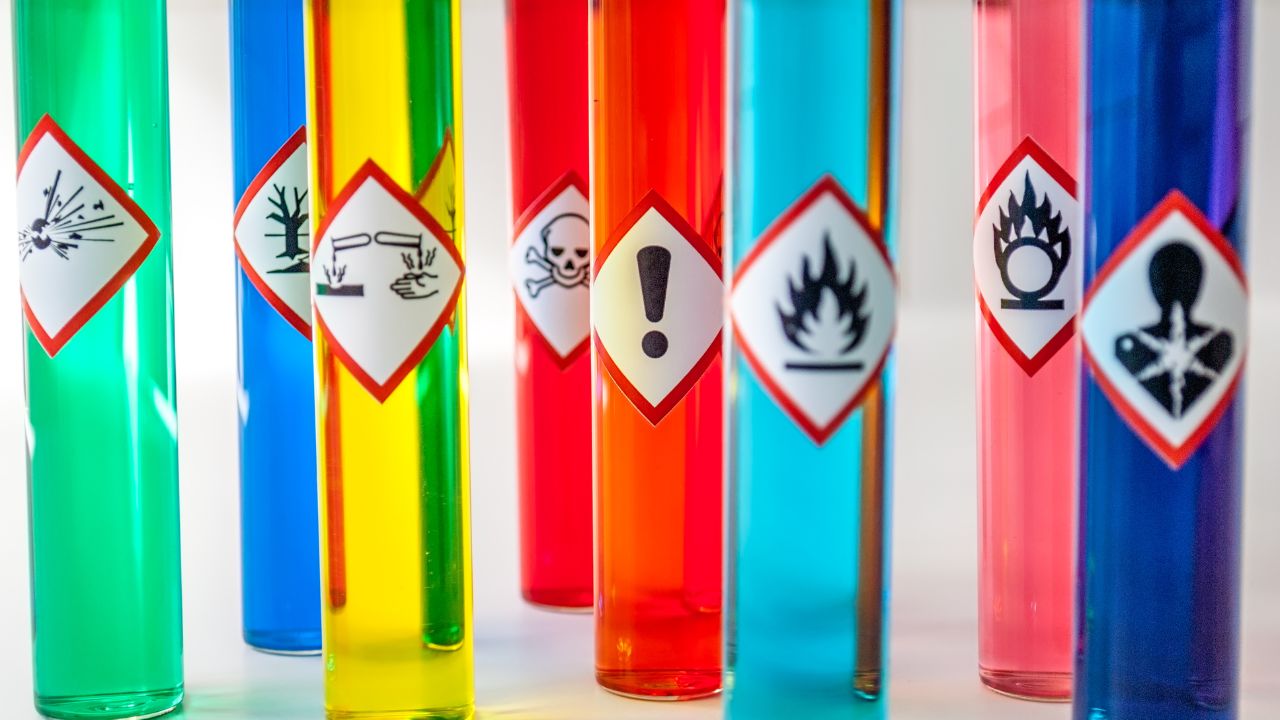
Source: Disinfection byproducts (DBPs) form when chlorine reacts with naturally occurring organic matter in the water after ozone treatment. PFAS enter groundwater from industrial and firefighting foam sources; the Floridan Aquifer is a shared regional resource vulnerable to upgradient contamination.
Health Effects: TTHMs and HAA5s are associated with increased bladder cancer risk and reproductive effects with long-term exposure. PFAS (particularly PFOA and PFOS) are linked to immune suppression, thyroid disruption, and certain cancers; EPA MCLs of 4 ppt are now enforceable with a compliance deadline of 2031.
Current Levels (2024–2026): TTHMs recorded as high as 97 ppb in some distribution areas — above the EPA MCL of 80 ppb; HAA5 levels up to 53.3 ppb (EPA limit: 60 ppb), though some measures have exceeded EWG guidelines by up to 544 times. PFAS: OUC complies with EPA PFAS regulations; UCMR5 April 2025 sampling results are available on request. A new Lake Nona RO plant will provide enhanced PFAS treatment capacity when complete. Reverse osmosis is the most effective filtration approach for both DBPs and PFAS — details at our water filter solutions page.
Please read – our information
The information presented on cleanairandwater.net is compiled from official water quality reports, trusted news sources, government websites, and public health resources. While we strive for accuracy and thoroughness in our presentations, we are not scientists, engineers, or qualified water quality professionals.
Our mission is to present water quality information in an accessible, real-world format that helps people understand what’s in their water and make informed decisions about their health and safety. We believe that complex environmental information should be available to everyone in a format that’s easy to understand.
We make every effort to ensure our content is current and accurate, but we cannot guarantee that all information is complete or error-free. This website should not replace official communications from your local water utility or health department. We always recommend consulting official sources for the most up-to-date information regarding your specific water system.
Clean Air and Water is not liable for any unintentional errors, omissions, or outdated information. The content on this site is provided for informational purposes only and should not be considered professional advice.