Overland Park Water Quality at a Glance
Is Overland Park Water Safe to Drink?
Legally Compliant, But Contains Concerning Contaminants — Overland Park water meets all federal standards but contains 21 detected contaminants, with 7 exceeding health guidelines. Key concerns include arsenic at 69x above health guidelines, cancer-causing chromium-6 at 92x health guidelines, and treatment byproducts including haloacetic acids at 99–221x health guidelines. Water is sourced from the Kansas and Missouri Rivers and treated by WaterOne, which now serves nearly 500,000 residents across Johnson County. See our water filter recommendations for protection options.
⚠️ Key Concerns for Overland Park Residents
- Cancer-Causing Chemicals: Arsenic at 69x health guidelines; hexavalent chromium at 92x — both linked to increased long-term cancer risk
- Treatment Byproducts: HAA5 at 99x and HAA9 at 221x health guidelines; total trihalomethanes at 111x guidelines — all cancer-linked disinfection byproducts
- Agricultural Contamination: Nitrates from fertilizer runoff at 6.9x health guidelines; atrazine herbicide detected above health benchmarks
- Industrial Pollutants: Bromate at 32x health guidelines from water treatment; multiple metals including barium and vanadium also detected
Read the full report below for detailed analysis, city-specific data, and actionable recommendations for Overland Park residents. You can also check live boil water notices for the Kansas City metro area.
Advertisement — Report continues below
Your tap water just failed.
Here’s the fix.
Contaminants like PFAS, lead, chromium-6, and arsenic can sit within the legal limit but still pose a real health risk. The legal limit and the safe limit are not the same thing.
✅ Removes PFAS, lead & chromium-6 — the contaminants most flagged in failing city reports
✅ NSF/ANSI 42, 58 & 372 certified — independently tested, not just manufacturer claims
✅ Installs in 30 minutes, no plumber — fills a glass in 8 seconds, smart LED filter monitor
Renting or can’t drill? The Waterdrop K19 Countertop RO — plug in, fill the tank, done. No installation, no drilling, no plumber.
Disclaimer: This advert contains affiliate links. If you buy through these links, we may earn a commission at no extra cost to you. Product claims are based on manufacturer certification data and independent SGS lab testing.
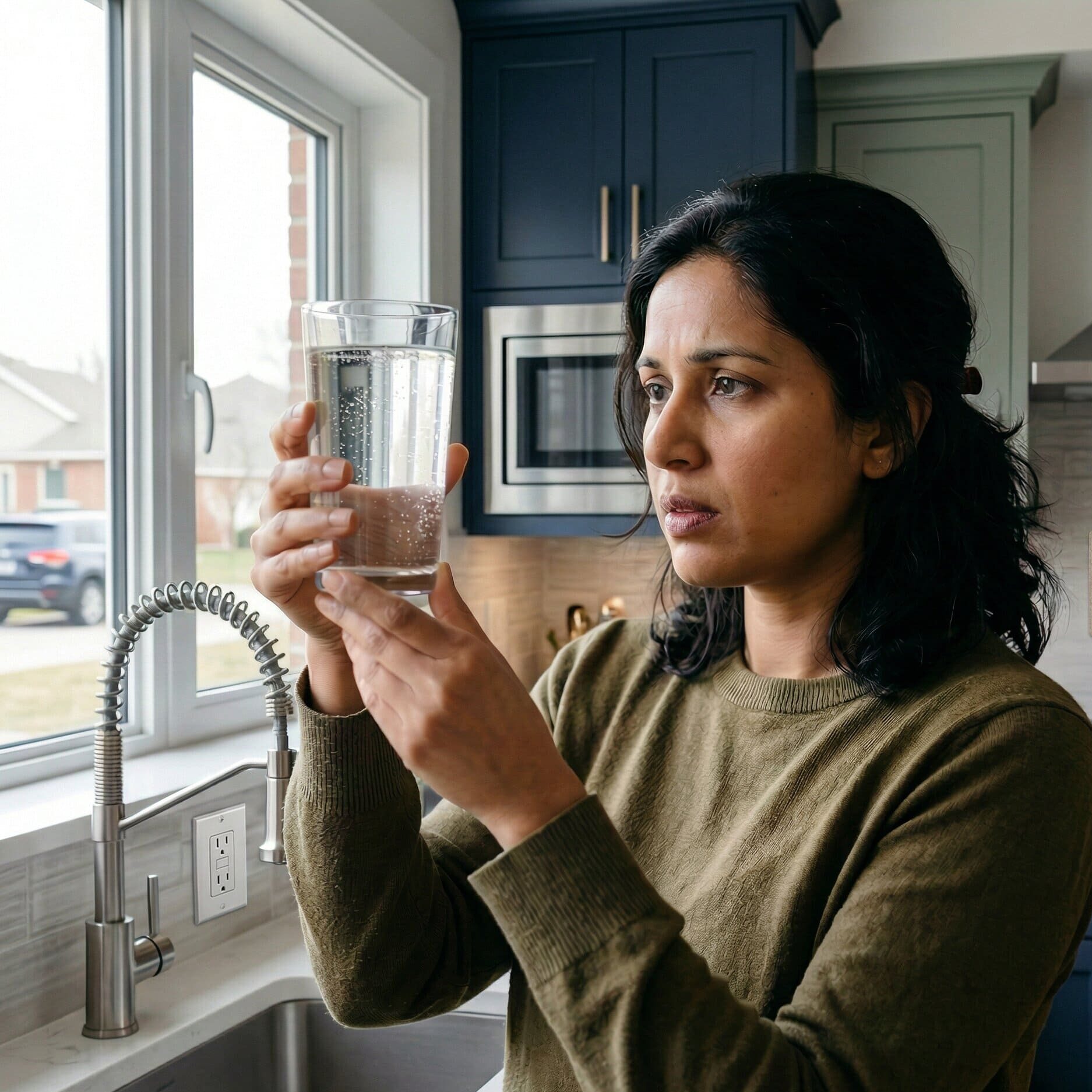
Overland Park – Kansas – Water Quality Report 2026: PFAS Testing, Infrastructure Concerns & Safety across your city
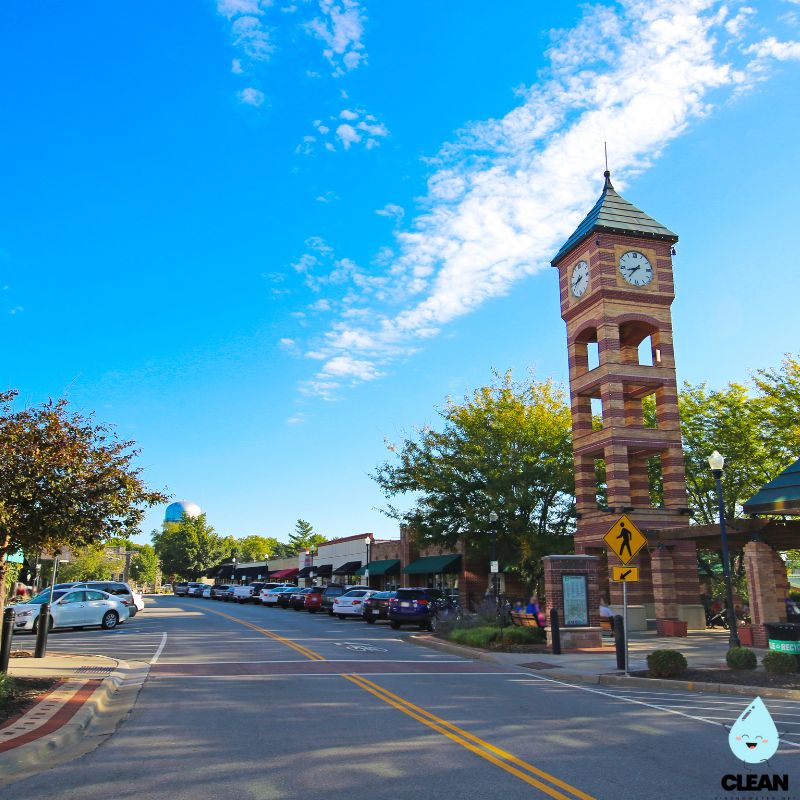
WaterOne provides comprehensive water services to nearly 500,000 residents across 17 Johnson County cities, including Overland Park — Kansas’ second-largest city. As an independent, non-profit public water utility serving the region since 1957, WaterOne manages approximately 2,800 miles of water distribution lines, multiple treatment facilities, and advanced pumping stations. In January 2026, WaterOne expanded its service area to include Spring Hill, KS. In 2024, WaterOne conducted over 13,000 tests on more than 14,000 water samples, monitoring for over 100 regulated and unregulated contaminants.
WaterOne sources its drinking water primarily from the Kansas and Missouri Rivers, utilising both surface water intakes and horizontal collector wells. The utility operates multiple treatment facilities including the Wolcott Treatment Plant and the Kansas River Water Treatment Plant. While WaterOne’s water meets all federal and state quality standards, independent analysis via the EWG Tap Water Database reveals 7 contaminants exceeding health guidelines, including cancer-causing chemicals. With Johnson County’s continued growth, WaterOne faces ongoing challenges around infrastructure modernisation, water conservation, fluoridation debate, and emerging contaminants. Residents concerned about water quality should review our water filter solutions guide and check Kansas statewide water quality data.
WaterOne Quality: Current Status (2025–2026)
Latest Testing Results
- Comprehensive Monitoring: WaterOne’s 2025 Water Quality Report (covering 2024 data) shows over 13,000 tests conducted on more than 14,000 water samples, monitoring for over 100 regulated and unregulated contaminants — a rigorous programme that is independent of federal EPA oversight.
- Regulatory Compliance: WaterOne met all federal and state drinking water standards for the April–June 2024 assessment period. However, EWG’s independent analysis of the same data identifies 7 contaminants exceeding health guidelines, including cancer-causing arsenic (69x above guidelines) and hexavalent chromium (92x above guidelines). Check our national water quality checker for comparison data.
- Cancer-Causing Chemicals: Multiple treatment byproducts detected including haloacetic acids (HAA5 at 99x, HAA9 at 221x health guidelines) and total trihalomethanes at 111x guidelines — all linked to increased cancer risk with long-term exposure.
Water Sources
- Kansas River: Primary surface water source providing approximately 60% of supply, with water drawn from the Kansas River and adjacent collector wells for natural pre-filtration benefits.
- Missouri River: Secondary surface water source contributing approximately 20% of supply through horizontal collector wells located 16 miles away, ensuring supply redundancy and security.
- Federal Reservoir Partnership: WaterOne participates in the Kansas River Water Assurance District, providing access to stored water from Milford, Tuttle Creek, and Perry Lake reservoirs during drought conditions.
Advanced Treatment Technology
- Wolcott Treatment Plant: State-of-the-art facility utilising advanced membrane technology; WaterOne received the Sustainable Water Utility Management Award from the Association of Metropolitan Water Agencies (AMWA) for the second time in 2025, recognising excellence in operations and sustainability.
- Kansas River Plant: Multi-barrier treatment incorporating coagulation, flocculation, sedimentation, filtration, and chlorine disinfection. However, chlorination processes generate concerning levels of cancer-causing disinfection byproducts including trihalomethanes and haloacetic acids.
- Corrosion Control: Advanced pH optimisation and corrosion inhibitor protocols to prevent leaching of lead and copper from ageing plumbing systems across the 2,800-mile distribution network.
Infrastructure & Expansion (2025–2026)
- Spring Hill Expansion: In January 2026, WaterOne became the official water provider for Spring Hill, KS, extending its service footprint and infrastructure responsibilities further south in Johnson County.
- Sustainability Goals: In October 2025, WaterOne’s Governing Board formally adopted sustainability goals targeting net-zero carbon emissions by 2050, reflecting a broader commitment to environmental stewardship alongside water quality.
- Emergency Preparedness: Comprehensive emergency response protocols and redundant systems ensure continued water service during infrastructure maintenance or weather events. Residents can sign up for NotifyJoCo at notifyjoco.org for real-time alerts. Track any active boil water notices in your area.
Fluoride & Community Debate (2025)
In 2025, WaterOne faced increasing public scrutiny over water fluoridation, with residents raising concerns at board meetings following a federal court ruling in California that prompted the EPA to review fluoride safety. WaterOne maintained its fluoridation programme at the recommended 0.7 ppm level, citing voter approval and health authority guidance. The utility continues to monitor evolving research and regulatory guidance on this issue. For broader context, see our water quality news section.
Recommendations for Overland Park Residents
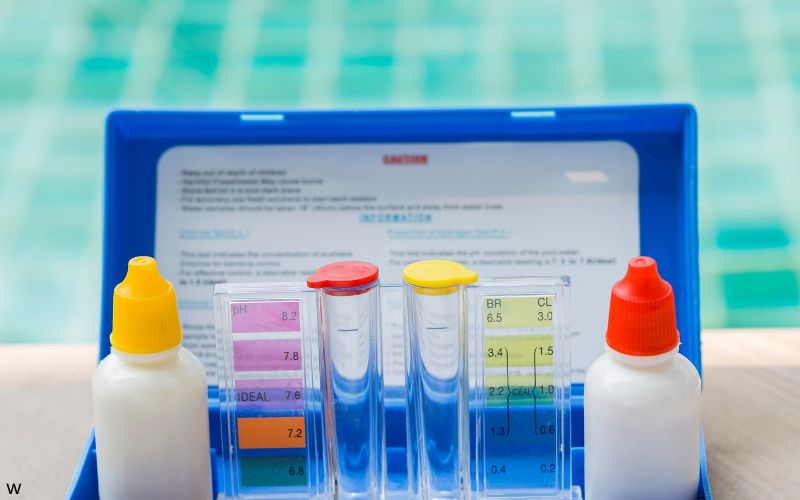
Test Your Water
Given the presence of contaminants exceeding health guidelines, consider independent water testing through a certified laboratory. Contact WaterOne Customer Service at 913-895-1800 for water quality assistance, but supplement with third-party testing for comprehensive analysis of arsenic, chromium-6, and disinfection byproducts. Use our water quality checker to compare local data.
Conserve Water
Sign up for WaterOne’s high usage alerts at waterone.org to monitor your consumption and avoid unexpected bills. With WaterOne adopting net-zero sustainability goals through 2050, household water conservation is increasingly important. Practice efficient irrigation, leak detection, and responsible water use during peak demand periods to support regional supply security.
Consider Home Filtration
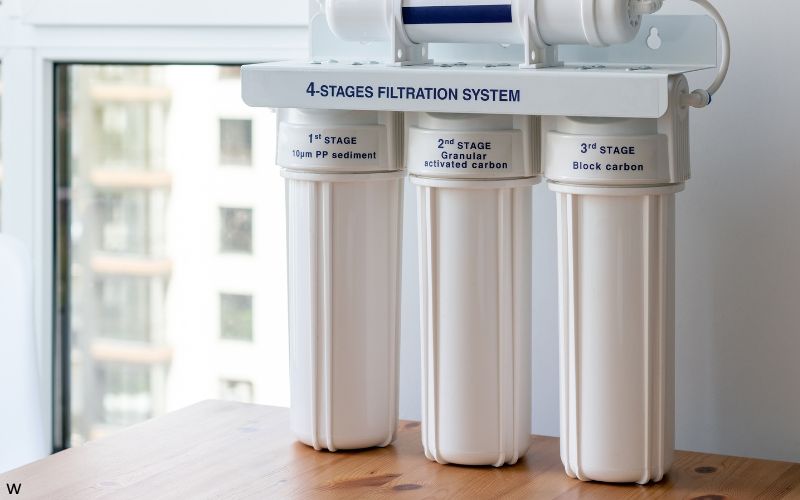
With 7 contaminants exceeding health guidelines — including arsenic, chromium-6, and cancer-linked disinfection byproducts — NSF-certified reverse osmosis filtration is strongly recommended. Look for systems certified to remove arsenic, chromium-6, haloacetic acids, and trihalomethanes. See our full water filter solutions guide for vetted recommendations.

Stay Informed with NotifyJoCo
Sign up for NotifyJoCo at notifyjoco.org to receive alerts about planned water outages, emergency repairs, and important updates affecting your neighbourhood. This free service helps you stay prepared for any water service interruptions. You can also follow WaterOne on social media @MyWaterOne for real-time updates, or track national boil water notices on our live tracker.
Report Issues
Contact WaterOne Customer Service at 913-895-1800 (available 24/7) for water main breaks, pressure problems, or quality concerns. Quick reporting helps maintain system integrity and ensures rapid response to issues. For broader water quality concerns across Kansas, see our Kansas water quality overview.
Frequently Asked Questions
Is WaterOne’s tap water safe to drink?
WaterOne’s tap water meets all federal and state drinking water standards and the utility consistently ranks among the best-performing utilities in the region for purity and taste. However, independent analysis via the EWG Tap Water Database identifies 21 total contaminants detected in 2013–2024 testing data, with 7 exceeding health guidelines. WaterOne sources water from the Kansas and Missouri Rivers and applies multi-barrier treatment including advanced membrane technology.
While WaterOne conducted over 13,000 tests on more than 14,000 samples in 2024, independent analysis shows arsenic at 69x above health guidelines and cancer-causing disinfection byproducts including haloacetic acids at up to 221x health guidelines. Residents may want to consider NSF-certified home filtration, particularly vulnerable populations including pregnant women, infants, and those with compromised immune systems.
Why does my water sometimes taste or smell different?
Seasonal taste and odour changes can occur due to natural factors:
1. Seasonal cycling: Warmer weather and rainfall can cause “turnover” in source waters, bringing up naturally occurring organic compounds from river sediments
2. Algae blooms: Natural seasonal algae growth in source waters can temporarily affect taste and odour, though water remains safe to drink
3. Temperature variations: Spring and autumn temperature changes can cause natural variations in source water quality
WaterOne monitors these seasonal variations and confirms water safety during any taste or odour events. If concerns persist, contact WaterOne Customer Service at 913-895-1800. For real-time alerts, check our water quality news feed.
Does WaterOne test for PFAS and emerging contaminants?
Yes, WaterOne actively monitors for PFAS and emerging contaminants:
• PFAS detection: WaterOne participates in EPA’s Unregulated Contaminant Monitoring Rule (UCMR 5). Testing has detected PFBA (perfluorobutanoic acid) at low levels; WaterOne’s source waters are not in areas heavily impacted by industrial PFAS contamination prevalent in other regions
• Independent stance: WaterOne’s board has reaffirmed its commitment in 2025 to maintaining rigorous monitoring standards independent of federal EPA regulatory changes under the current administration
• Proactive testing: The utility conducts testing beyond regulatory requirements and has adopted formal sustainability and water quality governance goals through to 2050
• Treatment capability: Advanced multi-barrier treatment processes provide protection against emerging contaminants including PFAS at the levels currently detected. For national PFAS context, see our water quality checker.
What should I do during a water outage or emergency?
WaterOne provides multiple ways to stay informed and get help during outages:
Stay Informed:
• Sign up for NotifyJoCo at notifyjoco.org for free emergency alerts and planned outage notifications
• Visit waterone.org/projects for updates on planned infrastructure work including the Spring Hill expansion
• Follow @MyWaterOne on social media for real-time updates
• Check our live boil water notice tracker for active advisories in the Kansas City metro area
Report Issues:
• Call 913-895-1800 (available 24/7) for emergency repairs or water main breaks
• WaterOne crews work around the clock to restore service as quickly and safely as possible
During freezing weather, take precautions to prevent frozen pipes by trickling faucets and protecting outdoor spigots.
Quality News About Your Water
Get the comprehensive water quality news coverage you need with our dedicated US Water News Service. From coast to coast, we deliver in-depth reporting and expert analysis on PFAS contamination, EPA regulatory changes, infrastructure developments, and emerging water safety issues affecting communities nationwide. While mainstream media only covers the biggest stories, we provide the detailed, ongoing coverage that helps you understand the full scope of America’s water challenges.
What’s actually in your tap water? Enter your ZIP code for a full breakdown of contaminants detected in your local supply
Drinking water from a well? Check our directory here for more information
Contaminants of Concern
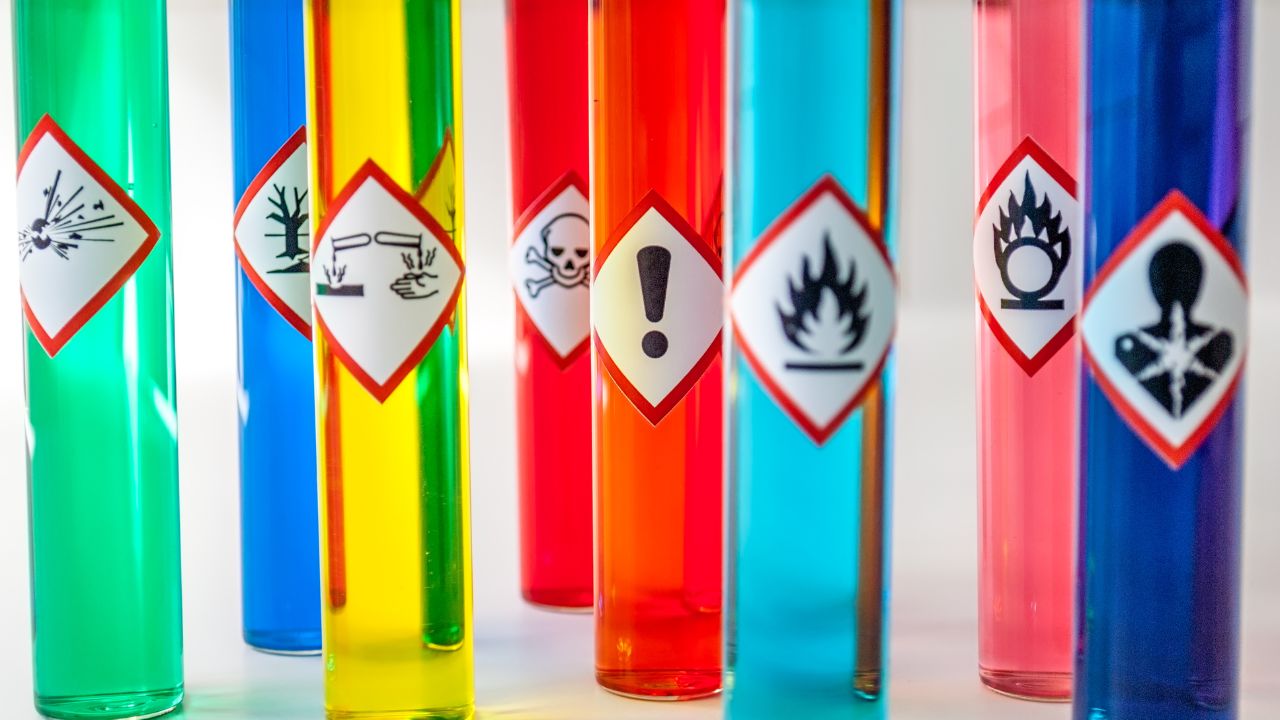
Cancer-Causing Chemicals
Source: Arsenic from natural geological deposits and industrial activities; hexavalent chromium from industrial pollution and natural mineral sources; treatment byproducts from chlorine disinfection of Kansas and Missouri River water
Health Effects: Arsenic is a recognised carcinogen linked to skin, bladder, and lung cancer; hexavalent chromium is associated with lung cancer and GI harm; haloacetic acids and trihalomethanes are linked to increased cancer risk and adverse reproductive outcomes with long-term exposure
Current Levels (EWG data, 2013–2024): Arsenic at 69x health guidelines (0.275 ppb detected vs 0.004 ppb guideline); chromium-6 at 92x (1.85 ppb vs 0.02 ppb); HAA5 at 99x (9.93 ppb vs 0.1 ppb); HAA9 at 221x (13.3 ppb vs 0.06 ppb) Filtration Needed: Reverse osmosis is the most effective option — see our filter guide for certified systems
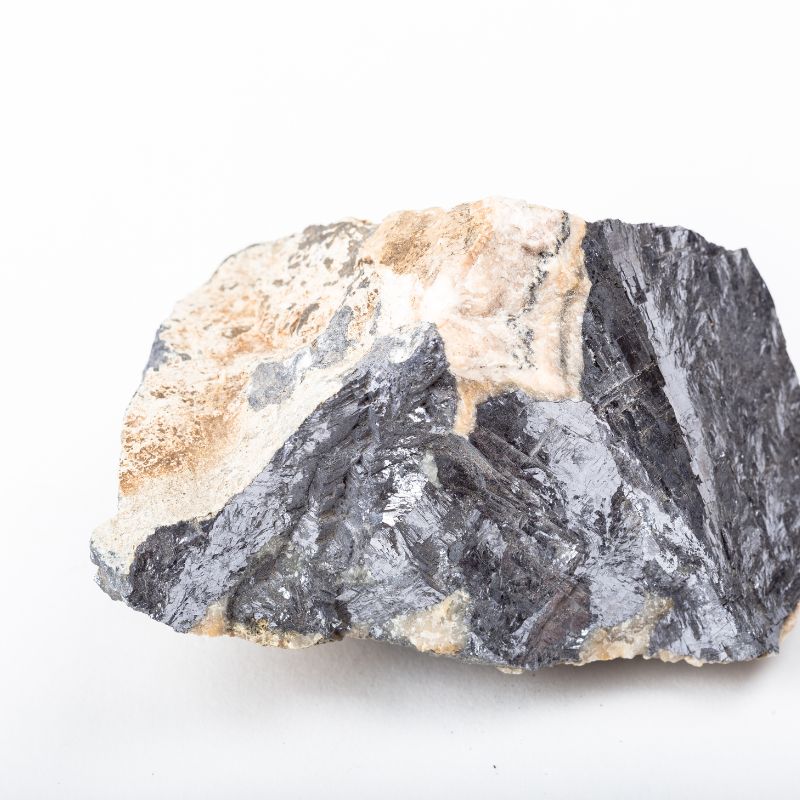
Agricultural & Industrial Contamination
Source: Nitrates from fertiliser runoff and agricultural activities; atrazine herbicide from cornfield applications across Kansas and Missouri watersheds; bromate from water treatment processes using sodium hypochlorite
Health Effects: Nitrates can cause oxygen deprivation in infants (blue baby syndrome) and are linked to increased colorectal cancer risk in adults; atrazine is an endocrine disruptor affecting reproductive systems; bromate is a recognised carcinogen that damages DNA
Current Levels (EWG data, 2013–2024): Nitrates at 6.9x health guidelines (0.960 ppm vs 0.14 ppm guideline); bromate at 32x guidelines (3.16 ppb vs 0.1 ppb); atrazine detected above health benchmarks Regional Challenge: Widespread agricultural activity across Kansas and Missouri river watersheds creates persistent contamination pressure. For statewide context see our Kansas water quality report.
Please read – our information
The information presented on cleanairandwater.net is compiled from official water quality reports, trusted news sources, government websites, and public health resources. While we strive for accuracy and thoroughness in our presentations, we are not scientists, engineers, or qualified water quality professionals.
Our mission is to present water quality information in an accessible, real-world format that helps people understand what’s in their water and make informed decisions about their health and safety. We believe that complex environmental information should be available to everyone in a format that’s easy to understand.
We make every effort to ensure our content is current and accurate, but we cannot guarantee that all information is complete or error-free. This website should not replace official communications from your local water utility or health department. We always recommend consulting official sources for the most up-to-date information regarding your specific water system.
Clean Air and Water is not liable for any unintentional errors, omissions, or outdated information. The content on this site is provided for informational purposes only and should not be considered professional advice.