Portland Water Quality at a Glance
Is Portland Water Safe to Drink?
Generally Safe with Important Caveats — Portland water meets all federal and state drinking water standards and benefits from the exceptionally clean Bull Run Watershed as its primary source. The Portland Water Bureau serves nearly one million residents, conducts over 11,000 tests annually, and did not detect PFAS in any of 29 types tested during 2024. However, lead contamination from household plumbing remains a significant concern — Portland has exceeded federal lead thresholds 11 times since the late 1990s, and construction of the long-awaited Bull Run filtration facility (targeting September 2027) has faced permitting delays. A December 2025 turbidity event required the city to run 100% on groundwater for seven days. See our water filter guide for NSF-certified options suited to Portland’s water profile, or check our live US boil water notice tracker for any current alerts.
⚠️ Key Concerns for Portland Residents in 2026
- Lead from Household Plumbing: No lead service lines in Portland’s distribution system (confirmed June 2024), but lead solder in pre-1985 copper pipes and pre-2014 brass fixtures can still leach into tap water. Portland has exceeded federal lead thresholds 11 times since the late 1990s. Free lead testing is available from the Water Bureau
- Cryptosporidium Risk: Portland does not currently filter Bull Run water for Cryptosporidium. A new filtration facility is under construction but faces permitting delays; Portland has formally requested to extend its September 2027 compliance deadline. Immunocompromised residents should consult their doctor
- Disinfection Byproducts (DBPs): TTHMs average 37.7 ppb (max 44.5 ppb) and HAA5 average 37.7 ppb (max 51.2 ppb) — within EPA limits but well above health-based guidelines. Linked to long-term bladder cancer risk
- Chloramine Taste & Odour: Portland uses chloramine as its secondary disinfectant, which unlike free chlorine does not dissipate overnight. Some residents notice a persistent “pool smell”; this is not a health risk but a quality concern
- Turbidity Events: In December 2025, heavy rainfall caused a turbidity event that shut down the Bull Run supply for seven days, requiring full switchover to groundwater. Without filtration, such events remain a recurring vulnerability
Read the full report below for detailed analysis, city-specific data, and actionable recommendations for Portland residents. You can also explore our Oregon state water quality overview for regional context.
Advertisement — Report continues below
Think Your Tap Water Is Safe? Think Again.
Even when it looks clear, tap water can carry hidden contaminants—like chlorine, heavy metals, and microplastics—that don’t always affect the taste but still reach your glass.
A professionally engineered water filtration system can help protect your household, providing cleaner, safer, and better-tasting water every day.
Smart Solutions for Safer Drinking Water:
✅ Reduces common contaminants like chlorine and microplastics
✅ NSF/ANSI certified for trusted performance
✅ Smart, space-saving tankless design
✅ Long-term investment in cleaner water
Looking for a simple, no-install option? (Check out the A2 Countertop System)
Note: This advert contains affiliate links. If you buy through these links, we may earn a commission at no extra cost to you.

Portland — Oregon — Water Quality Report 2026: Filtration Project, Lead Concerns & Safety Across Your City
Portland Water Bureau (PWB), serving nearly one million residents across Portland and surrounding communities, manages a water system drawing from two high-quality sources: the pristine Bull Run Watershed and the Columbia South Shore Well Field — the two largest drinking water sources in Oregon. The system includes over 2,200 miles of water mains, several treatment facilities, and numerous pumping stations, delivering approximately 100 million gallons of water daily. For a broader picture of water quality across the Pacific Northwest, see our Oregon water quality overview and our report for nearby Seattle.
Portland’s primary water source is the Bull Run Watershed — a protected 102-square-mile forest approximately 26 miles east of downtown on the western slopes of Mount Hood. The watershed receives around 135 inches of annual rainfall, which flows into the Bull Run River and its tributaries before being impounded in two reservoirs. Since 2024, PWB has been actively constructing a Bull Run filtration facility — the largest infrastructure investment in the bureau’s history — required by the Oregon Health Authority to address Cryptosporidium by September 2027. However, as of early 2026, the project faces permitting delays through the Oregon Land Use Board of Appeals process, and Portland has formally requested an extension to the compliance deadline.

Portland Water Quality: Current Status (2025–2026)
Latest Testing Results
- Lead Levels: Portland’s 2025 Drinking Water Quality Report (covering 2024 results) confirmed that 90th percentile lead levels from at least 50 high-risk homes were below the EPA action level of 15 ppb. However, Portland has exceeded federal lead thresholds 11 times since the late 1990s due to household plumbing — not the supply system itself. In June 2024, Portland completed its service line inventory and certified to the Oregon Health Authority that no lead service lines exist anywhere in the distribution system.
- Testing Scope: Portland Water Bureau conducts over 11,000 water tests per year, tracking more than 200 regulated and unregulated contaminants throughout the system from source to tap — far exceeding minimum regulatory requirements. Results are published annually and in three supplemental reports per year.
- PFAS Testing: In 2024 Portland tested for all 29 PFAS types required under EPA’s Unregulated Contaminant Monitoring Rule (UCMR 5) — including in both Bull Run water and Columbia South Shore groundwater. PFAS were not detected in any samples. Portland already meets the EPA’s new PFAS drinking water limits (4 ppt for PFOA and PFOS) without any treatment changes.
- Compliance Status: Portland’s water meets all federal and state drinking water standards with no MCL violations in 2024. Public health officials continue to state that the general public does not need to take any additional precautions regarding drinking Portland water. Track any emergency orders on our US boil water notice tracker.
Bull Run Watershed Excellence
- Protected Source Water: The Bull Run Watershed is a restricted area where public access, logging, and development are prohibited, creating a natural filtration effect through old-growth forest that produces exceptionally clean source water. Reservoirs can store up to 10 billion gallons of usable water.
- Watershed Monitoring: In 2025, Portland continued regular drone surveys and lidar monitoring of the area affected by the 2023 Camp Creek Fire, including monthly comprehensive watershed inspections. The most recent aerial inspection was completed July 2025; the next is scheduled for summer 2026.
- Turbidity Vulnerability: In December 2025, a significant rainstorm caused raw water turbidity levels to rise sharply, requiring the Bull Run supply to be shut down from 19–26 December. Portland ran on 100% Columbia South Shore groundwater for seven days — a situation that demonstrates the system’s resilience but also underscores why the filtration facility is so critical.
Current Treatment Approach
- Three-Step Treatment: Portland currently treats all water through (1) chlorine disinfection to inactivate bacteria, Giardia, and viruses; (2) ammonia addition to form chloramine for longer-lasting distribution protection; and (3) pH adjustment — sodium carbonate and carbon dioxide for Bull Run water, sodium hydroxide for groundwater — to reduce corrosion of metals including lead in household plumbing.
- Optimised Corrosion Control: In December 2023, the Oregon Health Authority certified Portland’s corrosion control treatment as optimised for lead reduction. This changed lead testing requirements from 100 homes twice yearly to at least 50 homes once yearly, which Portland has followed since summer 2024.
- Continuous Monitoring: Real-time water quality monitoring throughout the treatment process and distribution system, with automated alerts for any variation from established parameters and monthly on-site watershed inspections by Water Quality staff.
Filtration Project Progress — 2026 Update
- Construction Underway but Delayed: Construction of the Bull Run filtration facility began in summer 2024. By early winter 2025, excavation of critical filtration basins was completed. However, in February 2025 the Water Bureau temporarily halted construction while Multnomah County and the City addressed natural resources permitting questions through the Oregon Land Use Board of Appeals (LUBA). LUBA oral arguments were heard on 16 December 2025, with a decision expected no later than February 2026.
- Deadline Extension Requested: Due to the construction stoppage and resulting schedule impacts, Portland has formally requested to amend its Bilateral Compliance Agreement with the Oregon Health Authority to extend the September 30, 2027 deadline. The bureau states it remains committed to completing the project as quickly as possible.
- System Benefits When Complete: The filtration facility will treat up to 135 million gallons per day using gravity flow, removing Cryptosporidium and other microorganisms, addressing turbidity events, protecting against wildfire contamination events (as nearly occurred during the 2023 Camp Creek Fire), and improving overall system resilience to earthquakes, landslides, and extreme weather.
Secondary Water Source
Portland’s water security is enhanced by its secondary source, the Columbia South Shore Well Field, which draws from 25 active wells spanning three underground aquifers between Portland International Airport and Blue Lake Park. When fully activated, the system can produce 65–95 million gallons per day. During summer 2025, groundwater operations ran continuously from 22 July onward, producing approximately 1.9 billion gallons and supplying around 40% of Portland’s total daily water at peak. Both water sources meet all federal and state standards, and groundwater has consistently tested free of PFAS contamination. For more on Oregon’s wider water landscape, see our Oregon water quality report.
Quality News About Your Water
Get the comprehensive water quality news coverage you need with our dedicated US Water News Service. From coast to coast, we deliver in-depth reporting and expert analysis on PFAS contamination, EPA regulatory changes, infrastructure developments, and emerging water safety issues affecting communities nationwide. While mainstream media only covers the biggest stories, we provide the detailed, ongoing coverage that helps you understand the full scope of America’s water challenges. Whether you’re a concerned citizen, water professional, or community leader, our daily updates and analytical insights keep you informed about the issues that matter most to public health and environmental safety.
What’s actually in your tap water? Enter your ZIP code for a full breakdown of contaminants detected in your local supply
Recommendations for Portland Residents
Get Free Lead Testing
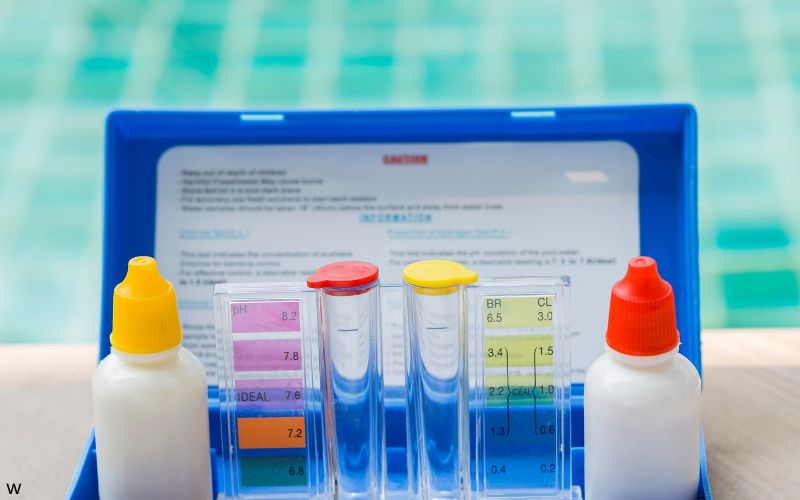
Portland Water Bureau offers free lead-in-water testing for all residents in the service area. Request a kit online at portland.gov/water/water-quality/test-your-water-lead or call the Water Quality Line at 503-823-7525. Priority testing is available for households with children under six and pregnant women. Use our water quality checker for a quick local overview.
Flush Your Pipes
If water hasn’t been used for six or more hours, run cold water for at least three minutes — or until it feels noticeably colder — before drinking or cooking. Always use cold water (not hot) for drinking, cooking, and preparing baby formula, as hot water is more likely to dissolve lead from plumbing components. Sign up for source water change notifications at portland.gov/water.
Clean Your Aerator
Clean faucet aerators (the small screens inside tap ends) every few months. Lead particles from solder or older plumbing can accumulate in aerators and re-enter drinking water when taps are first opened. Remove, rinse, and refit aerators regularly — a simple and effective step to reduce potential lead exposure.
Consider Home Filtration
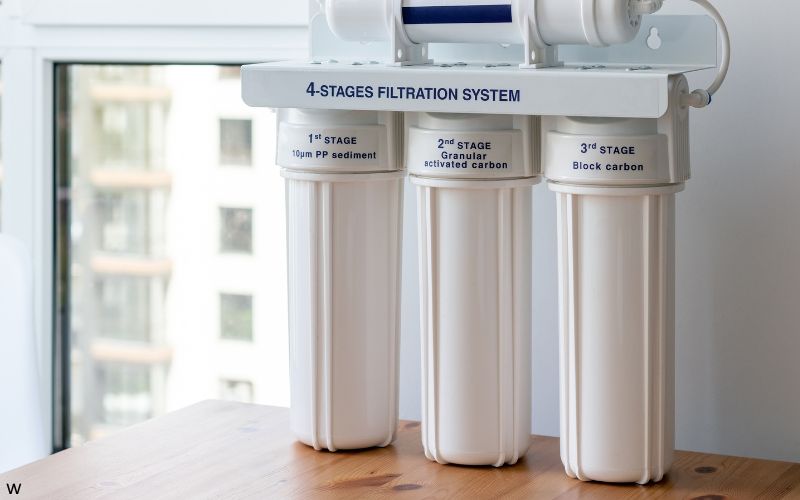
For lead reduction, use filters certified to NSF/ANSI Standard 53. For Cryptosporidium protection — especially if you are immunocompromised — choose filters with NSF “cyst removal” or “cyst reduction” certification (Standard 53 or 58). Reverse osmosis systems offer the broadest protection. See our water filter recommendations for options suited to Portland’s water profile, including DBP and chloramine reduction.
Stay Informed & Take a Watershed Tour
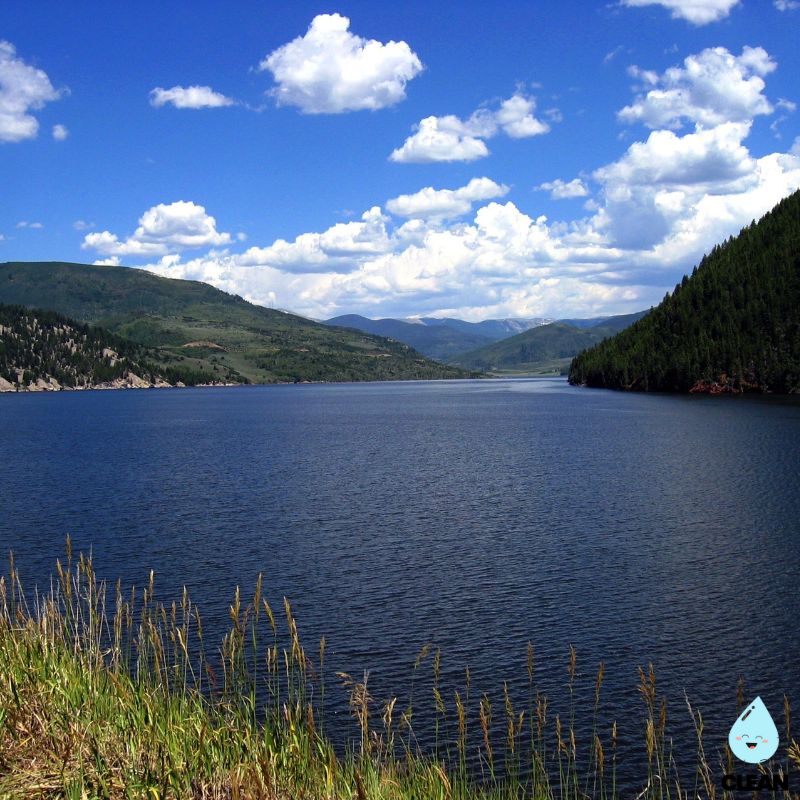
Portland Water Bureau offers guided tours of the Bull Run Watershed from June through October — a unique opportunity to see your drinking water source firsthand. Visit portland.gov/water/education/community-education/visit-bull-run-watershed to register. You can also stay up to date on filtration project progress, source water changes, and any water quality alerts via our water alert news feed and live boil water notice tracker.
Frequently Asked Questions
Should I be concerned about Cryptosporidium in Portland’s water in 2026?
Cryptosporidium remains a key concern for Portland in 2026. Here is the current situation:
• Portland does not currently filter Bull Run water for Cryptosporidium and is required to do so by the Oregon Health Authority. The filtration facility under construction is targeting completion by September 2027, but Portland has formally requested an extension to this deadline due to permitting delays that halted construction from February 2025 onward
• Interim measures including enhanced watershed monitoring, wildlife inspections, and additional source water testing are in place while construction continues
• The Oregon Health Authority and public health officials continue to advise that the general public does not need to take additional precautions regarding Portland’s drinking water
• People with severely weakened immune systems — such as those undergoing chemotherapy, organ transplant recipients, or people with HIV/AIDS — should consult their healthcare provider before drinking Bull Run water unfiltered
Those seeking additional protection can use filters certified for “cyst removal” (NSF/ANSI Standard 53 or 58). Portland publishes regular monitoring results at portland.gov/water. See our filter guide for recommended options, and follow our water alert news for filtration project updates.
Should I be concerned about lead in Portland’s water?
Portland’s source water from Bull Run and the Columbia South Shore Well Field contains no lead. In June 2024, Portland completed its service line inventory and certified to the Oregon Health Authority that no lead service lines exist anywhere in the distribution system. However, lead can still enter water through household plumbing:
• Lead solder used in copper pipes installed between 1970 and 1985, and brass plumbing components installed before 2014, can leach lead into drinking water — particularly when water has been sitting in pipes for several hours
• Portland has exceeded federal lead thresholds 11 times since the late 1990s, making lead testing especially important for residents in older homes
• Portland’s corrosion control treatment was certified as optimised by the Oregon Health Authority in December 2023, helping to reduce lead leaching from household plumbing. 2024 testing in high-risk homes showed results below the EPA action level of 15 ppb
The Water Bureau recommends: running water for 3 minutes after periods of non-use; always using cold water for drinking, cooking, and baby formula; cleaning faucet aerators regularly; and requesting a free lead test. Call 503-823-7525 or visit portland.gov/water/water-quality/test-your-water-lead. If results are elevated, see our filter guide for NSF 53-certified lead-reduction options.
Why is Portland building a filtration facility, and what is the current status?
Portland is building a filtration facility for several critical reasons:
• Regulatory Compliance: Following low-level Cryptosporidium detections in 2017, the Oregon Health Authority required Portland to filter Bull Run water by September 30, 2027 under a Bilateral Compliance Agreement
• Turbidity Protection: Without filtration, heavy rainfall events can raise turbidity so high that the Bull Run supply must be shut down — as happened in December 2025 when Portland ran on 100% groundwater for seven consecutive days
• Wildfire Resilience: The 2023 Camp Creek Fire nearly threatened the watershed. Filtration would remove ash and debris from any future wildfire-related contamination
• Earthquake and Climate Resilience: The facility is designed to provide additional system resilience against seismic events, landslides, and increasingly extreme weather patterns
2026 Status: Construction of critical basin excavation was completed by late 2025. However, construction was halted in February 2025 due to natural resources permitting issues through the Oregon Land Use Board of Appeals. LUBA heard oral arguments on 16 December 2025 and was expected to issue a decision no later than February 2026. Portland has formally requested an extension to the September 2027 deadline and continues working closely with the OHA. When complete, the facility will treat up to 135 million gallons per day using gravity flow.
What is the Columbia South Shore Well Field?
The Columbia South Shore Well Field is Portland’s critical backup water source and an essential part of the city’s supply resilience:
• 25 Active Wells: Located between Portland International Airport and Blue Lake Park, drawing from three underground aquifers that have natural geologic protection from surface-level pollutants
• Significant Capacity: When fully activated, the system can produce 65–95 million gallons per day. In summer 2025, groundwater supplied approximately 40% of Portland’s total daily water demand
• Multiple Uses: Groundwater supplements Bull Run during dry summers, replaces Bull Run entirely during turbidity events (as in December 2025), supports maintenance shutdowns, and provides emergency backup capacity
• PFAS-Free: PFAS were not detected in Columbia South Shore groundwater during 2024 UCMR 5 testing — a significant positive result given the area’s proximity to industrial and commercial land uses
• Water Quality: Groundwater meets all federal and state standards and is treated with chloramine before entering the distribution system. Most customers cannot taste the difference when Portland switches between sources, though some may notice a subtle change. Monitor source water status at portland.gov/water or follow our water alert news.
Contaminants of Concern
Lead
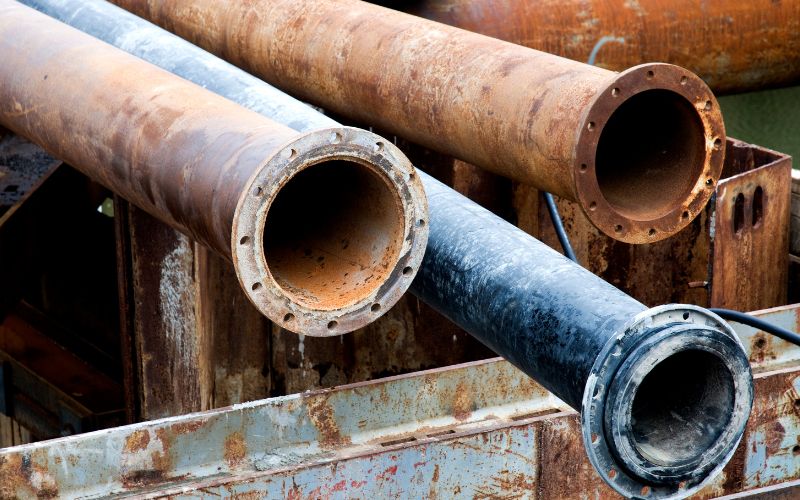
Source: Lead solder in copper pipes installed between 1970 and 1985; brass fixtures installed before 2014. Portland confirmed in June 2024 that no lead service lines exist in its distribution system — but household plumbing remains the risk point.
Health Effects: Developmental delays, reduced IQ, and learning difficulties in children; kidney problems and cardiovascular effects in adults. No level of lead exposure is considered safe, particularly for children and pregnant women.
Current Status: 2024 testing in high-risk homes returned results below the EPA action level of 15 ppb. Corrosion control treatment was certified as optimised in December 2023, reducing lead testing frequency. Portland has exceeded federal thresholds 11 times since the late 1990s — free lead testing is available from PWB. NSF Standard 53–certified filters can significantly reduce lead at the tap; see our filter guide.

Cryptosporidium
Source: Wildlife in the Bull Run Watershed. Cryptosporidium is a microscopic parasite found in surface water across the US — not unique to Portland, but a concern for any unfiltered surface water system.
Health Effects: Cryptosporidiosis causes diarrhoea, vomiting, fever, and stomach cramps. Most healthy people recover without medical treatment. Immunocompromised individuals face a risk of severe or life-threatening illness and should seek medical advice before drinking unfiltered Bull Run water.
Current Status: Portland does not currently treat for Cryptosporidium. The Bull Run filtration facility is under construction but faces delays, with Portland formally requesting an extension beyond the September 2027 compliance deadline. In the meantime, interim protective measures are in place, and public health officials continue to state that no additional precautions are needed for the general population. Follow our water alert news for updates as the LUBA permitting decision is released in early 2026.
Please read – our information
The information presented on cleanairandwater.net is compiled from official water quality reports, trusted news sources, government websites, and public health resources. While we strive for accuracy and thoroughness in our presentations, we are not scientists, engineers, or qualified water quality professionals.
Our mission is to present water quality information in an accessible, real-world format that helps people understand what’s in their water and make informed decisions about their health and safety. We believe that complex environmental information should be available to everyone in a format that’s easy to understand.
We make every effort to ensure our content is current and accurate, but we cannot guarantee that all information is complete or error-free. This website should not replace official communications from your local water utility or health department. We always recommend consulting official sources for the most up-to-date information regarding your specific water system.
Clean Air and Water is not liable for any unintentional errors, omissions, or outdated information. The content on this site is provided for informational purposes only and should not be considered professional advice.