San Bernardino Water Quality at a Glance
Is San Bernardino Water Safe to Drink?
Meets Federal Standards, Some Concerns Remain — San Bernardino water complies with federal standards but EWG data (2013–2024) identifies 10 contaminants exceeding health guidelines out of 36 detected, including arsenic, chromium-6, and trihalomethanes. The city draws primarily from the Bunker Hill Basin aquifer and supplements with imported State Water Project water. The Newmark Groundwater Contamination site also affects parts of the region with volatile organic compounds. A reverse osmosis filter is strongly recommended for drinking water.
⚠️ Key Concerns for San Bernardino Residents
- Disinfection Byproducts: Trihalomethanes (THMs) including chloroform, bromodichloromethane, and bromoform detected above EWG health guidelines; formed during chlorine treatment
- Heavy Metals: Arsenic and chromium-6 (hexavalent chromium) present at levels exceeding health guidelines set by California OEHHA; both are known carcinogens
- Groundwater Contamination: The Newmark Superfund site affects an 8-square-mile area with volatile organic compounds including PCE and TCE from historical industrial activity
- PFAS Status: EPA PFOA/PFOS MCLs of 4 ppt are now enforceable (finalised April 2024); utilities must comply by 2031 — check SBMWD’s latest CCR for current PFAS monitoring results
- Mixed Water Sources: Combination of local groundwater and imported State Water Project water; quality varies by source and season
Read the full report below for detailed analysis, 2026 data, and actionable recommendations for San Bernardino residents. You can also check our live boil water notices tracker for any active alerts in your area.
Advertisement — Report continues below
Your tap water just failed.
Here’s the fix.
Contaminants like PFAS, lead, chromium-6, and arsenic can sit within the legal limit but still pose a real health risk. The legal limit and the safe limit are not the same thing.
✅ Removes PFAS, lead & chromium-6 — the contaminants most flagged in failing city reports
✅ NSF/ANSI 42, 58 & 372 certified — independently tested, not just manufacturer claims
✅ Installs in 30 minutes, no plumber — fills a glass in 8 seconds, smart LED filter monitor
Renting or can’t drill? The Waterdrop K19 Countertop RO — plug in, fill the tank, done. No installation, no drilling, no plumber.
Disclaimer: This advert contains affiliate links. If you buy through these links, we may earn a commission at no extra cost to you. Product claims are based on manufacturer certification data and independent SGS lab testing.

San Bernardino – California – Water Quality Report 2026: PFAS Testing, Infrastructure Concerns & Safety Across Your City
San Bernardino Municipal Water Department (SBMWD) provides water services to approximately 205,000 residents across the City of San Bernardino and surrounding areas. Established as a municipal utility in 1905, the system is one of the oldest in California. San Bernardino sources its drinking water primarily from the Bunker Hill Groundwater Basin, located in the northwestern portion of the city, naturally replenished by rain and snowmelt from the San Bernardino Mountains. This groundwater source is shared with more than 20 other local public and private water suppliers. The utility also imports water from California’s State Water Project to supplement local supplies and recharge groundwater basins. EWG’s latest analysis (2013–2024) identified 36 total contaminants in San Bernardino’s water supply, with 10 exceeding health guidelines — though the system remained in compliance with all federal legal standards as of the most recent EPA assessment (April–June 2024). Residents concerned about water quality can explore filter options here or check our latest water quality news.
San Bernardino Water Quality: Current Status (2025–2026)
Latest Testing Results
- EPA Compliance: For the latest quarter assessed by the U.S. EPA (April 2024 – June 2024), San Bernardino’s tap water was in compliance with federal health-based drinking water standards. However, meeting federal standards does not guarantee the water meets the latest health guidelines, and legal limits have not been updated in nearly 20 years.
- EWG Analysis (2026 Update): EWG’s Tap Water Database, drawing on data from 2013–2024, identifies 36 total contaminants detected in San Bernardino’s supply, with 10 exceeding EWG health guidelines — including arsenic, total trihalomethanes, bromodichloromethane, chloroform, uranium, and manganese. For more context, visit our California water quality overview.
- PFAS Regulatory Update: The EPA finalised PFOA/PFOS MCLs of 4 parts per trillion in April 2024. Utilities now have until 2031 to achieve compliance. Residents should consult SBMWD’s 2024 Consumer Confidence Report (available at sbmwd.org) for the most current PFAS monitoring results specific to the San Bernardino system.
Water Sources
- Bunker Hill Groundwater Basin: The primary source, shared with more than 20 other local public and private water suppliers in the greater Inland Empire region. Naturally recharged by mountain snowmelt and rainfall.
- State Water Project: Imported water from Northern California supplements local groundwater, providing system reliability during drought conditions and assisting with basin recharge.
- Recycled Water: SBMWD operates a Tertiary Treatment System capable of treating and reusing up to 2.5 million gallons of recycled water per day, reducing reliance on imported sources.
Treatment Technology
- Treatment Systems: SBMWD employs filtration and disinfection processes designed to meet all regulatory standards. The Water Quality Control section conducts thousands of samples annually under monitoring schedules set by the California State Water Resources Control Board and the EPA.
- Newmark Groundwater Contamination: The Newmark Superfund site in San Bernardino covers an 8-square-mile area contaminated with volatile organic compounds (PCE and TCE) from historical industrial activities. Three groundwater treatment plants have been constructed to manage this contamination, with ongoing operation and monitoring. Check our live tracker for any active advisories in the region.
- Disinfection Byproducts: Chlorine disinfection is used throughout the distribution system. This process creates disinfection byproducts — including trihalomethanes — that have been detected above EWG health guidelines in the water supply.
Infrastructure
- Distribution System: Water is distributed through multiple pressure zones with reservoirs providing storage throughout the SBMWD service area.
- Cross-Connection Control: SBMWD enforces a Cross-Connection Control Program under California Title 17, requiring backflow prevention devices at industrial, commercial, and some residential properties to protect the public water supply.
- Ongoing Investment: The utility continues to invest in infrastructure modernisation and treatment upgrades to address emerging contaminants including PFAS, and to meet evolving state and federal regulations.
Customer Protection
SBMWD provides 24/7 emergency service at 909-384-5141, with customer service available Monday–Thursday 8am–5pm and Friday 8am–4pm at 909-384-5095. Annual Consumer Confidence Reports are published at sbmwd.org and provide full transparency on testing results. Given the detection of multiple contaminants above health guidelines, residents may wish to consider independent testing — see our water quality checker — or invest in a certified home filter. Our water filter recommendations page covers the best options for San Bernardino’s specific contaminant profile.
Recommendations for San Bernardino Residents
Test Your Water
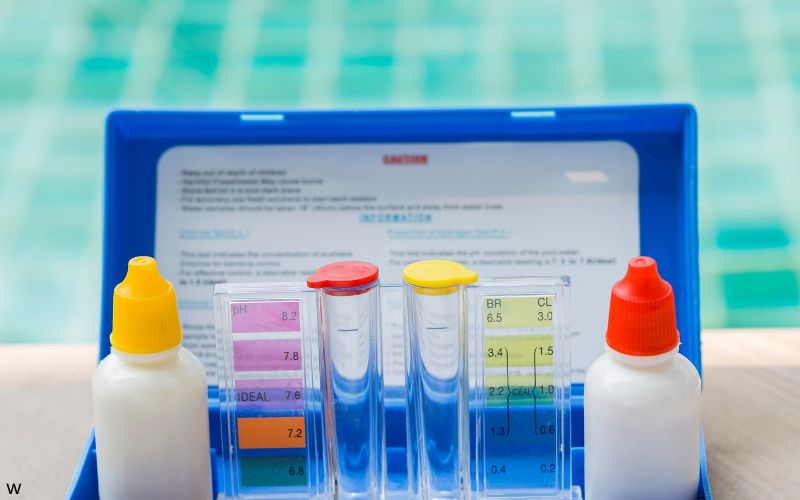
Request water quality information from SBMWD by calling 909-384-5095 or reviewing their annual Consumer Confidence Reports at sbmwd.org. Given that 10 contaminants exceed EWG health guidelines — including arsenic, chromium-6, and disinfection byproducts — independent testing is a worthwhile step for households with young children or immunocompromised individuals. Use our water quality checker for more local data.

Maximize Conservation Rebates
Take advantage of SBMWD’s water conservation rebate programmes for water efficiency upgrades. Contact the utility for current rebate offerings on high-efficiency appliances, fixtures, and landscaping improvements that qualify under the state’s water budget requirements.
Consider Home Filtration
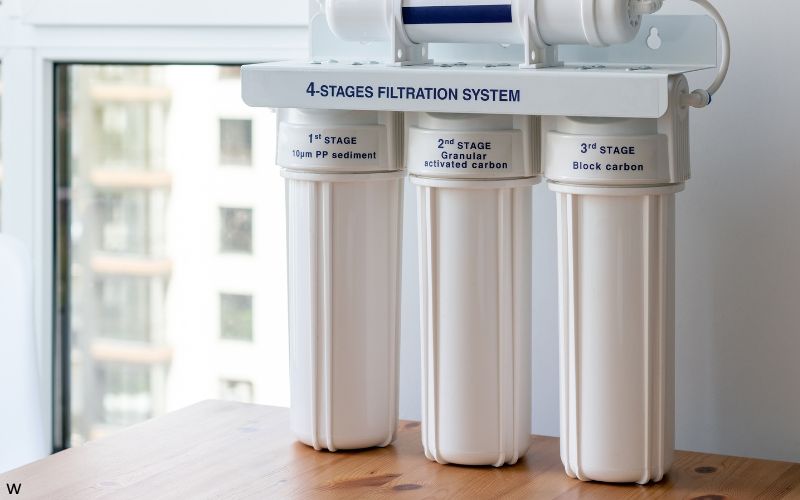
Given arsenic, chromium-6, trihalomethanes, and uranium detected above health guidelines, a reverse osmosis system is the most effective option for San Bernardino residents. RO filters are NSF-certified to remove all of these contaminants from drinking and cooking water. See our full filter guide for recommended models.

Follow Water Efficiency Standards
Comply with San Bernardino’s current water use efficiency standards: irrigate only during permitted hours and days. California urban water suppliers are required to meet water budgets under state law. Help protect the shared Bunker Hill Basin by avoiding water waste and embracing conservation practices.

Report Issues
Report water main breaks, pressure problems, or quality concerns to SBMWD at 909-384-5141 (24/7 emergency line) or 909-384-5095 (customer service). For active boil water notices across California and the US, check our live boil water tracker and water alert news.
Frequently Asked Questions
Is San Bernardino’s tap water safe to drink in 2026?
San Bernardino’s tap water meets all federal and state drinking water standards. The city’s water comes primarily from the Bunker Hill Groundwater Basin, naturally replenished by rain and snowmelt from the San Bernardino Mountains.
However, EWG’s analysis of 2013–2024 utility data identified 10 contaminants exceeding health guidelines, including arsenic, total trihalomethanes, bromodichloromethane, chloroform, and uranium. While these levels remain within federal legal limits, they may exceed health guidelines set by independent environmental organisations and California’s own public health goals. A reverse osmosis filter is recommended for drinking water — see our filter solutions page for options tailored to San Bernardino’s contaminant profile.
Why might my water taste or smell different sometimes?
Occasional taste and odour changes can occur due to several factors:
1. Seasonal variations: Natural changes in groundwater quality can occur during heavy rainfall or drought periods, affecting the blend of local and imported water
2. Treatment processes: Chlorine disinfection used throughout the system may cause taste variations and creates disinfection byproducts including trihalomethanes
3. Home plumbing: Internal plumbing issues or infrequently used faucets can cause taste or odour concerns, particularly in older properties
If taste or odour issues persist, contact SBMWD at 909-384-5095. Running cold water for a few minutes after periods of non-use can often help. You can also check our water news section for any local quality alerts.
Does San Bernardino have lead in its water system?
According to available data, San Bernardino’s water system has maintained compliance with federal lead and copper regulations. Available testing shows lead levels well below the federal action limit of 15 ppb, though it should be noted that no level of lead in drinking water is considered safe by the EPA or CDC.
• Source quality: The Bunker Hill Groundwater Basin provides naturally filtered groundwater that is not inherently corrosive to pipes
• Older homes: Properties built before 1986 may have lead components in internal plumbing, solder, or service lines — the main risk pathway for lead in tap water
• Lead service line inventory: As required under the EPA’s updated Lead and Copper Rule Improvements, SBMWD is required to maintain a service line inventory. Contact the utility at 909-384-5095 for details about your specific connection.
For broader context on lead in California water systems, see our California water quality overview.
Are there water restrictions in San Bernardino?
San Bernardino operates under California’s statewide water use efficiency framework, which requires urban water suppliers to meet individual water budgets:
Current Water Use Standards:
• Irrigation timing restrictions to maximise water efficiency — typically avoiding midday watering
• Compliance with state requirements prohibiting wasteful water practices (runoff, watering during rain, etc.)
• Participation in regional water conservation initiatives in the Inland Empire
Checking Current Restrictions:
Current conservation programmes and any active restrictions are available at sbmwd.org or by calling 909-384-5095. For active boil water notices or emergency advisories, check our live US boil water tracker.
Quality News About Your Water
Get the comprehensive water quality news coverage you need with our dedicated US Water News Service. From coast to coast, we deliver in-depth reporting and expert analysis on PFAS contamination, EPA regulatory changes, infrastructure developments, and emerging water safety issues affecting communities nationwide. While mainstream media only covers the biggest stories, we provide the detailed, ongoing coverage that helps you understand the full scope of America’s water challenges.
What’s actually in your tap water? Enter your ZIP code for a full breakdown of contaminants detected in your local supply
Drinking water from a well? Check our directory here for more information
Contaminants of Concern
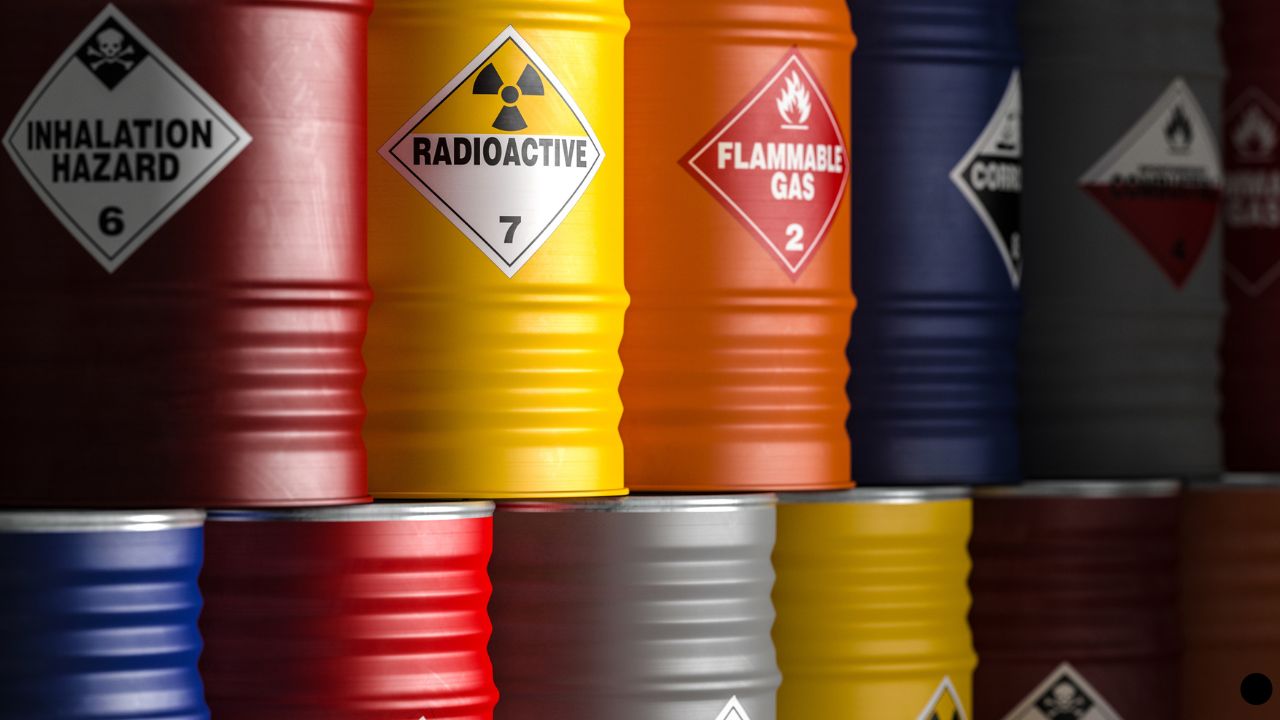
Volatile Organic Compounds
Source: The Newmark Superfund site affects an 8-square-mile area in San Bernardino with volatile organic compounds including tetrachloroethylene (PCE) and trichloroethylene (TCE) from historical industrial activities in the region.
Health Effects: Depending on the specific compound and level of exposure, VOCs can affect liver, kidney, and nervous system function. PCE and TCE are classified as probable or known human carcinogens by the EPA.
Current Status: Three groundwater treatment plants have been constructed to manage contamination at the Newmark site, with ongoing operation, monitoring, and maintenance. EPA Limits: Maximum contaminant levels of 5 ppb apply to both PCE and TCE. Monitor our boil water tracker for any local advisories.
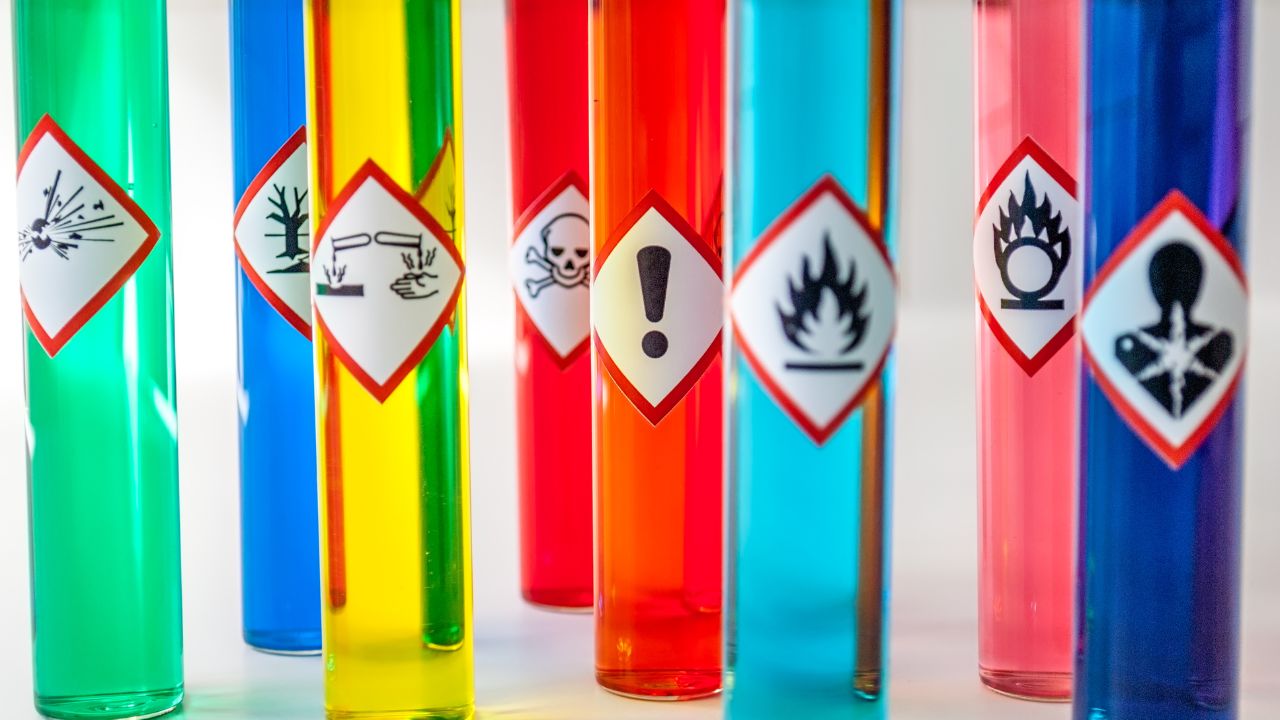
PFAS Compounds
Source: Per- and polyfluoroalkyl substances from industrial activities, firefighting foams, and consumer products. San Bernardino County is in a region with documented PFAS concerns at nearby military sites; residents should check the latest SBMWD Consumer Confidence Report for current monitoring results.
Health Effects: Linked to immune system impacts, thyroid disruption, elevated cholesterol, and possible associations with certain cancers. PFAS accumulate in the body over time.
Current Status (2026): The EPA’s PFOA/PFOS MCLs of 4 ppt are now enforceable following finalisation in April 2024, with a compliance deadline of 2031. California continues to expand statewide PFAS monitoring. A reverse osmosis system is the most effective home treatment option. See our water news for the latest regulatory updates.
Please read – our information
The information presented on cleanairandwater.net is compiled from official water quality reports, trusted news sources, government websites, and public health resources. While we strive for accuracy and thoroughness in our presentations, we are not scientists, engineers, or qualified water quality professionals.
Our mission is to present water quality information in an accessible, real-world format that helps people understand what’s in their water and make informed decisions about their health and safety. We believe that complex environmental information should be available to everyone in a format that’s easy to understand.
We make every effort to ensure our content is current and accurate, but we cannot guarantee that all information is complete or error-free. This website should not replace official communications from your local water utility or health department. We always recommend consulting official sources for the most up-to-date information regarding your specific water system.
Clean Air and Water is not liable for any unintentional errors, omissions, or outdated information. The content on this site is provided for informational purposes only and should not be considered professional advice.