Sioux Falls Water Quality at a Glance
Is Sioux Falls Water Safe to Drink?
Generally Safe, But Room for Improvement — Sioux Falls water meets all federal standards and has repeatedly earned recognition as South Dakota’s best-tasting water. The 2024 Annual Water Quality Report confirmed no health-based violations and no PFAS detected above 2 ppt in treated water. However, 6 contaminants exceed independent health guidelines, including arsenic (5 ppb), disinfection byproducts, and naturally occurring minerals. The city performs over 170,000 tests annually and has kept 21 wells offline as a precautionary PFAS measure since 2016. For more on how contaminants are regulated nationally, see our US water quality overview.
⚠️ Key Areas for Sioux Falls Residents to Monitor
- PFAS Precautions: PFAS remain below detection limits (<2 ppt) in all treated water — but 21 wells stay suspended and monthly monitoring continues at all sources and at the Lewis & Clark Regional Water System. New EPA MCLs for PFOA/PFOS (4 ppt) are enforceable from 2024 with a compliance deadline extended to 2031.
- Naturally Occurring Contaminants: Arsenic detected at 5 ppb (below the 10 ppb federal limit but above health guidelines); barium at 14.4 ppb; lithium at 70.9 ppb (unregulated, detected in 2023 UCMR testing).
- Disinfection Byproducts: Total trihalomethanes averaged 31.5 ppb (federal limit 80 ppb) and haloacetic acids averaged 12.58 ppb (limit 60 ppb) — both exceed EWG health guidelines but remain well below legal thresholds. A certified water filter can reduce these byproducts effectively.
- Big Sioux River Concerns: 2025 monitoring by Friends of the Big Sioux River found E. coli exceeded criteria at 5 of 17 sampled sites, an improvement from 2024’s wetter year. The city rarely draws from the river, relying primarily on groundwater aquifers.
Read the full report below for detailed analysis, 2024 data, and actionable recommendations for Sioux Falls residents. Check our live boil water notice tracker for any active alerts in South Dakota.
advertisment – report continues below
Your water passed the test.
Legal isn’t the same as safe.
Regulated contaminants like PFAS, chromium-6, and disinfection byproducts can sit inside the legal limit and still carry long-term health risks. Passing isn’t the same as clean.
✅ Removes PFAS, lead & chromium-6 — the contaminants most flagged even in passing city reports
✅ NSF/ANSI 42, 58 & 372 certified — independently tested, not just manufacturer claims
✅ Installs in 30 minutes, no plumber — fills a glass in 8 seconds, smart LED filter monitor
Renting or can’t drill? The Waterdrop K19 Countertop RO — plug in, fill the tank, done. No installation, no drilling, no plumber.
Advertisement — this page contains affiliate links. If you buy through these links, we may earn a commission at no extra cost to you.
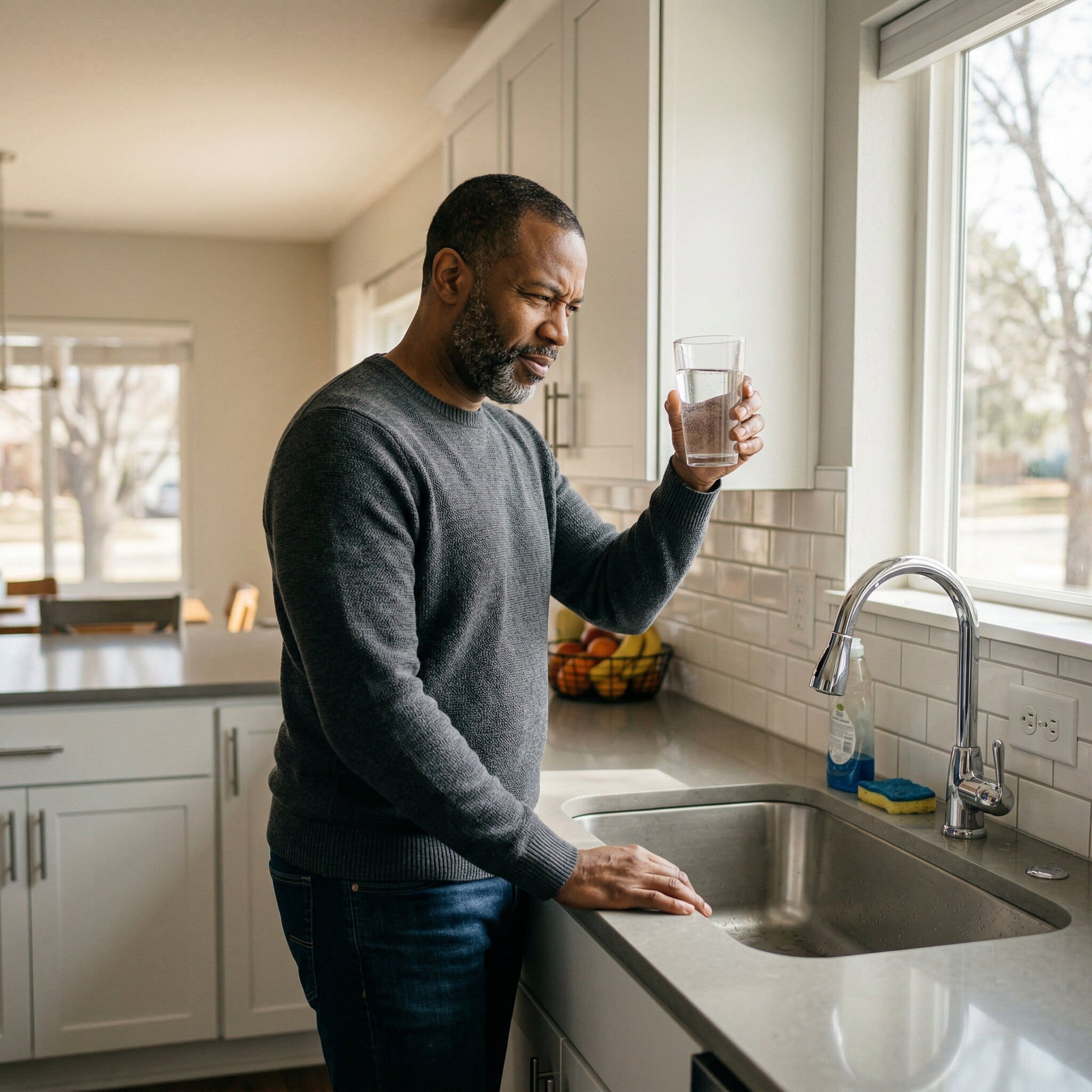
Sioux Falls – South Dakota – Water Quality Report 2026: PFAS Testing, Infrastructure Concerns & Safety across your city
Sioux Falls Water serves approximately 220,000 residents in South Dakota’s largest city, delivering an average of 23 million gallons of water daily. The municipal utility operates an extensive distribution network spanning nearly every street in the city, supported by the Water Purification Plant at 2100 North Minnesota Avenue with a treatment capacity of 75 million gallons per day.
Sioux Falls sources its drinking water from multiple sources including the Big Sioux Aquifer, Middle Skunk Creek Aquifer, occasional use of the Big Sioux River, and the Lewis & Clark Regional Water System which draws from aquifers adjacent to the Missouri River. The treatment process includes softening (reducing hardness by approximately 50%), filtration, fluoridation, and chlorination. The 2024 Annual Water Quality Report confirmed full compliance with all federal and state standards — no health-based violations were recorded. Sioux Falls has earned recognition as South Dakota’s best-tasting water multiple times, including a third-place finish nationally at the American Water Works Association competition in 2022. For a broader picture of water quality across the region, see our South Dakota water quality overview.
Sioux Falls Water Quality: Current Status (2025-2026)
Latest Testing Results
- Comprehensive Testing Program: Sioux Falls performs over 170,000 water quality analyses annually on more than 250 different substances, ensuring compliance with all federal and state drinking water safety standards. The 2024 report confirmed no health-based violations were recorded for the year.
- Real-Time Monitoring: Water quality parameters including chlorine, pH, and turbidity are tested regularly, with fluoride levels monitored daily and results posted to the city’s website at siouxfalls.gov/water. Contact the Water Quality Concern Line at 605-373-6950 with any questions.
- Federal Compliance: The 2024 Annual Water Quality Report confirms Sioux Falls water was in full compliance with all federal health-based drinking water standards throughout 2024. Average daily output was 23.01 million gallons. Track any active local alerts on our live boil water notice tracker.
Water Sources
- Big Sioux Aquifer: Primary groundwater source providing the majority of the city’s water supply from wells tapping the glacial outwash aquifer beneath the Big Sioux River flood plain.
- Middle Skunk Creek Aquifer: Secondary groundwater source providing additional supply security and system redundancy for continued service reliability.
- Lewis & Clark Regional Water System: Supplemental water purchased from this tri-state system drawing from aquifers adjacent to the Missouri River near Vermillion. The Lewis & Clark system recorded fluoride at 0.69 ppm, nitrate at 0.31 ppm, and total hardness of 173 ppm in the 2024 report — all well within limits.
- Big Sioux River: Occasionally used as a supplemental surface water source, though rarely utilised given the reliability and quality of groundwater. The 2025 Friends of the Big Sioux River monitoring found E. coli exceeded criteria at 5 of 17 sites — an improvement over 2024’s wetter season.
2024 Detected Contaminant Data
- Arsenic: Detected at 0.005 ppm (5 ppb) — below the 10 ppb federal MCL but above independent health guidelines. Source: erosion of natural deposits.
- Barium: Detected at 0.0144 ppm — well below the 2 ppm MCL. Source: erosion of natural deposits.
- Nitrate: Average 0.33 ppm (range 0.14–0.88 ppm) — well below the 10 ppm MCL. Source: fertiliser runoff and natural erosion.
- Total Trihalomethanes (TTHMs): Average 31.50 ppb (range 19–39 ppb) — below the 80 ppb federal limit but above EWG health guidelines. By-product of chlorination. An NSF-certified reverse osmosis filter is effective at reducing these.
- Haloacetic Acids (HAA5): Average 12.58 ppb (range 7.3–20 ppb) — below the 60 ppb federal limit but above EWG health guidelines. By-product of chlorination.
- Lithium: Detected at 70.9 ppb in 2023 UCMR testing (unregulated). Source: erosion of natural deposits.
- Lead and Copper (2021 sampling): Lead at 3 ppb (90th percentile) — 0 of 50 sites exceeded the 15 ppb action level. Copper at 0.1 ppm — 0 of 50 sites exceeded the 1.3 ppm action level. The city uses pH adjustment of treated water to minimise corrosion.
Water Hardness and Additional Parameters
Sioux Falls water has a total hardness of 270 ppm (16 grains per gallon) — classified as very hard. The treatment process reduces hardness by approximately 50% through softening. The Lewis & Clark blended supply has a lower hardness of 173 ppm (10 GPG). Water pH averages 8.3 for city-produced water and 8.7 for Lewis & Clark supply. Sulfate averages 221 ppm, sodium 34 ppm, and fluoride 0.58 ppm (range 0.46–0.76 ppm). PFAS remain below detection limits (<2 ppt) in all sources including Lewis & Clark supply.
Infrastructure and Service
- Water Purification Plant: Located at 2100 North Minnesota Avenue, the main treatment facility uses a multi-barrier approach including softening, filtration, fluoridation, and chlorination with a capacity of 75 million gallons per day.
- Lead Pipe Inventory: As part of the nationwide Lead-Free SD initiative, Sioux Falls is surveying all service lines. South Dakota water mains are free of lead, though household plumbing may vary. Request a lead sampling kit by calling 605-373-6950.
- Customer Service: The Water Division is contactable at 605-373-6950 for water quality concerns, billing, lead testing kits, and service issues. Daily fluoride and water quality monitoring results are posted at siouxfalls.gov/water.
Recommendations for Sioux Falls Residents

Monitor Your Water
Stay informed about your water quality by checking the city’s daily monitoring results at siouxfalls.gov/water. Contact the Water Division at 605-373-6950 for any water quality concerns, to request a lead sampling kit, or to report service issues. Check our water alert news feed for the latest South Dakota water quality developments.
Follow Lawn Watering Rules
Adhere to Sioux Falls’ lawn watering programme, which operates through three conservation stages based on Big Sioux River levels, aquifer conditions, and daily water demand. Check current watering schedules and any active restrictions at siouxfalls.gov/water or by calling 605-373-6950. The average daily demand is 23 million gallons.
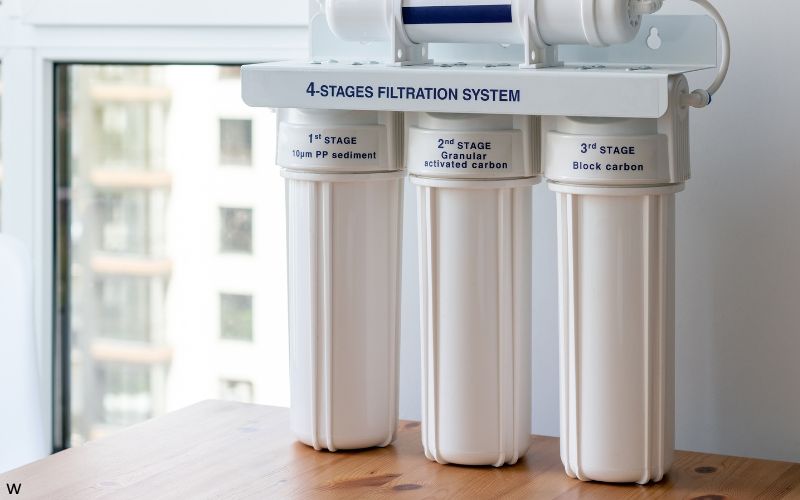
Consider Home Filtration
While Sioux Falls water meets all federal standards, 6 contaminants exceed independent health guidelines. An NSF-certified reverse osmosis filter is effective at reducing arsenic, disinfection byproducts, and other trace contaminants for additional peace of mind. Particularly recommended for households with pregnant women, infants, or immunocompromised individuals.
Practice Water Conservation
Help preserve water resources by following conservation practices, especially during peak demand periods. Simple measures like fixing leaks and efficient irrigation help maintain system reliability for the growing population of approximately 220,000 residents. The city’s master plan addresses water system needs for the next 50–100 years.
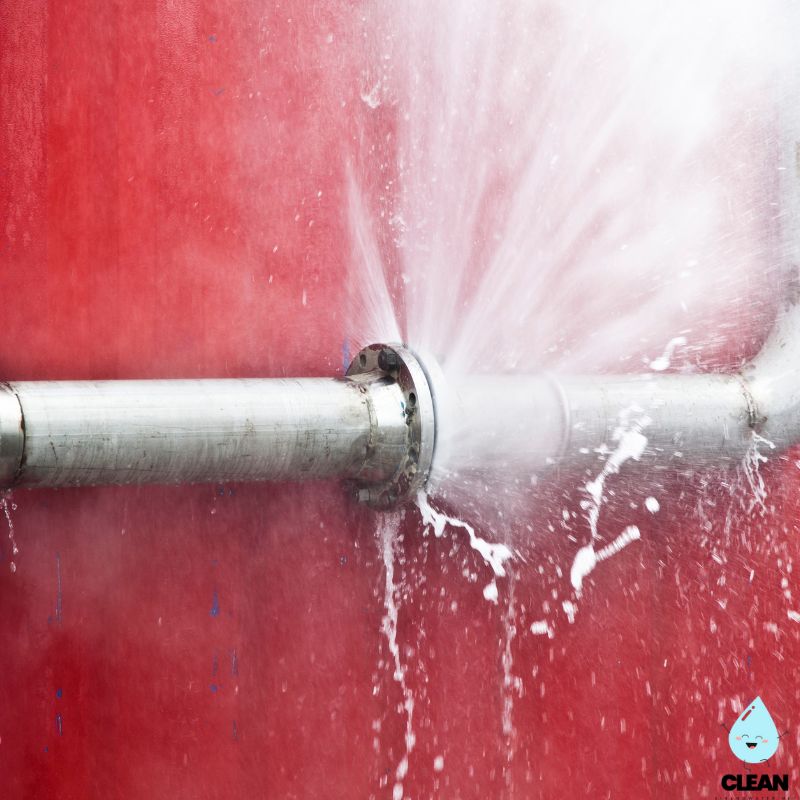
Report Issues Promptly
Contact Sioux Falls Utilities at 605-373-6950 for any water service issues, billing questions, or to report water main breaks. The Water Division provides support for urgent water system concerns. You can also monitor active boil water orders across the US on our live boil water notice tracker.
Frequently Asked Questions
Is Sioux Falls tap water safe to drink?
Yes, Sioux Falls tap water is safe to drink and meets all federal and state drinking water safety standards. The 2024 Annual Water Quality Report confirmed no health-based violations were recorded for the full year. The city performs over 170,000 analyses annually on more than 250 substances.
However, independent analysis has identified 6 contaminants that exceed health guidelines — including arsenic at 5 ppb, disinfection byproducts (TTHMs and HAA5), and naturally occurring minerals. While legally compliant, households with pregnant women, infants, or immunocompromised individuals may benefit from an NSF-certified water filter. Sioux Falls water placed third nationally at the American Water Works Association taste competition in 2022, demonstrating both safety and quality.
Why is my water hard, and what can I do about it?
Sioux Falls water comes from groundwater aquifers that naturally contain dissolved minerals. Total hardness averages 270 ppm (16 grains per gallon) for city-produced water, and 173 ppm (10 GPG) for water from the Lewis & Clark Regional Water System. The treatment process reduces hardness by approximately 50% through softening.
Hard water can cause scale buildup on fixtures and appliances and may reduce soap effectiveness. Many residents choose to install home water softening systems for additional hardness reduction. Call 605-373-6950 for more information about the city’s water hardness levels and treatment process, or explore home filtration options on our recommendations page.
Where does Sioux Falls get its water?
Sioux Falls sources water from multiple reliable sources to ensure consistent supply:
• Big Sioux Aquifer: The primary source, drawing from groundwater wells tapping the glacial aquifer beneath the Big Sioux River valley
• Middle Skunk Creek Aquifer: Secondary groundwater source providing additional system reliability
• Lewis & Clark Regional Water System: Supplemental water purchased from this tri-state system drawing from aquifers near the Missouri River — 2024 data shows this supply meets all standards with PFAS below 2 ppt
• Big Sioux River: Occasionally used as a supplemental source, though rarely utilised given excellent groundwater quality. See our South Dakota water quality overview for statewide context.
What is the PFAS situation in Sioux Falls in 2026?
PFAS remain below detection limits (<2 ppt) in all treated Sioux Falls water, including water purchased from the Lewis & Clark Regional Water System, as of the 2024 Annual Water Quality Report. Monthly monitoring of all wells and surface water sources continues.
The city proactively suspended 21 wells in 2016 after detecting PFAS in source water near the Sioux Falls Regional Airport and Air National Guard base. Those wells remain offline. The EPA finalised PFOA/PFOS MCLs of 4 ppt in April 2024, with all water systems required to comply by 2031. Sioux Falls already meets this standard. For national PFAS context, see our US water quality checker and our water alert news feed.
Quality News About Your Water
Get the comprehensive water quality news coverage you need with our dedicated US Water News Service. From coast to coast, we deliver in-depth reporting and expert analysis on PFAS contamination, EPA regulatory changes, infrastructure developments, and emerging water safety issues affecting communities nationwide. While mainstream media only covers the biggest stories, we provide the detailed, ongoing coverage that helps you understand the full scope of America’s water challenges.
What’s actually in your tap water? Enter your ZIP code for a full breakdown of contaminants detected in your local supply
Drinking water from a well? Check our directory here for more information
Contaminants of Concern
Arsenic
Source: Occurs naturally in soil and bedrock in parts of South Dakota. Can also result from historical commercial activities including orchard spraying and coal ash disposal.
Health Effects: Arsenic is a potent carcinogen linked to skin, lung, bladder, kidney, and liver cancer with long-term exposure to elevated levels. Has no smell, taste, or colour when dissolved.
2024 Data: Detected at 0.005 ppm (5 ppb) — below the EPA MCL of 10 ppb but above independent health guidelines. An under-sink reverse osmosis system is highly effective at removing arsenic. EPA Limit: 10 ppb MCL.
PFAS Compounds
Source: Per- and polyfluoroalkyl substances from firefighting foams used at the Sioux Falls Regional Airport and Air National Guard base, as well as industrial processes and consumer products.
Health Effects: Potential impacts on immune system, thyroid function, cholesterol levels, and possible links to certain cancers. The EPA finalised MCLs for PFOA and PFOS at 4 ppt in April 2024, with compliance required by 2031.
2024 Status: PFAS remain below detection limits (<2 ppt) in all treated water. 21 wells suspended since 2016 remain offline; monthly monitoring of all sources continues. Sioux Falls already meets the new 4 ppt EPA standard. See our national PFAS overview for broader context.
Please read – our information
The information presented on cleanairandwater.net is compiled from official water quality reports, trusted news sources, government websites, and public health resources. While we strive for accuracy and thoroughness in our presentations, we are not scientists, engineers, or qualified water quality professionals.
Our mission is to present water quality information in an accessible, real-world format that helps people understand what’s in their water and make informed decisions about their health and safety. We believe that complex environmental information should be available to everyone in a format that’s easy to understand.
We make every effort to ensure our content is current and accurate, but we cannot guarantee that all information is complete or error-free. This website should not replace official communications from your local water utility or health department. We always recommend consulting official sources for the most up-to-date information regarding your specific water system.
Clean Air and Water is not liable for any unintentional errors, omissions, or outdated information. The content on this site is provided for informational purposes only and should not be considered professional advice.