Stockton Water Quality at a Glance
Is Stockton Water Safe to Drink?
Meets Federal Standards, But Contains Health Concerns — Stockton’s water, supplied by California Water Service (Cal Water), met all primary federal and state drinking water standards in 2024 across 26,756 tests on 3,649 samples. However, the water contains multiple contaminants of concern: arsenic averaging 4 ppb (max 7.7 ppb), hexavalent chromium up to 8.4 ppb, PFOS detected up to 14 ppt, and total trihalomethanes (TTHM) with an LRAA of 57 ppb reaching a maximum of 80 ppb. The system draws on 25 active groundwater wells plus purchased surface water from the Stockton East Water District (New Melones and New Hogan Reservoirs). Check our national water quality overview and California state water report for broader context.
⚠️ Key Concerns for Stockton Residents
- Arsenic Contamination: Average 4 ppb with peaks to 7.7 ppb in groundwater wells; naturally occurring from geological sources in the Eastern San Joaquin Basin
- Hexavalent Chromium: Detected up to 8.4 ppb against a California PHG of 0.02 ppb; average 2.5 ppb across the distribution system
- PFAS “Forever Chemicals”: PFOS detected up to 14 ppt; PFHxS up to 6.7 ppt; new federal MCL of 4 ppt for PFOS/PFOA requires compliance by 2029–2031
- Disinfection Byproducts: TTHM LRAA 57 ppb (max 80 ppb at the MCL boundary); THAA highest annual average 25 ppb — linked to liver/kidney risk and increased cancer risk with long-term exposure
- 1,2,3-Trichloropropane: One sample reached the MCL of 5 ppt; system remains in compliance on a running annual average basis
Read the full report below for detailed analysis, city-specific data, and actionable recommendations for Stockton residents. See our water filter guide for PFAS and arsenic removal options.
advertisment – report continues below
Your water passed the test.
Legal isn’t the same as safe.
Regulated contaminants like PFAS, chromium-6, and disinfection byproducts can sit inside the legal limit and still carry long-term health risks. Passing isn’t the same as clean.
✅ Removes PFAS, lead & chromium-6 — the contaminants most flagged even in passing city reports
✅ NSF/ANSI 42, 58 & 372 certified — independently tested, not just manufacturer claims
✅ Installs in 30 minutes, no plumber — fills a glass in 8 seconds, smart LED filter monitor
Renting or can’t drill? The Waterdrop K19 Countertop RO — plug in, fill the tank, done. No installation, no drilling, no plumber.
Advertisement — this page contains affiliate links. If you buy through these links, we may earn a commission at no extra cost to you.

Stockton – California – Water Quality Report 2026: PFAS Testing, Infrastructure Concerns & Safety across your city
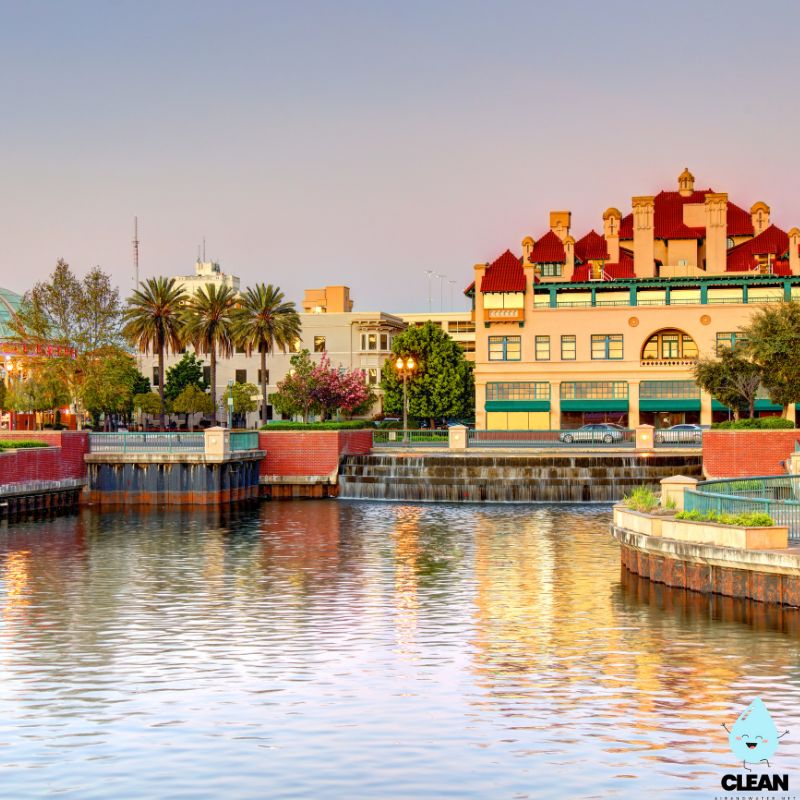
Stockton’s drinking water is supplied by California Water Service (Cal Water), which has served the district since 1927. Cal Water delivers water to the Stockton area using a combination of local groundwater from 25 active wells and purchased surface water from the Stockton East Water District (SEWD), sourced from the New Melones (Stanislaus River) and New Hogan (Calaveras River) Reservoirs. The distribution infrastructure includes 11 booster pumps and 6 storage tanks serving residential and commercial customers throughout the city.
Stockton’s water system faces challenges common to the Central Valley: naturally occurring arsenic and hexavalent chromium from geological formations in the Eastern San Joaquin Groundwater Basin, emerging PFAS contamination from legacy industrial and firefighting sources, and disinfection byproduct formation during chlorine treatment. In 2024, Cal Water conducted 26,756 tests on 3,649 samples for 236 constituents, meeting all primary federal and state drinking water standards — though several contaminants remain at levels that warrant resident attention. See also our California state water quality overview and nearby city reports for Modesto and Fresno for regional comparison.
Stockton Water Quality: Current Status (2024–2026)
Latest Testing Results
- Lead & Copper: The 2024 Lead and Copper Rule monitoring returned a 90th percentile result of ND (not detected) for both lead and copper, with 0 of 51 samples exceeding action levels. Cal Water has no known lead service lines in the Stockton system.
- Arsenic: Average concentration of 4 ppb in groundwater, with a maximum of 7.7 ppb detected. Meets the federal MCL of 10 ppb, but the California PHG (public health goal) is 0.004 ppb — the detected levels are approximately 1,000 times above the health-protective benchmark. Naturally occurring from geological erosion in the Eastern San Joaquin Basin.
- Hexavalent Chromium: Average of 2.5 ppb across groundwater, with a maximum of 8.4 ppb detected. California’s MCL is 10 ppb (in compliance), but the PHG is 0.02 ppb — detected levels are roughly 125–420 times above the health-protective benchmark. Long-term exposure above the PHG is linked to increased cancer risk.
- PFAS Detection: PFOS detected up to 14 ppt in groundwater sources; PFHxS detected up to 6.7 ppt; perfluoropentanoic acid detected up to 2.5 ppt. Cal Water has stated active sources are in compliance with current California response levels. The new federal MCL of 4 ppt for PFOS/PFOA requires compliance by 2029. For more on national PFAS regulation, see our water alert news section.
- Disinfection Byproducts: TTHM LRAA of 57 ppb (max single sample 80 ppb, at the MCL boundary); total haloacetic acids (THAA) highest annual average 25 ppb. Both within compliance limits but at levels that may pose long-term liver, kidney, and cancer risk with chronic exposure.
- 1,2,3-Trichloropropane (1,2,3-TCP): One sample reached the California MCL of 5 ppt; follow-up testing returned ND. Annual average remains below the MCL. Cal Water continues monitoring. Long-term exposure above the MCL is associated with increased cancer risk.
- Nitrate: Average 2.2 ppm, maximum 8.5 ppm — within the MCL of 10 ppm but approaching levels requiring close monitoring, particularly for infants and pregnant women.
- Compliance Status: Stockton’s Cal Water supply met every primary and secondary federal and state drinking water standard in 2024 across all 236 constituents tested. However, the TapWaterData database notes 3 MCL violations on historical record for the City of Stockton utility (a separate municipal system serving parts of the area), indicating the broader Stockton water supply picture is mixed.
Water Sources
- Groundwater: 25 active wells drawing from the Eastern San Joaquin Groundwater Basin, providing the primary local supply.
- Purchased Surface Water: Treated water purchased from Stockton East Water District (SEWD), sourced from the New Melones Reservoir (Stanislaus River) and New Hogan Reservoir (Calaveras River).
- Distribution Infrastructure: 11 booster pumps and 6 storage tanks supporting the service area; company-wide state-of-the-art ELAP-certified laboratory conducting ongoing monitoring.
Treatment Technology
- Disinfection: Chlorination is the primary disinfection method, effective against bacteria, viruses, and microorganisms; chlorine residual averages 0.88 ppm in the distribution system, within the MRDL of 4 ppm.
- Source Water Blending: Groundwater sources with elevated arsenic or chromium-6 are blended with lower-concentration surface water to reduce finished water contaminant concentrations.
- PFAS Preparedness: Cal Water has evaluated all active sources against new federal MCLs and states compliance with current California response levels. Sources previously exceeding response levels were taken out of service pending treatment installation.
Infrastructure and Regulatory Investment
- Lead Service Line Inventory: Cal Water completed its initial Lead Service Line Inventory (LSLI) in compliance with EPA’s 2024 Lead and Copper Rule Revisions; no known lead service lines have been identified in the Stockton system.
- School Lead Testing: All public schools built before 2010 in Cal Water’s Stockton service area have been tested; the state will require retesting of most schools beginning in 2027.
- PFAS Litigation: Cal Water has filed lawsuits against PFAS manufacturers to hold them responsible for treatment costs and is pursuing available grants to offset customer cost impacts from future PFAS treatment requirements.
For information on boil water advisories affecting Stockton or the broader California region, visit our live boil water notices tracker.
Recommendations for Stockton Residents
Request Water Testing
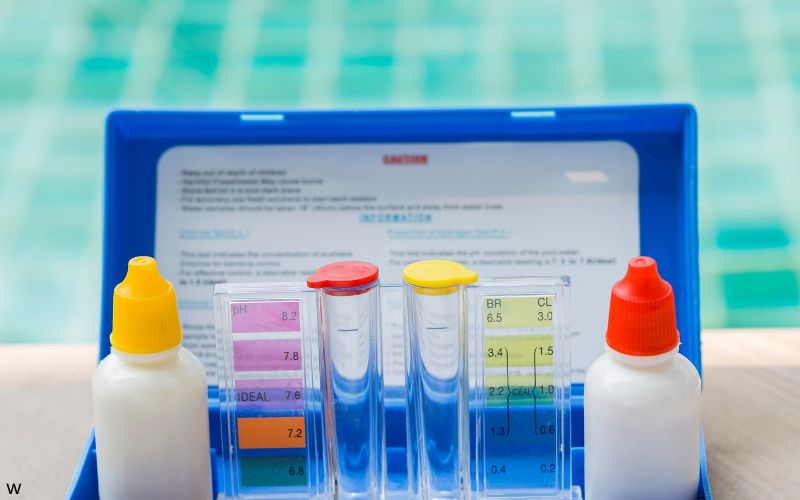
Contact California Water Service (Cal Water) Stockton District at (209) 547-7900 or visit calwater.com to request water quality information. For independent testing of your home’s tap water — particularly for arsenic, chromium-6, and PFAS — contact an ELAP-certified laboratory. Use our water quality checker to find testing resources in your area.
Conserve Water
Apply for rebates on high-efficiency fixtures, smart irrigation controllers, and turf replacement through Cal Water’s conservation programs at calwater.com/conservation. California’s ongoing drought vulnerability makes year-round conservation essential. Check Cal Water’s current water conservation reports for the latest stage restrictions applicable to the Stockton district.
Consider Filtration
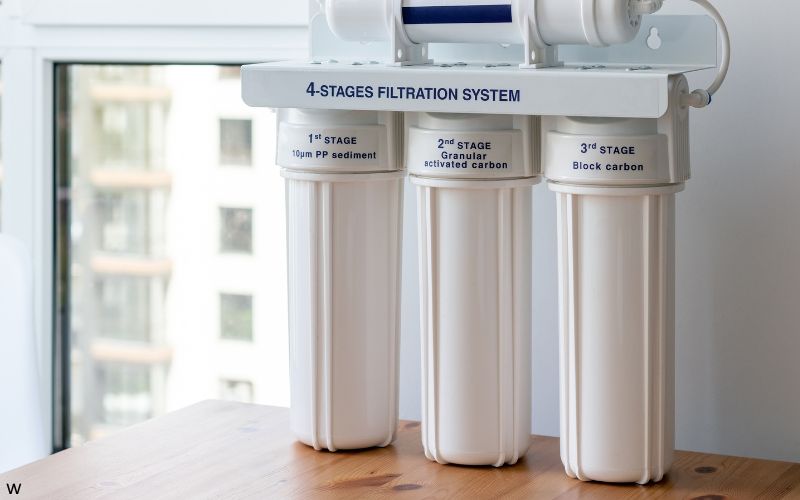
Given Stockton’s arsenic (avg 4 ppb, max 7.7 ppb), hexavalent chromium (max 8.4 ppb), and PFAS (PFOS up to 14 ppt) levels, a reverse osmosis system is the most effective option — RO is certified to remove arsenic, chromium-6, PFAS, nitrate, and DBPs in a single unit. See our complete water filter guide for NSF-certified RO recommendations suited to Stockton’s contaminant profile.
Run Your Tap
If water has been sitting in pipes for several hours, flush your cold tap for 30 seconds to 2 minutes before using for drinking or cooking. This is especially important in older homes. Always use cold water for consumption — hot water can dissolve more metals from household plumbing and should not be used for drinking, cooking, or preparing infant formula.

Report Water Issues
Contact California Water Service Stockton District at (209) 547-7900 for water quality concerns, outages, or pressure issues. Report leaks and water waste via calwater.com/conservation/report. For non-emergency service requests, use Cal Water’s online account portal at myaccount.calwater.com. Monitor active alerts in your area via our live boil water notices tracker.
Quality News About Your Water
Get the comprehensive water quality news coverage you need with our dedicated US Water News Service. From coast to coast, we deliver in-depth reporting and expert analysis on PFAS contamination, EPA regulatory changes, infrastructure developments, and emerging water safety issues affecting communities nationwide. While mainstream media only covers the biggest stories, we provide the detailed, ongoing coverage that helps you understand the full scope of America’s water challenges.
What’s actually in your tap water? Enter your ZIP code for a full breakdown of contaminants detected in your local supply
Drinking water from a well? Check our directory here for more information
Frequently Asked Questions
Is Stockton’s tap water safe to drink?
Stockton’s tap water, supplied by California Water Service (Cal Water), met all 236 primary and secondary federal and state drinking water standards in 2024 across 26,756 individual tests. Cal Water reports no recommended action items for Stockton customers for 2024.
However, several contaminants are present at levels above health-protective benchmarks. Arsenic averages 4 ppb (max 7.7 ppb) against a California PHG of 0.004 ppb. Hexavalent chromium averages 2.5 ppb (max 8.4 ppb) against a PHG of 0.02 ppb. PFOS has been detected up to 14 ppt, approaching the new federal MCL of 4 ppt that takes effect for compliance purposes by 2029. TTHM reached a maximum single reading of 80 ppb — exactly at the MCL boundary.
Residents with infants, pregnant women, or those with weakened immune systems should consult a healthcare provider. For comprehensive reassurance, consider an NSF-certified reverse osmosis filter, which effectively reduces all of the above contaminants. See our water filter solutions guide for recommendations.
Why does my water sometimes taste or smell different?
Seasonal taste and odour variations are normal in Stockton due to the blended nature of the water supply:
• Source water blending: The proportion of groundwater versus purchased SEWD surface water varies by season and demand, creating detectable taste differences
• Reservoir conditions: Surface water from New Melones and New Hogan Reservoirs can develop earthy or algal tastes during warm months that persist through treatment
• Chlorine disinfection: Chlorine averages 0.88 ppm in the distribution system and is more noticeable to some individuals, particularly in stagnant pipes
• Groundwater minerals: Cal Water’s groundwater has moderate hardness (up to 290 ppm total hardness) and elevated vanadium (up to 37 ppb), which can contribute to a mineral taste
These variations are not health concerns. Refrigerating water before drinking, using a carbon block filter pitcher, or installing an under-sink filter effectively addresses taste issues. If you notice a sudden or extreme change in colour, odour, or taste, report it to Cal Water at (209) 547-7900.
What are the main water quality concerns in Stockton?
Based on Cal Water’s 2024 Consumer Confidence Report, the key contaminants Stockton residents should know about are:
• Arsenic: Average 4 ppb, max 7.7 ppb; naturally occurring from geological erosion; federal MCL is 10 ppb (met), but the California PHG is 0.004 ppb — indicating detectable levels carry a long-term cancer risk
• Hexavalent Chromium (Chromium-6): Average 2.5 ppb, max 8.4 ppb in groundwater; California MCL 10 ppb (met), PHG 0.02 ppb; linked to increased cancer risk with long-term exposure above the PHG
• PFAS: PFOS up to 14 ppt, PFHxS up to 6.7 ppt; new federal MCL of 4 ppt for PFOS/PFOA effective for compliance by 2029; linked to cancer, liver damage, immune effects, and developmental harm in infants
• Disinfection Byproducts (DBPs): TTHM LRAA 57 ppb (max 80 ppb); THAA 25 ppb highest annual average; long-term exposure linked to liver, kidney, and central nervous system problems and increased cancer risk
• 1,2,3-Trichloropropane: One 2024 sample at the MCL of 5 ppt; annual average in compliance; long-term exposure above MCL associated with increased cancer risk
Reverse osmosis filtration removes all of the above contaminants. See our filter guide or visit our California water quality page for statewide context on these contaminants.
How does Stockton address water conservation?
Cal Water runs a comprehensive conservation programme for the Stockton district, reflecting California’s ongoing drought vulnerability:
Conservation Rebates and Programmes:
• Rebates for high-efficiency toilets, washing machines, and smart irrigation controllers
• Turf removal (cash-for-grass) rebates to reduce outdoor water use
• Free water efficiency surveys and leak detection assistance
• Water-wise landscaping guidance and low-water plant recommendations
Water Source Protection:
• Drinking Water Source Assessment (DWSAPP) reports identify contamination risks from agricultural drainage, septic systems, industrial facilities, and historic land uses in the Stockton groundwater basin
• Infrastructure investments aim to reduce pipeline leakage across the distribution system
• Cal Water’s 2022 climate change impact assessment guides long-term supply planning
Check calwater.com/conservation for current rebate availability and any active drought restrictions in the Stockton district, or call (209) 547-7900. Track any active water safety alerts for the region via our water alert news section.
Water Quality Considerations
Arsenic and Hexavalent Chromium
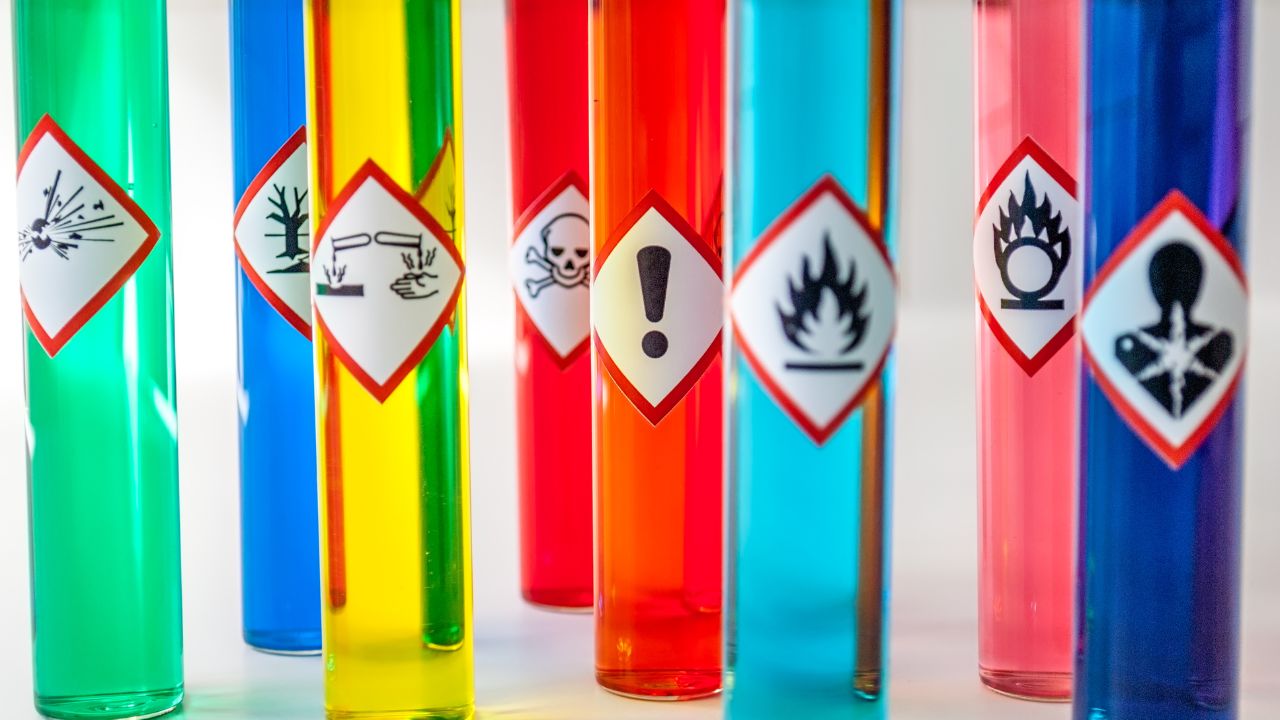
Source: Both contaminants occur naturally from geological erosion in the Eastern San Joaquin Groundwater Basin, affecting multiple active wells throughout the Stockton system
Health Concerns: Arsenic is a known human carcinogen linked to skin, lung, and bladder cancers, plus cardiovascular disease with chronic exposure. Hexavalent chromium is classified as carcinogenic via ingestion above the PHG, with California’s PHG of 0.02 ppb set to protect against long-term cancer risk
2024 Levels: Arsenic average 4 ppb, max 7.7 ppb (MCL 10 ppb; PHG 0.004 ppb). Hexavalent chromium average 2.5 ppb, max 8.4 ppb (California MCL 10 ppb; PHG 0.02 ppb). Both within legal limits but significantly above health-protective benchmarks
Mitigation: Cal Water blends groundwater with lower-arsenic surface water to reduce finished water concentrations. For full removal, NSF/ANSI Standard 58-certified reverse osmosis systems are effective against both arsenic and chromium-6. See our filter recommendations
PFAS “Forever Chemicals”
Source: Per- and polyfluoroalkyl substances from industrial discharge, legacy firefighting foam (AFFF) use, and consumer product contamination in the groundwater basin
Health Concerns: PFAS are linked to cancer, liver damage, decreased fertility, thyroid disease, immune system suppression, and developmental effects in infants and fetuses
2024 Status: PFOS detected up to 14 ppt in groundwater (new federal MCL: 4 ppt); PFHxS up to 6.7 ppt; Cal Water states active sources are within current California response levels. The EPA’s 2024 PFAS MCLs require water system compliance by 2029, with initial monitoring beginning by April 2027
Regulatory Update: EPA finalised PFOA/PFOS MCLs of 4 ppt in April 2024. The compliance deadline has been extended to 2031 (from 2029). MCLs for PFHxS, PFNA, GenX, and PFBS were rescinded in May 2025, though a federal court denied EPA’s request to vacate those rules in January 2026 — regulatory status for these compounds remains in flux. See our water news section for the latest regulatory developments
Please read – our information
The information presented on cleanairandwater.net is compiled from official water quality reports, trusted news sources, government websites, and public health resources. While we strive for accuracy and thoroughness in our presentations, we are not scientists, engineers, or qualified water quality professionals.
Our mission is to present water quality information in an accessible, real-world format that helps people understand what’s in their water and make informed decisions about their health and safety. We believe that complex environmental information should be available to everyone in a format that’s easy to understand.
We make every effort to ensure our content is current and accurate, but we cannot guarantee that all information is complete or error-free. This website should not replace official communications from your local water utility or health department. We always recommend consulting official sources for the most up-to-date information regarding your specific water system.
Clean Air and Water is not liable for any unintentional errors, omissions, or outdated information. The content on this site is provided for informational purposes only and should not be considered professional advice.