Tennessee Water Quality at a Glance
PFAS contamination widespread
Is Tennessee Water Safe to Drink?
Generally Compliant, But Growing PFAS Concerns — Tennessee’s public water systems typically meet federal Safe Drinking Water Act standards, but TDEC’s completed statewide PFAS sampling programme — over 1,400 individual samples collected between August 2023 and October 2025 — has confirmed contamination in source waters across multiple regions. Highest concentrations are found near military installations, industrial sites, and areas where PFAS-contaminated sewage sludge has been spread on farmland. Bristol sewage sludge contains some of the highest PFAS concentrations recorded in the U.S. Check our national water quality database or explore PFAS-certified filter options.
⚠️ Key Concerns for Tennessee Residents in 2026
- PFAS “Forever Chemicals”: TDEC collected over 1,400 source water samples across the state by October 2025; PFAS data updated on the TDEC dashboard as recently as February 2026. Highest levels found near the Holston Army Ammunition Depot and other military and industrial sites
- Bristol Sewage Sludge: Sierra Club testing found PFAS concentrations in Bristol wastewater treatment plant sludge among the highest detected anywhere in the U.S., with contamination spreading to groundwater through farmland application
- PFOS in Fish Tissue: EPA surveys have detected PFOS in multiple fish species — including largemouth bass — in the Tennessee, Cumberland, Wolf, and Mississippi rivers; fish consumption advisories may apply in some areas
- Compliance Deadline Extended to 2031: EPA confirmed (May 2025) that PFOA/PFOS MCLs of 4 ppt remain enforceable, but the compliance deadline for public water systems has been extended from 2029 to 2031. MCLs for PFHxS, PFNA, GenX, and PFBS are under reconsideration
- Hurricane Helene Infrastructure Impact: East Tennessee water infrastructure suffered significant damage; additional SRF funding is available for affected communities through TDEC’s 2026 grant rounds
Read the full 2026 report below for detailed analysis, city-specific data, and actionable recommendations for Tennessee residents. Track local boil water notices or read the latest water quality news.
Advertisement — Report continues below
Your tap water just failed.
Here’s the fix.
Contaminants like PFAS, lead, chromium-6, and arsenic can sit within the legal limit but still pose a real health risk. The legal limit and the safe limit are not the same thing.
✅ Removes PFAS, lead & chromium-6 — the contaminants most flagged in failing city reports
✅ NSF/ANSI 42, 58 & 372 certified — independently tested, not just manufacturer claims
✅ Installs in 30 minutes, no plumber — fills a glass in 8 seconds, smart LED filter monitor
Renting or can’t drill? The Waterdrop K19 Countertop RO — plug in, fill the tank, done. No installation, no drilling, no plumber.
Disclaimer: This advert contains affiliate links. If you buy through these links, we may earn a commission at no extra cost to you. Product claims are based on manufacturer certification data and independent SGS lab testing.

Tennessee — The Volunteer State — Water Quality Report 2026: PFAS Testing, Infrastructure Concerns & Safety Across Your State
Tennessee’s water infrastructure serves approximately 7.2 million residents across diverse geographical regions, from the Appalachian Mountains in the east to the Mississippi River in the west. The state operates through a network of over 474 public water systems, ranging from large municipal utilities like Metro Water Services in Nashville — serving over 450,000 customers — to smaller rural systems providing essential services to underserved communities. Tennessee’s water sources include the Tennessee, Cumberland, and Mississippi river systems, along with numerous reservoirs and groundwater aquifers supplying both urban centres and agricultural areas.
Despite abundant water resources, Tennessee faces significant infrastructure challenges. The EPA’s 6th Drinking Water Infrastructure Needs Survey identified $8.7 billion in investment needs over the next two decades. In 2026 the state is navigating a critical period: TDEC completed its unprecedented statewide PFAS source water sampling programme in October 2025, collecting over 1,400 individual samples — the most comprehensive assessment of “forever chemical” contamination in the state’s history. Results are publicly available on the TDEC PFAS dashboard, updated as recently as February 2026. Separately, EPA’s UCMR 5 programme continues testing finished drinking water across U.S. public water systems through Summer 2026. For a broader regional perspective, see our Nashville water quality report, Memphis water quality report, and Knoxville water quality report.
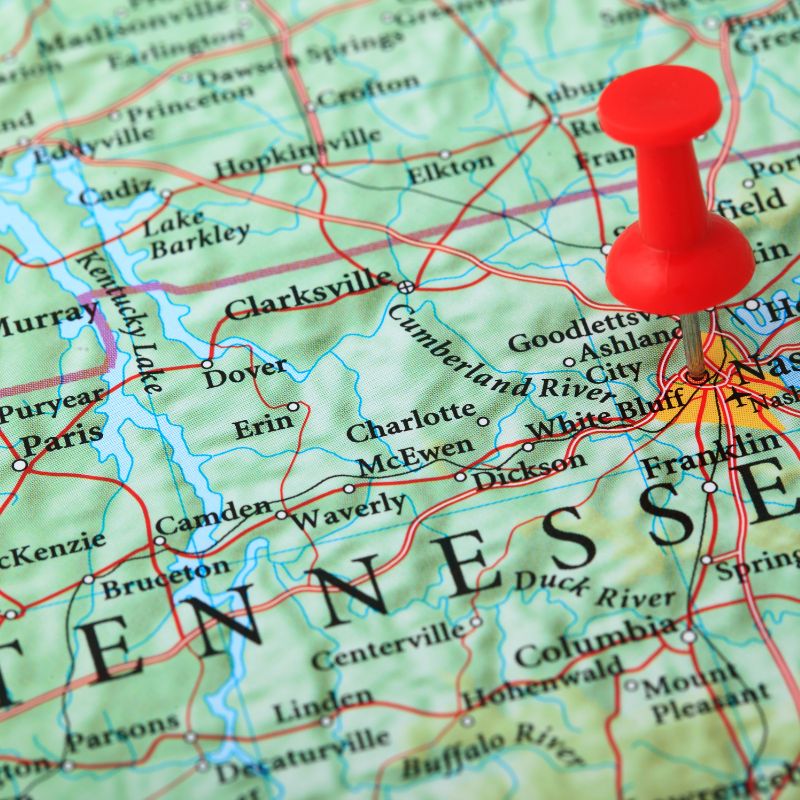
Tennessee Water Quality: Current Status (2025–2026)
Statewide Compliance and Testing
- Overall Compliance: The majority of Tennessee’s 474 public water systems continue to meet federal Safe Drinking Water Act standards. TDEC’s completed statewide PFAS sampling initiative — covering source waters for all public drinking water systems — collected over 1,400 samples between August 2023 and October 2025, with results publicly available on the TDEC PFAS dashboard (last updated February 2026). Contamination has been confirmed at varying levels across the state, with the highest concentrations near military and industrial sites.
- EPA UCMR 5 Testing Ongoing: EPA’s Fifth Unregulated Contaminant Monitoring Rule (UCMR 5) programme, which tests for 29 PFAS chemicals and lithium in finished drinking water, is running through Summer 2026. Not all Tennessee water systems fall under UCMR 5, which is why TDEC’s parallel source water sampling effort was critical in filling coverage gaps. Results will inform future EPA regulatory decisions. Follow updates in our water news section.
- Infrastructure Investment Rounds: TDEC’s State Revolving Fund Loan and State Water Infrastructure Grant programmes ran two funding rounds in 2025 (August and December), accepting applications for emerging contaminants, lead service lines, and asset management plans. Additional funding is available for communities impacted by Hurricane Helene. Applications for SFY 2026 funding were accepted through January 2026.
Major Water Sources and Challenges
- Tennessee River System: Serves much of East and Middle Tennessee, with documented PFAS contamination near military installations including the Holston Army Ammunition Depot. PFOS has been detected in fish tissue — including largemouth bass — in the Tennessee River by EPA national surveys, prompting fish consumption advisories in affected stretches.
- Cumberland River Basin: Primary source for Nashville Metro Water Services and surrounding communities. Metro Water Services has reported non-detect levels for regulated PFAS in recent finished water testing, while continuing to plan Granular Activated Carbon (GAC) post-filter adsorber installations at both treatment plants as a precautionary measure.
- Aging Infrastructure: With $8.7 billion needed over the next 20 years, Tennessee faces challenges from aging distribution systems, water loss rates exceeding 40% in some utilities, and the additional strain placed on East Tennessee infrastructure by Hurricane Helene in 2024. Track any ongoing boil water notices affecting Tennessee in real time.
Emerging Contaminant Response
- PFAS Compliance Deadline Extended: On May 14, 2025, EPA confirmed it would retain the enforceable MCLs of 4 ppt for PFOA and PFOS, but extended the compliance deadline for public water systems from 2029 to 2031. The MCLs for PFHxS, PFNA, GenX (HFPO-DA), and the hazard index for PFAS mixtures are being rescinded and reconsidered. Initial monitoring deadlines remain in place for April 2027.
- Advanced Treatment Planning: Water utilities are implementing Granular Activated Carbon (GAC) and reverse osmosis technologies to address PFAS. Metro Water Services — which has used powder activated carbon since before 1980 — is planning additional GAC post-filter adsorbers at both treatment plants, expected to be operational well ahead of the 2031 compliance deadline.
- Legal Accountability: Tennessee Attorney General Jonathan Skrmetti has filed suit against 20 PFAS manufacturers including DuPont, 3M, and Chemours for allegedly concealing health risks. Separately, 3M settled for $98.4 million to address contamination in Tennessee. Ongoing litigation aims to direct funds toward source water cleanup and treatment infrastructure.
Rural and Disadvantaged Communities
- Infrastructure Disparities: Smaller systems in rural East and West Tennessee face disproportionate challenges with aging infrastructure, limited technical capacity, and higher per-capita compliance costs. PFAS-contaminated sewage sludge spread on farmland has affected private wells and groundwater in multiple communities.
- Vanderbilt PFAS Risk Modelling: A Vanderbilt University team — funded by a $352,944 TDEC grant, kicked off in October 2024 — is developing machine learning models to predict PFAS contamination levels across West, Middle, and East Tennessee, and a geospatial tool to identify communities at greatest risk. Results will directly inform TDEC’s resource allocation decisions.
- Hurricane Helene Recovery: Severe infrastructure damage across East Tennessee from Hurricane Helene (2024) prompted TDEC emergency water conservation orders and boil water advisories affecting multiple counties. Federal and state funding is now available specifically for Helene-impacted communities to repair and upgrade water systems.
Looking Forward: 2026–2031
Tennessee’s water quality landscape is at a turning point. TDEC’s completed statewide PFAS source water sampling — the most thorough in the state’s history — has given regulators and utilities an unprecedented picture of contamination across all 474 public water systems. With EPA’s PFOA/PFOS compliance deadline now set at 2031, Tennessee utilities have additional time to design and fund treatment solutions, but the urgency remains high in communities where contamination is already confirmed. The Vanderbilt machine learning risk model, ongoing SRF funding rounds, and EPA UCMR 5 data flowing through Summer 2026 will collectively shape the regulatory and investment priorities of the coming years. Residents in affected areas are strongly advised to invest in certified home filtration, review their utility’s Consumer Confidence Report annually, and monitor the TDEC PFAS dashboard for their local system’s results.
Recommendations for Tennessee Residents
Know Your Water Source
Request your utility’s annual Consumer Confidence Report and check the TDEC PFAS dashboard (updated February 2026) for your local system’s source water results. Use our national water quality checker to cross-reference data for your area. Residents near military installations, industrial sites, or areas with biosolids land application should pay particular attention to PFAS levels.
Support Infrastructure Investment
Stay informed about local water infrastructure needs and support utility rate structures that enable necessary upgrades. Tennessee’s SRF funding rounds are currently open for communities to apply for emerging contaminant and lead service line grants — particularly for those impacted by Hurricane Helene. Attend public utility meetings to understand planned PFAS treatment timelines ahead of the 2031 compliance deadline.
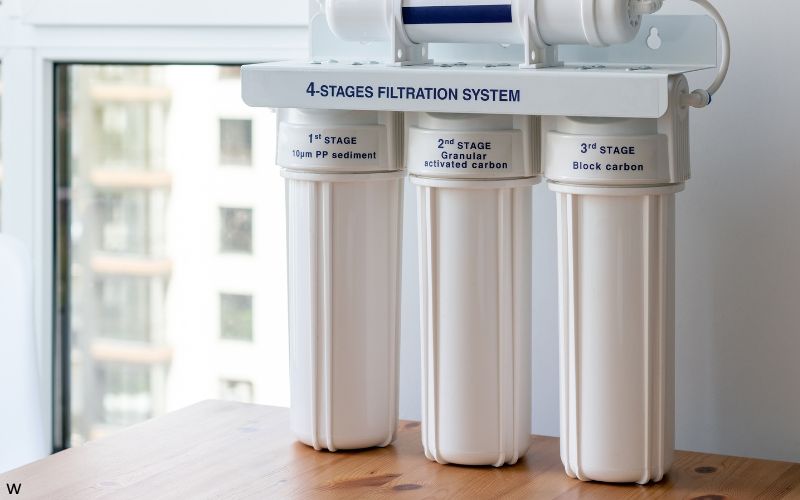
Consider PFAS-Certified Filtration
For areas with confirmed or suspected PFAS contamination, an NSF-certified reverse osmosis or activated carbon filter provides meaningful at-home protection while utilities implement long-term treatment upgrades. See our full water filter guide for PFAS-certified systems suited to Tennessee households.

Report Water Quality Concerns
Contact your local water utility immediately for taste, odour, or colour concerns. Report suspected contamination to TDEC’s Division of Water Resources for investigation. Monitor our live boil water notice tracker and water alert news feed for real-time updates affecting Tennessee communities.
Practice Water Conservation
Support Tennessee’s water sustainability by implementing conservation measures including efficient irrigation, rainwater harvesting, and low-flow fixtures. Reducing demand helps utilities maintain system reliability and keep water rates affordable as they invest in PFAS treatment infrastructure ahead of the 2031 deadline.
Tennessee Cities We Cover
Nashville Water Quality
Comprehensive analysis of Metro Water Services, serving over 450,000 customers in Tennessee’s capital city. Includes information on water sources, treatment processes, infrastructure modernisation, and PFAS monitoring. Metro Water recently confirmed non-detect results for regulated PFAS in finished water testing.
Memphis Water Quality
Detailed assessment of Memphis Light, Gas and Water, covering water quality testing, the Memphis Sand Aquifer source water, source protection, and compliance with emerging contaminant regulations in Tennessee’s largest city.
Knoxville Water Quality
Analysis of Knoxville Utilities Board water systems, examining source water protection from the Tennessee River watershed, treatment technologies, and infrastructure investments in East Tennessee’s major metropolitan area — a region particularly relevant to ongoing PFAS monitoring near the Holston Army Ammunition Depot.
Frequently Asked Questions
Is Tennessee’s tap water safe to drink in 2026?
Most of Tennessee’s 474 public water systems currently meet all federal Safe Drinking Water Act standards and are safe for consumption. However, TDEC’s completed statewide PFAS source water sampling — over 1,400 samples collected through October 2025 — has confirmed contamination at varying levels across the state, with results updated on the TDEC dashboard as recently as February 2026.
Nashville’s Metro Water Services has reported non-detect levels for regulated PFAS in finished water testing. Contamination is highest near military installations, industrial sites, and areas where PFAS-contaminated sewage sludge has been applied to farmland. EPA’s UCMR 5 finished water testing programme continues through Summer 2026 and will provide further data. Residents should review their utility’s annual Consumer Confidence Report, check the TDEC PFAS dashboard for their local area, and consider a certified home filtration system as an added precaution. You can also use our water quality checker to explore local data.
What are the latest PFAS rules and how do they affect Tennessee in 2026?
On May 14, 2025, EPA confirmed that it would retain the enforceable Maximum Contaminant Levels (MCLs) of 4 ppt for PFOA and PFOS in finished drinking water — first established in April 2024. However, EPA extended the compliance deadline for public water systems from 2029 to 2031, giving Tennessee utilities additional time to design, fund, and construct treatment solutions.
Separately, EPA intends to rescind and reconsider the MCLs it had set for PFHxS, PFNA, GenX (HFPO-DA), and the hazard index for PFAS mixtures. The April 2027 initial monitoring deadline for all public water systems remains in place. Key implications for Tennessee:
• PFOA and PFOS MCLs of 4 ppt remain the law — any system exceeding them must act
• The 2031 compliance deadline gives utilities more time, but proactive treatment planning is already underway
• TDEC’s SRF funding rounds offer grants and loans specifically for emerging contaminant treatment
• Tennessee AG Jonathan Skrmetti’s lawsuit against 20 PFAS manufacturers continues, seeking funds for cleanup
Read the latest PFAS regulatory updates in our news section.
How can I find out about my local water quality in Tennessee?
Tennessee residents can access comprehensive water quality information through several resources:
• Annual Consumer Confidence Report: Contact your water utility directly for their CCR, which details all regulated contaminant test results and any violations
• TDEC PFAS Dashboard: Visit tn.gov/environment/policy/pfas for source water PFAS sampling results — data was last updated February 2026 and covers all public water systems sampled between August 2023 and October 2025
• EPA UCMR 5 Data: As finished drinking water PFAS results from the UCMR 5 programme become available (through Summer 2026), they will be published on the EPA website and incorporated into the national water quality dataset
• Our Water Quality Checker: Use our national water quality database to search for contaminants detected in your local system
Why does Tennessee have water infrastructure challenges?
Tennessee’s water infrastructure faces several interconnected challenges heading into 2026:
Aging Systems: Many of Tennessee’s 474 water systems were built decades ago and require significant capital investment to handle both current demand and new contaminant regulations like the PFAS MCLs
Funding Gaps: The state requires $8.7 billion in drinking water infrastructure investment over the next 20 years, significantly exceeding current funding streams despite substantial federal assistance
Water Loss: Some utilities report non-revenue water loss rates exceeding 40%, representing costly system inefficiencies that divert resources away from quality improvements
Hurricane Helene Damage: East Tennessee water infrastructure suffered significant damage in 2024, highlighting critical resilience gaps; dedicated SRF funding is now available for affected communities
The state is addressing these challenges through TDEC SRF grant and loan programmes (applications accepted through January 2026 for the SFY 2026 round), improved regulatory oversight, and partnerships with utilities. Track active Tennessee water alerts here.
Quality News About Your Water
Get the comprehensive water quality news coverage you need with our dedicated US Water News Service. From coast to coast, we deliver in-depth reporting and expert analysis on PFAS contamination, EPA regulatory changes, infrastructure developments, and emerging water safety issues affecting communities nationwide. While mainstream media only covers the biggest stories, we provide the detailed, ongoing coverage that helps you understand the full scope of America’s water challenges.
What’s actually in your tap water? Enter your ZIP code for a full breakdown of contaminants detected in your local supply
Drinking water from a well? Check our directory here for more information
Contaminants of Concern
PFAS “Forever Chemicals”
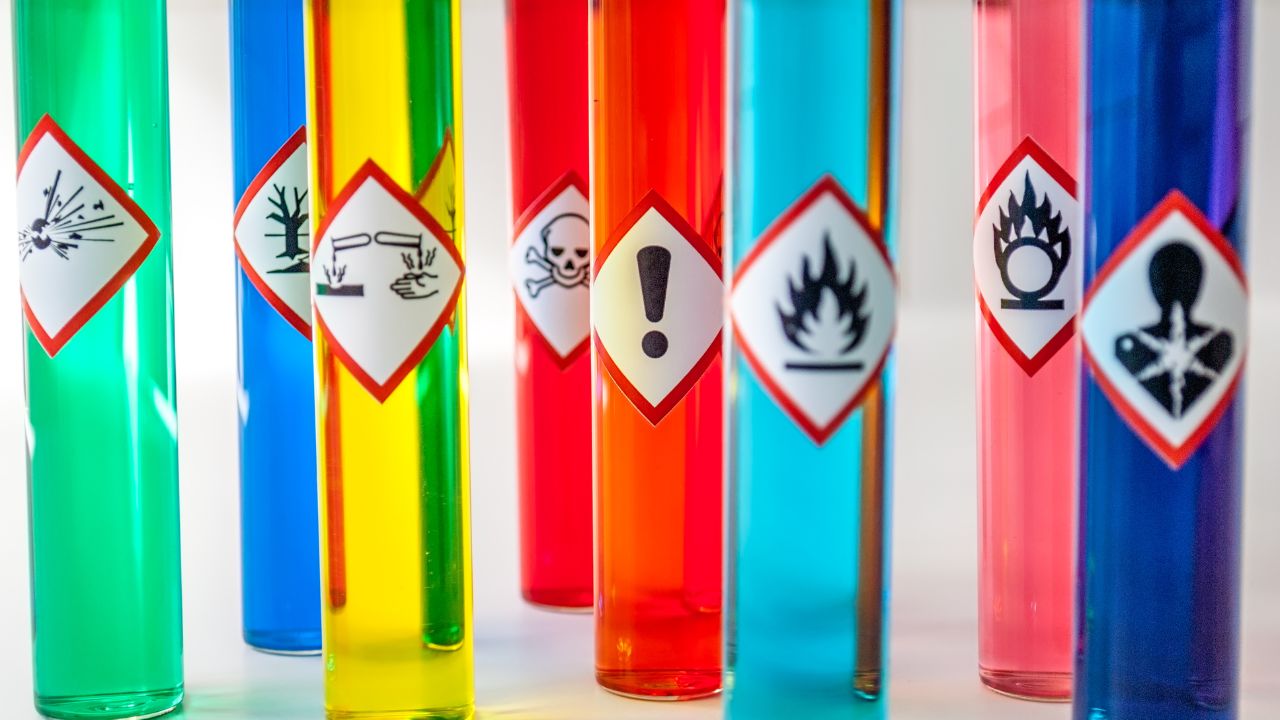
Source: Industrial manufacturing, firefighting foam (AFFF) at military installations including the Holston Army Ammunition Depot and DoD sites statewide, consumer products, and PFAS-contaminated sewage sludge spread on Tennessee farmland
Health Effects: Linked to kidney and testicular cancer, liver damage, immune system suppression, high cholesterol, and developmental effects in children; PFOS also detected in fish tissue in major Tennessee river systems
Current Status: TDEC collected over 1,400 source water samples across all public water systems between August 2023 and October 2025; dashboard updated February 2026. Highest concentrations confirmed near military/industrial sites. EPA UCMR 5 finished water results continue through Summer 2026. EPA Limits: PFOA and PFOS MCL of 4 ppt (enforceable from April 2024; compliance deadline April 2031). Reverse osmosis systems are the most effective home treatment for PFAS.
Sewage Sludge (Biosolids) Contamination
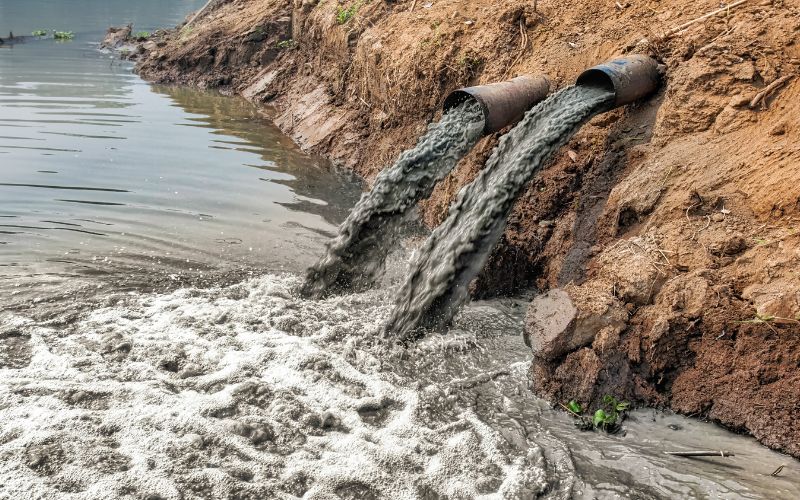
Source: Land application of Class B sewage sludge (biosolids) from wastewater treatment plants across Tennessee, with Bristol wastewater treatment plant sludge found to contain some of the highest PFAS concentrations recorded in the United States
Health Effects: PFAS migrates from sludge-treated farmland into groundwater, surface water, crops, and private wells; Sierra Club testing found groundwater near application sites exceeding EPA drinking water standards, rendering it undrinkable without expensive treatment
Current Status: In January 2025, EPA released a draft risk assessment on PFOA/PFOS in biosolids, accepting public comment through March 2025. TDEC maintains enhanced oversight of biosolids land application with monitoring requirements. Regulatory Response: Tennessee AG’s lawsuit against PFAS manufacturers seeks accountability for contamination cleanup; ongoing TDEC monitoring of biosolids application sites. Private well owners in affected rural areas should consider home filtration and independent water testing.
Please read – our information
The information presented on cleanairandwater.net is compiled from official water quality reports, trusted news sources, government websites, and public health resources. While we strive for accuracy and thoroughness in our presentations, we are not scientists, engineers, or qualified water quality professionals.
Our mission is to present water quality information in an accessible, real-world format that helps people understand what’s in their water and make informed decisions about their health and safety. We believe that complex environmental information should be available to everyone in a format that’s easy to understand.
We make every effort to ensure our content is current and accurate, but we cannot guarantee that all information is complete or error-free. This website should not replace official communications from your local water utility or health department. We always recommend consulting official sources for the most up-to-date information regarding your specific water system.
Clean Air and Water is not liable for any unintentional errors, omissions, or outdated information. The content on this site is provided for informational purposes only and should not be considered professional advice.