Washington DC Water Quality at a Glance
Is Washington DC Water Safe to Drink?
EPA Compliant, But Multiple Health Guideline Exceedances — DC water meets federal standards but contains 37 different contaminants, 13 exceeding health guidelines. Key concerns include disinfection byproducts at extreme levels (HAA9 at 707x safe levels), arsenic at 27x guidelines, chromium-6 at 4.3x safe levels, and radium at 7.6x guidelines. Water sourced from the Potomac River via the Washington Aqueduct is treated but forms dangerous byproducts during chlorination. Meanwhile, DC Water’s Lead Free DC programme has now replaced over 11,000 lead service lines — roughly 26% of the estimated 42,000 that need replacing. See our live boil water notices tracker for any current advisories affecting DC.
⚠️ Key Concerns for Washington DC Residents
- Disinfection Byproducts: HAA9 at 707x safe levels, TTHMs at 310x guidelines — formed when chlorine reacts with organic matter in Potomac River source water
- Carcinogenic Chemicals: Arsenic at 27x guidelines, chromium-6 at 4.3x safe levels, radium at 7.6x guidelines — all linked to increased cancer risk
- PFAS “Forever Chemicals”: Multiple PFAS compounds detected, though currently below EPA’s 2024 MCLs of 4 ppt for PFOA/PFOS (compliance deadline 2031)
- Lead Service Lines: Over 31,000 lead or galvanized lines still awaiting replacement despite strong programme progress — homes served by unplaced lines remain at risk
Read the full 2026 report below for detailed analysis, lead pipe data, PFAS status, and filter recommendations for Washington DC residents.
advertisment – report continues below
Your water passed the test.
Legal isn’t the same as safe.
Regulated contaminants like PFAS, chromium-6, and disinfection byproducts can sit inside the legal limit and still carry long-term health risks. Passing isn’t the same as clean.
✅ Removes PFAS, lead & chromium-6 — the contaminants most flagged even in passing city reports
✅ NSF/ANSI 42, 58 & 372 certified — independently tested, not just manufacturer claims
✅ Installs in 30 minutes, no plumber — fills a glass in 8 seconds, smart LED filter monitor
Renting or can’t drill? The Waterdrop K19 Countertop RO — plug in, fill the tank, done. No installation, no drilling, no plumber.
Advertisement — this page contains affiliate links. If you buy through these links, we may earn a commission at no extra cost to you.

Washington DC (District of Columbia) — Water Quality Report 2026: Lead Pipe Progress, PFAS Status & Drinking Water Safety
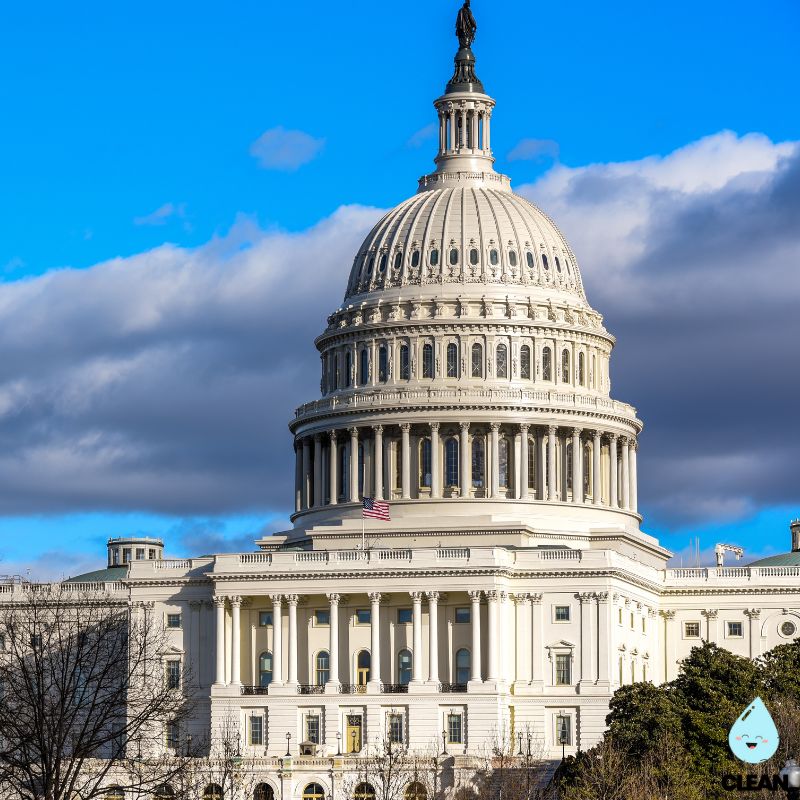
Washington DC’s drinking water comes from the Potomac River and meets all federal compliance standards as of 2025. The city continues to face challenges with lead service lines — DC Water estimates approximately 42,000 lines need replacement, of which over 11,000 have now been replaced through the Lead Free DC programme as of early 2026. A July 2024 Boil Water Advisory underscored the city’s vulnerability to disruption from its single water source, prompting the launch of Pure Water DC in November 2025 — an initiative to develop a second, sustainable drinking water source using purified recycled water. DC Water’s $1.5 billion Lead Free DC programme aims to eliminate all lead service lines by 2030. Check our national water quality checker and District of Columbia state water overview for broader context.
Washington DC Water Quality: Current Status (2025–2026)
- Water Source: All water in Washington DC comes from the Potomac River near Great Falls, treated at the Dalecarlia Reservoir by the Washington Aqueduct (a division of the U.S. Army Corps of Engineers), and then sold to DC Water. Following a July 2024 Boil Water Advisory, DC Water launched a regional resilience initiative to secure a second water source. DC Water
- Pure Water DC: Launched in November 2025, Pure Water DC is DC Water’s initiative to transform treated wastewater into a safe, sustainable supplementary drinking water source, diversifying the city’s water supply beyond sole reliance on the Potomac River. A Pure Water DC Discovery Center is planned for 2026. DC Water
- Monitoring: DC Water’s monitoring programme tests more than 40,000 samples annually from sources across the District, exceeding federal requirements to ensure clean and reliable water delivery. DC Water
Lead Service Line Status (2026 Update)
- Total Lead Lines: DC Water estimates approximately 42,000 lead or galvanised-iron service lines in the District still require replacement with copper pipe. DC Water Dashboard
- Replacement Progress: As of early 2026, Lead Free DC has replaced over 11,000 lead service lines — roughly 26% of the estimated total — since the programme launched in 2019. A key milestone, the 10,000th replacement, was celebrated in autumn 2025. Hill Rag
- 2025 Production: Output increased by 50% compared to FY2024, with over 3,000 replacements completed in 2025 alone, delivering more than $10 million in free and discounted private-side replacement work to DC residents. DC Water 2025 Annual Report
- Replacement Goal: DC Water’s $1.5 billion Lead Free DC programme aims to replace all lead service lines by 2030. The estimated cost of a full replacement (including restoration, permitting, and traffic control) is approximately $21,000 per property. Both the public and private portions are replaced at no direct cost to homeowners who sign a right-of-entry agreement. DC Water
Water Quality Testing Results
- Compliance Status: DC’s tap water meets all federal health-based drinking water standards enforced by the EPA. EWG
- Contaminant Concerns: According to the Environmental Working Group (EWG), test results through 2024 showed 37 contaminants in DC’s water, with 13 at levels above EWG’s health-based guidelines. See our water alert news for the latest national contamination updates. EWG
- Key Contaminants: Key contaminants of concern include disinfection byproducts (HAA9 at 707x EWG guidelines, TTHMs at 310x guidelines), arsenic at 27x guidelines, chromium-6 at 4.3x guidelines, and radium at 7.6x guidelines. EWG
PFAS and Health Concerns
- Current PFAS Status: DC Water’s PFAS test results remain below the EPA’s 2024 Maximum Contaminant Levels (MCLs) of 4 ppt for PFOA and PFOS, though multiple PFAS compounds are still detected. Water systems have until 2031 to achieve full compliance with these new standards. DC Water
- Lead Exposure History: In 2016, researcher Marc Edwards estimated that Washington DC’s earlier lead crisis was “20 to 30 times worse” than the Flint water crisis. The Lead Free DC programme was launched in 2019 to address the lasting legacy of that infrastructure failure. For comparison, see our Flint water crisis page. Wikipedia
- Health Guidelines vs. Regulations: Federal compliance does not guarantee water meets the latest independent health guidelines, as many legal limits have not been updated to reflect current science. EWG’s guidelines are generally more conservative than EPA MCLs. EWG
Ongoing Monitoring and Resources
Annual Reporting: DC Water publishes an Annual Drinking Water Quality Report (Consumer Confidence Report) each year. The 2025 CCR was published in June 2025. The District of Columbia also publishes an Integrated Report on water quality combining Clean Water Act reporting requirements. DC DOEE
Service Line Map: DC Water maintains an interactive map at geo.dcwater.com/Lead showing which service lines are made of lead or other materials. Enter your address to check your property’s status. DC Water
Water Testing & Filter Advice: Residents can call DC Water at 202-787-4044 to request a water test kit for lead. For those concerned about multiple contaminants, our water filter solutions guide covers NSF-certified options including reverse osmosis systems suited to DC’s contaminant profile. DC DOEE
Boil Water Advisories: The July 2024 Boil Water Advisory served as a reminder that disruption remains possible. Monitor our live US boil water notices tracker for any active advisories in DC or neighbouring areas. Stay up to date via our water alert news section.
Quality News About Your Water
Get the comprehensive water quality news coverage you need with our dedicated US Water News Service. From coast to coast, we deliver in-depth reporting and expert analysis on PFAS contamination, EPA regulatory changes, infrastructure developments, and emerging water safety issues affecting communities nationwide. While mainstream media only covers the biggest stories, we provide the detailed, ongoing coverage that helps you understand the full scope of America’s water challenges. Whether you’re a concerned citizen, water professional, or community leader, our daily updates and analytical insights keep you informed about the issues that matter most to public health and environmental safety.
What’s actually in your tap water? Enter your ZIP code for a full breakdown of contaminants detected in your local supply
Frequently Asked Questions
Is Washington DC’s tap water safe to drink in 2026?
DC water meets all federal EPA standards and is legally considered safe to drink. However, 13 contaminants exceed stricter health guidelines set by independent scientists, including disinfection byproducts and carcinogens. Lead can still leach into water from the estimated 31,000+ service lines awaiting replacement. Using an NSF-certified filter (Standard 53 for lead, or a reverse osmosis system for broader protection) provides extra assurance, particularly for households with children, pregnant women, or elderly residents. Visit our water filter solutions page for recommendations matched to DC’s contaminant profile.
How do I know if my home has a lead service line?
DC Water maintains an interactive inventory map at geo.dcwater.com/Lead — enter your address to see whether your public and private service lines are lead, copper, or unknown. You can also check the Lead Free DC Construction Dashboard to see if replacements are already scheduled in your area. If you are unsure or your line is unverified, call DC Water at 202-787-4044 to request an inspection or test kit.
What contaminants are of concern in DC’s water?
While DC’s water meets federal standards, the Environmental Working Group (EWG) has identified 13 contaminants exceeding their recommended health guidelines, including disinfection byproducts (HAA9 at 707x guidelines, TTHMs at 310x guidelines), arsenic at 27x guidelines, chromium-6 at 4.3x guidelines, and radium at 7.6x guidelines. PFAS “forever chemicals” are detected but currently below the EPA’s 2024 MCLs of 4 ppt for PFOA/PFOS. These concerns highlight why a quality water filter is advisable for DC residents, regardless of formal compliance status.
Will my lead service line be replaced for free?
If DC Water is replacing the public portion of a lead service line in your street as part of its Lead Free DC programme, both the public and private portions are replaced at no cost to you — provided you sign a right-of-entry authorisation form. Over 11,000 replacements have been completed since 2019, with more than 3,000 completed in 2025 alone. Each full replacement costs DC Water approximately $21,000. Check the Lead Free DC Dashboard to see your property’s status and whether your block is scheduled.
Contaminants of Concern
Chromium (including Hexavalent Chromium)
Primary source: Natural deposits and industrial pollution
Health concerns: Known carcinogen, particularly hexavalent chromium (made famous by the Erin Brockovich case)
Status: Chromium-6 levels in Washington DC water have exceeded the Environmental Working Group’s recommended safety levels by 4.3 times. A reverse osmosis filter is the most effective way to reduce chromium-6 — see our filter guide for options.
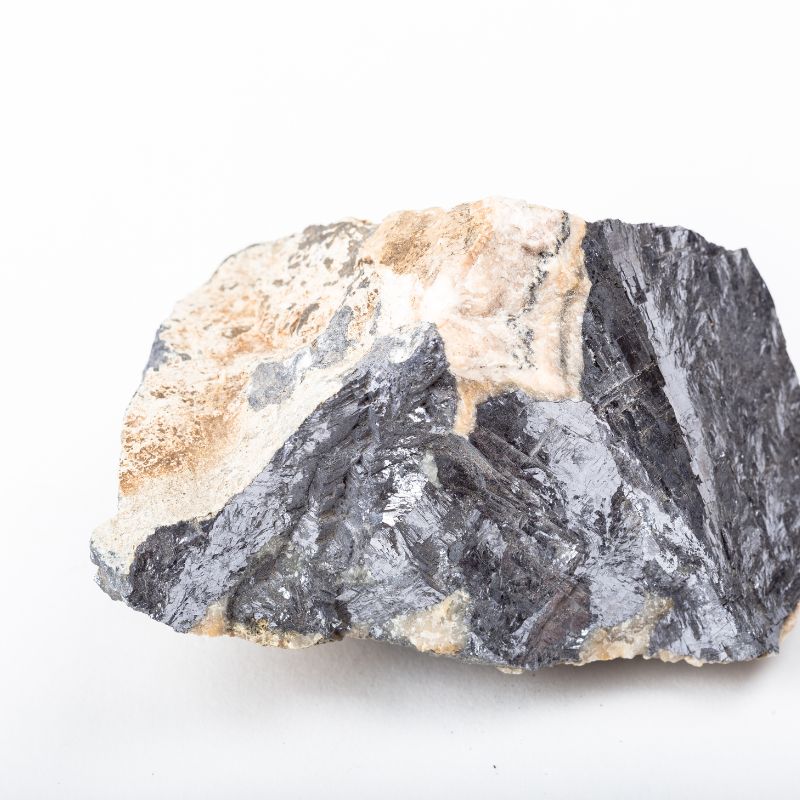
Lead
Primary source: Lead service lines and old plumbing fixtures
Health concerns: Developmental delays in children, learning difficulties, kidney problems, high blood pressure — there is no safe level of lead exposure for children
Status (2026): DC Water has replaced over 11,000 lead service lines since 2019, including the 10,000th replacement celebrated in autumn 2025. However, an estimated 31,000+ lines remain. Homes served by unreplaced lead lines remain at risk of elevated lead levels at the tap. Check your address at geo.dcwater.com/Lead and use an NSF-certified filter (Standard 53) if your line status is unknown. For context on how DC’s history compares nationally, see our Flint, Michigan water crisis page.
Please read – our information
The information presented on cleanairandwater.net is compiled from official water quality reports, trusted news sources, government websites, and public health resources. While we strive for accuracy and thoroughness in our presentations, we are not scientists, engineers, or qualified water quality professionals.
Our mission is to present water quality information in an accessible, real-world format that helps people understand what’s in their water and make informed decisions about their health and safety. We believe that complex environmental information should be available to everyone in a format that’s easy to understand.
We make every effort to ensure our content is current and accurate, but we cannot guarantee that all information is complete or error-free. This website should not replace official communications from your local water utility or health department. We always recommend consulting official sources for the most up-to-date information regarding your specific water system.
Clean Air and Water is not liable for any unintentional errors, omissions, or outdated information. The content on this site is provided for informational purposes only and should not be considered professional advice.