Wichita Water Quality at a Glance
Is Wichita Water Safe to Drink?
Generally Safe, With Moderate Concerns — Wichita water meets federal standards and has no detected PFAS contamination in the city system. However, testing shows 14 contaminants exceeding health guidelines, including arsenic, manganese, and disinfection byproducts like trihalomethanes. The city serves over 500,000 people and is awaiting its new $500 million water treatment plant — now delayed until at least 2027 due to a clarifier design flaw. The good news: Cheney Reservoir has recovered to 100% capacity and Wichita stepped down to Stage 1 drought in September 2025. Check our live boil water notices tracker for any current advisories.
⚠️ Key Points for Wichita Residents
- Arsenic Levels: Detected above health guidelines; naturally occurring carcinogen that accumulates with long-term low-dose exposure
- Disinfection Byproducts: Trihalomethanes and haloacetic acids from chlorination; linked to cancer risk with prolonged exposure
- Plant Delays: The new Northwest Water Treatment Facility won’t be operational before end of 2026 at earliest — likely 2027 — due to clarifier design flaws; water rates raised 7.11% in December 2025
- Conservation Remains Important: Drought officially over (Stage 1), but permanent every-other-day outdoor watering restrictions have been adopted; Cheney Reservoir now 100% full
Read the full 2026 report below for detailed analysis, infrastructure updates, and actionable recommendations for Wichita residents.
advertisment – report continues below
Your water passed the test.
Legal isn’t the same as safe.
Regulated contaminants like PFAS, chromium-6, and disinfection byproducts can sit inside the legal limit and still carry long-term health risks. Passing isn’t the same as clean.
✅ Removes PFAS, lead & chromium-6 — the contaminants most flagged even in passing city reports
✅ NSF/ANSI 42, 58 & 372 certified — independently tested, not just manufacturer claims
✅ Installs in 30 minutes, no plumber — fills a glass in 8 seconds, smart LED filter monitor
Renting or can’t drill? The Waterdrop K19 Countertop RO — plug in, fill the tank, done. No installation, no drilling, no plumber.
Advertisement — this page contains affiliate links. If you buy through these links, we may earn a commission at no extra cost to you.

Wichita — Kansas — Water Quality Report 2026: New Plant Delays, Drought Recovery & Drinking Water Safety
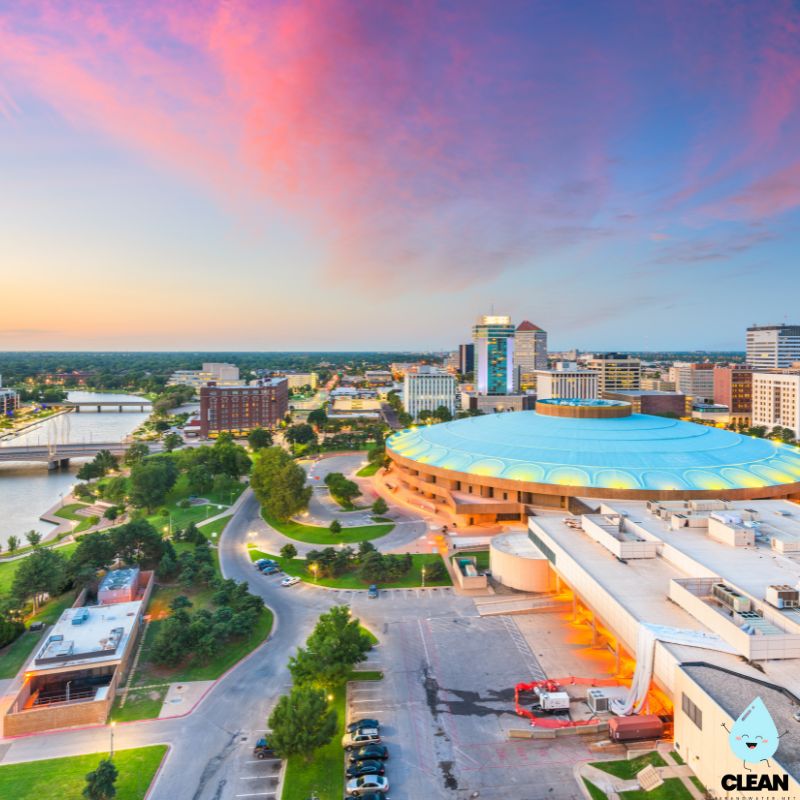
Wichita’s Public Works & Utilities department manages one of the most complex municipal water systems in Kansas, serving over 500,000 residents across Wichita and surrounding communities including Eastborough, Rose Hill, Benton, Kechi, Andover, Derby, Valley Center, Bentley, and several rural water districts — approximately 17% of the state’s population. Wichita draws its drinking water from two primary sources: the Cheney Reservoir (surface water) and the Equus Beds Aquifer (groundwater) near Halstead. After entering Stage 2 drought restrictions in August 2024, Wichita recovered to Stage 1 in September 2025 — with Cheney Reservoir now at 100% of its conservation pool capacity. The city’s long-awaited new Northwest Water Treatment Facility has been further delayed and is now unlikely to be operational before the end of 2026 at the earliest, following the discovery of a structural design flaw in the clarifiers in late 2025. For state-level context, see our Kansas water quality overview and our water filter solutions guide.
Wichita Water Quality: Current Status (2025–2026)
Latest Testing Results
- Lead and Copper Levels: Wichita’s water meets all federal and state standards for lead and copper. The city maintains strict control of pH and hardness parameters to prevent pipe corrosion. Private lead service lines may still exist in homes built before 1986 — use Wichita’s Service Line Inventory Tool at wichita.gov/leadmap to check your address.
- Testing Scope: Wichita conducts extensive water quality tests throughout the system, monitoring for over 100 contaminants as required by federal and state regulations. Results are published annually in the Consumer Confidence Report.
- Compliance Status: Wichita’s water meets all federal and state drinking water standards set by the EPA and Kansas Department of Health and Environment. Independent testing by the Environmental Working Group identifies 14 contaminants exceeding their health-based guidelines, including arsenic and disinfection byproducts. Visit our water alert news section for the latest national water quality developments.
Diverse Water Sources
- Cheney Reservoir: Surface water from this reservoir provides approximately 60–70% of Wichita’s water supply during normal conditions. Following severe drought conditions in 2023–2024, Cheney Reservoir has fully recovered — as of early 2026 the conservation pool stands at 100% capacity, 0.8 feet above the normal waterline. City of Wichita
- Equus Beds Aquifer: This groundwater source provides approximately 30–40% of supply. The city also operates an Aquifer Storage and Recovery (ASR) programme to capture and store excess water during wet periods, improving long-term resilience.
- Source Protection: Wichita implements watershed protection measures around Cheney Reservoir and aquifer protection strategies for the Equus Beds to safeguard source water quality upstream of treatment.
Treatment Technology
- Current Treatment Process: Wichita uses lime softening for water treatment: after blending source waters, lime and polymer are added to soften and settle out solids. The settled water is then filtered and disinfected with chloramines. The existing plant is 80+ years old but continues to operate safely.
- New Water Treatment Facility — Delayed to 2027: The $500 million Northwest Water Treatment Facility has faced repeated delays. Originally scheduled to open in spring 2025, a mechanical failure during testing in May 2025 pushed the target to December 2025. In November 2025, a structural design flaw was discovered in the clarifiers. As of January 2026, the city confirmed the plant is unlikely to be operational before the end of 2026 at the earliest — and likely not until 2027. All delay costs are the responsibility of Wichita Water Partners, not city ratepayers. KWCH
- Emergency Backup Plan: In January 2026 the city council voted to begin converting the existing plant into an emergency backup facility, activatable within 24–48 hours, to provide redundancy until the new plant is fully commissioned. KAKE
Drought Recovery and Water Conservation
- Drought Stage (2026): Wichita entered Stage 2 mandatory drought restrictions in August 2024 following critically low Cheney Reservoir levels. In September 2025, sustained rainfall allowed the city to recover to Stage 1. As of early 2026, Cheney Reservoir stands at 100% of its conservation pool — 0.8 feet above normal. City of Wichita
- Permanent Water Restrictions: In August 2025, following the drought declaration being lifted, Wichita City Council adopted permanent every-other-day outdoor watering restrictions — a recognition that Kansas droughts are a recurring challenge requiring lasting conservation habits rather than temporary measures.
- Water Rate Increase: In December 2025, the city council approved a 7.11% increase in water and sewer rates, reflecting the ongoing infrastructure investment required to deliver safe, reliable water to over 500,000 residents. KWCH
- Smart Water Management: The city employs advanced monitoring and management technologies including flow sensors and data analytics to optimise distribution efficiency and detect leaks early.
Community Support and Resources
Wichita’s water utility maintains strict control of pH, hardness, and other parameters to prevent corrosion in the distribution system. The city publishes annual Water Quality Reports (Consumer Confidence Reports) with detailed contaminant data. Wichita offers rebate programmes for water-efficient fixtures and appliances — visit savewichitawater.com for details. Residents concerned about lead or other contaminants can contact Public Works & Utilities at (316) 268-8351. For filter recommendations suited to Wichita’s water profile, see our water filter solutions guide, and monitor our national water quality tool for updates.
Recommendations for Wichita Residents
Check for Lead Pipes
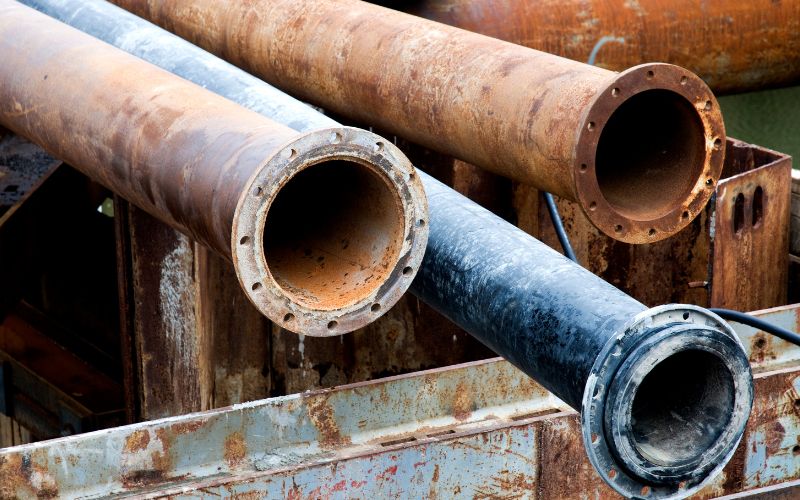
If your home was built before 1986, inspect your service line where water enters your home. Lead pipes are dull grey, soft enough to scratch with a key, and won’t attract a magnet. Use Wichita’s free Service Line Inventory Tool to check your address, or contact Public Works & Utilities at (316) 268-8351 for testing assistance.
Follow Permanent Watering Restrictions
The drought is over but conservation habits are here to stay. Wichita City Council adopted permanent every-other-day outdoor watering restrictions from September 2025. All outdoor irrigation must take place before 10 a.m. or after 6 p.m. Visit savewichitawater.com for your watering schedule and rebate information.
Consider Filtration
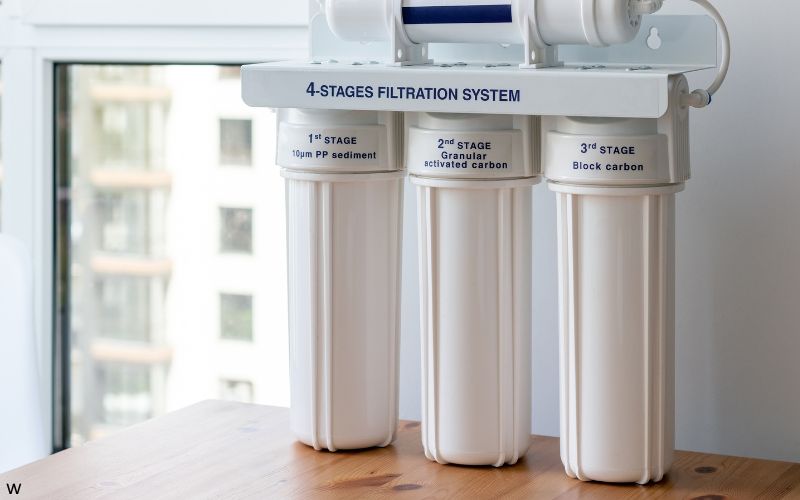
While Wichita’s water meets all safety standards, independent testing shows 14 contaminants exceed health guidelines including arsenic and disinfection byproducts. Residents may want to use NSF-certified filters (Standard 53) for drinking and cooking, especially in older homes. See our water filter solutions guide for options suited to Wichita’s water profile.
Use Water-Efficient Fixtures
Install low-flow faucets, showerheads, and high-efficiency toilets to reduce consumption. The city offers rebate programmes for qualifying water-efficient fixtures and appliances. Visit savewichitawater.com for details on available rebates and conservation tips.

Report Issues
Contact (316) 268-8351 for water quality concerns or main breaks. For after-hours emergencies, call (316) 268-4111. Report water leaks promptly to help conserve the community’s water supply. Monitor our live boil water notices tracker for any active advisories in Wichita or the wider Kansas region.
Quality News About Your Water
Get the comprehensive water quality news coverage you need with our dedicated US Water News Service. From coast to coast, we deliver in-depth reporting and expert analysis on PFAS contamination, EPA regulatory changes, infrastructure developments, and emerging water safety issues affecting communities nationwide. While mainstream media only covers the biggest stories, we provide the detailed, ongoing coverage that helps you understand the full scope of America’s water challenges.
What’s actually in your tap water? Enter your ZIP code for a full breakdown of contaminants detected in your local supply
Drinking water from a well? Check our directory here for more information
Frequently Asked Questions
Is Wichita’s tap water safe to drink in 2026?
Yes, Wichita’s tap water meets all federal and state drinking water standards. The city’s Public Works & Utilities department conducts extensive testing to ensure water safety. Water from Cheney Reservoir and the Equus Beds Aquifer undergoes lime softening, filtration, and chloramine disinfection before reaching your tap. However, independent testing has identified 14 contaminants that exceed Environmental Working Group health guidelines, including arsenic and disinfection byproducts. Residents in older homes (pre-1986) may want to have their water tested for lead, and a good NSF-certified filter provides extra peace of mind for drinking and cooking water.
Has the drought in Wichita ended?
Effectively yes — Wichita officially stepped down from Stage 2 to Stage 1 in September 2025 following sustained rainfall, and as of early 2026 Cheney Reservoir stands at 100% of its conservation pool capacity (0.8 feet above normal). However, the city adopted permanent every-other-day outdoor watering restrictions in August 2025, reflecting the reality that Kansas droughts are a recurring challenge. All outdoor irrigation must occur before 10 a.m. or after 6 p.m. Visit the city’s Drought Update page for the latest status.
When will the new Wichita water treatment plant open?
The new $500 million Northwest Water Treatment Facility has been subject to repeated delays. Originally scheduled to open in spring 2025, it experienced a mechanical failure in May 2025, then a structural design flaw was discovered in the clarifiers in November 2025. As of January 2026, Public Works Director Gary Janzen told the city council the plant is unlikely to be operational before the end of 2026 — and possibly not until 2027. All additional costs are the responsibility of the contractor, Wichita Water Partners. In January 2026, the city council voted to begin converting the existing plant into an emergency backup facility in the meantime. Water and sewer rates were raised by 7.11% in December 2025.
What are Wichita’s current outdoor watering rules?
Since August 2025, Wichita has adopted permanent outdoor watering restrictions (regardless of drought stage). Watering is permitted every other day only, and all outdoor irrigation must take place before 10 a.m. or after 6 p.m. Well users are exempt. The restrictions replaced the Stage 2 schedule-based system that was in force from August 2024 to September 2025. Even with Cheney Reservoir now full, the council decided that long-term water security requires ongoing conservation. Visit savewichitawater.com for full details and rebate information.
Contaminants of Concern
Lead
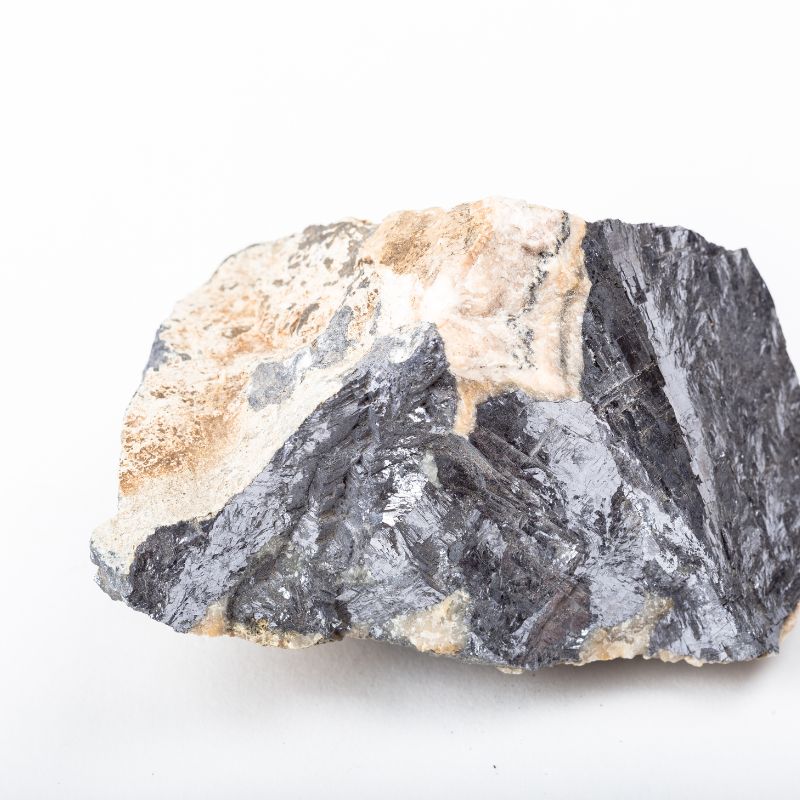
Source: Lead service lines and older plumbing fixtures in homes built before 1986; private lead service lines may still exist, though the city has made improvements to the distribution system
Health Effects: Developmental delays in children, reduced IQ, learning difficulties, kidney problems, cardiovascular effects in adults — there is no safe level of lead exposure for children
Current Status: Wichita’s water meets all federal and state standards for lead. The city maintains strict pH and hardness controls to minimise corrosion risk. Use the Service Line Inventory Tool at wichita.gov/leadmap to check your address. For older homes, an NSF Standard 53 filter provides an additional layer of protection — see our filter guide.
Disinfection Byproducts
Source: Form when disinfectants like chloramines react with naturally occurring organic matter in surface water from Cheney Reservoir
Health Effects: Potential increased risk of cancer and other health problems with long-term exposure; trihalomethanes (TTHMs) and haloacetic acids (HAAs) are the main compounds of concern
Current Status: Wichita maintains levels below EPA regulatory limits through careful treatment, though independent testing shows some disinfection byproducts exceed EWG health guidelines. The new treatment facility — once operational — will feature advanced technologies designed to further reduce these byproducts. A reverse osmosis filter is one of the most effective home solutions: see our water filter solutions page for options. Keep an eye on our water alert news section for any regulatory changes.
Please read – our information
The information presented on cleanairandwater.net is compiled from official water quality reports, trusted news sources, government websites, and public health resources. While we strive for accuracy and thoroughness in our presentations, we are not scientists, engineers, or qualified water quality professionals.
Our mission is to present water quality information in an accessible, real-world format that helps people understand what’s in their water and make informed decisions about their health and safety. We believe that complex environmental information should be available to everyone in a format that’s easy to understand.
We make every effort to ensure our content is current and accurate, but we cannot guarantee that all information is complete or error-free. This website should not replace official communications from your local water utility or health department. We always recommend consulting official sources for the most up-to-date information regarding your specific water system.
Clean Air and Water is not liable for any unintentional errors, omissions, or outdated information. The content on this site is provided for informational purposes only and should not be considered professional advice.