Sacramento Water Quality at a Glance
Is Sacramento Water Safe to Drink?
Meets Standards, But Has Concerns — Sacramento water meets all current federal and state safety standards but contains several contaminants of concern. According to the 2024 Consumer Confidence Report (published June 2025), chromium-6 (hexavalent chromium) averages 4.7 µg/L (4,700 ppt) in groundwater — more than 235 times higher than California’s cancer-risk benchmark. PFAS including PFOS and PFOA have been detected in some wells above EPA’s enforceable 4 ppt MCL, and arsenic reaches up to 4.3 µg/L in groundwater wells. The city draws 80% from surface water and 20% from groundwater. See our water filter recommendations for options that address these contaminants.
⚠️ Key Concerns for Sacramento Residents
- Chromium-6: System average 4.7 µg/L (4,700 ppt); up to 7.6 µg/L in groundwater — far above California’s 0.02 µg/L public health goal
- PFAS “Forever Chemicals”: PFOS and PFOA detected above EPA’s 4 ppt MCL in some wells; Sacramento received ~$10.4 million in PFAS manufacturer settlement funds in 2025
- Arsenic: Average 2.3 µg/L system-wide; up to 4.3 µg/L in groundwater wells — a known carcinogen
- Compliance Deadline Extended: EPA has extended the PFOA/PFOS compliance deadline from 2029 to 2031; full treatment systems still being planned
Read the full report below for detailed analysis, city-specific data, and actionable recommendations for Sacramento residents. You can also check the live boil water notices tracker for any active alerts.
advertisment – report continues below
Your water passed the test.
Legal isn’t the same as safe.
Regulated contaminants like PFAS, chromium-6, and disinfection byproducts can sit inside the legal limit and still carry long-term health risks. Passing isn’t the same as clean.
✅ Removes PFAS, lead & chromium-6 — the contaminants most flagged even in passing city reports
✅ NSF/ANSI 42, 58 & 372 certified — independently tested, not just manufacturer claims
✅ Installs in 30 minutes, no plumber — fills a glass in 8 seconds, smart LED filter monitor
Renting or can’t drill? The Waterdrop K19 Countertop RO — plug in, fill the tank, done. No installation, no drilling, no plumber.
Advertisement — this page contains affiliate links. If you buy through these links, we may earn a commission at no extra cost to you.

Sacramento – California – Water Quality Report 2026: PFAS Testing, Infrastructure Concerns & Safety across your city
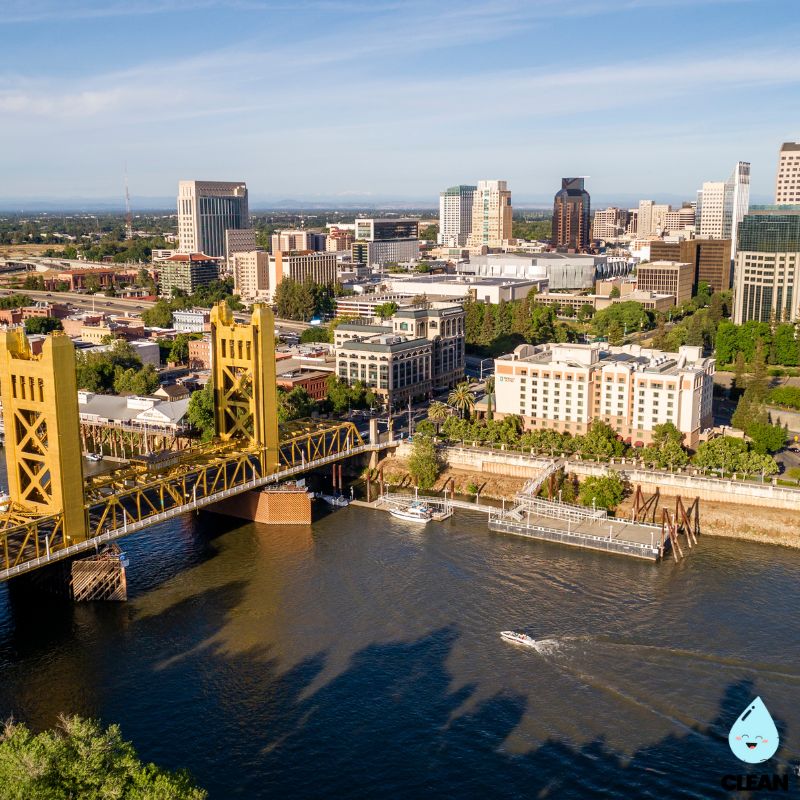
Sacramento’s Department of Utilities provides comprehensive water services to approximately 500,000 residents across California’s capital city and surrounding areas. The municipal utility operates an extensive distribution system encompassing over 1,600 miles of water mains, advanced treatment facilities, and strategic groundwater wells that deliver an average of 80 million gallons of drinking water daily to Sacramento’s diverse urban and suburban communities.
Sacramento sources its drinking water from multiple sources: approximately 80% comes from surface water drawn from both the Sacramento River and American River, while the remaining 20% comes from groundwater wells strategically located throughout the city. Surface water is treated at two major facilities — the Sacramento River Water Treatment Plant and the E.A. Fairbairn Water Treatment Plant on the American River. According to the city’s 2024 Consumer Confidence Report (published June 2025), Sacramento’s water meets all federal and state quality standards, though chromium-6 levels average 4.7 µg/L in groundwater (up to 7.6 µg/L), and PFAS including PFOS and PFOA remain above EPA’s enforceable 4 ppt MCL in some wells. The city received approximately $10.4 million through PFAS manufacturer settlements in 2025 to help fund treatment infrastructure. Check the latest water alerts for California for ongoing news.
Sacramento Water Quality: Current Status (2025–2026)
Latest Testing Results
- Comprehensive Monitoring: Sacramento conducts extensive water quality testing for over 100 potential contaminants annually across the distribution system, maintaining compliance with EPA and California State Water Resources Control Board regulations. The 2024 Consumer Confidence Report was published in June 2025 and covers monitoring data from January–December 2024.
- PFAS Detection: PFOS and PFOA have been detected in some Sacramento groundwater wells above EPA’s enforceable MCL of 4 ppt (finalised April 2024). The city received approximately $10.4 million through PFAS drinking water manufacturer settlements (3M/DuPont) in 2025, with rights preserved to file additional claims as monitoring continues.
- Chromium-6 Levels: The 2024 CCR records a system average of 4.7 µg/L for hexavalent chromium, with groundwater reaching up to 7.6 µg/L — well above California’s public health goal of 0.02 µg/L. Both surface water treatment plants showed non-detect results; the issue is concentrated in groundwater wells.
- Compliance Status: Sacramento’s water meets all current federal and state drinking water standards. The EPA PFOA/PFOS compliance deadline has been extended to 2031 (announced May 2025), giving utilities additional time to install treatment systems. EPA monitoring requirements remain in place with initial compliance monitoring due by April 2027. Visit our water quality checker for more details.
Water Sources
- Sacramento River: Primary surface water source providing treated water through the Sacramento River Water Treatment Plant, drawing from California’s longest river system that collects water from far northern California. Watershed sanitary survey last updated in 2020; river is noted as vulnerable to agricultural contaminants.
- American River: Secondary surface water source supplying the E.A. Fairbairn Water Treatment Plant, sourced primarily from Sierra Nevada snowmelt stored in Folsom Lake. Watershed sanitary survey last updated in 2023. No cyanotoxin detections (microcystins or cylindrospermopsin) recorded during routine 2024 monitoring.
- Groundwater Wells: Strategic groundwater facilities throughout the city serve multiple neighbourhoods including Arden Park Vista, Northgate, Southwest Tract, Hood, East Walnut Grove, Delta Estates, Laguna, Vineyard, Country Creek Estates, Grantline, Mather, Sunrise, and Anatolia. Wells north of the American River are assessed as vulnerable to industrial and agricultural contamination sources.
Advanced Treatment Technology
- Sacramento River Water Treatment Plant: Features multi-barrier treatment including coagulation, flocculation, sedimentation, filtration, and chlorine disinfection. Turbidity consistently below 0.09 NTU in 2024, well within regulatory requirements.
- E.A. Fairbairn Water Treatment Plant: Utilises comprehensive treatment processes including grit removal, particle aggregation, settling, anthracite and sand filtration, and chemical disinfection. HAA5 system average 38 µg/L (MCL: 60 µg/L); THMs system average 63 µg/L (MCL: 80 µg/L) in 2024.
- PFAS Treatment Planning: Sacramento County Water Agency is planning treatment systems for PFAS removal across affected wells. The city’s 2025 PFAS settlement funds (~$10.4 million) are expected to contribute toward infrastructure costs, with the extended 2031 EPA compliance deadline providing additional planning time. EPA’s recommended best available technologies include granular activated carbon (GAC), ion exchange, and reverse osmosis.
Infrastructure Modernisation
- Water+ Project: Ongoing modernisation initiative to improve Sacramento’s water infrastructure, enhance treatment capabilities, and improve system resilience for future growth.
- Distribution System Upgrades: Continued replacement and modernisation of over 1,600 miles of water distribution lines, with priority given to ageing infrastructure and areas requiring improved water pressure.
- Lead Service Line Inventory: Completed in 2024 as required under the Federal Lead and Copper Rule Revisions. Sacramento confirmed no lead service lines or galvanised service lines requiring replacement within the city’s service area. Lead results non-detect in 2023 monitoring. Read about California statewide water quality for broader context.
Customer Protection Initiatives
Sacramento’s Department of Utilities maintains transparent communication through annual Consumer Confidence Reports and regular customer notifications, particularly regarding emerging contaminants like PFAS. The 2024 CCR (published June 2, 2025) is the most current available. The utility offers conservation rebate programmes including incentives for efficient toilets, washing machines, rain barrels, and smart irrigation controllers. In 2025, Sacramento received approximately $10.4 million through the 3M and DuPont PFAS drinking water settlements, with rights preserved for additional claims, demonstrating active pursuit of funding for treatment infrastructure. The extended EPA compliance deadline to 2031 for PFOA/PFOS MCLs provides a clearer timeline for residents and the utility to plan accordingly. For filter options that address Sacramento’s specific contaminant profile, see our recommended water filters.
Recommendations for Sacramento Residents
Monitor Water Quality
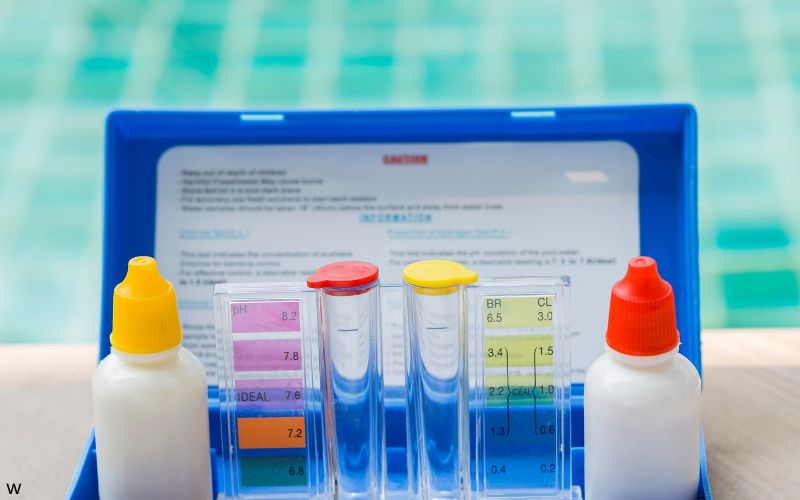
Stay informed about Sacramento’s water quality through annual Consumer Confidence Reports, updated each July 1. Contact the Department of Utilities at (916) 808-5454 for water quality questions or concerns about taste, odour, or pressure issues. Given ongoing PFAS detections in some wells, consider independent water testing for comprehensive analysis. You can also monitor live boil water notices across the US.

Take Advantage of Rebates
Apply for Sacramento’s water conservation rebate programmes including up to $125 for high-efficiency toilets, $125 for Energy Star washing machines, $150 for rain barrels, and $100 for greywater systems. Sacramento County Water Agency also offers Cash for Grass turf replacement rebates. Visit the city’s utilities website for current programme offerings and eligibility requirements.
Consider Home Filtration
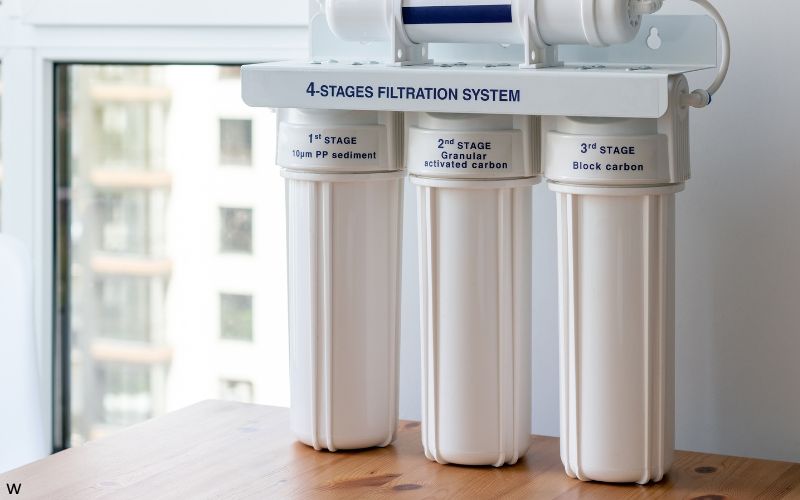
Given Sacramento’s elevated chromium-6 levels (averaging 4,700 ppt — over 235x cancer-risk benchmarks) and PFAS detections above EPA limits, NSF-certified reverse osmosis systems are the most effective option, removing PFAS, chromium-6, and arsenic simultaneously. Activated carbon filters address chlorine taste and some contaminants. See our full water filter guide for Sacramento-specific recommendations.
Practice Water Conservation
Follow California’s permanent water conservation regulations and Sacramento’s local efficiency measures. No watering of lawns during or within 48 hours of rainfall; no washing of driveways or vehicles without a shut-off nozzle. Participate in Cash for Grass programmes and install drought-tolerant landscaping to reduce outdoor water usage. See our California water quality overview for statewide context.

Report Water Issues
Contact Sacramento Department of Utilities Customer Service at (916) 808-5454 or email utilitiescs@cityofsacramento.org for water main breaks, service issues, or quality concerns. Report problems promptly to help maintain system integrity and public safety. For current boil water advisories or water quality events across the US, visit our water alert news page.
Frequently Asked Questions
Is Sacramento’s tap water safe to drink?
Sacramento’s tap water meets all current federal and state drinking water standards. The city’s water comes from the Sacramento and American Rivers (80%) and groundwater wells (20%), all of which undergo comprehensive treatment processes.
However, the 2024 Consumer Confidence Report (published June 2025) records chromium-6 averaging 4.7 µg/L in the distribution system — with groundwater reaching up to 7.6 µg/L — and PFOS/PFOA detections above EPA’s 4 ppt MCL in some wells. Arsenic averages 2.3 µg/L system-wide. While meeting current standards, residents — particularly pregnant women, infants, and immunocompromised individuals — may wish to consider a reverse osmosis or NSF-certified filtration system for additional protection. See our water filter recommendations.
Why does my water sometimes taste different?
Taste variations can occur due to several factors in Sacramento’s water system:
1. Seasonal source changes: During different times of year, Sacramento may adjust the proportion of river water versus groundwater, which can create subtle taste differences.
2. Geosmin and 2-methylisoborneol: The 2024 CCR specifically notes these naturally occurring odour compounds — produced by algae in the rivers — can cause an earthy or musty taste, most often in late summer. They do not affect safety but are not removed by conventional treatment. Chilling the water often helps.
3. Chlorine disinfection: Levels may vary slightly based on system demands and seasonal water quality conditions. The 2024 system average was 0.8 mg/L, well within the 4 mg/L limit.
If taste or odour issues persist, contact Sacramento Department of Utilities at (916) 808-5454. Running cold water for a few minutes after periods of non-use often improves taste from your tap.
What about lead and copper in Sacramento’s water?
Sacramento follows all EPA Lead and Copper Rule requirements including the Lead and Copper Rule Improvements (LCRI):
• Service line inventory: Completed in 2024 — Sacramento confirmed no lead service lines or galvanised service lines requiring replacement within the city’s service area.
• Lead monitoring results: 2023 testing recorded non-detect results for lead (90th percentile: ND, below the 15 µg/L Action Level). Copper 90th percentile was 0.06 mg/L, well below the 1.3 mg/L Action Level.
• Corrosion control: The utility maintains optimised water chemistry and pH levels to prevent leaching of lead and copper from internal plumbing systems.
• School testing: From 2017–2019, Sacramento tested over 600 samples from 132 schools with 97% showing non-detect results (below 5 µg/L). Homes built before 1986 may contain lead solder in internal plumbing; residents with concerns can contact the Department of Utilities for guidance.
Are there water conservation requirements in Sacramento?
Sacramento follows California’s statewide water conservation regulations and local efficiency measures:
Current Requirements:
• No watering of lawns or landscapes during and 48 hours after precipitation
• No washing of driveways, sidewalks, or vehicles with potable water unless a shut-off nozzle is used
• No water runoff from irrigation onto paved surfaces
Sacramento County Water Agency areas:
Some areas served by Sacramento County Water Agency may have additional restrictions. Check with your specific water provider for local requirements. See also nearby city reports for San Francisco, Los Angeles, and Fresno.
Rebate Programmes:
Sacramento offers various rebates for efficient fixtures, appliances, and drought-tolerant landscaping to help customers reduce water usage while maintaining service quality.
Quality News About Your Water
Get the comprehensive water quality news coverage you need with our dedicated US Water News Service. From coast to coast, we deliver in-depth reporting and expert analysis on PFAS contamination, EPA regulatory changes, infrastructure developments, and emerging water safety issues affecting communities nationwide. While mainstream media only covers the biggest stories, we provide the detailed, ongoing coverage that helps you understand the full scope of America’s water challenges.
What’s actually in your tap water? Enter your ZIP code for a full breakdown of contaminants detected in your local supply
Drinking water from a well? Check our directory here for more information
Contaminants of Concern
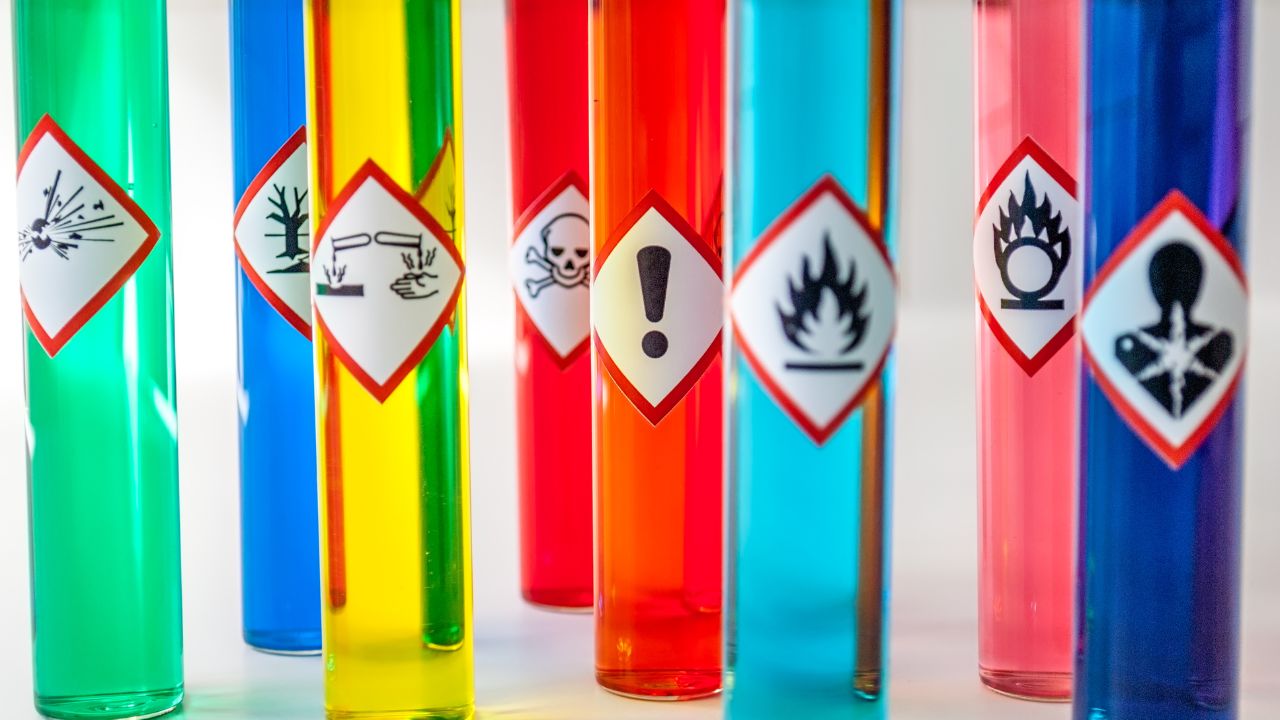
PFAS Compounds
Source: Per- and polyfluoroalkyl substances from industrial processes, firefighting foams, and consumer products that can enter source waters and groundwater supplies. Military bases near Sacramento — including McClellan Air Force Base and Mather Army Aviation Support Facility — have historically recorded extremely high PFAS levels in groundwater, contributing to broader contamination concerns.
Health Effects: Research links PFAS exposure to effects on immune system function, thyroid function, cholesterol levels, and increased risk of certain cancers including testicular, kidney, liver, and thyroid cancers. The CDC has detected PFAS in the blood of 99% of Americans.
Current Status (2026): PFOS and PFOA detected above EPA’s 4 ppt MCL in some Sacramento wells. Sacramento received approximately $10.4 million through PFAS manufacturer settlements (3M/DuPont) in 2025 to fund treatment. The EPA compliance deadline for PFOA/PFOS has been extended to 2031; initial monitoring is required by April 2027. PFAS levels for PFHxS and PFPeA in the 2024 CCR were all non-detect or trace-level in treated water. For further reading, see our water news section. EPA MCLs: 4 ppt for PFOA and PFOS (enforceable from 2031).
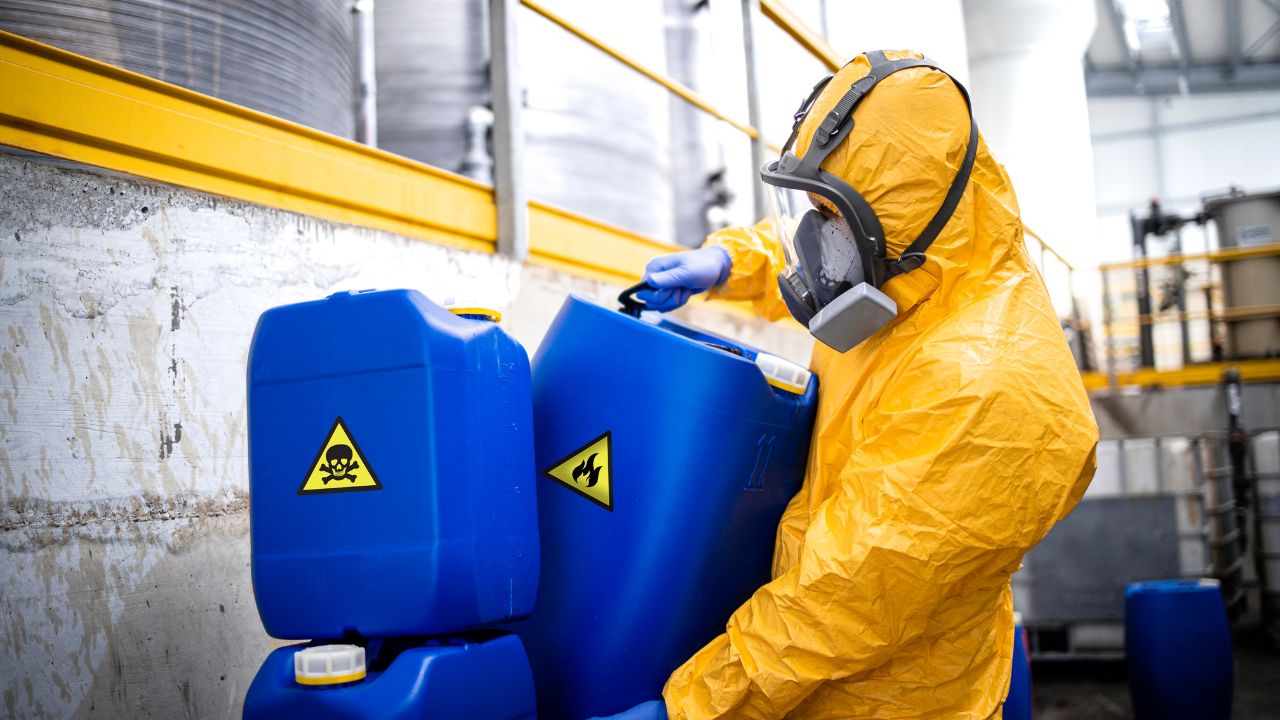
Chromium-6 & Heavy Metals
Source: Hexavalent chromium occurs naturally in groundwater and through industrial processes. Arsenic occurs naturally in groundwater deposits throughout California’s Central Valley, entering wells through erosion of natural rock deposits.
Health Effects: Chromium-6 is a known carcinogen linked to stomach and other cancers. Arsenic is carcinogenic and causes damage to the brain, central nervous system, skin, and blood vessels with prolonged exposure.
Current Levels (2024 CCR data): Chromium-6 system average 4.7 µg/L (4,700 ppt); groundwater range up to 7.6 µg/L (7,600 ppt). Both surface water treatment plants showed non-detect for chromium-6. California’s public health goal for chromium-6 is just 0.02 µg/L (20 ppt), meaning even the system average is 235 times higher than the cancer-risk benchmark. Arsenic system average 2.3 µg/L; groundwater range up to 4.3 µg/L. See our filter guide — reverse osmosis systems effectively remove both contaminants. California MCL: 10 µg/L for chromium-6; EPA MCL: 10 µg/L for arsenic.
Please read – our information
The information presented on cleanairandwater.net is compiled from official water quality reports, trusted news sources, government websites, and public health resources. While we strive for accuracy and thoroughness in our presentations, we are not scientists, engineers, or qualified water quality professionals.
Our mission is to present water quality information in an accessible, real-world format that helps people understand what’s in their water and make informed decisions about their health and safety. We believe that complex environmental information should be available to everyone in a format that’s easy to understand.
We make every effort to ensure our content is current and accurate, but we cannot guarantee that all information is complete or error-free. This website should not replace official communications from your local water utility or health department. We always recommend consulting official sources for the most up-to-date information regarding your specific water system.
Clean Air and Water is not liable for any unintentional errors, omissions, or outdated information. The content on this site is provided for informational purposes only and should not be considered professional advice.